 YardMate


Ground-Ivy
Glechoma hederacea
Easy · Beginner friendlyAbout Ground-Ivy
Creeping Charlie or Ground Ivy is a European mint naturalized throughout the US, forming aggressive mats of round scalloped leaves on square creeping stems that root at every node. Produces small purple tubular flowers in spring, smells minty-pungent when crushed, and spreads relentlessly through lawns and garden beds. One of the most hated invasive lawn weeds in shaded and moist American yards, nearly impossible to eradicate once established.
- Medicinal
- Shade-tolerant
How to care for Ground-Ivy
Watering
- Springevery 5 days
- Summerevery 3 days
- Fallevery 10 days
- Winterevery 14 days
Soil · Rich & well-draining
- Top dressingCompost10%
- Main mixPotting soil + compost 3:180%
- DrainageGravel10%
Top up the compost layer each season.
FERTILIZER
This plant needs little to no feeding.
At a Glance
- NativeEurope, Western Asia
- Height0.3–0.5 ft (0.1–0.2 m)
- Spread1–3 ft (0.3–0.9 m)
- Flower colorPurple, Blue
- Foliage colorGreen
- Fruit colorBrown
- SoilRich, Loamy, Well-drained
- LocationsYard
Bloom time
BLOOM CYCLE
Peak bloom
Mar–Aug
Small purple tubular flowers spring to early summer
Fragrance
MODERATE FRAGRANCE
The foliage has a minty-resinous when crushed scent.
Toxicity
Humans Slight · Pets Slight
pulegone and menthone
Slight
- Leaf
- Ingestion
EXPOSURE Eating leaves.
EFFECT Liver toxicity at high doses.
NOTE Contains pulegone; safe in culinary amounts but concentrated use can be hepatotoxic. Horses especially sensitive.
Slight
- All
- Ingestion
EXPOSURE Eating any part of the plant.
EFFECT Drooling and vomiting.
NOTE Contains pulegone; safe in culinary amounts but concentrated use can be hepatotoxic. Horses especially sensitive.
Slight
- All
- Ingestion
EXPOSURE Eating any part of the plant.
EFFECT Drooling and vomiting.
NOTE Contains pulegone; safe in culinary amounts but concentrated use can be hepatotoxic. Horses especially sensitive.
Educational information, not medical or veterinary advice. If exposure is suspected, contact a doctor or veterinarian.
DISTRIBUTION

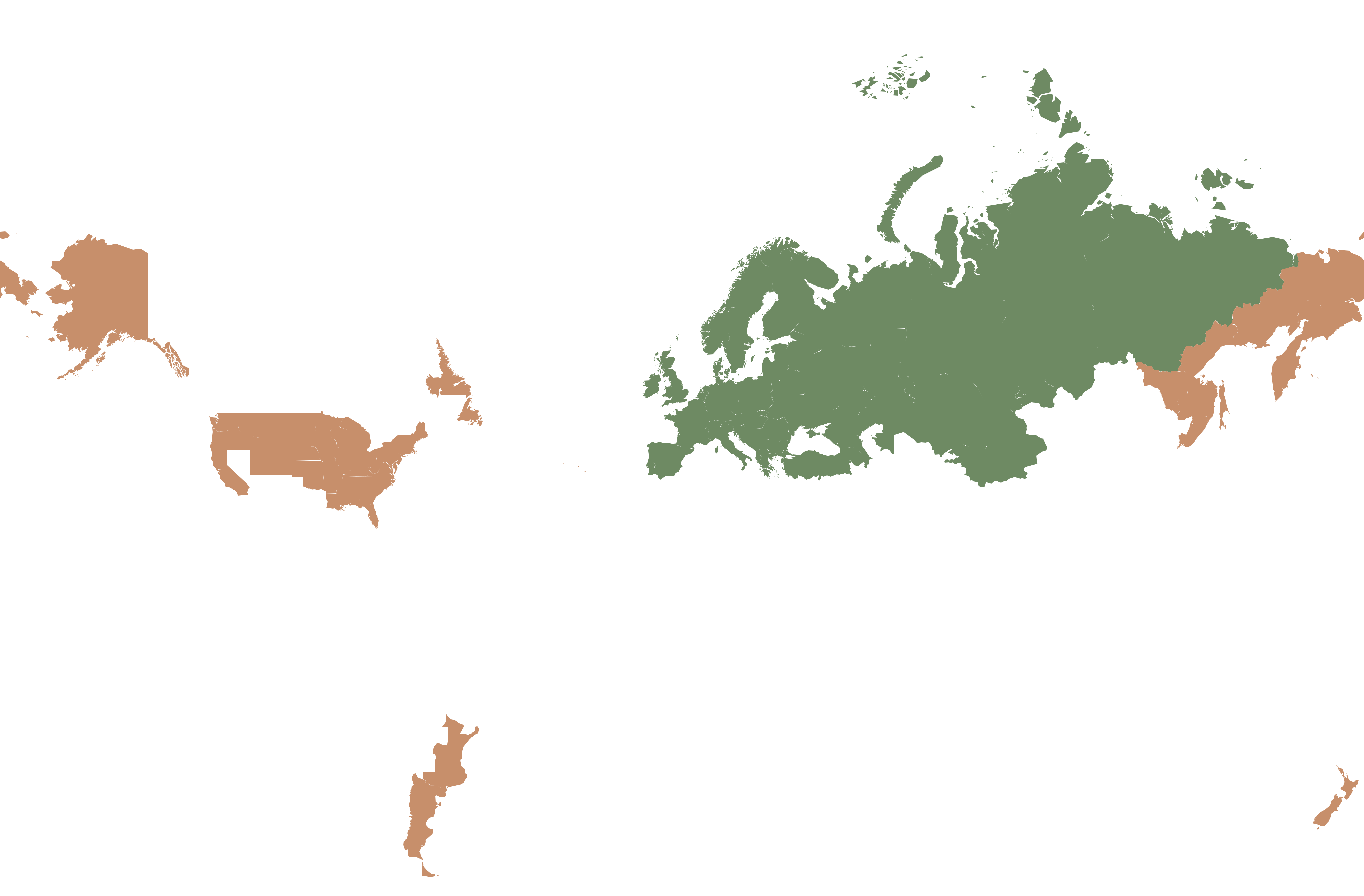
- Native
- Introduced
- Europe
- Western Asia
History
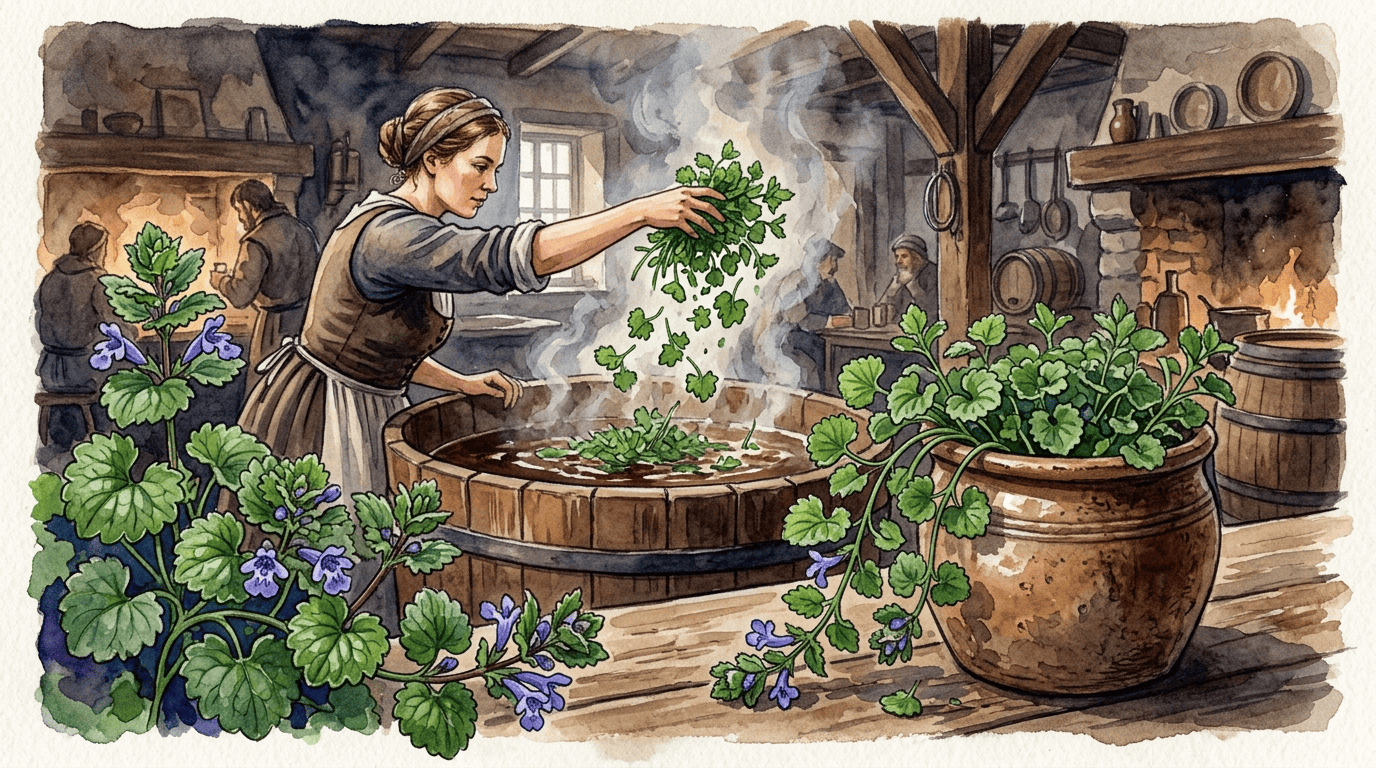
Glechoma hederacea is native to Europe and Asia. Linnaeus described it as Nepeta hederacea in 1753; Schulting transferred it to Glechoma in 1810. Anglo-Saxon and medieval European herbalists called it alehoof or tunhoof because it was added to ale as a bittering and preserving agent before hops took over in the 15th-16th centuries; the traditional ale herb role led to widespread deliberate cultivation in cottage gardens.
European colonists carried it to North America in the 1600s specifically for brewing and as a pot-herb. It escaped gardens and spread extensively; today it is one of the most hated weeds of US shade lawns, forming dense creeping mats that resist most herbicides.
Its minty leaves remain edible in moderation but contain pulegone, the same compound that makes pennyroyal toxic at high doses. Native to Europe, introduced to North America by colonists as a medicinal plant and beer-flavoring herb called gill before hops became standard. Escaped into lawns and gardens and now one of the most detested invasive lawn weeds across the US, especially in shaded moist yards from the Midwest through New England.
Symbolism & meaning
What It Symbolizes
Ground-Ivy is relentless spread — its creeping stems root at every node, weaving steadily through lawns and shaded edges. Yet its history is rich: as the old beer herb of Anglo-Saxon England, it flavored and clarified ale long before hops took over. Its meaning today is ecological observation, a reminder that yesterday's brewing herb can be tomorrow's stubborn weed depending on where it lands.
- Relentless spread — roots at every node of creeping stems
- Old beer herb — flavored Anglo-Saxon ale before hops
Where the Name Comes From
'Glechoma' from Greek 'glechon' meaning pennyroyal; 'hederacea' means ivy-like, for the creeping habit and leaf shape.
Uses & Fun Facts
- Aromatic leaves used historically as ale flavoring herb
- Traditional European folk remedy for coughs and inflammation
- Small purple flowers feed bumblebees and mason bees
- Spreads quickly to form scented carpet in shaded sites
Related plants
Plants with similar care
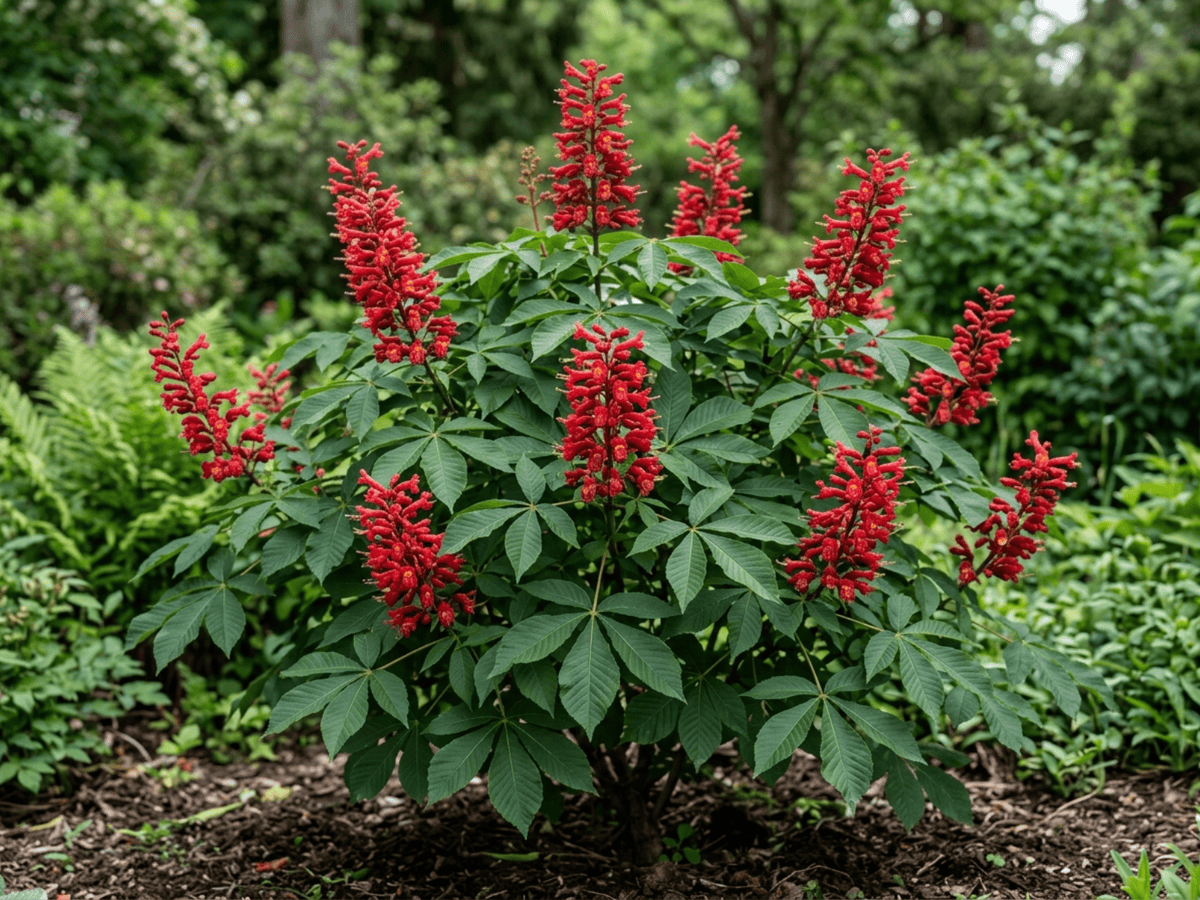 Red BuckeyeAesculus pavia
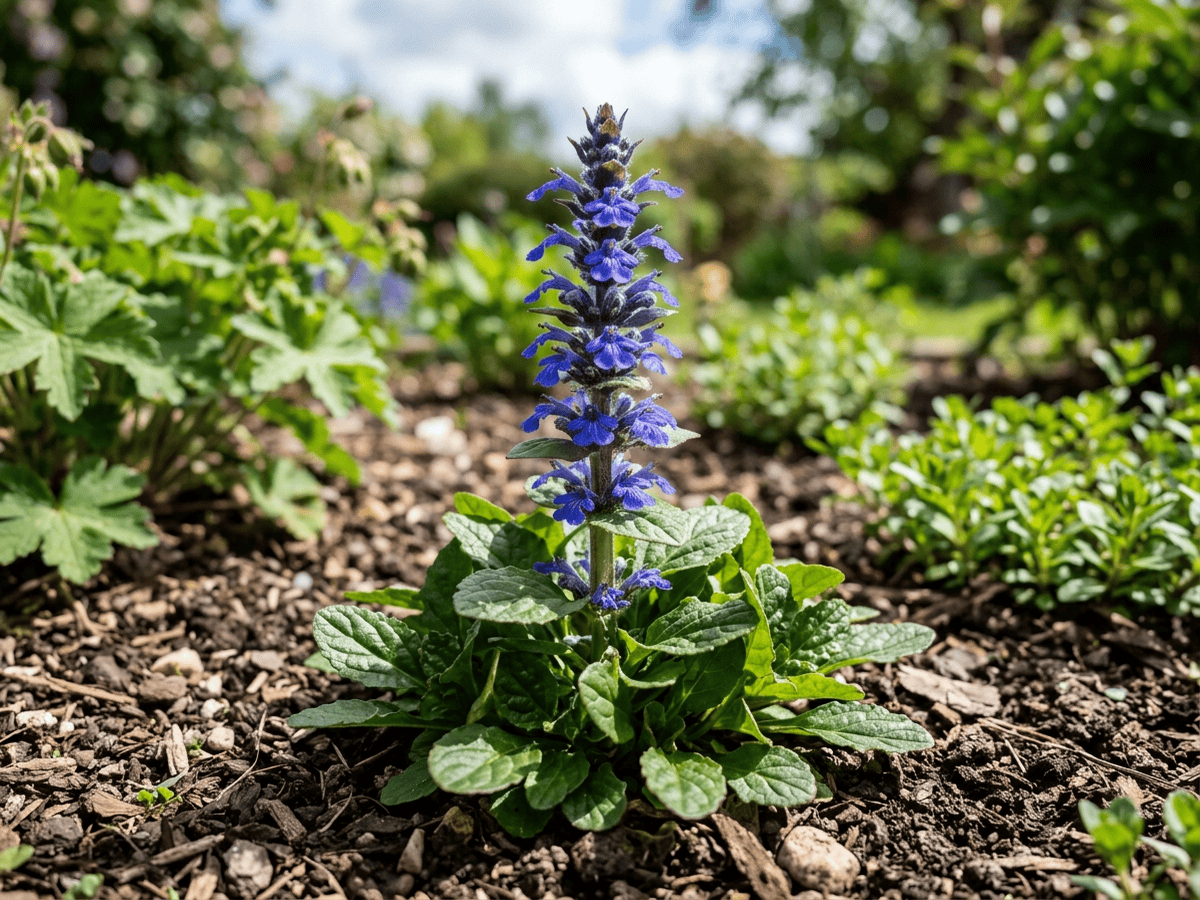 Blue BugleAjuga genevensis
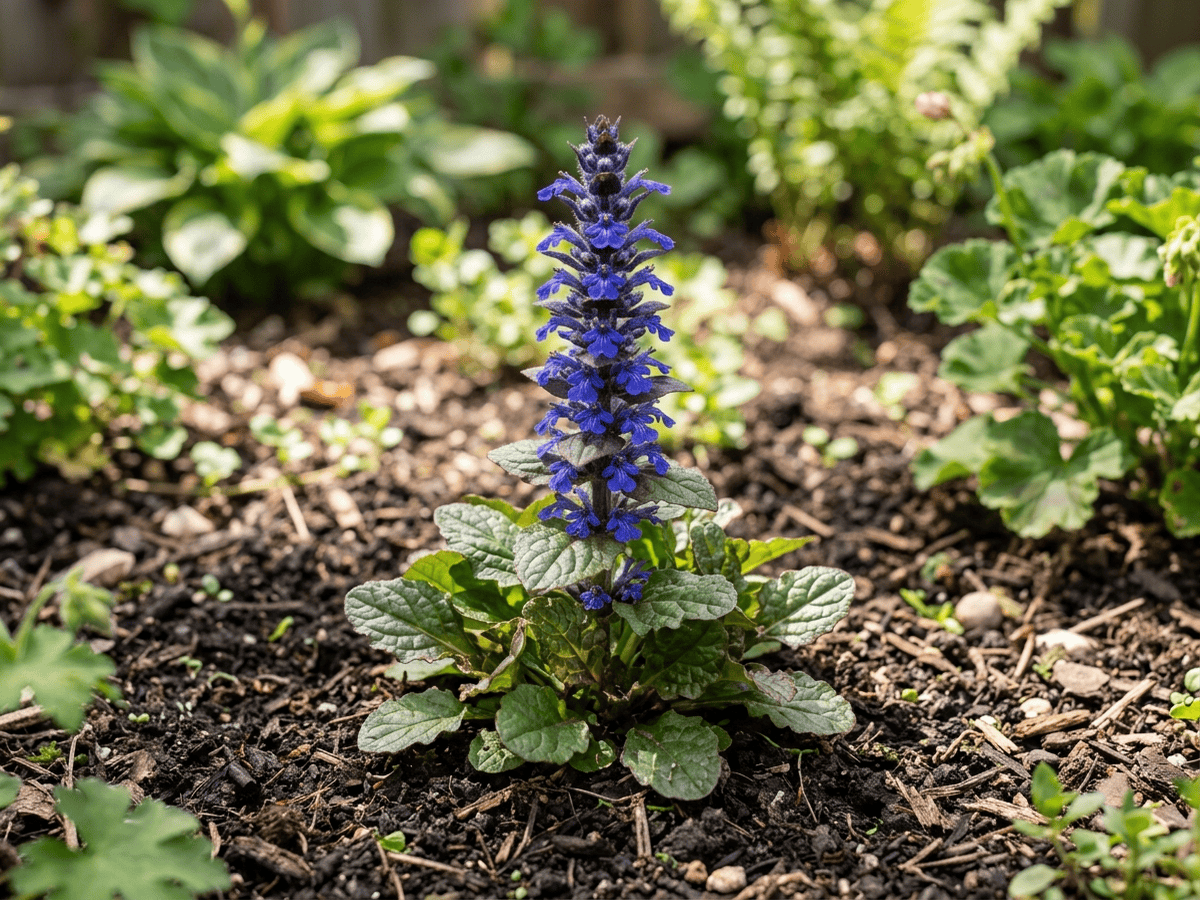 Pyramidal BugleAjuga pyramidalis
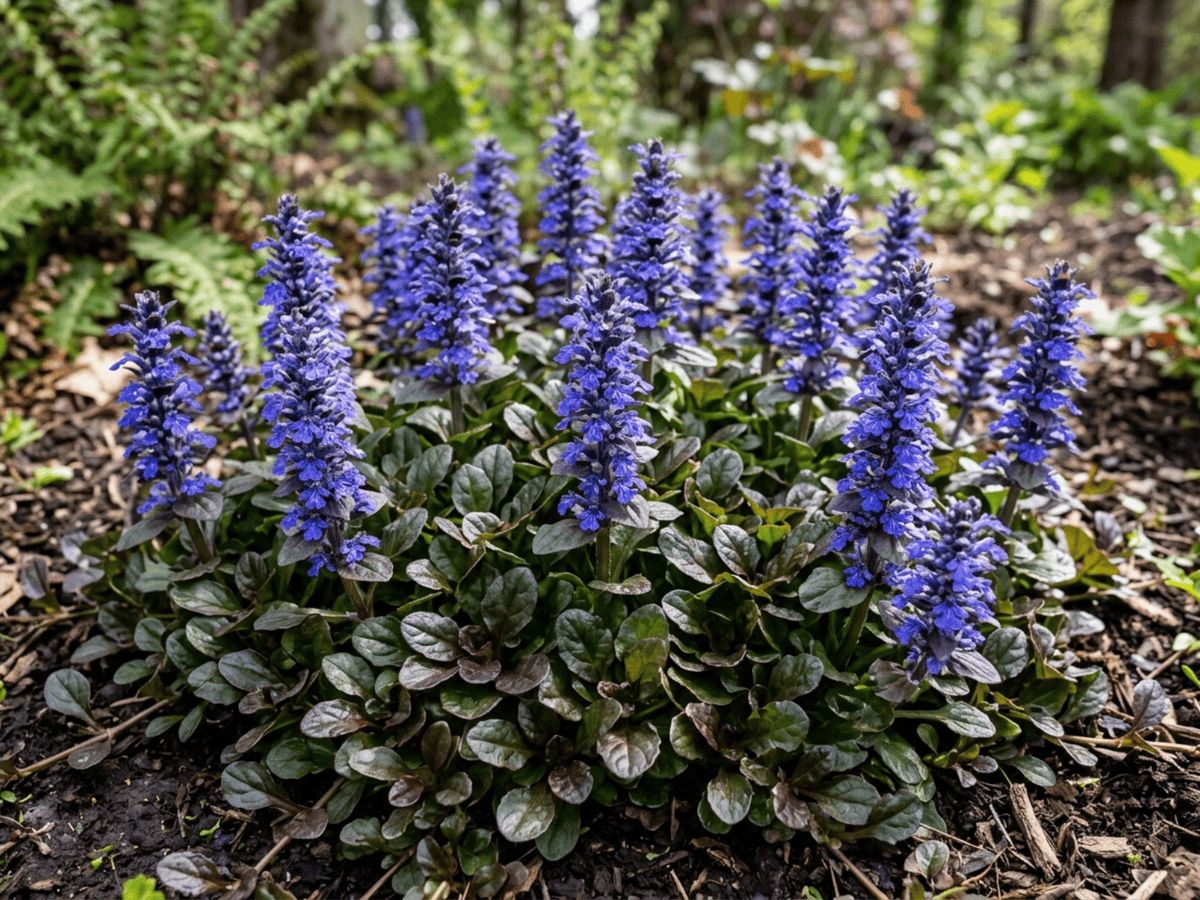 Carpet BugleAjuga reptans
Frequently asked questions
How often should I water Ground-Ivy?
In summer, water about every 3 days; in winter, about every 14 days. Adjust for heat, pot size and drainage.
How much light does Ground-Ivy need?
Part shade: 2–4 hrs direct. Watch the leaves — scorching or stretching means the light needs adjusting.
Is Ground-Ivy toxic to cats or dogs?
Pets Slight (Dogs Slight · Cats Slight) Educational information, not medical or veterinary advice. If exposure is suspected, contact a doctor or veterinarian.
Is Ground-Ivy easy to grow?
Yes — it is considered an easy, beginner-friendly plant.
When does Ground-Ivy bloom?
It typically blooms Mar–Aug in the Northern Hemisphere.
YardMate
Identify any plant in seconds
Snap a photo — YardMate names the plant, diagnoses problems, and reminds you when to water.
Download on the App Store