 YardMate


Loblolly Bay
Gordonia lasianthus
Medium · Some experienceAbout Loblolly Bay
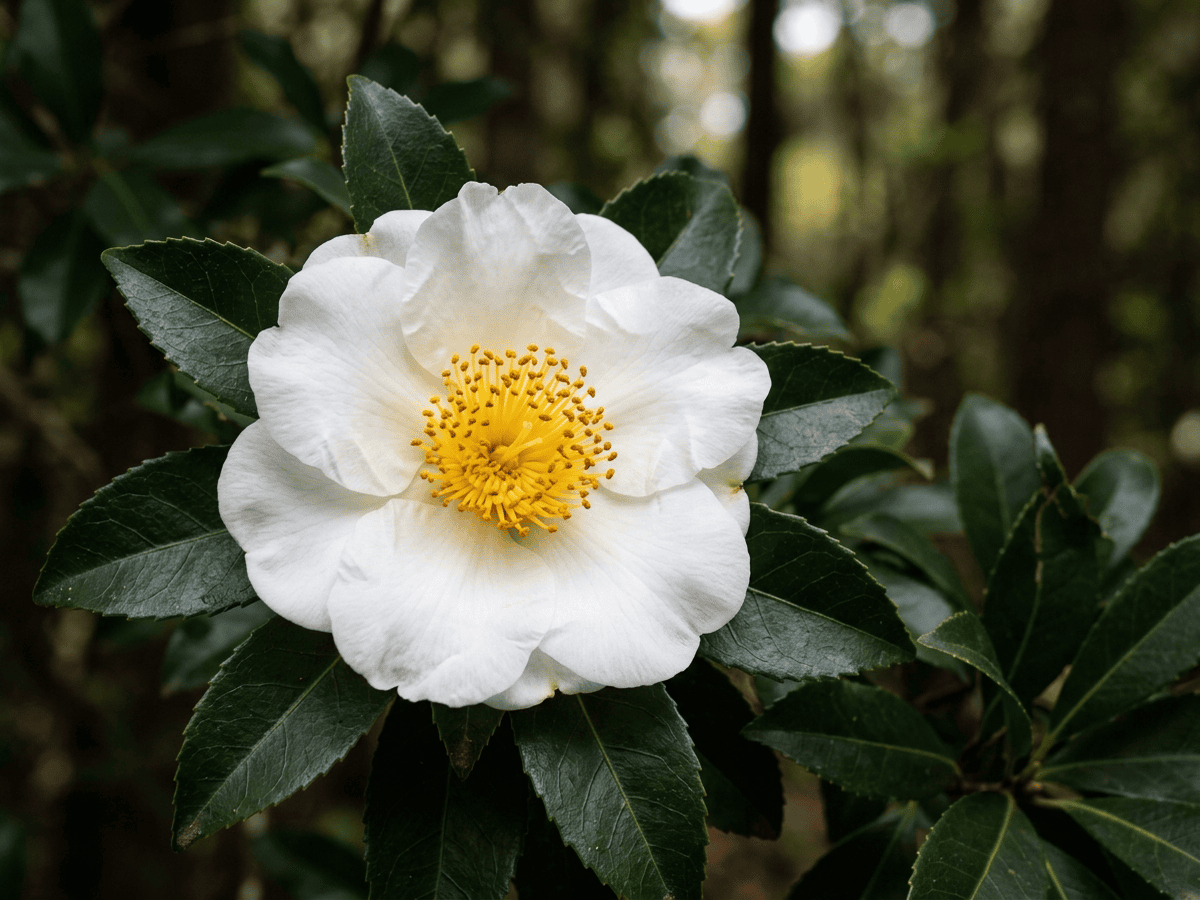
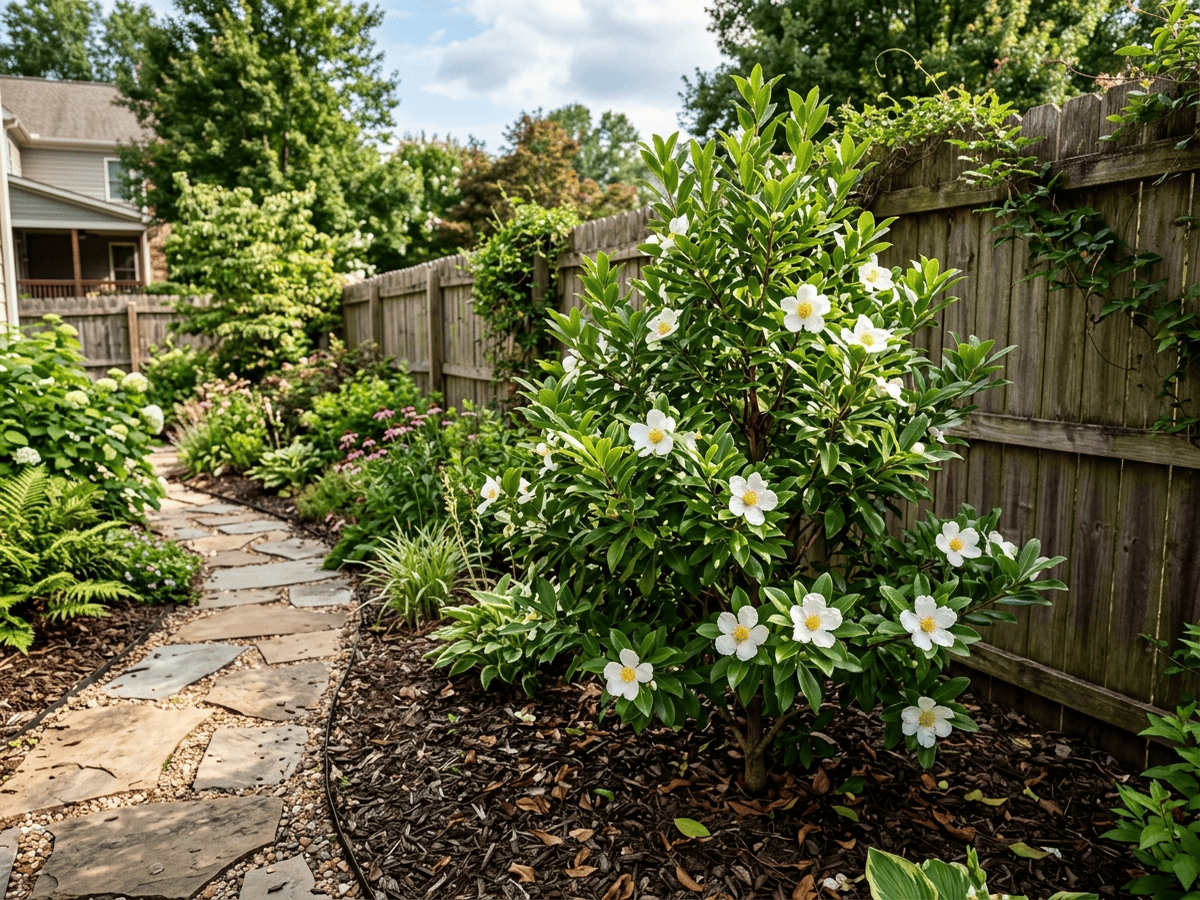
Loblolly Bay is a Southeastern American native evergreen tree reaching 30-60 feet, with glossy dark-green leaves resembling magnolia foliage and large white camellia-like fragrant flowers with showy yellow stamens through summer. Native to wet pine flatwoods and bog margins from Virginia to Florida, it is among the most beautiful native evergreen flowering trees of the Southeast—closely related to camellias and tea. Highly underused in cultivation despite its outstanding garden merit.
- Evergreen
- Native
How to care for Loblolly Bay
Watering
- Springevery 5 days
- Summerevery 4 days
- Fallevery 10 days
- Winterevery 14 days
Soil · Acidic · pH 4.5–6
- Top dressingPine needle mulch10%
- Main mixAcid-lover mix + peat 3:175%
- DrainageGravel15%
Never add lime or wood ash — it cancels out the acidity.
FERTILIZER
- Springevery 120 days
At a Glance
- NativeNorth America
- Height30–50 ft (9.1–15.2 m)
- Spread10–15 ft (3–4.6 m)
- Flower colorWhite
- Foliage colorGreen
- Fruit colorBrown
- SoilAcidic, Moisture-retentive
- LocationsYard
Bloom time
BLOOM CYCLE
Peak bloom
Jun–Aug
White camellia-like fragrant flowers throughout summer
Fragrance
MODERATE FRAGRANCE
The flowers have a sweet camellia-like fragrance.
Toxicity
Toxicity unknown
None reported
Unknown
EXPOSURE Unspecified plant material.
EFFECT Toxic effects are not specified.
NOTE Toxicity for humans is not well documented; use caution until verified.
Unknown
EXPOSURE Unspecified plant material.
EFFECT Toxic effects are not specified.
NOTE Toxicity for dogs is not well documented; use caution until verified.
Unknown
EXPOSURE Unspecified plant material.
EFFECT Toxic effects are not specified.
NOTE Toxicity for cats is not well documented; use caution until verified.
Educational information, not medical or veterinary advice. If exposure is suspected, contact a doctor or veterinarian.
DISTRIBUTION


- Native
- North America
History
Gordonia lasianthus, the loblolly bay, is an evergreen tree of the Theaceae family native to wet acidic soils of the southeastern United States coastal plain from Virginia to Louisiana. Colonial American botanist John Bartram collected the species in the 1760s in the Carolina lowlands. Linnaeus named the genus in 1770 for James Gordon, a prominent London nurseryman of Scottish origin.
Its glossy evergreen leaves and fragrant white camellia-like flowers have made it a southern landscape favorite since the 19th century, though it is finicky in dry upland soils. The wood is light and soft, historically used for interior trim and cabinetry.
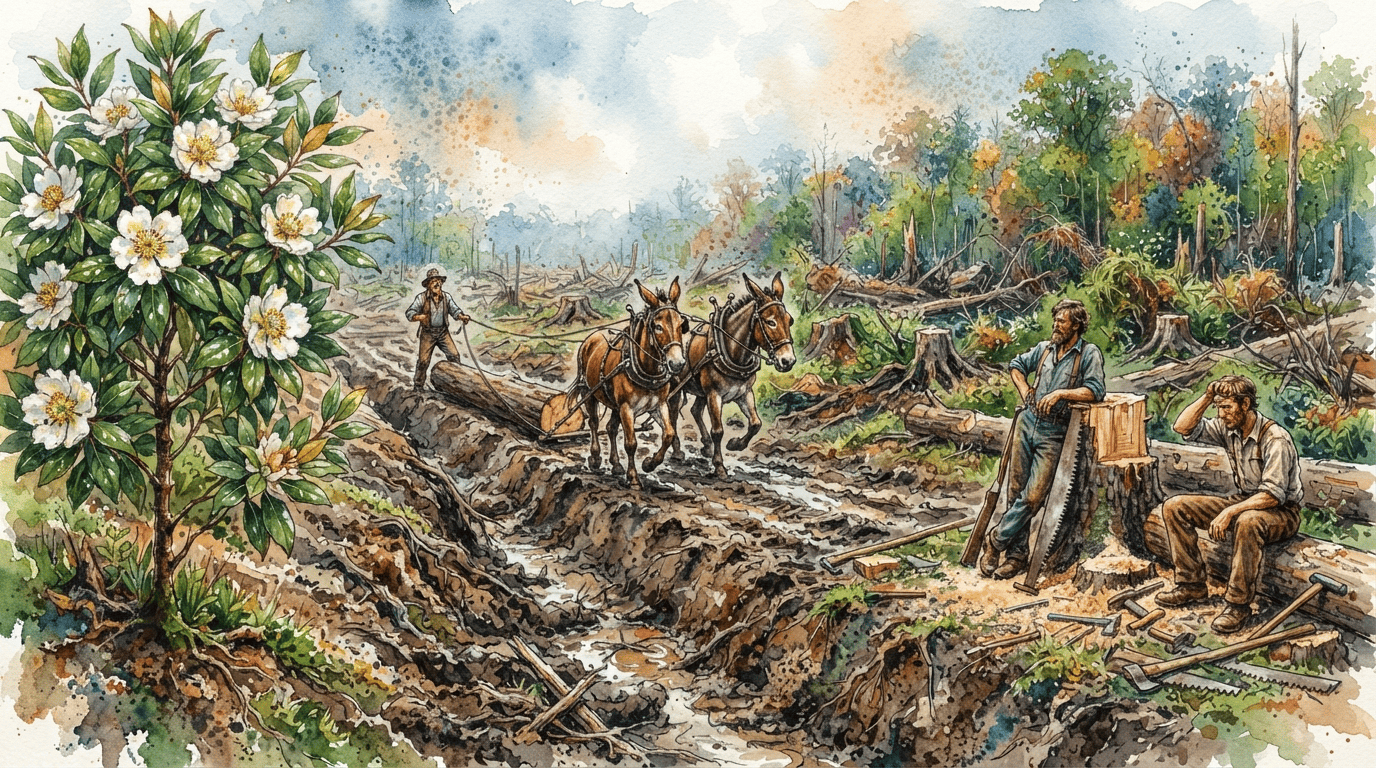
Logging and wetland drainage have reduced mature stands, but the tree remains locally abundant in protected pocosins and Carolina bays. Native to wet pine flatwoods, bay swamps, and pocosins of the Southeastern Coastal Plain from Virginia to Florida. Among the most beautiful native flowering evergreens of the Southeast but sensitive to disturbance and rarely available in cultivation.
Symbolism & meaning
What It Symbolizes
The loblolly bay is Southern beauty in evergreen form — tall, columnar, crowned in summer with white camellia-like flowers that seem too elegant for the swamps they grow in. As Southeastern heritage it is woven into wetland forests from Virginia to Florida, sharing space with cypress and bald eagles. Few native trees carry this kind of refined bloom into such wild country.
- Beauty — camellia-like blooms on a native evergreen
- Heritage — iconic tree of Southeastern wetlands
Where the Name Comes From
'Gordonia' honors James Gordon (1728-1791), Scottish botanist; 'lasianthus' from Greek meaning hairy-flowered.
Uses & Fun Facts
- Large white camellia-like flowers scent Southern bay swamps
- Evergreen native tree with showy summer blooms for wet sites
Related plants
Plants with similar care
 Mexican AbeliaAbelia floribunda
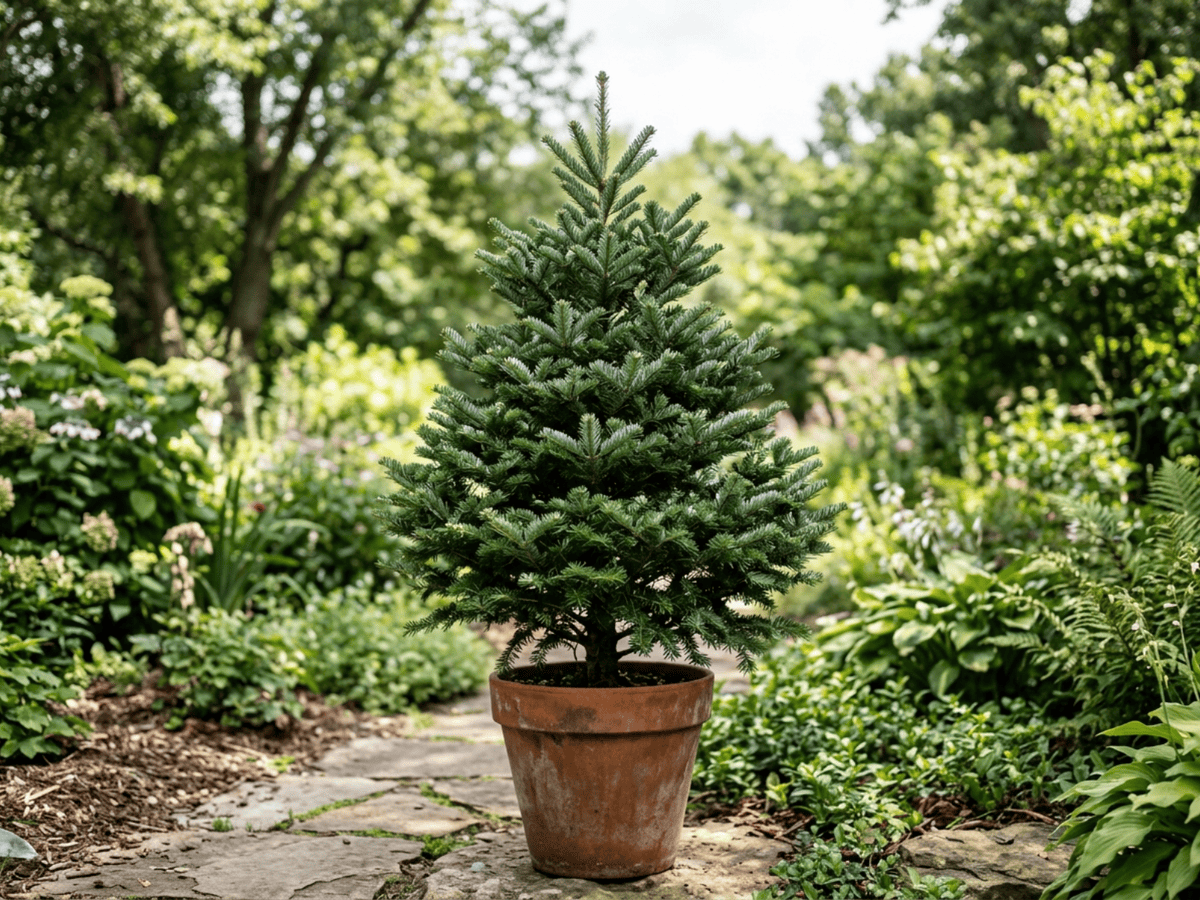 Fraser FirAbies fraseri
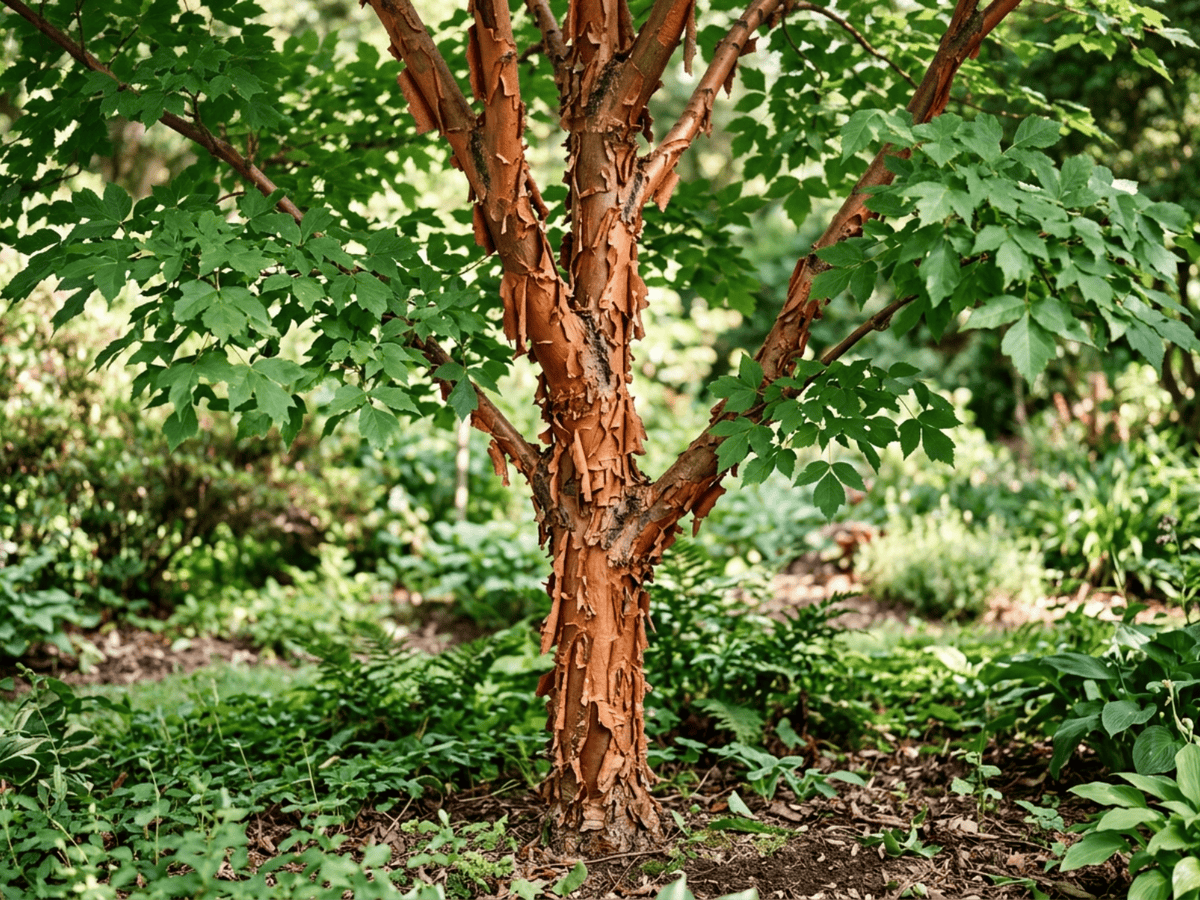 Paperbark MapleAcer griseum
 Sugar MapleAcer saccharum
Frequently asked questions
How often should I water Loblolly Bay?
In summer, water about every 4 days; in winter, about every 14 days. Adjust for heat, pot size and drainage.
How much light does Loblolly Bay need?
Full sun: 6+ hrs direct. Watch the leaves — scorching or stretching means the light needs adjusting.
Is Loblolly Bay toxic to cats or dogs?
Pets Unknown (Dogs Unknown · Cats Unknown) Educational information, not medical or veterinary advice. If exposure is suspected, contact a doctor or veterinarian.
Is Loblolly Bay easy to grow?
It is moderately demanding: a good choice once you have a little experience.
When does Loblolly Bay bloom?
It typically blooms Jun–Aug in the Northern Hemisphere.
YardMate
Identify any plant in seconds
Snap a photo — YardMate names the plant, diagnoses problems, and reminds you when to water.
Download on the App Store