 YardMate


Scarlet-Star
Guzmania lingulata
Easy · Beginner friendlyAbout Scarlet-Star
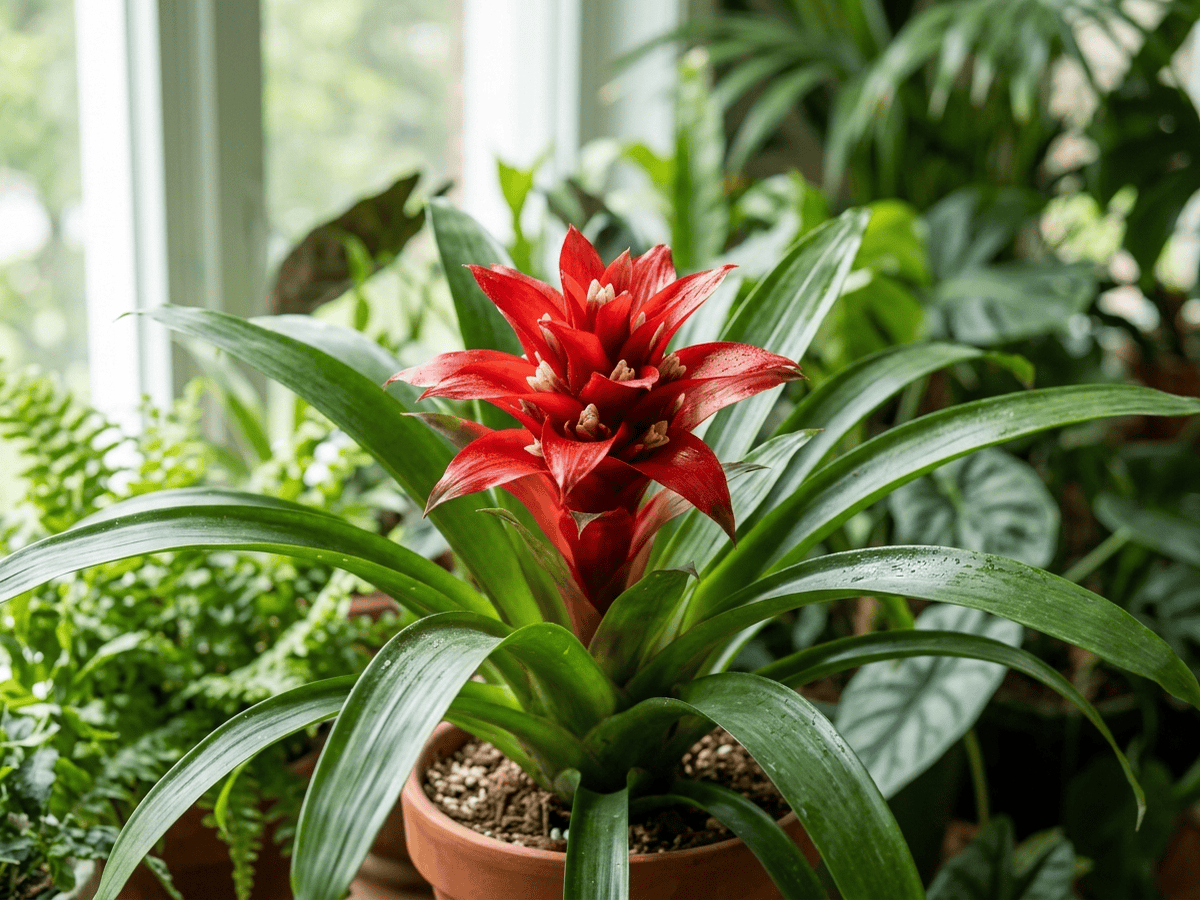
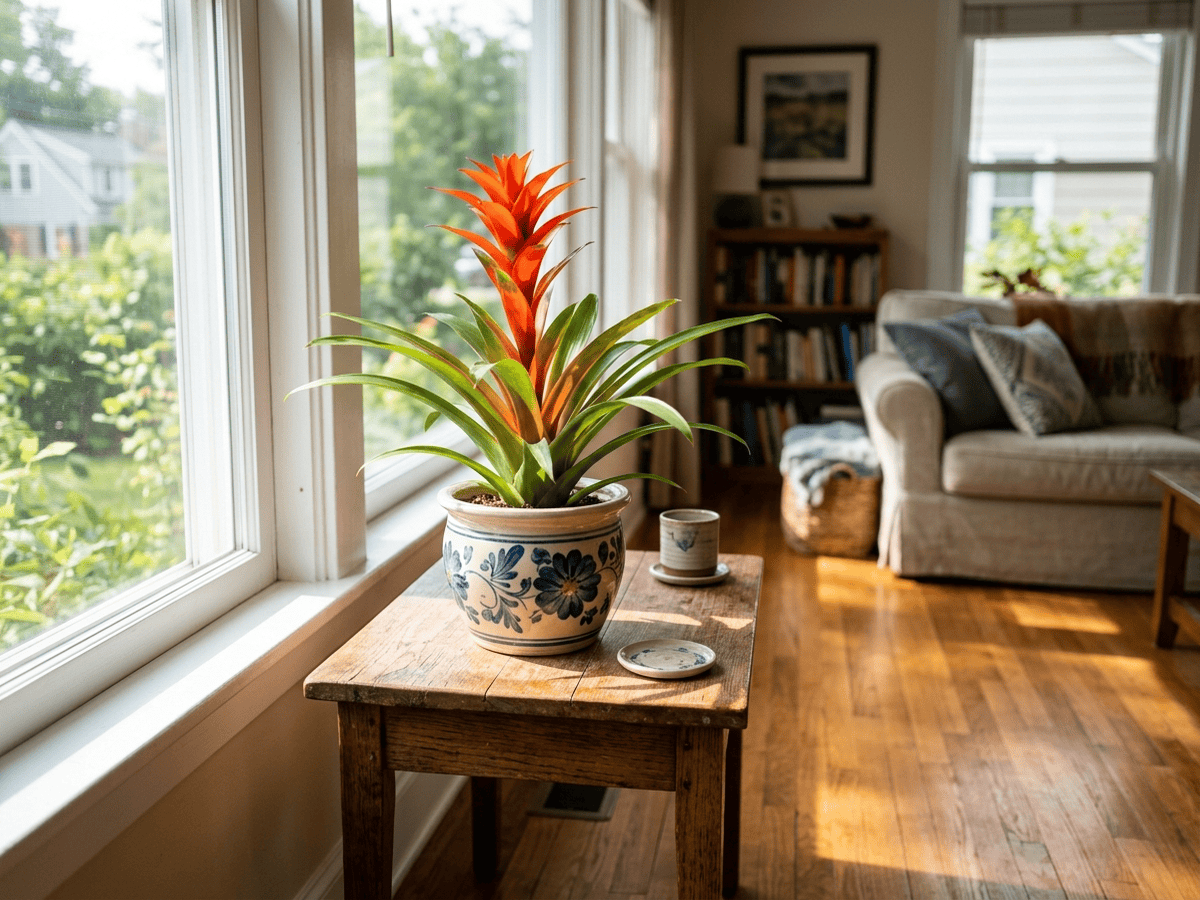
Guzmania lingulata, the scarlet star, is a popular bromeliad houseplant with a rosette of glossy green strap-like leaves and a spectacular, long-lasting flower bract in vivid red, orange, yellow, or pink. The colorful 'flower' is actually a modified leaf bract — the true flowers are tiny and hidden within. Native to Central and South American rainforests, the color display lasts 2–4 months, making it one of the longest-lasting floral shows among houseplants. It needs only moderate light and weekly watering in the central cup. Like all bromeliads, the mother plant dies after flowering but produces pups.
- Long-blooming
How to care for Scarlet-Star
Watering
- Springevery 7 days
- Summerevery 5 days
- Fallevery 10 days
- Winterevery 14 days
Soil · Airy & open
- Single layerOrchid bark + charcoal100%
No soil at all — orchid roots need air moving around them.
FERTILIZER
Balanced Feed 14-14-14
An even feed covers all three needs at once, keeping leaves, roots and blooms moving together with nothing pushed out of balance.
- Nitrogen · Leaves
- Phosphorus · Roots + Blooms
- Potassium · Strength
- Springevery 45 days
- Summerevery 45 days
- Fallevery 60 days
At a Glance
- NativeCentral America, South America
- Height1–1.5 ft (0.3–0.5 m)
- Spread1–2 ft (0.3–0.6 m)
- Flower colorRed, Orange, Yellow, Pink
- Foliage colorGreen
- SoilWell-drained, Acidic
- LocationsIndoor
Bloom time
BLOOM CYCLE
Peak bloom
Jun–Aug
Vivid flower bract lasts 2–4 months; blooms once per rosette
Fragrance
NO FRAGRANCE
Not fragrant.
Toxicity
No toxicity has been reported for this plant. Still, it is wise to keep pets from chewing on any houseplant.
Educational information, not medical or veterinary advice. If exposure is suspected, contact a doctor or veterinarian.
DISTRIBUTION


- Native
- Introduced
- Central America
- South America
History
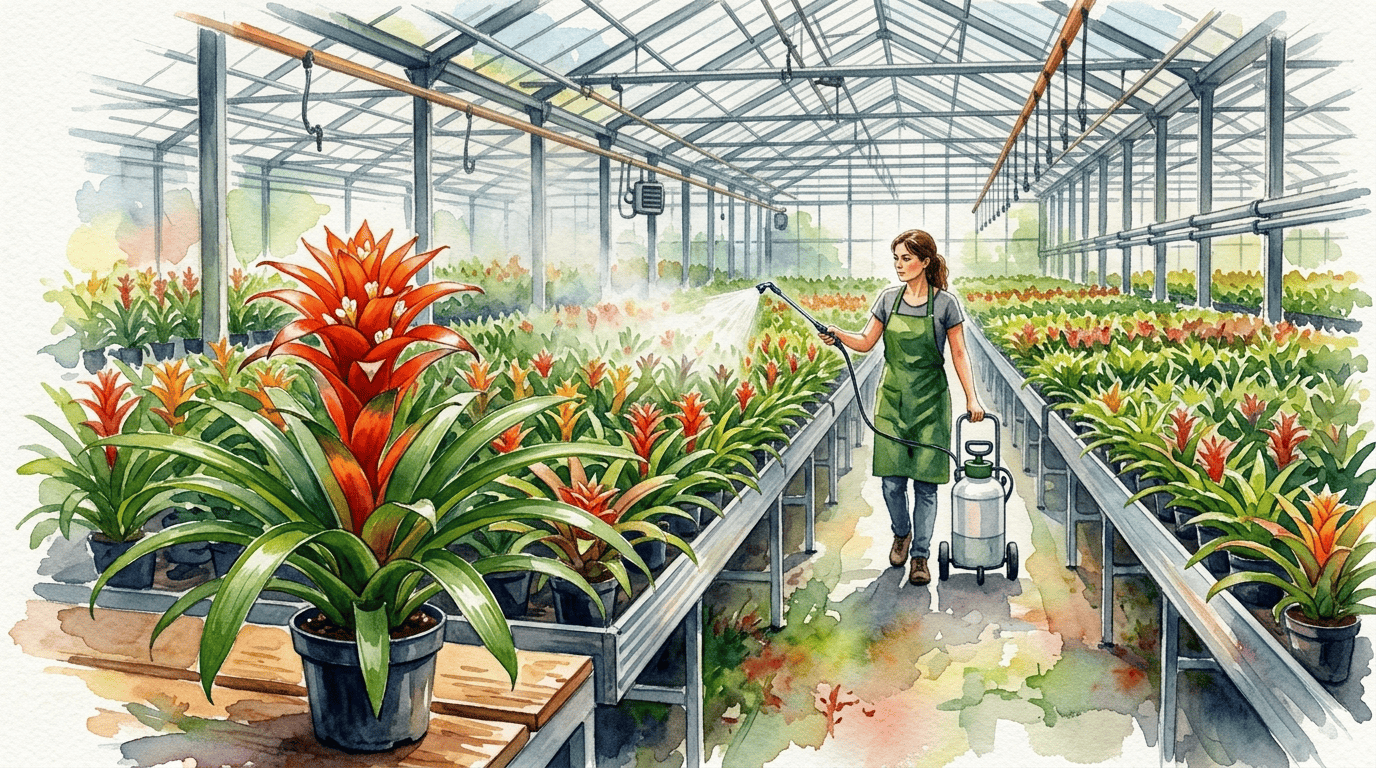
Guzmania lingulata is native to a broad tropical range from the West Indies and Central America through northern South America into Brazil, where it grows as an epiphyte in rainforest canopies. The genus is named after the 18th-century Spanish apothecary and naturalist Anastasio Guzmán. Its striking flower structure — what looks like a bright red-orange 'flower' is actually a dense cluster of colored bracts surrounding the small true white or yellow flowers — stays showy for up to six months, a duration matched by very few other flowering pot plants.
This display longevity, combined with tolerance of low light and modest humidity, has made Guzmania the single best-selling bromeliad in the global houseplant trade since the 1990s. Like other Bromeliaceae, it is confirmed non-toxic to pets. The incredibly long-lasting bract display evolved to attract hummingbird pollinators over extended periods in the dim rainforest understory.
Commercial production of Guzmania involves a clever trick: growers expose mature plants to ethylene gas (the same gas emitted by ripening apples) to trigger simultaneous flowering across entire greenhouse batches. This allows mass production of flowering plants perfectly timed for retail display. Over 120 Guzmania species exist in the wild.
Symbolism & meaning
What It Symbolizes
Scarlet-Star carries pride in its bold, upright flower bract, standing tall and confidently above a rosette of glossy green leaves. There is no shyness in its scarlet — it stands for self-assurance worn openly, the kind of confidence that does not need to apologize. A tropical bromeliad that occupies its corner of the room as if it were holding court.
- Pride — Its bold, upright flower bract stands tall and confident, representing self-assurance
Where the Name Comes From
The common name highlights its scarlet coloring. Guzmania honors Anastasio Guzmán, 18th-century Spanish naturalist. Lingulata means 'tongue-shaped,' describing the floral bracts.
Uses & Fun Facts
- Glossy rosette with vivid scarlet flower bract as houseplant focal point
- Tropical bromeliad grown in pots and humid bathrooms
- Long-lasting central inflorescence brightens shaded indoor spaces
Related plants
Plants with similar care
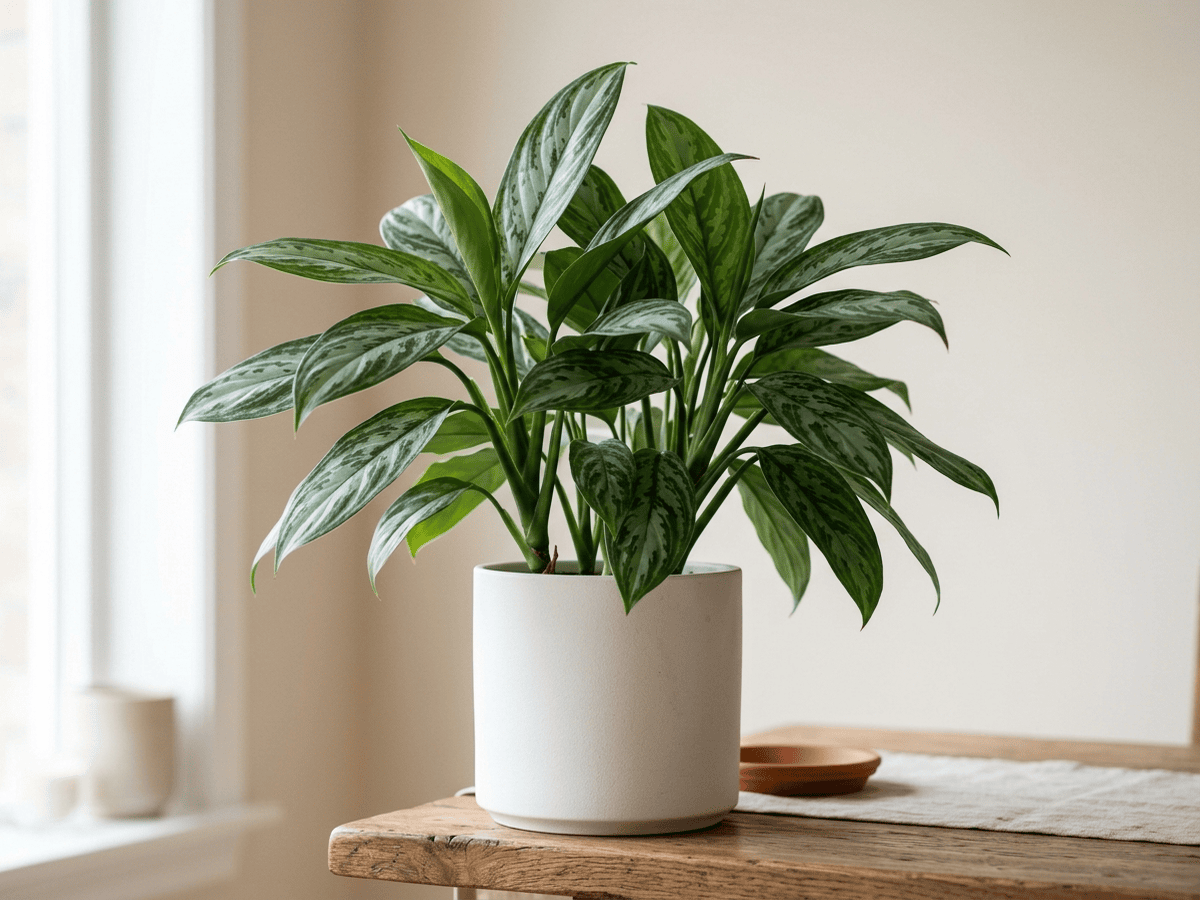 Philippine EvergreenAglaonema commutatum
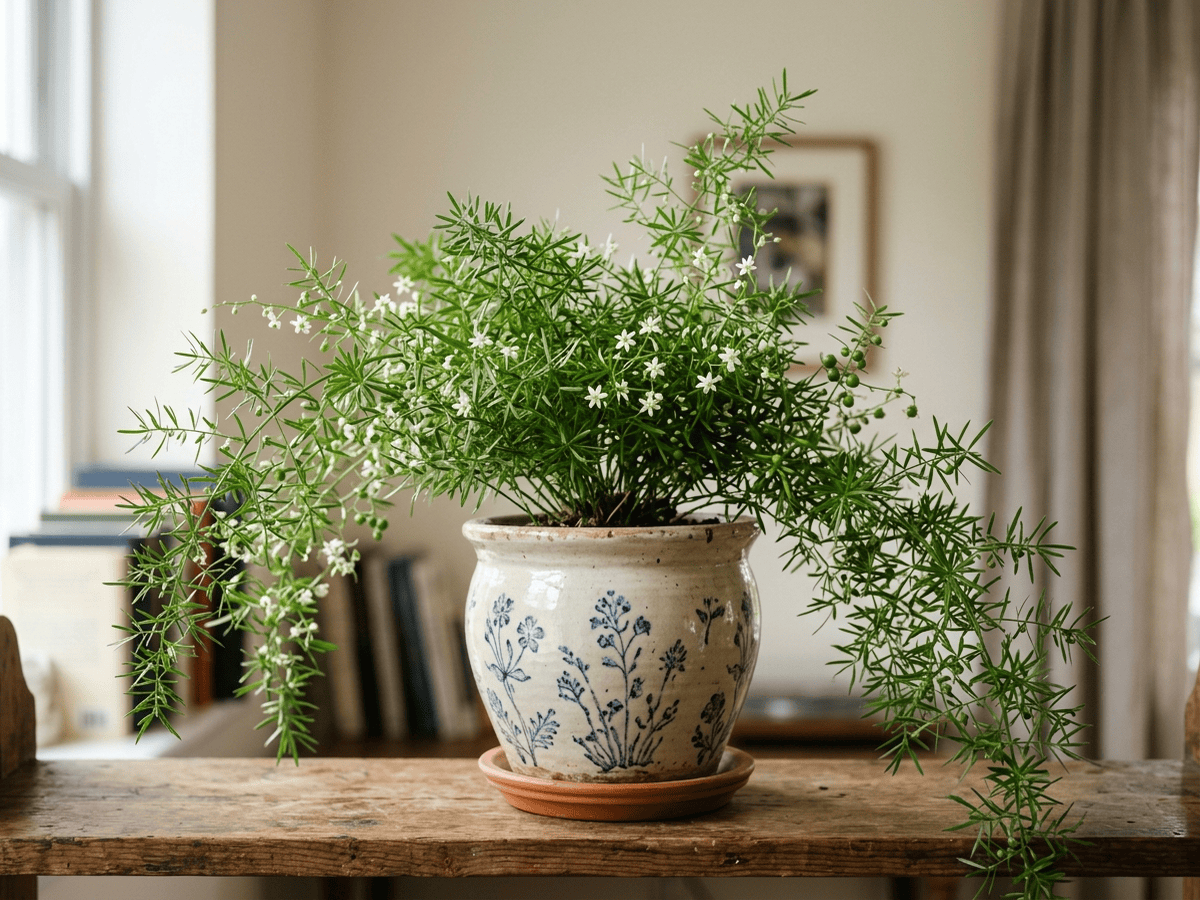 Sprenger's AsparagusAsparagus densiflorus
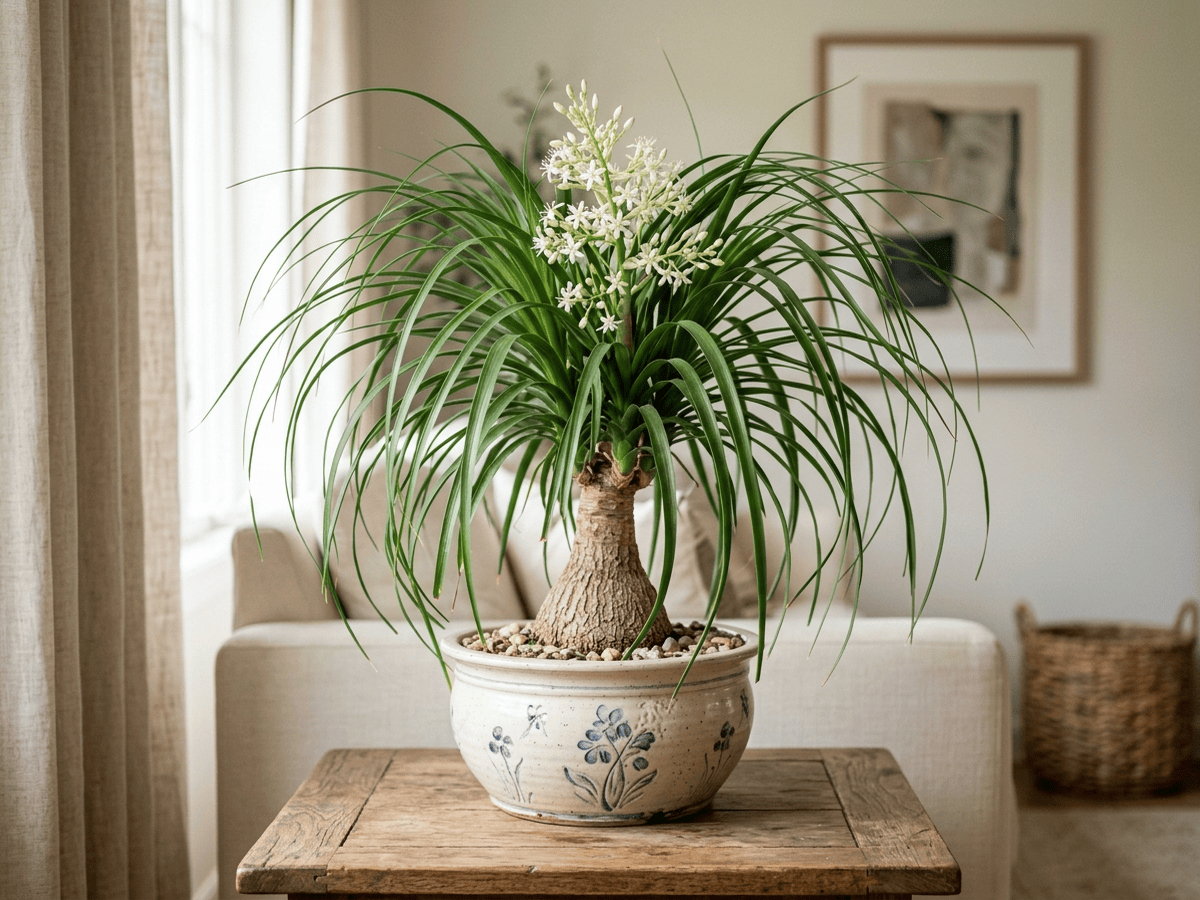 Ponytail PalmBeaucarnea recurvata
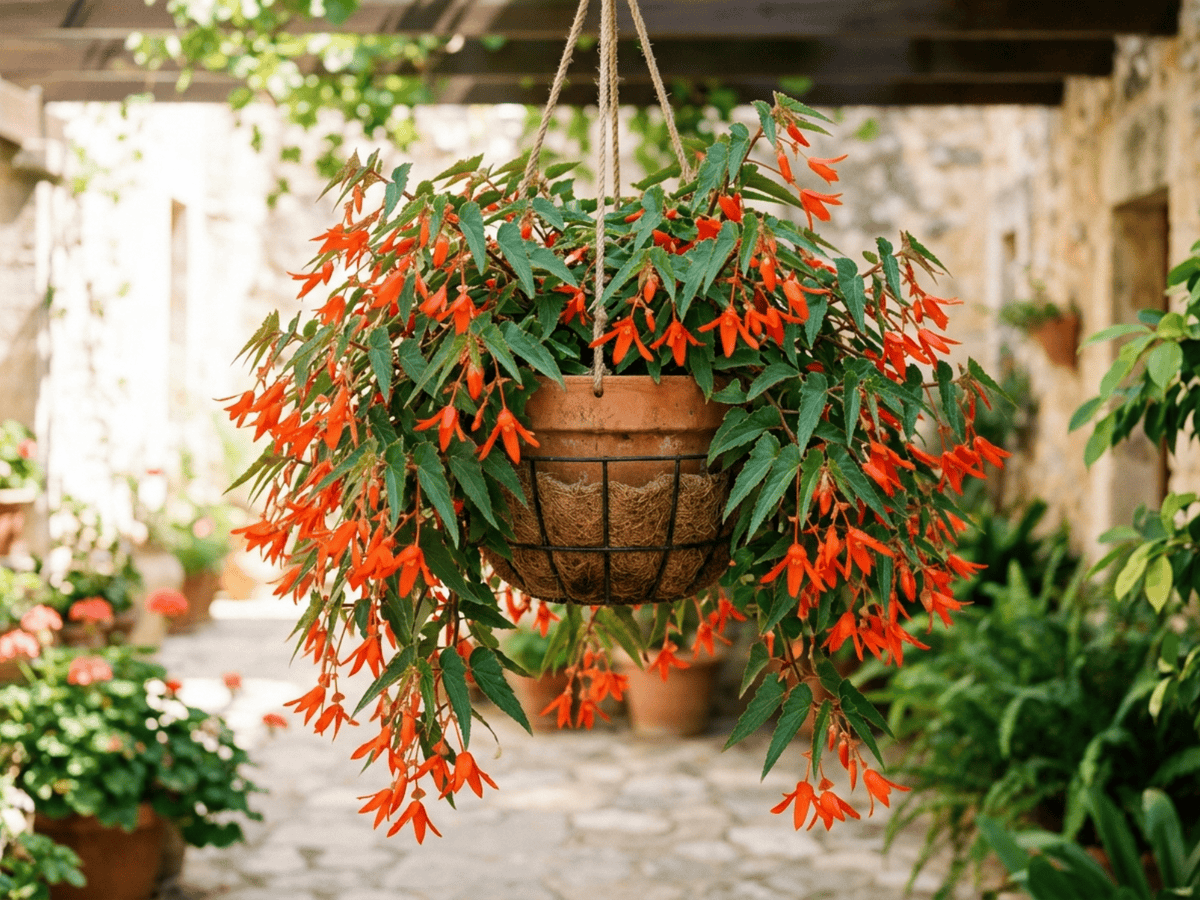 Tuberous BegoniaBegonia boliviensis
Frequently asked questions
How often should I water Scarlet-Star?
In summer, water about every 5 days; in winter, about every 14 days. Adjust for heat, pot size and drainage.
How much light does Scarlet-Star need?
Part shade: 2–4 hrs direct. Watch the leaves — scorching or stretching means the light needs adjusting.
Is Scarlet-Star toxic to cats or dogs?
No toxicity has been reported for this plant. Still, it is wise to keep pets from chewing on any houseplant. Educational information, not medical or veterinary advice. If exposure is suspected, contact a doctor or veterinarian.
Is Scarlet-Star easy to grow?
Yes — it is considered an easy, beginner-friendly plant.
Can Scarlet-Star be grown indoors?
Yes, it adapts well to indoor growing given the right light.
When does Scarlet-Star bloom?
It typically blooms Jun–Aug in the Northern Hemisphere.
YardMate
Identify any plant in seconds
Snap a photo — YardMate names the plant, diagnoses problems, and reminds you when to water.
Download on the App Store