 YardMate


Moon Cactus
Gymnocalycium mihanovichii
Medium · Some experienceAbout Moon Cactus
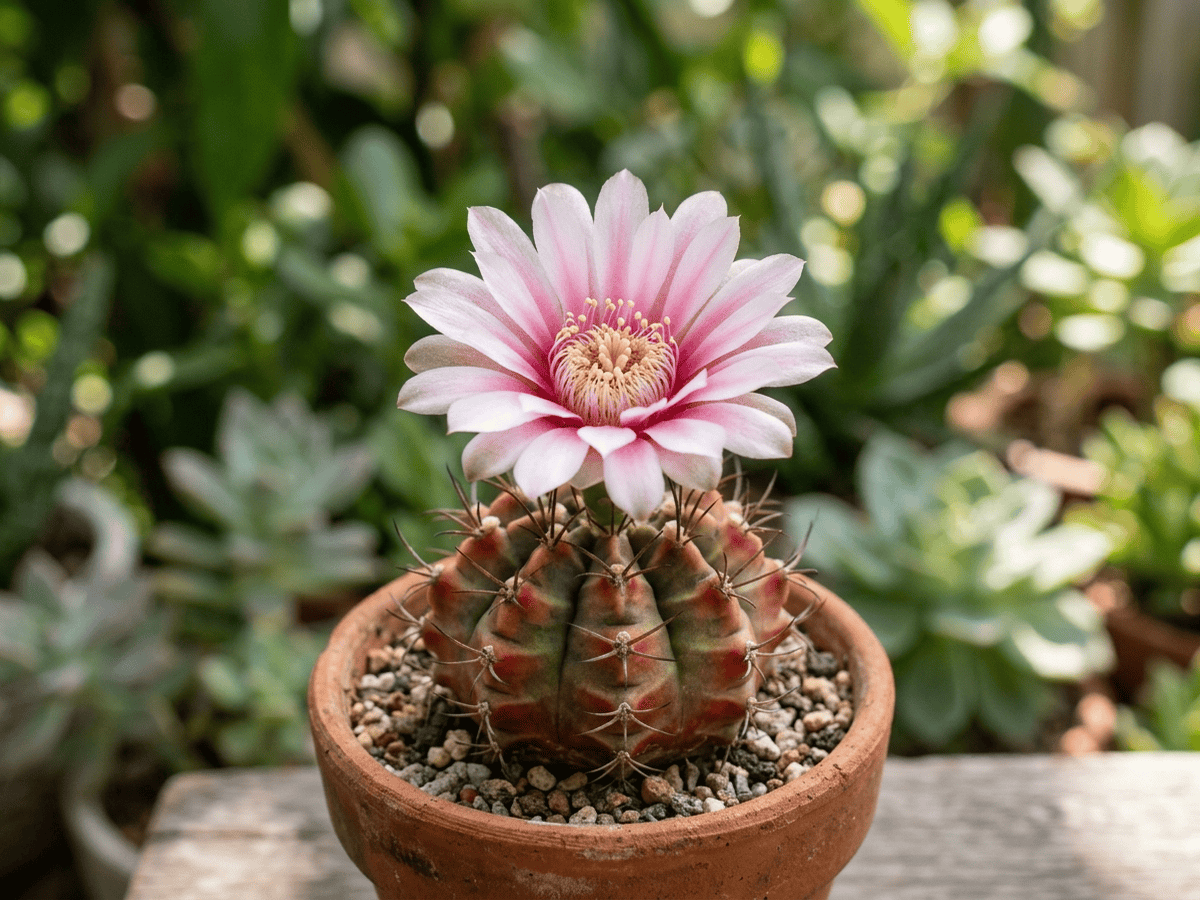
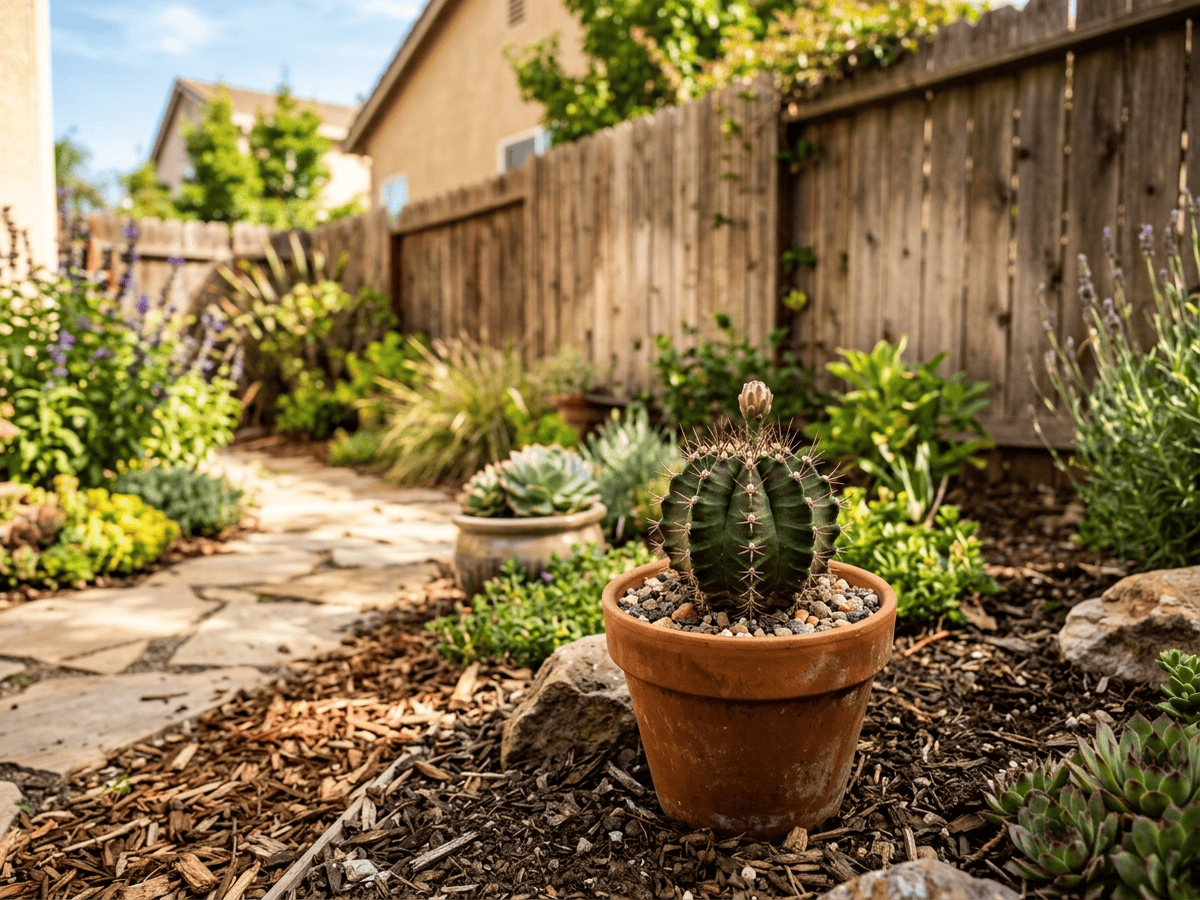
The Moon Cactus is one of the most recognizable cacti in cultivation, famous for its vibrant neon-colored mutant forms that lack chlorophyll entirely. Native to the grasslands and scrublands of Paraguay and northern Argentina, the wild species is an unremarkable olive-green globular cactus. However, Japanese horticulturists in the 1940s discovered that rare chlorophyll-free mutations — producing brilliant red, orange, yellow, and pink bodies — could survive when grafted onto a green rootstock cactus. This grafted form became the iconic Moon Cactus sold in garden centers worldwide. The colorful top cannot photosynthesize and depends entirely on its rootstock (typically Hylocereus) for nutrients. Grafted specimens have a limited lifespan of a few years as the graft junction eventually weakens. The wild green form is a far more durable plant, slowly reaching about two inches in diameter with subtle pink or white flowers. Despite its short commercial life, the Moon Cactus remains one of the best-selling cacti due to its candy-colored appeal.
- Compact
How to care for Moon Cactus
Watering
- Springevery 14 days
- Summerevery 10 days
- Fallevery 21 days
- Winterevery 45 days
Soil · Fast-draining
- Main mixSand + pumice + soil 1:1:150%
- DrainagePumice / gravel50%
Keep grit at half the mix or more — this soil is meant to dry out fast.
FERTILIZER
Cactus & Succulent Feed 2-7-7
Hold the nitrogen back and growth stays compact instead of soft and stretched. Phosphorus and potassium carry the roots and the flowering.
- Nitrogen · Leaves
- Phosphorus · Roots + Blooms
- Potassium · Strength
- Springevery 45 days
- Summerevery 45 days
- Fallevery 60 days
At a Glance
- NativeSouth America
- Height0.2–0.5 ft (0.1–0.2 m)
- Spread0.2–0.5 ft (0.1–0.2 m)
- Flower colorWhite, Pink, Yellow
- Foliage colorGreen, Red, Yellow
- SoilSandy, Well-drained
- LocationsIndoor
Bloom time
BLOOM CYCLE
Peak bloom
Jun–Jul
Wild green form produces pink or white flowers; grafted forms rarely bloom
Fragrance
NO FRAGRANCE
No notable fragrance.
Toxicity
Humans Slight
Unknown toxic principle
Slight
- Stem
- Contact
EXPOSURE Touching stems.
EFFECT Mechanical injury from spines.
NOTE Non-toxic chemically.
Safe
EXPOSURE No exposure route is reported.
EFFECT Not chemically toxic.
NOTE Listed as non-toxic for dogs; avoid eating ornamental plants unless confirmed edible.
Safe
EXPOSURE No exposure route is reported.
EFFECT Not chemically toxic.
NOTE Listed as non-toxic for cats; avoid eating ornamental plants unless confirmed edible.
Educational information, not medical or veterinary advice. If exposure is suspected, contact a doctor or veterinarian.
DISTRIBUTION


- Native
- South America
History
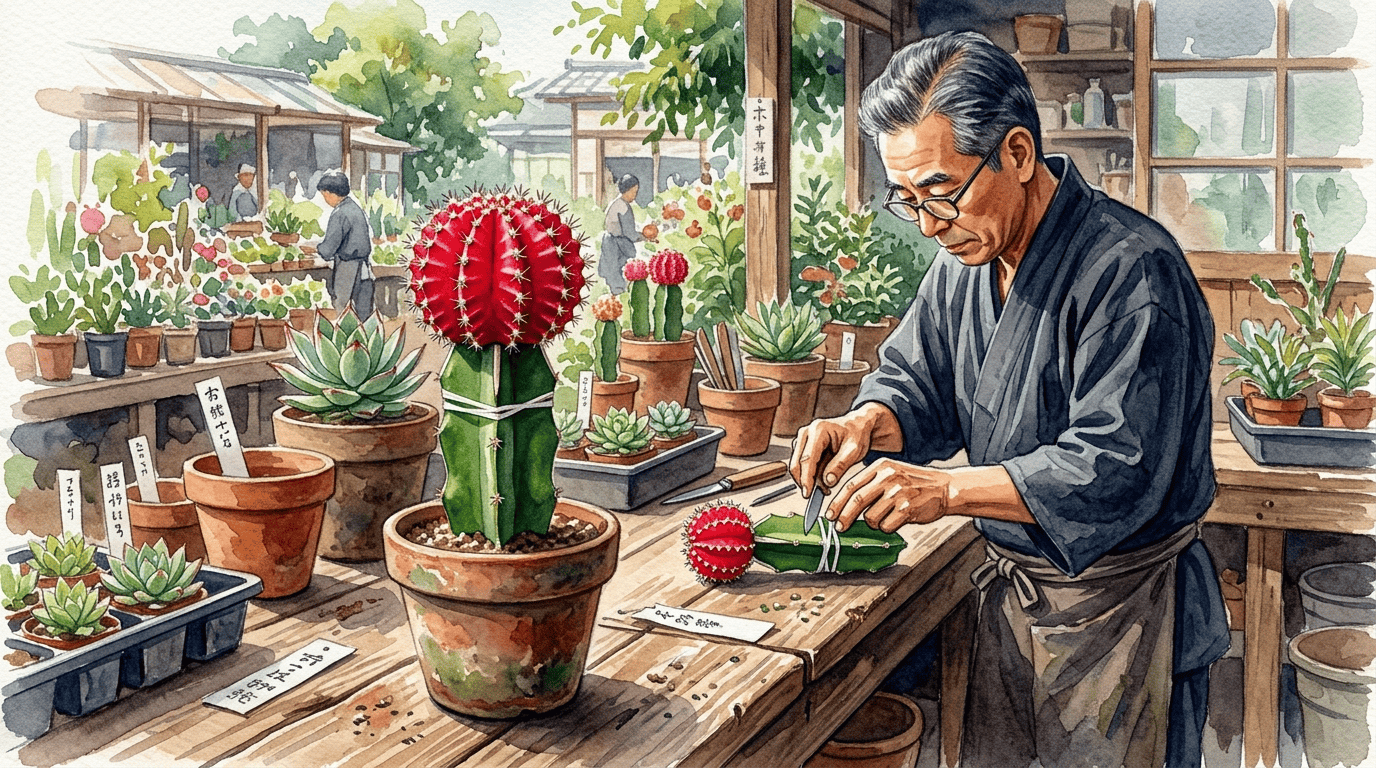
Gymnocalycium mihanovichii is native to Paraguay and adjacent northern Argentina. It was first described by F. Pazout in 1941. The ubiquitous "moon cactus" or "ruby ball" sold in every supermarket and plant shop worldwide is actually a chlorophyll-deficient mutant — either red (lacking chlorophyll entirely) or yellow (partial mutation) — that cannot photosynthesize and would die ungrafted.
The variegated mutant was reportedly selected by Japanese horticulturist Eiji Watanabe in 1941; commercial propagation involves grafting the mutant onto a green rootstock (typically Hylocereus undatus) that supplies photosynthetic products. The graft is typically viable for one to several years before the rootstock or scion fails. The natural green form of the species has dark olive bodies and is a distinct — and much longer-lived — collector's plant.
The species was described by Czech botanist Alberto Vojtěch Frič and Yugoslav botanist Yvan Gürke in 1905, named after Count Mihanovich, a benefactor of Frič's South American expeditions. In the 1940s, Japanese nurseries pioneered the grafting of chlorophyll-free mutants onto Hylocereus rootstock, creating the first commercial Moon Cacti. By the 1980s, mass production in Asia made it one of the world's cheapest and most widely sold ornamental cacti. The technique has since been applied to create numerous color varieties including variegated and multicolored forms.
Symbolism & meaning
What It Symbolizes
The Moon Cactus celebrates uniqueness — its impossible neon scarlet, yellow, or pink crown could not exist without the specific mutation that strips its chlorophyll. That same trait makes it dependent: grafted onto a green host, the pairing becomes a small lesson in interdependence, where two beings sustain a single life. Its meaning is the strange beauty of difference held aloft by quiet partnership.
- Uniqueness — its impossible neon colors celebrate what makes each being one of a kind
- Interdependence — the graft symbolizes how different beings can sustain each other
Where the Name Comes From
The name Moon Cactus describes its cactus-like form. 'Gymnocalycium' from Greek 'gymnos' (naked) and 'calyx' (bud), referring to the smooth, spineless flower buds. 'Mihanovichii' honors Count Mihanovich, patron of the botanist who discovered it.
Uses & Fun Facts
- Neon grafted Moon Cactus widely sold as novelty desk plant
- Bright yellow pink or red mutant globes for cactus collections
Related plants
Plants with similar care
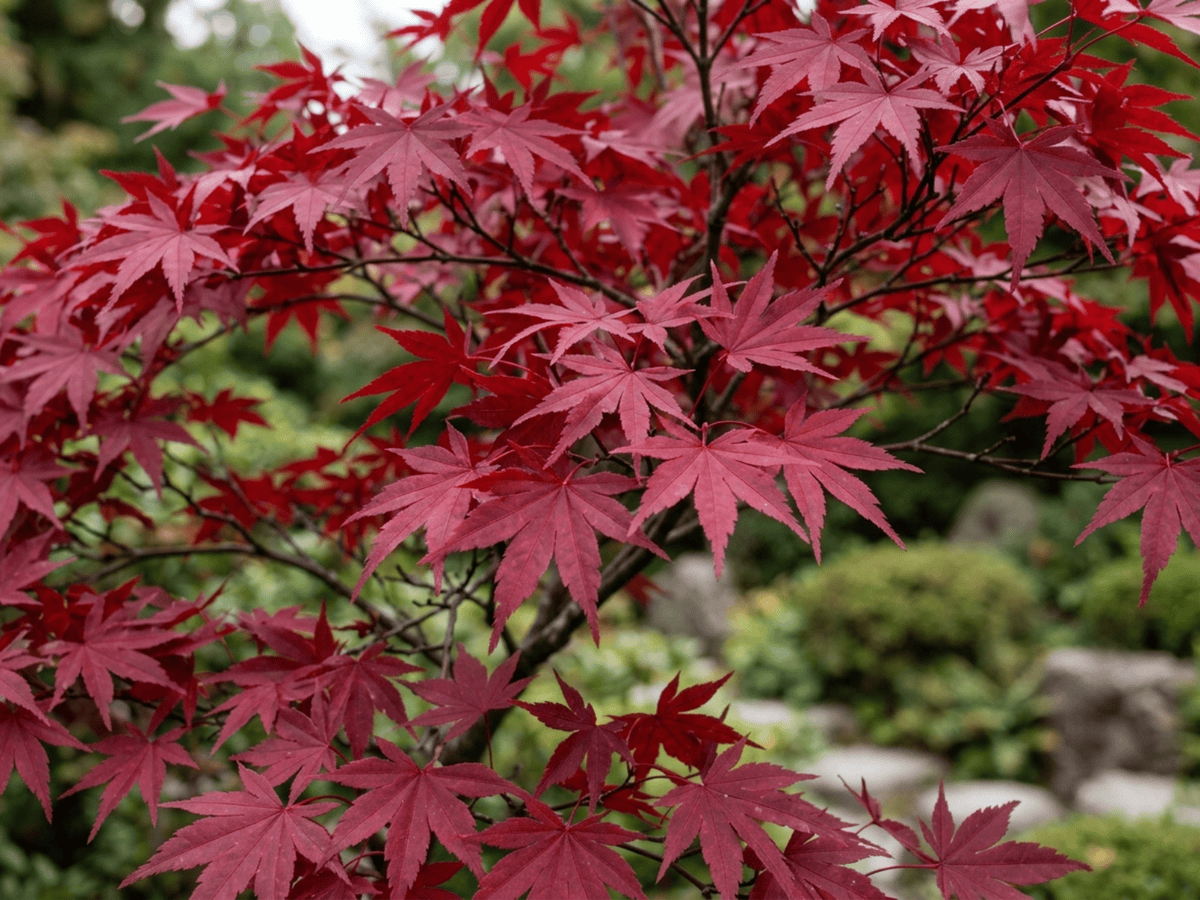 Japanese MapleAcer palmatum
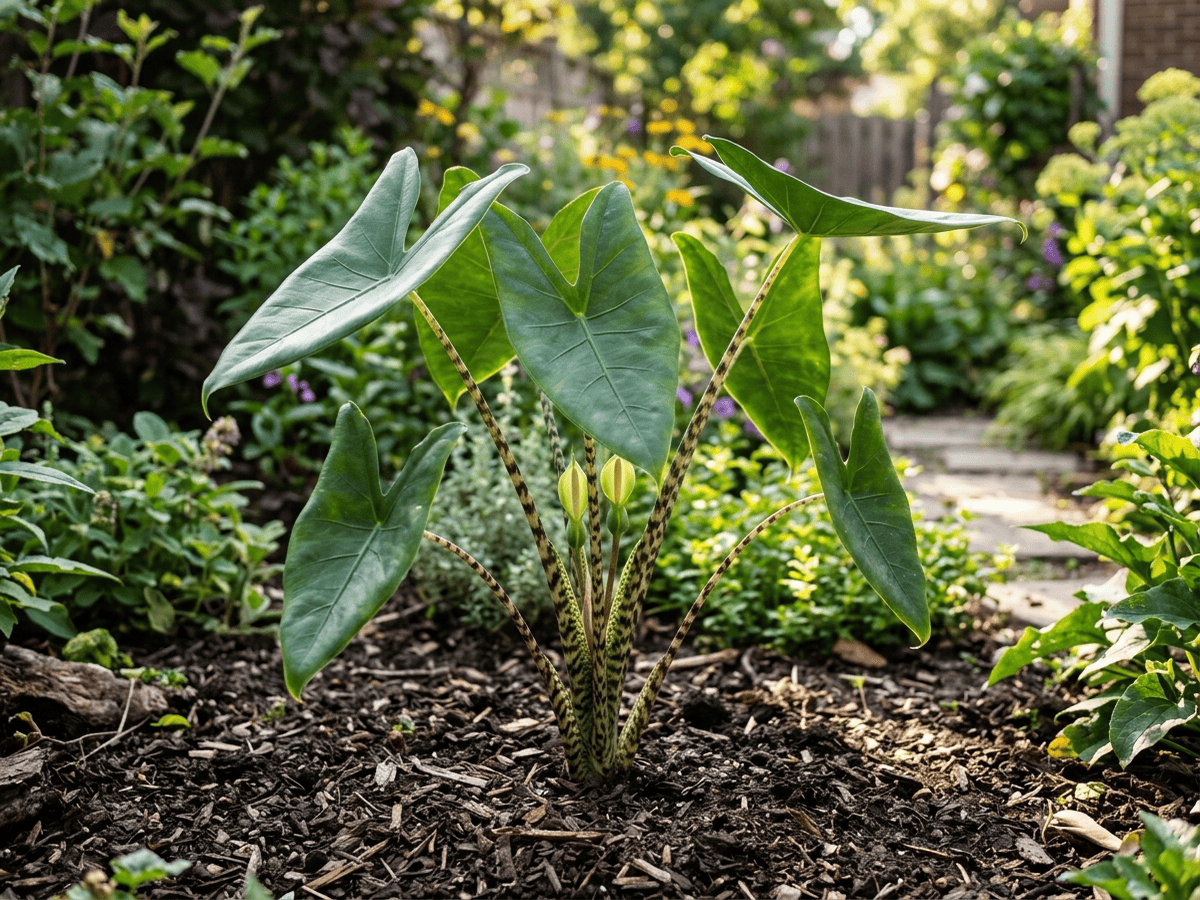 Alocasia zebrinaAlocasia zebrina
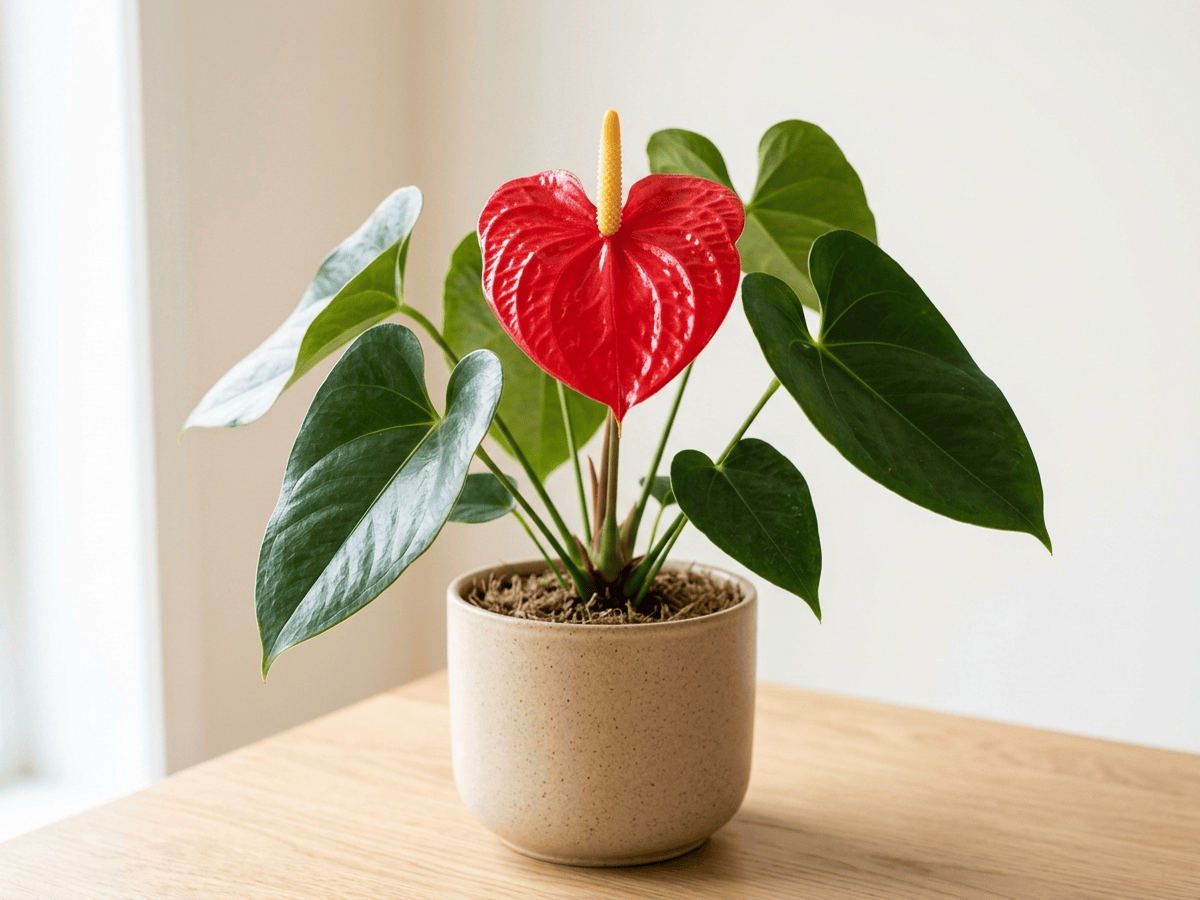 Painter's-PaletteAnthurium andraeanum
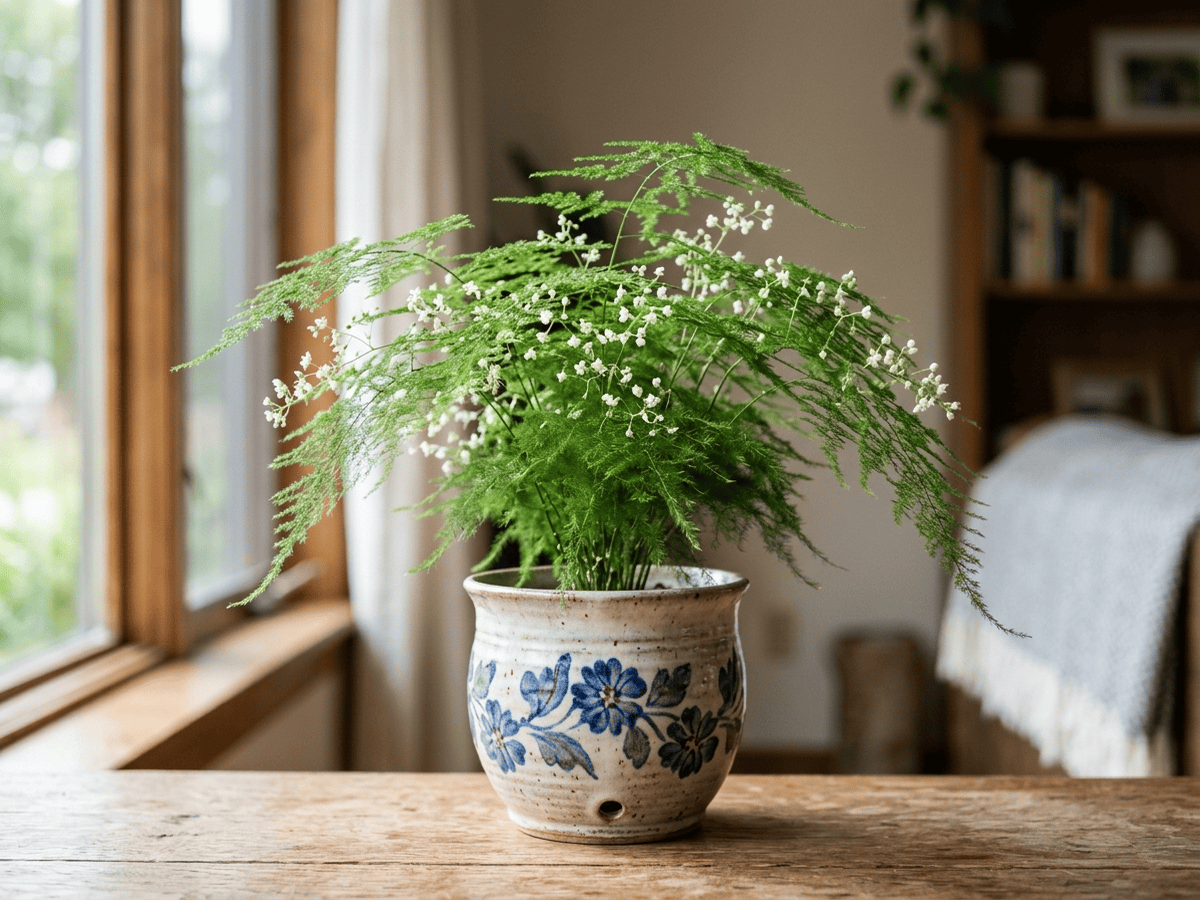 Common Asparagus FernAsparagus setaceus
Frequently asked questions
How often should I water Moon Cactus?
In summer, water about every 10 days; in winter, about every 45 days. Adjust for heat, pot size and drainage.
How much light does Moon Cactus need?
Part shade: 2–4 hrs direct. Watch the leaves — scorching or stretching means the light needs adjusting.
Is Moon Cactus toxic to cats or dogs?
Pets Safe (Dogs Safe · Cats Safe) Educational information, not medical or veterinary advice. If exposure is suspected, contact a doctor or veterinarian.
Is Moon Cactus easy to grow?
It is moderately demanding: a good choice once you have a little experience.
Can Moon Cactus be grown indoors?
Yes, it adapts well to indoor growing given the right light.
When does Moon Cactus bloom?
It typically blooms Jun–Jul in the Northern Hemisphere.
YardMate
Identify any plant in seconds
Snap a photo — YardMate names the plant, diagnoses problems, and reminds you when to water.
Download on the App Store