 YardMate


Chinese Coffeetree
Gymnocladus chinensis
Medium · Some experienceAbout Chinese Coffeetree
Chinese Coffeetree is a rare medium deciduous tree native to central and southern China, reaching 40-60 feet, featuring dramatic bipinnate compound leaves up to three feet long that give a tropical appearance. Fragrant purple-rose flower spikes are followed by thick woody pods containing large seeds. A distinctive specimen tree with coarse architecture and unusual winter silhouette, increasingly appearing in US botanical collections.
- Architectural
- Cold-hardy
- Low-maintenance
How to care for Chinese Coffeetree
Watering
- Springevery 14 days
- Summerevery 10 days
- Fallevery 14 days
- Winterevery 30 days
Soil · Well-draining
- Top dressingPine bark mulch10%
- Main mixPotting soil + perlite 2:170%
- DrainageLECA / gravel20%
Never skip the drainage layer — standing water is the top cause of root rot.
FERTILIZER
Balanced Feed 14-14-14
An even feed covers all three needs at once, keeping leaves, roots and blooms moving together with nothing pushed out of balance.
- Nitrogen · Leaves
- Phosphorus · Roots + Blooms
- Potassium · Strength
- Springevery 60 days
At a Glance
- NativeEast Asia
- Height40–60 ft (12.2–18.3 m)
- Spread30–40 ft (9.1–12.2 m)
- Flower colorPurple, Pink
- Foliage colorGreen, Yellow
- Fruit colorBrown
- SoilLoamy, Well-drained, Moisture-retentive
- LocationsYard
Bloom time
BLOOM CYCLE
Peak bloom
May
Fragrant purple-rose flower panicles in late spring
Toxicity
Humans Moderate · Pets Moderate
triterpenoid saponins (sapinbinoside, gymnocladus saponins)
Moderate
- Fruit
- Seed
- Ingestion
EXPOSURE Eating fruit and seeds.
EFFECT Severe GI irritation, vomiting, diarrhea from saponins.
NOTE Raw pods and seeds are irritant and should not be consumed. Traditional medicinal use requires processing.
Moderate
- Fruit
- Seed
- Ingestion
EXPOSURE Eating fruit and seeds.
EFFECT Vomiting, diarrhea, weakness.
NOTE Raw pods and seeds are irritant and should not be consumed. Traditional medicinal use requires processing.
Moderate
- Fruit
- Seed
- Ingestion
EXPOSURE Eating fruit and seeds.
EFFECT Vomiting, diarrhea, weakness.
NOTE Raw pods and seeds are irritant and should not be consumed. Traditional medicinal use requires processing.
Educational information, not medical or veterinary advice. If exposure is suspected, contact a doctor or veterinarian.
DISTRIBUTION


- Native
- East Asia
History

Gymnocladus chinensis grows in valley forests of central and southern China. Baillon described it in 1875, and the genus name means naked branch, a nod to the tree's thick, bare-looking winter silhouette. Its large woody pods are rich in saponins, and for more than a thousand years they were used in China as a natural soap for washing silk, wool, hair, and skin.
The pods also entered materia medica as zao jiao, used traditionally as an expectorant and cleansing herb. Unlike Kentucky coffeetree, whose roasted seeds were tried as a coffee substitute in North America, Chinese coffeetree was valued mainly for its soap-like pods. It remains rare in Western cultivation because its hard-coated seeds germinate slowly, but specimen trees have collector appeal: bold compound leaves, heavy pods, and a history rooted in everyday washing as much as medicine.
Symbolism & meaning
What It Symbolizes
Chinese Coffeetree is rarity itself — uncommon even in its native China, and a true collector's tree in Western arboreta. Its pods carry the heritage of traditional Chinese soap-making, lathered for centuries before commercial detergents arrived. It is the kind of tree whose value only botanists and historians at first recognize, the quiet emblem of knowledge that survives because someone keeps planting it.
- Rarity — uncommon botanical collector's tree
- Heritage — traditional Chinese soap plant
Where the Name Comes From
The name Chinese Coffeetree points to China. 'Gymnocladus' means 'naked branch' for the late leafing; 'chinensis' means of China.
Uses & Fun Facts
- Rare tropical-looking foliage tree as estate focal point
- Saponin-rich pods historically used as traditional Chinese soap
Related plants
Plants with similar care
 Mexican AbeliaAbelia floribunda
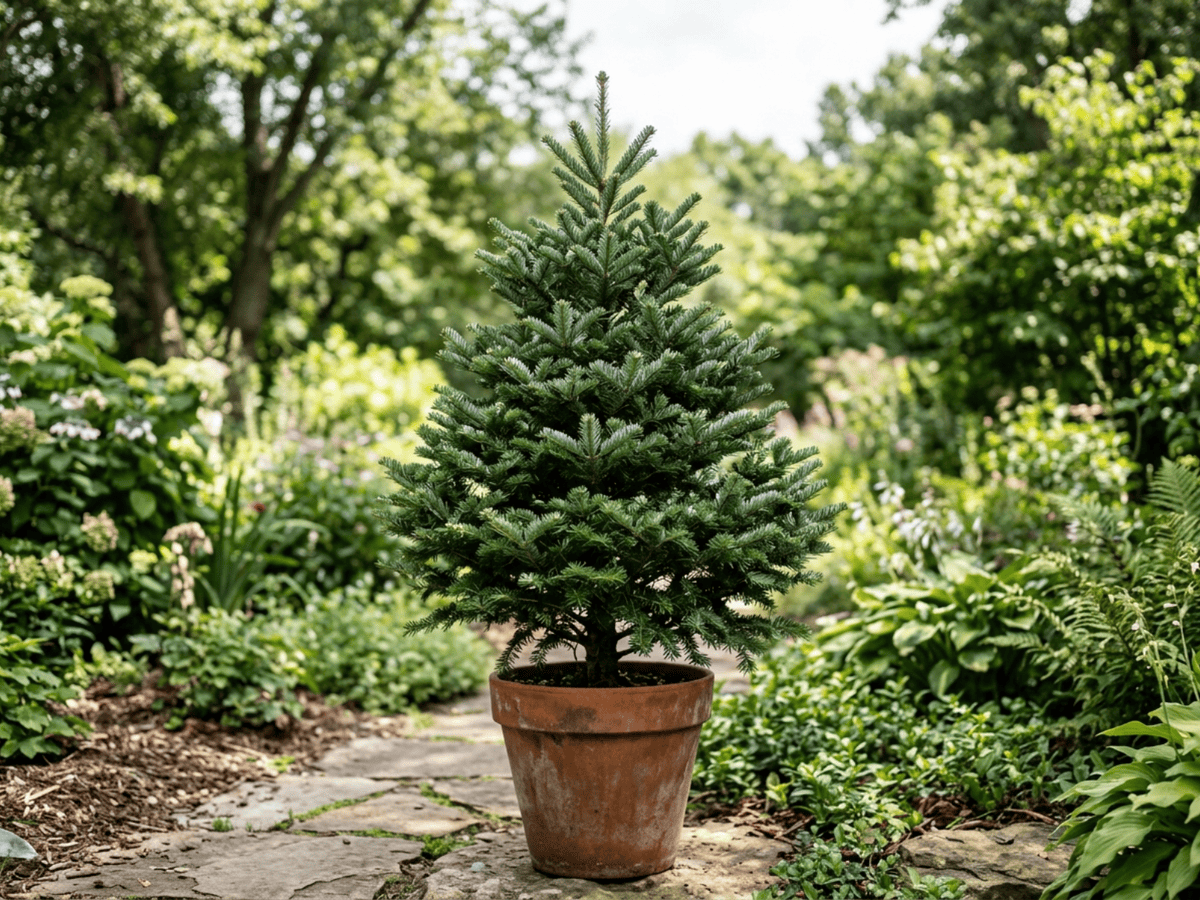 Fraser FirAbies fraseri
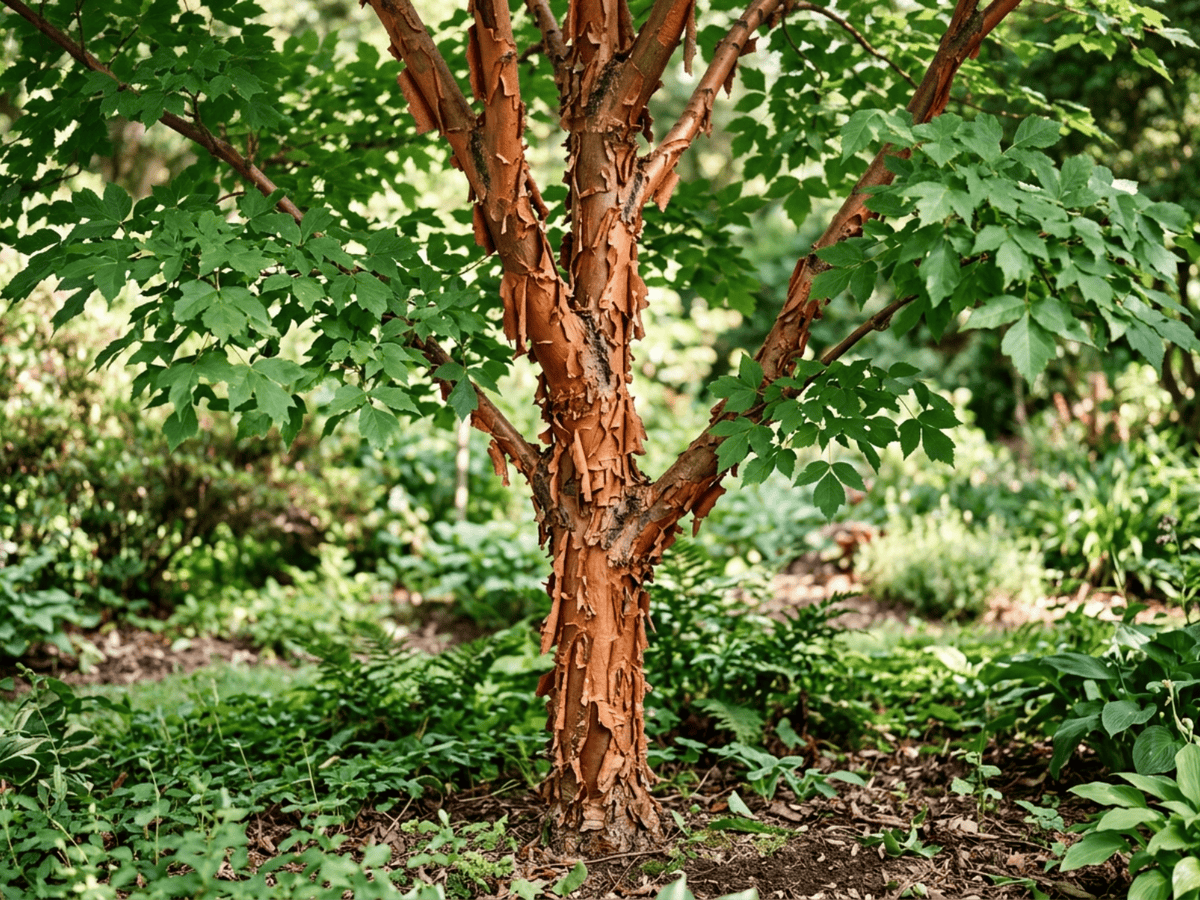 Paperbark MapleAcer griseum
 Sugar MapleAcer saccharum
Frequently asked questions
How often should I water Chinese Coffeetree?
In summer, water about every 10 days; in winter, about every 30 days. Adjust for heat, pot size and drainage.
How much light does Chinese Coffeetree need?
Full sun: 6+ hrs direct. Watch the leaves — scorching or stretching means the light needs adjusting.
Is Chinese Coffeetree toxic to cats or dogs?
Pets Moderate (Dogs Moderate · Cats Moderate) Educational information, not medical or veterinary advice. If exposure is suspected, contact a doctor or veterinarian.
Is Chinese Coffeetree easy to grow?
It is moderately demanding: a good choice once you have a little experience.
When does Chinese Coffeetree bloom?
It typically blooms May in the Northern Hemisphere.
YardMate
Identify any plant in seconds
Snap a photo — YardMate names the plant, diagnoses problems, and reminds you when to water.
Download on the App Store