 YardMate


Japanese Forest Grass
Hakonechloa macra
Medium · Some experienceAbout Japanese Forest Grass
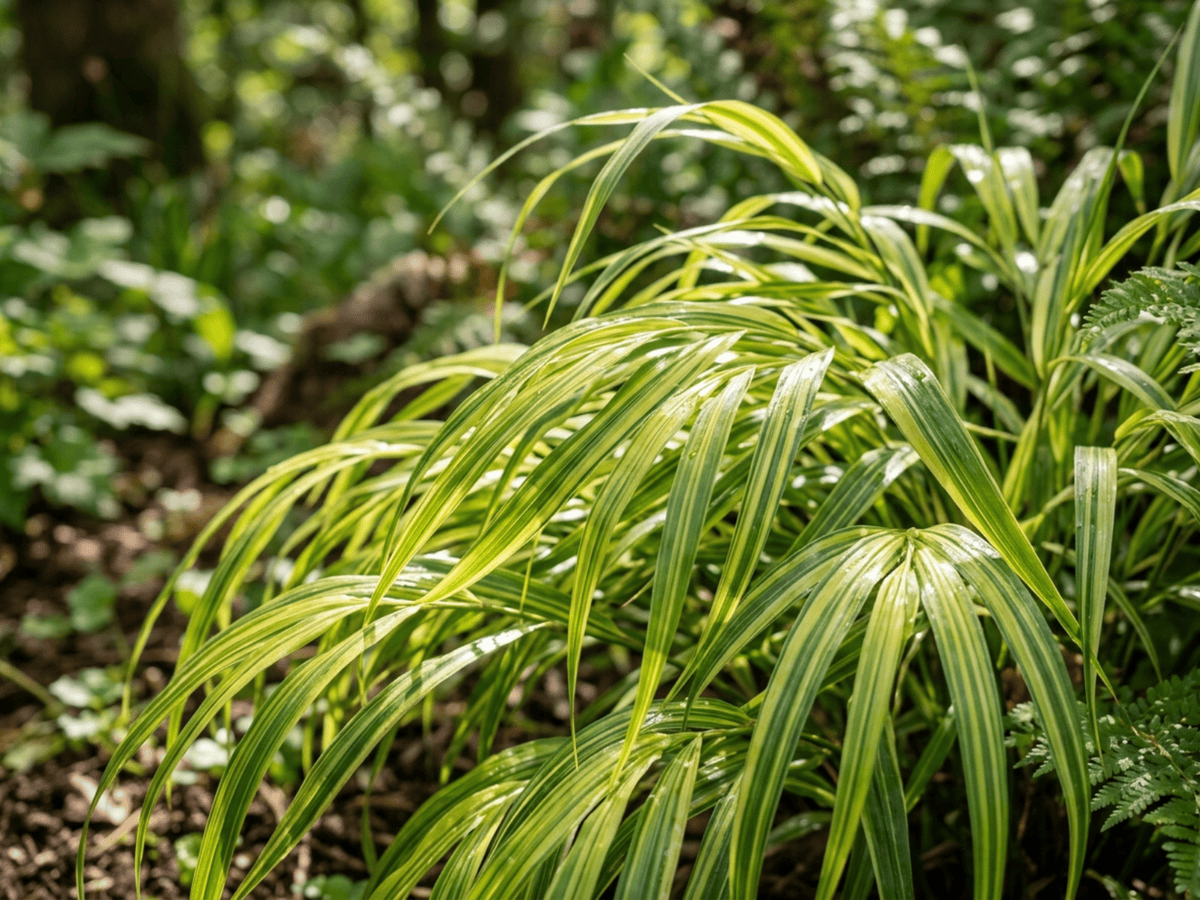
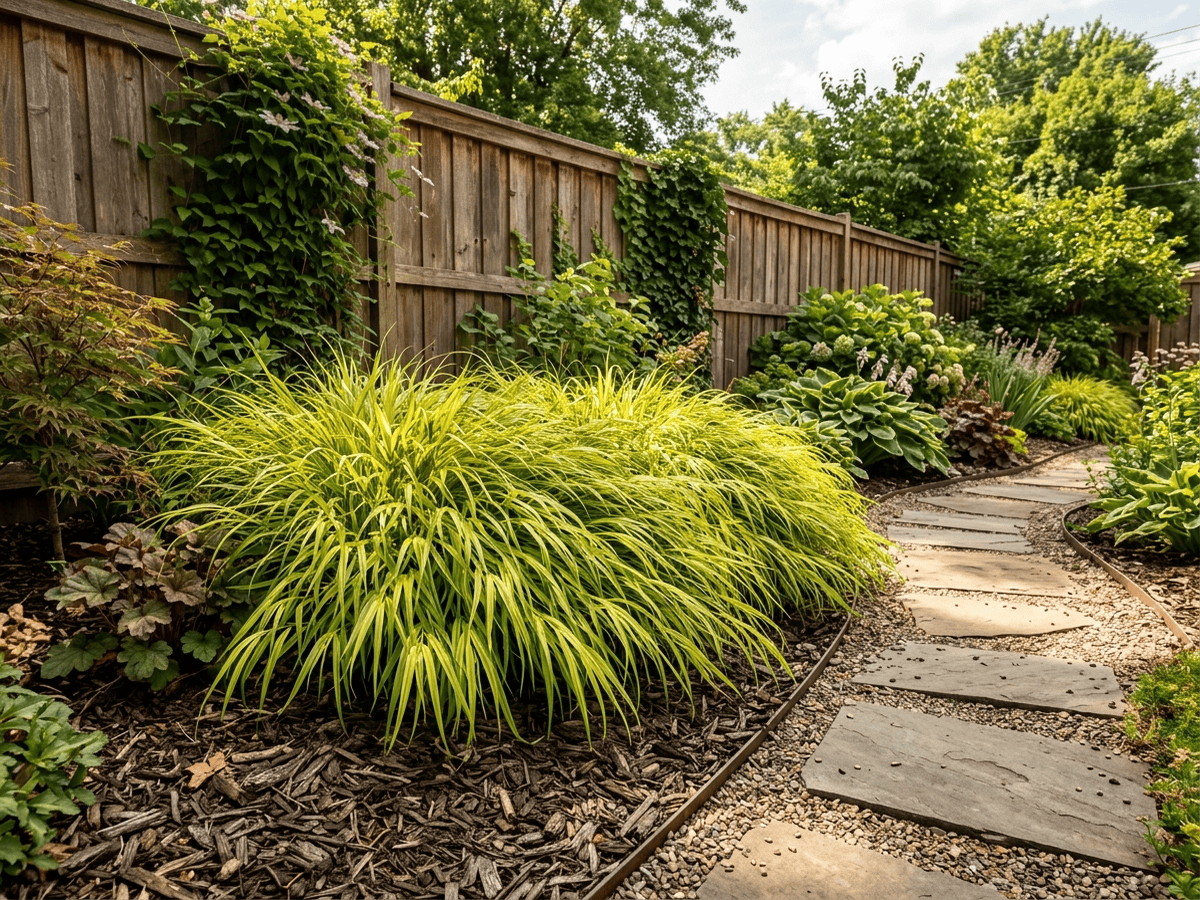
Hakonechloa macra, commonly known as Japanese forest grass or Hakone grass, is widely regarded as one of the most beautiful ornamental grasses in cultivation. Native to the moist, rocky cliffs and mountain forests of Japan's Hakone region near Mount Fuji, it forms cascading mounds of slender, arching leaves that flow like a green waterfall. The species grows 30 to 45 centimeters tall and spreads slowly by rhizomes. The golden cultivar 'Aureola,' with bright yellow leaves striped with green, is the most popular form and was named Perennial Plant of the Year in 2009. In autumn, the foliage transforms into brilliant shades of copper, orange, and pink before going dormant. It is one of the few grasses that thrives in shade, making it a prized companion for hostas, ferns, and Japanese maples. Though slow to establish, mature clumps are long-lived and virtually maintenance-free.
- Shade-tolerant
- Fall-color
How to care for Japanese Forest Grass
Watering
- Springevery 5 days
- Summerevery 3 days
- Fallevery 10 days
- Winterevery 30 days
Soil · Well-draining
- Top dressingPine bark mulch10%
- Main mixPotting soil + perlite 2:170%
- DrainageLECA / gravel20%
Never skip the drainage layer — standing water is the top cause of root rot.
FERTILIZER
Balanced Feed 14-14-14
An even feed covers all three needs at once, keeping leaves, roots and blooms moving together with nothing pushed out of balance.
- Nitrogen · Leaves
- Phosphorus · Roots + Blooms
- Potassium · Strength
- Springevery 60 days
At a Glance
- NativeEast Asia
- Height1–1.5 ft (0.3–0.5 m)
- Spread1.5–2 ft (0.5–0.6 m)
- Flower colorGreen
- Foliage colorGreen, Yellow, Variegated, Bronze
- SoilMoisture-retentive, Loamy, Rich
- LocationsYard
Bloom time
BLOOM CYCLE
Peak bloom
Jun–Sep
Airy panicles in late summer; subtle but graceful
Fragrance
NO FRAGRANCE
No notable fragrance.
Toxicity
No toxicity has been reported for this plant. Still, it is wise to keep pets from chewing on any houseplant.
Educational information, not medical or veterinary advice. If exposure is suspected, contact a doctor or veterinarian.
DISTRIBUTION

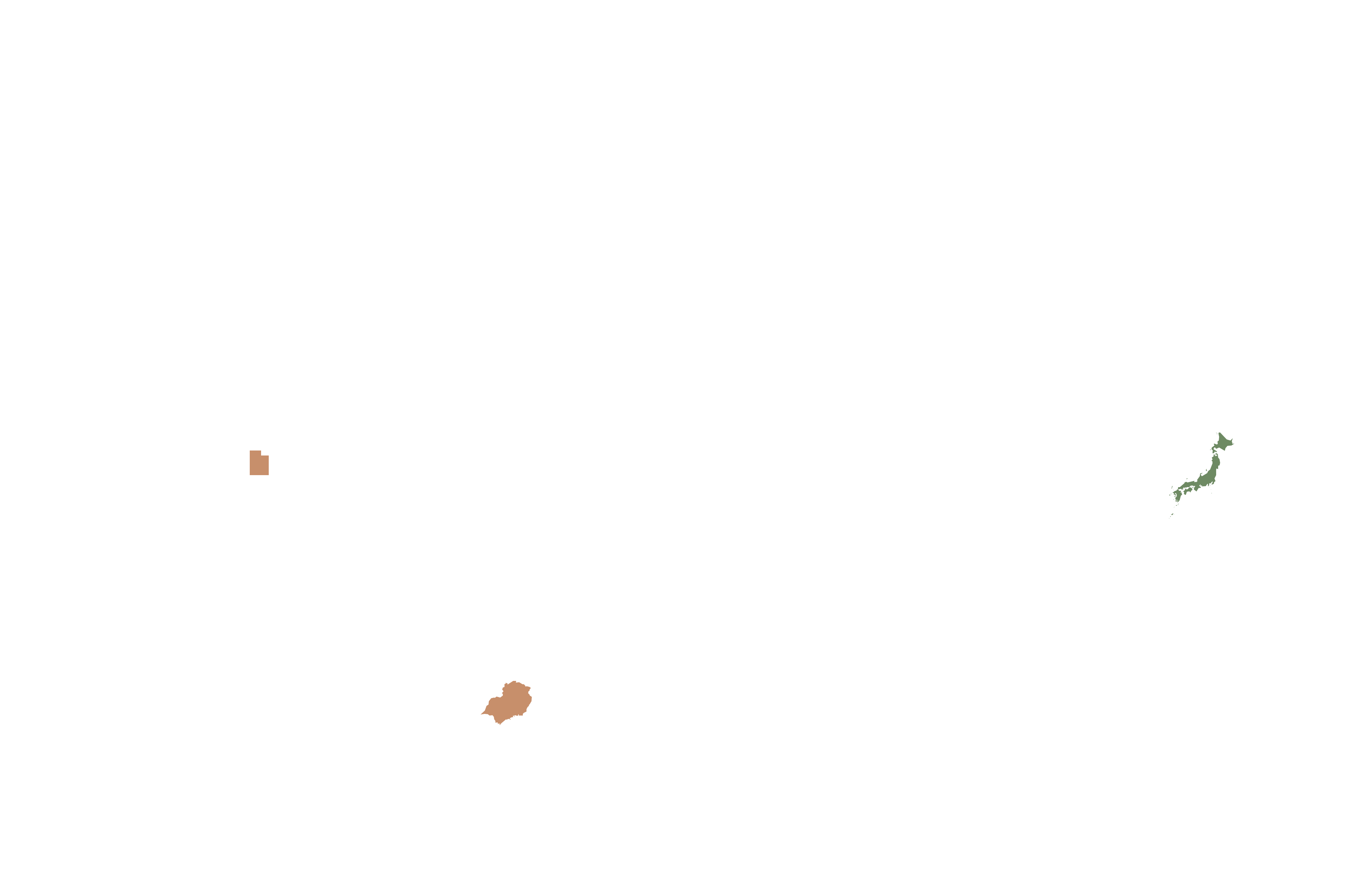
- Native
- Introduced
- East Asia
History
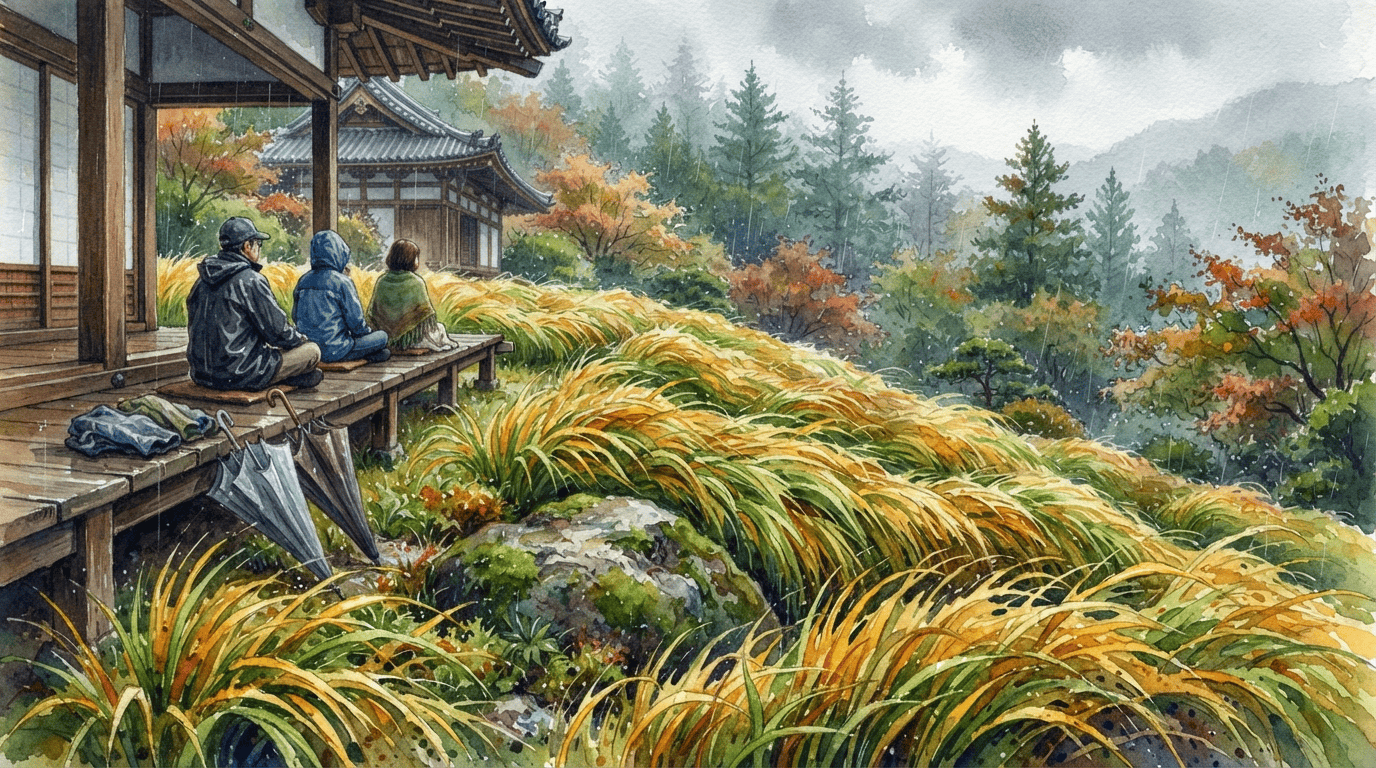
Hakonechloa macra is the only species in its genus, native to moist mountain cliffs and rocky slopes around Hakone on Honshu, Japan. Its Japanese name refers to the unusual way the leaves present their undersides upward, creating a flat, cascading texture. Long used in Japanese gardens to suggest flowing water or mountain movement, it remained little known in the West until the late 20th century.
The gold-variegated selection 'Aureola', introduced around 1970, changed that. Its slow, arching mounds gave shade gardens a luminous grass where most ornamental grasses failed, and it later won major awards including the RHS Award of Garden Merit.
Modern cultivars such as 'All Gold', 'Naomi', and 'Beni-Kaze' extend the palette from bright gold to red-tinted autumn foliage. It is not a plant for dry neglect, but in moist shade it moves like a small green stream.
Symbolism & meaning
What It Symbolizes
Japanese Forest Grass suggests Tranquility — its arching, waterfall-like cascade evoking mountain streams in slow motion. It is a flower of Refinement long prized in Japanese garden design, where its understated movement is valued more highly than showier color. Each clump is the visual equivalent of a soft, sustained breath.
- Tranquility — Its flowing, waterfall-like habit evokes peaceful mountain streams
- Refinement — Prized in Japanese garden design for its understated beauty
Where the Name Comes From
'Hakonechloa' combines 'Hakone,' the famous hot-spring region of Japan where it was first collected, with Greek 'chloa' meaning 'grass.' 'Macra' means 'large' in Greek.
Uses & Fun Facts
- Cascading golden grass softens borders with flowing texture
- Arching mounds spill gracefully over large pot edges
- Forms slow-spreading clumps in dappled shade
Related plants
Plants with similar care
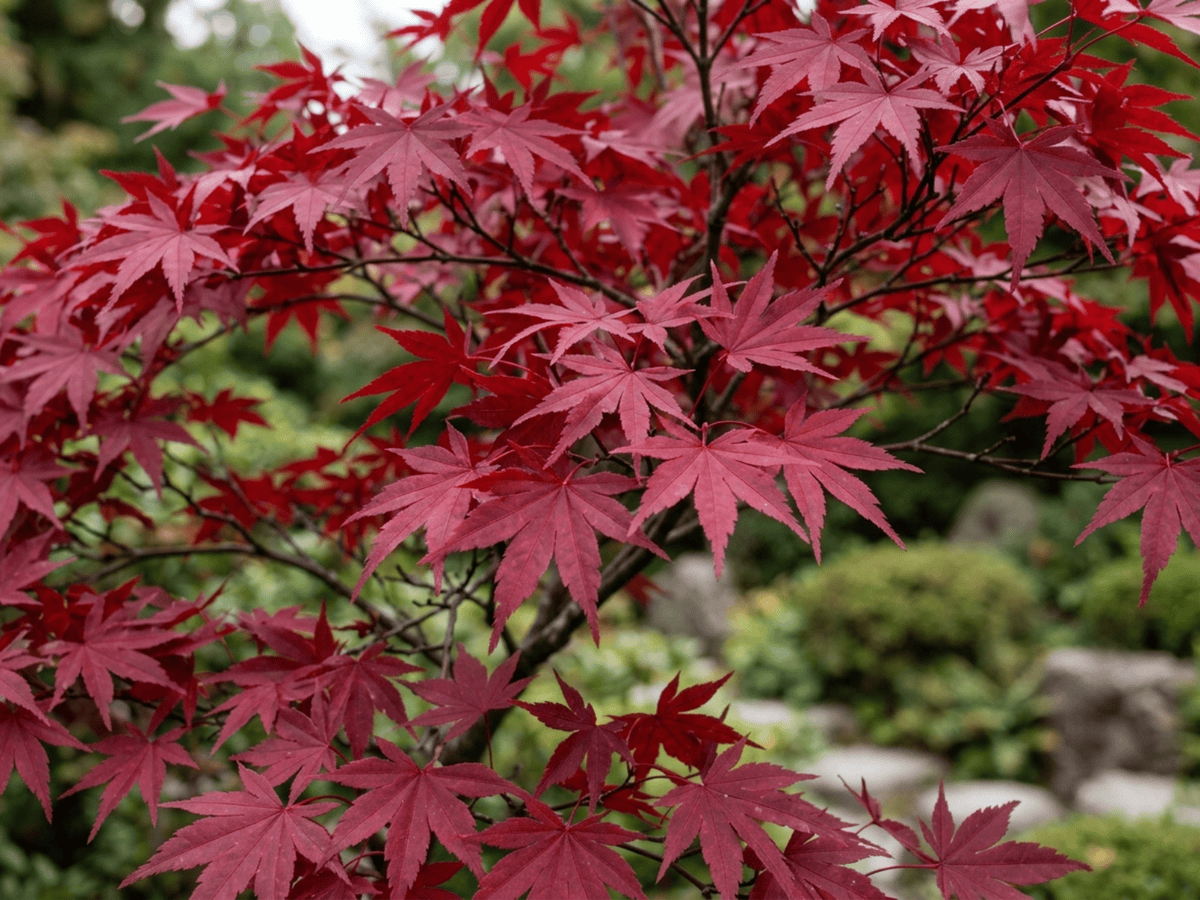 Japanese MapleAcer palmatum
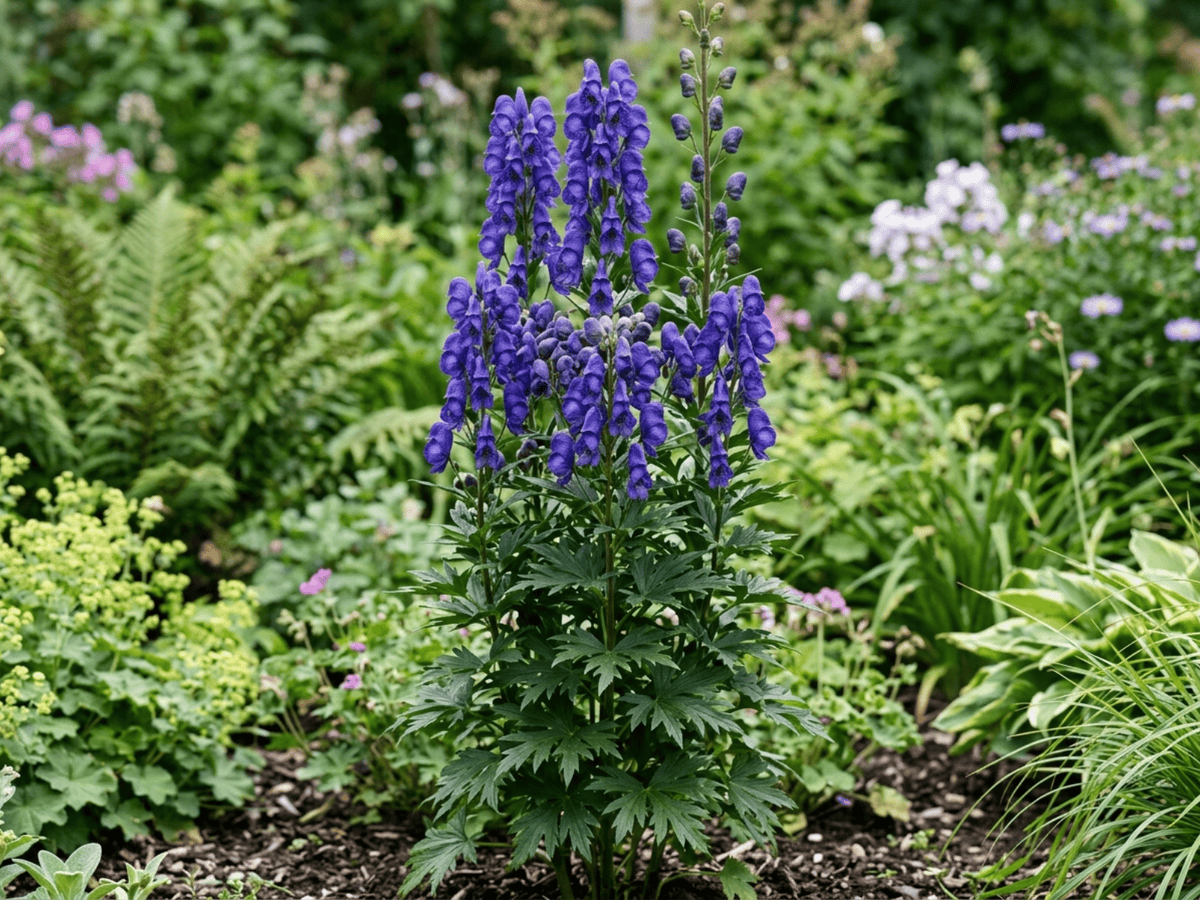 Azure MonkshoodAconitum carmichaelii
 Florida HobblebushAgarista populifolia
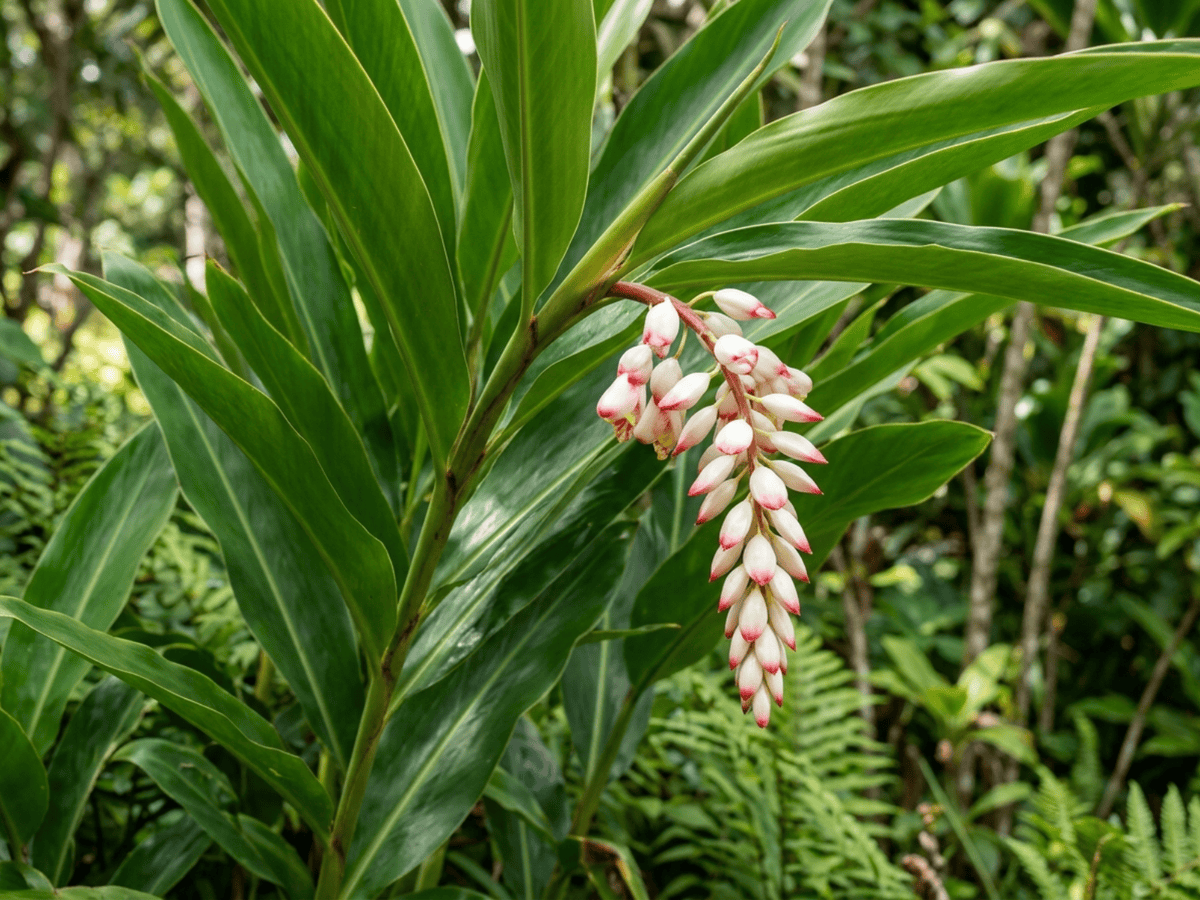 Shell GingerAlpinia zerumbet
Frequently asked questions
How often should I water Japanese Forest Grass?
In summer, water about every 3 days; in winter, about every 30 days. Adjust for heat, pot size and drainage.
How much light does Japanese Forest Grass need?
Part shade: 2–4 hrs direct. Watch the leaves — scorching or stretching means the light needs adjusting.
Is Japanese Forest Grass toxic to cats or dogs?
No toxicity has been reported for this plant. Still, it is wise to keep pets from chewing on any houseplant. Educational information, not medical or veterinary advice. If exposure is suspected, contact a doctor or veterinarian.
Is Japanese Forest Grass easy to grow?
It is moderately demanding: a good choice once you have a little experience.
When does Japanese Forest Grass bloom?
It typically blooms Jun–Sep in the Northern Hemisphere.
YardMate
Identify any plant in seconds
Snap a photo — YardMate names the plant, diagnoses problems, and reminds you when to water.
Download on the App Store