 YardMate


Zebra Haworthia
Haworthiopsis attenuata
Easy · Beginner friendlyAbout Zebra Haworthia
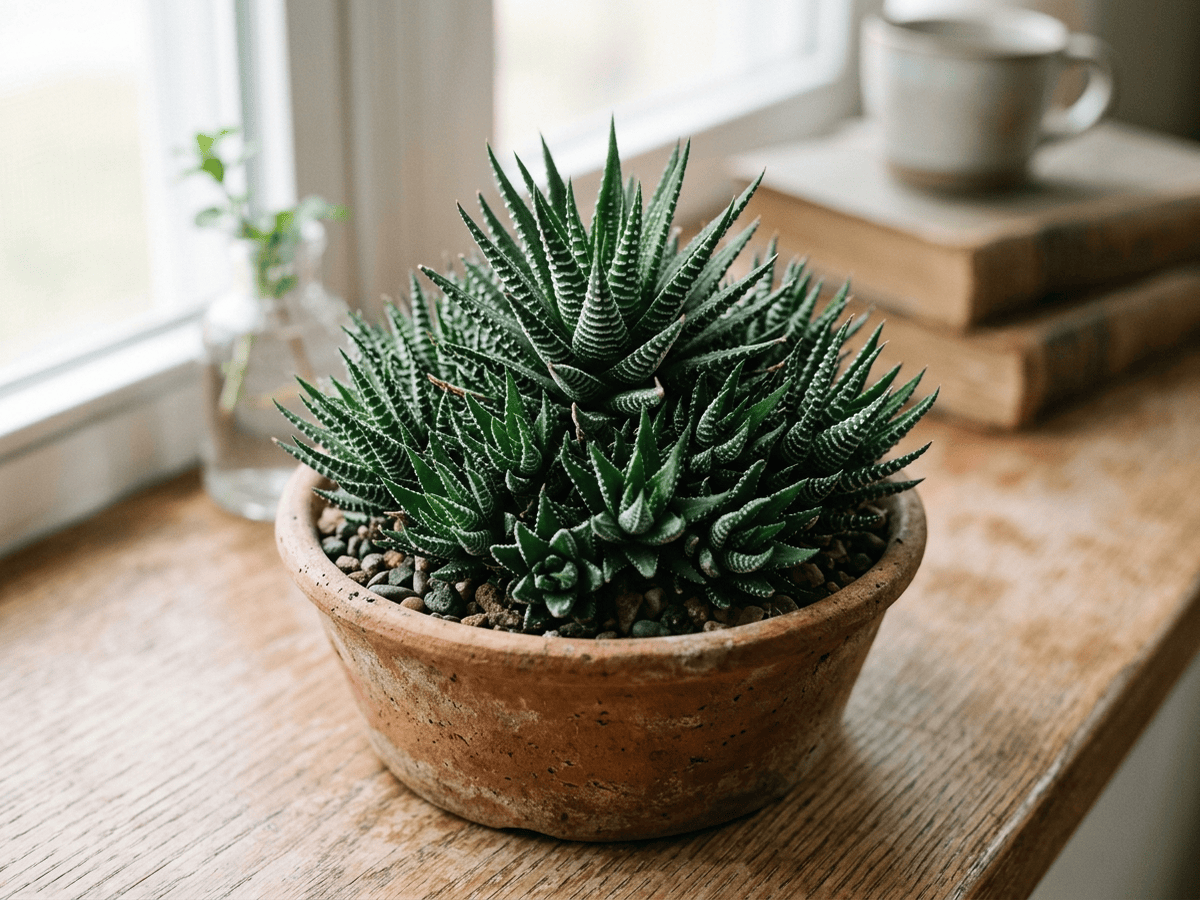
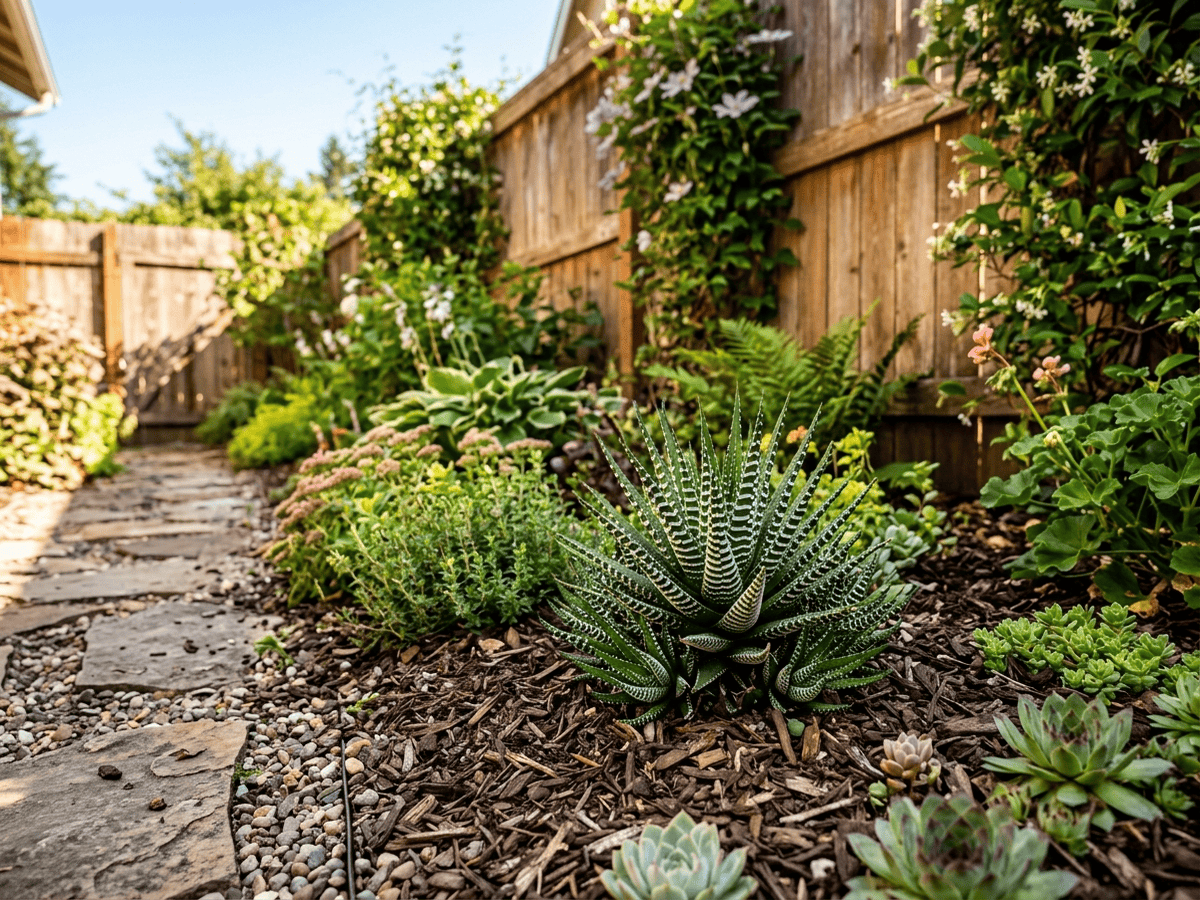
Haworthiopsis attenuata is nearly identical in appearance to Haworthia fasciata and is the species most commonly sold under both names. The key difference: H. attenuata has raised white tubercles on both the inner and outer leaf surfaces, while true H. fasciata has smooth inner surfaces. Native to South Africa, it forms rosettes of dark green, stiff, pointed leaves banded with white ridges. It is equally easy to grow — tolerant of neglect, low light, and irregular watering. Both species are frequently confused in the nursery trade.
- Drought-tolerant
- Compact
How to care for Zebra Haworthia
Watering
- Springevery 14 days
- Summerevery 10 days
- Fallevery 21 days
- Winterevery 30 days
Soil · Fast-draining
- Main mixSand + pumice + soil 1:1:150%
- DrainagePumice / gravel50%
Keep grit at half the mix or more — this soil is meant to dry out fast.
FERTILIZER
Cactus & Succulent Feed 2-7-7
Hold the nitrogen back and growth stays compact instead of soft and stretched. Phosphorus and potassium carry the roots and the flowering.
- Nitrogen · Leaves
- Phosphorus · Roots + Blooms
- Potassium · Strength
- Springevery 60 days
- Summerevery 60 days
At a Glance
- NativeAfrica
- Height0.3–0.5 ft (0.1–0.2 m)
- Spread0.3–0.5 ft (0.1–0.2 m)
- Flower colorWhite, Pink
- Foliage colorGreen, Variegated
- SoilSandy, Well-drained
- LocationsIndoor
Bloom time
BLOOM CYCLE
Peak bloom
Jun–Aug
Thin stalk with tiny white flowers
Fragrance
NO FRAGRANCE
Not fragrant.
Toxicity
No toxicity has been reported for this plant. Still, it is wise to keep pets from chewing on any houseplant.
Educational information, not medical or veterinary advice. If exposure is suspected, contact a doctor or veterinarian.
DISTRIBUTION


- Native
- Introduced
- Africa
History

Haworthiopsis attenuata is native to South Africa's Eastern Cape, where it grows in shaded rocky habitats — a different ecological niche than the full-sun cliffs favored by most succulents. It was placed in the new genus Haworthiopsis in a 2013 molecular revision that split the old Haworthia into three genera based on DNA evidence. Its leaves bear raised white tubercles on both surfaces arranged in horizontal stripes, giving rise to the 'Zebra Plant' trade name, and it is the species nearly always sold at supermarkets and garden centers as either 'Haworthia fasciata' or 'Zebra Haworthia' — genuine H. fasciata is quite rare in commerce.
Confirmed non-toxic to cats and dogs. Many plants sold as Haworthia fasciata are actually H. attenuata — a taxonomic mixup that has persisted for decades.
In South Africa's Eastern Cape, these succulents grow in the shade of shrubs on rocky slopes, where they withstand months of drought by storing water in their fleshy leaves. Japanese collectors pioneered tissue culture propagation of rare Haworthia variants, enabling mass production of previously unobtainable forms.
Symbolism & meaning
What It Symbolizes
The zebra haworthia is patience made succulent — quiet rosettes of dark green striped with white, growing so slowly that a year's progress is measured in millimeters. Yet that very slowness is its wisdom: it endures harsh sun, infrequent water, and small pots without complaint. It teaches a soft, unhurried persistence, the kind that arrives at beauty not in a season but in a decade.
- Patience — Quiet resilience in harsh conditions represents steady, unhurried persistence
Where the Name Comes From
Haworthiopsis means 'resembling Haworthia.' Attenuata means 'tapering' or 'narrowing,' describing the leaf shape.
Uses & Fun Facts
- Zebra-striped rosette grown as small low-light indoor succulent
- White-banded dark green leaves form tidy compact rosettes
Related plants
Plants with similar care
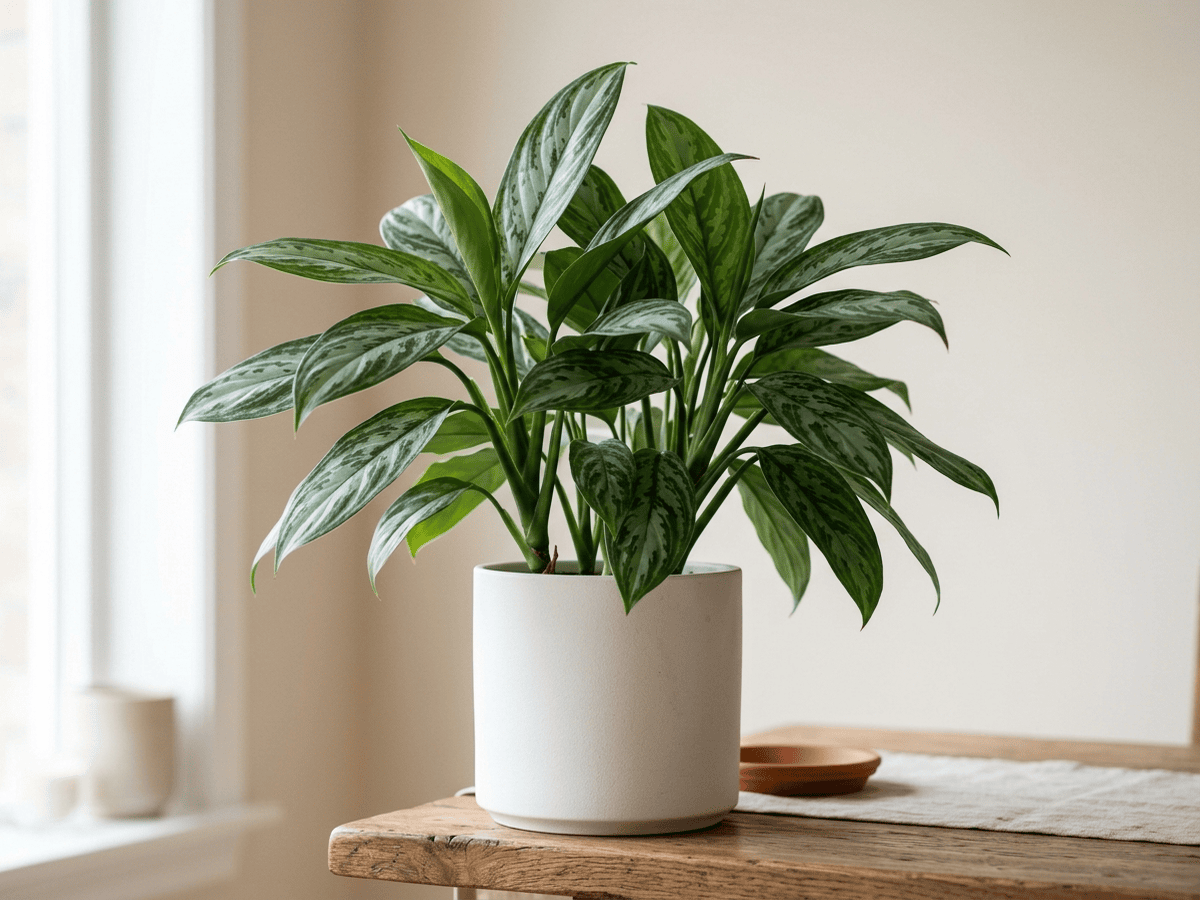 Philippine EvergreenAglaonema commutatum
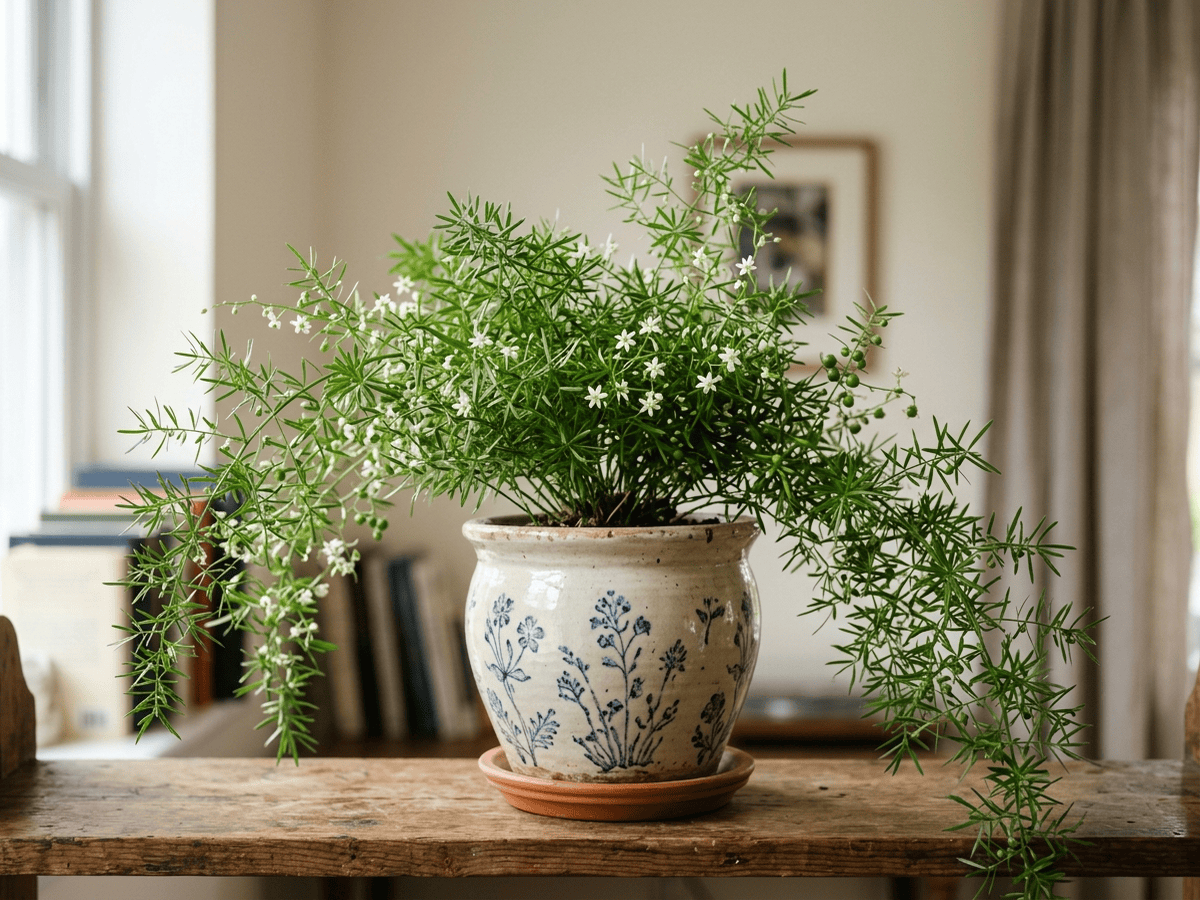 Sprenger's AsparagusAsparagus densiflorus
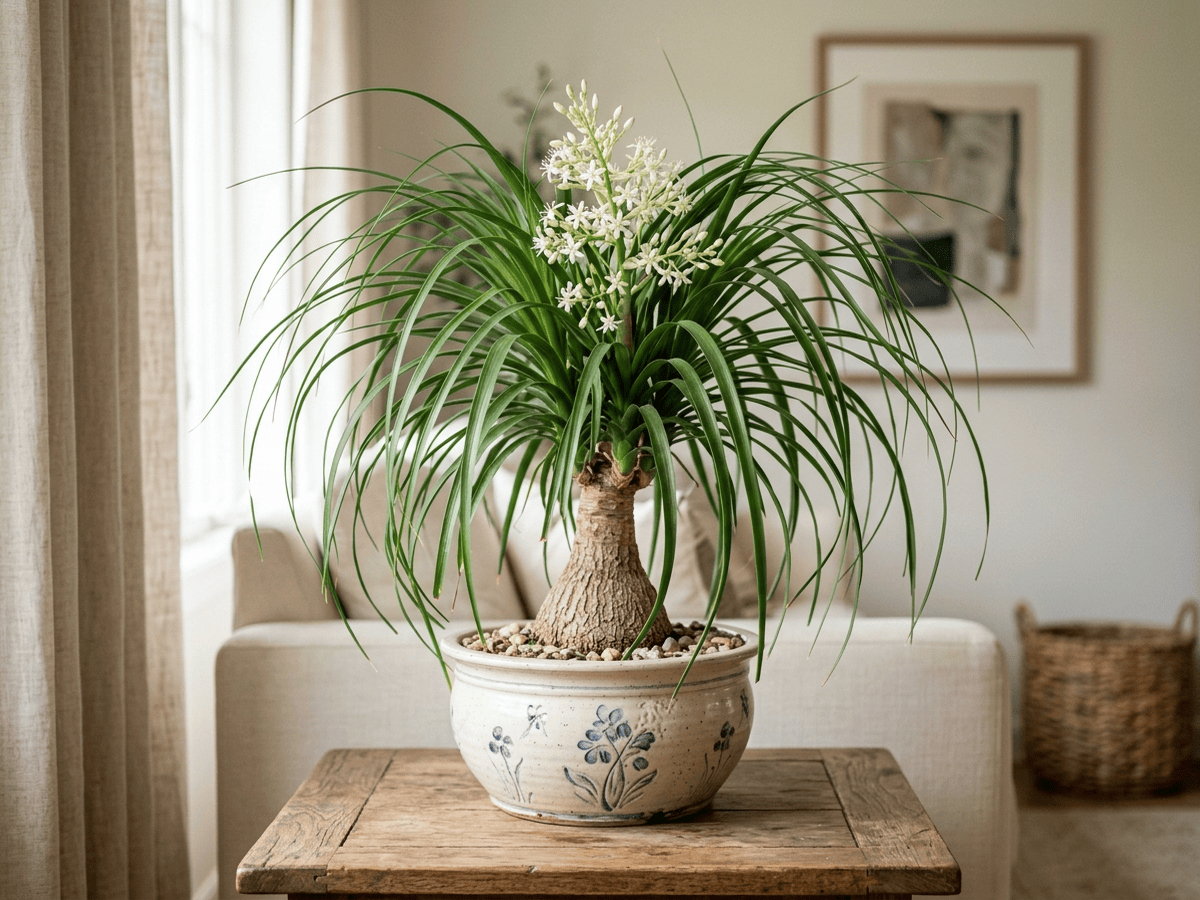 Ponytail PalmBeaucarnea recurvata
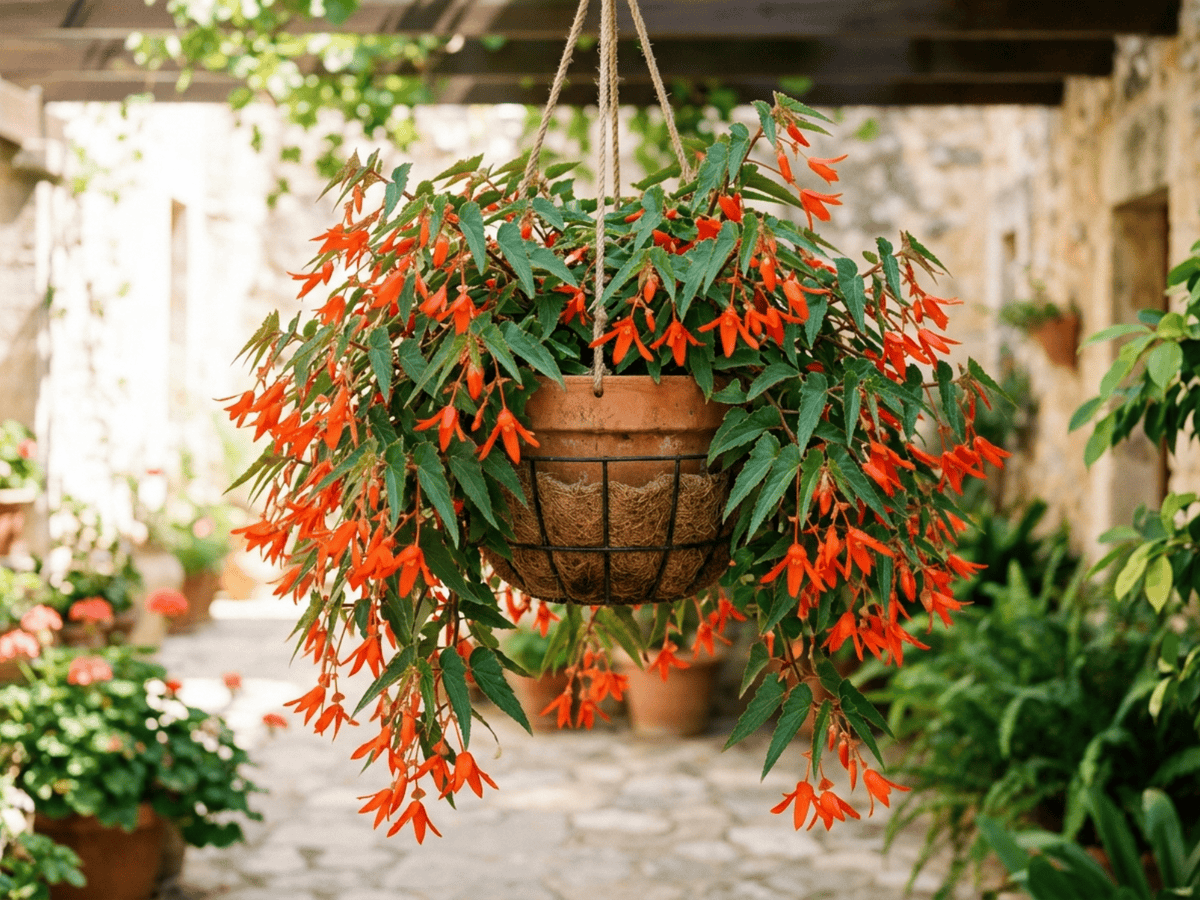 Tuberous BegoniaBegonia boliviensis
Frequently asked questions
How often should I water Zebra Haworthia?
In summer, water about every 10 days; in winter, about every 30 days. Adjust for heat, pot size and drainage.
How much light does Zebra Haworthia need?
Part shade: 2–4 hrs direct. Watch the leaves — scorching or stretching means the light needs adjusting.
Is Zebra Haworthia toxic to cats or dogs?
No toxicity has been reported for this plant. Still, it is wise to keep pets from chewing on any houseplant. Educational information, not medical or veterinary advice. If exposure is suspected, contact a doctor or veterinarian.
Is Zebra Haworthia easy to grow?
Yes — it is considered an easy, beginner-friendly plant.
Can Zebra Haworthia be grown indoors?
Yes, it adapts well to indoor growing given the right light.
When does Zebra Haworthia bloom?
It typically blooms Jun–Aug in the Northern Hemisphere.
YardMate
Identify any plant in seconds
Snap a photo — YardMate names the plant, diagnoses problems, and reminds you when to water.
Download on the App Store