 YardMate



Common Ivy
Hedera helix
Easy · Beginner friendlyAbout Common Ivy
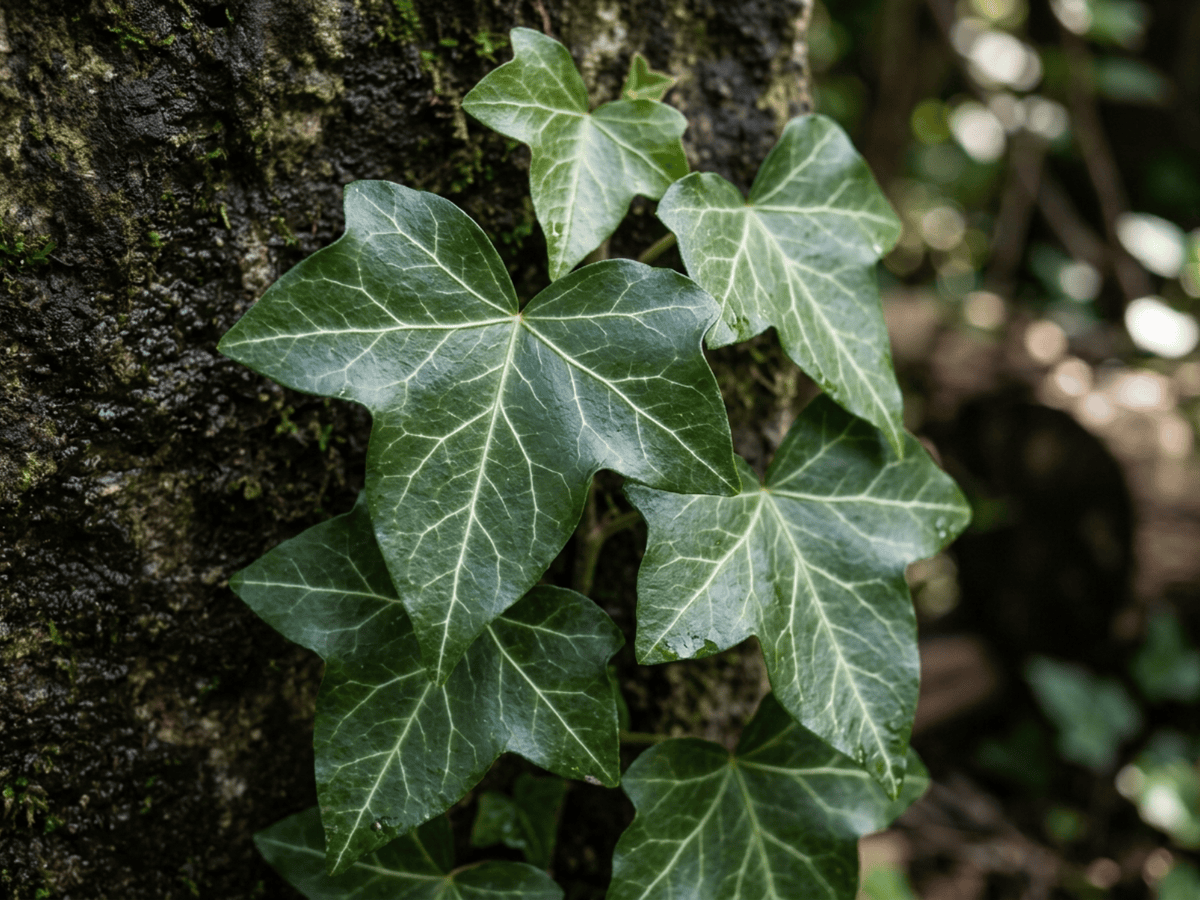
Hedera helix, commonly known as English ivy, is one of the most recognizable climbing plants in the world, native to Europe and western Asia. This evergreen vine uses adventitious rootlets to cling to virtually any surface — walls, trees, fences, and ground — and can grow over 30 meters long in ideal conditions. The dark green, lobed leaves are iconic, and dozens of cultivars offer variations in leaf shape, size, and color including silver, gold, and cream variegation. It serves dual roles as a vigorous groundcover in deep shade and as a self-clinging wall climber. However, English ivy is highly invasive in many regions, smothering native vegetation and damaging trees by adding weight that causes limb breakage. It is considered a noxious weed in the Pacific Northwest of the United States and parts of Australia. Despite its invasive nature, it remains one of the most effective plants for covering ugly walls, suppressing weeds, and reducing noise pollution.
- Air-purifying
- Evergreen
- Climbing
- Groundcover
How to care for Common Ivy
Watering
- Springevery 7 days
- Summerevery 5 days
- Fallevery 14 days
- Winterevery 30 days
Soil · Well-draining
- Top dressingPine bark mulch10%
- Main mixPotting soil + perlite 2:170%
- DrainageLECA / gravel20%
Never skip the drainage layer — standing water is the top cause of root rot.
FERTILIZER
Balanced Feed 14-14-14
An even feed covers all three needs at once, keeping leaves, roots and blooms moving together with nothing pushed out of balance.
- Nitrogen · Leaves
- Phosphorus · Roots + Blooms
- Potassium · Strength
- Springevery 60 days
At a Glance
- NativeEurope, Western Asia
- Height20–50 ft (6.1–15.2 m)
- Spread3–6 ft (0.9–1.8 m)
- Flower colorYellow, Green
- Foliage colorGreen, Variegated, Yellow
- SoilLoamy, Well-drained
- LocationsYard · Indoor · Balcony
Bloom time
BLOOM CYCLE
Peak bloom
Sep–Nov
Small yellow-green flowers in fall on mature plants; attracts late-season pollinators
Fragrance
LIGHT FRAGRANCE
Autumn flowers have a faint musky scent attractive to late-season pollinators.
Toxicity
Humans Moderate · Pets Moderate
triterpenoid saponins (hederagenin, hederin) and falcarinol (allergen)
Moderate
- Leaf
- Fruit
- Sap
- Ingestion
- Contact
EXPOSURE Eating leaves, fruit, and sap. Touching leaves, fruit, and sap.
EFFECT Leaves and berries contain saponins — vomiting, diarrhea and sap causes contact dermatitis in sensitive people.
NOTE Documented concern for humans: Leaves and berries contain saponins — vomiting, diarrhea and sap causes contact dermatitis in sensitive people.
Moderate
- Leaf
- Fruit
- Ingestion
EXPOSURE Eating leaves and fruit.
EFFECT Vomiting, diarrhea, hypersalivation, abdominal pain.
NOTE ASPCA lists English ivy as toxic to dogs, cats, and horses.
Moderate
- Leaf
- Fruit
- Ingestion
EXPOSURE Eating leaves and fruit.
EFFECT Same as dogs.
NOTE ASPCA lists English ivy as toxic to dogs, cats, and horses.
Educational information, not medical or veterinary advice. If exposure is suspected, contact a doctor or veterinarian.
DISTRIBUTION


- Native
- Introduced
- Europe
- Western Asia
History
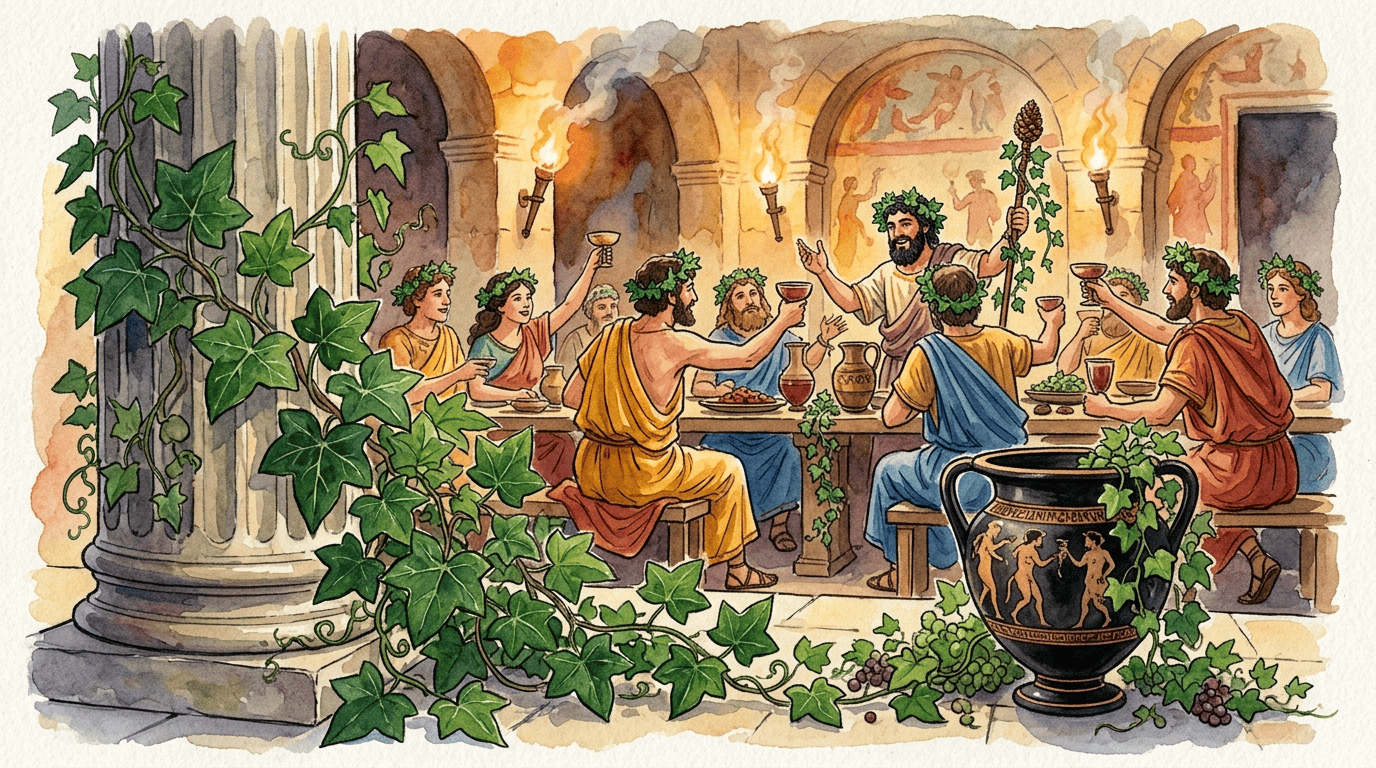
Hedera helix is native to most of Europe and western Asia, from Ireland and Portugal east through Russia and south to the Mediterranean basin. In classical Greek and Roman religion the ivy was sacred to Dionysus/Bacchus — his maenads wore ivy crowns, his thyrsus staff was wrapped with ivy, and a tavern-sign ivy bush ("bush" from "bouscos") advertised the availability of wine throughout the Roman and medieval European world. Like holly, ivy featured in pre-Christian Celtic and Germanic midwinter evergreen traditions and was incorporated into Christmas decoration; "The Holly and the Ivy" carol embodies the paired symbolism of male (holly) and female (ivy) plants. Ivy's climbing growth on old stone and brick buildings became a signature aesthetic of English universities — Oxford, Cambridge, Eton — and by extension American universities that adopted English collegiate architecture (Princeton, Yale, Harvard, etc.), whose eight-school athletic "Ivy League" (named 1937, formally organized 1954) derives from the ivy-covered-walls association.
Ecologically, however, ivy has become a serious invasive in the Pacific Northwest of the US (Oregon and Washington both list it as a noxious weed), Australia, and parts of New Zealand, where it smothers native understory and eventually kills host trees by shading their canopies. English ivy has been intertwined with human culture for millennia. In ancient Greece, ivy was sacred to Dionysus, god of wine, and was woven into crowns worn at feasts.
Roman poets used ivy as a symbol of intellectual achievement. In the Middle Ages, an ivy bush hung outside a tavern indicated that wine was for sale — the origin of the expression 'good wine needs no bush.' The plant gave its name to the Ivy League universities, whose old stone buildings are famously covered in it. NASA's Clean Air Study found it effective at filtering indoor pollutants including formaldehyde and benzene.
Symbolism & meaning
What It Symbolizes
Common Ivy is the great Victorian symbol of fidelity, clinging faithfully to whatever it grows upon — wall, tree, or memory. Its evergreen leaves carry the meaning of eternity and unbroken bonds, a flower-language emblem of attachments that refuse to fade with seasons. In bouquets and tomb carvings alike, ivy has long stood for the steadfast friendship and devoted love that outlasts everything around it.
- Fidelity — Ivy clings faithfully to whatever it grows upon, symbolizing loyalty
- Eternity — Its evergreen nature represents immortality and enduring bonds
- Friendship — In Victorian flower language, ivy expressed steadfast attachment
Where the Name Comes From
'Hedera' is the classical Latin name for ivy, possibly derived from a Celtic word meaning 'cord.' 'Helix' means 'spiral' or 'twining' in Greek, describing the vine's climbing habit.
Related plants
Plants with similar care
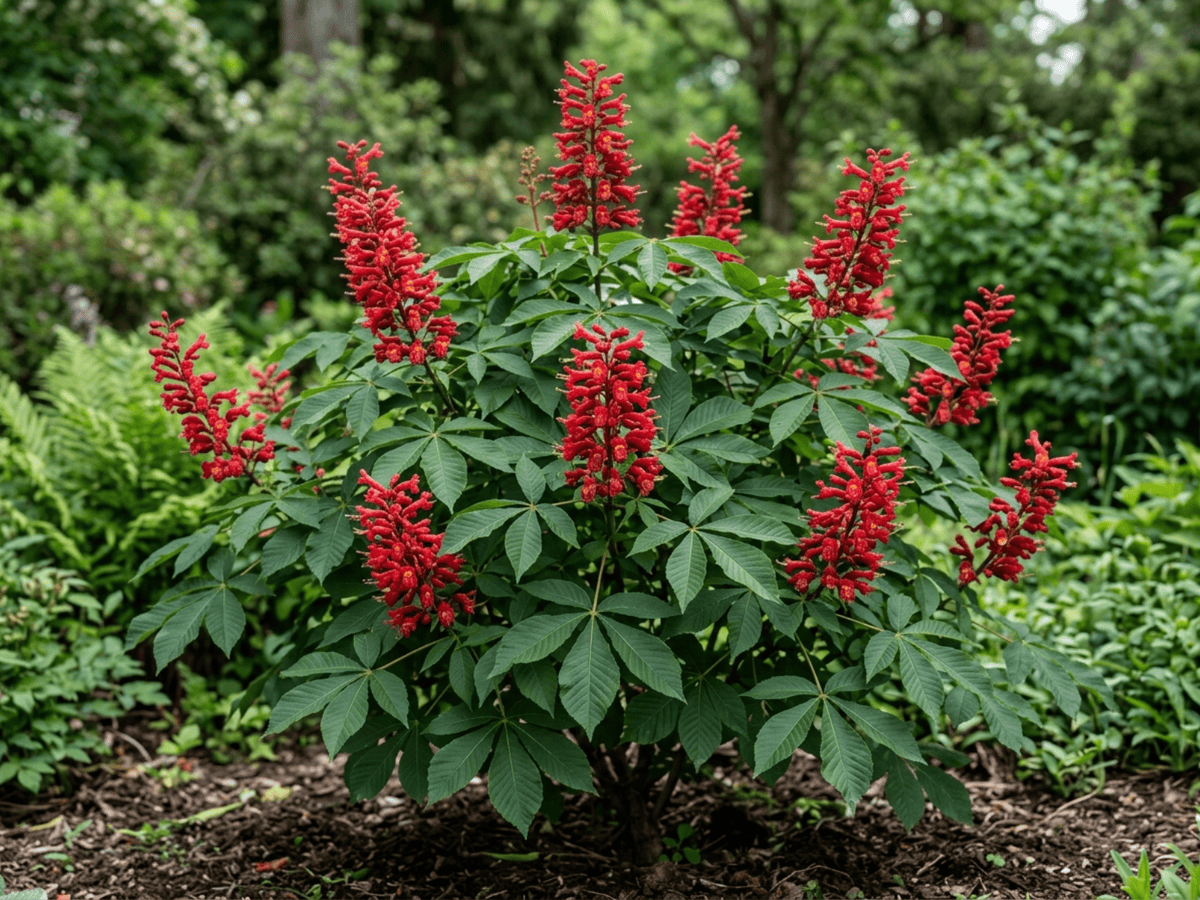 Red BuckeyeAesculus pavia
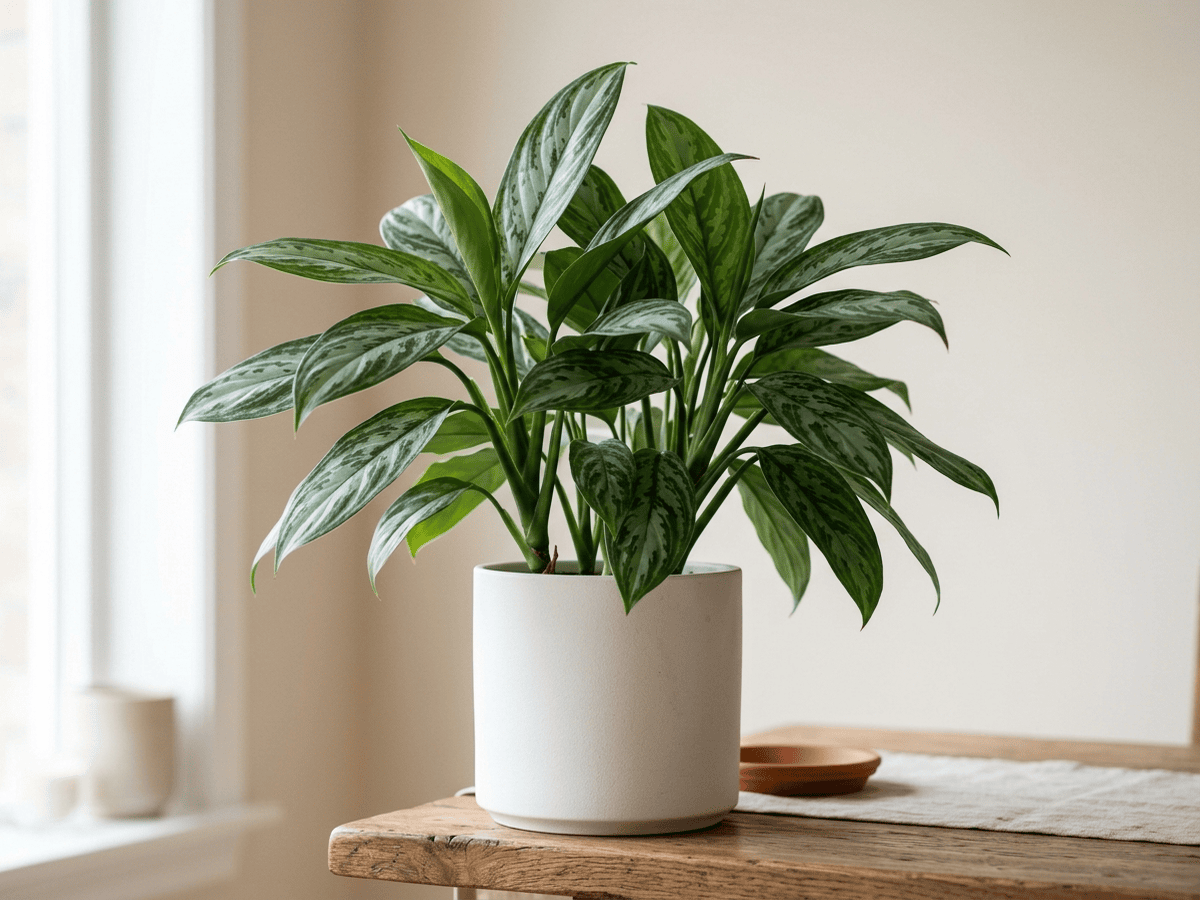 Philippine EvergreenAglaonema commutatum
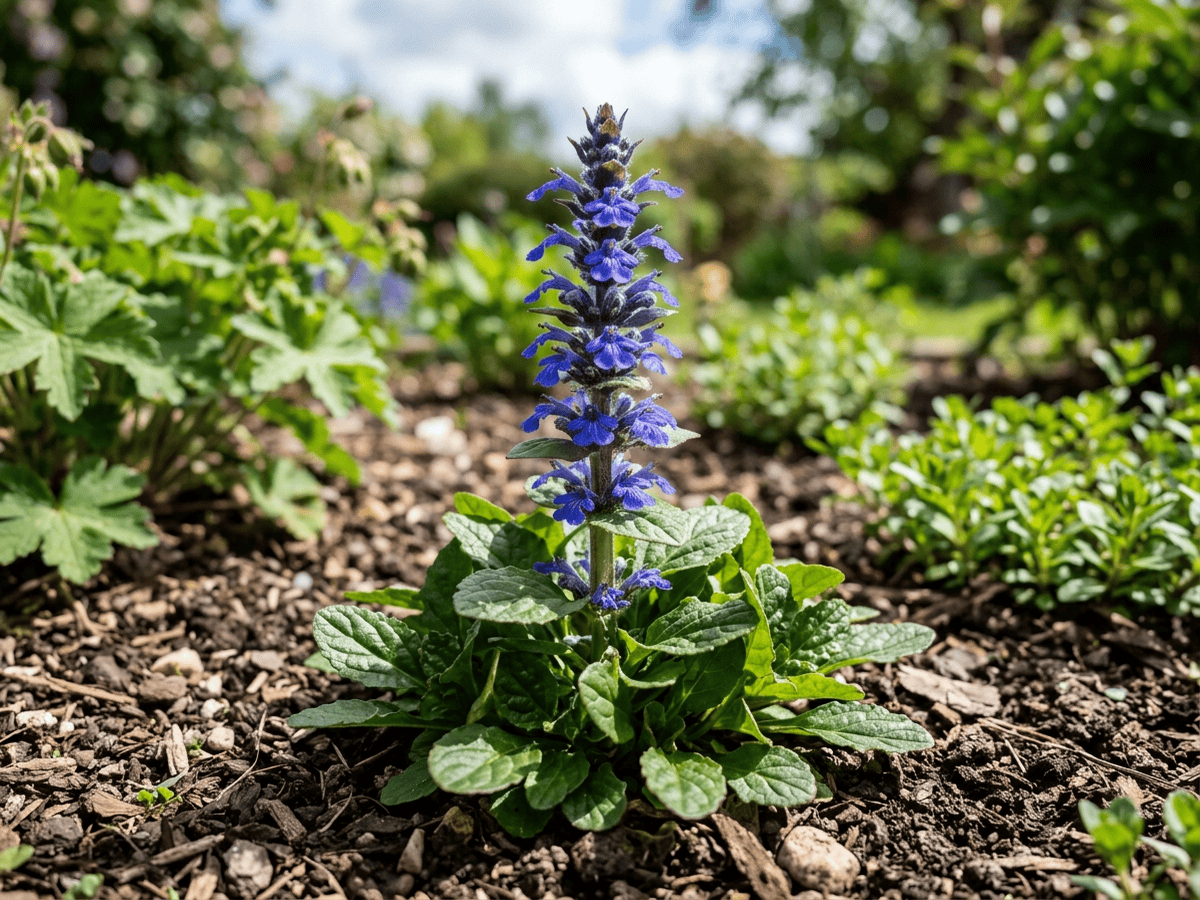 Blue BugleAjuga genevensis
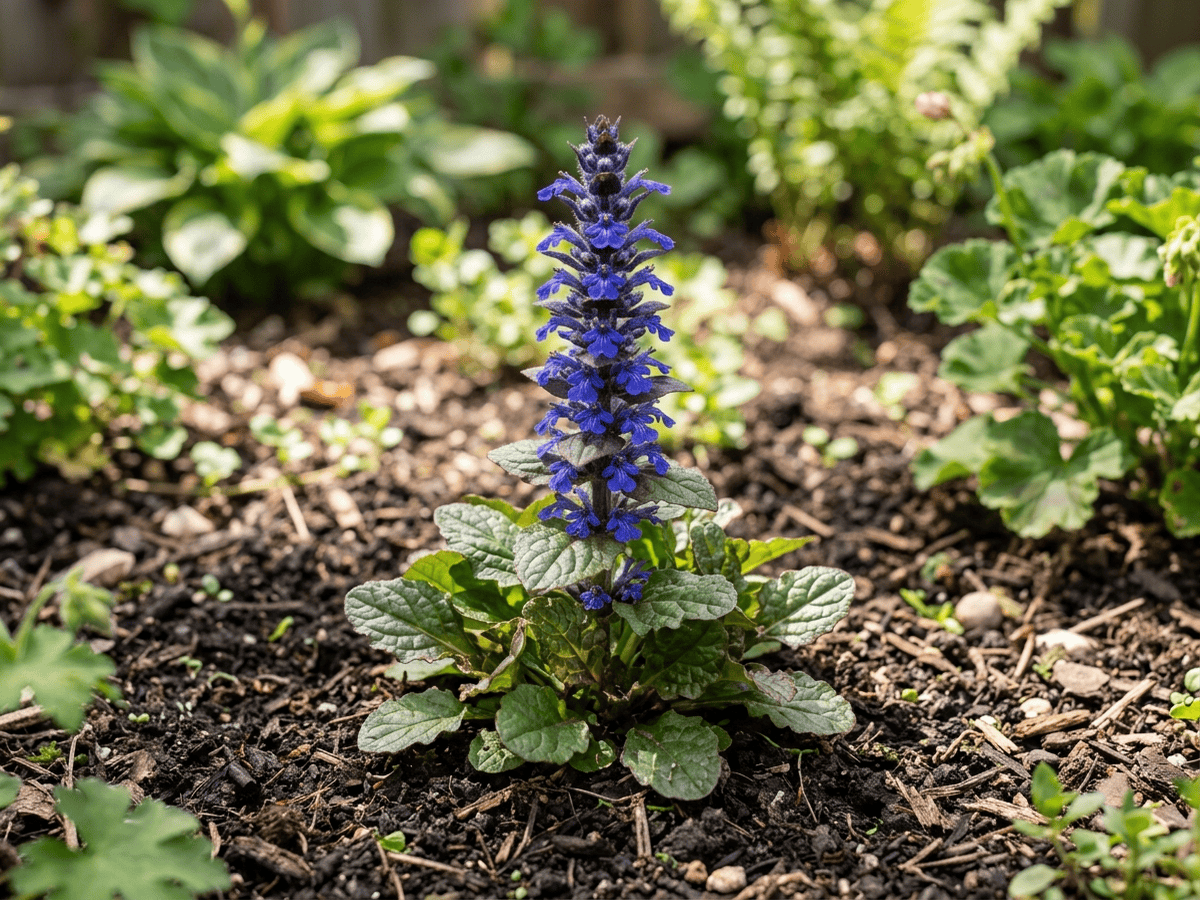 Pyramidal BugleAjuga pyramidalis
Frequently asked questions
How often should I water Common Ivy?
In summer, water about every 5 days; in winter, about every 30 days. Adjust for heat, pot size and drainage.
How much light does Common Ivy need?
Part shade: 2–4 hrs direct. Watch the leaves — scorching or stretching means the light needs adjusting.
Is Common Ivy toxic to cats or dogs?
Pets Moderate (Dogs Moderate · Cats Moderate) Educational information, not medical or veterinary advice. If exposure is suspected, contact a doctor or veterinarian.
Is Common Ivy easy to grow?
Yes — it is considered an easy, beginner-friendly plant.
Can Common Ivy be grown indoors?
Yes, it adapts well to indoor growing given the right light.
When does Common Ivy bloom?
It typically blooms Sep–Nov in the Northern Hemisphere.
YardMate
Identify any plant in seconds
Snap a photo — YardMate names the plant, diagnoses problems, and reminds you when to water.
Download on the App Store