 YardMate
Pretty Sneezeweed
Helenium elegans
Hard · Experienced growersAbout Pretty Sneezeweed
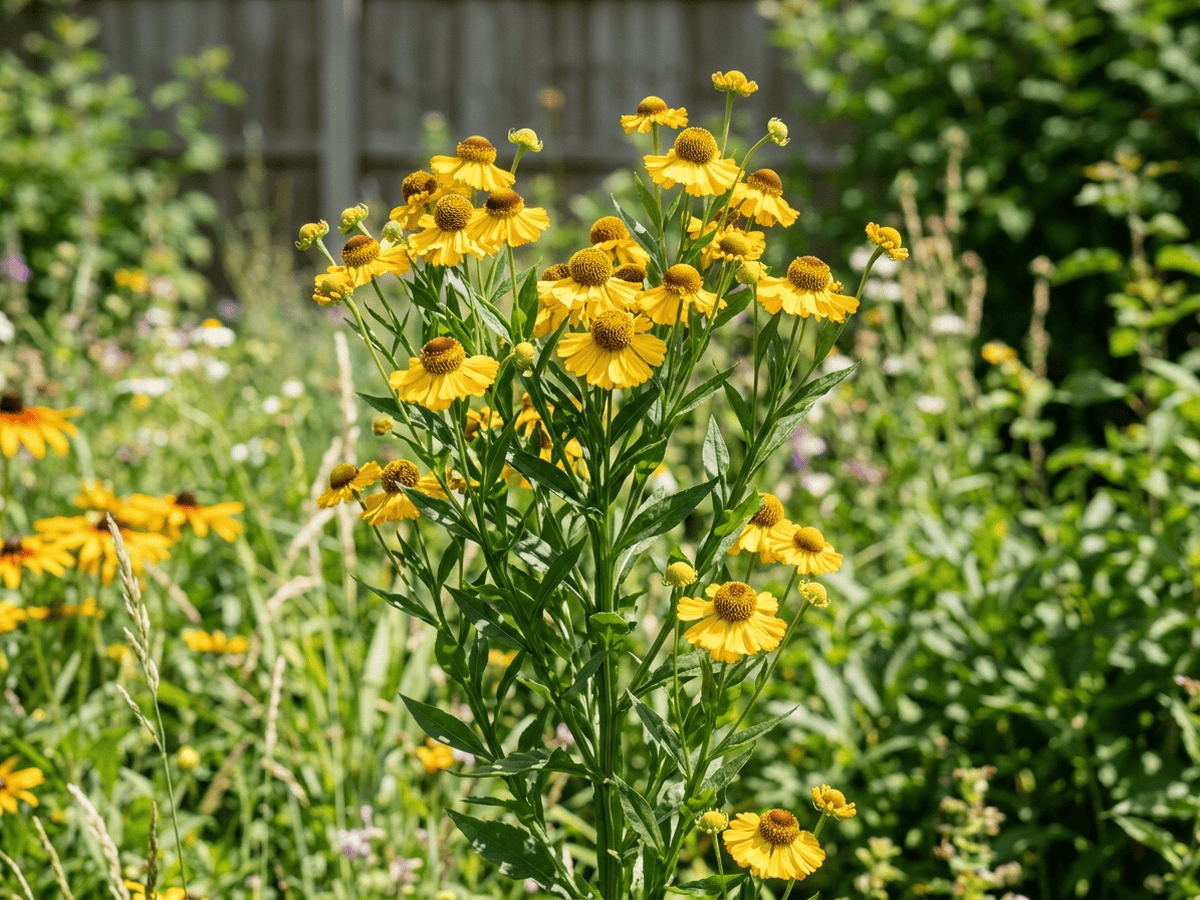
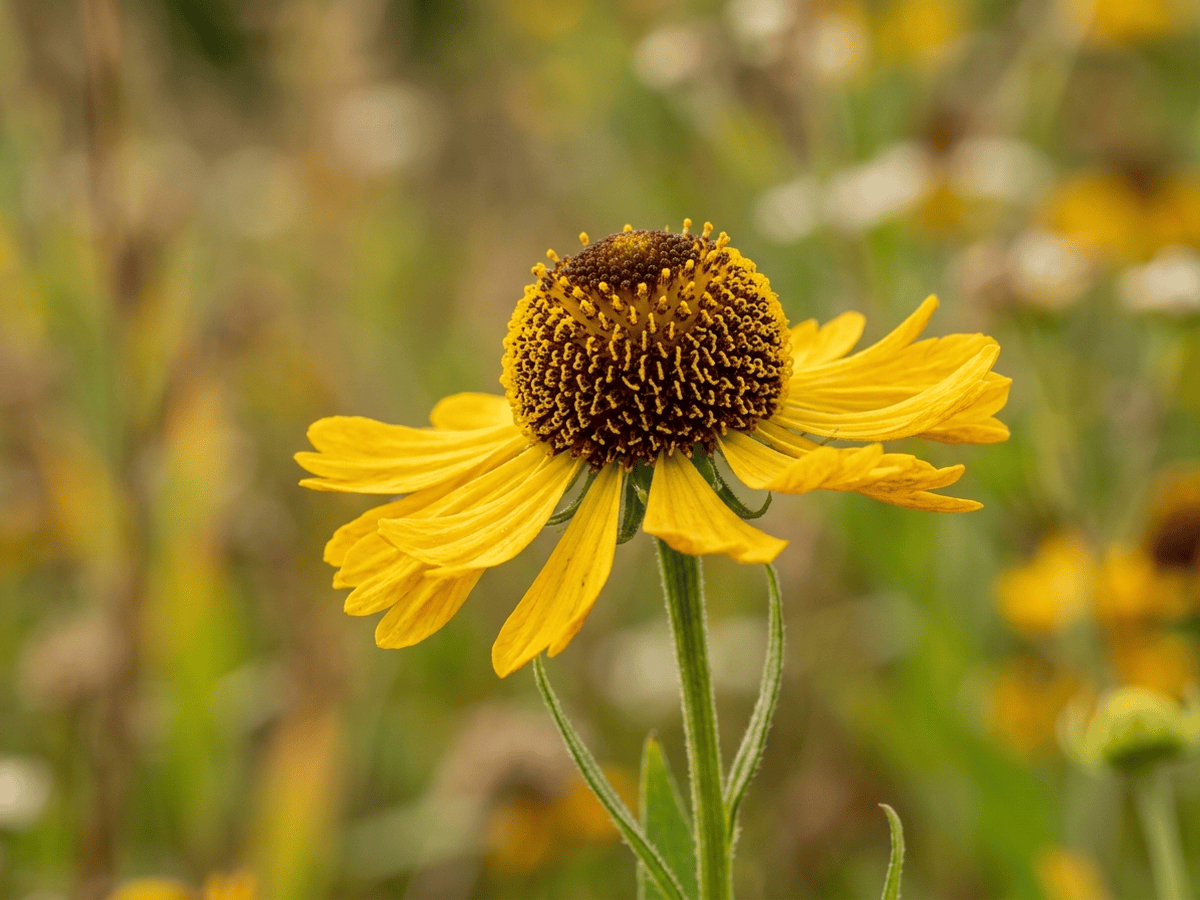
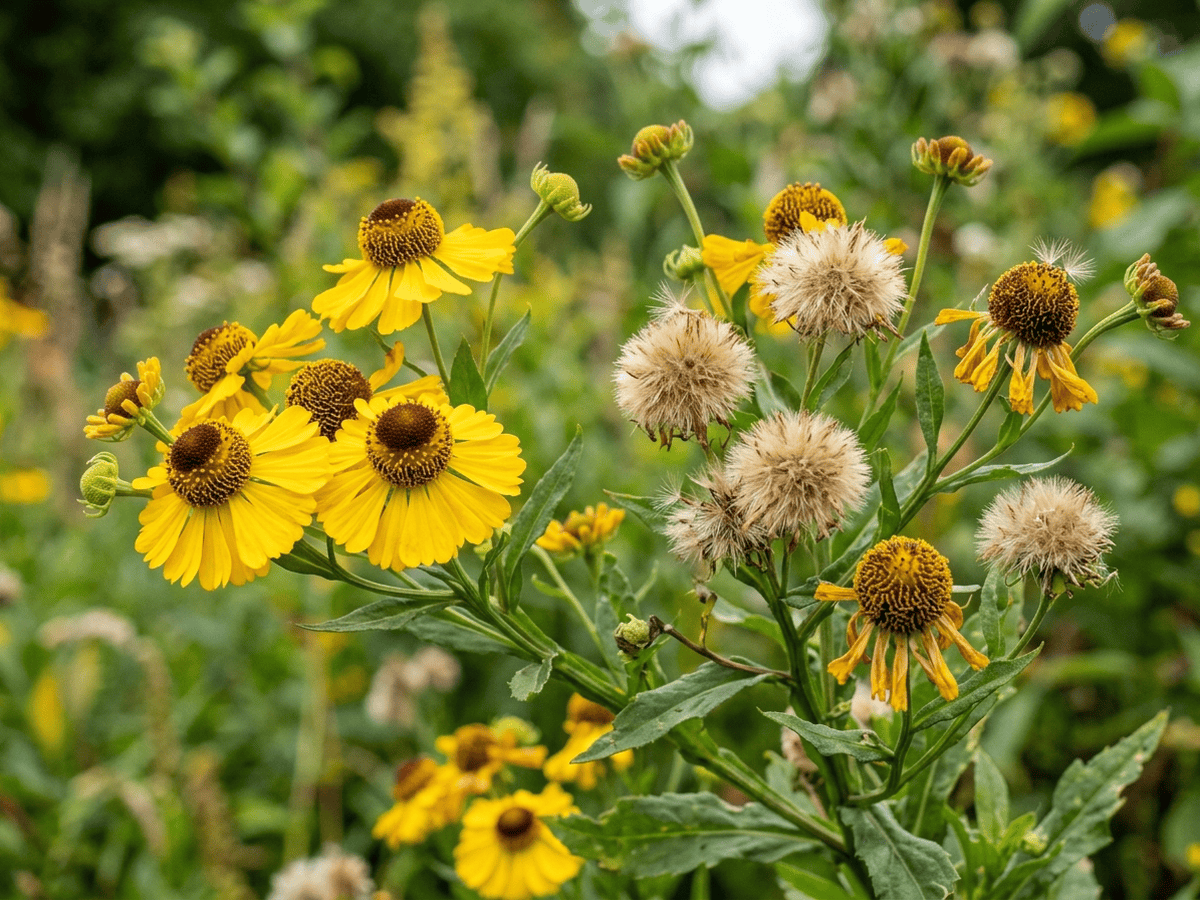
Helenium elegans, pretty sneezeweed, is a cheerful annual wildflower native to California and the Pacific coast, bearing dainty golden-yellow daisy-like flowers with reflexed petals and a raised rounded disc from early summer through fall. Far more elegant than its common name suggests, pretty sneezeweed thrives in full sun with regular moisture and makes an exceptional long-blooming addition to summer borders and meadow gardens. It is a prolific nectar plant beloved by bumblebees and native bees. Caution: all parts of Helenium are toxic if ingested and the foliage can cause contact dermatitis in sensitive individuals.
- Pollinator-friendly
- Long-blooming
- Fast-growing
- Compact
How to care for Pretty Sneezeweed
Watering
- Springevery 10 days
- Summerevery 7 days
- Fallevery 15 days
- Winterevery 30 days
Soil · Well-draining
- Top dressingPine bark mulch10%
- Main mixPotting soil + perlite 2:170%
- DrainageLECA / gravel20%
Never skip the drainage layer — standing water is the top cause of root rot.
FERTILIZER
Balanced Feed 14-14-14
An even feed covers all three needs at once, keeping leaves, roots and blooms moving together with nothing pushed out of balance.
- Nitrogen · Leaves
- Phosphorus · Roots + Blooms
- Potassium · Strength
- Springevery 30 days
- Summerevery 30 days
- Fallevery 30 days
At a Glance
- NativeNorth America
- Height2–3 ft (0.6–0.9 m)
- Spread1–2 ft (0.3–0.6 m)
- Flower colorYellow, Orange
- Foliage colorGreen
- SoilLoamy, Well-drained
- LocationsYard · Balcony
Bloom time
BLOOM CYCLE
Peak bloom
Jun–Sep
Pretty Sneezeweed blooms in summer with vibrant flower heads that attract pollinators.
Fragrance
NO FRAGRANCE
Flowers unscented; the pungent scent of dried foliage gave the plant its 'sneezeweed' name.
Toxicity
Humans Slight
helenalin and tenulin
Slight
- All
- Ingestion
- Contact
EXPOSURE Eating any part of the plant. Touching any part of the plant.
EFFECT Nausea, vomiting, and contact dermatitis.
NOTE Contains sesquiterpene lactones (helenalin, tenulin) toxic to livestock, dogs, and cats if ingested. Causes 'spewing sickness' in cattle. Contact with foliage may cause dermatitis in sensitive humans. Listed by ASPCA as toxic to dogs, cats, and horses.
Unknown
EXPOSURE No exposure route is reported.
EFFECT No toxic effect is reported.
NOTE Toxicity for dogs is not well documented; use caution until verified.
Unknown
EXPOSURE No exposure route is reported.
EFFECT No toxic effect is reported.
NOTE Toxicity for cats is not well documented; use caution until verified.
Educational information, not medical or veterinary advice. If exposure is suspected, contact a doctor or veterinarian.
DISTRIBUTION


- Native
- North America
History

The name Helenium has its roots in one of antiquity's great tragedies. Ancient Greek writers associated these bright golden flowers with Helen of Troy—the legend held that sneezeweed sprang from the places where Helen's tears touched the earth as Paris carried her away toward Troy. Whether or not this myth influenced Linnaeus when he formally adopted the genus name in 1753, it gave the plant a mythological dignity that its common name conspicuously lacks.
'Sneezeweed' entered English from a practical observation. Indigenous peoples of North America, particularly tribes of the Great Plains and Southwest, dried the leaves and flower heads and used them as snuff—inhaling the powdery material to induce sneezing, a practice believed to expel illness, evil spirits, or to clear the respiratory passages. European settlers observed and adopted the practice, giving the plant its enduring common name.
Helenium species contain sesquiterpene lactones—particularly helenalin and tenulin—that are potently toxic to livestock. Cattle, horses, and sheep that graze on sneezeweed develop a condition called 'spewing disease,' characterized by repeated retching and weakness. Ranchers across the American West learned to watch for and remove sneezeweed from pastures. The same compounds that make it dangerous to grazers, however, are being studied in modern pharmacology for potential anti-inflammatory and anti-cancer properties.
Helenium elegans, the 'pretty' species from coastal California, is one of the more delicate and garden-worthy members of the genus—its smaller stature and finely textured flowers bringing refinement to the wildflower border.
Symbolism & meaning
What It Symbolizes
Helen wept, and wherever her tears fell, golden flowers grew. That is the mythology. The botany is different but equally strange: the plant can make you sneeze, can make livestock sick, and might one day yield an anti-cancer compound. All in the same flower.
- tears transformed — Named for Helen of Troy, whose tears became flowers—sneezeweed embodies the ancient idea that grief, falling to earth, can become something golden.
- double nature — Beautiful to look at, toxic to eat, and historically used to purge illness—sneezeweed holds opposing qualities in the same stem.
Where the Name Comes From
The genus Helenium takes its name from Helena of Troy in Greek mythology—legend held that sneezeweed sprang from the tears of Helen as she was taken to Troy. The species epithet elegans is Latin for 'elegant' or 'graceful,' distinguishing this more refined species from its coarser relatives. The common name 'sneezeweed' derives from the historical use of dried leaves as snuff to induce sneezing.
Uses & Fun Facts
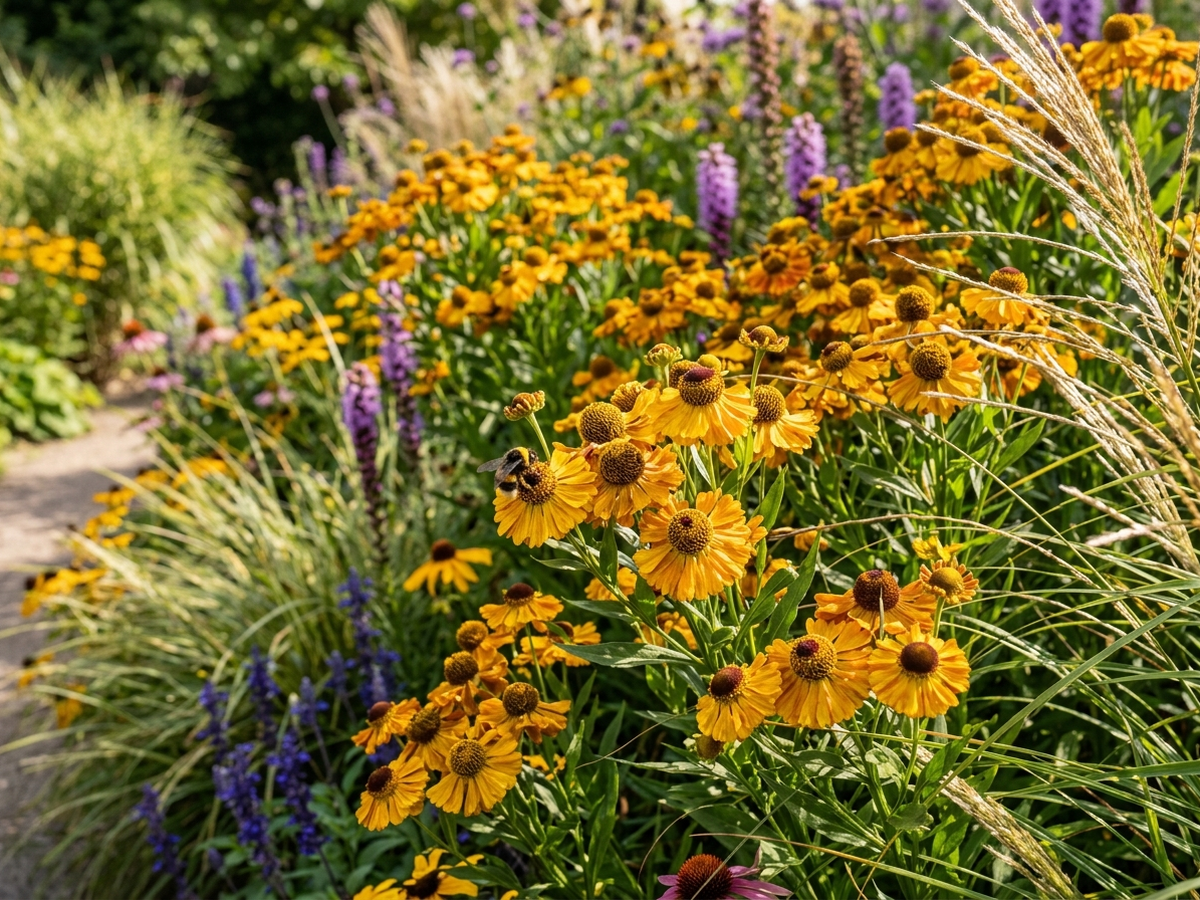
- Prolific nectar producer for bumblebees, native bees, and butterflies from early summer through fall; one of the best late-season pollinator plants in western North American gardens
- Masses of golden-yellow daisy flowers with reflexed petals on upright stems make excellent long-blooming summer border plants, cutting garden additions, and naturalistic meadow subjects
Related plants
Plants with similar care
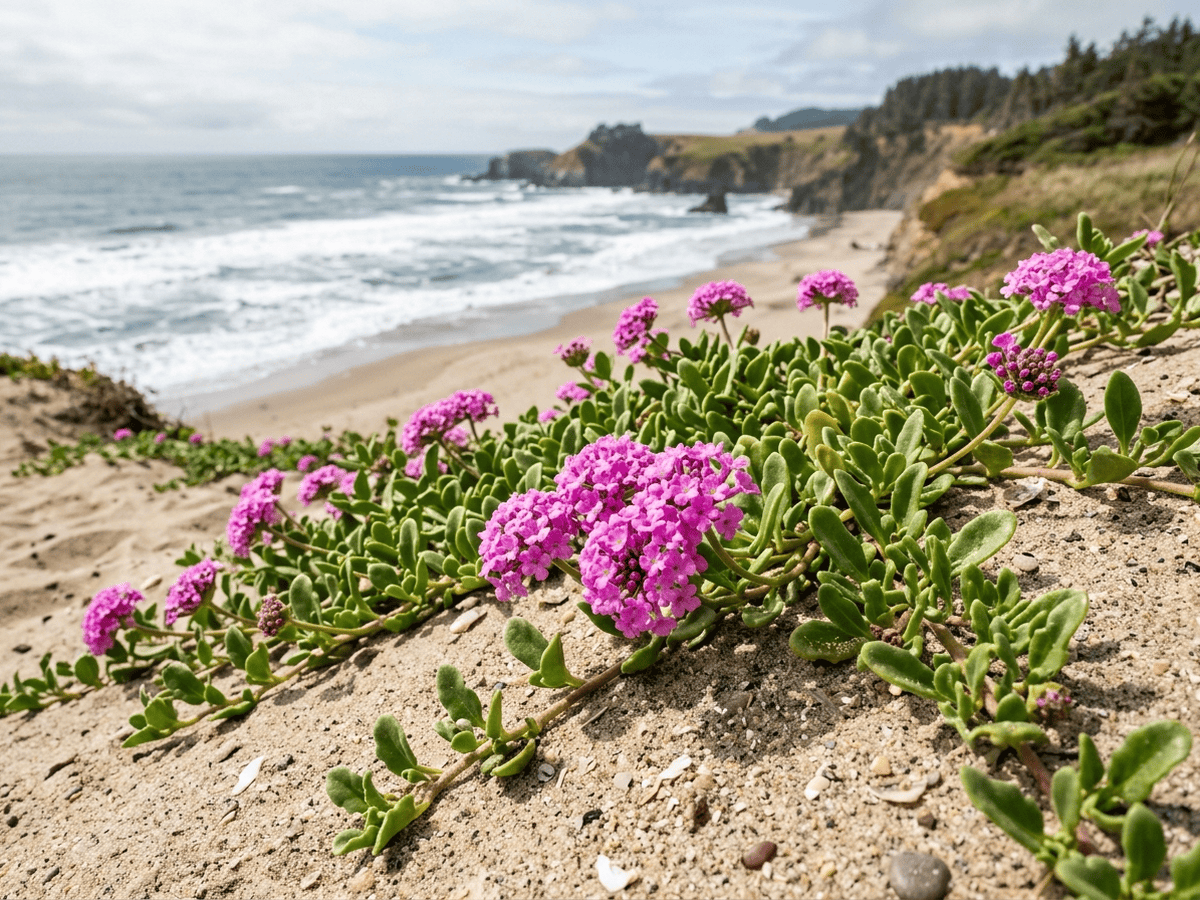 Pink Sand VerbenaAbronia umbellata
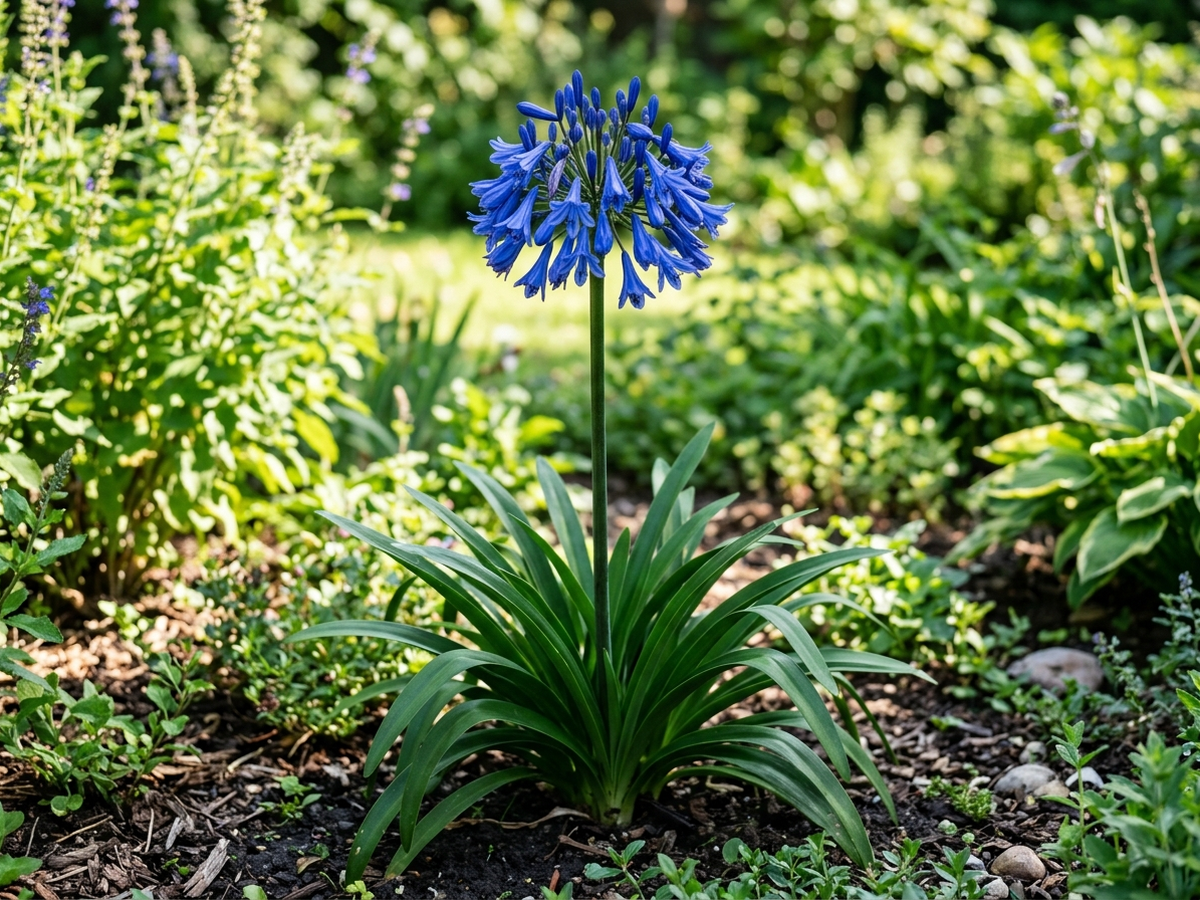 Drooping AgapanthusAgapanthus inapertus
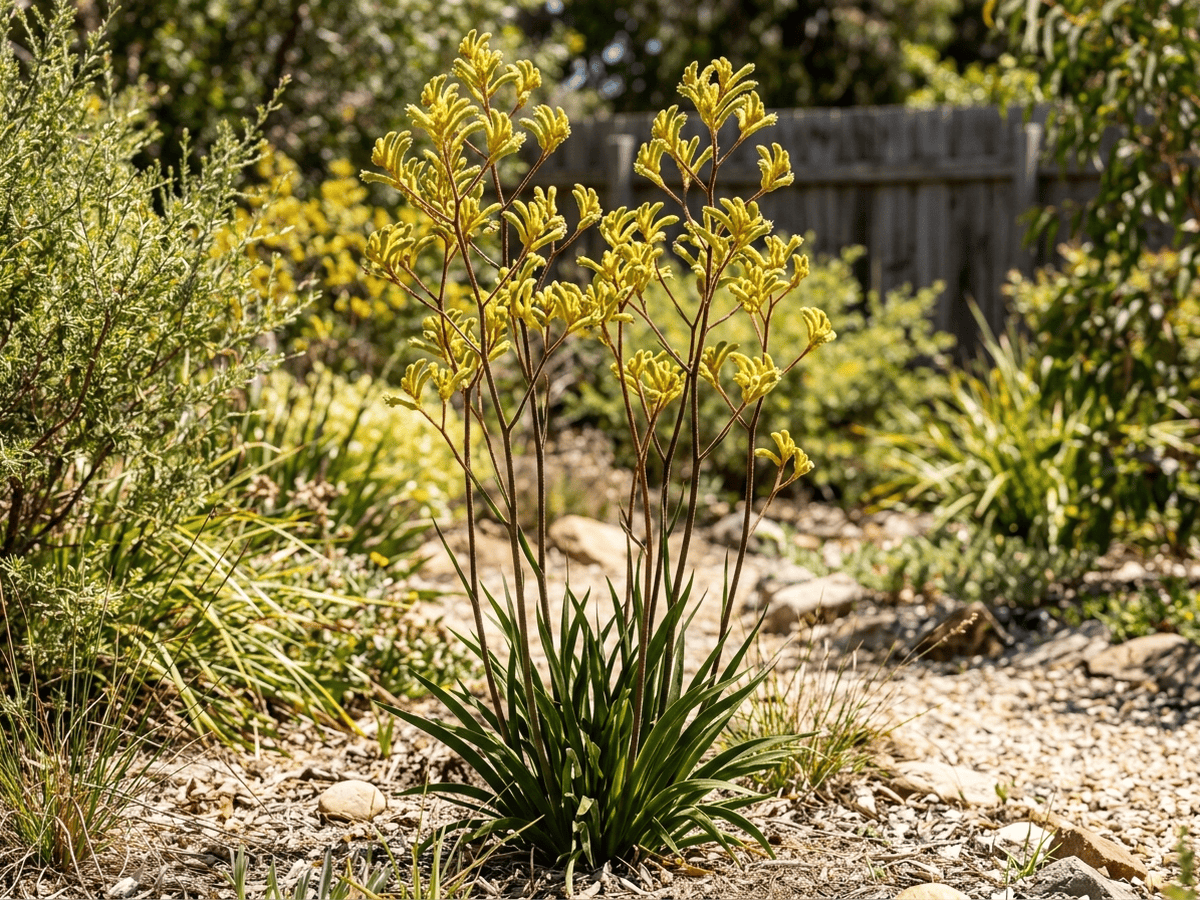 Tall Kangaroo PawAnigozanthos flavidus
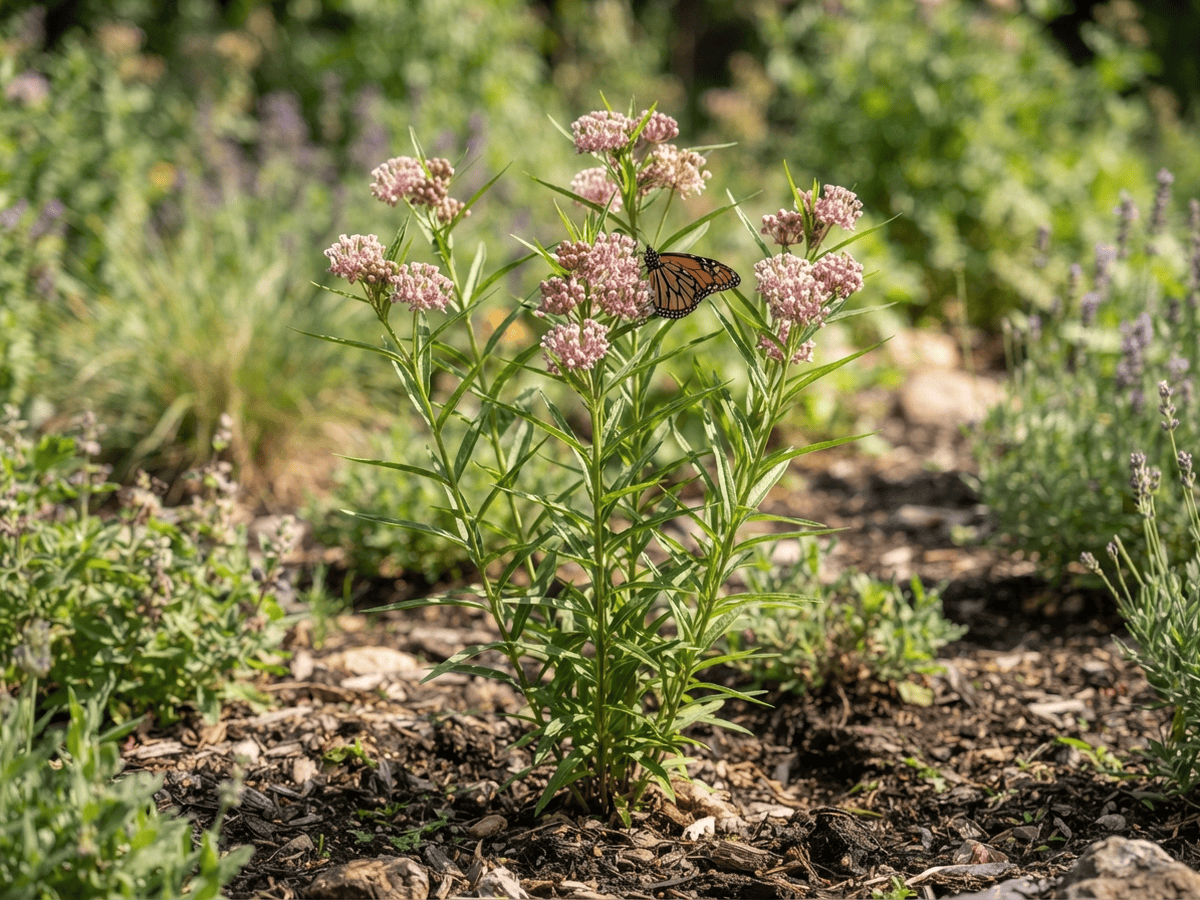 Narrowleaf MilkweedAsclepias fascicularis
Frequently asked questions
How often should I water Pretty Sneezeweed?
In summer, water about every 7 days; in winter, about every 30 days. Adjust for heat, pot size and drainage.
How much light does Pretty Sneezeweed need?
Full sun: 6+ hrs direct. Watch the leaves — scorching or stretching means the light needs adjusting.
Is Pretty Sneezeweed toxic to cats or dogs?
Pets Unknown (Dogs Unknown · Cats Unknown) Educational information, not medical or veterinary advice. If exposure is suspected, contact a doctor or veterinarian.
Is Pretty Sneezeweed easy to grow?
It is considered challenging and rewards experienced growers.
When does Pretty Sneezeweed bloom?
It typically blooms Jun–Sep in the Northern Hemisphere.
YardMate
Identify any plant in seconds
Snap a photo — YardMate names the plant, diagnoses problems, and reminds you when to water.
Download on the App Store