 YardMate


Cherry-Pie
Heliotropium arborescens
Medium · Some experienceAbout Cherry-Pie
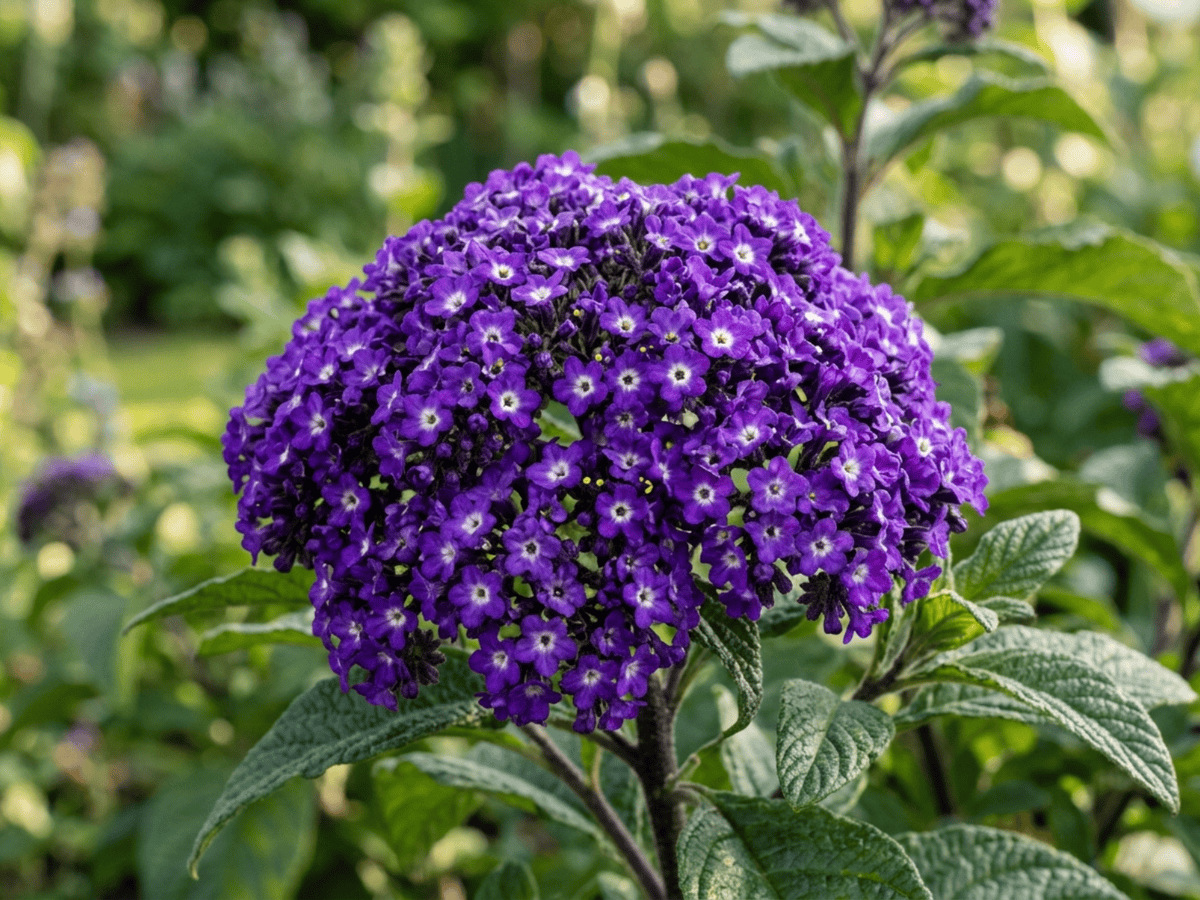
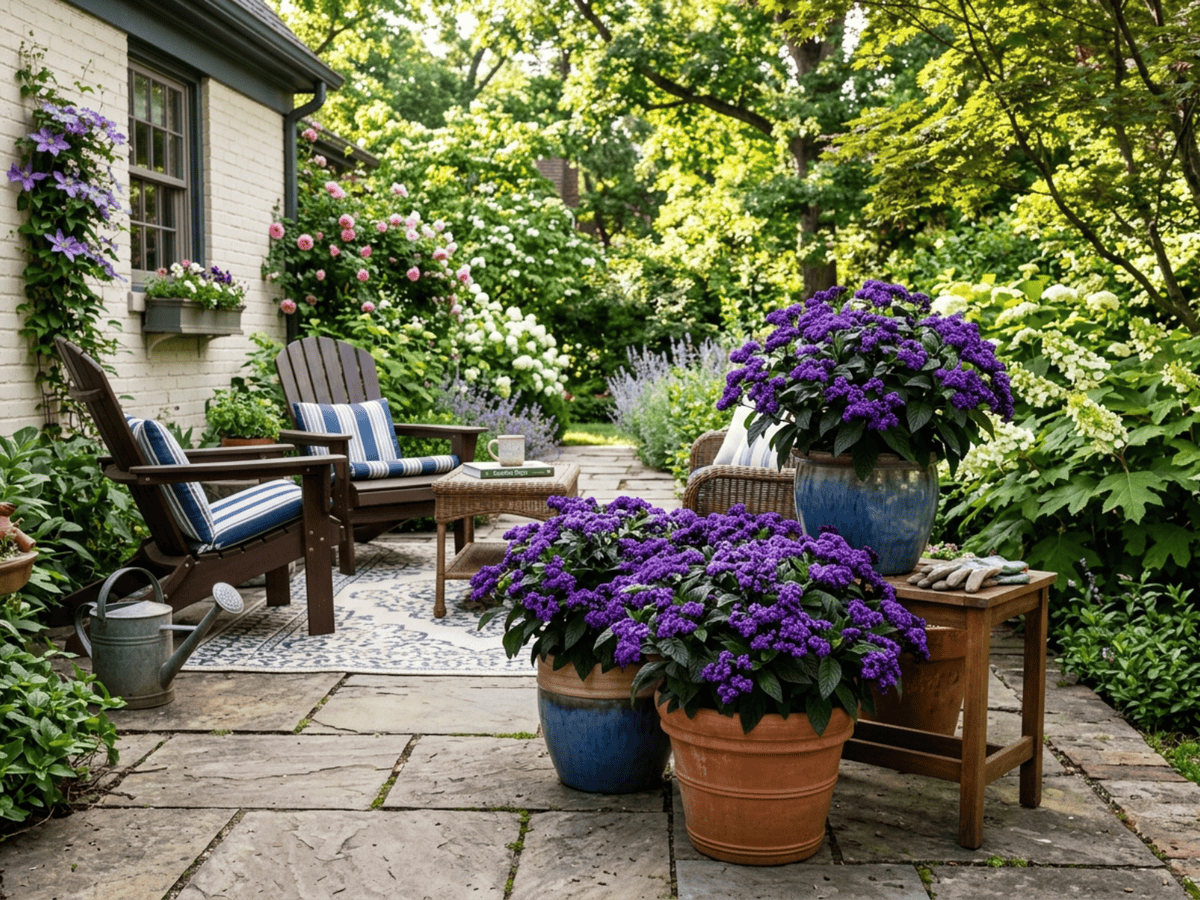
Heliotrope is a tender perennial from Peru grown as an annual across most US zones, with 12–24 inch mounds of deep purple or violet flower clusters bearing an intense vanilla-cherry fragrance. A Victorian cottage-garden icon, it remains popular for fragrance gardens, containers, and moon gardens. Modern cultivars such as 'Marine' and 'Fragrant Delight' emphasize scent and compact form. Best in full sun with protection from harshest afternoon heat.
- Fragrant
- Container-friendly
- Pollinator-friendly
How to care for Cherry-Pie
Watering
- Springevery 4 days
- Summerevery 3 days
- Fallevery 5 days
- Winterevery 7 days
Soil · Well-draining
- Top dressingPine bark mulch10%
- Main mixPotting soil + perlite 2:170%
- DrainageLECA / gravel20%
Never skip the drainage layer — standing water is the top cause of root rot.
FERTILIZER
Balanced Feed 14-14-14
An even feed covers all three needs at once, keeping leaves, roots and blooms moving together with nothing pushed out of balance.
- Nitrogen · Leaves
- Phosphorus · Roots + Blooms
- Potassium · Strength
- Springevery 14 days
- Summerevery 14 days
- Fallevery 30 days
At a Glance
- NativeSouth America
- Height1–3 ft (0.3–0.9 m)
- Spread1–2 ft (0.3–0.6 m)
- Flower colorPurple, White
- Foliage colorDark-green
- SoilLoamy, Well-drained, Rich
- LocationsYard · Balcony · Indoor
Bloom time
BLOOM CYCLE
Peak bloom
Jun–Nov
Fragrant purple clusters summer to frost
Fragrance
STRONG FRAGRANCE
The flowers have a vanilla, cherry pie, almond scent.
Toxicity
Humans Moderate · Pets Moderate
pyrrolizidine alkaloids and lasiocarpine
Moderate
- Leaf
- Stem
- Seed
- Ingestion
EXPOSURE Eating leaves, stems, and seeds.
EFFECT Liver damage, nausea, and abdominal pain.
NOTE Pyrrolizidine alkaloids cause cumulative hepatotoxicity; keep away from grazing animals.
Moderate
- All
- Ingestion
EXPOSURE Eating any part of the plant.
EFFECT Vomiting, liver toxicity, and lethargy.
NOTE Pyrrolizidine alkaloids cause cumulative hepatotoxicity; keep away from grazing animals.
Moderate
- All
- Ingestion
EXPOSURE Eating any part of the plant.
EFFECT Vomiting, liver toxicity, and lethargy.
NOTE Pyrrolizidine alkaloids cause cumulative hepatotoxicity; keep away from grazing animals.
Educational information, not medical or veterinary advice. If exposure is suspected, contact a doctor or veterinarian.
DISTRIBUTION


- Native
- Introduced
- South America
History
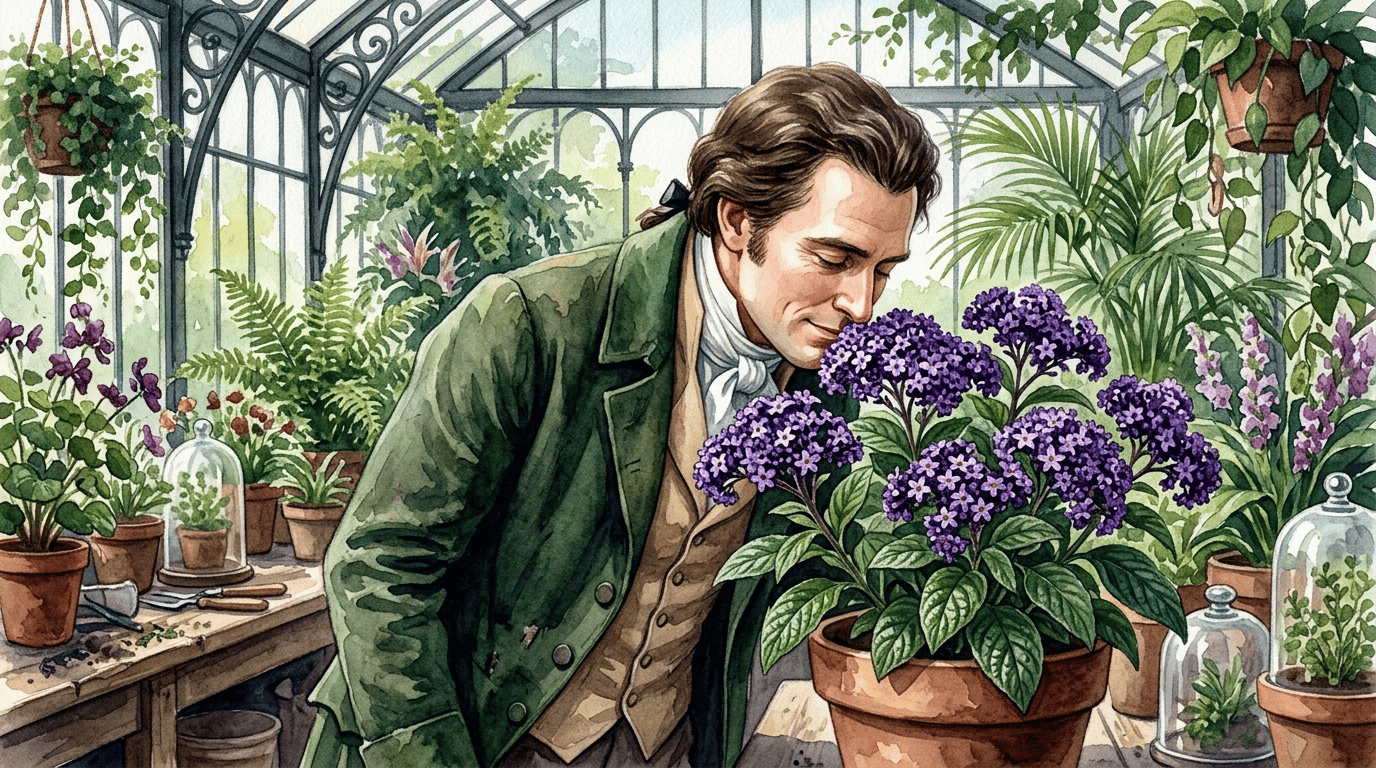
Native to the Andes of Peru, Heliotropium arborescens reached European cultivation in 1757 when Joseph de Jussieu sent seeds to Paris. The plant's common name references its supposed habit of turning leaves toward the sun, a folk belief documented by Greek writers. Victorian horticulturists bred dozens of cultivars prized for fragrance reminiscent of vanilla, almond, or cherry pie.
It became a defining scented plant of 19th-century formal bedding schemes and conservatory displays. French perfumers distilled essential oil for boutonnieres and sachets, though modern extraction is rare due to pyrrolizidine alkaloid content. Today it remains popular as a tender annual in temperate gardens for its purple flower clusters and powerful evening fragrance.
Introduced from Peru in the 18th century and treasured in Victorian American conservatories for its cherry-pie fragrance. Thomas Jefferson grew it at Monticello. The classic 'Cherry Pie' scent made it a staple of 19th-century American greenhouses and scented gardens.
Symbolism & meaning
What It Symbolizes
Cherry-Pie is devotion in fragrance form, a Victorian symbol of eternal love whose vanilla-cherry scent climbs the warm summer air. Old gardeners believed its blooms turned faithfully toward the sun, a daily renewal of attention. In each purple cluster lives a quietly old-fashioned promise: that affection, like the flower's gaze, can be steady and bright.
- Devotion — Victorian symbol of eternal love
- Faithfulness — flowers believed to turn toward the sun
Where the Name Comes From
From Greek 'helios' (sun) and 'trope' (turning)—the flowers were thought to track the sun; 'arborescens' means 'tree-like'.
Uses & Fun Facts
- Vanilla-cherry pie scent perfumes Victorian fragrance and moon gardens
- Tender perennial overflows window boxes and patio pots
- Deep-purple flower clusters draw butterflies through the summer
Related plants
Plants with similar care
 Mexican AbeliaAbelia floribunda
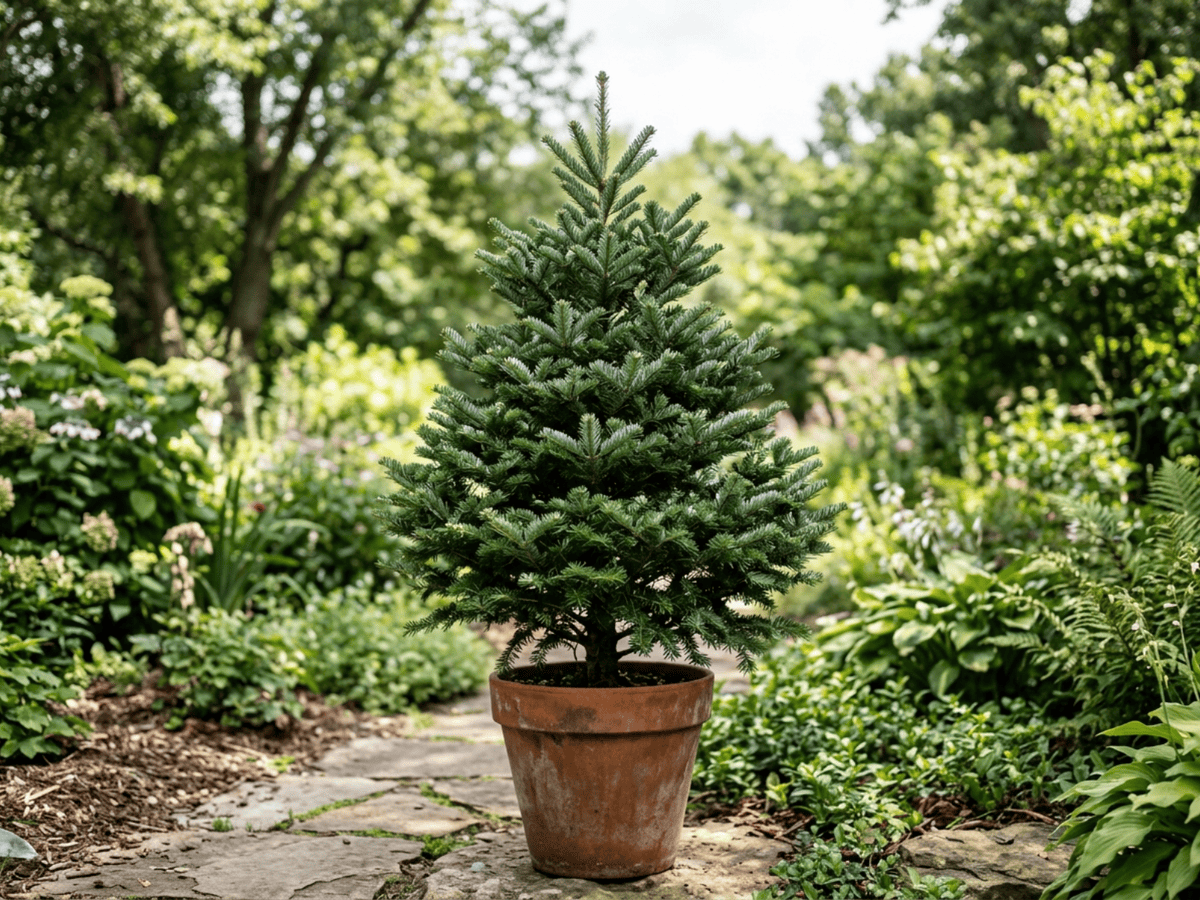 Fraser FirAbies fraseri
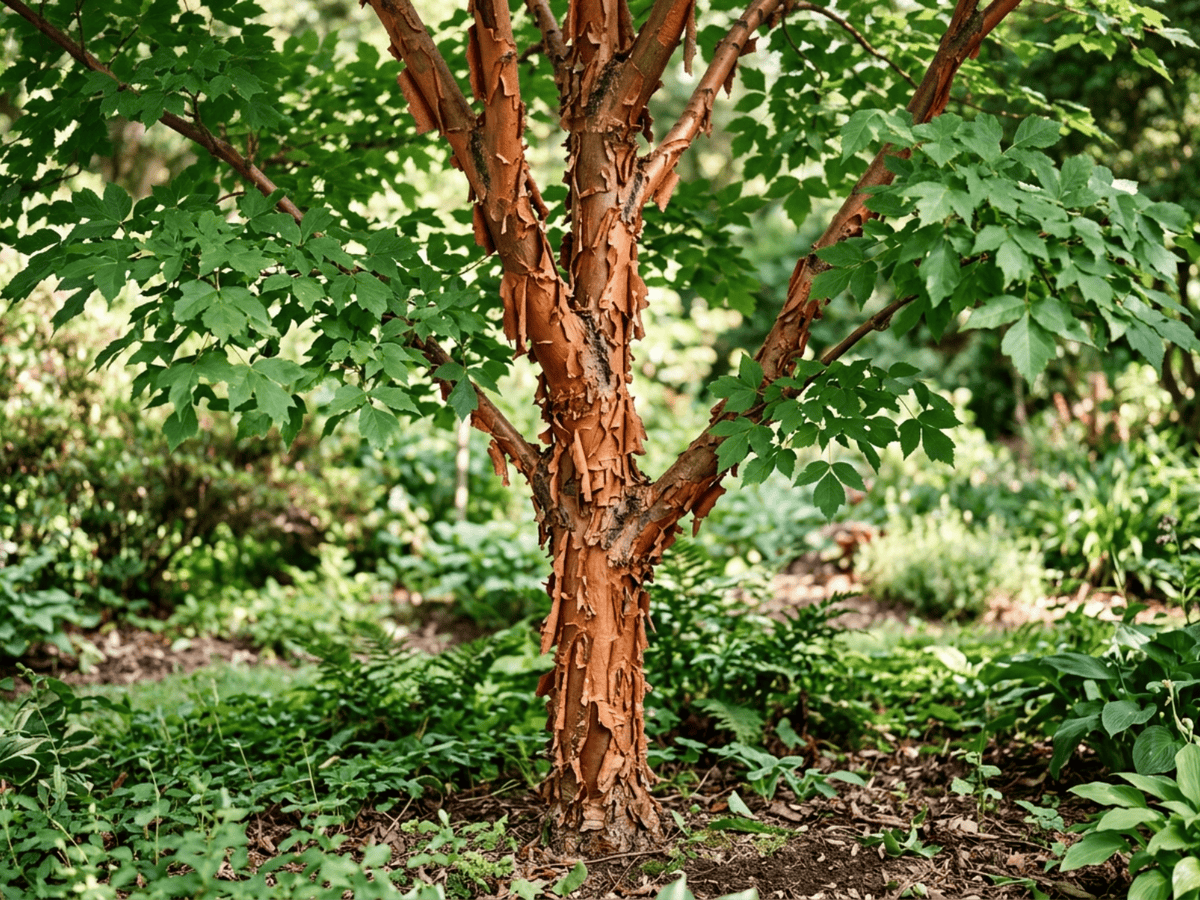 Paperbark MapleAcer griseum
 Sugar MapleAcer saccharum
Frequently asked questions
How often should I water Cherry-Pie?
In summer, water about every 3 days; in winter, about every 7 days. Adjust for heat, pot size and drainage.
How much light does Cherry-Pie need?
Full sun: 6+ hrs direct. Watch the leaves — scorching or stretching means the light needs adjusting.
Is Cherry-Pie toxic to cats or dogs?
Pets Moderate (Dogs Moderate · Cats Moderate) Educational information, not medical or veterinary advice. If exposure is suspected, contact a doctor or veterinarian.
Is Cherry-Pie easy to grow?
It is moderately demanding: a good choice once you have a little experience.
Can Cherry-Pie be grown indoors?
Yes, it adapts well to indoor growing given the right light.
When does Cherry-Pie bloom?
It typically blooms Jun–Nov in the Northern Hemisphere.
YardMate
Identify any plant in seconds
Snap a photo — YardMate names the plant, diagnoses problems, and reminds you when to water.
Download on the App Store