 YardMate


Wall Barley
Hordeum murinum
Easy · Beginner friendlyAbout Wall Barley
Wall Barley or Mouse Barley is a Mediterranean annual grass naturalized across the western and southern US, growing 8 to 20 inches with broad flat leaves and distinctive barley-like flat bristly seed spikes that shatter into segments as they mature. A major urban weed across California and the Southwest, the spiky seed segments cause serious injury to dogs and livestock who step on or inhale them.
- Drought-tolerant
- Fast-growing
- Heat-tolerant
How to care for Wall Barley
Watering
- Springevery 10 days
- Summerpause watering
- Fallevery 14 days
- Winterevery 14 days
Soil · Well-draining
- Top dressingPine bark mulch10%
- Main mixPotting soil + perlite 2:170%
- DrainageLECA / gravel20%
Never skip the drainage layer — standing water is the top cause of root rot.
FERTILIZER
This plant needs little to no feeding.
At a Glance
- NativeEurope, Africa, Western Asia
- Height0.5–1.5 ft (0.2–0.5 m)
- Spread0.5–1 ft (0.2–0.3 m)
- Flower colorGreen
- Foliage colorGreen
- Fruit colorGreen, Brown
- SoilLoamy, Well-drained
- LocationsYard
Bloom time
BLOOM CYCLE
Peak bloom
Apr–Jun
Flat bristly barley-like seed spikes April through June
Toxicity
Humans Slight · Pets Moderate
Unknown toxic principle
Slight
- Seed
- Contact
EXPOSURE Touching seeds.
EFFECT Awn injuries to skin and eyes.
NOTE Seed awns cause severe mechanical injuries to pets; any lodged awn requires veterinary removal. Not chemically toxic.
Moderate
- Seed
- Contact
EXPOSURE Touching seeds.
EFFECT Awns lodge in paws, ears, nose, eyes; can migrate into body causing abscesses.
NOTE Seed awns cause severe mechanical injuries to pets; any lodged awn requires veterinary removal. Not chemically toxic.
Moderate
- Seed
- Contact
EXPOSURE Touching seeds.
EFFECT Awns lodge in paws, ears, nose, eyes.
NOTE Seed awns cause severe mechanical injuries to pets; any lodged awn requires veterinary removal. Not chemically toxic.
Educational information, not medical or veterinary advice. If exposure is suspected, contact a doctor or veterinarian.
DISTRIBUTION

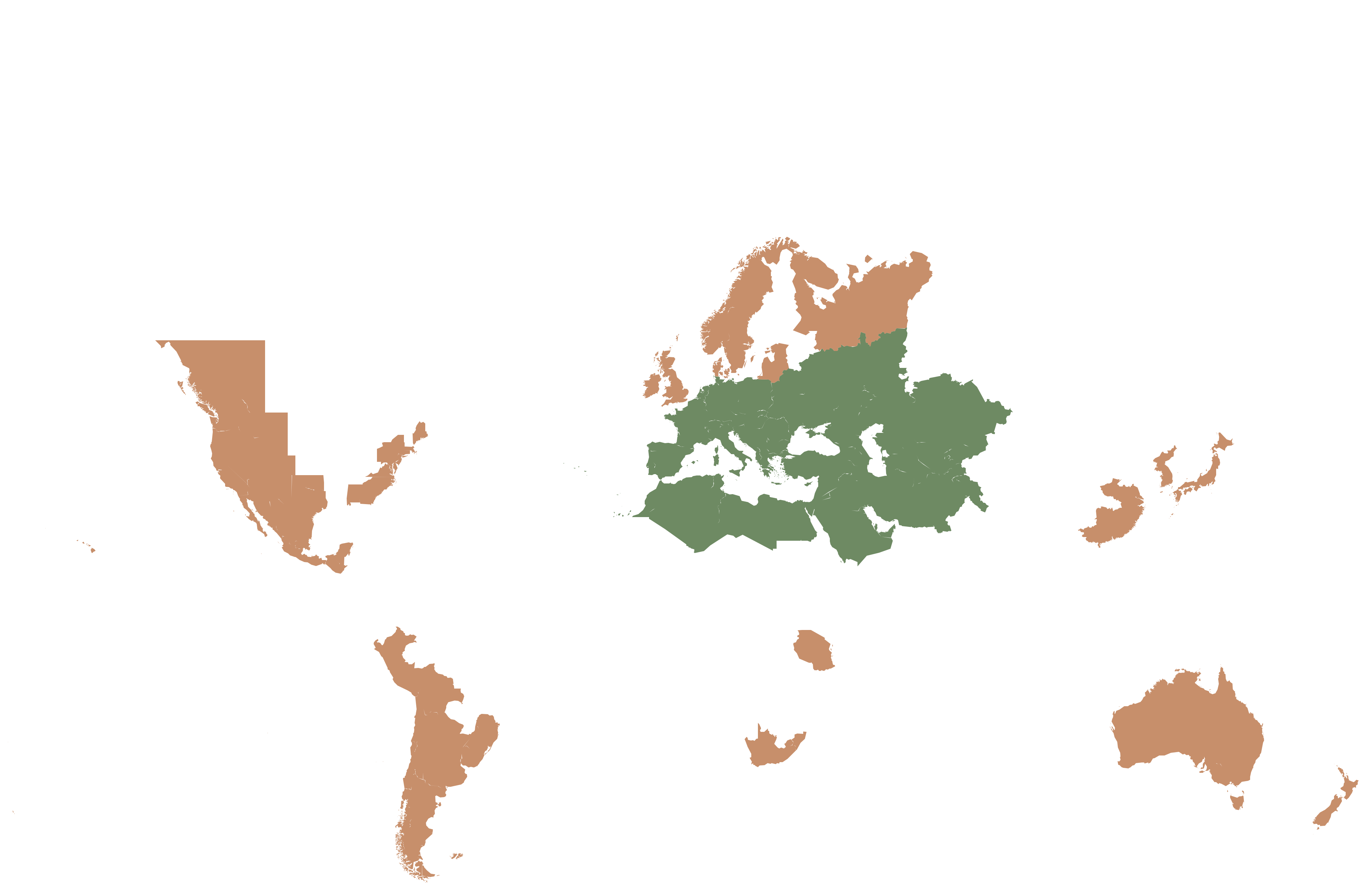
- Native
- Introduced
- Europe
- Africa
- Western Asia
History

Hordeum murinum is native to Europe, North Africa, and western Asia. Linnaeus described it in Species Plantarum (1753); the epithet murinum ('of mice') reflects its abundance in waste ground and along walls. As a close relative of cultivated barley (H. vulgare), it holds value in genetic studies as a source of wild barley diversity.
However, its mature spikelets break into sharp-awned, barbed propagules that migrate in one direction only — a dispersal mechanism that also makes them dangerous to dogs, cats, and livestock. Veterinary emergency reports across the US West show dozens of annual cases of awns penetrating the eye, ear, nostril, or paw of family pets during dry-summer walks.
Known colloquially in California as 'foxtail' despite being a Hordeum not a Setaria, it is responsible for most 'grass awn' veterinary injuries. Native to Mediterranean Europe and western Asia, introduced to the US in the 1800s and now pervasive across the West, especially California urban and vacant lots. A major pet-hazard weed, with veterinary emergency rooms across the western US routinely removing barbed seeds from dogs' ears, throats, and lungs every spring.
Symbolism & meaning
What It Symbolizes
Wall barley is, in plain ecological terms, a barbed invasion. Each spring its spiky seed heads break apart and lodge in the ears, eyes, and paws of dogs and cats, sending pets to veterinarians by the thousands. The seed head's resemblance to a mouse tail is almost charming — until it works its way under a Labrador's eyelid. Some weeds are pretty; this one is mainly a hazard.
- Barbed invasion — seeds cause serious pet injuries each spring
- Mouse tail — spiky seed head resembles mouse tail
Where the Name Comes From
'Hordeum' is the Latin name for barley; 'murinum' from Latin means of mice, for the resemblance of spikes to mouse tails.
Related plants
Plants with similar care
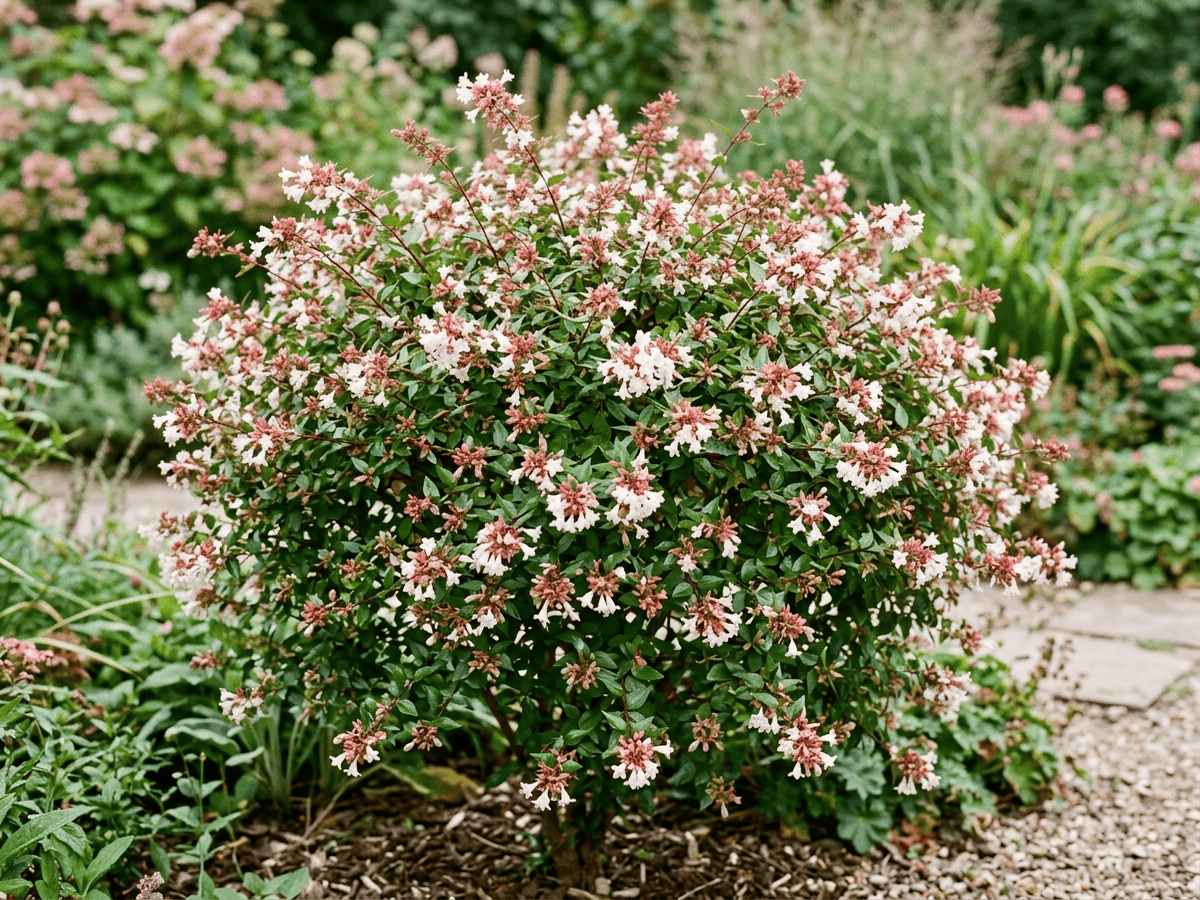 Chinese AbeliaAbelia chinensis
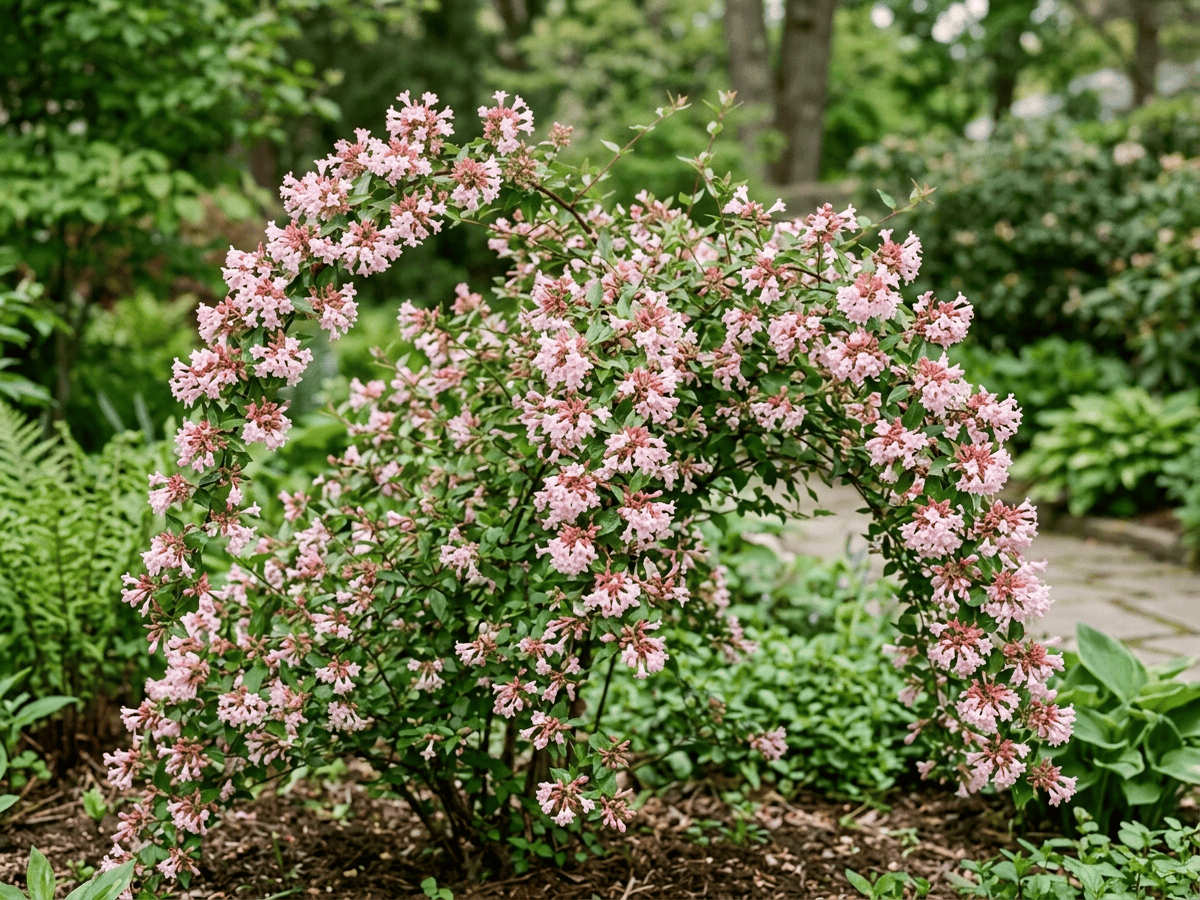 Fragrant AbeliaAbelia mosanensis
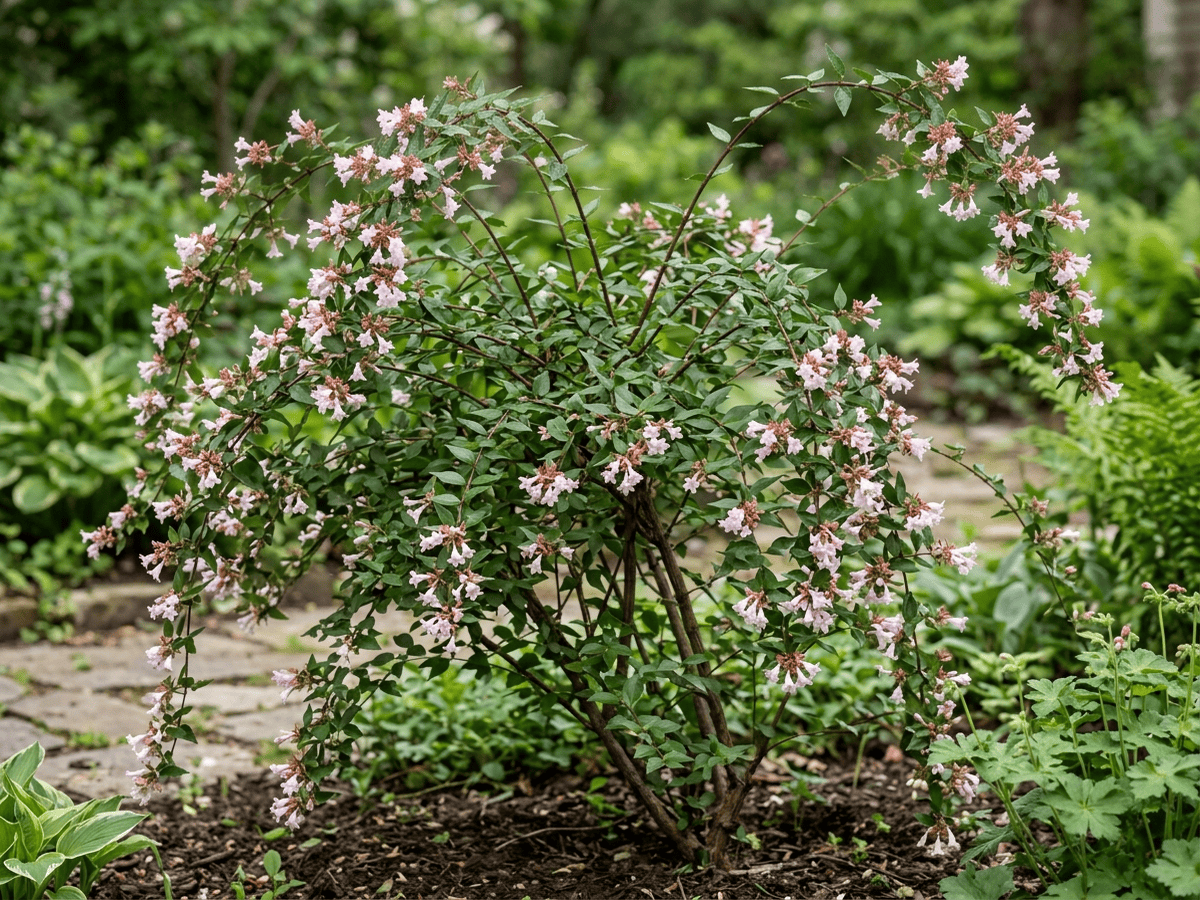 Large-Flowered AbeliaAbelia uniflora
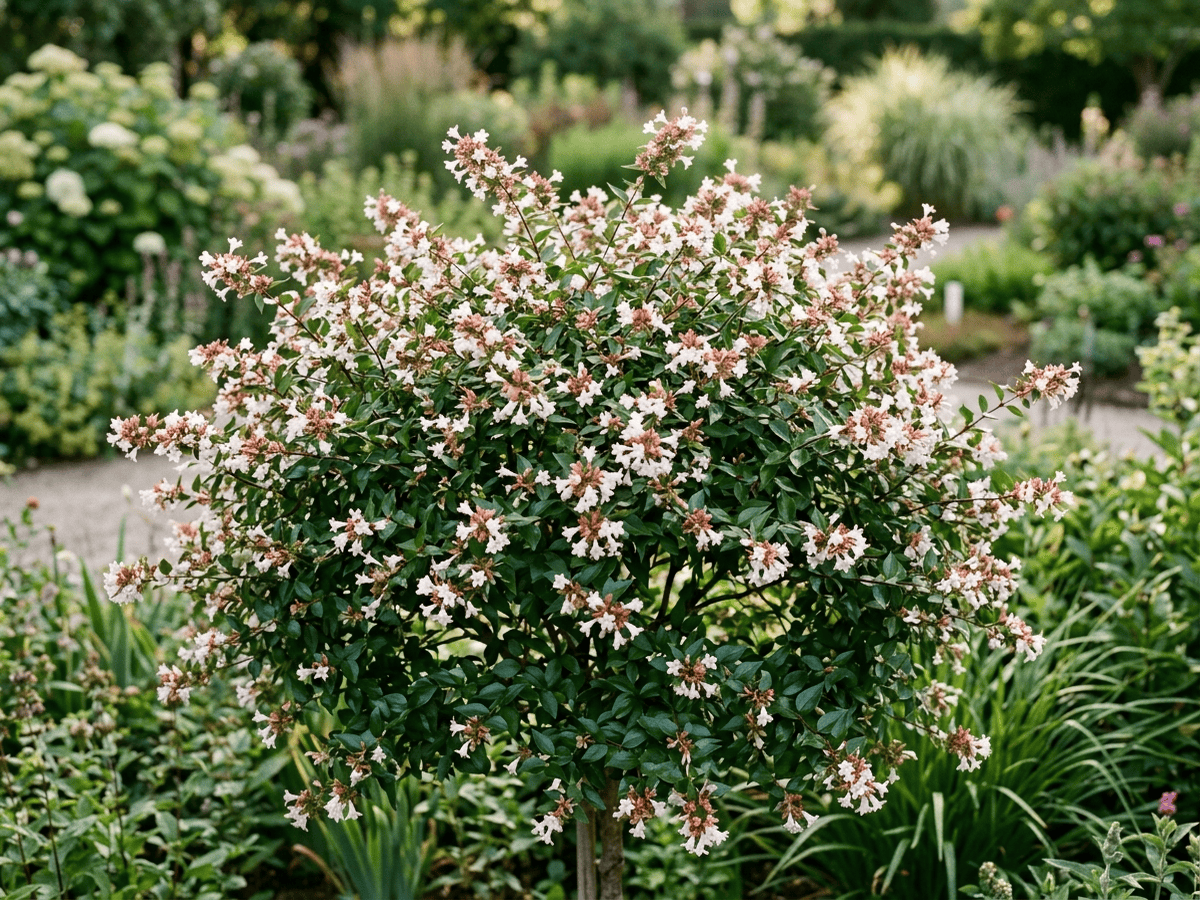 Glossy AbeliaAbelia x grandiflora
Frequently asked questions
How often should I water Wall Barley?
Water about every 10 days during the growing season, and always let excess water drain away.
How much light does Wall Barley need?
Full sun: 6+ hrs direct. Watch the leaves — scorching or stretching means the light needs adjusting.
Is Wall Barley toxic to cats or dogs?
Pets Moderate (Dogs Moderate · Cats Moderate) Educational information, not medical or veterinary advice. If exposure is suspected, contact a doctor or veterinarian.
Is Wall Barley easy to grow?
Yes — it is considered an easy, beginner-friendly plant.
When does Wall Barley bloom?
It typically blooms Apr–Jun in the Northern Hemisphere.
YardMate
Identify any plant in seconds
Snap a photo — YardMate names the plant, diagnoses problems, and reminds you when to water.
Download on the App Store