 YardMate


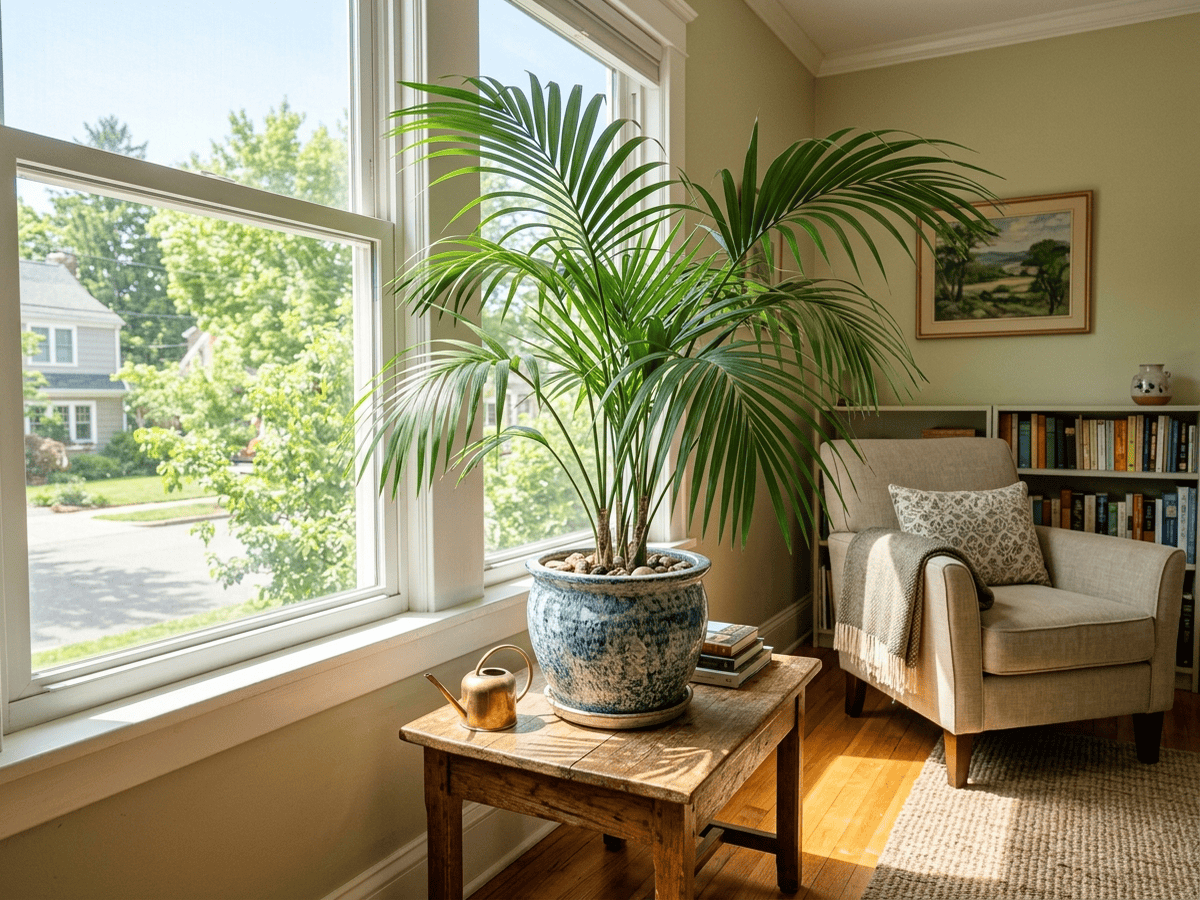
Kentia Palm
Howea forsteriana
Easy · Beginner friendlyAbout Kentia Palm
Howea forsteriana, the Kentia palm, is the aristocrat of indoor palms — tall, graceful, and virtually indestructible. Its elegant arching fronds of dark green drooping leaflets can reach 3 meters indoors. Endemic to Lord Howe Island, a tiny volcanic island between Australia and New Zealand, it is one of the most valuable agricultural exports of any island. It tolerates low light, dry air, and cool temperatures better than almost any tropical palm. The Kentia palm was the palm of choice for Edwardian hotels, ocean liners, and grand public spaces.
- Air-purifying
- Architectural
How to care for Kentia Palm
Watering
- Springevery 7 days
- Summerevery 5 days
- Fallevery 10 days
- Winterevery 14 days
Soil · Well-draining
- Main mixLoam + bark + perlite 2:1:175%
- DrainageLECA25%
Bark keeps the mix from compacting under a heavy root ball.
FERTILIZER
Balanced Feed 14-14-14
An even feed covers all three needs at once, keeping leaves, roots and blooms moving together with nothing pushed out of balance.
- Nitrogen · Leaves
- Phosphorus · Roots + Blooms
- Potassium · Strength
- Springevery 30 days
- Summerevery 30 days
- Fallevery 60 days
At a Glance
- NativeAustralasia
- Height6–12 ft (1.8–3.7 m)
- Spread4–6 ft (1.2–1.8 m)
- Flower colorWhite
- Foliage colorGreen
- Fruit colorRed
- SoilLoamy, Well-drained
- LocationsIndoor
Bloom time
BLOOM CYCLE
Peak bloom
Jun–Aug
White flower spikes; only on very mature plants
Fragrance
NO FRAGRANCE
Not fragrant.
Toxicity
No toxicity has been reported for this plant. Still, it is wise to keep pets from chewing on any houseplant.
Educational information, not medical or veterinary advice. If exposure is suspected, contact a doctor or veterinarian.
DISTRIBUTION


- Native
- Introduced
- Australasia
History
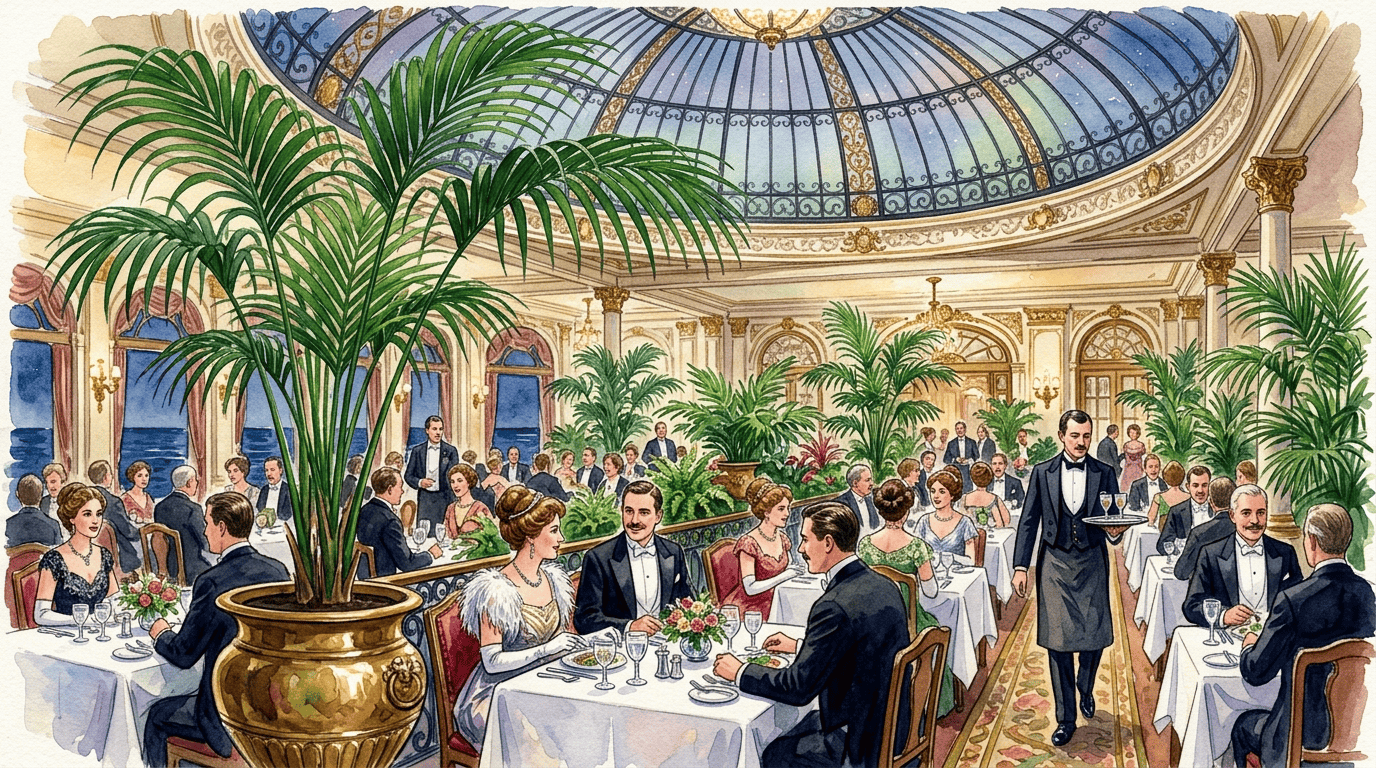
Howea forsteriana is endemic to Lord Howe Island, a 14.5-square-kilometer volcanic speck in the Tasman Sea about 600 km east of Australia. The Kentia Palm cannot be commercially propagated anywhere else: seeds collected on the island are exported worldwide, and this trade has been the island's economic backbone since the 1870s. In late Victorian Britain and Gilded Age America, a large potted Kentia was a marker of refined upper-class taste, gracing hotel lobbies, ocean liners (including the Titanic), and grand conservatories.
The island government tightly regulates seed harvest and export to this day under a sustainable yield plan, and wild plants are now strictly protected within the Lord Howe Island World Heritage Area. Non-toxic to pets. Lord Howe Island, home to the Kentia palm, has been exporting seeds since the 1880s.
The palm seed industry remains the island's primary income source — over 3 million seeds are harvested annually by the island's 400 residents. The Kentia became the definitive palm of the Edwardian era, gracing the dining rooms of the Titanic, the Palm Court of the Ritz, and countless grand hotels. Queen Victoria kept them at Osborne House. Their extraordinary tolerance of indoor conditions — surviving in dark Victorian hallways where no other palm would — cemented their reputation. Seeds are slow-germinating, taking 3–5 years to produce a saleable plant.
Symbolism & meaning
What It Symbolizes
The Kentia palm is distinction in tropical disguise — for over a century it stood in the lobbies of grand hotels, on the dining floors of Cunard liners, and in Edwardian conservatories, the chosen palm of luxury. Native to a single small island off Australia, it remains the indoor palm of timeless class. To bring one home is to inherit a piece of that golden age of arrival and departure.
- Distinction — Its association with grand hotels and ocean liners represents luxury and timeless class
Where the Name Comes From
The name Kentia Palm describes its palm-like silhouette. Howea for Lord Howe Island where it is endemic. Forsteriana honors Johann Reinhold and Georg Forster, naturalists on Cook's second voyage.
Uses & Fun Facts
- Elegant arching fronds grown as classic Victorian-era indoor palm
- Slow-growing parlor palm for shaded tropical landscape accents
Related plants
Plants with similar care
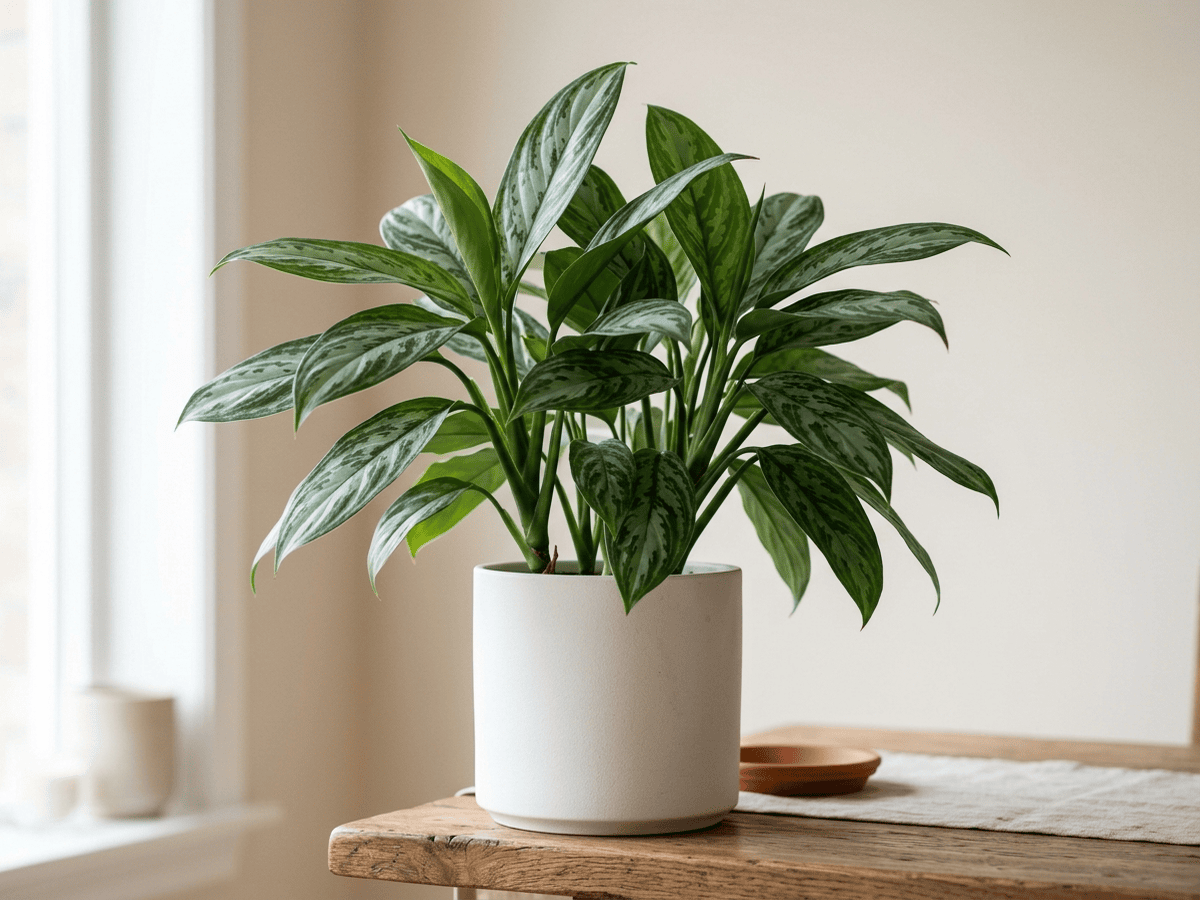 Philippine EvergreenAglaonema commutatum
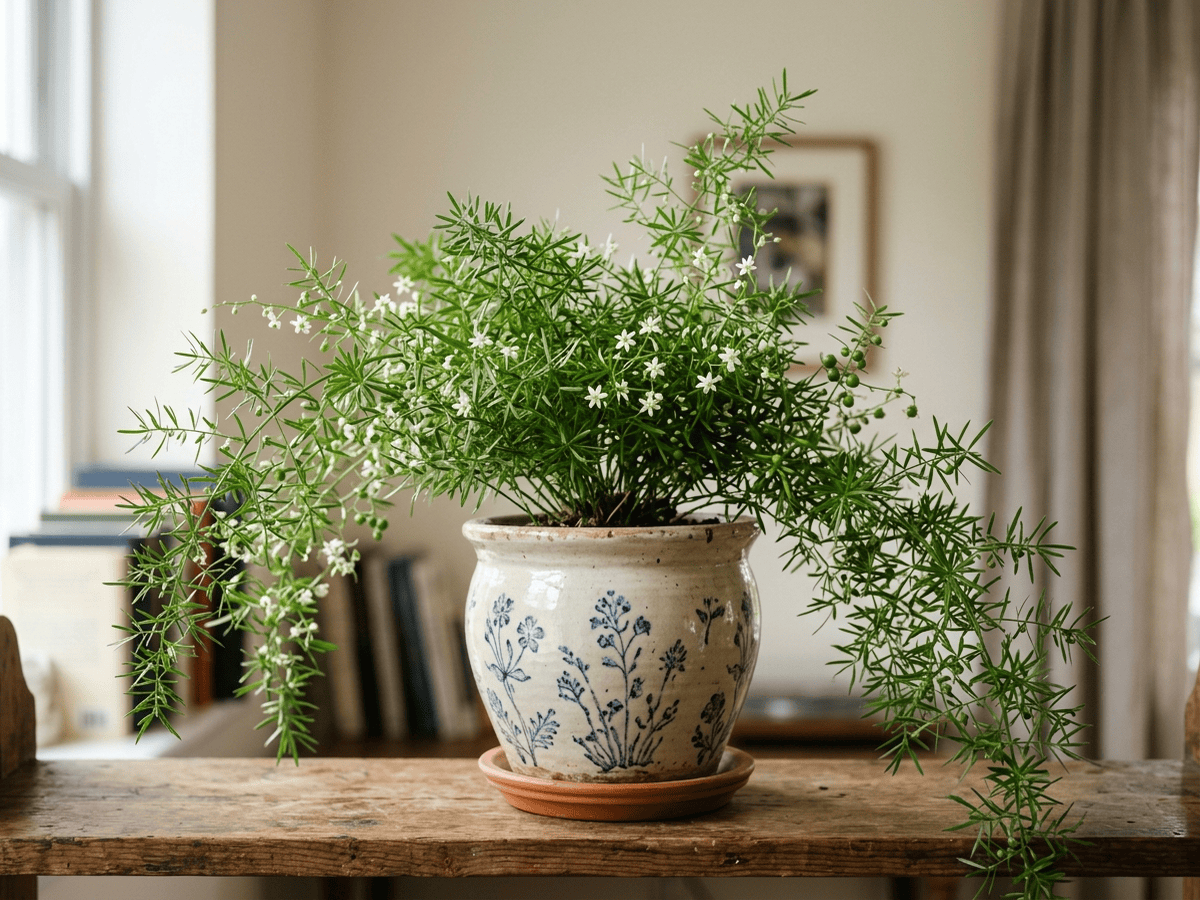 Sprenger's AsparagusAsparagus densiflorus
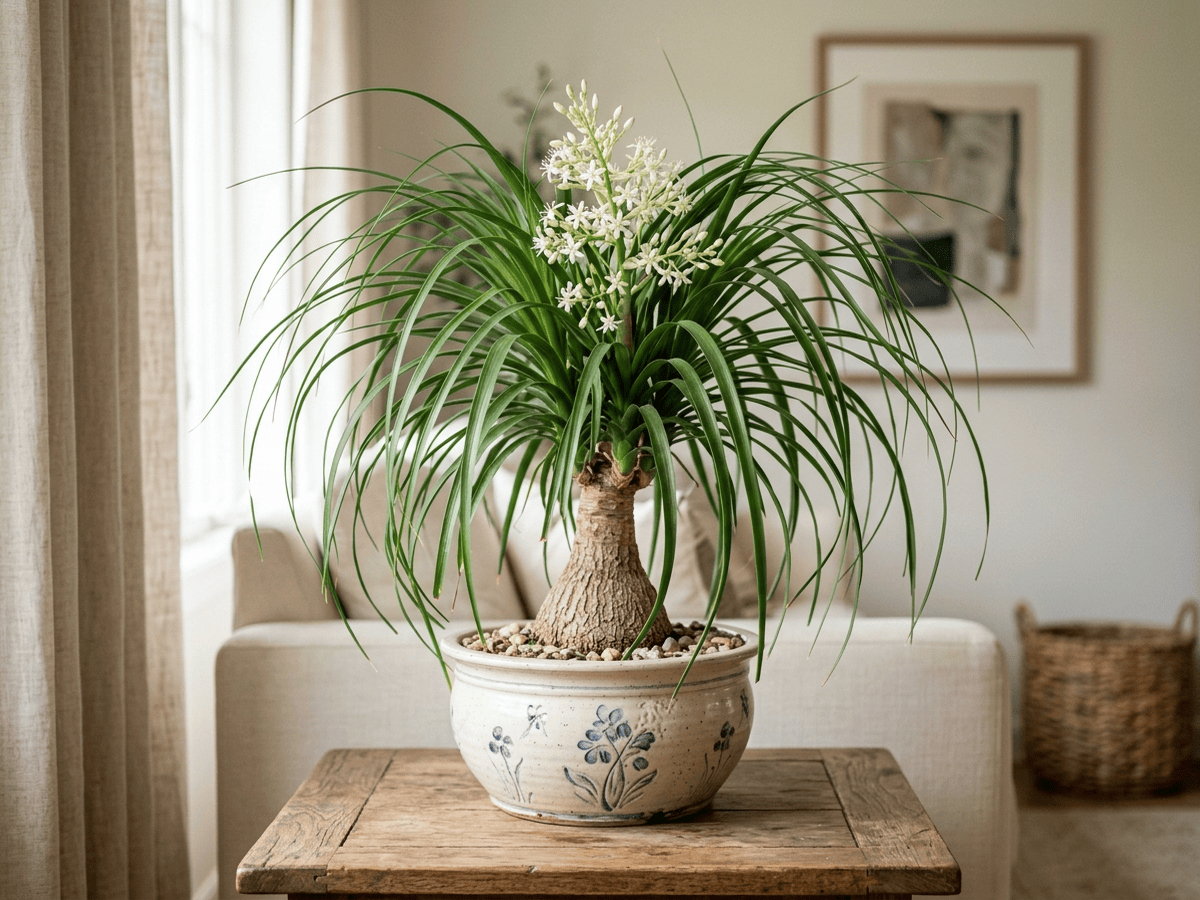 Ponytail PalmBeaucarnea recurvata
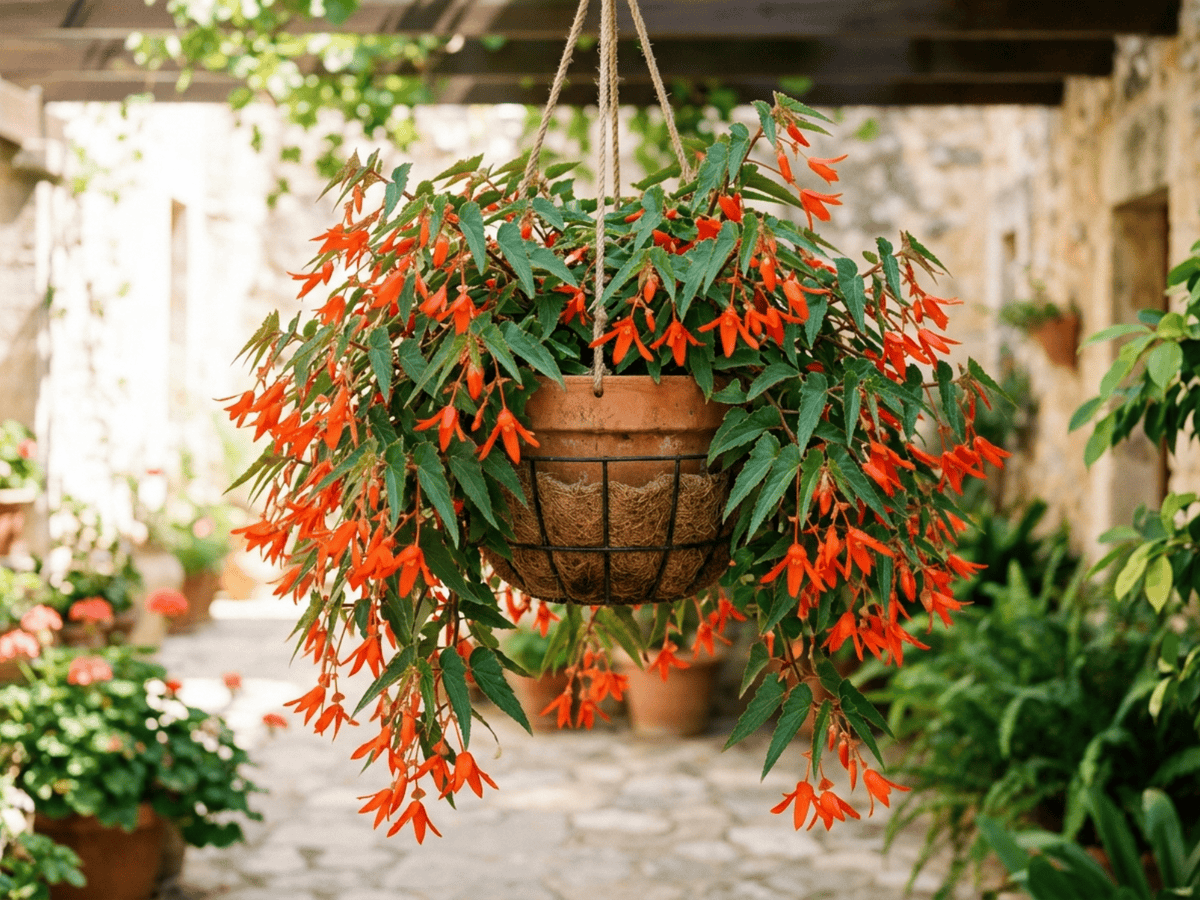 Tuberous BegoniaBegonia boliviensis
Frequently asked questions
How often should I water Kentia Palm?
In summer, water about every 5 days; in winter, about every 14 days. Adjust for heat, pot size and drainage.
How much light does Kentia Palm need?
Part shade: 2–4 hrs direct. Watch the leaves — scorching or stretching means the light needs adjusting.
Is Kentia Palm toxic to cats or dogs?
No toxicity has been reported for this plant. Still, it is wise to keep pets from chewing on any houseplant. Educational information, not medical or veterinary advice. If exposure is suspected, contact a doctor or veterinarian.
Is Kentia Palm easy to grow?
Yes — it is considered an easy, beginner-friendly plant.
Can Kentia Palm be grown indoors?
Yes, it adapts well to indoor growing given the right light.
When does Kentia Palm bloom?
It typically blooms Jun–Aug in the Northern Hemisphere.
YardMate
Identify any plant in seconds
Snap a photo — YardMate names the plant, diagnoses problems, and reminds you when to water.
Download on the App Store