 YardMate
Gibraltar Candytuft
Iberis gibraltarica
Hard · Experienced growersAbout Gibraltar Candytuft
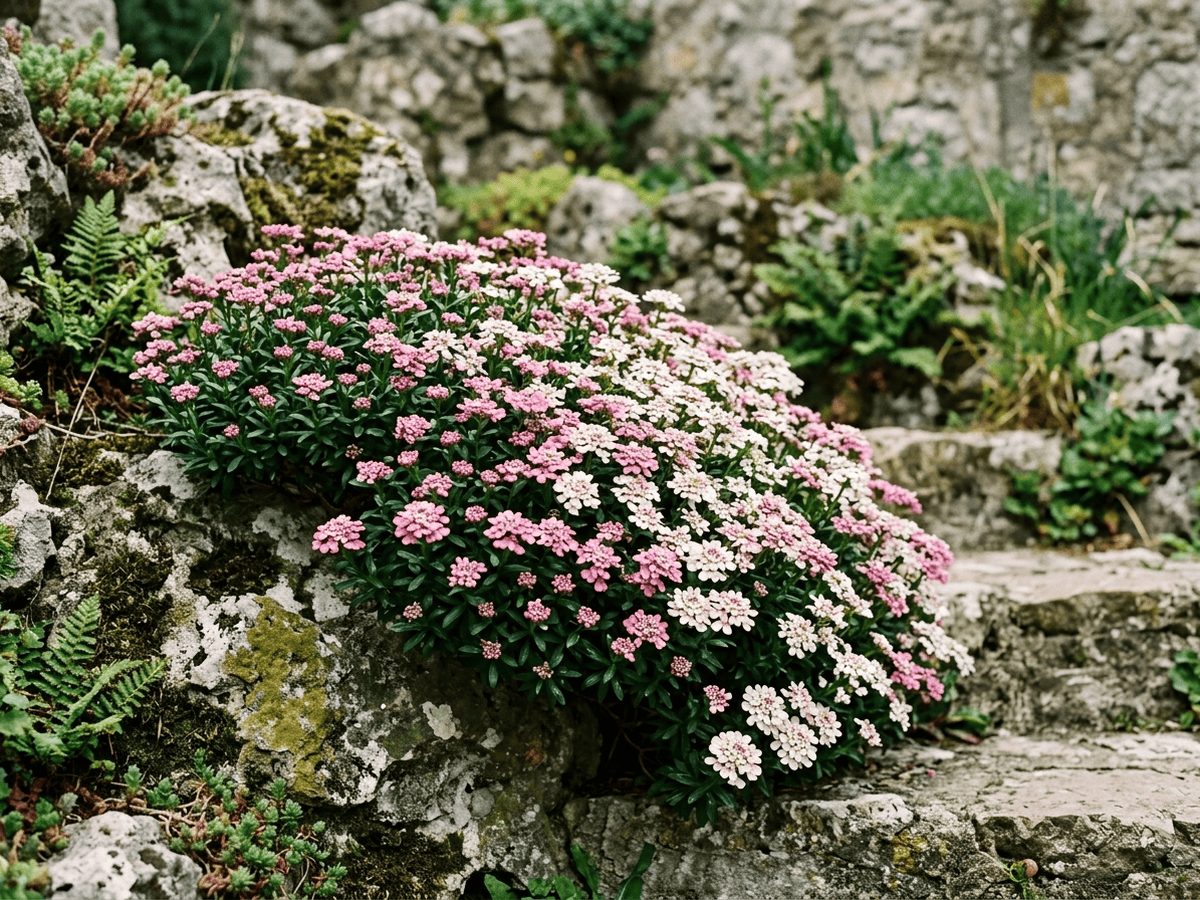
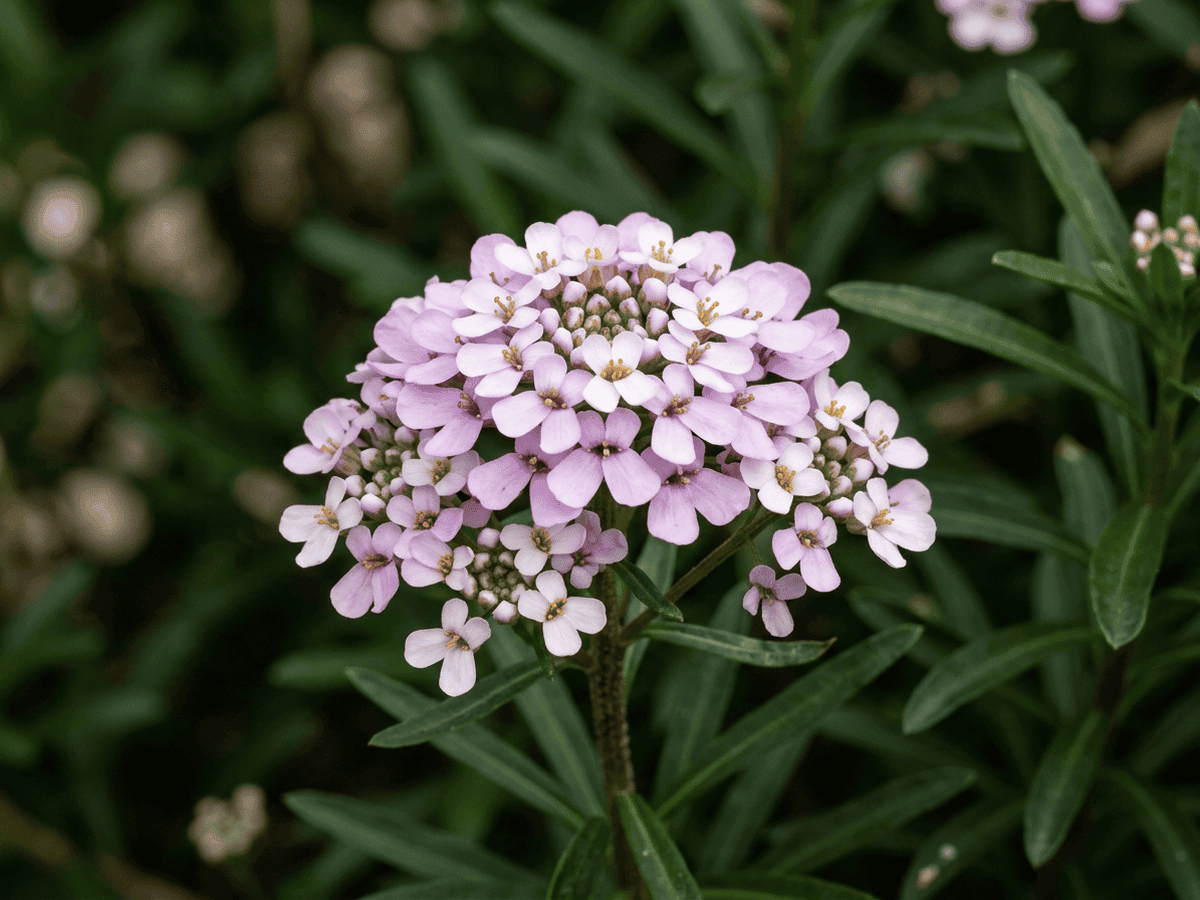
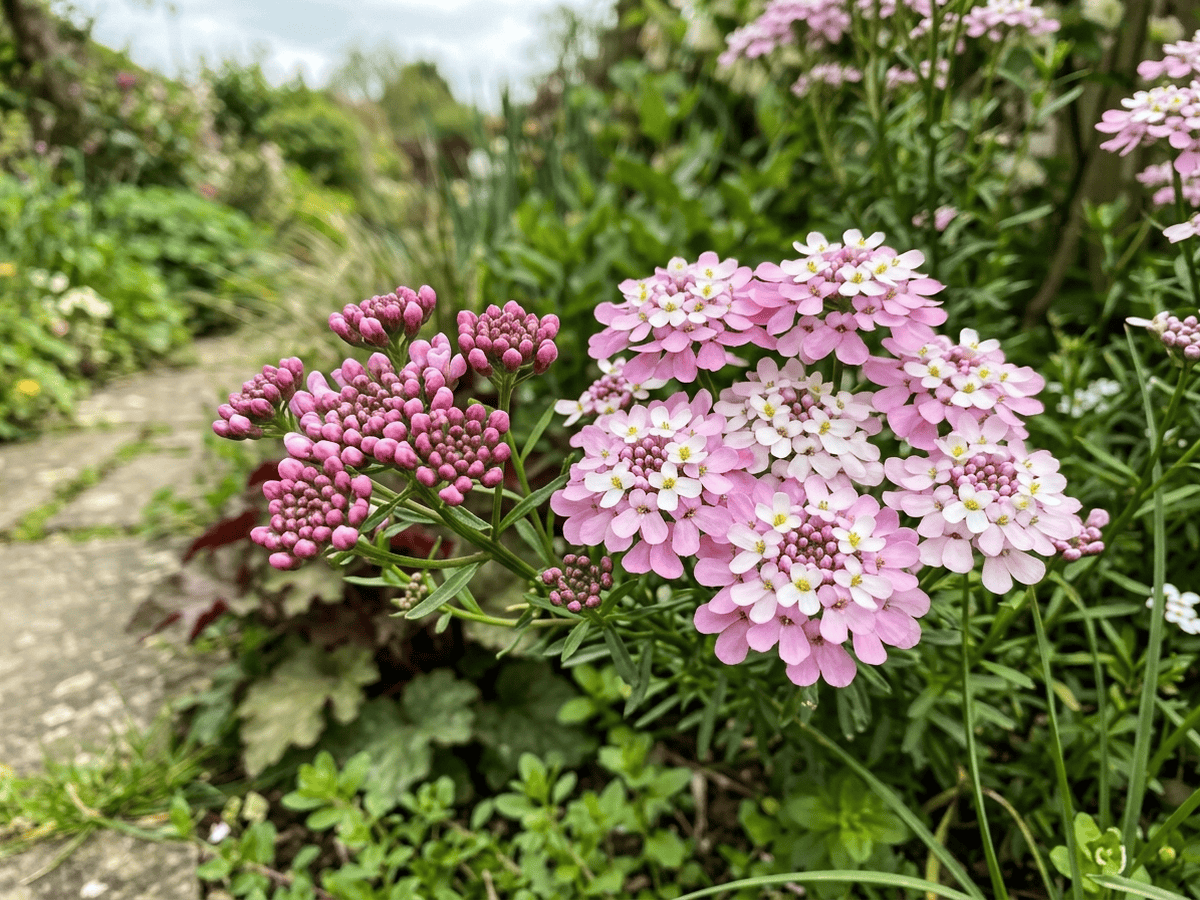
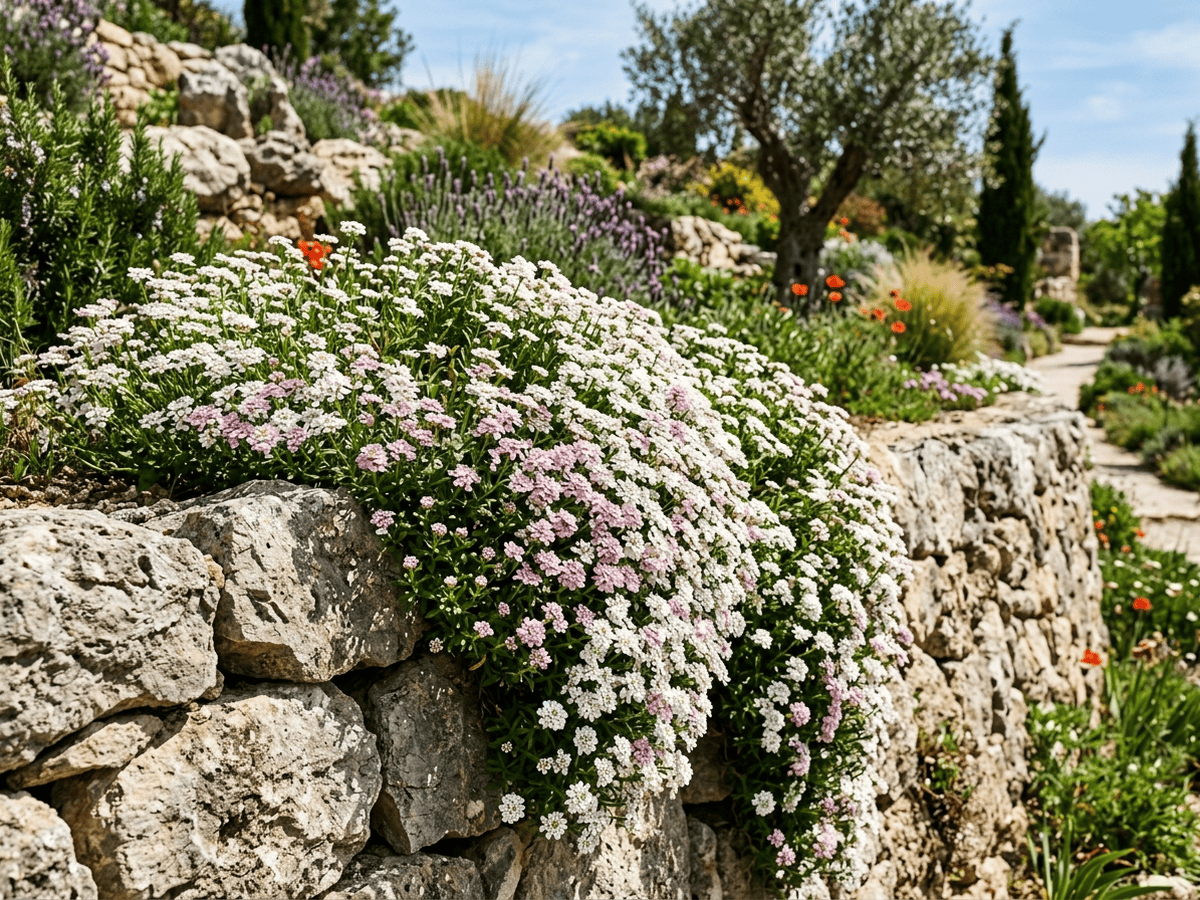
Iberis gibraltarica, the Gibraltar Candytuft, is a compact evergreen subshrub native to the limestone cliffs of Gibraltar and the adjacent coasts of southern Spain and Morocco. Growing just 6–12 inches tall and spreading to 2 feet, it covers itself in dense flat-topped clusters of pale pink to lilac flowers that fade to white in spring, forming a carpet of bloom against dark glossy foliage. Excellent for rock gardens, dry walls, and sunny borders, it tolerates drought and poor soil but dislikes winter wet.
- Drought-tolerant
- Evergreen
- Cold-hardy
- Pollinator-friendly
- Compact
How to care for Gibraltar Candytuft
Watering
- Springevery 15 days
- Summerevery 10 days
- Fallevery 30 days
- Winterevery 30 days
Soil · Well-draining
- Top dressingPine bark mulch10%
- Main mixPotting soil + perlite 2:170%
- DrainageLECA / gravel20%
Never skip the drainage layer — standing water is the top cause of root rot.
FERTILIZER
- Springevery 30 days
At a Glance
- NativeMediterranean
- Height0.5–1 ft (0.2–0.3 m)
- Spread1–2 ft (0.3–0.6 m)
- Flower colorWhite
- Foliage colorGreen
- SoilWell-drained, Rocky
- LocationsYard · Balcony
Bloom time
BLOOM CYCLE
Peak bloom
Apr–Jun
Gibraltar candytuft produces clusters of flowers in spring.
Fragrance
LIGHT FRAGRANCE
Faintly sweet, honey-like scent from the flower clusters.
Toxicity
No toxicity has been reported for this plant. Still, it is wise to keep pets from chewing on any houseplant.
Educational information, not medical or veterinary advice. If exposure is suspected, contact a doctor or veterinarian.
DISTRIBUTION


- Native
- Mediterranean
History
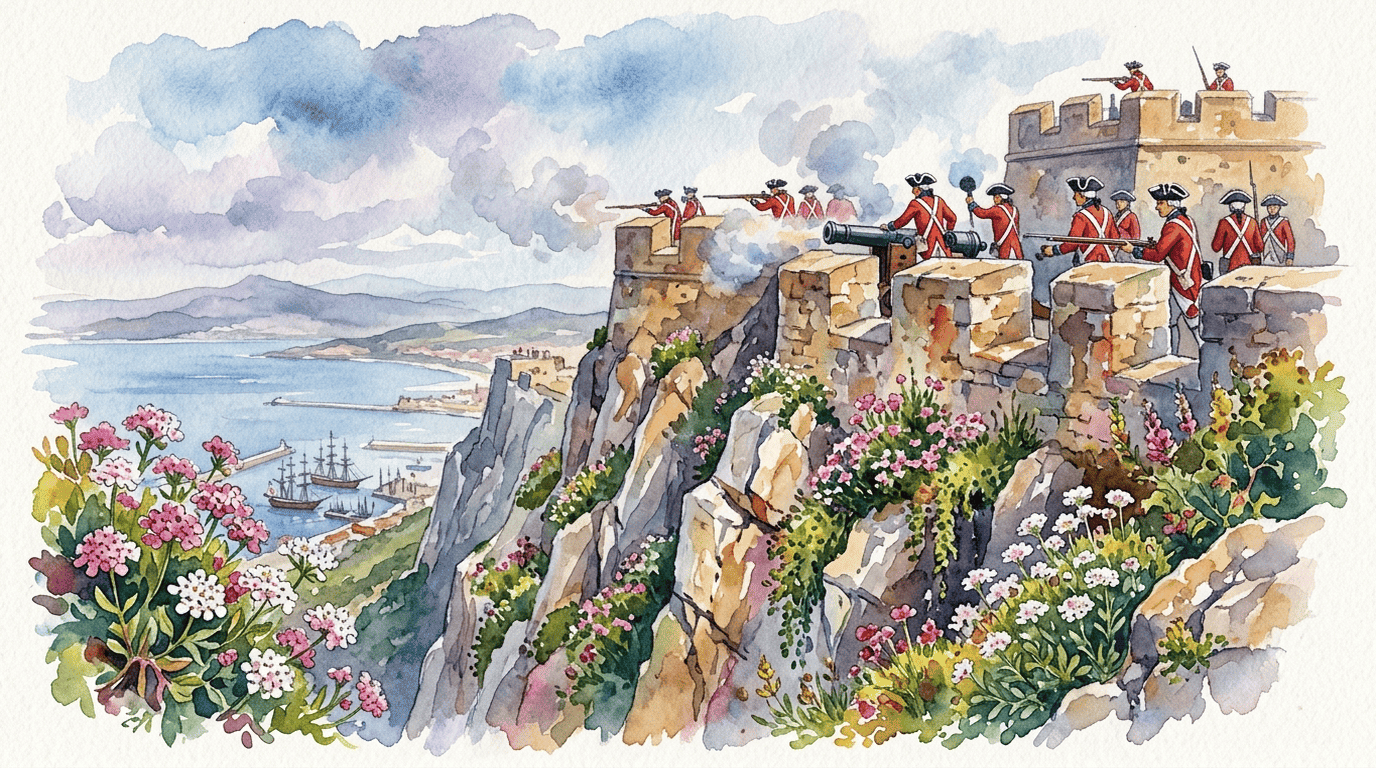
Iberis gibraltarica takes its species name directly from its type locality: the Rock of Gibraltar, the narrow limestone peninsula at the southern tip of Spain that has been one of the most fought-over strategic points in Western history. The Moorish general Tariq ibn Ziyad captured it in 711 CE—'Djebel al-Tariq' (Mountain of Tariq) became 'Gibraltar'—and the fortress changed hands between Moorish, Spanish, and British control multiple times over the following centuries.
British naturalists and naval officers stationed in Gibraltar documented its distinctive flora from at least the early 18th century onward. The candytuft growing on the Rock's limestone slopes and cliff faces attracted botanical attention as one of the few plants characteristic of Gibraltar itself rather than simply of the broader Mediterranean region. Swedish botanist Carl Peter Thunberg formally described it in 1800, naming it for its famous home.
During the Great Siege of Gibraltar (1779–1783), when Spanish and French forces blockaded the British garrison for nearly four years, the soldiers and their families maintained an intimate familiarity with the Rock's flora, including its characteristic candytuft blooming on the cliffsides each spring. Early 19th-century plant collectors and travellers passing through Gibraltar on their way to Morocco and Andalusia regularly sent specimens to Kew and other European botanical gardens.
Today Iberis gibraltarica is widely grown in gardens throughout temperate Europe, North America, and Australia. It has become one of the most popular low-growing perennials for rock gardens and dry stone walls—a plant that carries the name of a legendary fortress into millions of ordinary gardens.
Symbolism & meaning
What It Symbolizes
The Rock of Gibraltar has been besieged over a dozen times across history. Through Moorish occupation, Spanish reconquest, and British garrison, the candytuft kept flowering each spring in its limestone cracks, indifferent to who held the fortress. Some beauty is that persistent.
- steadfastness — It grows from the limestone of the world's most famous military rock—clinging where little else holds, flowering through centuries of siege and change.
- subtlety — The flowers open pink and fade to white—a quiet color transformation most people never notice unless they watch closely.
Where the Name Comes From
The genus name Iberis comes from Iberia, the ancient Greek and Latin name for the Iberian Peninsula, reflecting the plant's western Mediterranean homeland. The species name gibraltarica means 'of Gibraltar,' naming the plant after its type locality on the famous Rock.
Uses & Fun Facts
- Classic rock garden and dry wall plant; forms a carpet of pink-fading-to-white flower clusters in spring over dark evergreen foliage
- Flat-topped flower clusters attract bees and butterflies in early spring when few other flowers are blooming
Related plants
Plants with similar care
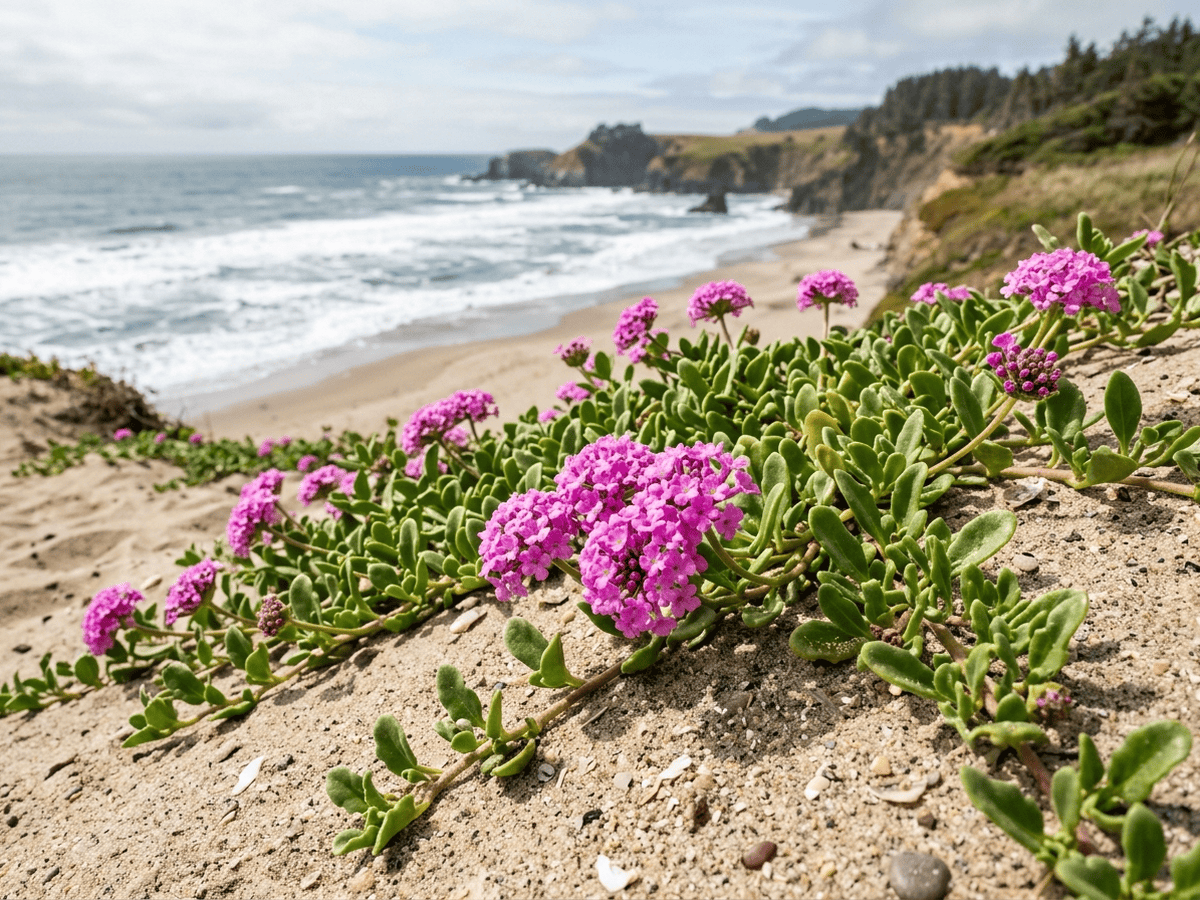 Pink Sand VerbenaAbronia umbellata
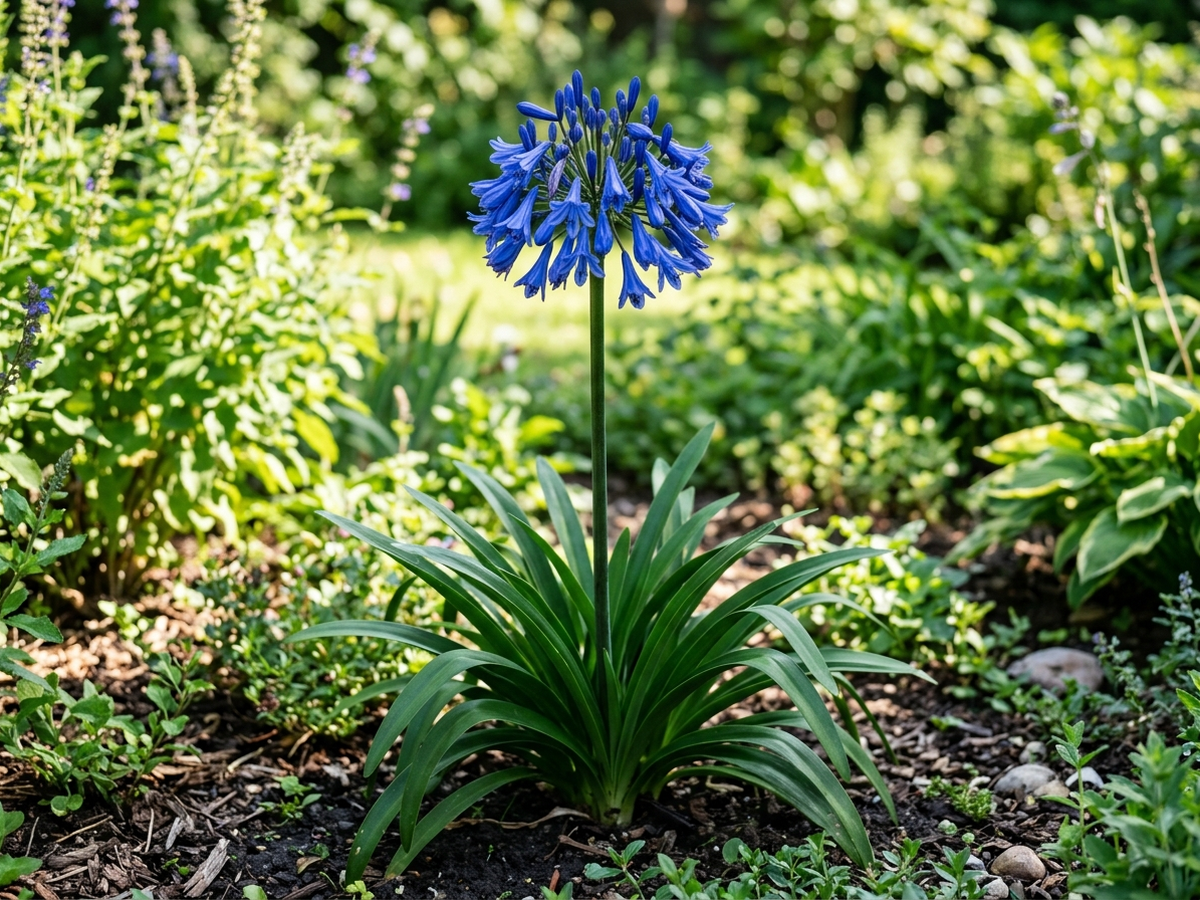 Drooping AgapanthusAgapanthus inapertus
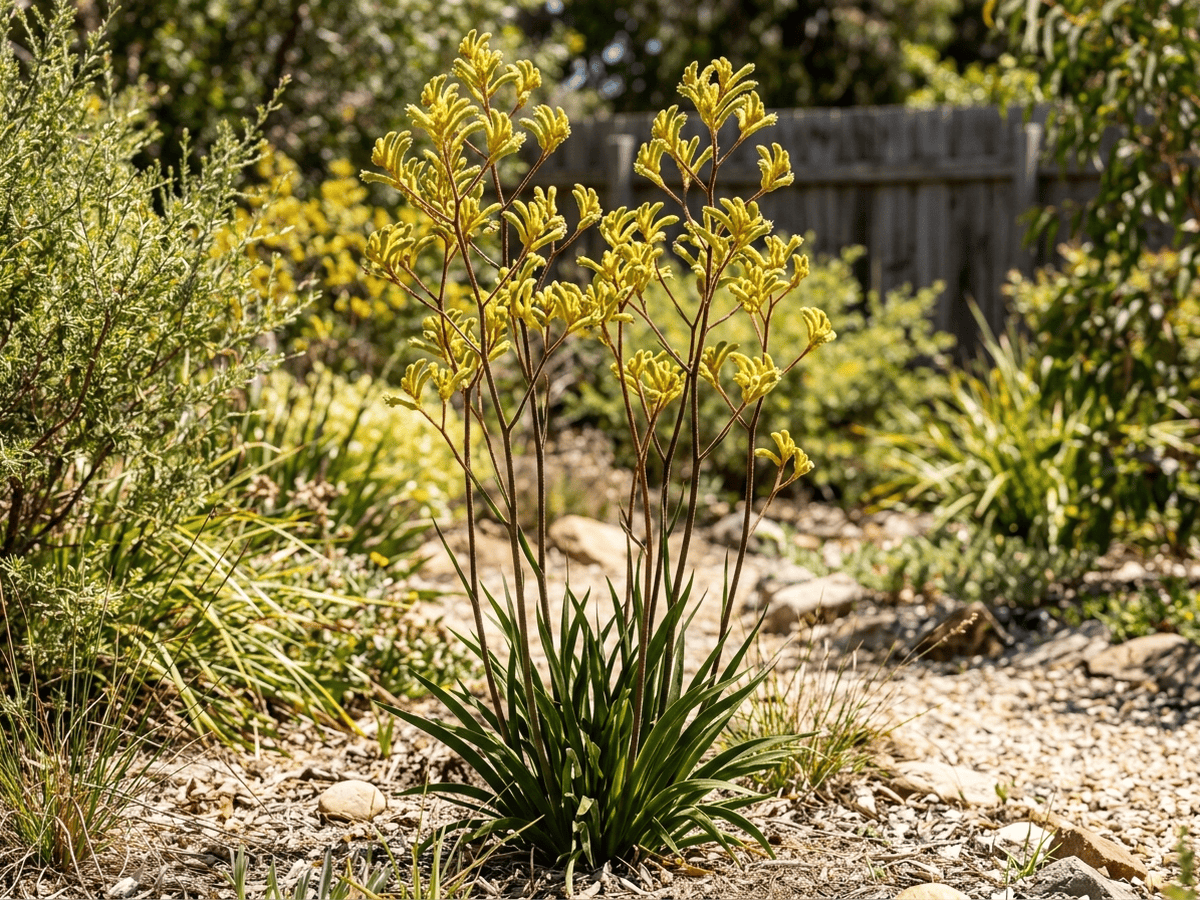 Tall Kangaroo PawAnigozanthos flavidus
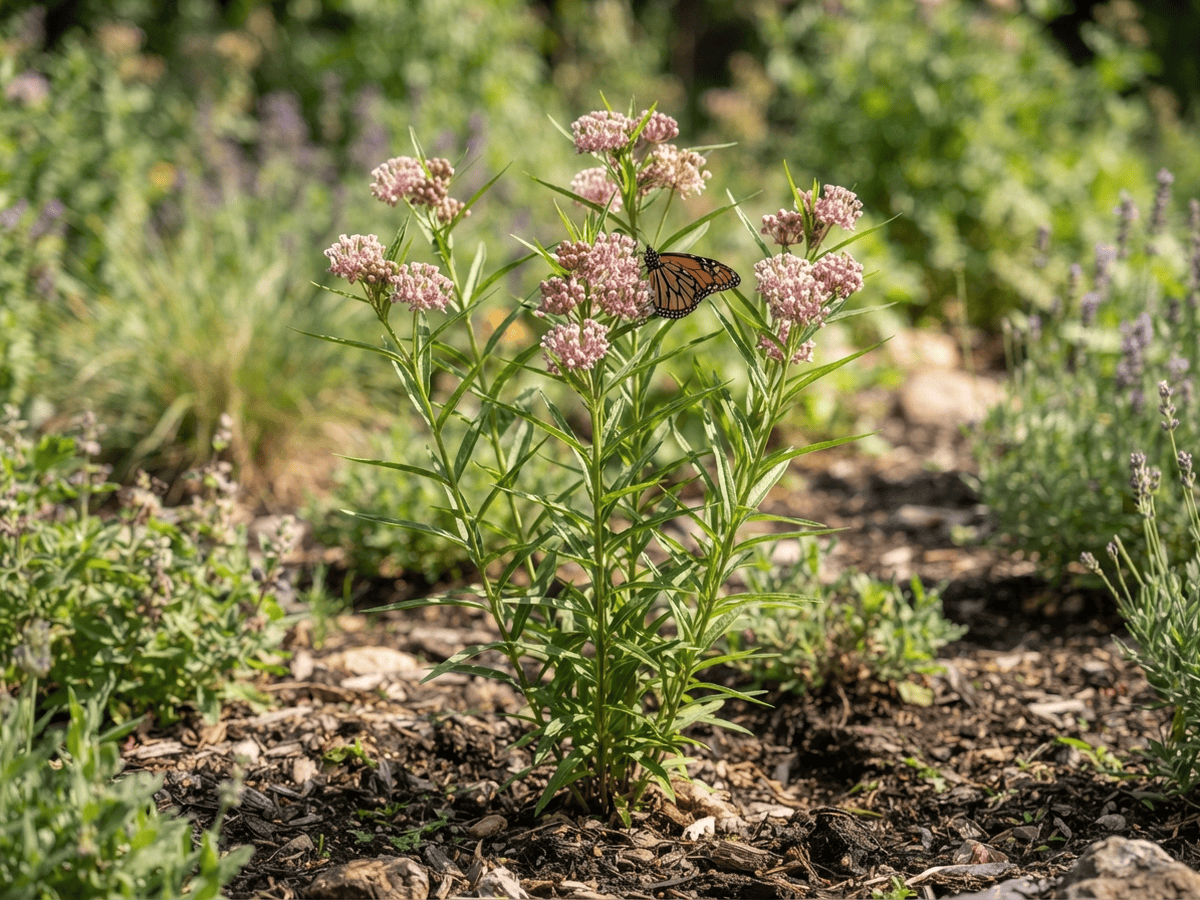 Narrowleaf MilkweedAsclepias fascicularis
Frequently asked questions
How often should I water Gibraltar Candytuft?
In summer, water about every 10 days; in winter, about every 30 days. Adjust for heat, pot size and drainage.
How much light does Gibraltar Candytuft need?
Full sun: 6+ hrs direct. Watch the leaves — scorching or stretching means the light needs adjusting.
Is Gibraltar Candytuft toxic to cats or dogs?
No toxicity has been reported for this plant. Still, it is wise to keep pets from chewing on any houseplant. Educational information, not medical or veterinary advice. If exposure is suspected, contact a doctor or veterinarian.
Is Gibraltar Candytuft easy to grow?
It is considered challenging and rewards experienced growers.
When does Gibraltar Candytuft bloom?
It typically blooms Apr–Jun in the Northern Hemisphere.
YardMate
Identify any plant in seconds
Snap a photo — YardMate names the plant, diagnoses problems, and reminds you when to water.
Download on the App Store