 YardMate


Dusty Miller
Jacobaea maritima
Easy · Beginner friendlyAbout Dusty Miller
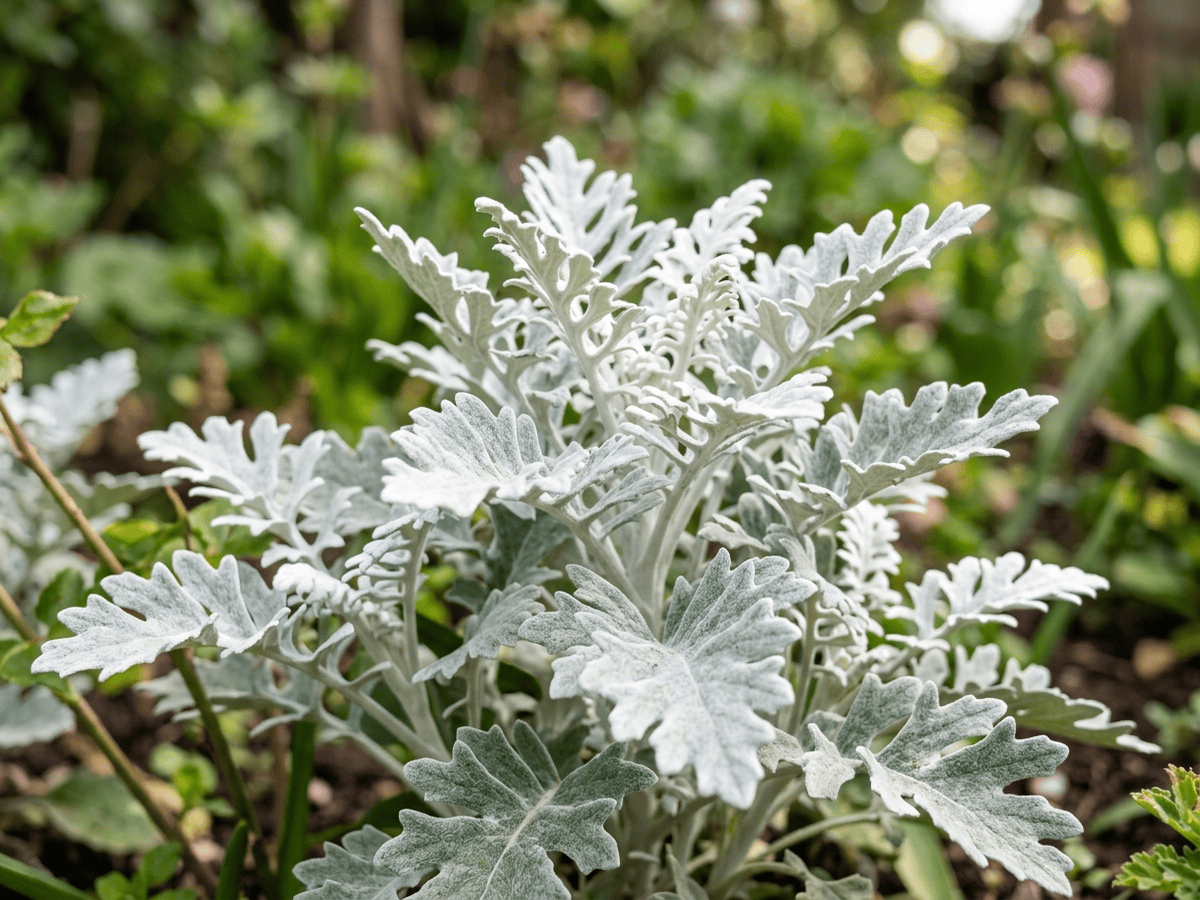
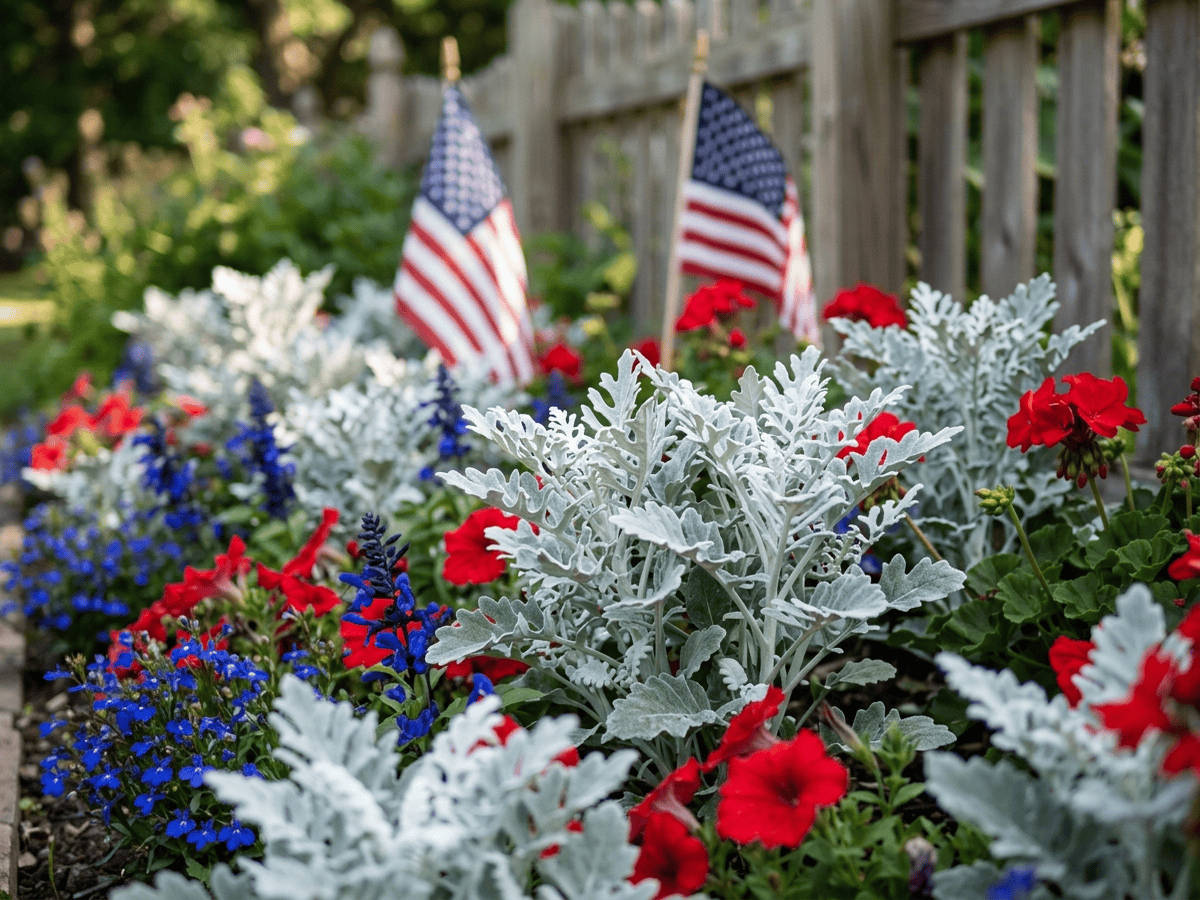
Dusty Miller is a Mediterranean tender perennial grown as an annual across the US, prized not for flowers but for silver-white deeply-lobed velvety foliage that contrasts beautifully with bolder bedding flowers. Growing 8 to 15 inches tall and spreading 12 inches, it tolerates drought, heat, and cool weather equally. A universal companion plant in American bedding schemes for over a century, especially in patriotic red-white-blue plantings.
- Drought-tolerant
- Deer-resistant
- Heat-tolerant
How to care for Dusty Miller
Watering
- Springevery 7 days
- Summerevery 5 days
- Fallevery 10 days
- Winterevery 14 days
Soil · Well-draining
- Top dressingPine bark mulch10%
- Main mixPotting soil + perlite 2:170%
- DrainageLECA / gravel20%
Never skip the drainage layer — standing water is the top cause of root rot.
FERTILIZER
Balanced Feed 14-14-14
An even feed covers all three needs at once, keeping leaves, roots and blooms moving together with nothing pushed out of balance.
- Nitrogen · Leaves
- Phosphorus · Roots + Blooms
- Potassium · Strength
- Springevery 60 days
- Fallevery 60 days
At a Glance
- NativeMediterranean
- Height1–2 ft (0.3–0.6 m)
- Spread1–1.5 ft (0.3–0.5 m)
- Flower colorYellow
- Foliage colorSilver, Variegated
- SoilSandy, Well-drained
- LocationsYard · Balcony
Bloom time
BLOOM CYCLE
Peak bloom
Jun–Aug
Grown for foliage; yellow flowers in second year usually removed
Toxicity
Humans Moderate · Pets Moderate
pyrrolizidine alkaloids
Moderate
- Leaf
- Ingestion
EXPOSURE Eating leaves.
EFFECT Pyrrolizidine alkaloids cause progressive liver damage with chronic ingestion.
NOTE Like Senecio relatives, contains hepatotoxic pyrrolizidine alkaloids; avoid ingestion.
Moderate
- Leaf
- Ingestion
EXPOSURE Eating leaves.
EFFECT Pyrrolizidine alkaloids cause liver damage.
NOTE Like Senecio relatives, contains hepatotoxic pyrrolizidine alkaloids; avoid ingestion.
Moderate
- Leaf
- Ingestion
EXPOSURE Eating leaves.
EFFECT Pyrrolizidine alkaloids cause liver damage.
NOTE Like Senecio relatives, contains hepatotoxic pyrrolizidine alkaloids; avoid ingestion.
Educational information, not medical or veterinary advice. If exposure is suspected, contact a doctor or veterinarian.
DISTRIBUTION


- Native
- Introduced
- Mediterranean
History

Jacobaea maritima, long known as Senecio cineraria and called dusty miller or silver ragwort, is a Mediterranean coastal subshrub native to rocky shorelines from Spain through Italy to the Balkans and Greece. Roman authors including Pliny the Elder recorded medicinal use, and medieval European herbalists continued using it for eye complaints. As Victorian carpet-bedding fashion swept 19th-century English and French parks, horticulturists adopted the woolly white felted foliage as a silver-gray contrast for beds of scarlet and gold annuals.
Modern cultivars including the finely cut Silver Dust, New Look, and Silver Lace remain top-selling foliage annuals worldwide. Taxonomists moved the plant from Senecio to Jacobaea in 2006 based on molecular work.
It can self-seed and naturalize on coasts. Native to Mediterranean coastal cliffs, introduced to American bedding traditions by the Victorian era. Became an iconic July 4th bedding plant in the 20th century for patriotic red-white-blue combinations with red salvia and blue ageratum.
Symbolism & meaning
What It Symbolizes
Dusty Miller offers Calm contrast — silvery, almost lunar foliage that cools the hot reds and oranges of a summer bedding scheme. In the United States it became a classic American patriotic plant, paired with red salvia and blue lobelia in Fourth of July plantings across small towns. A leaf, not a flower, doing the quiet work of harmony.
- Silvery calm — cool foliage tones calm hot color schemes
- American patriotic — classic 4th of July bedding foliage
Where the Name Comes From
'Jacobaea' after Saint James (Jacobus), feast day traditionally linked to flowering; 'maritima' for seaside origin. Formerly Senecio cineraria ('ashy-gray').
Uses & Fun Facts
- Silvery felted foliage contrasts richly with bright bedding
- Classic filler for mixed annual planters and window boxes
- Drought-tolerant carpet for coastal and dry borders
Related plants
Plants with similar care
 Chinese AbeliaAbelia chinensis
 Fragrant AbeliaAbelia mosanensis
 Large-Flowered AbeliaAbelia uniflora
 Glossy AbeliaAbelia x grandiflora
Frequently asked questions
How often should I water Dusty Miller?
In summer, water about every 5 days; in winter, about every 14 days. Adjust for heat, pot size and drainage.
How much light does Dusty Miller need?
Full sun: 6+ hrs direct. Watch the leaves — scorching or stretching means the light needs adjusting.
Is Dusty Miller toxic to cats or dogs?
Pets Moderate (Dogs Moderate · Cats Moderate) Educational information, not medical or veterinary advice. If exposure is suspected, contact a doctor or veterinarian.
Is Dusty Miller easy to grow?
Yes — it is considered an easy, beginner-friendly plant.
When does Dusty Miller bloom?
It typically blooms Jun–Aug in the Northern Hemisphere.
YardMate
Identify any plant in seconds
Snap a photo — YardMate names the plant, diagnoses problems, and reminds you when to water.
Download on the App Store