 YardMate
Pickle Plant
Kleinia stapeliiformis
Hard · Experienced growersAbout Pickle Plant
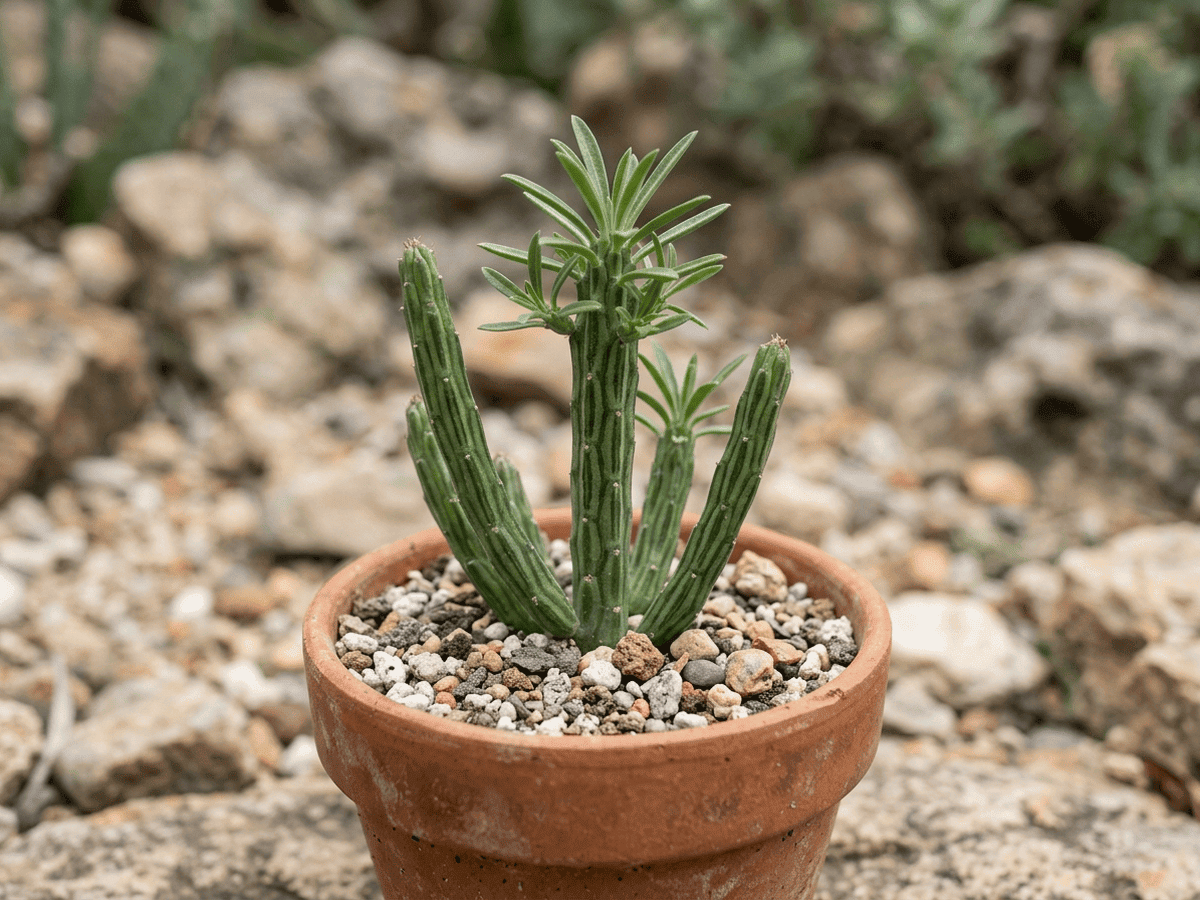
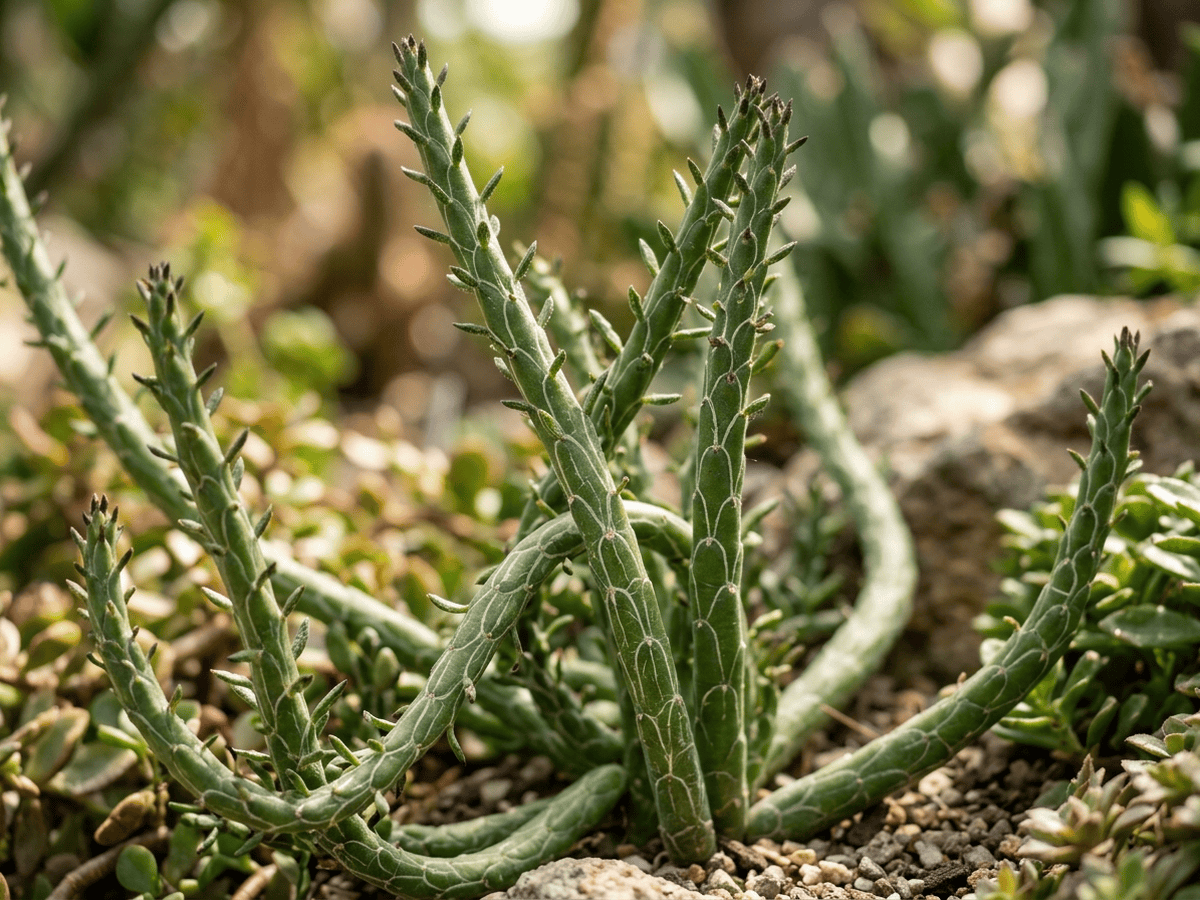
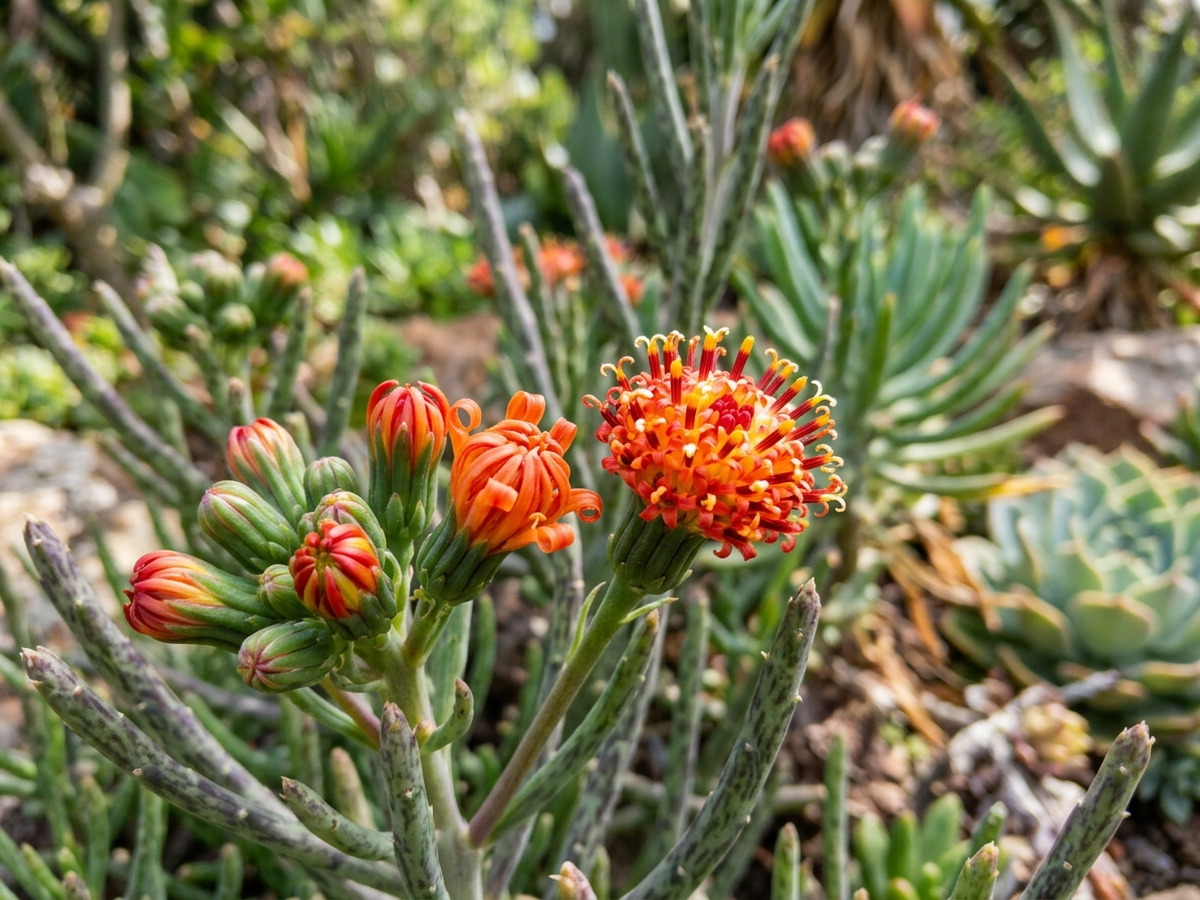
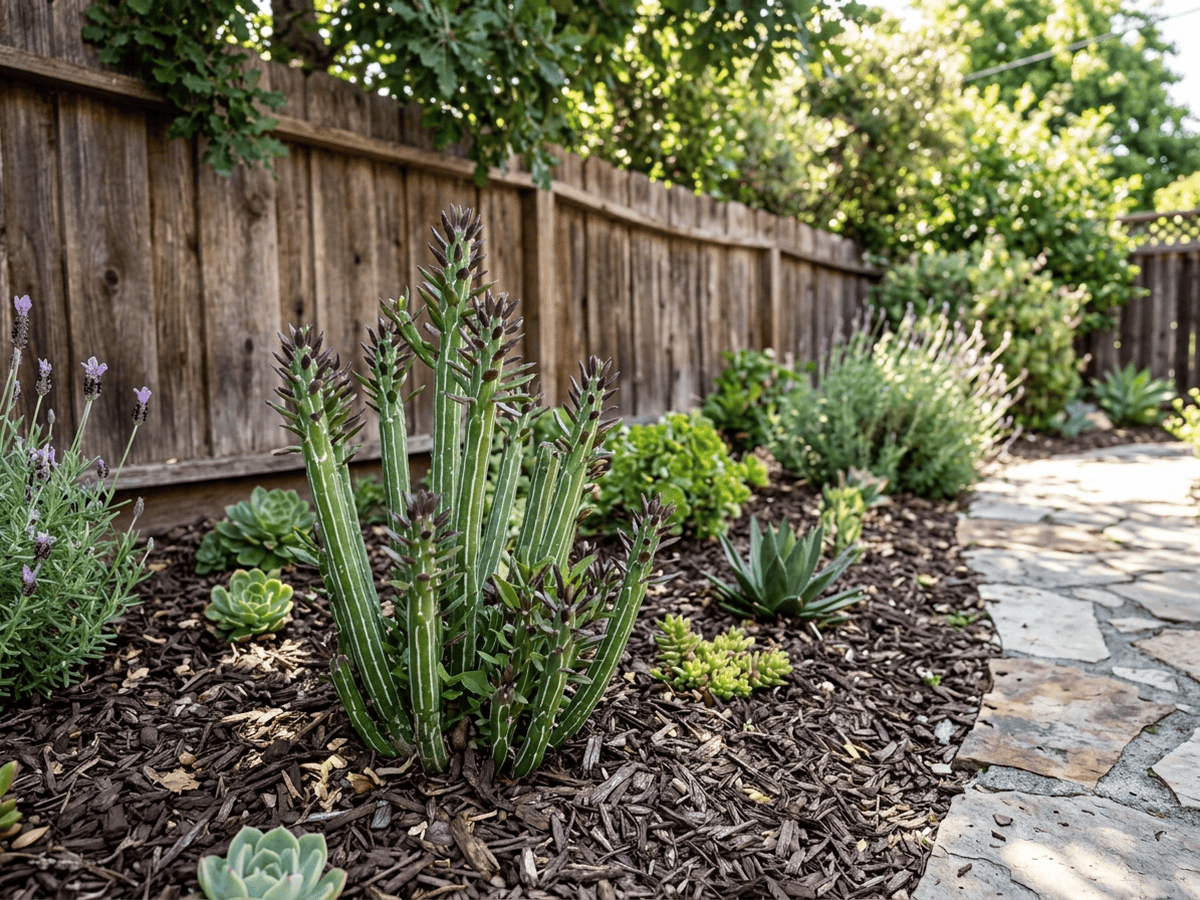
The Pickle Plant (Kleinia stapeliiformis) is a South African succulent grown for its upright, cylindrical, blue-green stems, faintly striped like a row of tiny gherkins standing on end. Native to the arid Eastern Cape, it stores water in its fleshy stems and thrives in gritty, well-drained soil under full sun, shrugging off dry spells with ease. In late winter and spring, wiry stalks rise above the clumping stems and open into small, bright orange-red daisy flowers that draw bees and butterflies. Slow-growing and compact, it suits a sunny windowsill, rock garden, or patio pot, and its offsets are easy to share.
- Drought-tolerant
- Evergreen
- Slow-growing
- Compact
- Container-friendly
- Pollinator-friendly
How to care for Pickle Plant
Watering
- Springevery 10 days
- Summerevery 10 days
- Fallevery 20 days
- Winterevery 30 days
Soil · Fast-draining
- Main mixSand + pumice + soil 1:1:150%
- DrainagePumice / gravel50%
Keep grit at half the mix or more — this soil is meant to dry out fast.
FERTILIZER
Cactus & Succulent Feed 2-7-7
Hold the nitrogen back and growth stays compact instead of soft and stretched. Phosphorus and potassium carry the roots and the flowering.
- Nitrogen · Leaves
- Phosphorus · Roots + Blooms
- Potassium · Strength
- Springevery 30 days
- Summerevery 30 days
- Fallevery 30 days
At a Glance
- NativeSouth Africa
- Height1–2 ft (0.3–0.6 m)
- Spread1–3 ft (0.3–0.9 m)
- Foliage colorGreen
- Fruit colorOrange
- SoilWell-drained, Sandy
- LocationsYard · Patio
Toxicity
Pets Safe
None reported
Unknown
EXPOSURE No exposure route is reported.
EFFECT No toxic effect is reported.
NOTE Toxicity for humans is not well documented; use caution until verified.
Safe
EXPOSURE No exposure route is reported.
EFFECT No toxic effect is reported.
NOTE Authoritative sources report this plant as non-toxic to dogs; this is not evidence that the plant is edible.
Safe
EXPOSURE No exposure route is reported.
EFFECT No toxic effect is reported.
NOTE Authoritative sources report this plant as non-toxic to cats; this is not evidence that the plant is edible.
Educational information, not medical or veterinary advice. If exposure is suspected, contact a doctor or veterinarian.
DISTRIBUTION


- Native
- South Africa
History
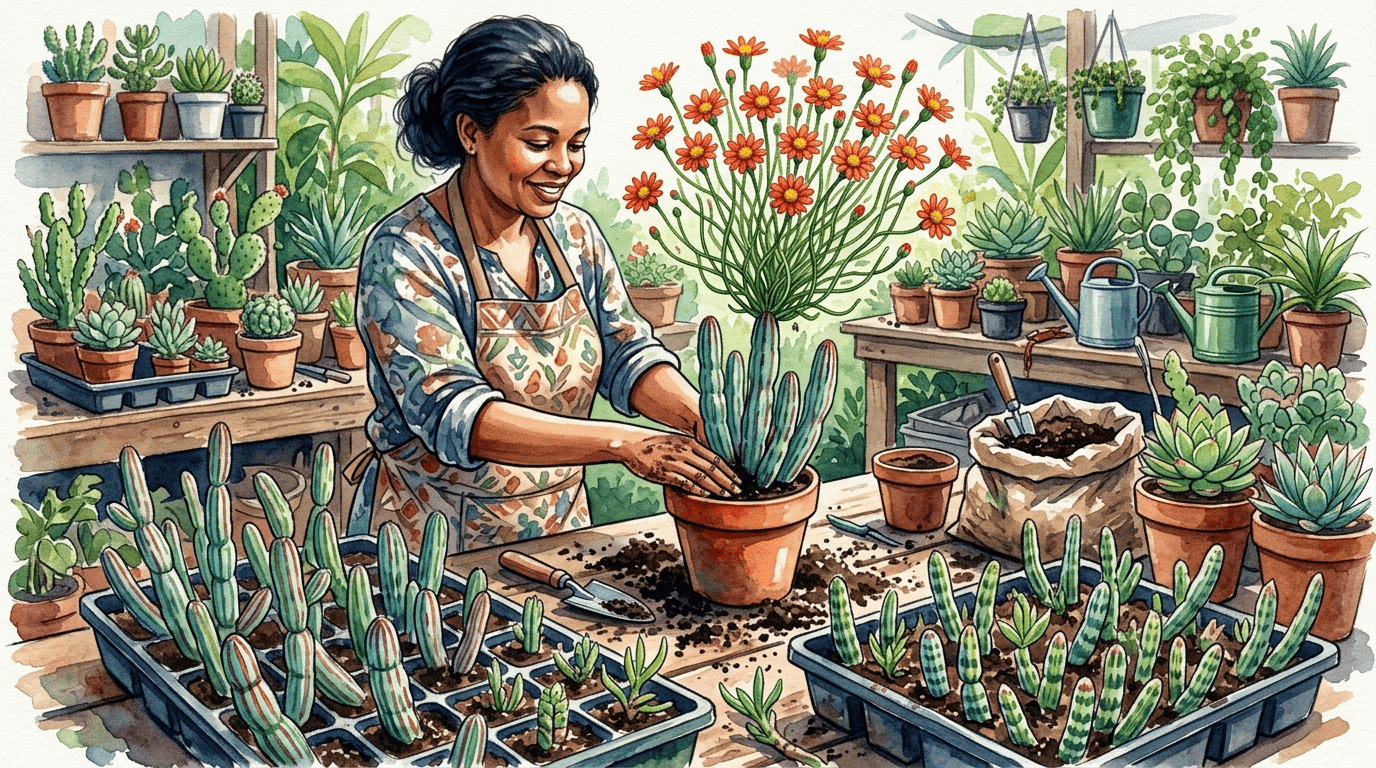
Long before succulent collecting became a global hobby, plant hunters combing the dry karoo and Eastern Cape veld of South Africa kept stumbling into a puzzle. Scattered among clumps of true Stapelia — low, angular succulents whose fleshy, mottled stems produce large, star-shaped flowers that smell of carrion to lure flies — grew another plant with almost identical stems: upright, blue-green, faintly striped, and pickle-shaped. To the eye it looked like a taller cousin of Stapelia, and early collectors filed it accordingly, tucking cuttings into their Stapelia collections and trading them at nurseries under that assumption.
The mix-up only unraveled when the plants bloomed. Instead of the broad, star-patterned flowers of a Stapelia, wiry stalks rose from the stem tips and opened into small, bright orange-red daisies — unmistakably the flower of the groundsel and ragwort tribe, not the milkweed relatives that Stapelia belongs to. Botanists reclassified the plant into Senecio, and later into Kleinia, but kept the old resemblance alive in its scientific name: stapeliiformis, "shaped like a Stapelia." The episode became a favorite cautionary tale among succulent growers, a reminder that two unrelated plants adapted to the same harsh, sun-baked slopes can evolve to look almost identical, and that flowers, not stems, tell the truer story. Today the Pickle Plant is grown worldwide precisely for the trait that once fooled its earliest collectors: those uncanny, gherkin-like stems.
Symbolism & meaning
What It Symbolizes
Rooted in some of South Africa's driest terrain, the Pickle Plant became a quiet emblem of resilience among succulent growers — a plant that thrives on neglect and stores its own reserves against hardship. Its long case of mistaken identity, revealed only once it flowered, also lends it a symbolism of individuality: true character eventually shows, however similar the disguise.
- Resilience — Its water-storing stems surviving harsh, arid slopes make the Pickle Plant a symbol of quiet resilience and adaptability.
- Individuality — Long mistaken for a relative of Stapelia, it has come to represent standing apart once your true nature is revealed.
Where the Name Comes From
The genus name Kleinia honors Jacob Theodor Klein, an 18th-century German naturalist, while the species epithet stapeliiformis is Latin for ‘shaped like a Stapelia’ — a nod to how closely the Pickle Plant's mottled, cylindrical stems mimic those of the unrelated Stapelia carrion flowers.
Uses & Fun Facts
- Grown indoors and in succulent gardens for its sculptural, gherkin-shaped stems.
- Winter-to-spring daisy flowers draw bees and butterflies to sunny gardens.
Related plants
Plants with similar care
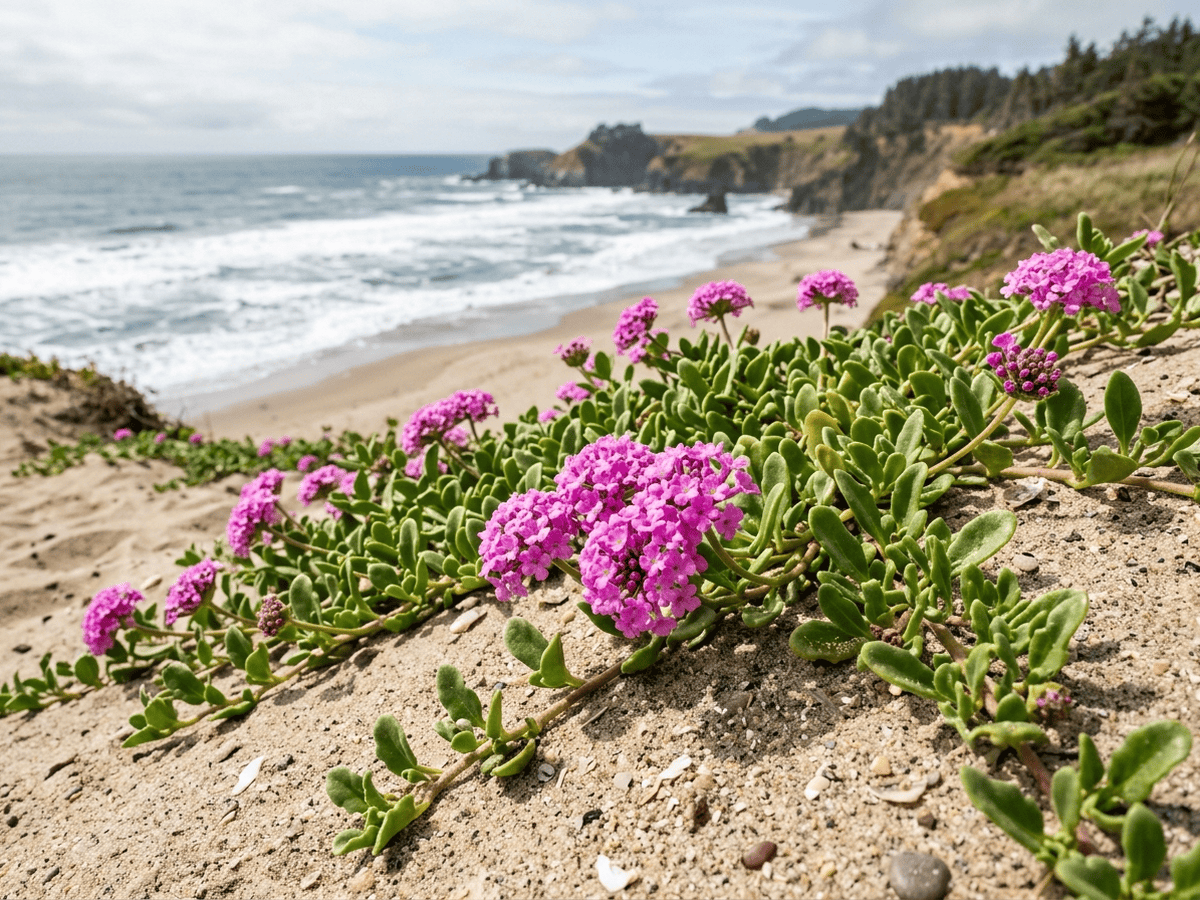 Pink Sand VerbenaAbronia umbellata
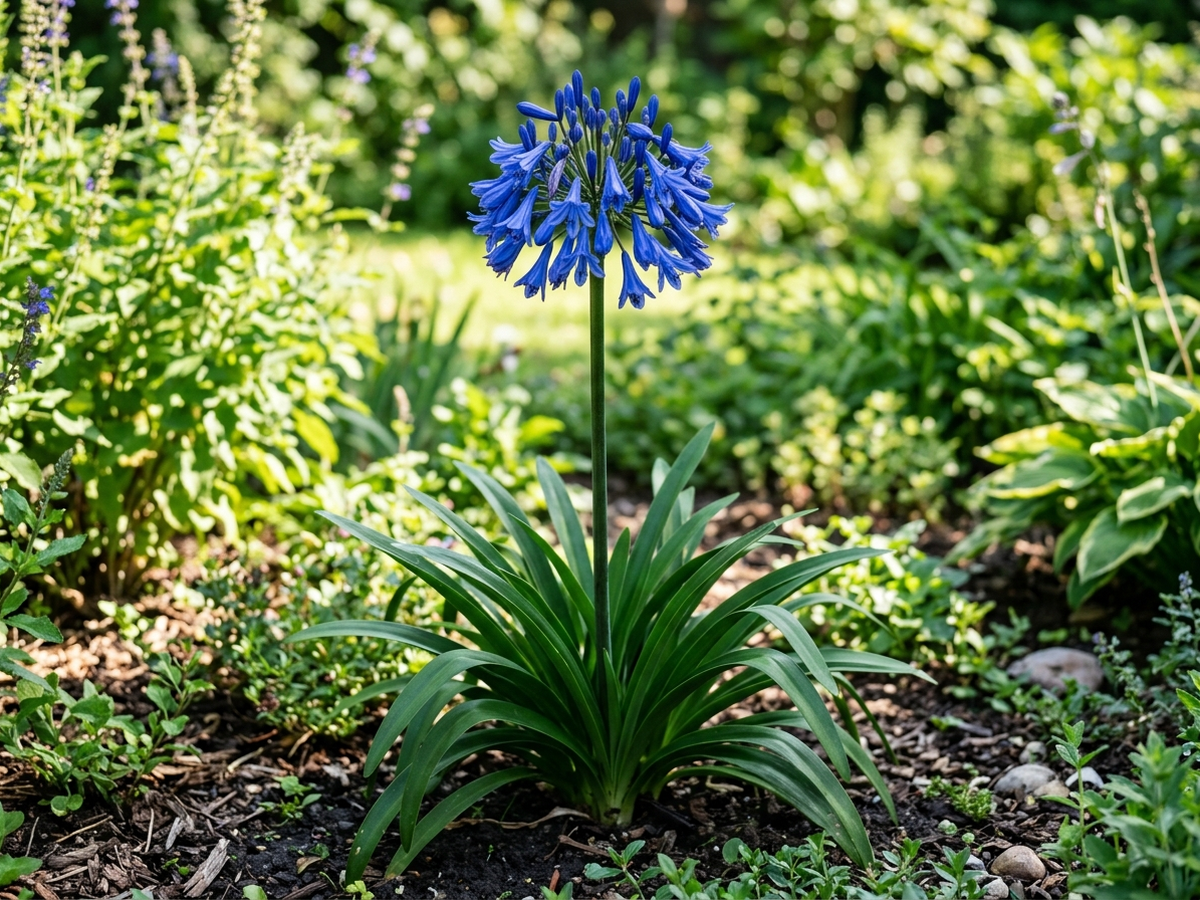 Drooping AgapanthusAgapanthus inapertus
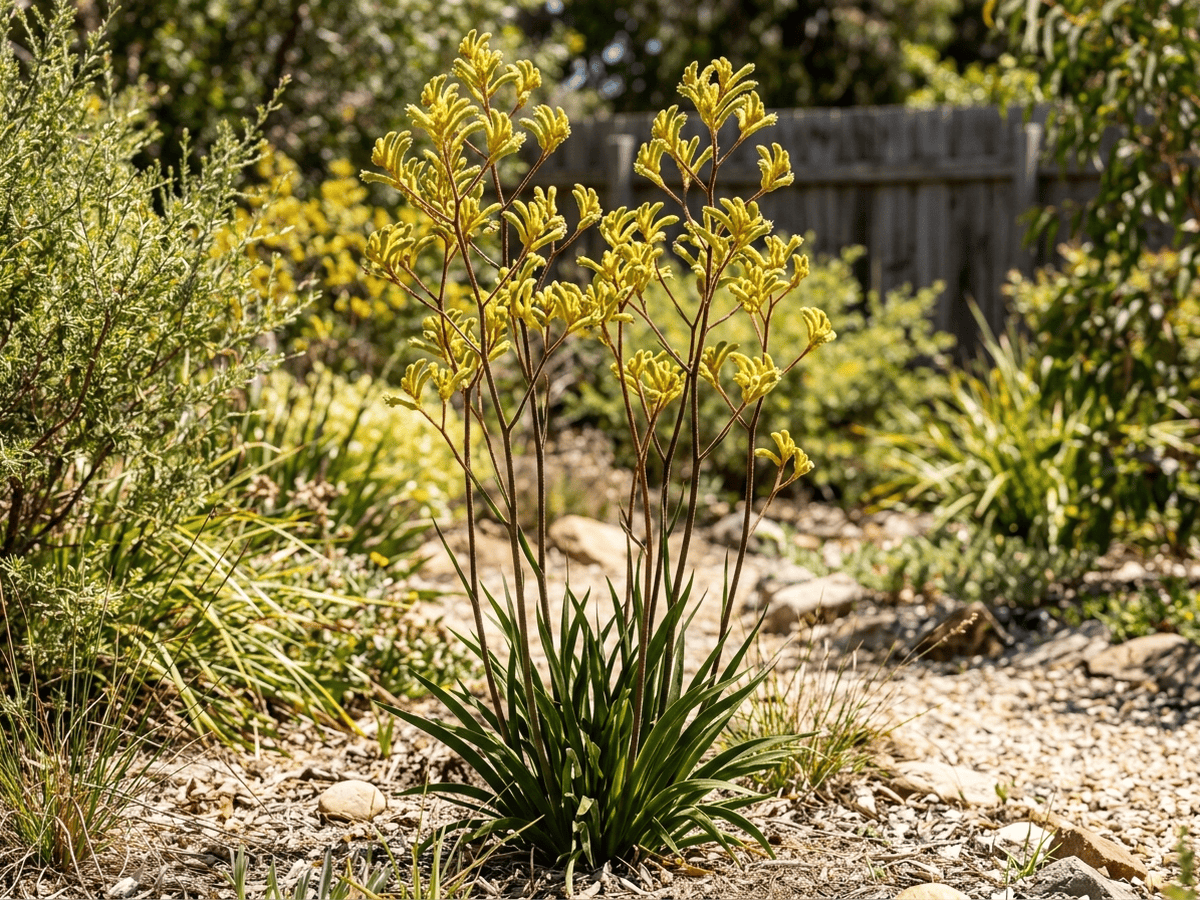 Tall Kangaroo PawAnigozanthos flavidus
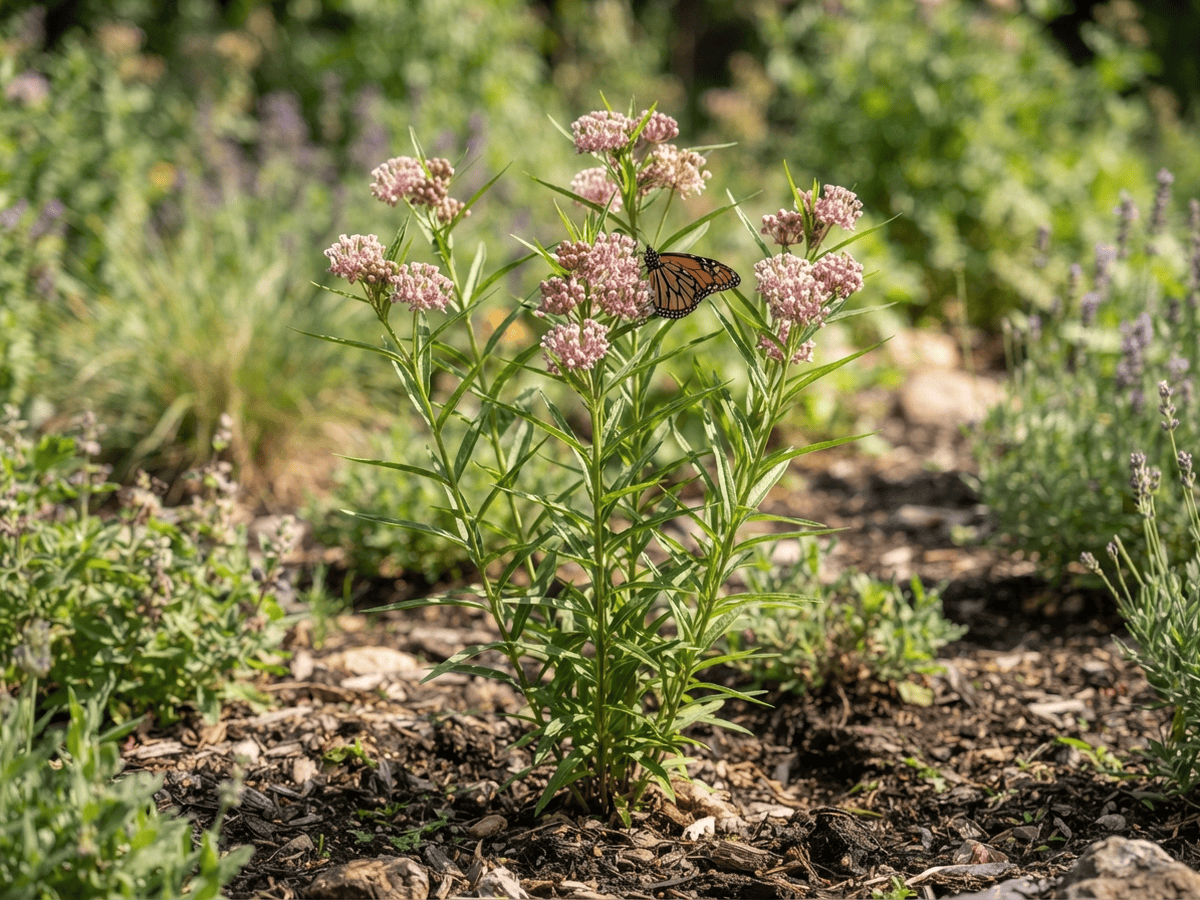 Narrowleaf MilkweedAsclepias fascicularis
Frequently asked questions
How often should I water Pickle Plant?
In summer, water about every 10 days; in winter, about every 30 days. Adjust for heat, pot size and drainage.
How much light does Pickle Plant need?
Full sun: 6+ hrs direct. Watch the leaves — scorching or stretching means the light needs adjusting.
Is Pickle Plant toxic to cats or dogs?
Pets Safe (Dogs Safe · Cats Safe) Educational information, not medical or veterinary advice. If exposure is suspected, contact a doctor or veterinarian.
Is Pickle Plant easy to grow?
It is considered challenging and rewards experienced growers.
YardMate
Identify any plant in seconds
Snap a photo — YardMate names the plant, diagnoses problems, and reminds you when to water.
Download on the App Store