 YardMate
Common Sunshine Conebush
Leucadendron salignum
Hard · Experienced growersAbout Common Sunshine Conebush
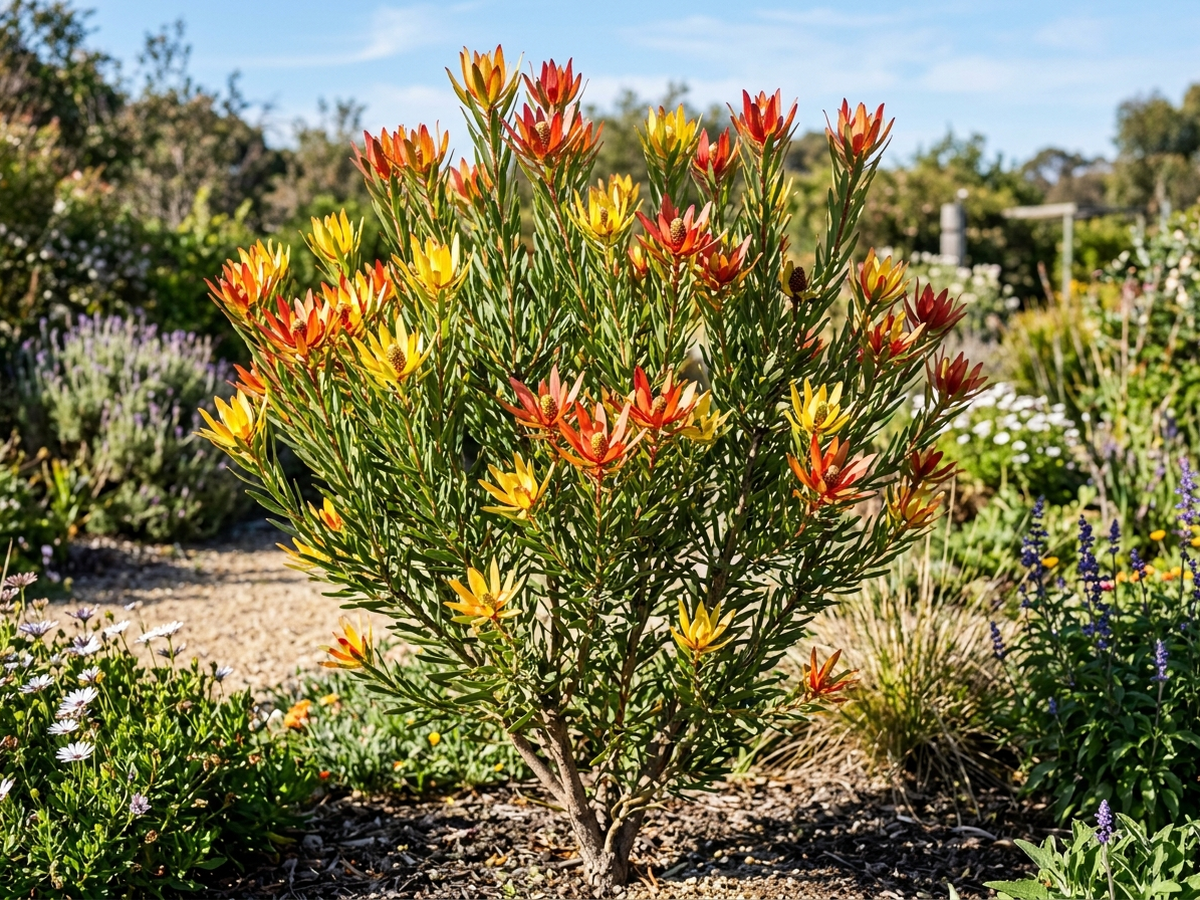
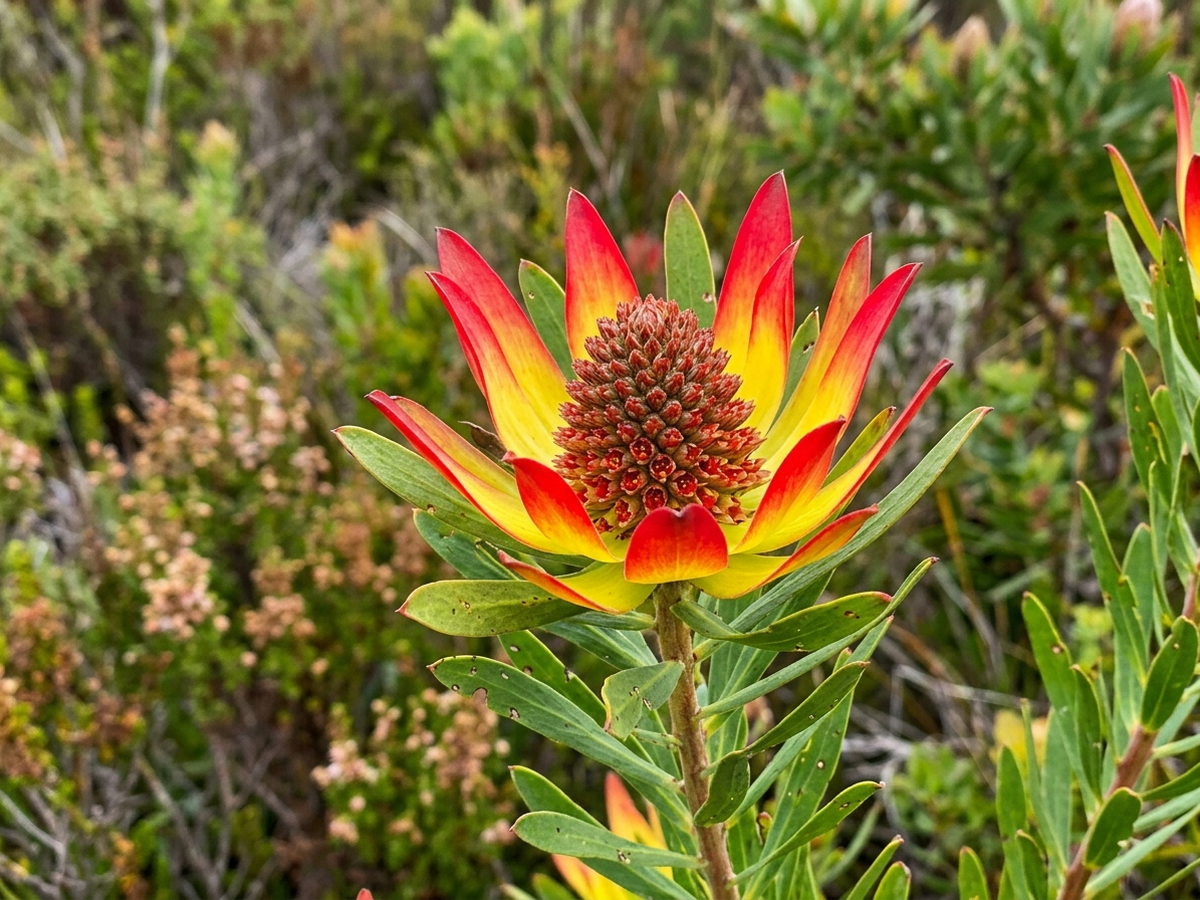
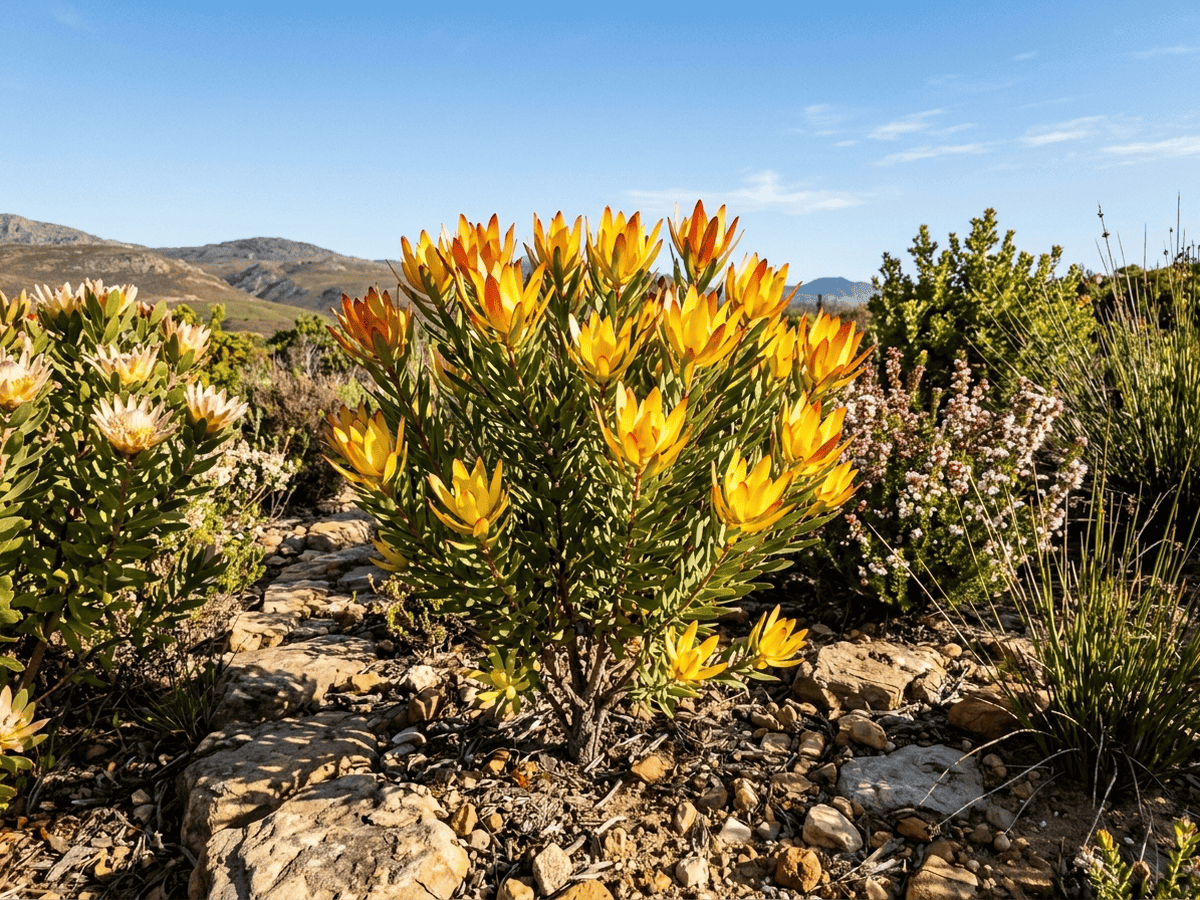
Leucadendron salignum, Common Sunshine Conebush, is one of the most widespread and variable shrubs of South Africa's Cape Floristic Region—the world's smallest yet most plant-diverse floristic kingdom. This dioecious evergreen grows 3–6 feet tall, with narrow willow-like leaves and colorful bracts surrounding small cone-like flower heads. The bracts flush brilliant yellow to deep red-orange in late winter through summer, creating long-lasting color that makes it prized for cut foliage and dried arrangements. Like all Proteaceae, it demands excellent drainage and phosphorus-free soil.
- Evergreen
- Drought-tolerant
- Pollinator-friendly
- Showy-fruit
- Compact
How to care for Common Sunshine Conebush
Watering
- Springevery 10 days
- Summerevery 7 days
- Fallevery 15 days
- Winterevery 30 days
Soil · Acidic · pH 4.5–6
- Top dressingPine needle mulch10%
- Main mixAcid-lover mix + peat 3:175%
- DrainageGravel15%
Never add lime or wood ash — it cancels out the acidity.
FERTILIZER
- Springevery 30 days
- Summerevery 30 days
At a Glance
- NativeSouth Africa
- Height3–6 ft (0.9–1.8 m)
- Spread3–4 ft (0.9–1.2 m)
- Flower colorYellow, Red
- Foliage colorGreen
- SoilWell-drained, Loamy
- LocationsYard · Balcony
Bloom time
BLOOM CYCLE
Peak bloom
Aug–Sep
Flowers appear in late summer with brightly colored bracts.
Fragrance
NO FRAGRANCE
Not fragrant; the colorful bracts are modified leaves, not flowers.
Toxicity
No toxicity has been reported for this plant. Still, it is wise to keep pets from chewing on any houseplant.
Educational information, not medical or veterinary advice. If exposure is suspected, contact a doctor or veterinarian.
DISTRIBUTION


- Native
- South Africa
History
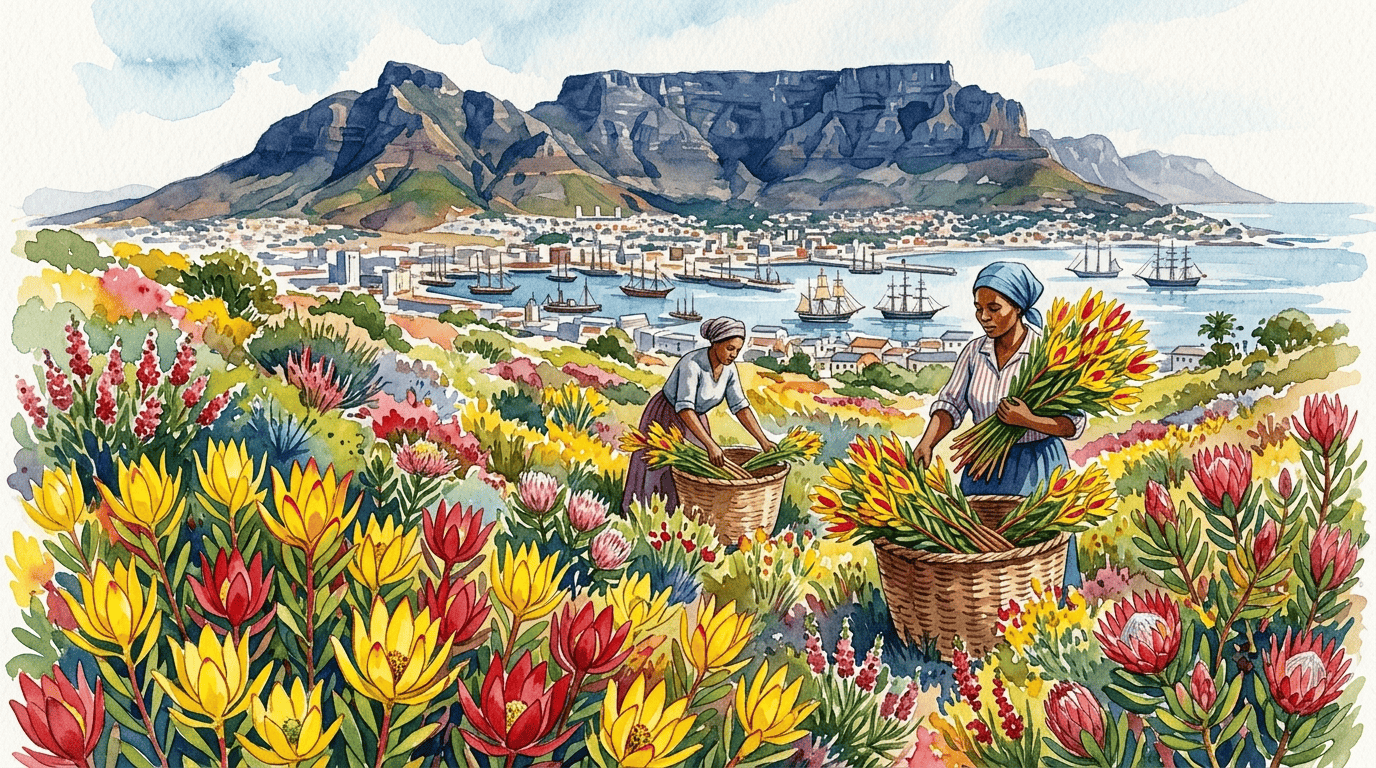
Leucadendron salignum grows in the Cape Floristic Region (CFR) of South Africa's Western Cape—a biome covering roughly 90,000 square kilometers and home to approximately 9,000 plant species, nearly 70 percent of which grow nowhere else on Earth. It is one of the six recognized floristic kingdoms of the world, despite being by far the smallest, making it arguably the most concentrated center of plant biodiversity on the planet.
European naturalists encountered the astonishing Cape flora soon after the Dutch East India Company (VOC) established its refreshment station at the Cape in 1652. The sheer novelty of the flora—Proteaceae, Ericaceae, and Restionaceae utterly unlike European plants—captivated botanists immediately. Early collections from the Cape circulated through Dutch and British botanical networks, but systematic study came later.
In 1772, Carl Peter Thunberg—a Swedish botanist trained under Carolus Linnaeus—arrived at the Cape as a ship's surgeon for the VOC. He spent three years studying Cape plants, ultimately documenting hundreds of new species including many Leucadendron and Protea. Thunberg's 'Prodromus Plantarum Capensium' (1794–1800) became a foundational text of Cape botany, and his collections in Uppsala remain among the most important historical botanical archives in existence.
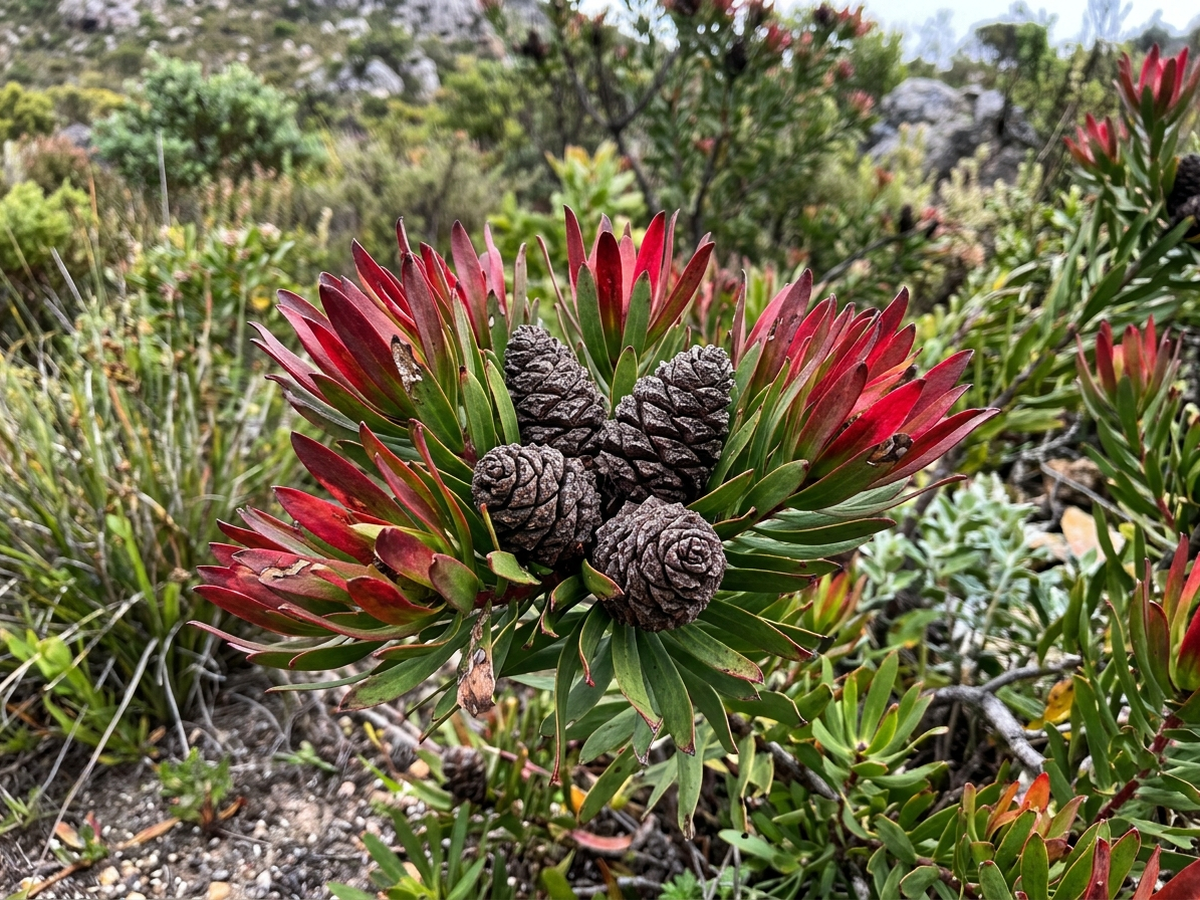
Today, Leucadendron salignum is recognized as ecologically critical to the fynbos. It is a key food plant for the Cape Sugarbird (Promerops cafer), an endemic nectar-feeding bird almost entirely dependent on Proteaceae. The plant is also fire-adapted: female plants retain seeds in cones that open after fire, releasing seeds onto the nutrient-flushed post-fire soil.
In cultivation, Common Sunshine Conebush has become one of the most widely grown Leucadendrons internationally, valued for its long-lasting colorful bracts used in the cut flower trade.
Symbolism & meaning
What It Symbolizes
The fynbos is always burning, somewhere. Leucadendron knows this. It holds its seeds sealed in cones through the dry years and releases them only after the fire has passed—when the soil is full of nutrients and the competition is gone. Not patience, exactly. Just preparation.
- concentrated wonder — The smallest floristic kingdom on Earth, packed with more plant species per square kilometer than anywhere else—Leucadendron is what that looks like from close up.
- fire renewal — Holds its seeds in sealed cones until fire passes through, then releases them onto ash-enriched soil—a strategy that has survived millions of years of fynbos burns.
Where the Name Comes From
Leucadendron derives from Greek leukos (white) and dendron (tree)—'white tree'—referring to the pale-colored foliage of certain species. The species epithet salignum is Latin for 'willow-like' (from salix, willow), describing the narrow lance-shaped leaves that resemble willow foliage.
Uses & Fun Facts
- Colorful bracts last weeks as cut foliage; dried cones and stems are staples of the South African and international dried flower trade
- Critical nectar source for the endemic Cape Sugarbird and sunbirds; fire-adapted cones release seeds onto post-fire soil, essential for fynbos regeneration
- Long-lasting bract color from winter through summer makes it a standout in Mediterranean-climate gardens; excellent for low-maintenance coastal and dry gardens
Related plants
Plants with similar care
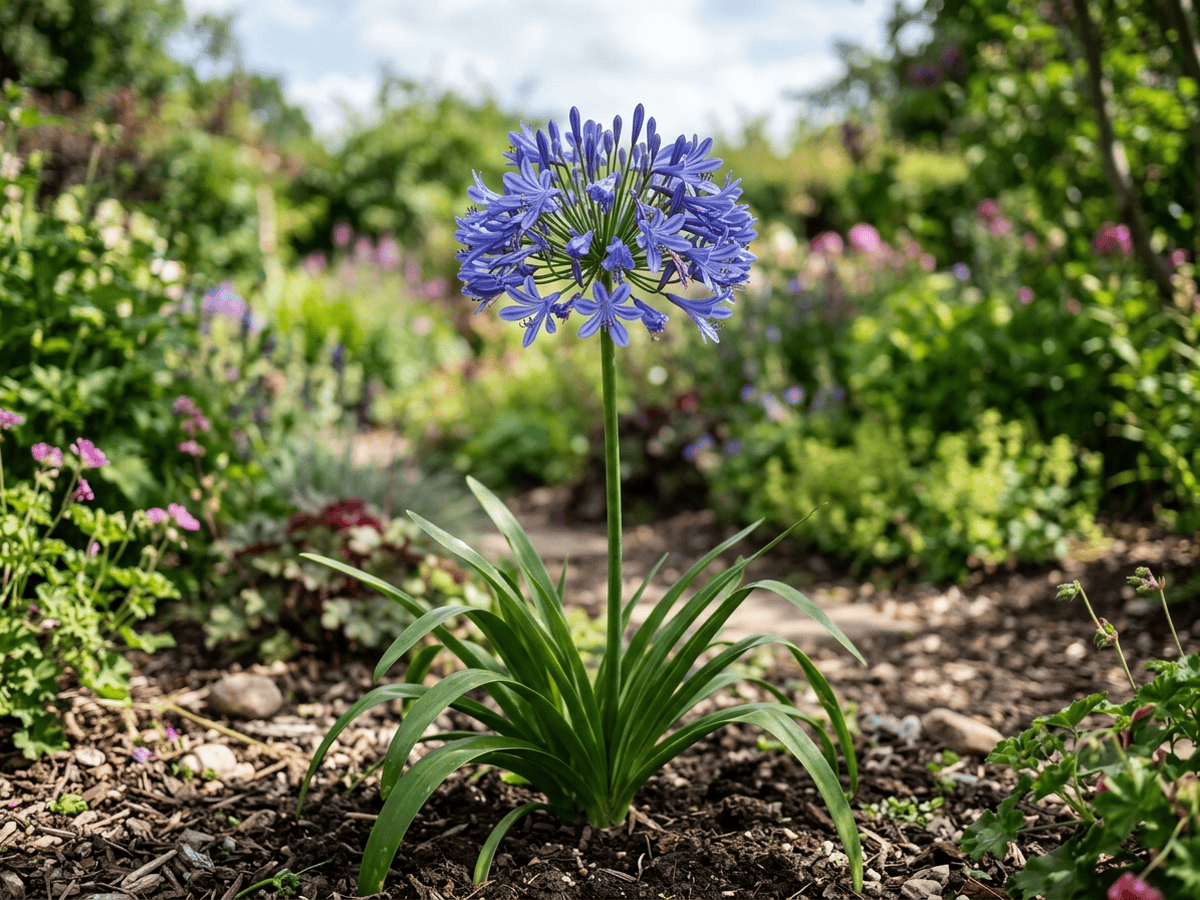 African LilyAgapanthus africanus
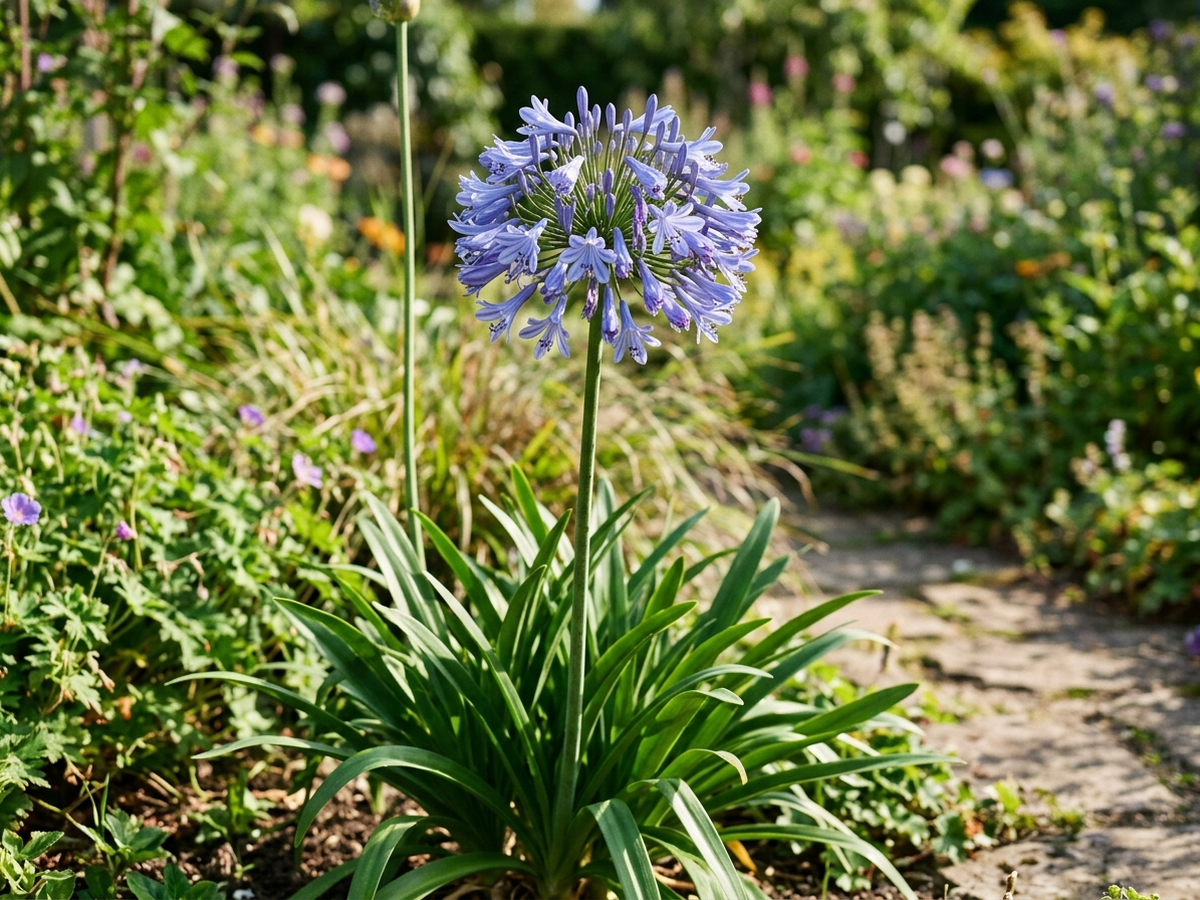 Bell AgapanthusAgapanthus campanulatus
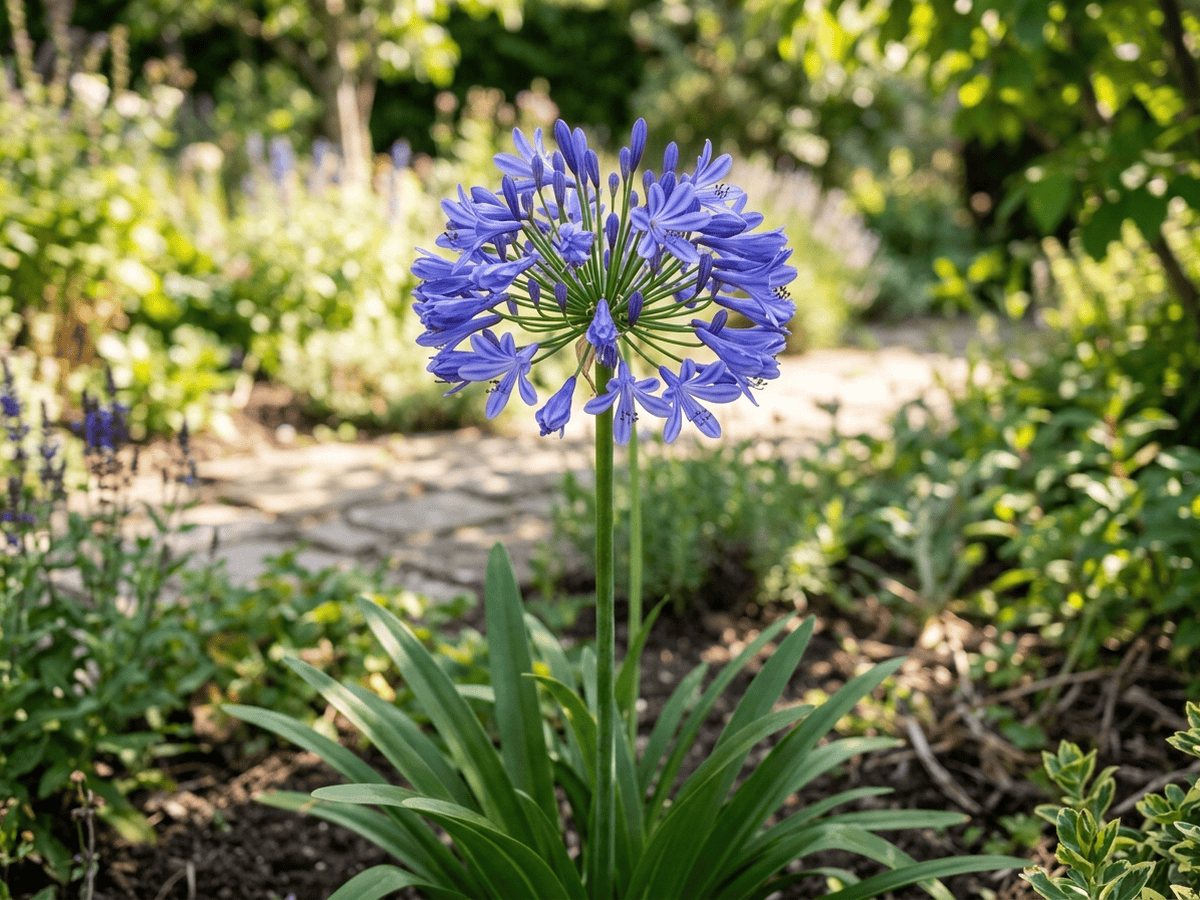 Common AgapanthusAgapanthus praecox
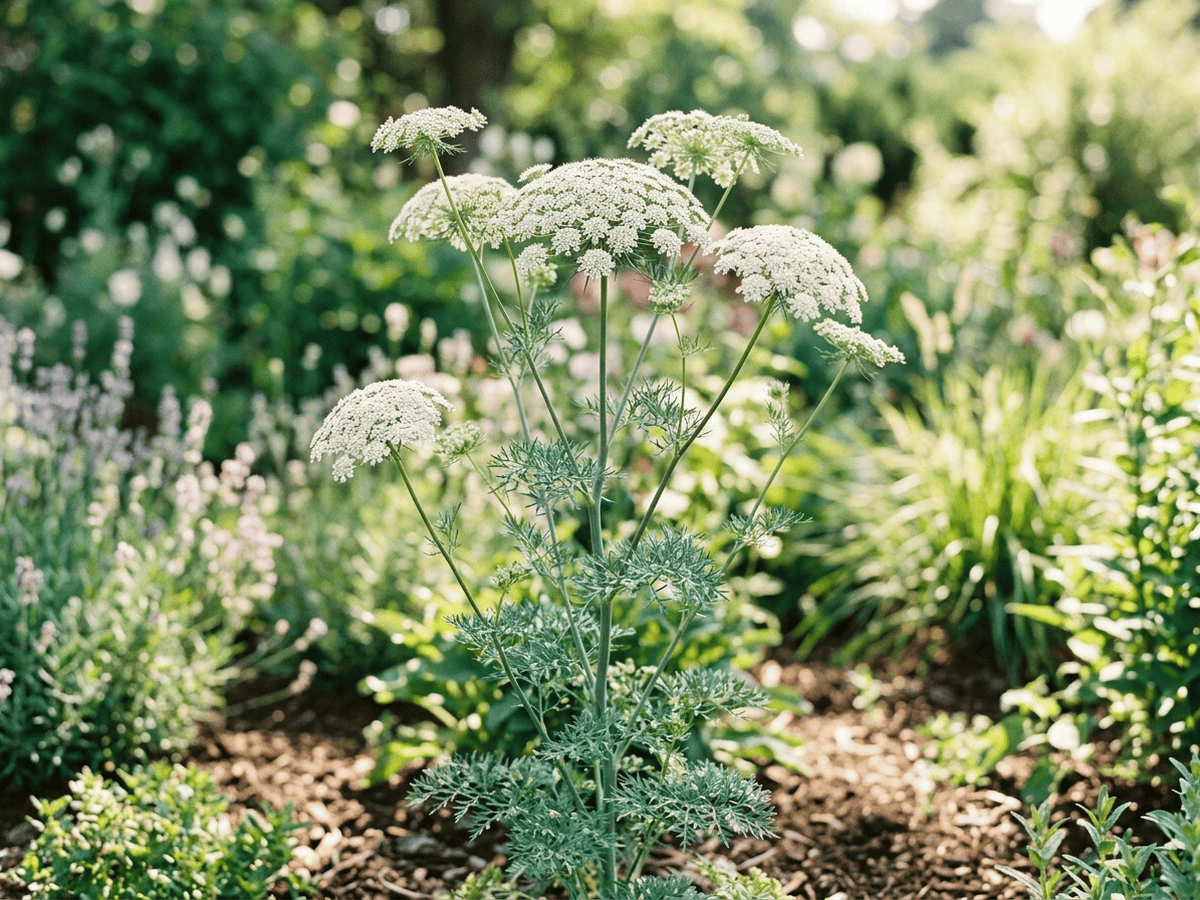 False Queen Anne's LaceAmmi majus glaucifolium
Frequently asked questions
How often should I water Common Sunshine Conebush?
In summer, water about every 7 days; in winter, about every 30 days. Adjust for heat, pot size and drainage.
How much light does Common Sunshine Conebush need?
Part sun: 4–6 hrs direct. Watch the leaves — scorching or stretching means the light needs adjusting.
Is Common Sunshine Conebush toxic to cats or dogs?
No toxicity has been reported for this plant. Still, it is wise to keep pets from chewing on any houseplant. Educational information, not medical or veterinary advice. If exposure is suspected, contact a doctor or veterinarian.
Is Common Sunshine Conebush easy to grow?
It is considered challenging and rewards experienced growers.
When does Common Sunshine Conebush bloom?
It typically blooms Aug–Sep in the Northern Hemisphere.
YardMate
Identify any plant in seconds
Snap a photo — YardMate names the plant, diagnoses problems, and reminds you when to water.
Download on the App Store