 YardMate


Summer Snowflake
Leucojum aestivum
Easy · Beginner friendlyAbout Summer Snowflake
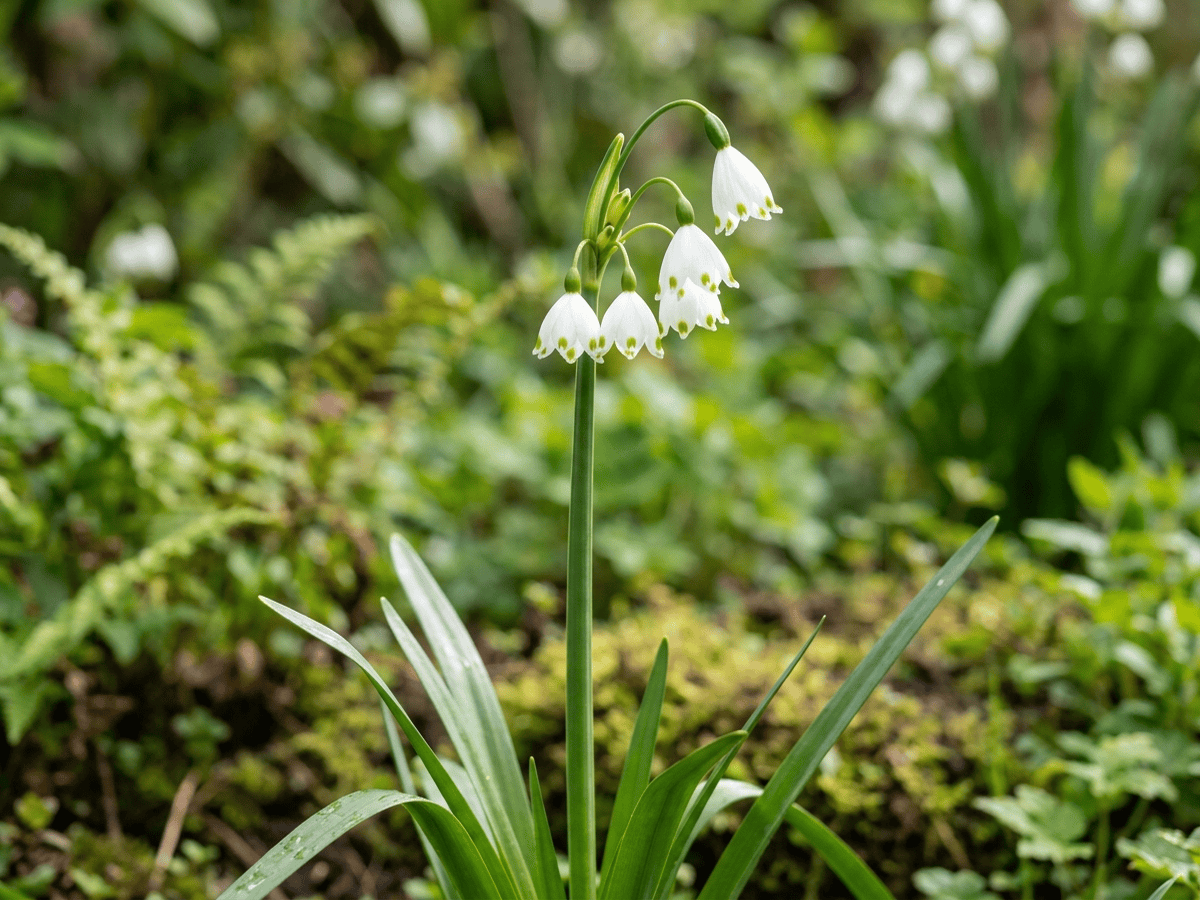
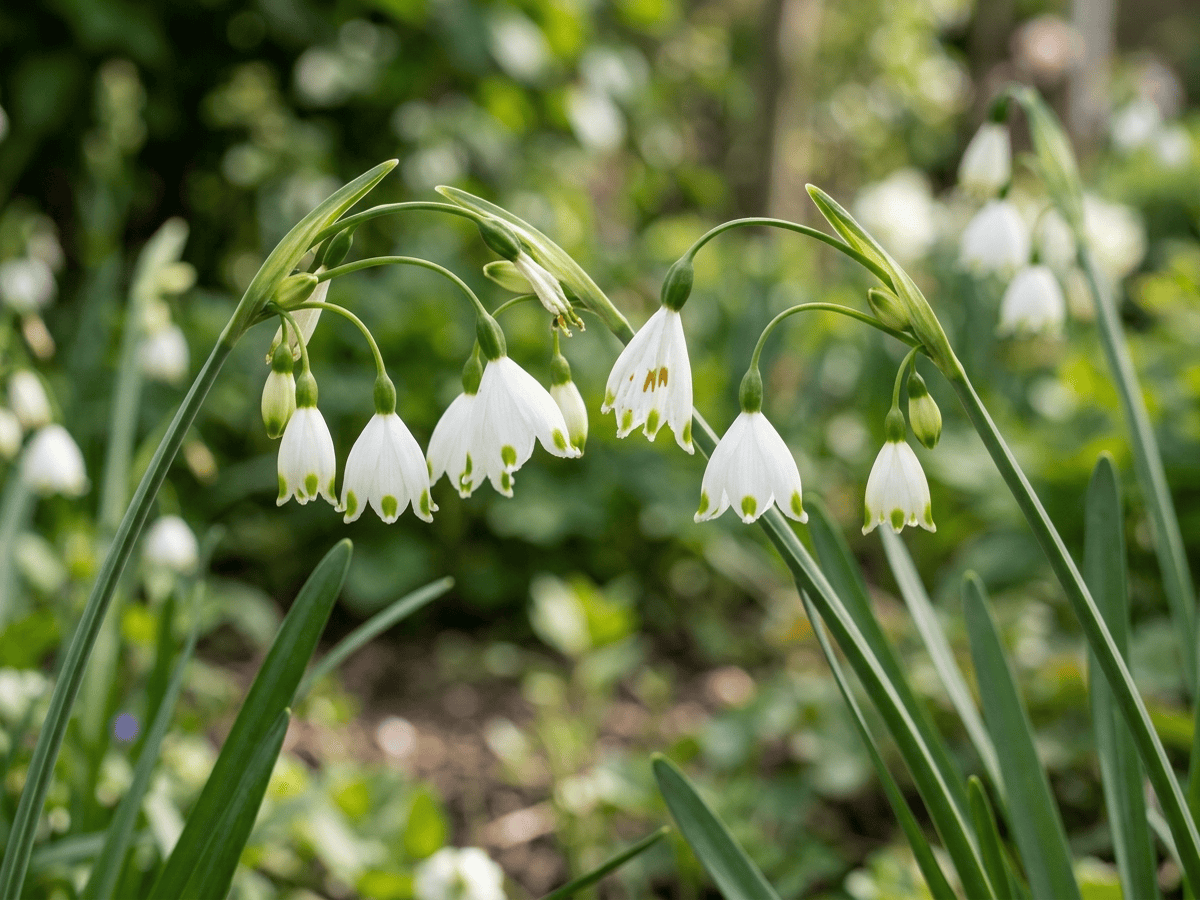
Summer Snowflake is a European bulb hardy across USDA zones 4-9, producing clumps of strappy dark green leaves and nodding white bell-shaped flowers with green spots on each petal tip in mid to late spring. Growing 18 to 24 inches tall, it naturalizes beautifully along streams, woodland edges, and damp lawns across the US, blooming weeks after snowdrops despite the name. A classic pass-along bulb in Southern American gardens where it persists for decades.
- Deer-resistant
How to care for Summer Snowflake
Watering
- Springevery 3 days
- Summerevery 3 days
- Fallevery 7 days
- Winterevery 10 days
Soil · Well-draining
- Main mixLoam + coarse sand 3:175%
- DrainageGravel25%
Sharp drainage matters most — bulbs rot in wet soil while dormant.
FERTILIZER
Balanced Feed 14-14-14
An even feed covers all three needs at once, keeping leaves, roots and blooms moving together with nothing pushed out of balance.
- Nitrogen · Leaves
- Phosphorus · Roots + Blooms
- Potassium · Strength
- Springevery 60 days
- Fallevery 60 days
At a Glance
- NativeEurope, Western Asia
- Height1–2 ft (0.3–0.6 m)
- Spread0.5–1 ft (0.2–0.3 m)
- Flower colorWhite
- Foliage colorGreen
- SoilLoamy, Moisture-retentive
- LocationsYard
Bloom time
BLOOM CYCLE
Peak bloom
Mar–May
Nodding white bells with green tips in mid to late spring
Fragrance
LIGHT FRAGRANCE
The flowers have a lightly sweet, faintly chocolate-scented scent.
Toxicity
Humans Moderate · Pets Moderate
lycorine and galantamine
Moderate
- Bulb
- Ingestion
EXPOSURE Eating bulbs.
EFFECT Nausea, vomiting, and diarrhea.
NOTE Bulbs contain Amaryllidaceae alkaloids; toxic to pets.
Moderate
- Bulb
- Ingestion
EXPOSURE Eating bulbs.
EFFECT Vomiting and diarrhea.
NOTE Bulbs contain Amaryllidaceae alkaloids; toxic to pets.
Moderate
- Bulb
- Ingestion
EXPOSURE Eating bulbs.
EFFECT Vomiting and diarrhea.
NOTE Bulbs contain Amaryllidaceae alkaloids; toxic to pets.
Educational information, not medical or veterinary advice. If exposure is suspected, contact a doctor or veterinarian.
DISTRIBUTION

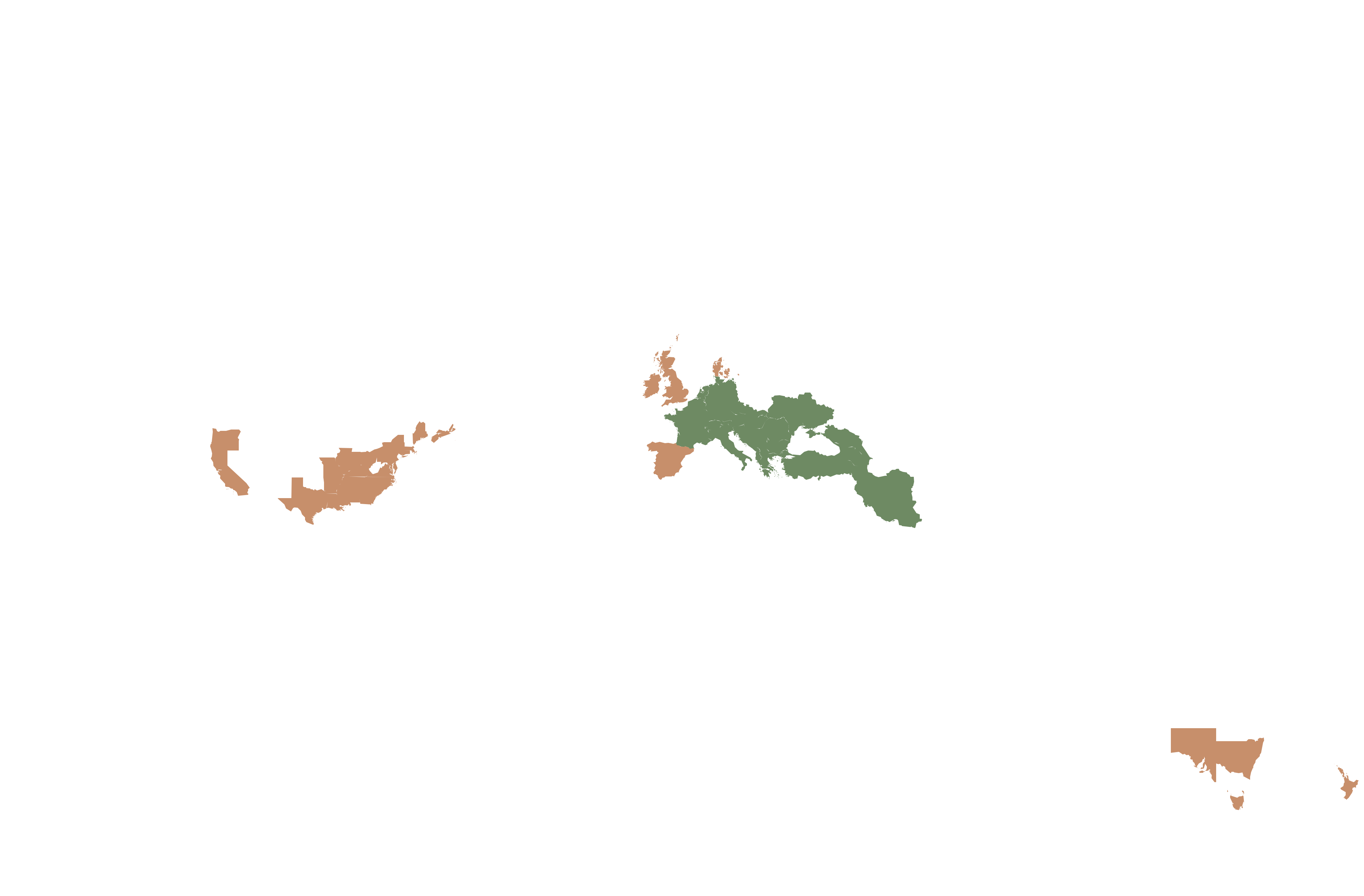
- Native
- Introduced
- Europe
- Western Asia
History

Leucojum aestivum grows in wet meadows, riverside woodlands, and marshy ground across much of Europe and into the Caucasus and Iran. Linnaeus formally described it in 1759. The common name 'summer snowflake' is misleading since it actually blooms in mid-to-late spring, far earlier than high summer; Linnaeus chose aestivum to distinguish it from the earlier-flowering L. vernum.
It has been cultivated in European gardens since the 16th century; John Parkinson figured it in 1629. The vigorous form 'Gravetye Giant' was selected by the Irish garden writer William Robinson at his estate Gravetye Manor in Sussex around 1910 and became the dominant cultivar.
It earned the RHS Award of Garden Merit and is widely naturalized along US Southern streams and damp meadows. Native to central Europe and the British Isles, introduced to American colonial gardens by the 1700s. Long established as a Southern heirloom bulb passed between gardeners for generations.
Symbolism & meaning
What It Symbolizes
Summer Snowflake carries hope renewed, its white nodding bells ringing in the late spring after winter has finally released the garden. It is also a flower of heirloom grace, passed quietly between generations of gardeners as bulbs slipped into envelopes or shared across fences. It is the bloom of inherited optimism, white drops carried forward by ordinary hands, a small ceremony of survival repeated across decades.
- Hope renewed — bells ring in the late spring after winter
- Heirloom grace — passed between generations of gardeners
Where the Name Comes From
'Leucojum' from Greek 'leukos-ion' meaning white violet, for the white fragrant flowers; 'aestivum' from Latin means summer, misleading as bloom is actually late spring.
Uses & Fun Facts
- Green-tipped white bells naturalize along streams and woods
- Nodding spring flowers cut for fresh arrangements
Related plants
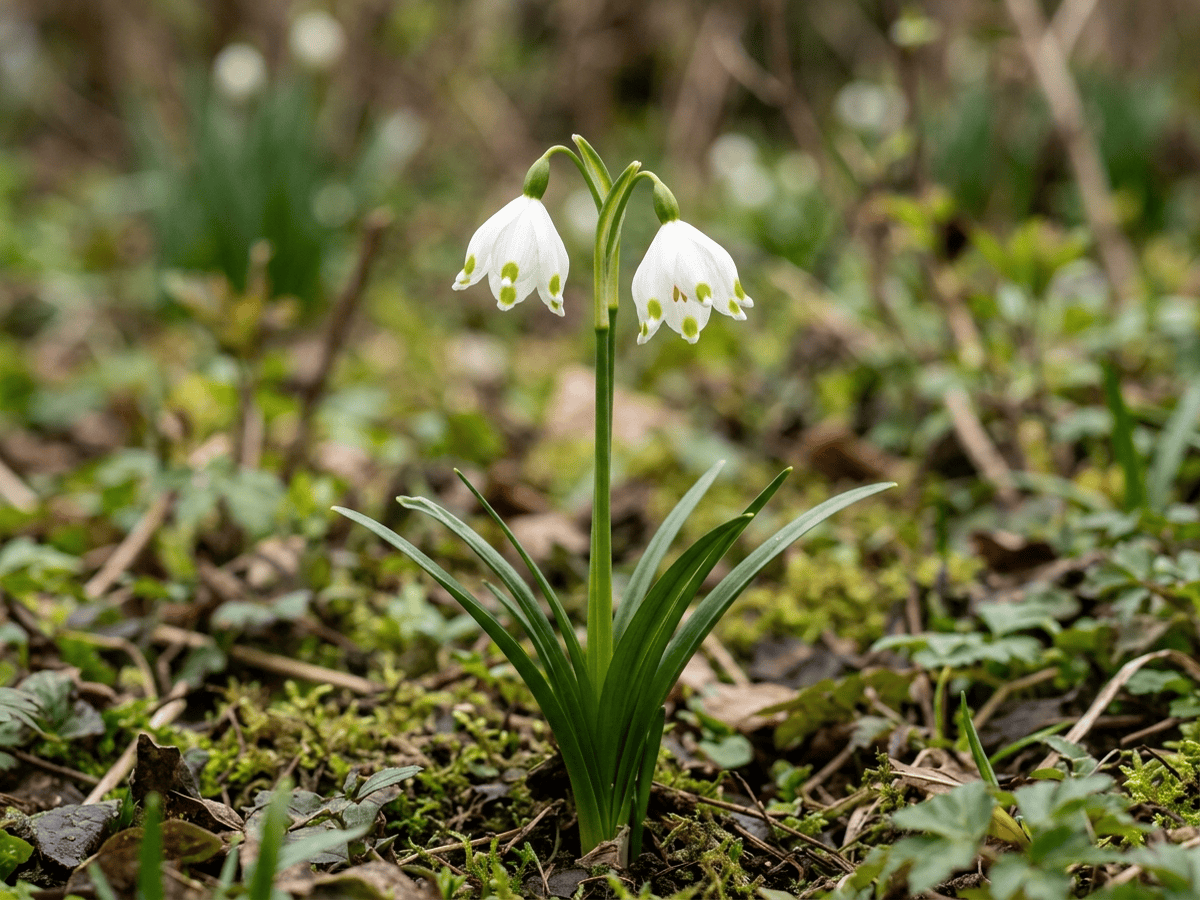
More Leucojum plants
Plants with similar care
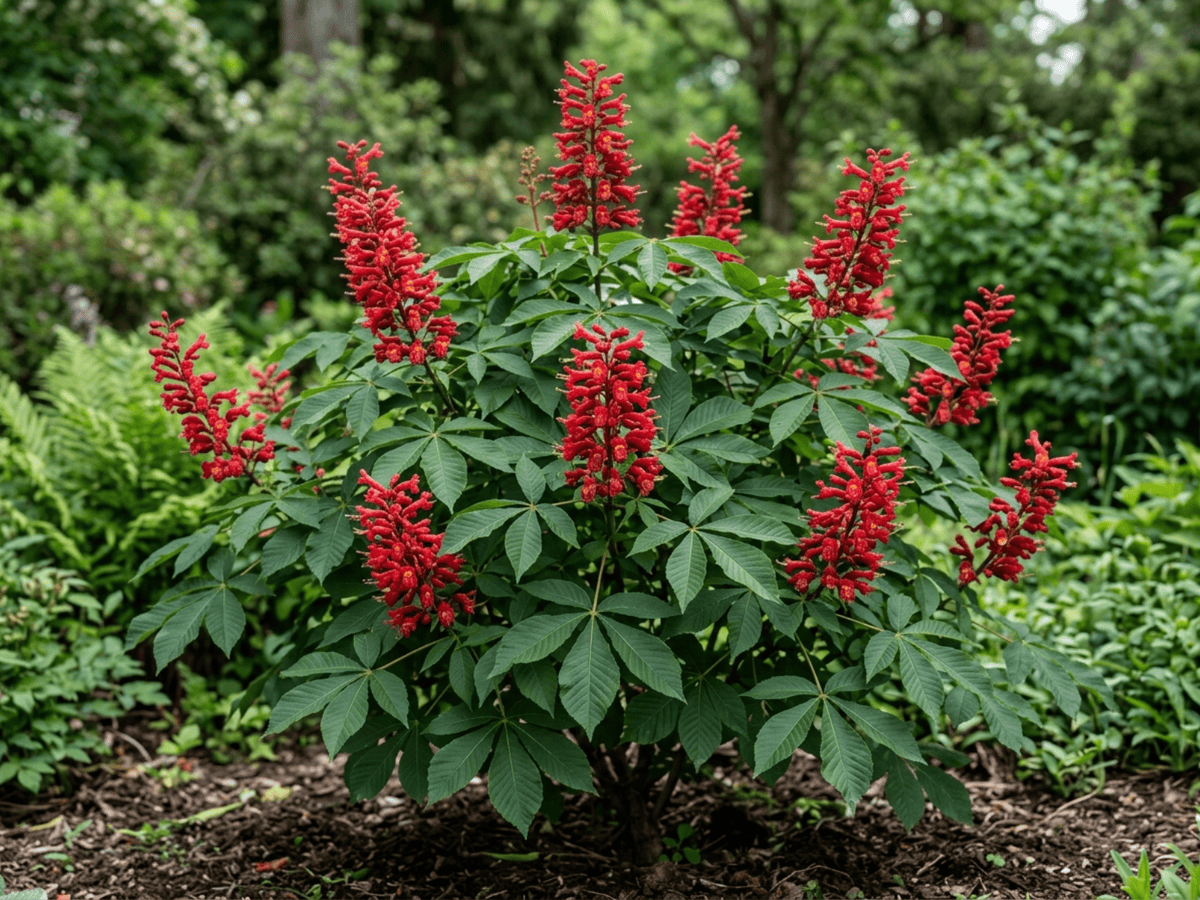 Red BuckeyeAesculus pavia
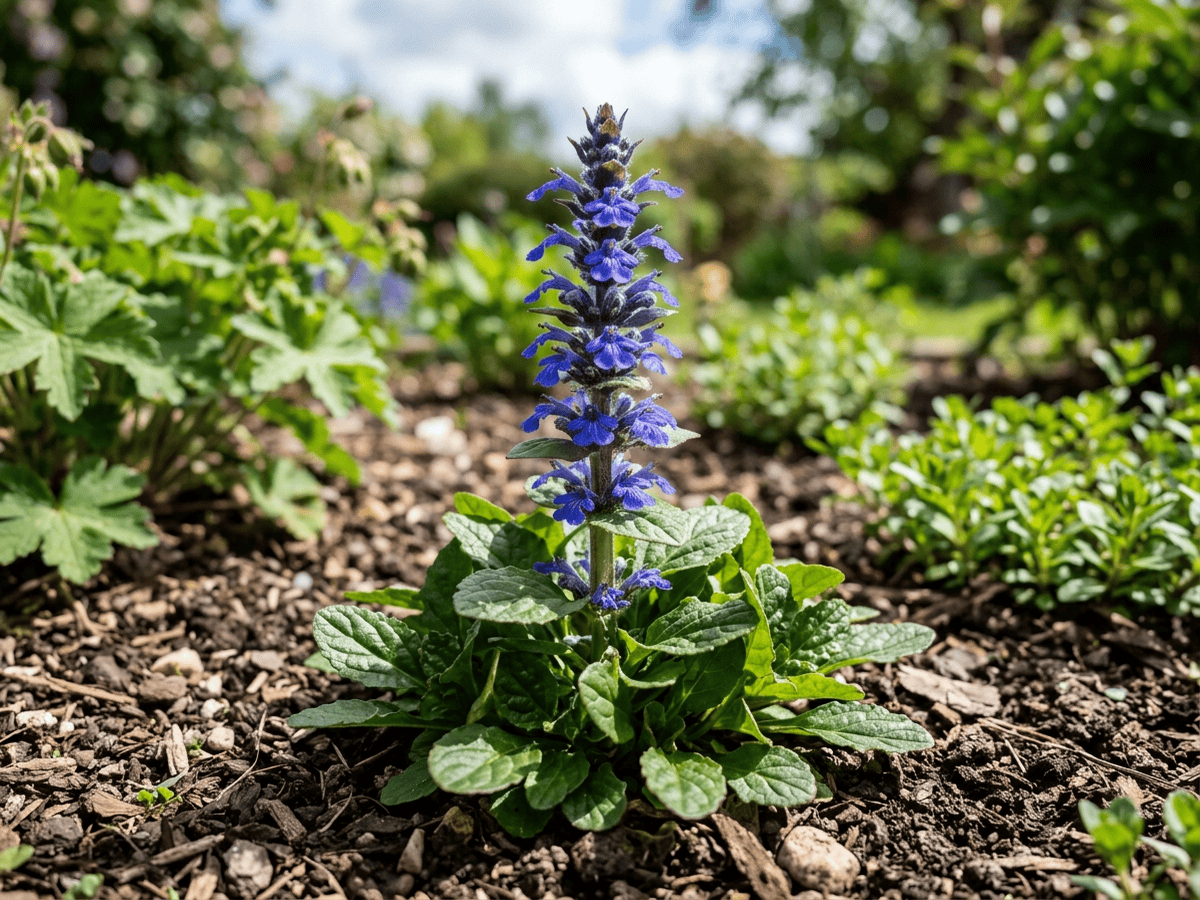 Blue BugleAjuga genevensis
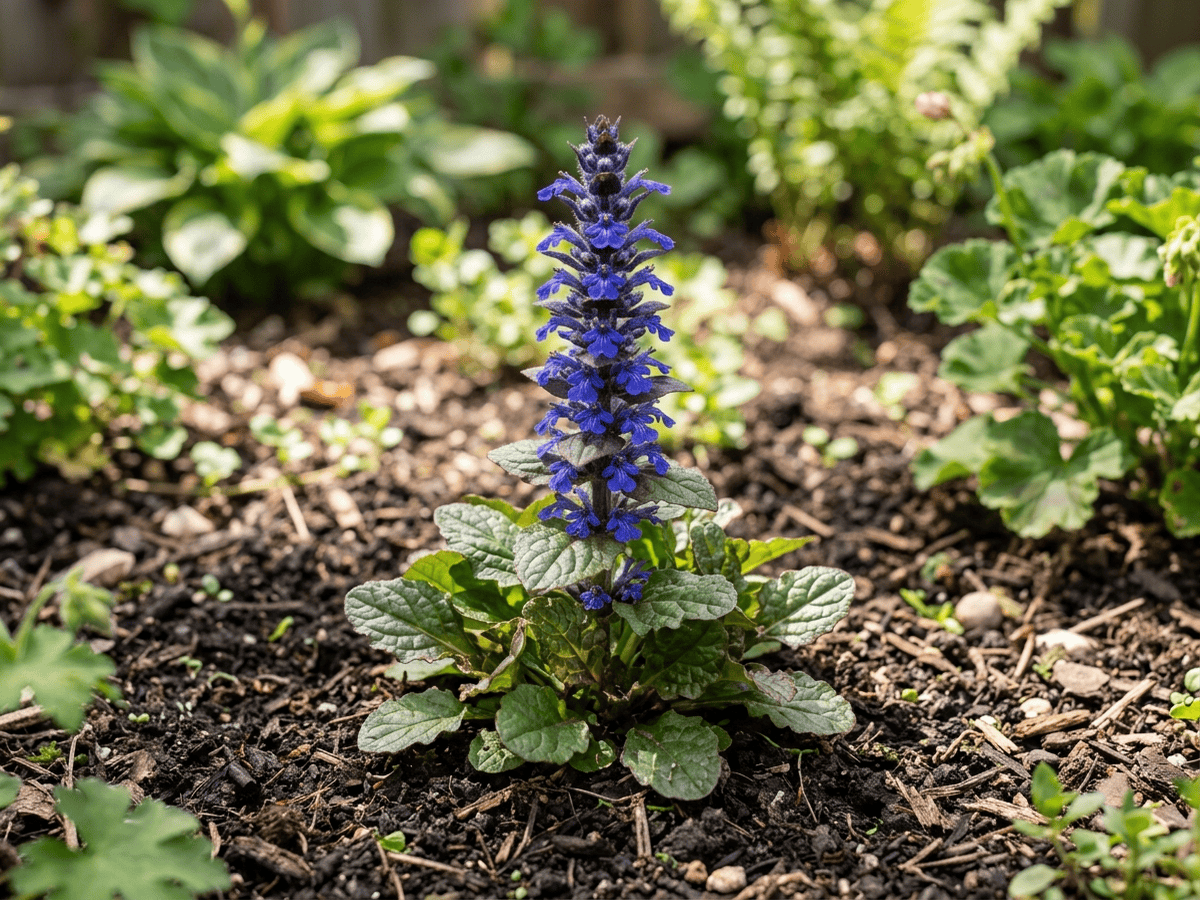 Pyramidal BugleAjuga pyramidalis
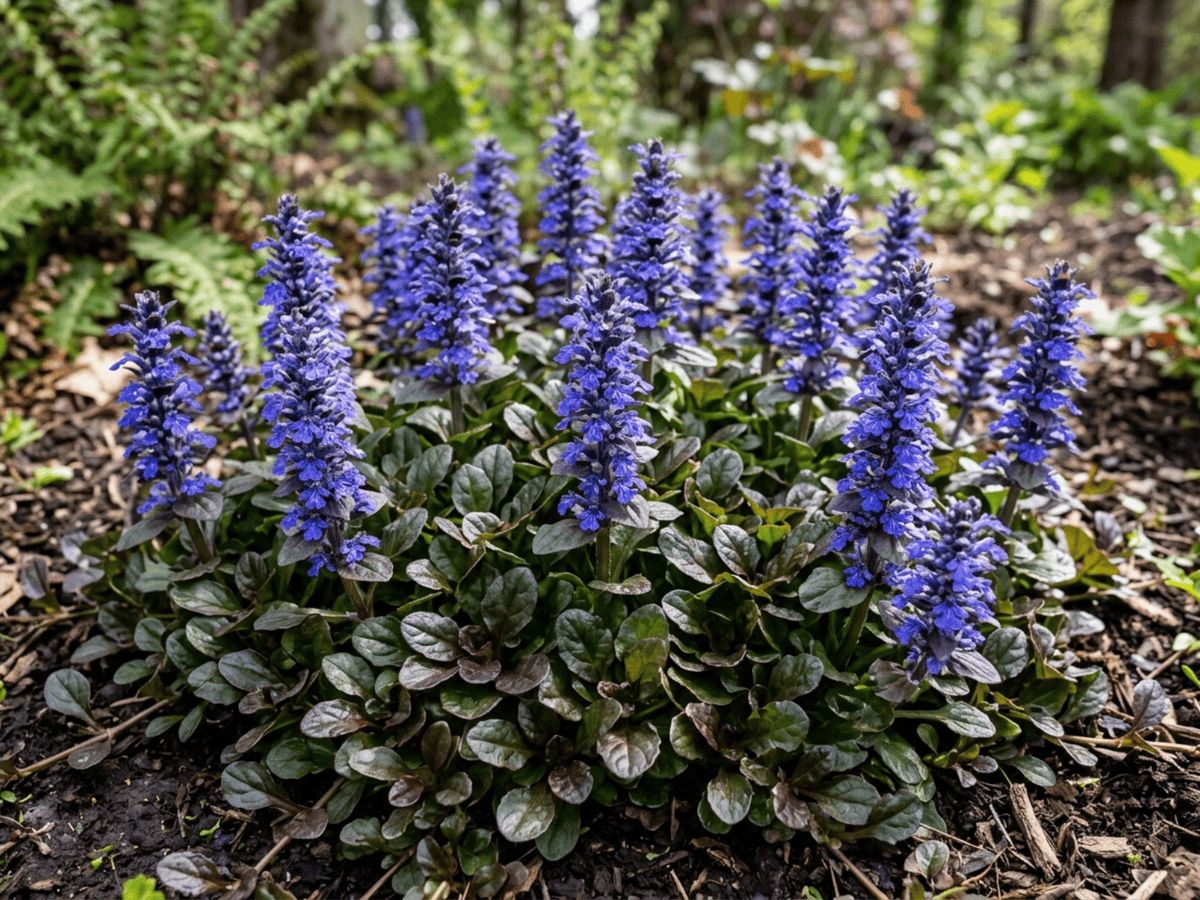 Carpet BugleAjuga reptans
Frequently asked questions
How often should I water Summer Snowflake?
In summer, water about every 3 days; in winter, about every 10 days. Adjust for heat, pot size and drainage.
How much light does Summer Snowflake need?
Part shade: 2–4 hrs direct. Watch the leaves — scorching or stretching means the light needs adjusting.
Is Summer Snowflake toxic to cats or dogs?
Pets Moderate (Dogs Moderate · Cats Moderate) Educational information, not medical or veterinary advice. If exposure is suspected, contact a doctor or veterinarian.
Is Summer Snowflake easy to grow?
Yes — it is considered an easy, beginner-friendly plant.
When does Summer Snowflake bloom?
It typically blooms Mar–May in the Northern Hemisphere.
YardMate
Identify any plant in seconds
Snap a photo — YardMate names the plant, diagnoses problems, and reminds you when to water.
Download on the App Store