 YardMate

Spring Snowflake
Leucojum vernum
Easy · Beginner friendlyAbout Spring Snowflake
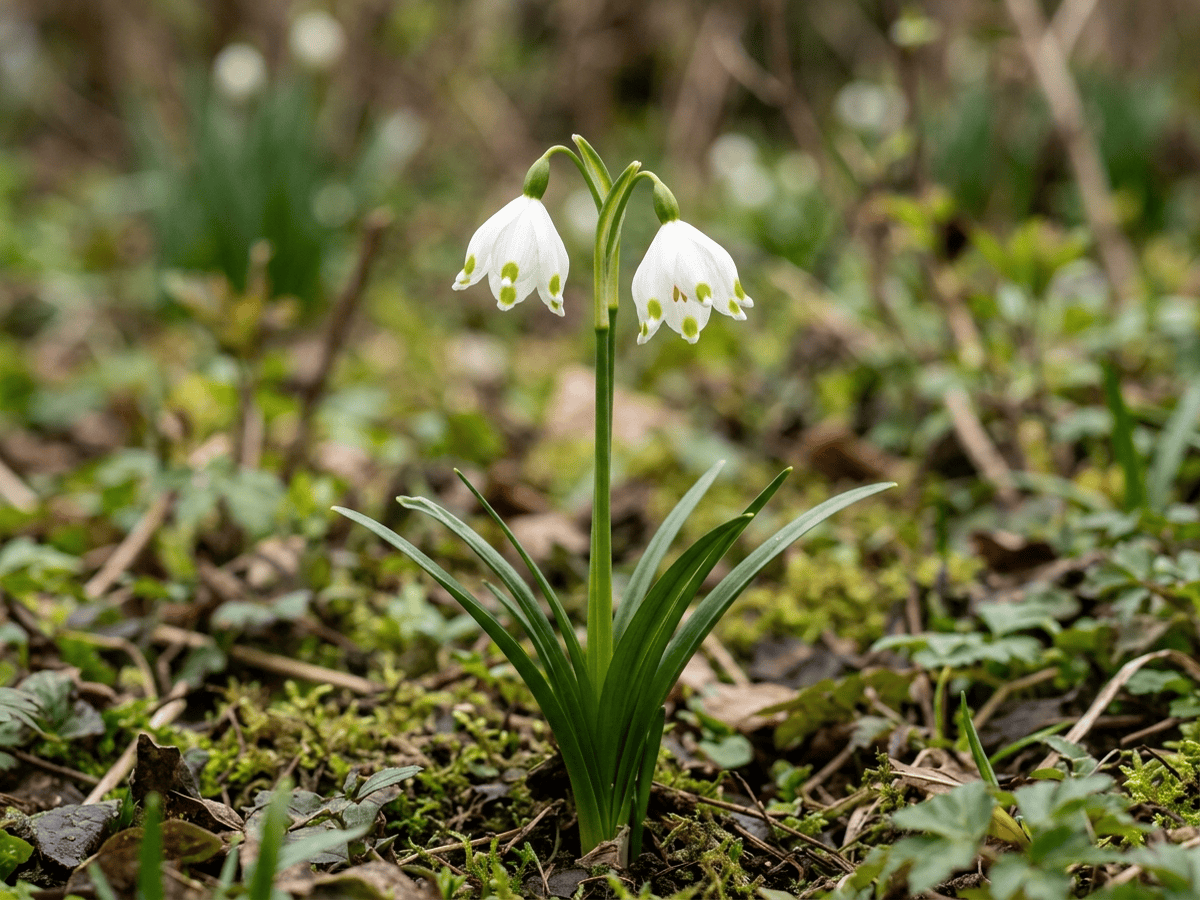
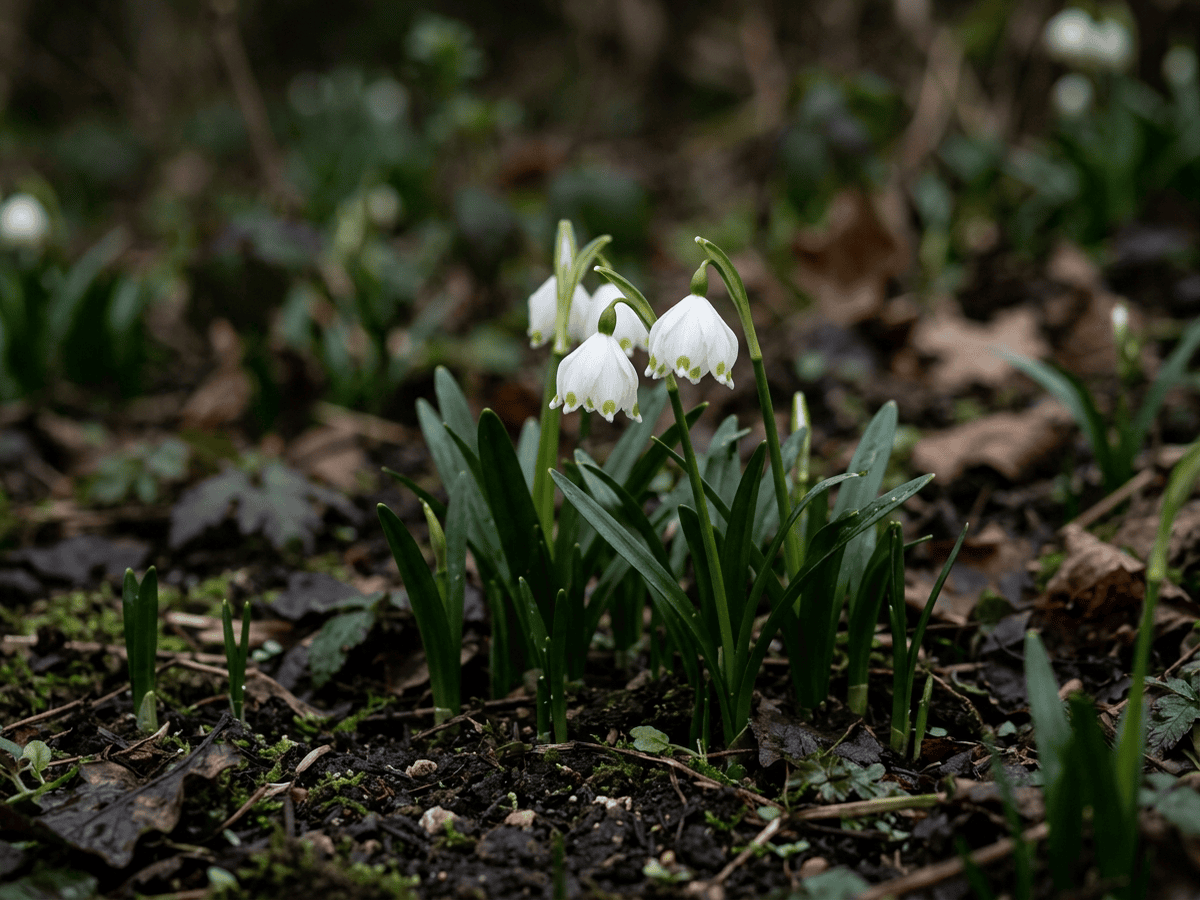
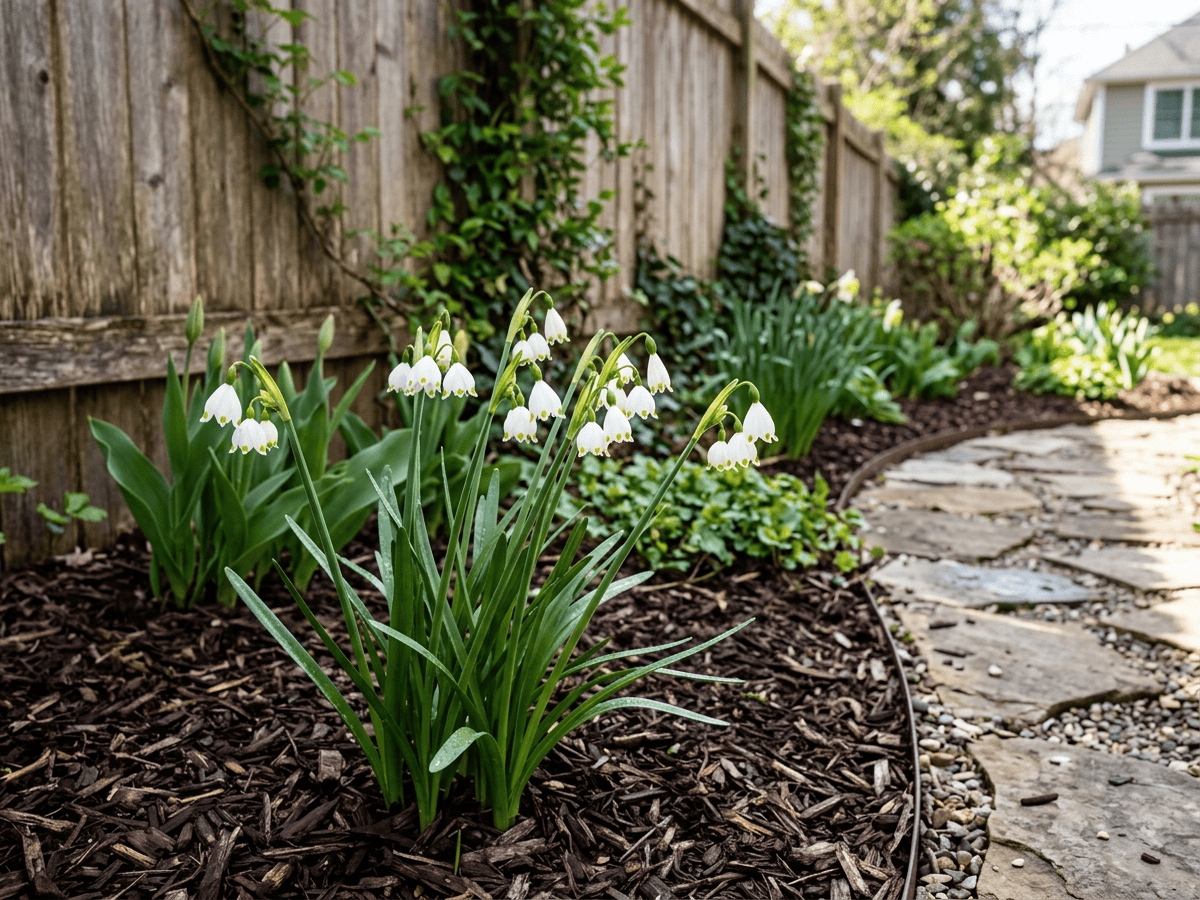
Spring Snowflake is a European woodland bulb hardy in USDA zones 3-8, producing single or paired nodding white bell flowers with green or yellow petal-tip spots in very early spring, often alongside snowdrops. Growing only 6 to 10 inches tall with strappy green leaves, it forms slow-spreading clumps in moist shaded gardens. Less commonly grown in the US than its taller summer cousin but a treasured early-spring specialty bulb.
- Shade-tolerant
- Deer-resistant
How to care for Spring Snowflake
Watering
- Springevery 3 days
- Summerpause watering
- Fallevery 10 days
- Winterevery 14 days
Soil · Well-draining
- Main mixLoam + coarse sand 3:175%
- DrainageGravel25%
Sharp drainage matters most — bulbs rot in wet soil while dormant.
FERTILIZER
Balanced Feed 14-14-14
An even feed covers all three needs at once, keeping leaves, roots and blooms moving together with nothing pushed out of balance.
- Nitrogen · Leaves
- Phosphorus · Roots + Blooms
- Potassium · Strength
- Fallevery 60 days
At a Glance
- NativeEurope, Mediterranean
- Height0.5–1 ft (0.2–0.3 m)
- Spread0.3–0.5 ft (0.1–0.2 m)
- Flower colorWhite
- Foliage colorGreen
- SoilLoamy, Moisture-retentive
- LocationsYard
Bloom time
BLOOM CYCLE
Peak bloom
Mar–Apr
Single or paired white bells with green spots in very early spring
Fragrance
LIGHT FRAGRANCE
The flowers have a lightly sweet, faintly violet-scented scent.
Toxicity
Humans Moderate · Pets Moderate
lycorine and galantamine
Moderate
- Bulb
- Ingestion
EXPOSURE Eating bulbs.
EFFECT Nausea and vomiting.
NOTE Bulbs contain Amaryllidaceae alkaloids.
Moderate
- Bulb
- Ingestion
EXPOSURE Eating bulbs.
EFFECT Vomiting and diarrhea.
NOTE Bulbs contain Amaryllidaceae alkaloids.
Moderate
- Bulb
- Ingestion
EXPOSURE Eating bulbs.
EFFECT Vomiting and diarrhea.
NOTE Bulbs contain Amaryllidaceae alkaloids.
Educational information, not medical or veterinary advice. If exposure is suspected, contact a doctor or veterinarian.
DISTRIBUTION

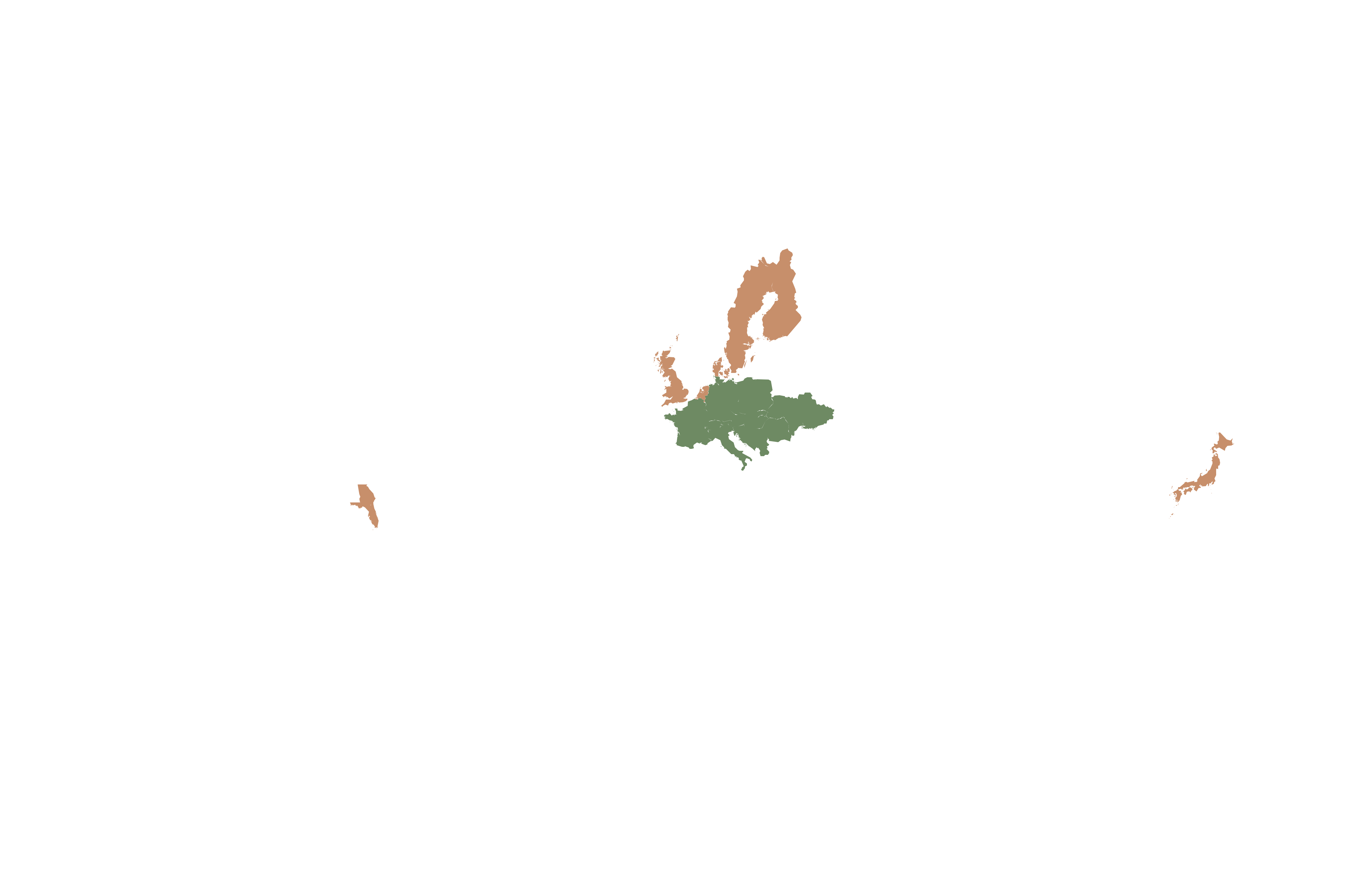
- Native
- Introduced
- Europe
- Mediterranean
History
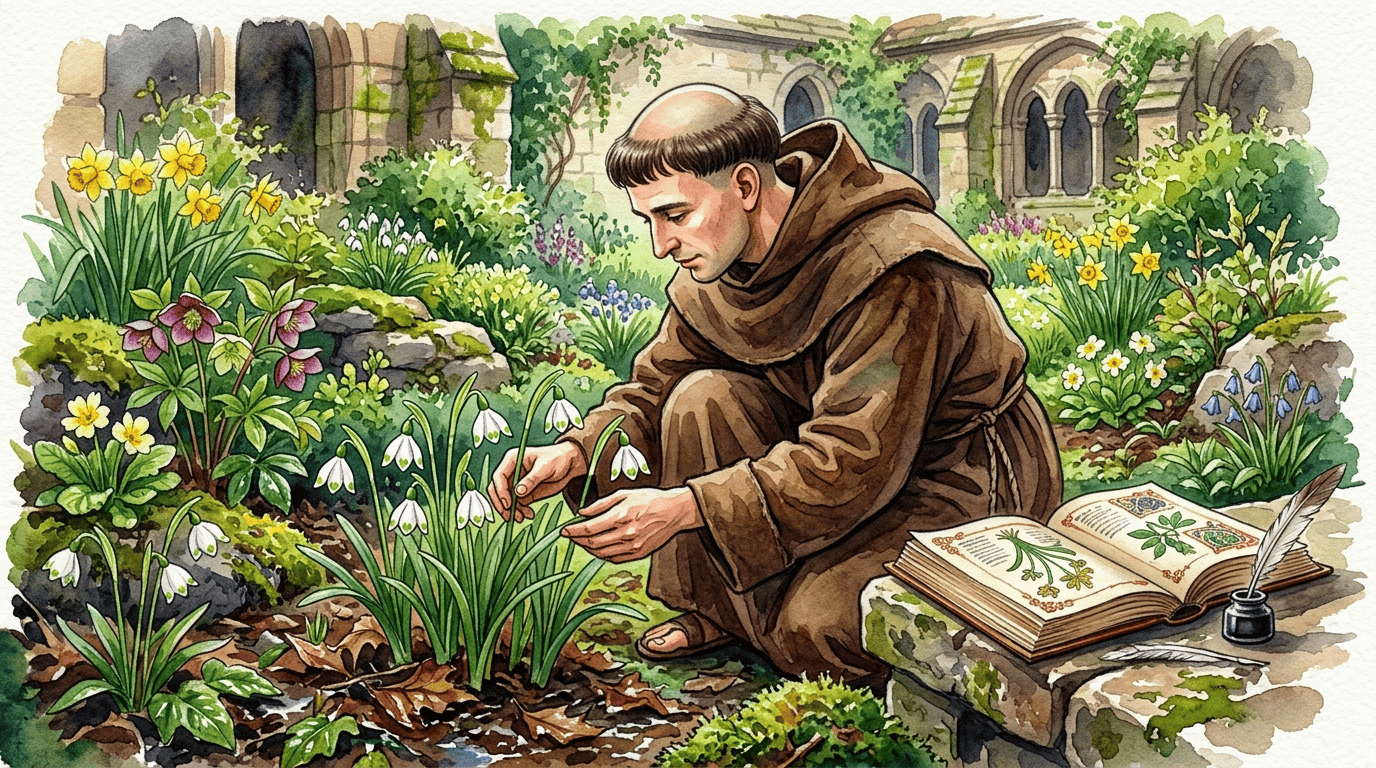
Leucojum vernum grows in deciduous forest floors and moist meadows across central and southern Europe, from France through Germany and Austria into the Balkans. Linnaeus described it in Species Plantarum (1753). The genus name Leucojum derives from Greek leukos ion (white violet), and vernum marks its spring-flowering habit.
It predates L. aestivum in garden history, cultivated by monastic herbalists since the medieval period and mentioned in Turner's 1548 herbal. Often confused with snowdrops at a distance, it is distinguished by six equal tepals each tipped with a green spot, versus the snowdrop's three outer and three inner tepals of different sizes. The cultivar 'Carpathicum' bears yellow tips instead of green and has been grown since the 19th century.
'Gertrude Wister' (1970s) has bold yellow spots. Native to central and southern Europe, cultivated in European gardens since at least the 1500s. Introduced to American horticulture in the 1800s but never as widespread as summer snowflake. Remains a specialty bulb for discerning American bulb collectors and shade gardeners.
Symbolism & meaning
What It Symbolizes
Spring Snowflake embodies early courage, blooming while frost still lingers and most of the garden is sleeping. Its tiny green-tipped white bells are easily overlooked — a hidden treasure for collectors who know to bend close. A bulb for those who admire bravery in small, quiet packages, the kind of plant only noticed by people already paying attention.
- Early courage — blooms while frost still lingers
- Hidden treasure — small and easily overlooked collector's gem
Where the Name Comes From
'vernum' from Latin means spring, accurately reflecting the early-spring bloom time unlike its misnamed summer cousin.
Uses & Fun Facts
- Nodding white snowdrop-like bells emerge in late winter
- Bulbs naturalize into sweeping drifts beneath deciduous trees
Related plants
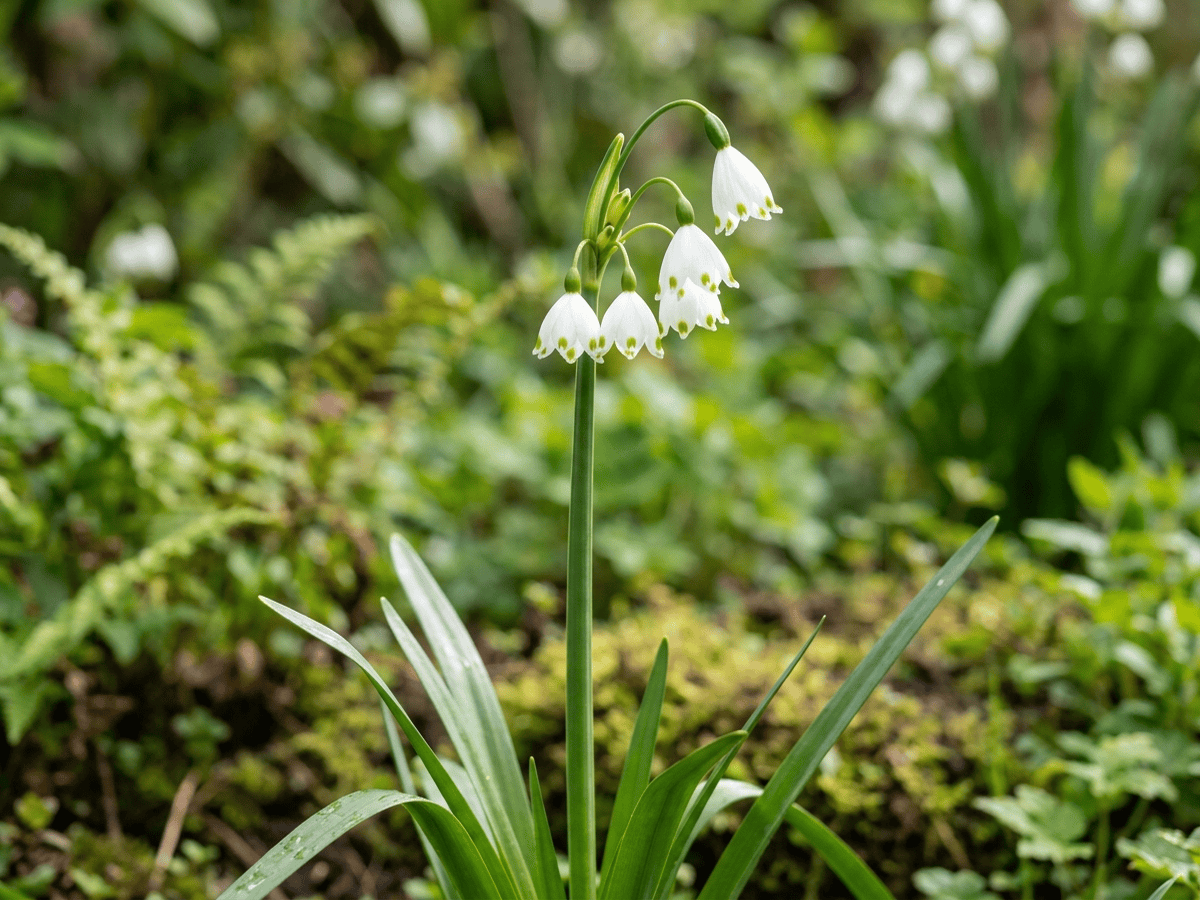
More Leucojum plants
Plants with similar care
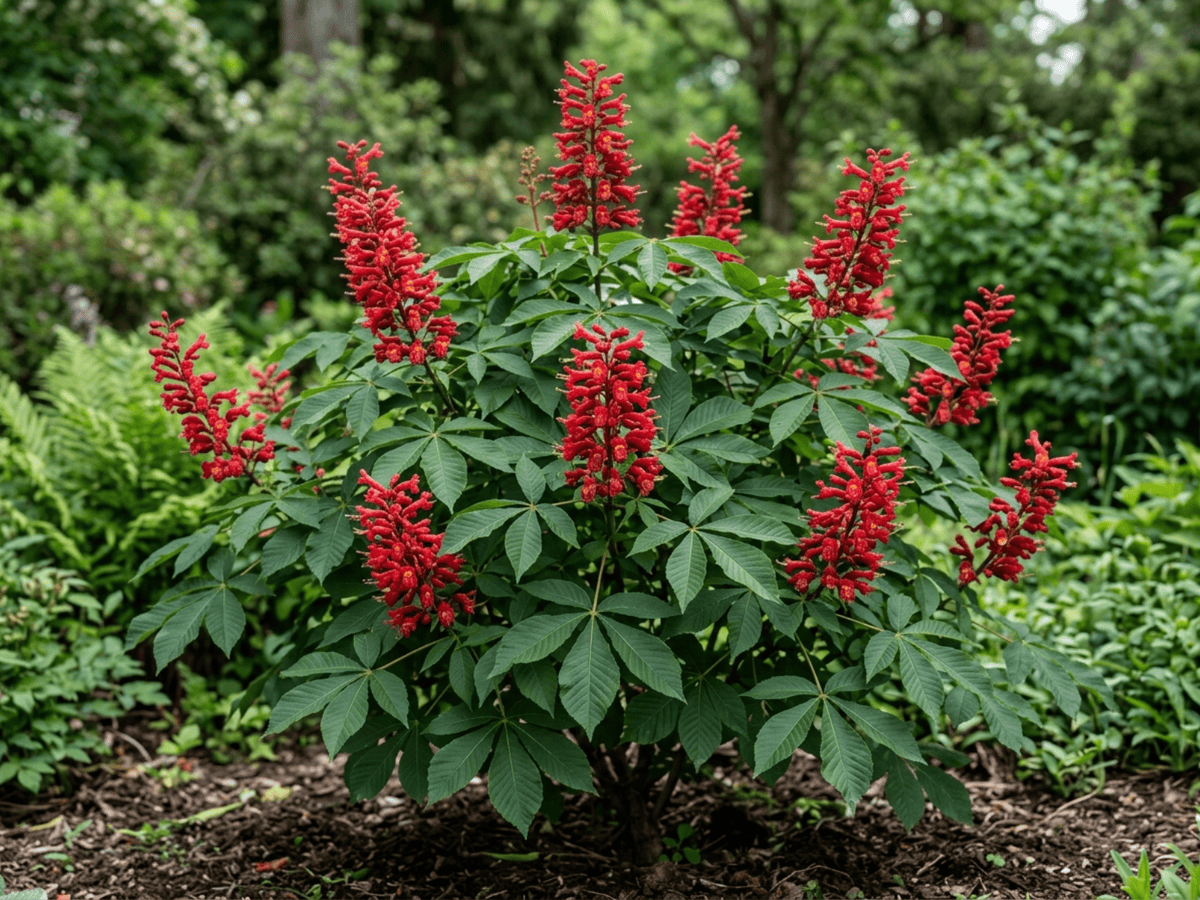 Red BuckeyeAesculus pavia
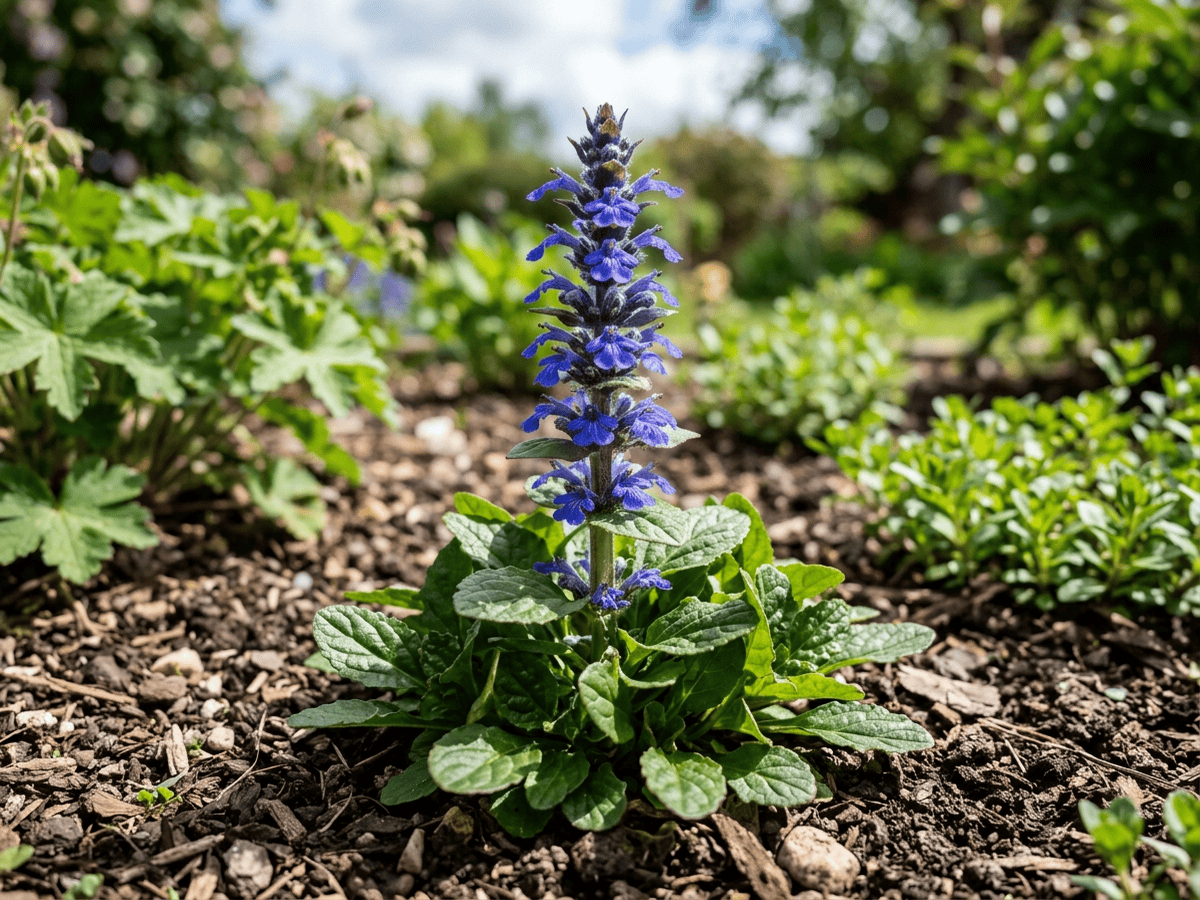 Blue BugleAjuga genevensis
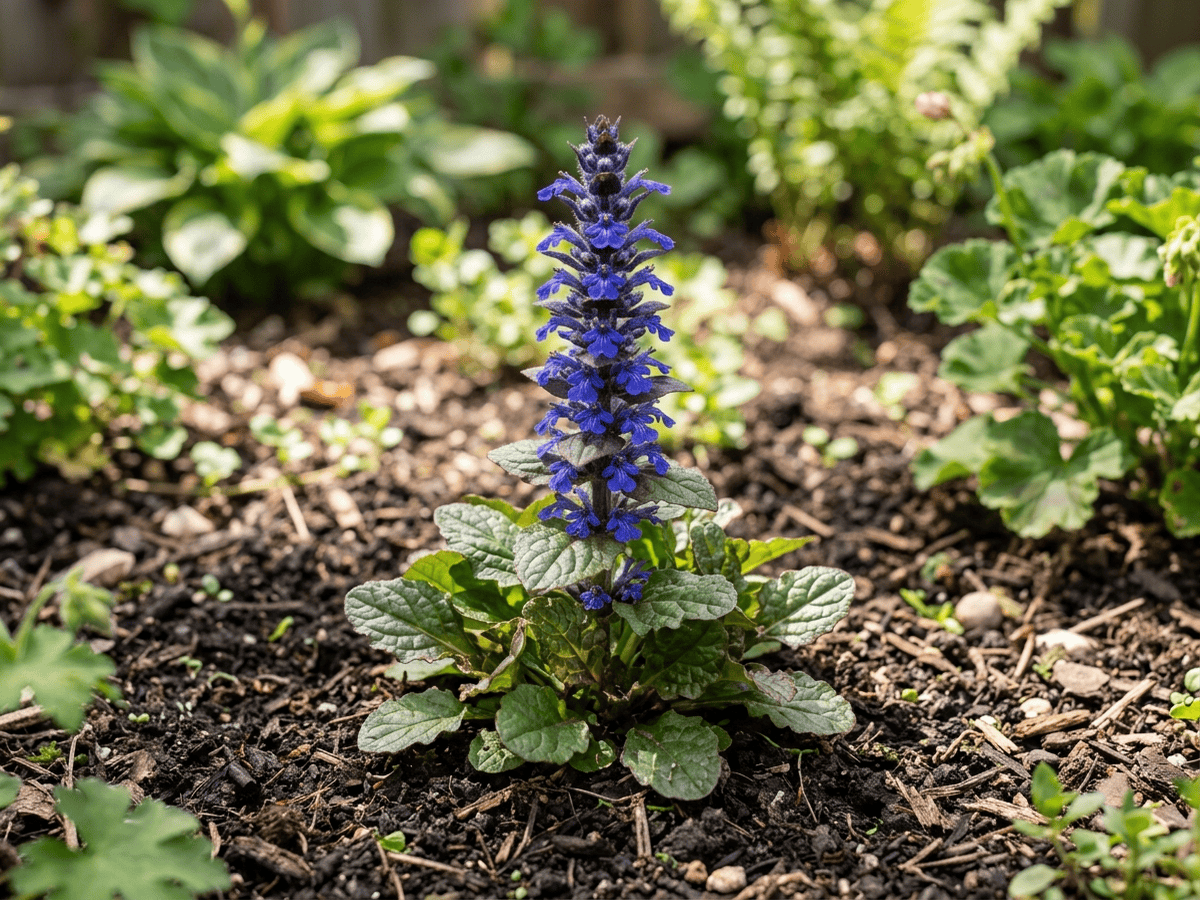 Pyramidal BugleAjuga pyramidalis
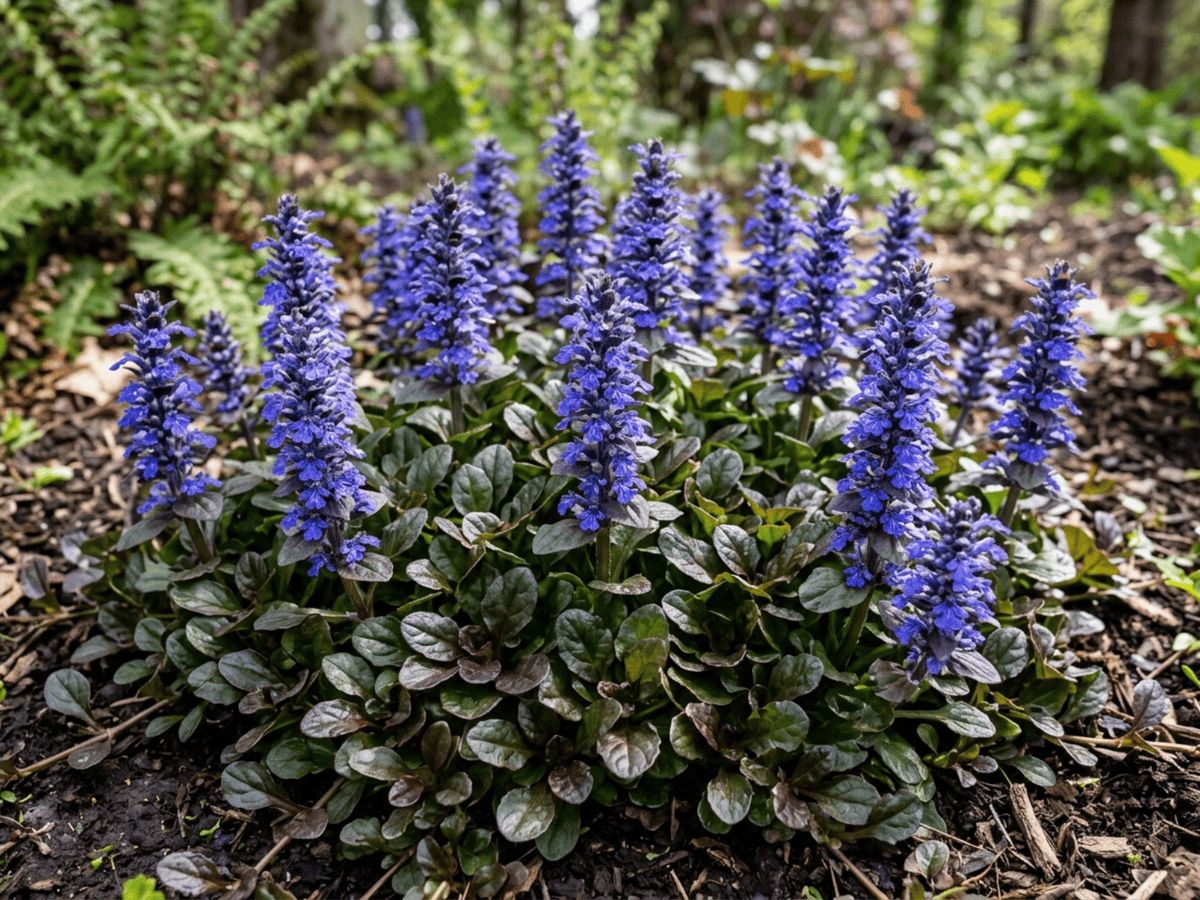 Carpet BugleAjuga reptans
Frequently asked questions
How often should I water Spring Snowflake?
Water about every 3 days during the growing season, and always let excess water drain away.
How much light does Spring Snowflake need?
Part shade: 2–4 hrs direct. Watch the leaves — scorching or stretching means the light needs adjusting.
Is Spring Snowflake toxic to cats or dogs?
Pets Moderate (Dogs Moderate · Cats Moderate) Educational information, not medical or veterinary advice. If exposure is suspected, contact a doctor or veterinarian.
Is Spring Snowflake easy to grow?
Yes — it is considered an easy, beginner-friendly plant.
When does Spring Snowflake bloom?
It typically blooms Mar–Apr in the Northern Hemisphere.
YardMate
Identify any plant in seconds
Snap a photo — YardMate names the plant, diagnoses problems, and reminds you when to water.
Download on the App Store