 YardMate

Swamp Dog-Laurel
Leucothoe axillaris
Medium · Some experienceAbout Swamp Dog-Laurel
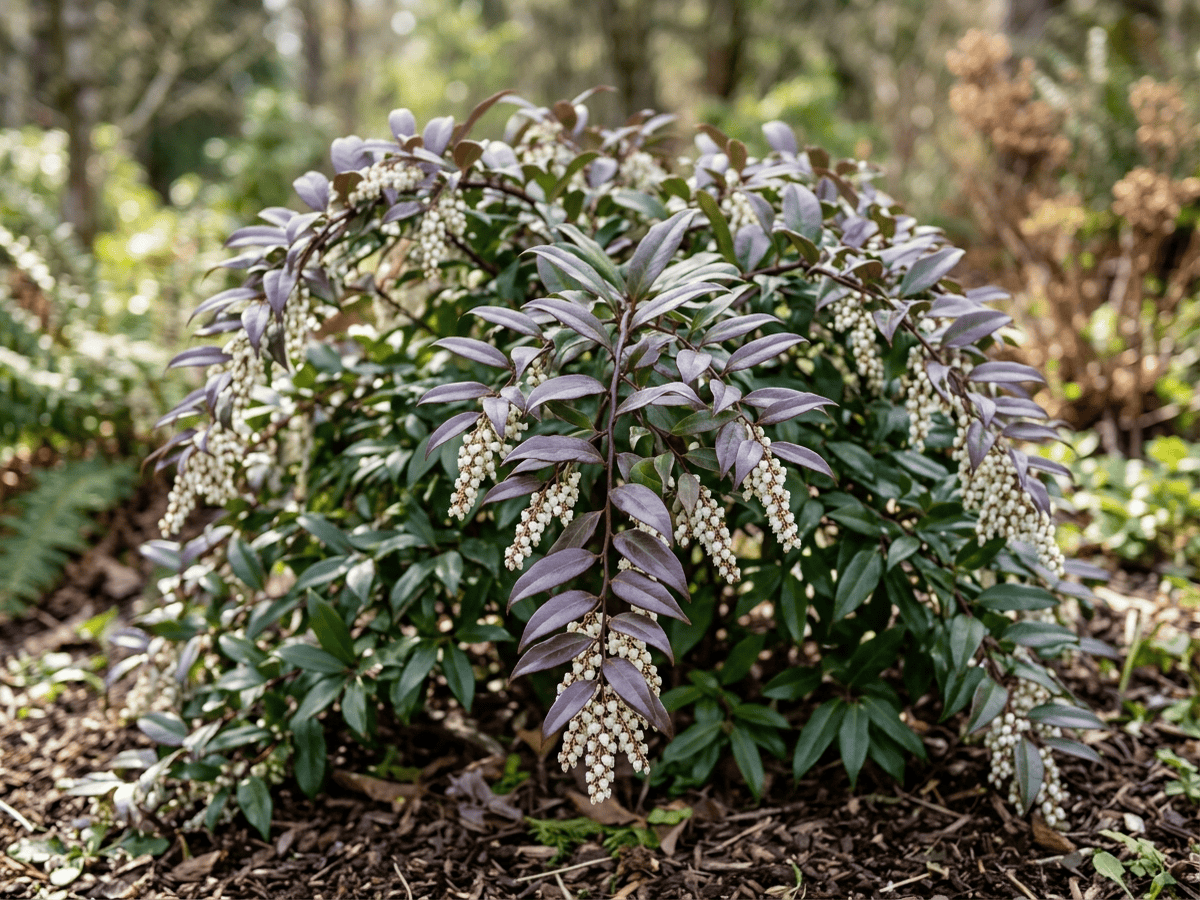
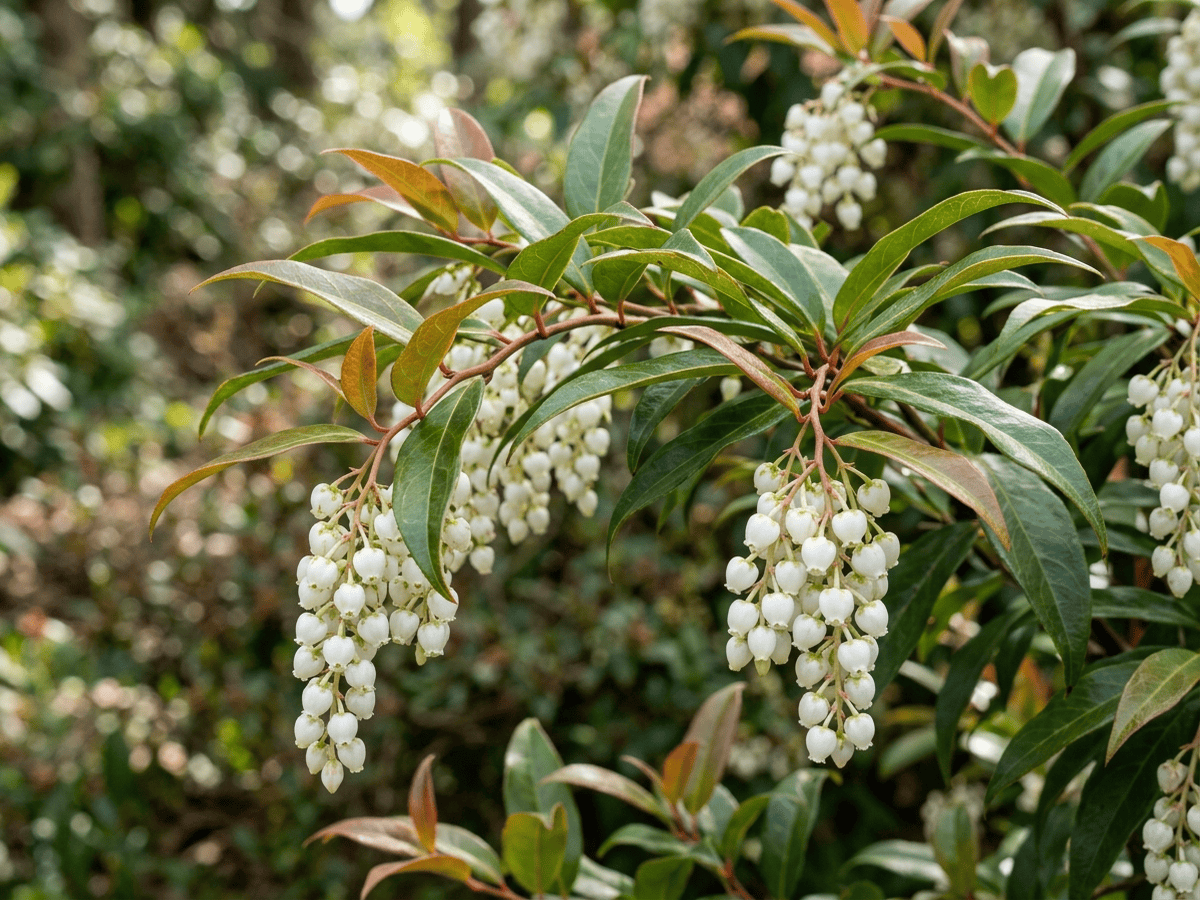
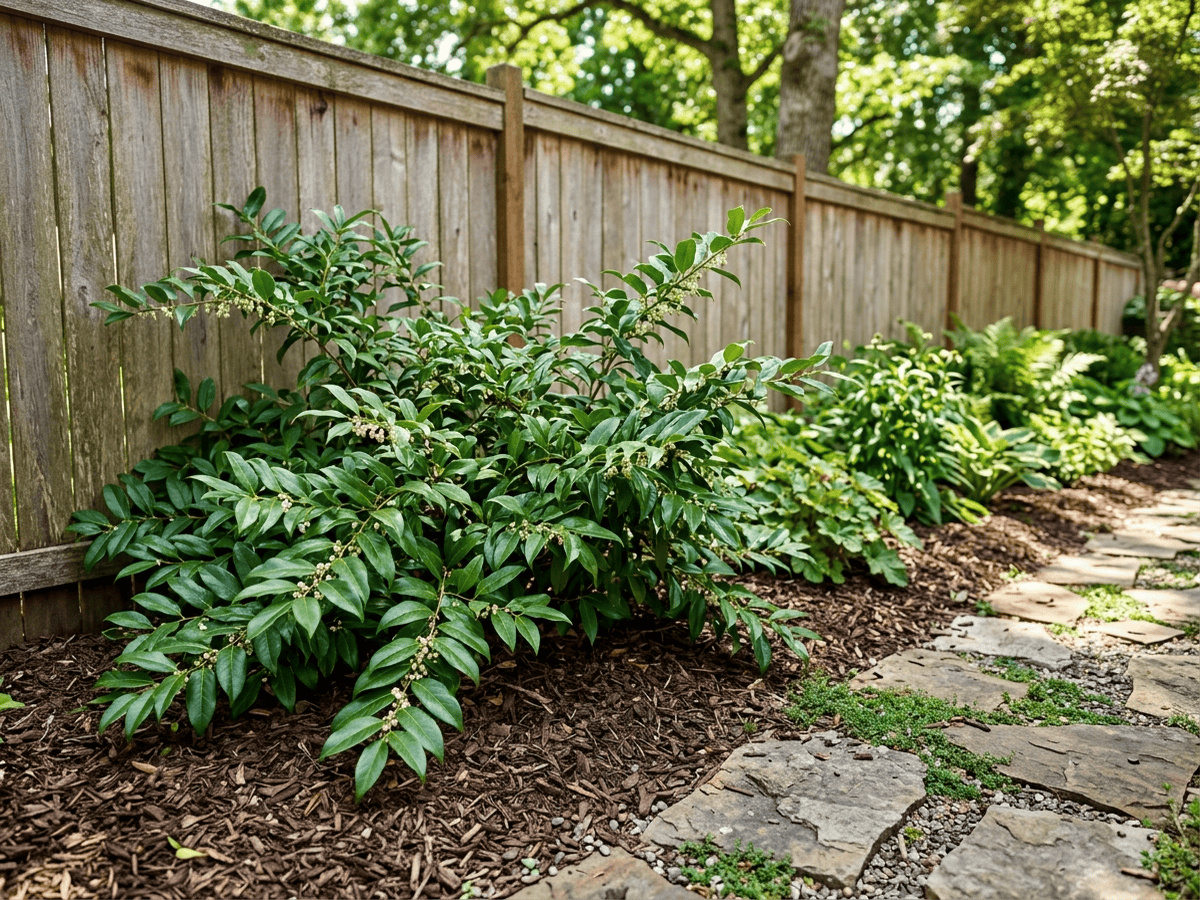
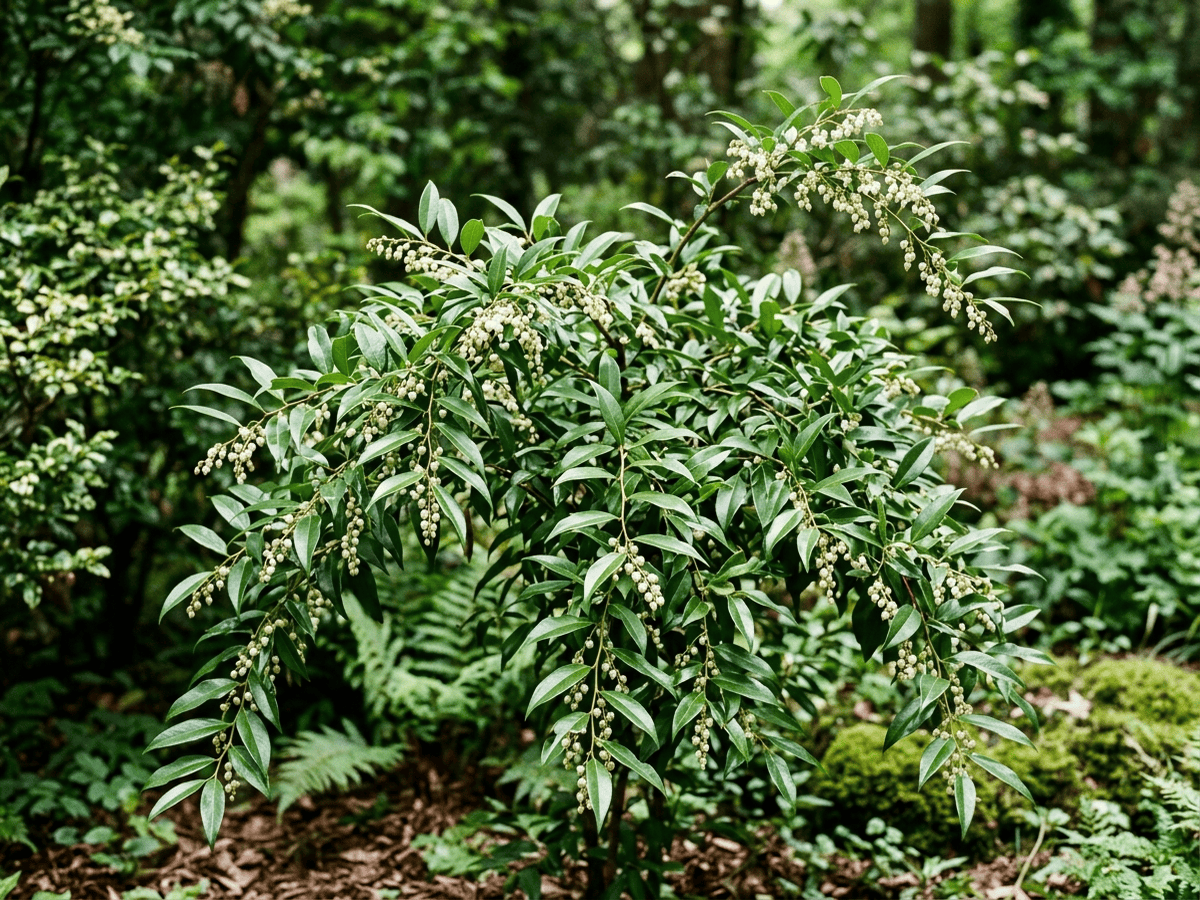
Coastal Doghobble is a graceful evergreen shrub native to the Southeast US coastal plain from Virginia to Florida, reaching 2-4 feet tall with arching branches clothed in leathery dark green lance-shaped leaves. In spring it produces small fragrant urn-shaped white flowers in drooping clusters along the stems, followed by attractive bronze to purple winter foliage. A valued understory shrub for Southern shade gardens, it thrives in moist acidic soils beneath oaks and pines.
- Fragrant
- Shade-tolerant
- Evergreen
- Native
How to care for Swamp Dog-Laurel
Watering
- Springevery 5 days
- Summerevery 3 days
- Fallevery 7 days
- Winterevery 14 days
Soil · Acidic · pH 4.5–6
- Top dressingPine needle mulch10%
- Main mixAcid-lover mix + peat 3:175%
- DrainageGravel15%
Never add lime or wood ash — it cancels out the acidity.
FERTILIZER
Acid-Loving Feed 4-3-4
One bag does both jobs. An acid feed carries the usual nitrogen, phosphorus and potassium, plus the sulfur and iron that keep the soil sour enough for the roots to take them up at all.
- Nitrogen · Leaves
- Phosphorus · Roots + Blooms
- Potassium · Strength
- Springevery 30 days
At a Glance
- NativeNorth America
- Height2–4 ft (0.6–1.2 m)
- Spread4–6 ft (1.2–1.8 m)
- Flower colorWhite
- Foliage colorDark-green, Green, Purple, Red
- SoilMoisture-retentive, Loamy, Acidic
- LocationsYard
Bloom time
BLOOM CYCLE
Peak bloom
Apr–May
White bell-shaped flowers April to May
Fragrance
MODERATE FRAGRANCE
Sweet honey-lily fragrance from urn-shaped flowers.
Toxicity
Humans Toxic · Pets Toxic
grayanotoxins
Toxic
- Leaf
- Flower
- Nectar
- Ingestion
EXPOSURE Eating leaves, flowers, and nectar.
EFFECT Nausea, vomiting, bradycardia, hypotension from grayanotoxins.
NOTE Documented concern for humans: Nausea, vomiting, bradycardia, hypotension from grayanotoxins.
Toxic
- Leaf
- Flower
- Ingestion
EXPOSURE Eating leaves and flowers.
EFFECT Vomiting, diarrhea, weakness, cardiac arrhythmia.
NOTE ASPCA toxic. Shares grayanotoxin toxicity of Rhododendron/Pieris/Kalmia.
Toxic
- Leaf
- Flower
- Ingestion
EXPOSURE Eating leaves and flowers.
EFFECT Vomiting, diarrhea, weakness, cardiac arrhythmia.
NOTE ASPCA toxic. Shares grayanotoxin toxicity of Rhododendron/Pieris/Kalmia.
Educational information, not medical or veterinary advice. If exposure is suspected, contact a doctor or veterinarian.
DISTRIBUTION


- Native
- Introduced
- North America
History
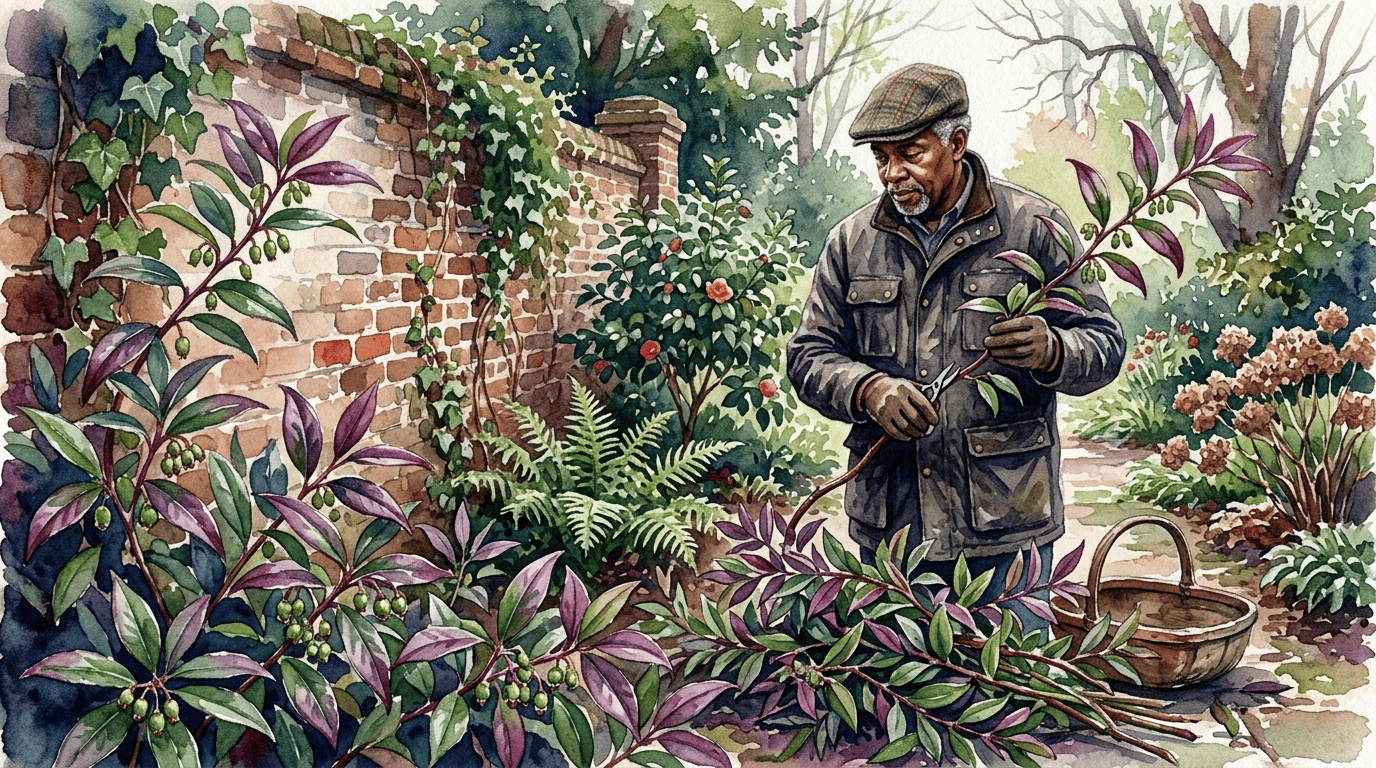
Leucothoe axillaris occurs naturally in the Atlantic and Gulf Coastal Plain of the southeastern United States from Virginia south through Florida and west to southeastern Louisiana, typically in acidic woodland streamheads, seepage slopes, and wet pine flatwoods. French botanist Jean-Baptiste Lamarck described it as Andromeda axillaris in 1783, and Scottish botanist David Don transferred it to the genus Leucothoe in 1834. The genus name honors Leucothoe, a figure in Greek mythology transformed into a flowering shrub by the god Apollo.
The 1-1.5 meter shrub features arching zigzag stems with glossy evergreen lanceolate leaves that often turn rich purple-red in winter. Small white urn-shaped flowers in leaf axils (hence axillaris) open in April-May, emitting a subtle sweet honey-lily fragrance. The species resembles the closely related and better-known L. fontanesiana of mountain regions but is smaller and more compact.
Modern cultivars include 'Little Flames', 'Scarletta' ('Zeblid'), 'Rainbow', and 'Girard's Rainbow' with variegated or highly colored new growth. Like its rhododendron relatives, all parts are toxic due to grayanotoxins. A Southern heritage plant long cultivated in Charleston and Savannah gardens, prized for evergreen texture in deep shade. Native American tribes used branches in ceremonies.
Symbolism & meaning
What It Symbolizes
Swamp Dog-Laurel makes visible Devotion — an evergreen that holds its glossy leaves through Southern winters while many neighbors drop theirs at the first hard frost. Its arching branches lend the shrub a quiet grace, soft enough to soften the edge of any woodland path. Loyalty and gentle motion captured together in one understory shrub.
- Devotion — evergreen loyalty through Southern winters
- Grace — arching branches evoke gentle movement
Where the Name Comes From
The name Swamp Dog-Laurel points to wetland habitats. Genus honors Leucothoe of Greek myth; 'axillaris' refers to flowers borne in leaf axils.
Uses & Fun Facts
- Arching evergreen branches with bronze winter foliage
- Low spreading native shrub for shaded woodland slopes
- Pendant white flower clusters draw spring bees
Related plants
More Leucothoe plants
Plants with similar care
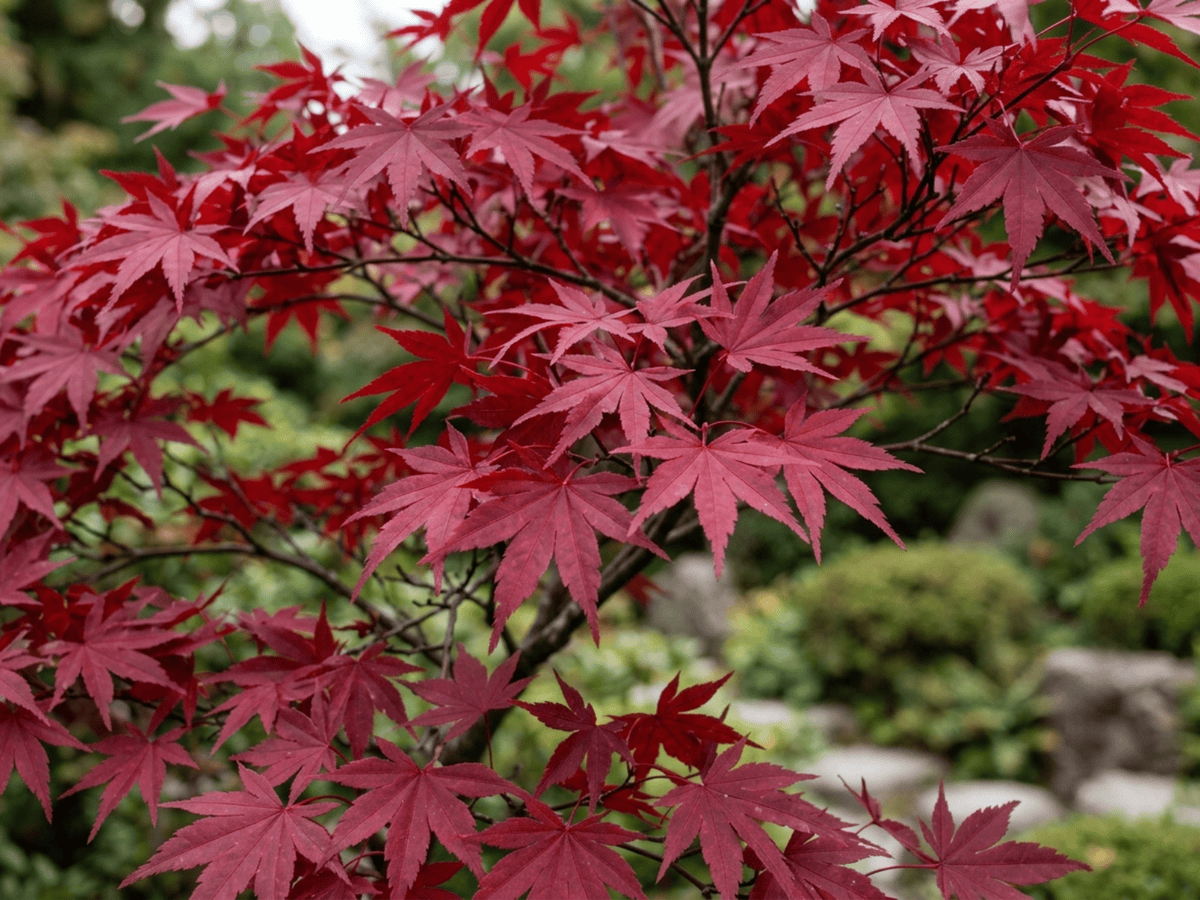 Japanese MapleAcer palmatum
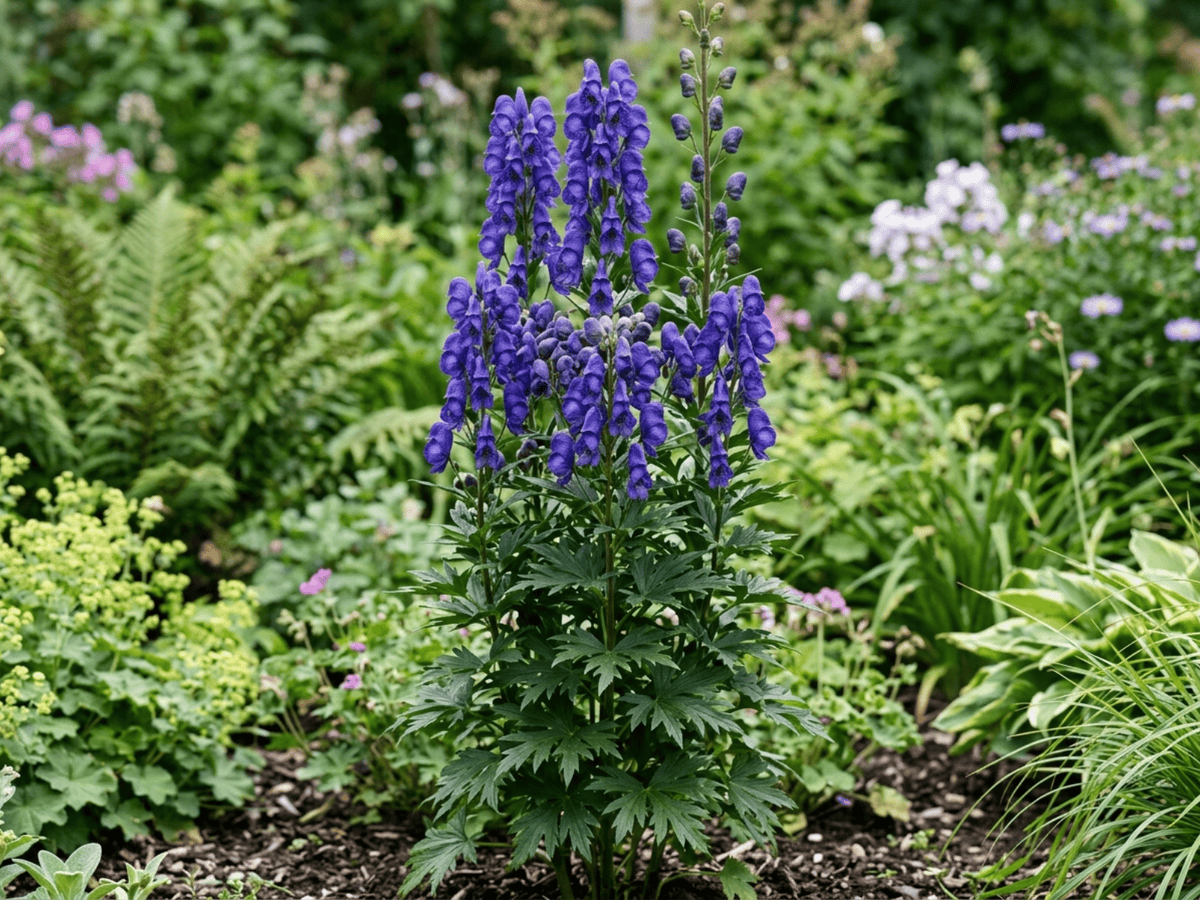 Azure MonkshoodAconitum carmichaelii
 Florida HobblebushAgarista populifolia
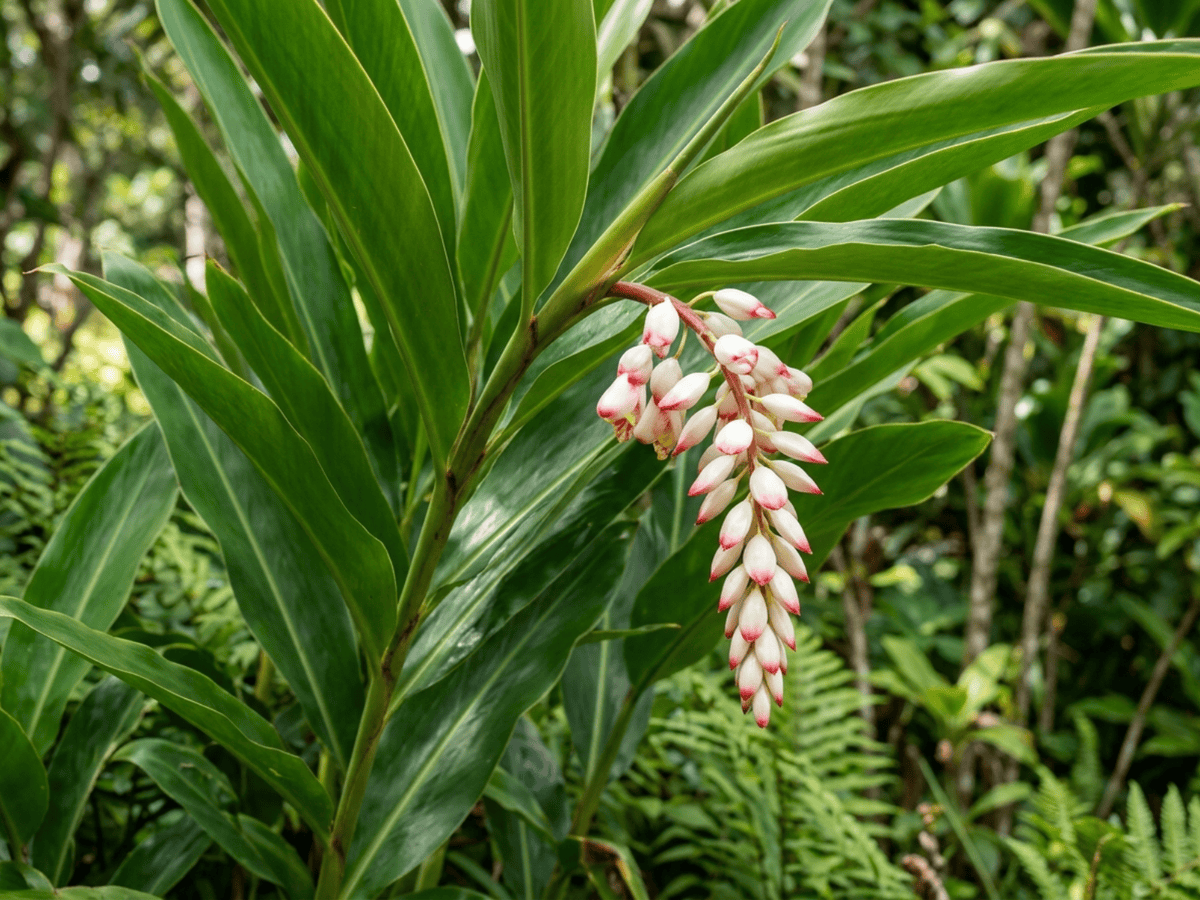 Shell GingerAlpinia zerumbet
Frequently asked questions
How often should I water Swamp Dog-Laurel?
In summer, water about every 3 days; in winter, about every 14 days. Adjust for heat, pot size and drainage.
How much light does Swamp Dog-Laurel need?
Part shade: 2–4 hrs direct. Watch the leaves — scorching or stretching means the light needs adjusting.
Is Swamp Dog-Laurel toxic to cats or dogs?
Pets Toxic (Dogs Toxic · Cats Toxic) Educational information, not medical or veterinary advice. If exposure is suspected, contact a doctor or veterinarian.
Is Swamp Dog-Laurel easy to grow?
It is moderately demanding: a good choice once you have a little experience.
When does Swamp Dog-Laurel bloom?
It typically blooms Apr–May in the Northern Hemisphere.
YardMate
Identify any plant in seconds
Snap a photo — YardMate names the plant, diagnoses problems, and reminds you when to water.
Download on the App Store