 YardMate



Twinflower
Linnaea borealis
Medium · Some experienceAbout Twinflower
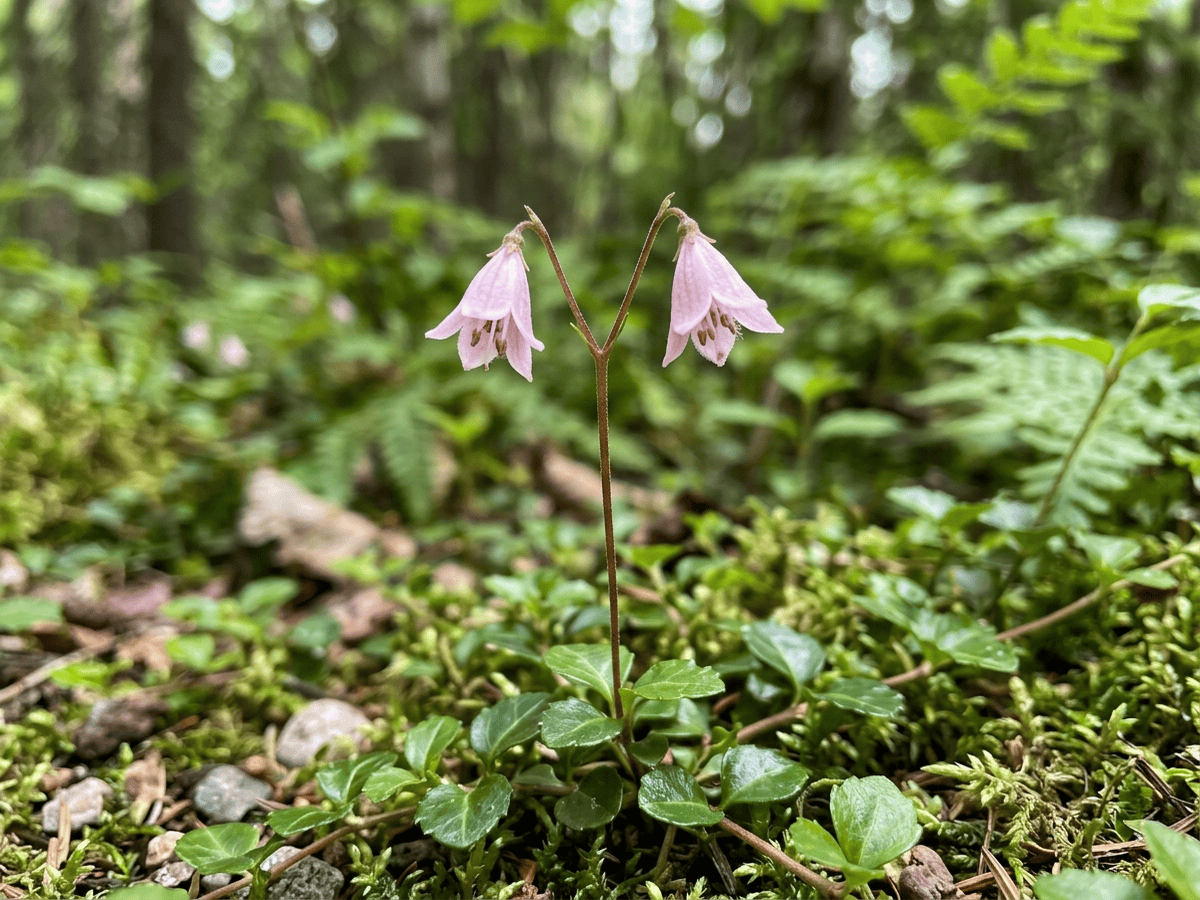
Twinflower is a delicate trailing evergreen native to cool temperate and boreal forests across the northern hemisphere, including the northern tier of the United States and most of Canada. Its slender stems hold paired pink, fragrant, bell-shaped flowers on Y-shaped stalks just a few inches above creeping mats of small evergreen leaves. Carl Linnaeus, the father of modern botanical naming, declared this his favorite flower, and the genus was named in his honor.
- Fragrant
- Shade-tolerant
- Groundcover
- Evergreen
How to care for Twinflower
Watering
- Springevery 5 days
- Summerevery 4 days
- Fallevery 7 days
- Winterevery 14 days
Soil · Acidic · pH 4.5–6
- Top dressingPine needle mulch10%
- Main mixAcid-lover mix + peat 3:175%
- DrainageGravel15%
Never add lime or wood ash — it cancels out the acidity.
FERTILIZER
This plant needs little to no feeding.
At a Glance
- NativeNorth America, Europe, East Asia
- Height0.3–0.5 ft (0.1–0.2 m)
- Spread1–2 ft (0.3–0.6 m)
- Flower colorPink, White
- Foliage colorGreen
- SoilLoamy, Moisture-retentive, Acidic
- LocationsYard
Bloom time
BLOOM CYCLE
Peak bloom
Jun–Jul
Paired pink fragrant bells on Y-stalks June to July
Fragrance
MODERATE FRAGRANCE
Delicate almond or vanilla scent, strongest in evening.
Toxicity
Toxicity unknown
None reported
Unknown
EXPOSURE Unspecified plant material.
EFFECT Toxic effects are not specified.
NOTE Toxicity for humans is not well documented; use caution until verified.
Unknown
EXPOSURE Unspecified plant material.
EFFECT Toxic effects are not specified.
NOTE Toxicity for dogs is not well documented; use caution until verified.
Unknown
EXPOSURE Unspecified plant material.
EFFECT Toxic effects are not specified.
NOTE Toxicity for cats is not well documented; use caution until verified.
Educational information, not medical or veterinary advice. If exposure is suspected, contact a doctor or veterinarian.
DISTRIBUTION

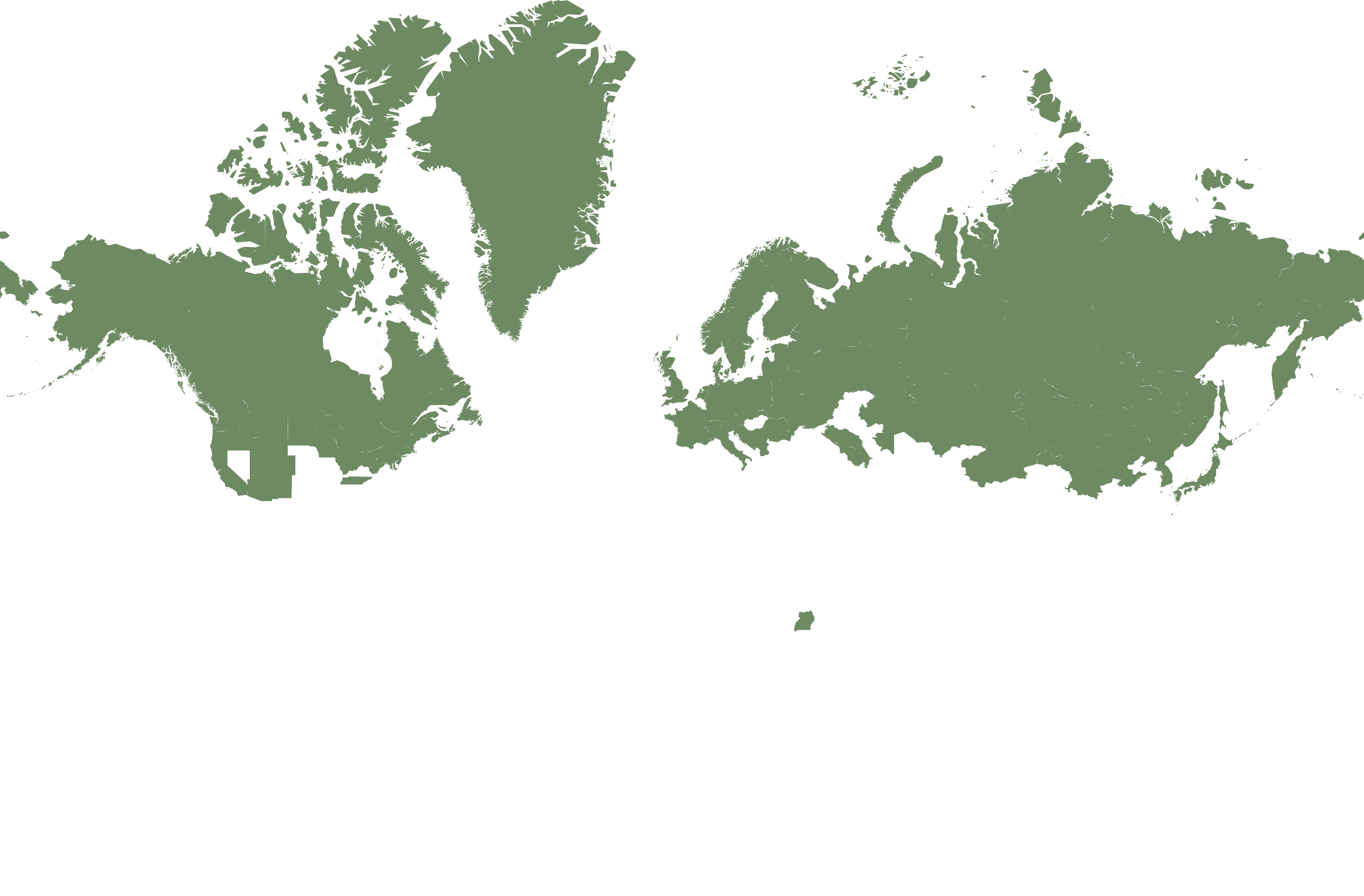
- Native
- North America
- Europe
- East Asia
History
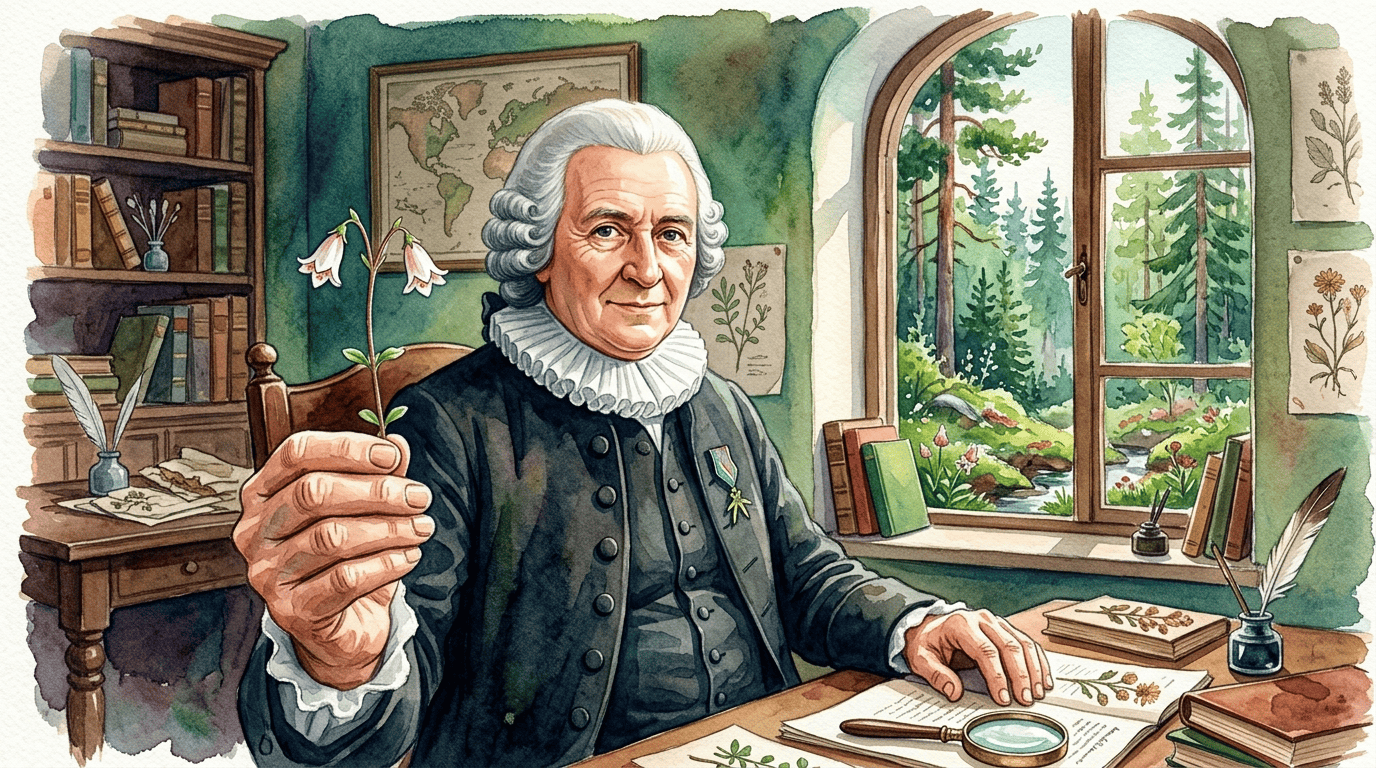
Linnaea borealis, the twinflower, is a creeping evergreen subshrub of cool northern forests, distributed circumpolarly across boreal North America, Europe, and Asia. Carl Linnaeus, the Swedish founder of modern binomial nomenclature, was especially fond of the plant and chose it as his personal symbol; he had himself painted holding a sprig and described it as lowly, insignificant, overlooked, flowering only for a brief time, from Linnaeus, who resembles it. His student Jan Frederik Gronovius named the genus Linnaea in his honor in 1737.
The paired pink nodding bell flowers are faintly almond-scented and appear in early summer along forest floors from Oregon to New England and Scandinavia to Siberia. The plant symbolizes the boreal forest in many northern cultures.
Carl Linnaeus's personal favorite flower, the genus was named in his honor by his teacher Jan Frederik Gronovius. Linnaeus is depicted holding a sprig of twinflower in his official portrait. A circumboreal species cherished across northern cultures from Sweden to Alaska.
Symbolism & meaning
What It Symbolizes
The Twinflower is modesty itself, chosen by Linnaeus — the great namer of plants — as the personal emblem of a man who knew most flowers were grander. Two tiny pink bells nod side by side along the cool boreal forest floor, a portrait of humble northern grace. In a single delicate pair, the father of taxonomy left a quiet self-portrait.
- Modesty — Linnaeus chose it as emblem of humble beauty
- Northern grace — icon of cool boreal forests
Where the Name Comes From
'Linnaea' honors Carl Linnaeus (1707–1778); 'borealis' means of the north.
Uses & Fun Facts
- Trailing evergreen mat carpets cool boreal woodland floors
- Paired pink bells release delicate sweet woodland scent
- Delicate native trailer for shaded rockeries and alpine beds
Related plants
Plants with similar care
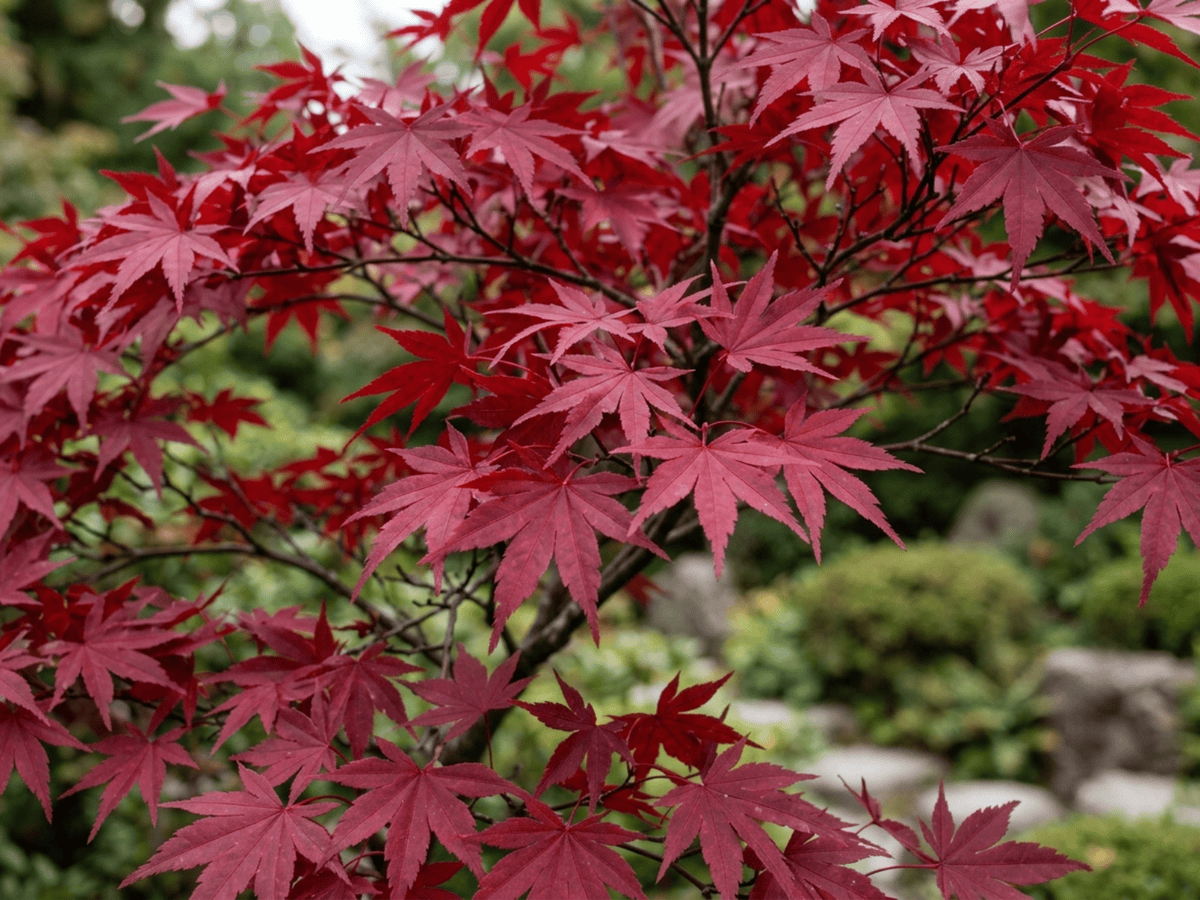 Japanese MapleAcer palmatum
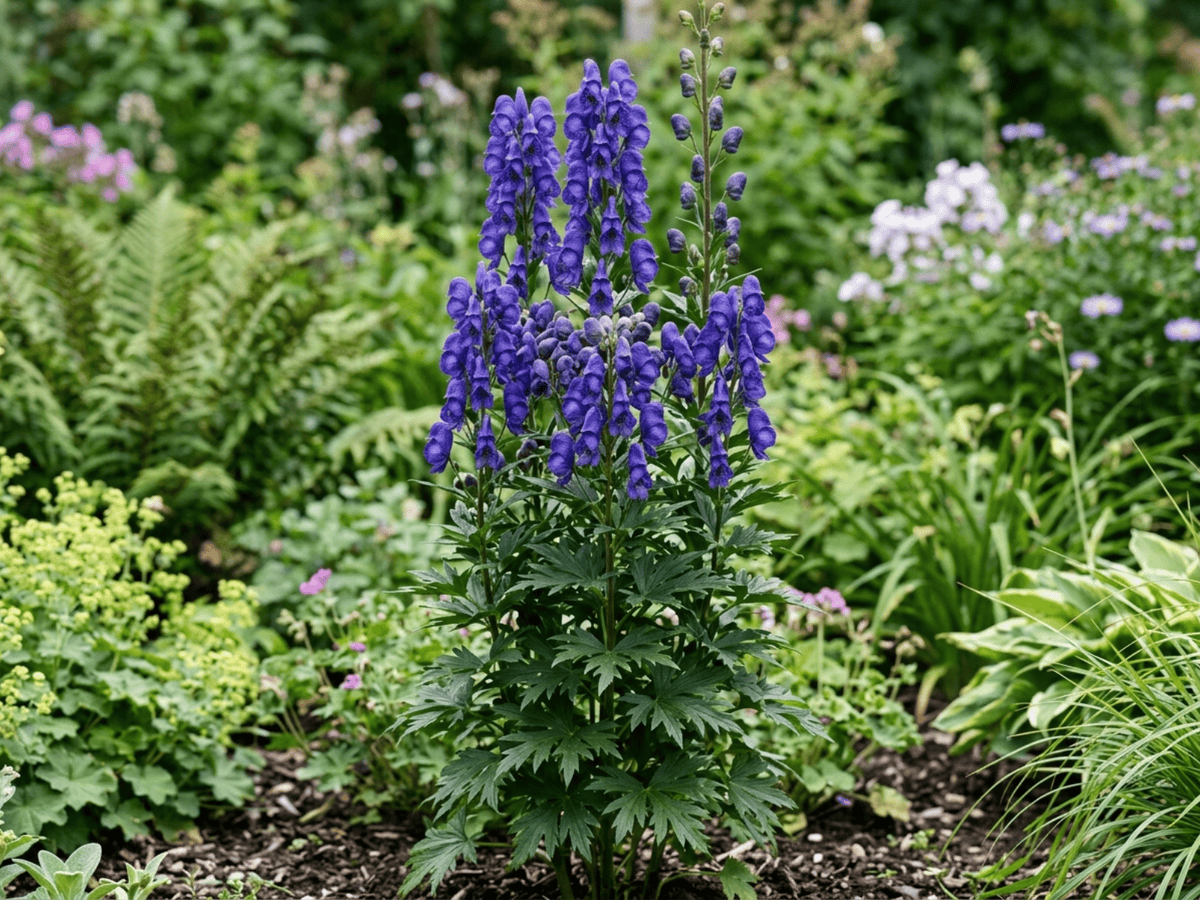 Azure MonkshoodAconitum carmichaelii
 Florida HobblebushAgarista populifolia
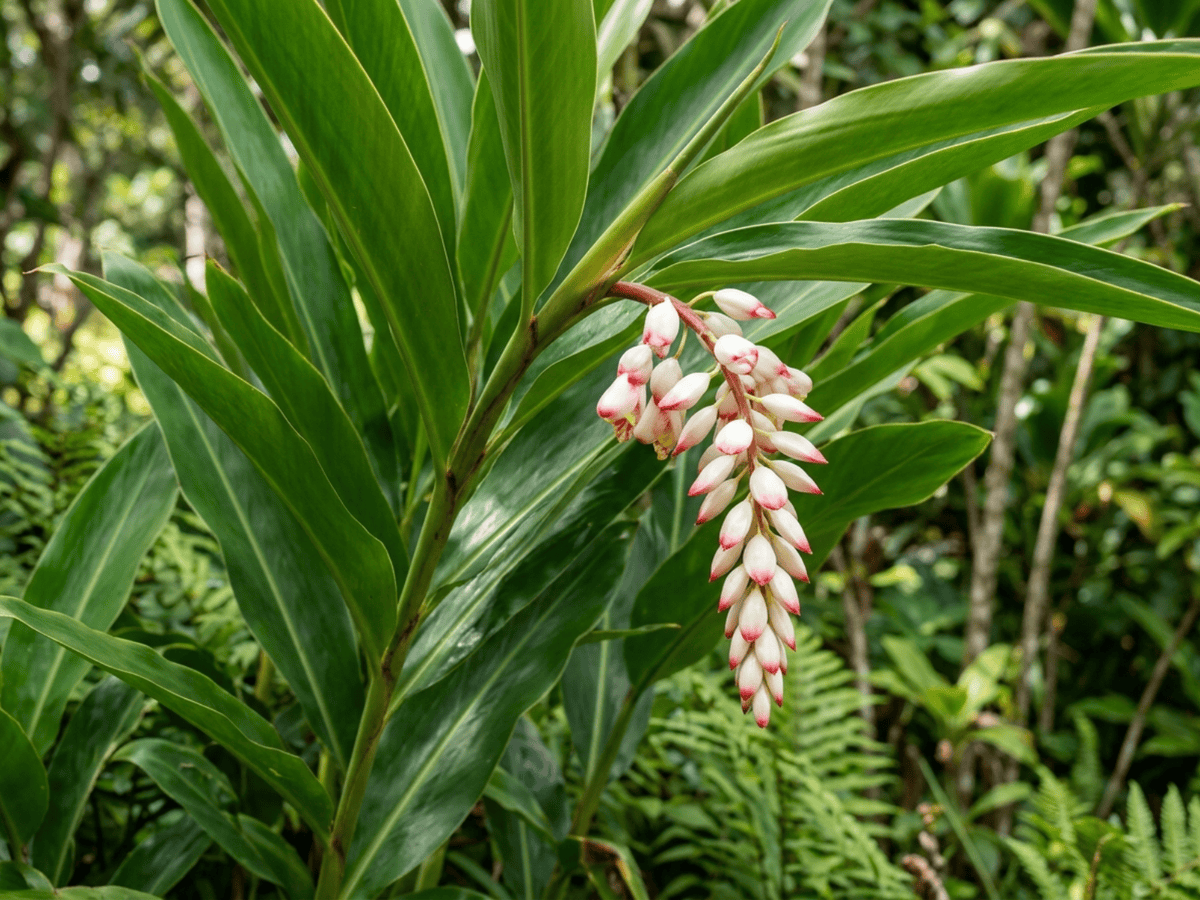 Shell GingerAlpinia zerumbet
Frequently asked questions
How often should I water Twinflower?
In summer, water about every 4 days; in winter, about every 14 days. Adjust for heat, pot size and drainage.
How much light does Twinflower need?
Part shade: 2–4 hrs direct. Watch the leaves — scorching or stretching means the light needs adjusting.
Is Twinflower toxic to cats or dogs?
Pets Unknown (Dogs Unknown · Cats Unknown) Educational information, not medical or veterinary advice. If exposure is suspected, contact a doctor or veterinarian.
Is Twinflower easy to grow?
It is moderately demanding: a good choice once you have a little experience.
When does Twinflower bloom?
It typically blooms Jun–Jul in the Northern Hemisphere.
YardMate
Identify any plant in seconds
Snap a photo — YardMate names the plant, diagnoses problems, and reminds you when to water.
Download on the App Store