 YardMate

Liriope
Liriope muscari
Easy · Beginner friendlyAbout Liriope
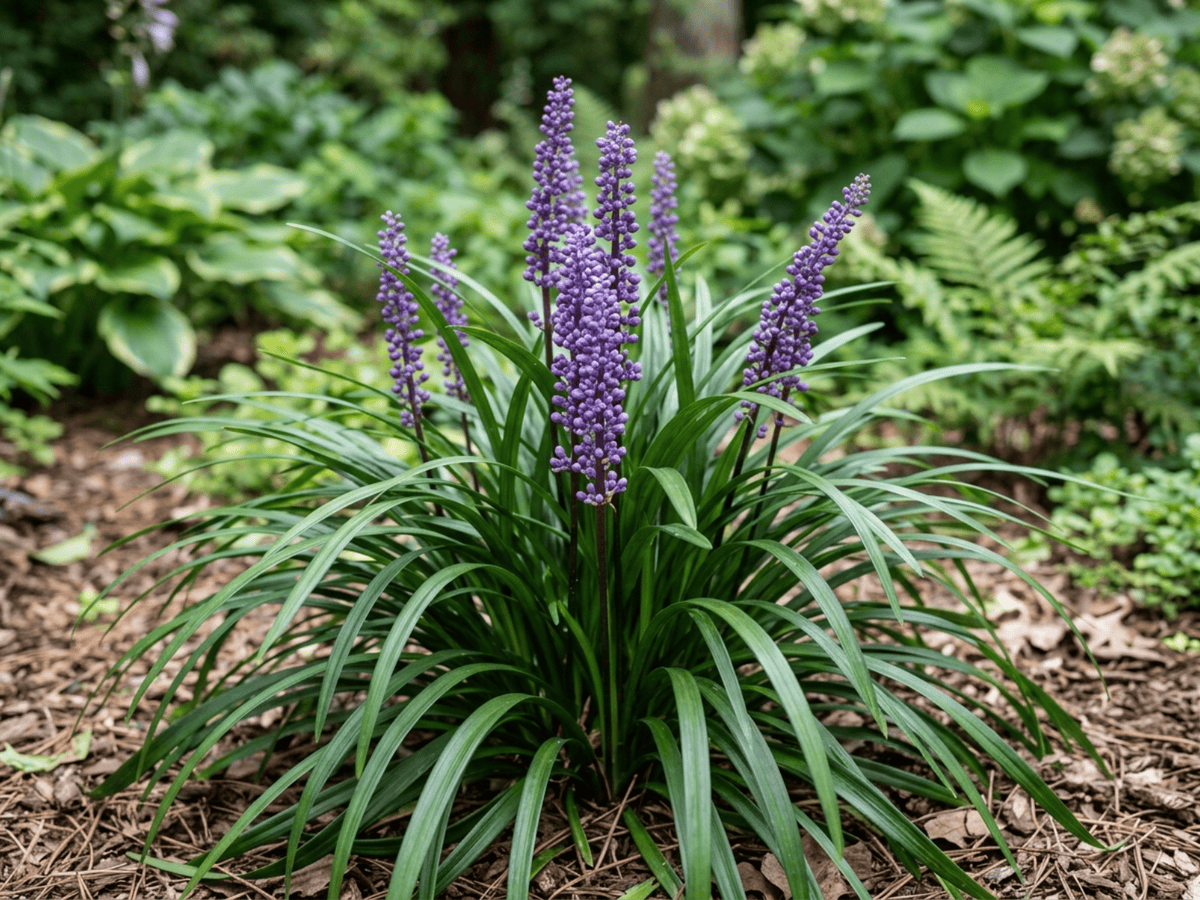
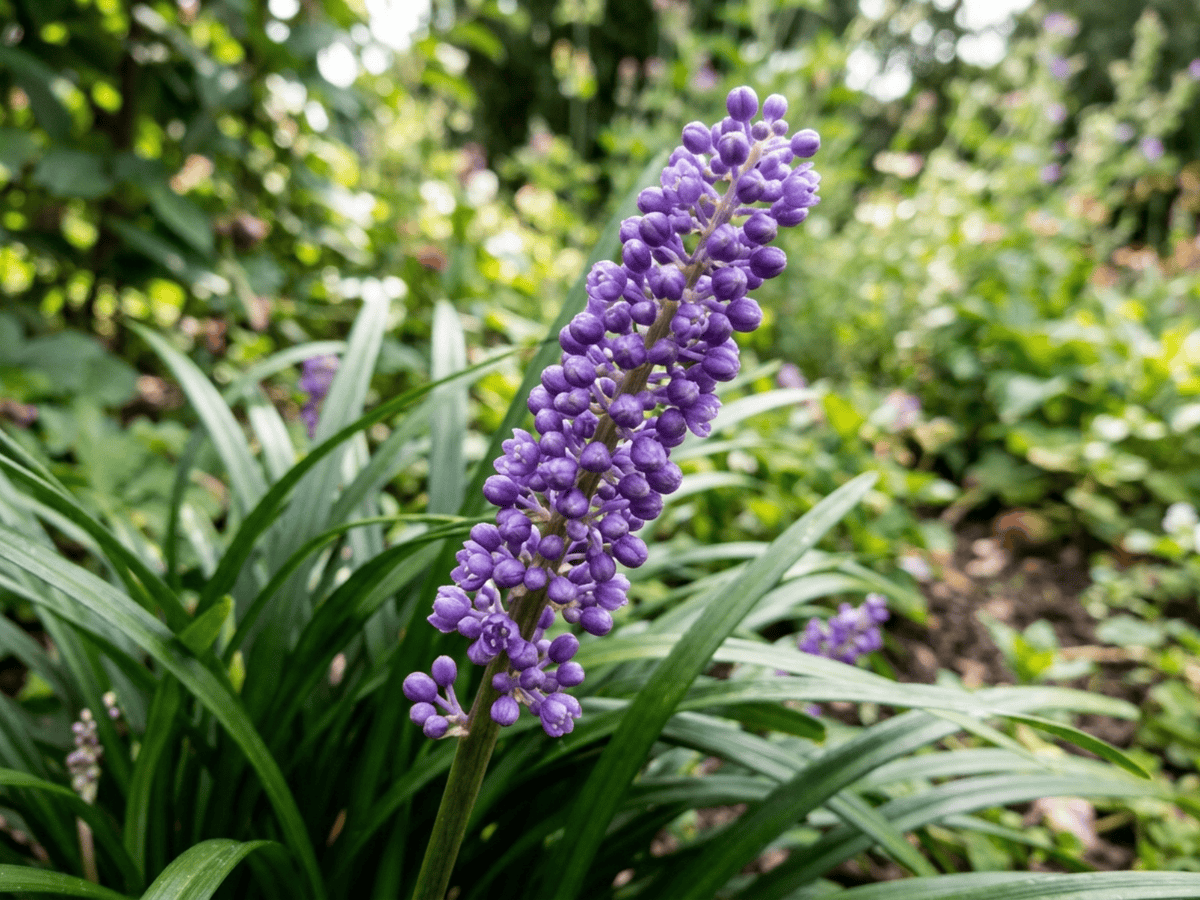
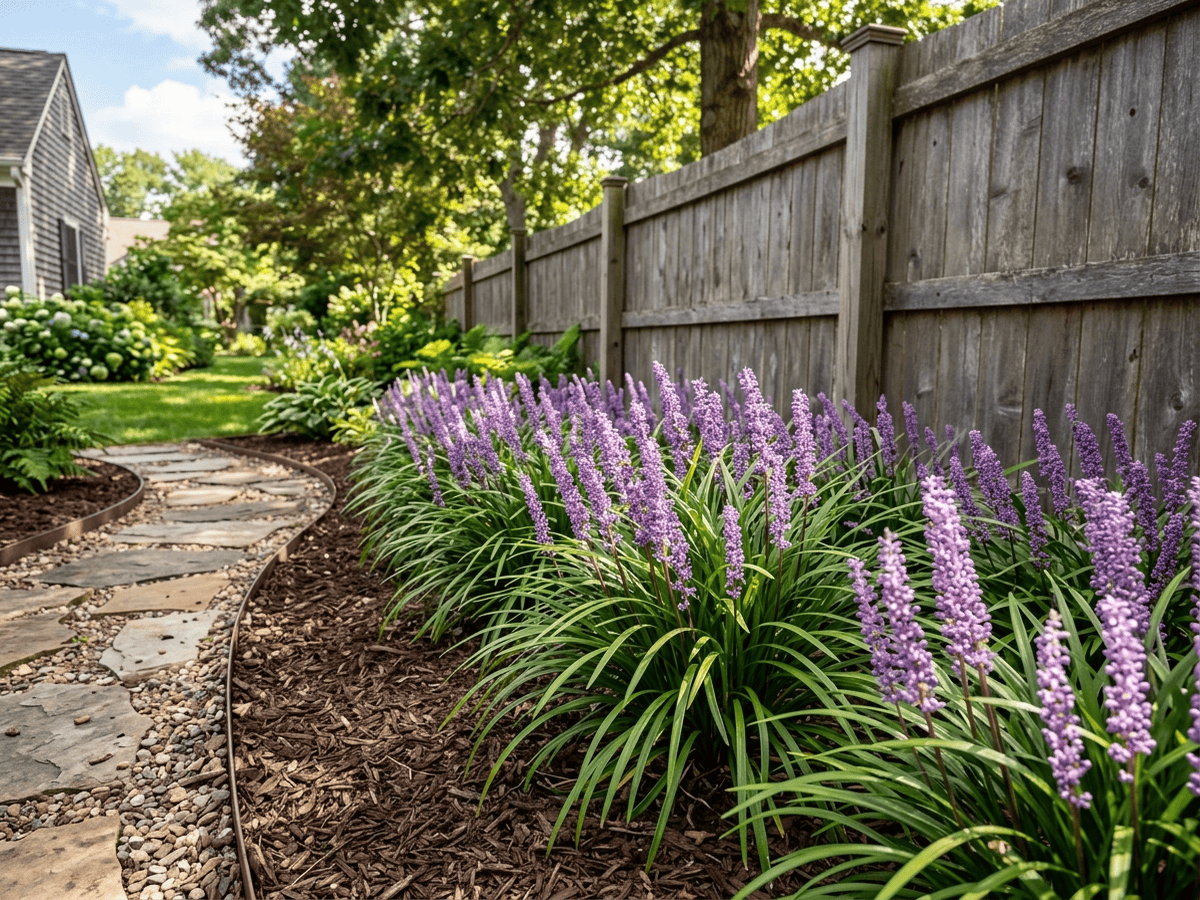
Liriope muscari, big blue lilyturf, is a clump-forming evergreen perennial native to East Asia. It produces arching grass-like leaves 30–45 centimeters long that form dense tufts, topped in late summer with spikes of violet-purple flowers resembling grape hyacinth. These are followed by shiny black berry-like fruits that persist into winter. Lilyturf is one of the most versatile and low-maintenance landscape plants available, thriving in sun to deep shade, tolerating drought, heat, humidity, poor soil, and even salt spray. It is widely used as an edging plant, groundcover, and border filler throughout the southeastern United States, eastern Asia, and mild-winter regions worldwide. Variegated cultivars with gold or cream leaf margins add brightness to shady areas. It handles foot traffic reasonably well and can be mowed in early spring to rejuvenate tattered winter foliage. Few plants offer such reliable performance with so little effort.
- Shade-tolerant
- Drought-tolerant
- Evergreen
- Groundcover
How to care for Liriope
Watering
- Springevery 7 days
- Summerevery 5 days
- Fallevery 14 days
- Winterevery 30 days
Soil · Well-draining
- Top dressingPine bark mulch10%
- Main mixPotting soil + perlite 2:170%
- DrainageLECA / gravel20%
Never skip the drainage layer — standing water is the top cause of root rot.
FERTILIZER
- Springevery 60 days
At a Glance
- NativeEast Asia
- Height1–1.5 ft (0.3–0.5 m)
- Spread1–2 ft (0.3–0.6 m)
- Flower colorPurple, White
- Foliage colorGreen, Variegated
- SoilLoamy, Well-drained
- LocationsYard
Bloom time
BLOOM CYCLE
Peak bloom
Aug–Sep
Violet-purple spikes in late summer; shiny black fruits follow in autumn
Fragrance
NO FRAGRANCE
No notable fragrance.
Toxicity
No toxicity has been reported for this plant. Still, it is wise to keep pets from chewing on any houseplant.
Educational information, not medical or veterinary advice. If exposure is suspected, contact a doctor or veterinarian.
DISTRIBUTION


- Native
- Introduced
- East Asia
History
Liriope muscari is native to East Asia — central and southern China, Taiwan, and Japan — where it grows as an understory evergreen perennial in forest margins and shaded slopes. The species epithet "muscari" refers to its resemblance to the unrelated grape hyacinth (Muscari), which it mimics with short dense spikes of small purple flowers in late summer. It was introduced to American horticulture in the late 19th century and, through the mid-to-late 20th century, became one of the most widely planted edging and groundcover plants of the American South and Mid-Atlantic. Popular cultivars include "Big Blue" (the dominant landscape form), "Variegata" (cream-edged leaves), "Monroe White," "Okina," and "John Burch."
The common names "monkey grass" and "lilyturf" are used interchangeably with the closely related Liriope spicata and the distinct Ophiopogon japonicus, and the three are frequently confused in the trade. Despite its grass-like appearance and "turf" common names, Liriope is a monocot in the asparagus family (Asparagaceae), not a true grass (Poaceae). In older literature it was placed in the Liliaceae (lily family).
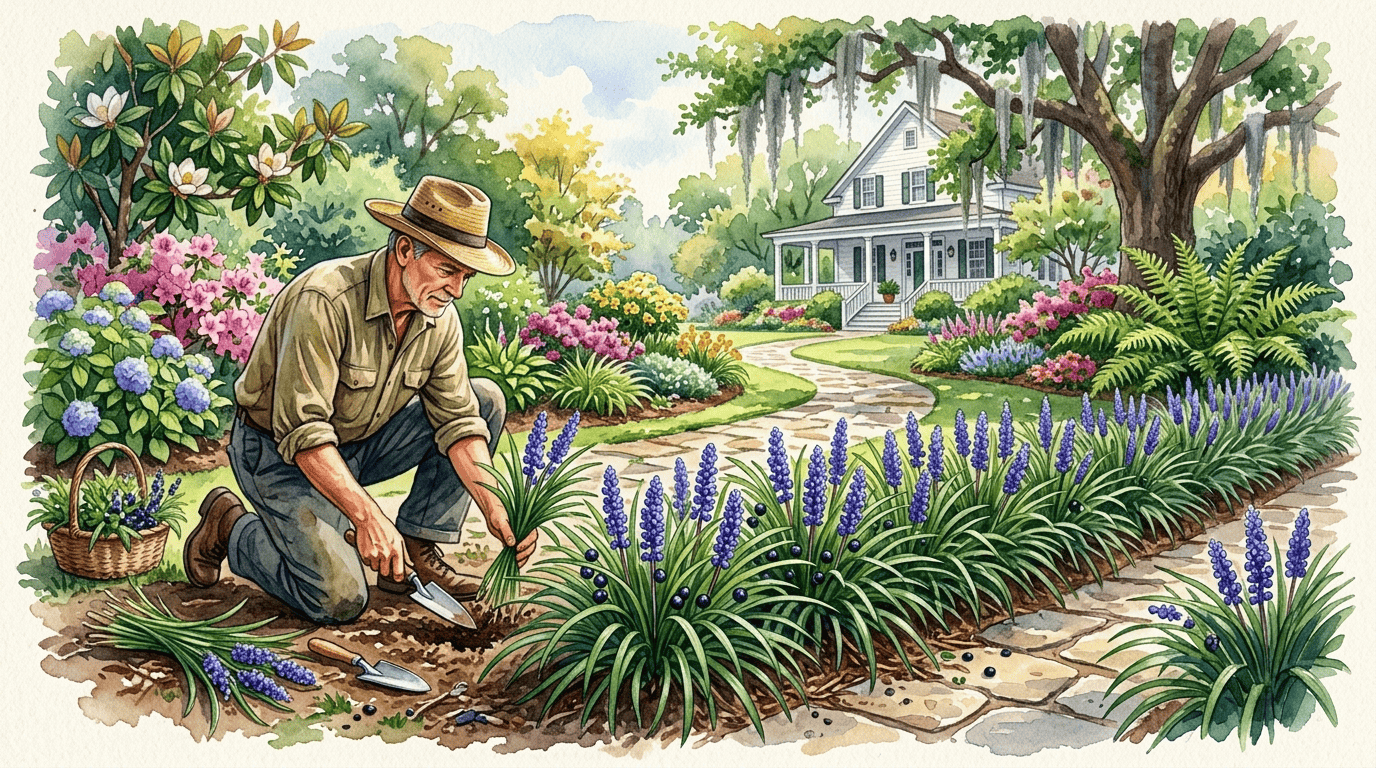
Black berry-like fruits persist through winter. Liriope has been cultivated in Japanese and Chinese gardens for centuries as an understory groundcover. In traditional Chinese medicine, the tuberous roots (known as 'Mai Dong') are used to nourish yin and treat dry coughs and insomnia. The plant's popularity in modern landscaping is partly due to its near-indestructibility — landscape architects specify it for areas where everything else has failed.
Symbolism & meaning
What It Symbolizes
Liriope expresses gratitude, the plant we thank for its quiet, year-round service in places where other perennials would wither and complain. Its modesty is part of its beauty — strappy green leaves and lavender flower spikes that perform brilliantly in the background without demanding center stage. This is the patron of garden modesty, the steady worker that earns appreciation simply by always, reliably, being there.
- Gratitude — its reliable year-round service inspires thankfulness for steadfast beauty
- Modesty — performs brilliantly in the background without demanding attention
Where the Name Comes From
Liriope is named after a nymph in Greek mythology, the mother of Narcissus. Muscari reflects the flower spikes' resemblance to grape hyacinth (Muscari genus).
Uses & Fun Facts
- Liriope perennial used in cottage and naturalistic borders
- Liriope spreads as low groundcover on banks and slopes
Related plants
More Liriope plants

Plants with similar care
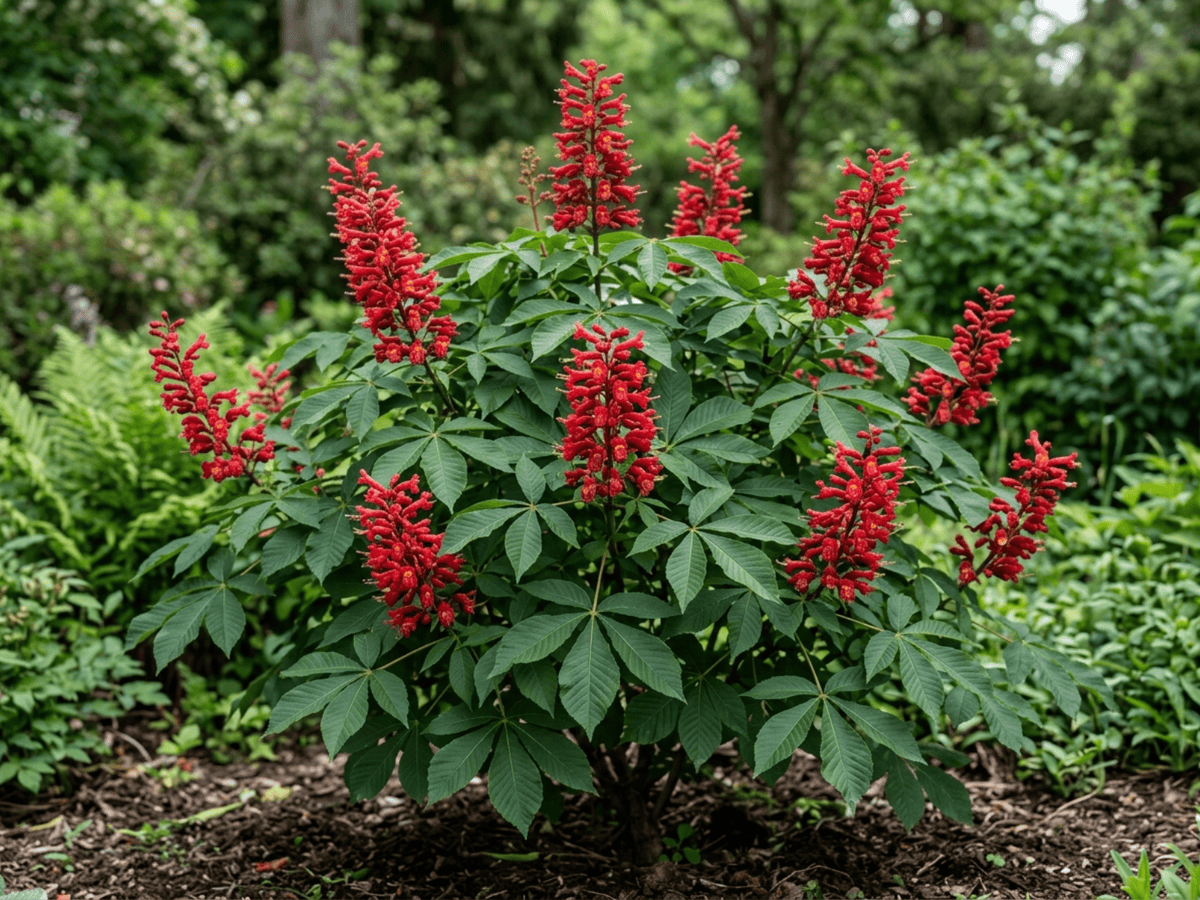 Red BuckeyeAesculus pavia
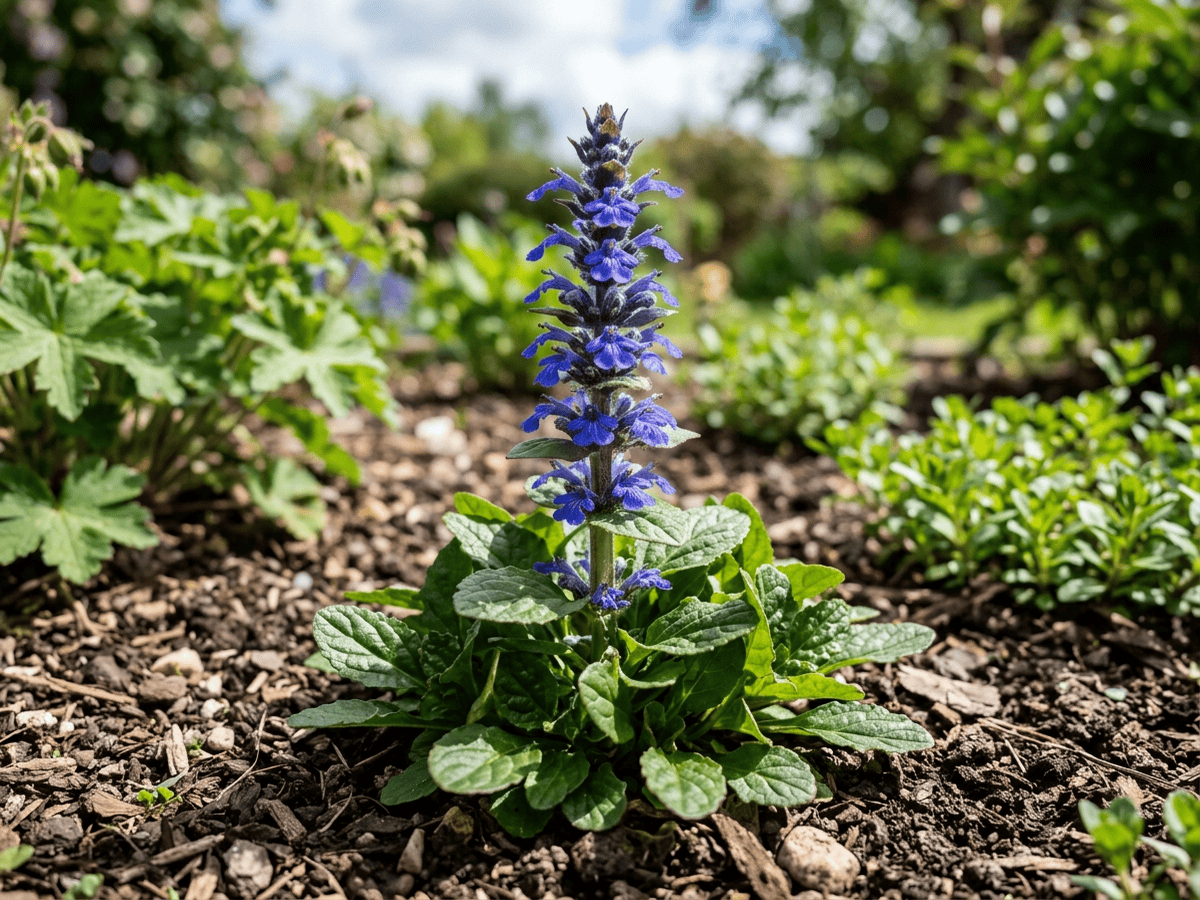 Blue BugleAjuga genevensis
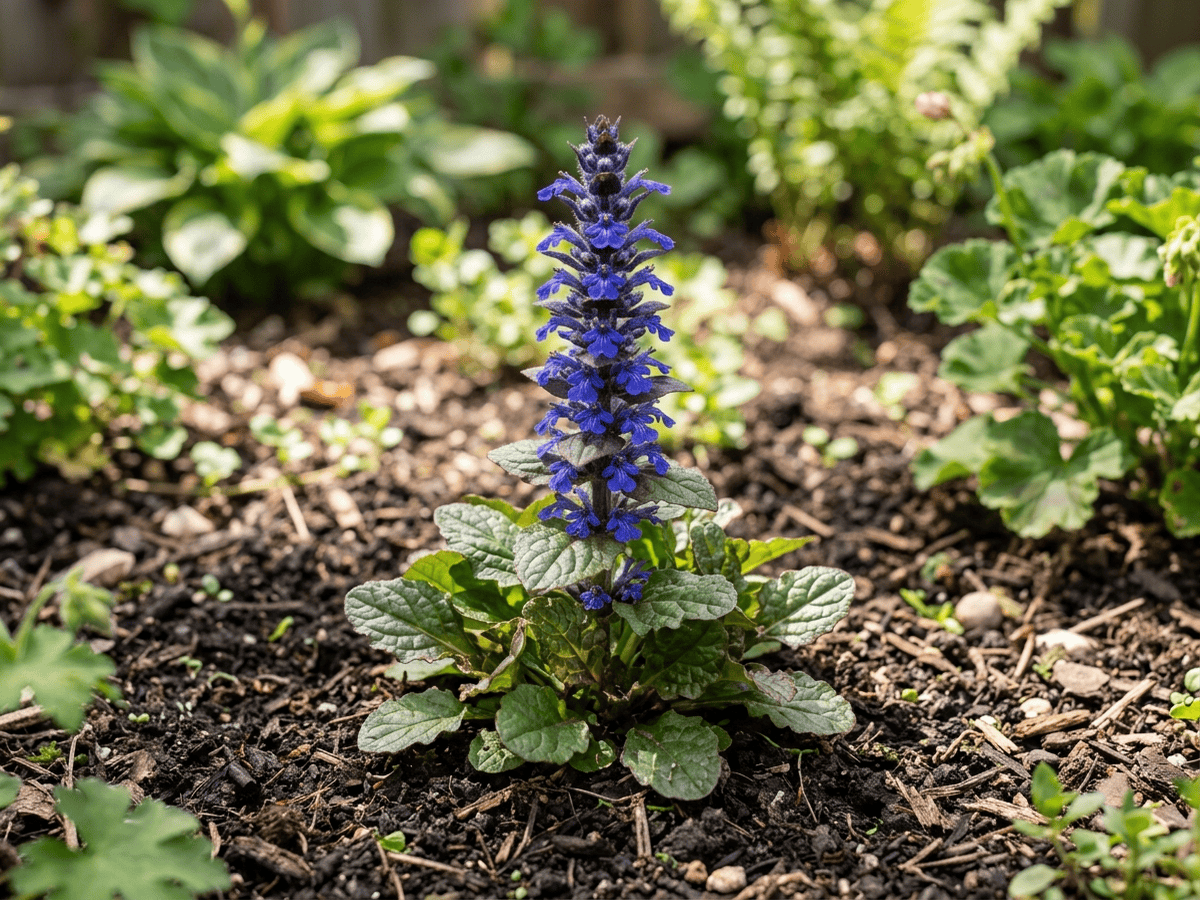 Pyramidal BugleAjuga pyramidalis
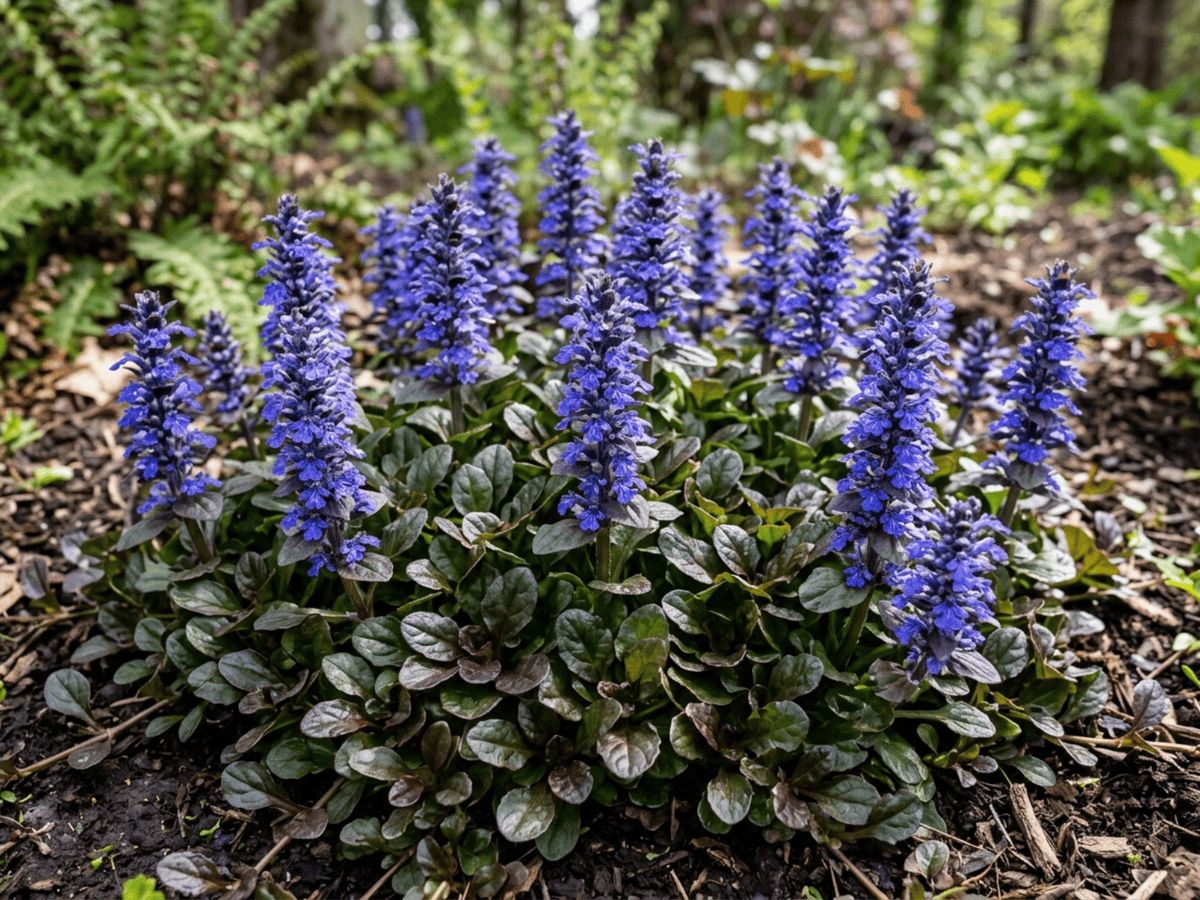 Carpet BugleAjuga reptans
Frequently asked questions
How often should I water Liriope?
In summer, water about every 5 days; in winter, about every 30 days. Adjust for heat, pot size and drainage.
How much light does Liriope need?
Part shade: 2–4 hrs direct. Watch the leaves — scorching or stretching means the light needs adjusting.
Is Liriope toxic to cats or dogs?
No toxicity has been reported for this plant. Still, it is wise to keep pets from chewing on any houseplant. Educational information, not medical or veterinary advice. If exposure is suspected, contact a doctor or veterinarian.
Is Liriope easy to grow?
Yes — it is considered an easy, beginner-friendly plant.
When does Liriope bloom?
It typically blooms Aug–Sep in the Northern Hemisphere.
YardMate
Identify any plant in seconds
Snap a photo — YardMate names the plant, diagnoses problems, and reminds you when to water.
Download on the App Store