 YardMate


Italian Ryegrass
Lolium multiflorum
Easy · Beginner friendlyAbout Italian Ryegrass
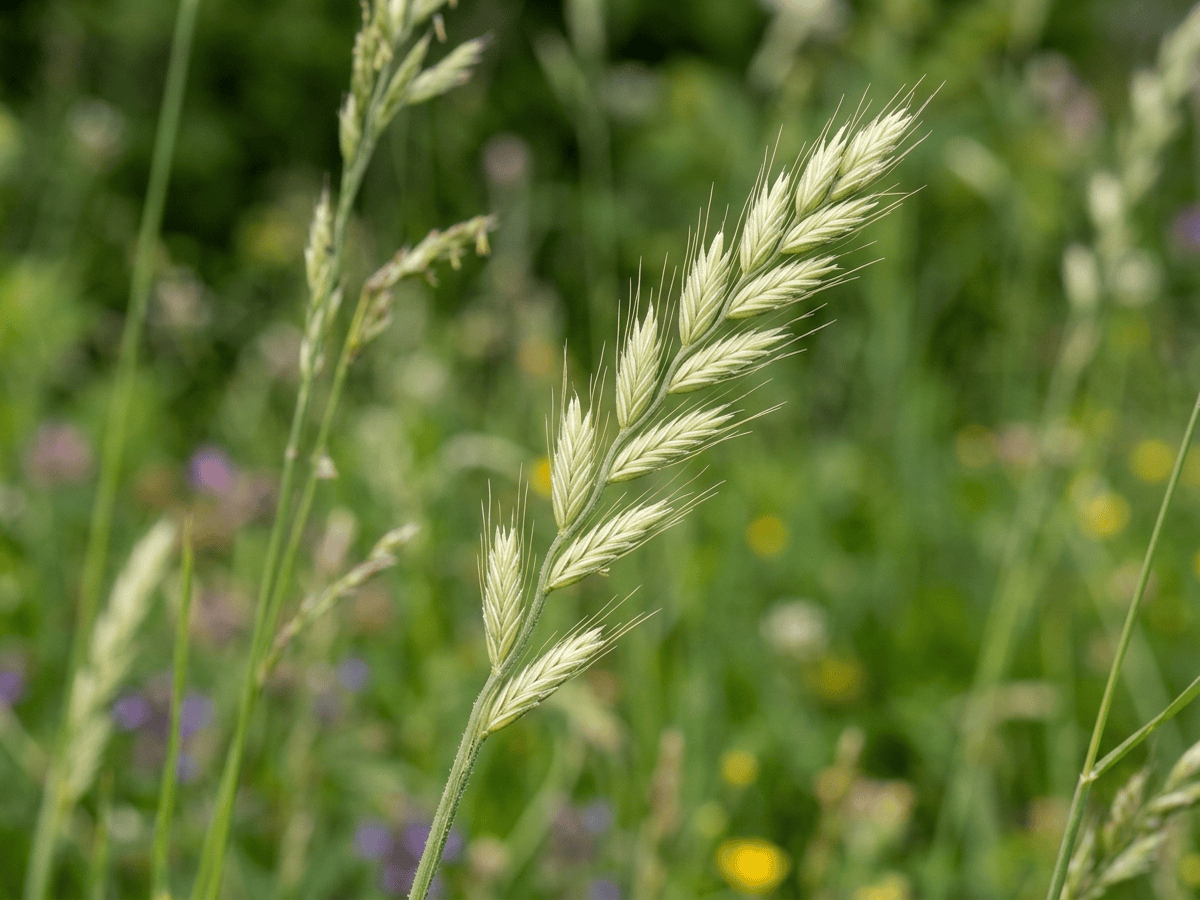
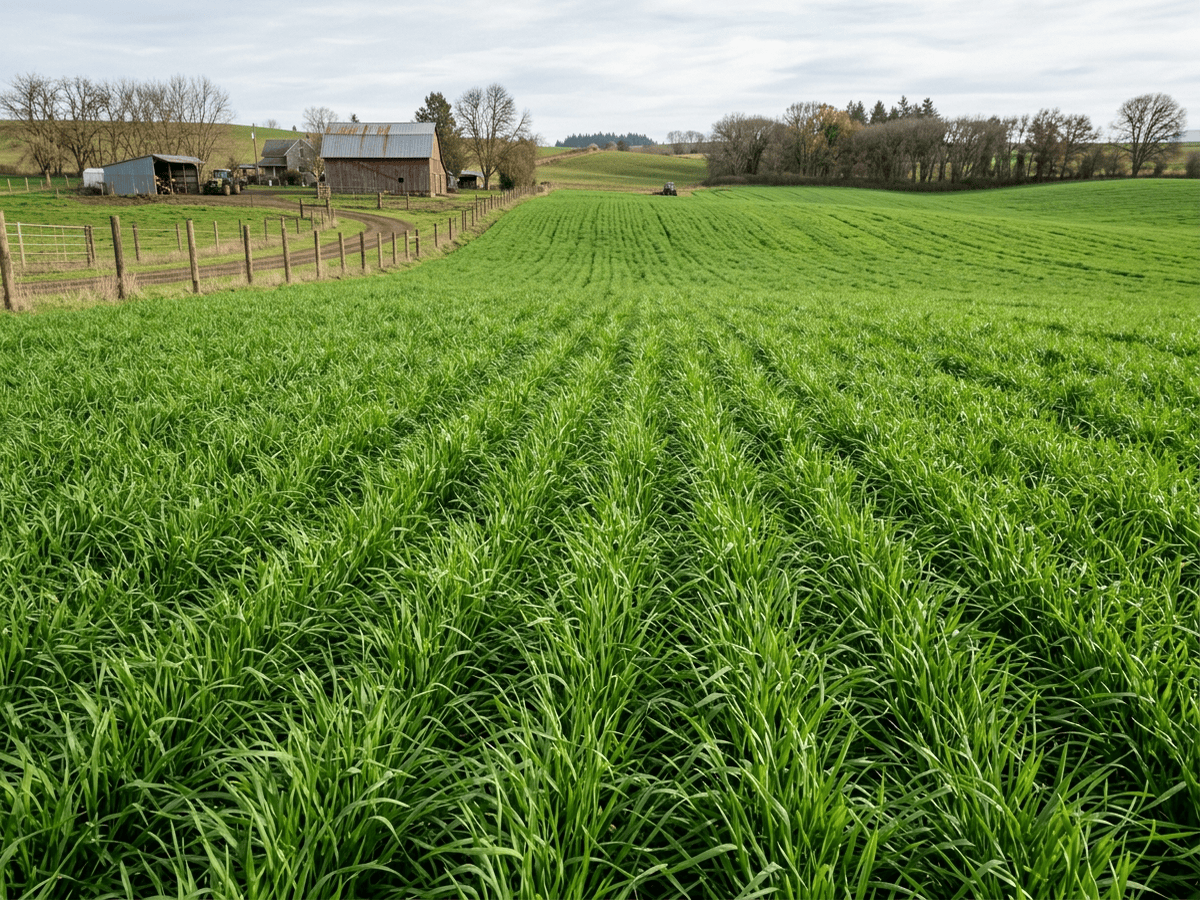
Italian Ryegrass or Annual Ryegrass is a European grass widely used as a cover crop and temporary lawn but also one of the most problematic agricultural weeds in American grain fields, especially winter wheat. Growing 2 to 4 feet with distinctive glossy leaves and stiff bristly seed spikes, it has developed herbicide resistance across the South. Dual identity as both valuable farm tool and disastrous weed depending on context.
- Fast-growing
- Groundcover
- Cold-hardy
How to care for Italian Ryegrass
Watering
- Springevery 5 days
- Summerevery 3 days
- Fallevery 7 days
- Winterevery 14 days
Soil · Well-draining
- Top dressingPine bark mulch10%
- Main mixPotting soil + perlite 2:170%
- DrainageLECA / gravel20%
Never skip the drainage layer — standing water is the top cause of root rot.
FERTILIZER
This plant needs little to no feeding.
At a Glance
- NativeMediterranean
- Height1–3 ft (0.3–0.9 m)
- Spread0.5–1 ft (0.2–0.3 m)
- Flower colorGreen
- Foliage colorGreen
- Fruit colorGreen, Brown
- SoilLoamy, Well-drained
- LocationsYard
Bloom time
BLOOM CYCLE
Peak bloom
May–Nov
Stiff bristly seed spikes late spring through fall
Toxicity
No toxicity has been reported for this plant. Still, it is wise to keep pets from chewing on any houseplant.
Educational information, not medical or veterinary advice. If exposure is suspected, contact a doctor or veterinarian.
DISTRIBUTION

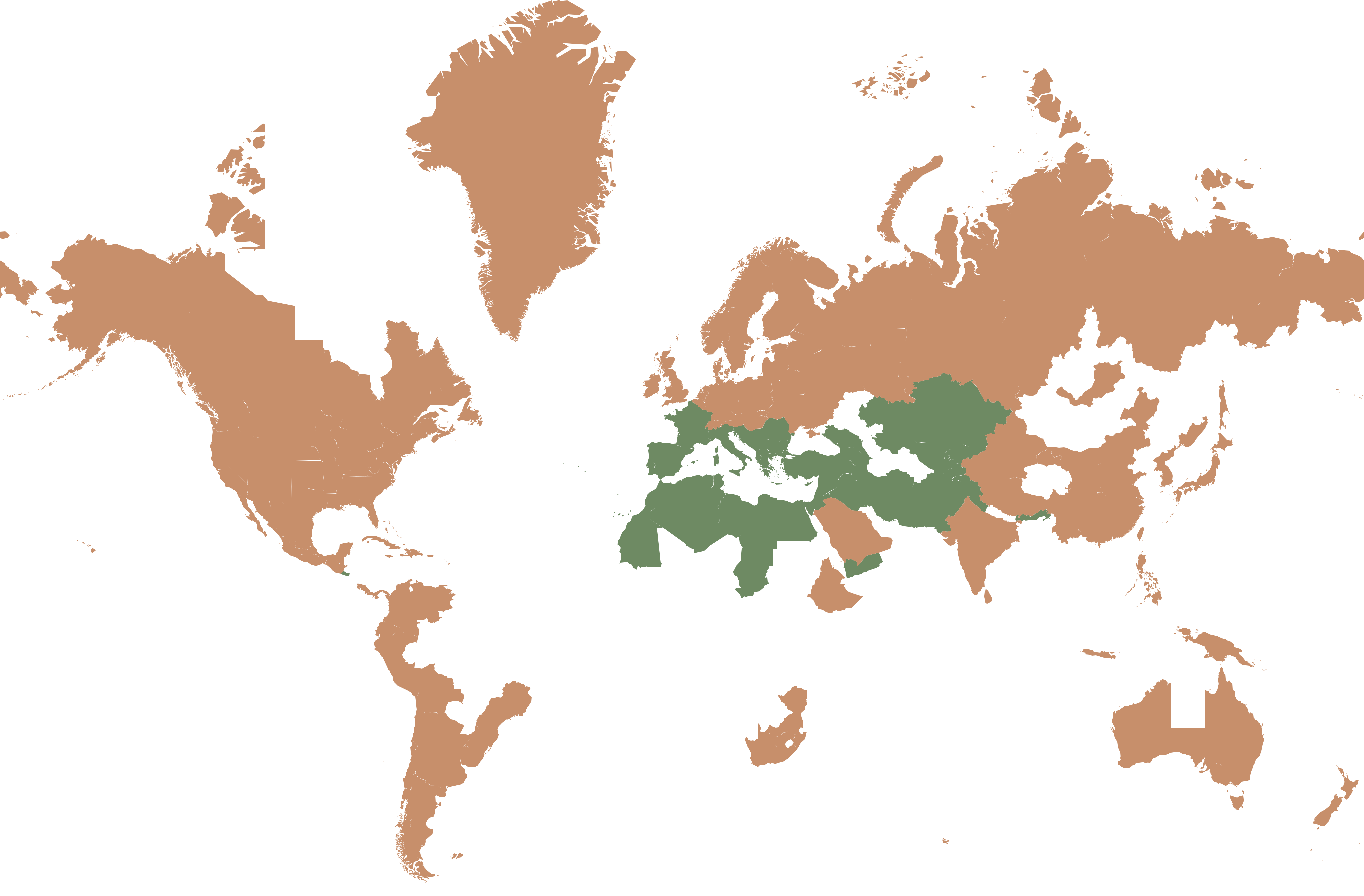
- Native
- Introduced
- Mediterranean
History
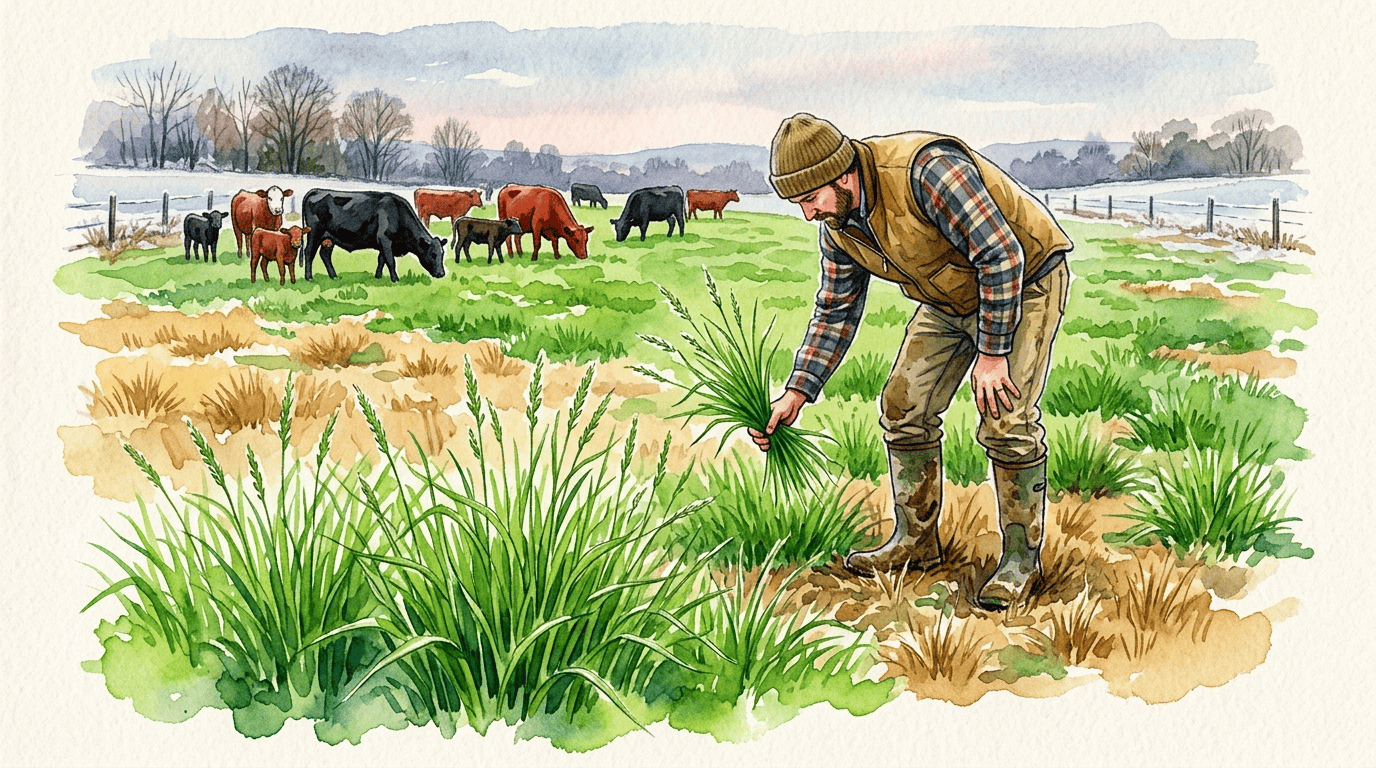
Lolium multiflorum is native to southern Europe. Jean-Baptiste Lamarck described it in 1779. It has been cultivated as a pasture grass and cover crop across temperate regions since the 19th century because of its rapid establishment, high forage quality, and ability to be grazed through winter.
It was deliberately introduced to the US around 1890 for pasture improvement. Modern agricultural uses include winter cover cropping in corn-soybean rotations, overseeding dormant warm-season lawns for green winter color in the southern US, and livestock forage. However, escapes from cultivation into winter wheat and oilseed rape fields have made it one of the world's worst herbicide-resistant weeds; Australian populations resist glyphosate, Oregon and California populations resist ALS inhibitors, and at least 15 modes of action have been defeated globally.
It is also a major hay-fever allergen. Native to Europe, long cultivated as forage and spread to North America in colonial times. Has become a major herbicide-resistant agricultural weed in winter wheat across the southern US, especially the Carolinas and Arkansas, where populations resist multiple herbicide classes.
Symbolism & meaning
What It Symbolizes
Italian Ryegrass can symbolize dual identity, useful as a rotation cover crop and ruinous as a destructive weed of wheat fields. Another layer is herbicide resistance, for it is the leading herbicide-resistant grass in American wheat country, demanding ever more complex chemistry from farmers. The story here is ecological rather than romantic, a sober reminder that the same species can be ally and adversary depending only on which field it has chosen to root in.
- Dual identity — useful cover crop and destructive field weed
- Herbicide resistance — leading herbicide-resistant grass in US wheat
Where the Name Comes From
'Lolium' is the Latin name for darnel or ryegrass; 'multiflorum' means many-flowered, for the multiple florets per spikelet.
Uses & Fun Facts
- Italian ryegrass used as quick cover-crop turf
Related plants
Plants with similar care
 Chinese AbeliaAbelia chinensis
 Fragrant AbeliaAbelia mosanensis
 Large-Flowered AbeliaAbelia uniflora
 Glossy AbeliaAbelia x grandiflora
Frequently asked questions
How often should I water Italian Ryegrass?
In summer, water about every 3 days; in winter, about every 14 days. Adjust for heat, pot size and drainage.
How much light does Italian Ryegrass need?
Full sun: 6+ hrs direct. Watch the leaves — scorching or stretching means the light needs adjusting.
Is Italian Ryegrass toxic to cats or dogs?
No toxicity has been reported for this plant. Still, it is wise to keep pets from chewing on any houseplant. Educational information, not medical or veterinary advice. If exposure is suspected, contact a doctor or veterinarian.
Is Italian Ryegrass easy to grow?
Yes — it is considered an easy, beginner-friendly plant.
When does Italian Ryegrass bloom?
It typically blooms May–Nov in the Northern Hemisphere.
YardMate
Identify any plant in seconds
Snap a photo — YardMate names the plant, diagnoses problems, and reminds you when to water.
Download on the App Store