 YardMate

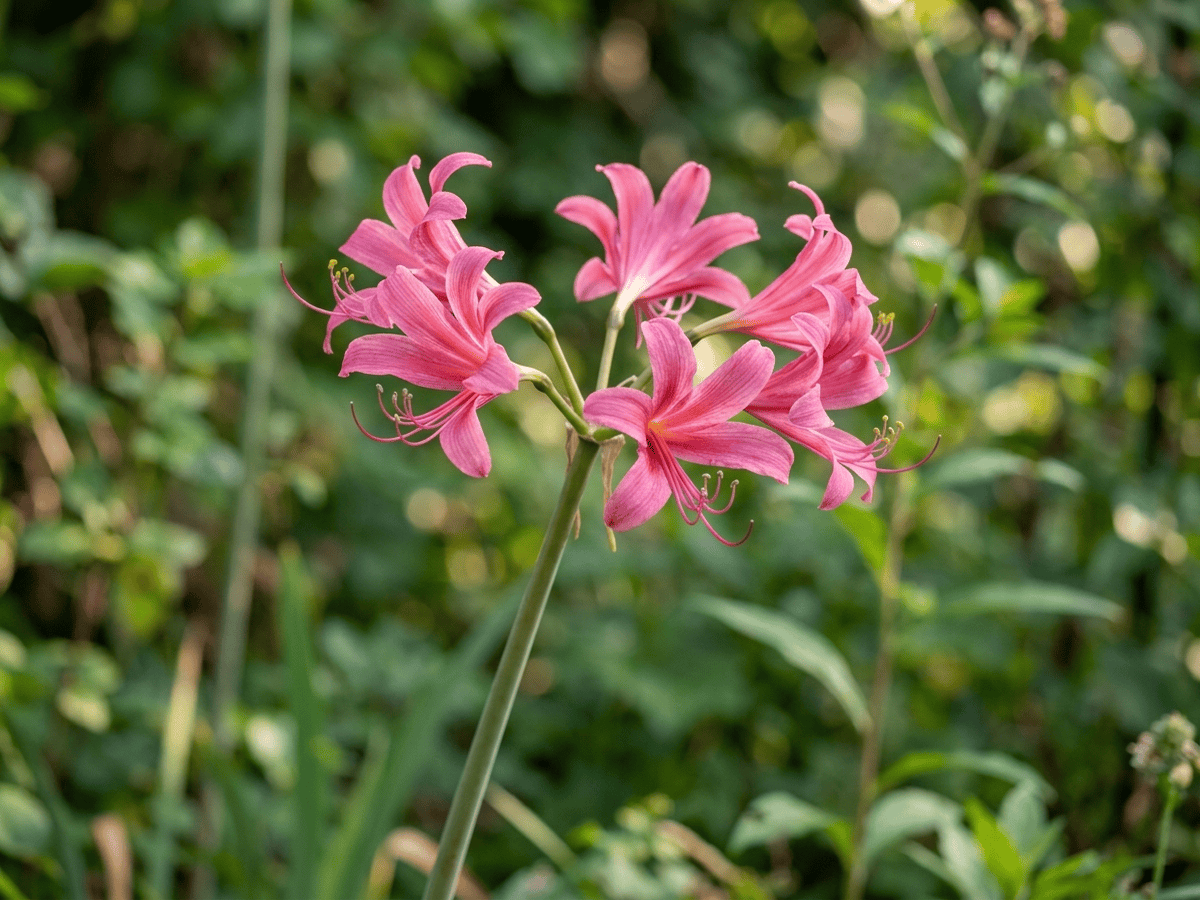


Surprise Lily
Lycoris squamigera
Easy · Beginner friendlyAbout Surprise Lily
Magic Lily or Naked Lady is a Japanese bulb hardy in USDA zones 5-10, producing bare 18 to 24 inch stems topped with fragrant rose-pink trumpet flowers that appear suddenly in August, weeks after the spring strap-like leaves have died back. Also called Surprise Lily or Resurrection Lily for the dramatic mid-summer flower emergence from bare ground. An heirloom pass-along bulb persisting for decades in American gardens, especially in the South.
- Fragrant
- Deer-resistant
How to care for Surprise Lily
Watering
- Springevery 5 days
- Summerevery 5 days
- Fallevery 10 days
- Winterevery 14 days
Soil · Well-draining
- Main mixLoam + coarse sand 3:175%
- DrainageGravel25%
Sharp drainage matters most — bulbs rot in wet soil while dormant.
FERTILIZER
Balanced Feed 14-14-14
An even feed covers all three needs at once, keeping leaves, roots and blooms moving together with nothing pushed out of balance.
- Nitrogen · Leaves
- Phosphorus · Roots + Blooms
- Potassium · Strength
- Springevery 45 days
- Fallevery 60 days
At a Glance
- NativeEast Asia
- Height1.5–2 ft (0.5–0.6 m)
- Spread0.5–1 ft (0.2–0.3 m)
- Flower colorPink
- Foliage colorGreen
- SoilLoamy, Well-drained
- LocationsYard
Bloom time
BLOOM CYCLE
Peak bloom
Aug
Fragrant pink trumpets emerge on bare stems in August
Fragrance
LIGHT FRAGRANCE
The flowers have a very lightly sweet-scented scent.
Toxicity
Humans Moderate · Pets Moderate
lycorine and galantamine
Moderate
- Bulb
- Ingestion
EXPOSURE Eating bulbs.
EFFECT Nausea, vomiting, and diarrhea.
NOTE Bulbs contain Amaryllidaceae alkaloids; toxic if ingested.
Moderate
- Bulb
- Ingestion
EXPOSURE Eating bulbs.
EFFECT Vomiting, drooling, and lethargy.
NOTE Bulbs contain Amaryllidaceae alkaloids; toxic if ingested.
Moderate
- Bulb
- Ingestion
EXPOSURE Eating bulbs.
EFFECT Vomiting, drooling, and lethargy.
NOTE Bulbs contain Amaryllidaceae alkaloids; toxic if ingested.
Educational information, not medical or veterinary advice. If exposure is suspected, contact a doctor or veterinarian.
DISTRIBUTION


- Native
- Introduced
- East Asia
History
Lycoris squamigera is known only from cultivation, with long history in Japan and eastern China. The Russian botanist Carl Johann Maximowicz described it in 1885. It is a sterile triploid, probably an ancient hybrid involving L. straminea and possibly L. incarnata, which is why it has no wild origin and has been spread globally entirely by bulb division.
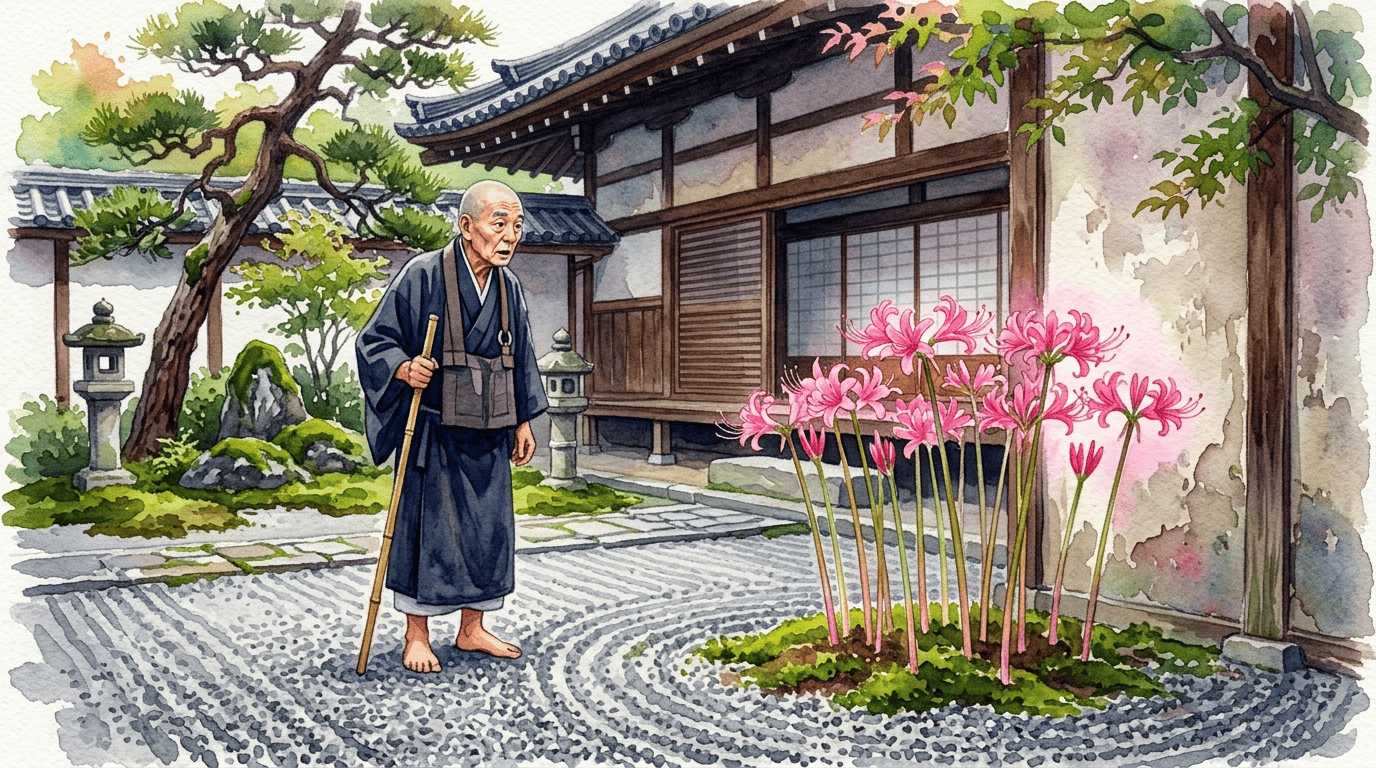
The spring leaves emerge, grow vigorously, and die back by early summer; then in August surprise stalks of pink trumpet flowers rise unexpectedly from bare ground — hence English names 'naked ladies', 'resurrection lily', 'magic lily', and 'surprise lily'. Chinese and Japanese Buddhist temples have grown it for centuries as a symbol of transience. It reached Western gardens around 1898 via Dutch bulb houses and spread quickly through the US South where it naturalizes in old homesteads.
Native to Japan and China, introduced to American Southern gardens in the 1800s where it became an iconic heirloom bulb. Known as Naked Lady throughout the American South, the bulbs persist for generations and are commonly shared between neighbors. A signature August-blooming bulb across the Southeast.
Symbolism & meaning
What It Symbolizes
The Surprise Lily lives up to its name, its naked flower stems bursting unexpectedly from bare ground in mid-August after the spring foliage has long since vanished. Each year's reappearance feels like a small resurrection, joy returning where the gardener had nearly stopped looking. This is the bulb of unexpected gladness — a flower that quietly disappears, then returns to delight us with the very fact of its return.
- Surprise joy — flowers burst from bare ground in mid-August
- Resurrection — bloom returns dramatically each year
Where the Name Comes From
The name Surprise Lily describes its lily-like flowers. 'Lycoris' after the beautiful Roman actress Lycoris; 'squamigera' from Latin means scale-bearing, referring to the bulb scales.
Uses & Fun Facts
- Lightly scented late-summer flowers rise suddenly along paths and borders
Related plants
Plants with similar care
 Chinese AbeliaAbelia chinensis
 Fragrant AbeliaAbelia mosanensis
 Large-Flowered AbeliaAbelia uniflora
 Glossy AbeliaAbelia x grandiflora
Frequently asked questions
How often should I water Surprise Lily?
In summer, water about every 5 days; in winter, about every 14 days. Adjust for heat, pot size and drainage.
How much light does Surprise Lily need?
Full sun: 6+ hrs direct. Watch the leaves — scorching or stretching means the light needs adjusting.
Is Surprise Lily toxic to cats or dogs?
Pets Moderate (Dogs Moderate · Cats Moderate) Educational information, not medical or veterinary advice. If exposure is suspected, contact a doctor or veterinarian.
Is Surprise Lily easy to grow?
Yes — it is considered an easy, beginner-friendly plant.
When does Surprise Lily bloom?
It typically blooms Aug in the Northern Hemisphere.
YardMate
Identify any plant in seconds
Snap a photo — YardMate names the plant, diagnoses problems, and reminds you when to water.
Download on the App Store