 YardMate



Fetterbush Lyonia
Lyonia lucida
Medium · Some experienceAbout Fetterbush Lyonia
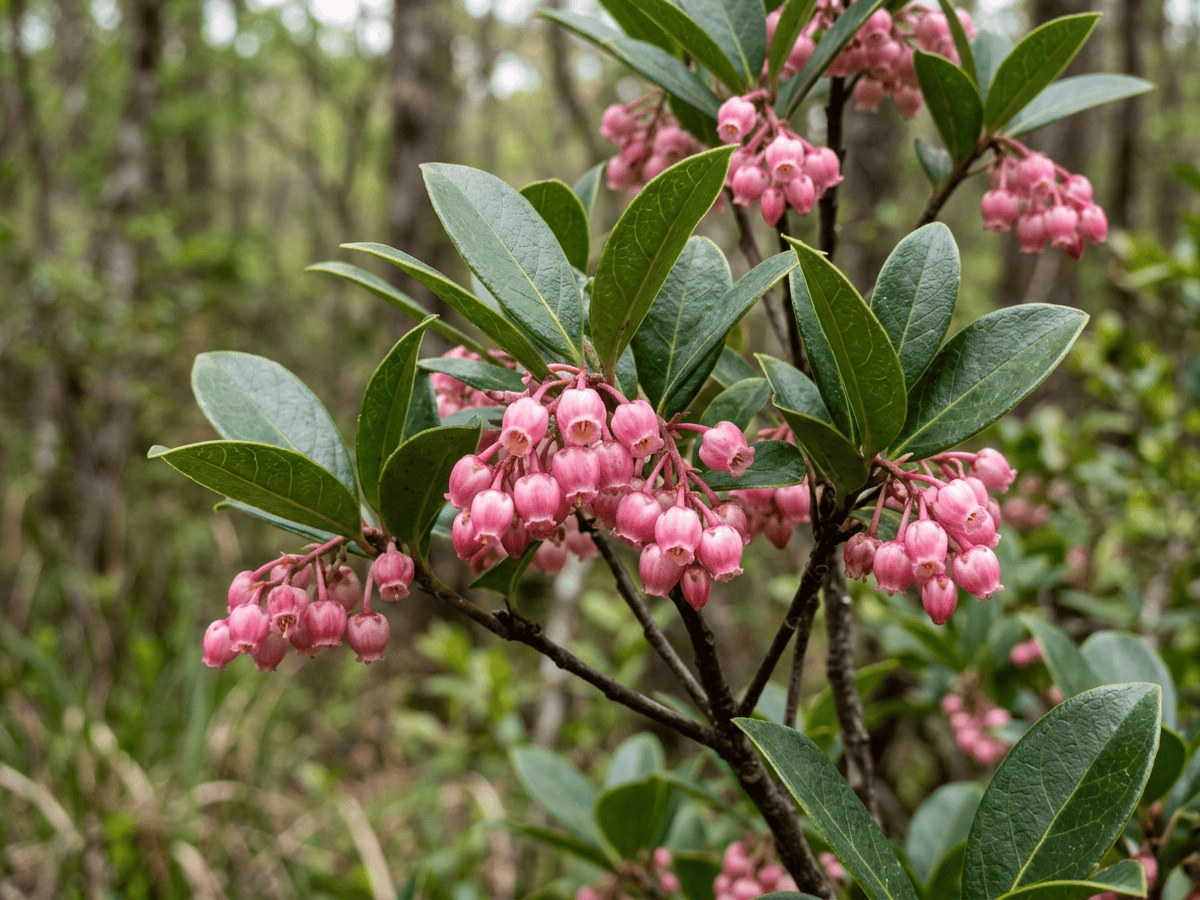
Fetterbush is a Southeastern American native evergreen shrub reaching 4-12 feet, with glossy elliptical dark-green leaves and clusters of small bell-shaped pink-white urn-shaped flowers in spring resembling lily-of-the-valley. Native to wet pine flatwoods and bay margins from Virginia to Florida, it provides important nectar for native bees and forms attractive evergreen mass plantings. Increasingly used in modern Southeastern native landscape design.
- Evergreen
- Native
How to care for Fetterbush Lyonia
Watering
- Springevery 5 days
- Summerevery 4 days
- Fallevery 10 days
- Winterevery 14 days
Soil · Acidic · pH 4.5–6
- Top dressingPine needle mulch10%
- Main mixAcid-lover mix + peat 3:175%
- DrainageGravel15%
Never add lime or wood ash — it cancels out the acidity.
FERTILIZER
- Springevery 120 days
At a Glance
- NativeNorth America
- Height3–6 ft (0.9–1.8 m)
- Spread3–6 ft (0.9–1.8 m)
- Flower colorPink, White
- Foliage colorGreen
- SoilAcidic, Moisture-retentive
- LocationsYard
Bloom time
BLOOM CYCLE
Peak bloom
Mar–May
Clusters of bell-shaped pink-white flowers in spring
Fragrance
LIGHT FRAGRANCE
Flowers have a light, delicate scent.
Toxicity
Humans Moderate · Pets Moderate
grayanotoxins
Moderate
- Leaf
- Flower
- Ingestion
EXPOSURE Eating leaves and flowers.
EFFECT Grayanotoxins cause salivation, vomiting, hypotension, bradycardia if ingested.
NOTE Ericaceae family toxicity; keep away from livestock and pets.
Moderate
- Leaf
- Flower
- Ingestion
EXPOSURE Eating leaves and flowers.
EFFECT Ericaceous grayanotoxins cause vomiting, weakness, cardiac effects.
NOTE Ericaceae family toxicity; keep away from livestock and pets.
Moderate
- Leaf
- Flower
- Ingestion
EXPOSURE Eating leaves and flowers.
EFFECT Ericaceous grayanotoxins cause vomiting, weakness, cardiac effects.
NOTE Ericaceae family toxicity; keep away from livestock and pets.
Educational information, not medical or veterinary advice. If exposure is suspected, contact a doctor or veterinarian.
DISTRIBUTION


- Native
- North America
History
Lyonia lucida, called fetterbush or shiny lyonia, is an evergreen ericaceous shrub native to the southeastern United States coastal plain from Virginia to Louisiana, typical of pocosins, bay forests, and wet flatwoods. The genus Lyonia honors John Lyon, an early 19th-century Scottish-American plant collector who explored the southern Appalachians. The species epithet lucida refers to the glossy foliage.
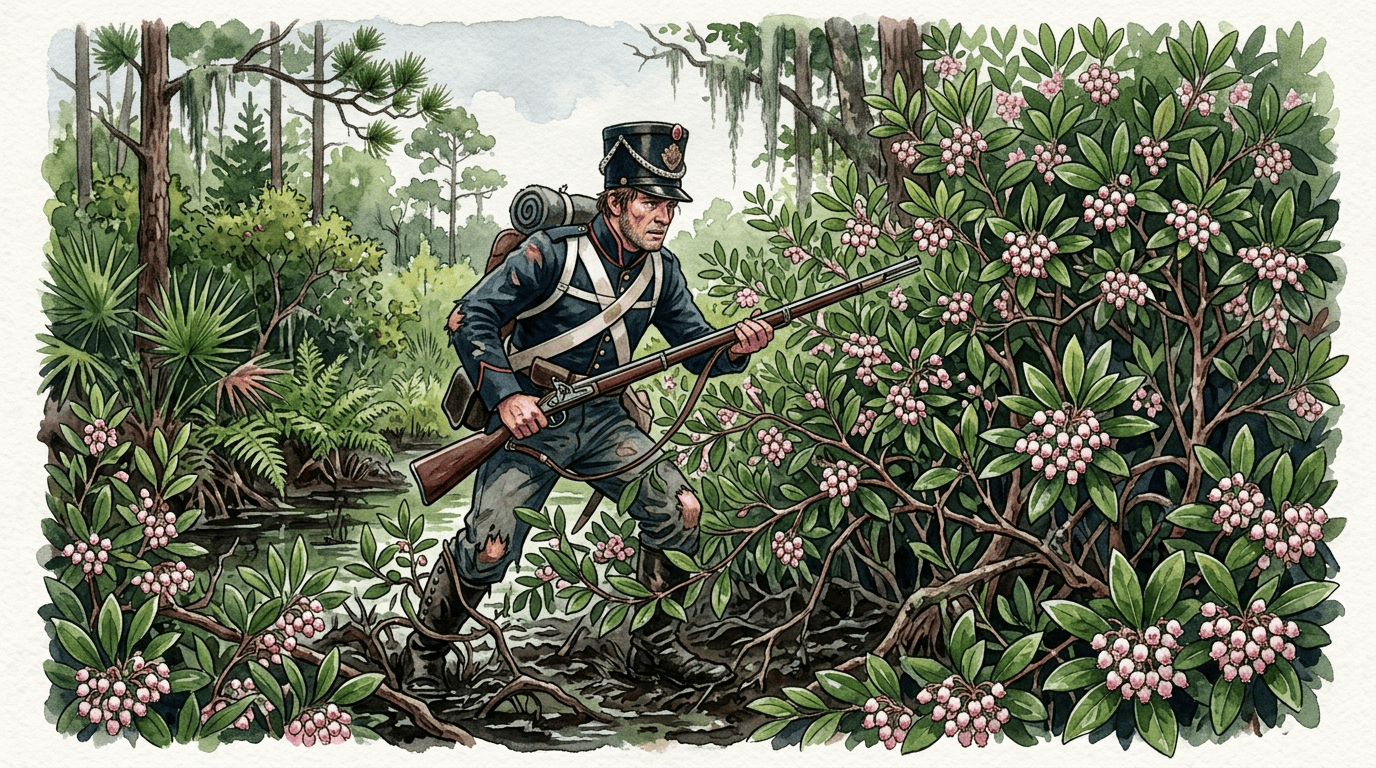
Pink to white urn-shaped flowers emerge in tight axillary clusters from leaf nodes in spring. The common name fetterbush reflects how dense stands impede foot travel, historically a concern for hunters, surveyors, and soldiers during the Seminole Wars. A defining understory shrub of pocosin wetland communities. Like many ericaceous plants it contains grayanotoxins and is toxic to livestock, though deer usually avoid browsing it.
Symbolism & meaning
What It Symbolizes
Fetterbush Lyonia evokes steadfastness, holding its glossy evergreen leaves through the long damp Southern winters when softer shrubs falter. Its heritage is the pocosin understory — those acid wetland thickets of the American Southeast where it serves as an iconic native shrub. It is a quiet emblem of the boggy, often overlooked corners of the South, faithfully green.
- Steadfastness — evergreen presence through Southern winters
- Heritage — iconic Southeastern pocosin understory shrub
Where the Name Comes From
'Lyonia' honors Scottish botanist John Lyon; 'lucida' from Latin meaning shining (for the glossy leaves).
Uses & Fun Facts
- Glossy evergreen leaves and pink urn flowers for Southeastern wet sites
- Spring bell flowers feed native bees in pine flatwoods
Related plants
Plants with similar care
 Japanese MapleAcer palmatum
 Azure MonkshoodAconitum carmichaelii
 Florida HobblebushAgarista populifolia
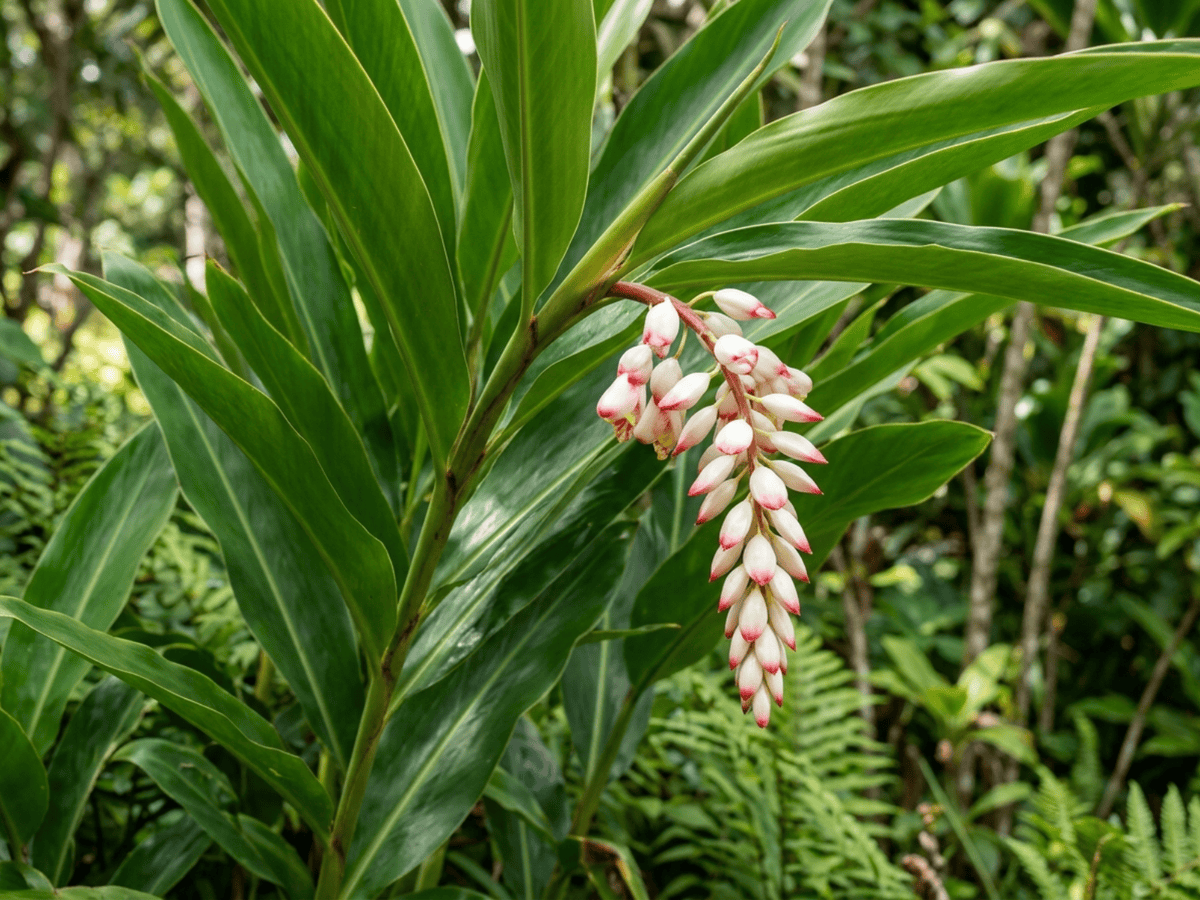 Shell GingerAlpinia zerumbet
Frequently asked questions
How often should I water Fetterbush Lyonia?
In summer, water about every 4 days; in winter, about every 14 days. Adjust for heat, pot size and drainage.
How much light does Fetterbush Lyonia need?
Part shade: 2–4 hrs direct. Watch the leaves — scorching or stretching means the light needs adjusting.
Is Fetterbush Lyonia toxic to cats or dogs?
Pets Moderate (Dogs Moderate · Cats Moderate) Educational information, not medical or veterinary advice. If exposure is suspected, contact a doctor or veterinarian.
Is Fetterbush Lyonia easy to grow?
It is moderately demanding: a good choice once you have a little experience.
When does Fetterbush Lyonia bloom?
It typically blooms Mar–May in the Northern Hemisphere.
YardMate
Identify any plant in seconds
Snap a photo — YardMate names the plant, diagnoses problems, and reminds you when to water.
Download on the App Store