 YardMate


Creeping Mahonia
Mahonia repens
Easy · Beginner friendlyAbout Creeping Mahonia
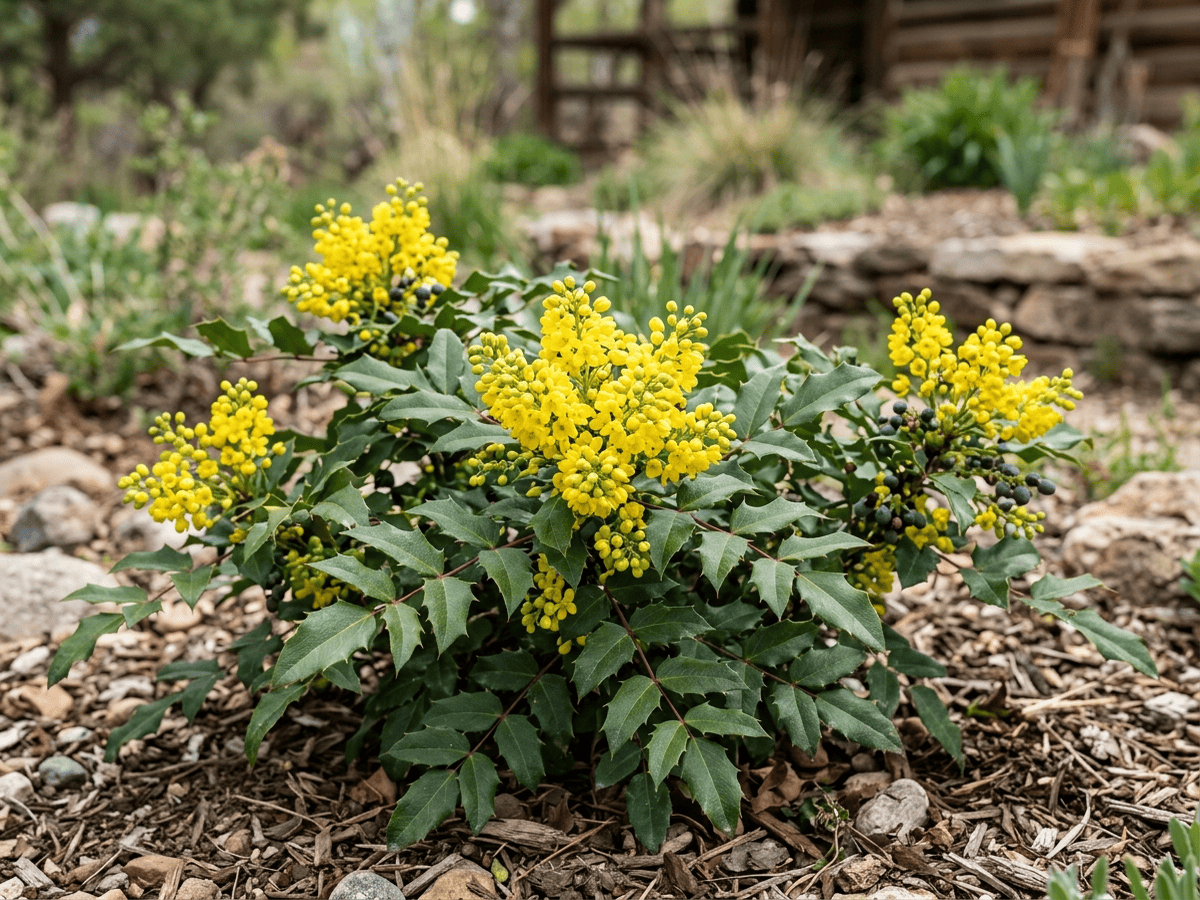
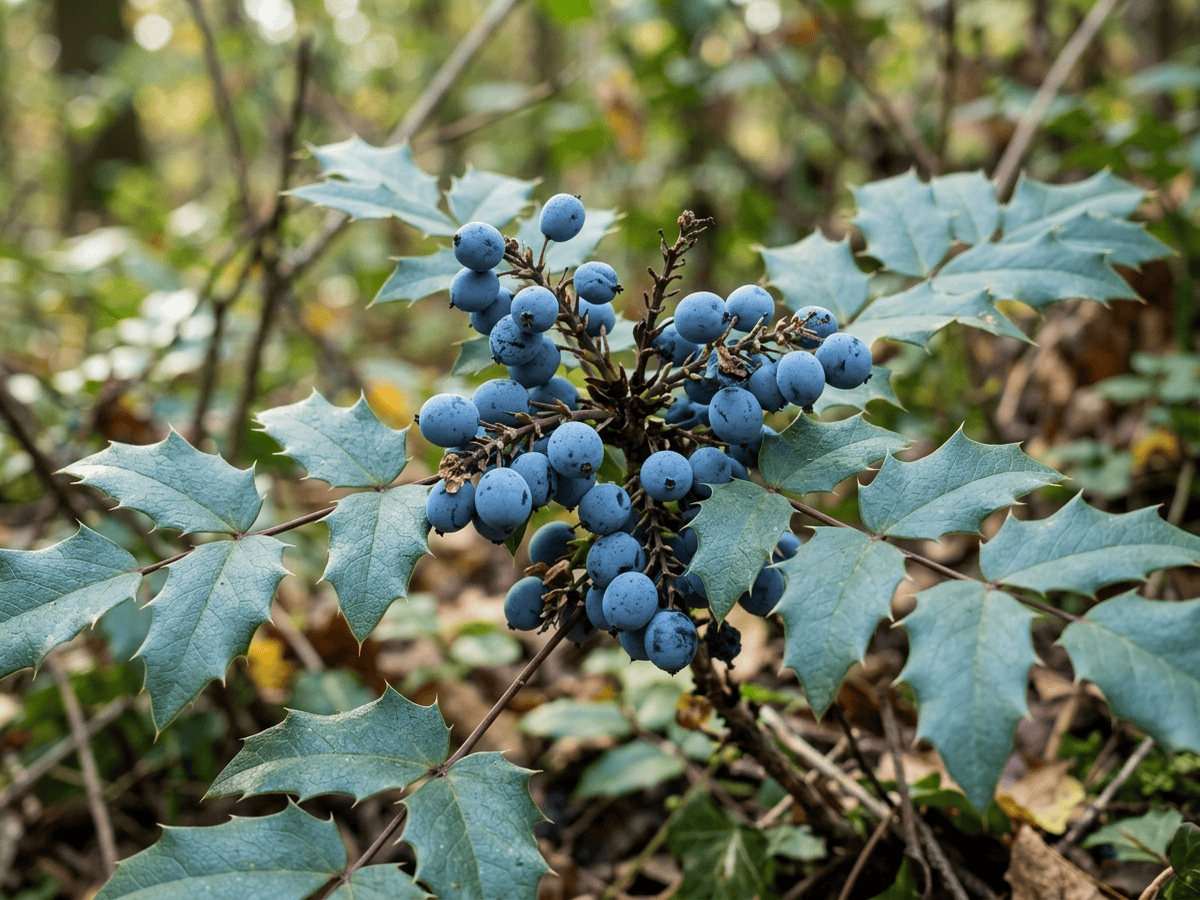
Creeping Oregon Grape is a low-growing evergreen shrub native to the western United States from the Pacific Northwest through the Rocky Mountains. Reaching only 6 to 12 inches tall, it spreads by underground rhizomes to form a tough, holly-like groundcover. Bright yellow flower clusters in spring give way to powder-blue edible berries in summer, and its spiny leaves take on burgundy-purple hues in winter. A favorite native groundcover for shaded woodland gardens and dry slopes.
- Drought-tolerant
- Deer-resistant
- Groundcover
- Evergreen
How to care for Creeping Mahonia
Watering
- Springevery 10 days
- Summerevery 7 days
- Fallevery 14 days
- Winterevery 21 days
Soil · Well-draining
- Top dressingPine bark mulch10%
- Main mixPotting soil + perlite 2:170%
- DrainageLECA / gravel20%
Never skip the drainage layer — standing water is the top cause of root rot.
FERTILIZER
- Springevery 90 days
At a Glance
- NativeNorth America
- Height1–2 ft (0.3–0.6 m)
- Spread2–3 ft (0.6–0.9 m)
- Flower colorYellow
- Foliage colorGreen, Red, Purple
- Fruit colorBlue
- SoilLoamy, Well-drained
- LocationsYard
Bloom time
BLOOM CYCLE
Peak bloom
Mar–May
Yellow fragrant clusters in spring
Fragrance
LIGHT FRAGRANCE
Flowers have a light sweet scent.
Toxicity
Humans Slight · Pets Slight
berberine and oxyacanthine
Slight
- Root
- Ingestion
EXPOSURE Eating roots.
EFFECT Berberine in large quantities can cause GI upset and is not recommended during pregnancy.
NOTE Berries edible in moderation; roots and bark contain medicinal alkaloids.
Slight
- Root
- Ingestion
EXPOSURE Eating roots.
EFFECT Berberine-rich roots can cause vomiting and diarrhea if consumed in quantity.
NOTE Berries edible in moderation; roots and bark contain medicinal alkaloids.
Slight
- Root
- Ingestion
EXPOSURE Eating roots.
EFFECT Berberine-rich roots can cause vomiting and diarrhea if consumed in quantity.
NOTE Berries edible in moderation; roots and bark contain medicinal alkaloids.
Educational information, not medical or veterinary advice. If exposure is suspected, contact a doctor or veterinarian.
DISTRIBUTION

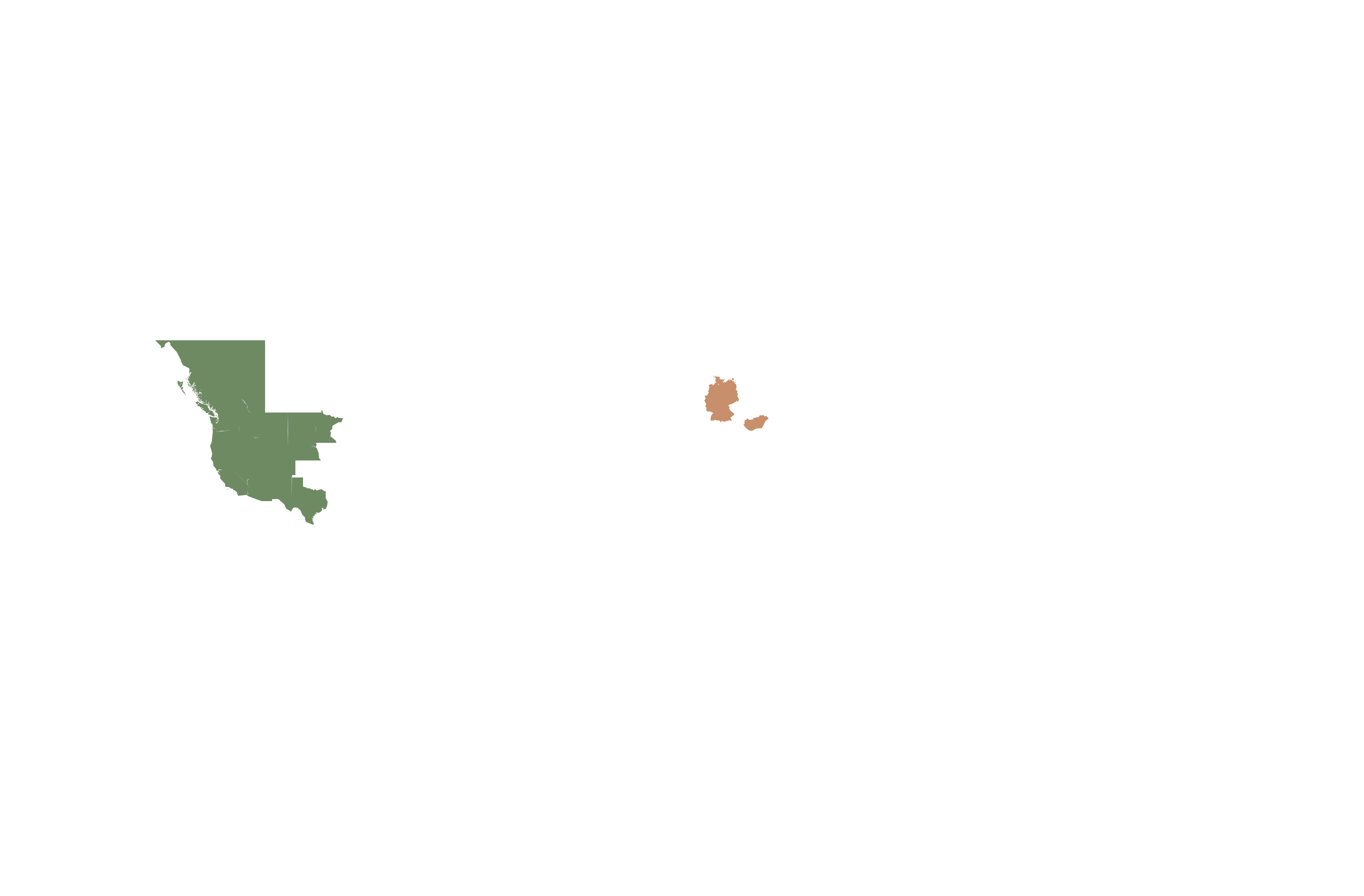
- Native
- Introduced
- North America
History
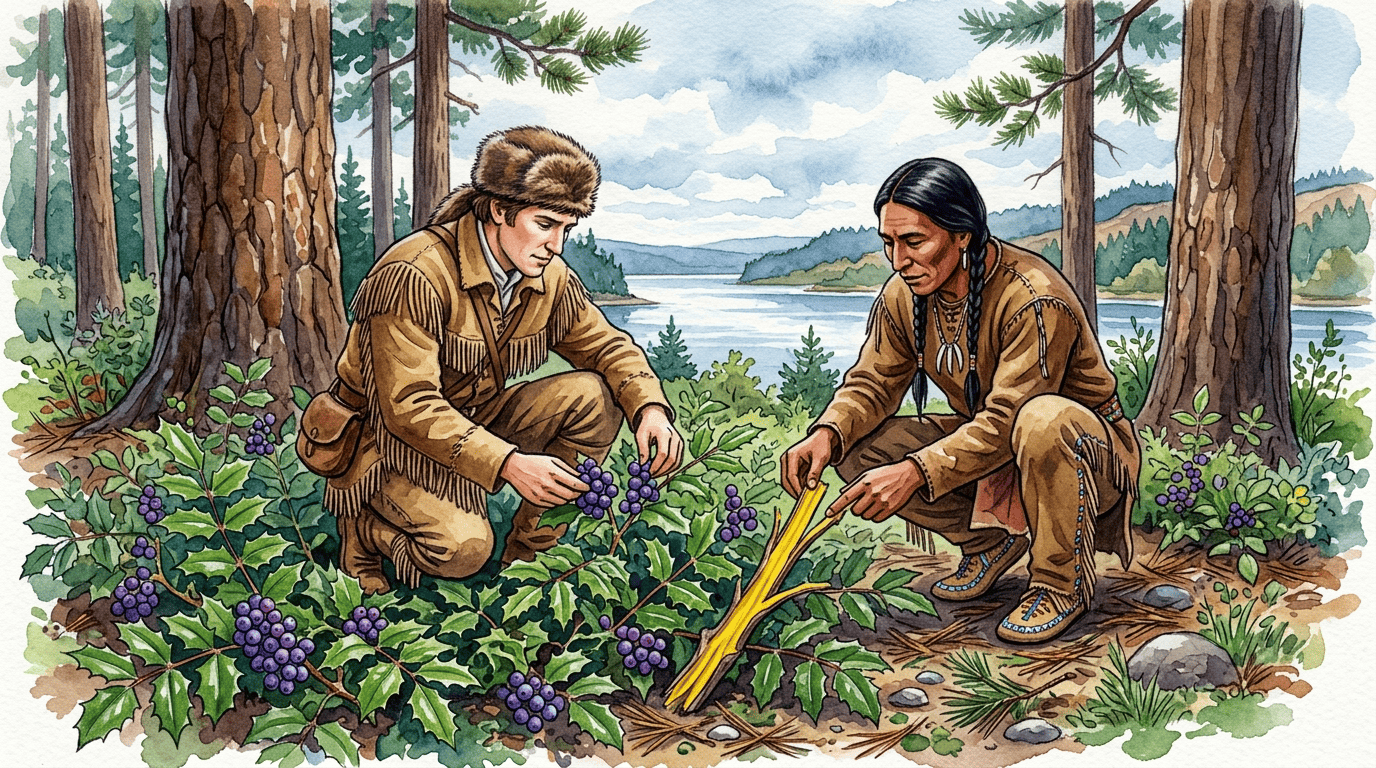
Mahonia repens, the creeping Oregon grape, is a low rhizomatous evergreen shrub native to western North America from British Columbia to California and east to the Rocky Mountains. Lewis and Clark collected related Mahonia species in 1806, and Scottish botanist David Douglas introduced the genus to European horticulture in the 1820s. Indigenous peoples including the Blackfoot, Nez Perce, Salish, and Shoshone used the bright yellow inner bark and roots as dye and medicinal antiseptic, and ate the tart purple berries.
The berberine-rich roots are still used in herbal medicine. While the taller M. aquifolium became Oregon's state flower in 1899, M. repens is preferred in residential landscapes for its ability to form a ground-hugging evergreen mat beneath pines, tolerating deep shade and drought.
Used by Indigenous peoples of the western US including the Blackfoot and Salish for both food and medicine, with berberine-rich roots employed as a yellow dye and antimicrobial. Documented by the Lewis and Clark Expedition in 1805 along the lower Columbia River.
Symbolism & meaning
What It Symbolizes
Creeping Mahonia is resilience knitted into the western forest floor, its prickly evergreen leaves and yellow spring blossoms surviving harsh mountain winters where few groundcovers persist. As an icon of the Wild West understory, it carries a sturdy frontier character. In its small grape-like fruits, dry foothill country offers an unexpectedly cheerful gift.
- Resilience — tough evergreen surviving harsh western winters
- Wild West — icon of dry mountain forest understories
Where the Name Comes From
'Mahonia' honors American horticulturist Bernard McMahon (1775–1816); 'repens' means creeping.
Uses & Fun Facts
- Low rhizomatous evergreen carpets dry shaded woodland slopes
- Blue summer berries feed birds across the Western US
- Yellow spring flowers nourish early native bees
- Holly-like leaves bring evergreen texture to native plantings
Related plants
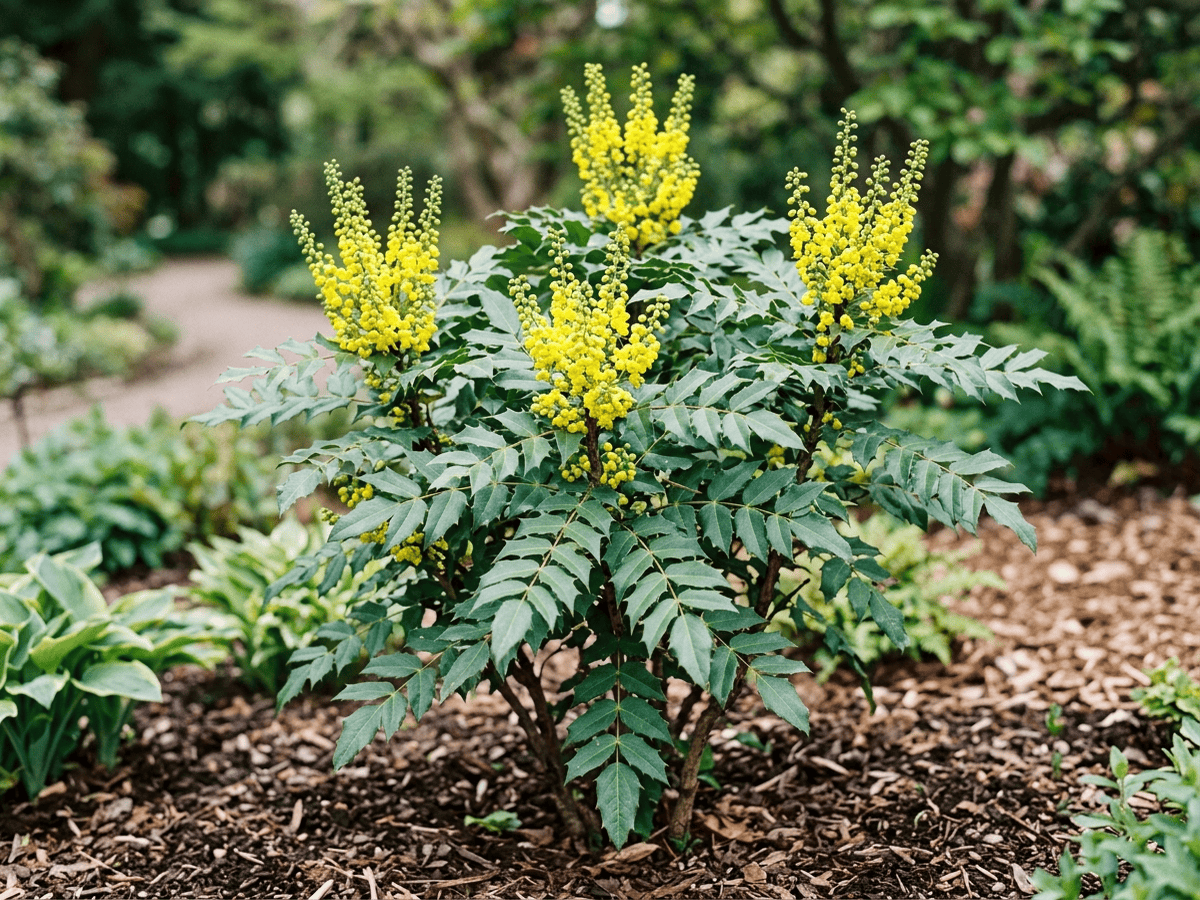
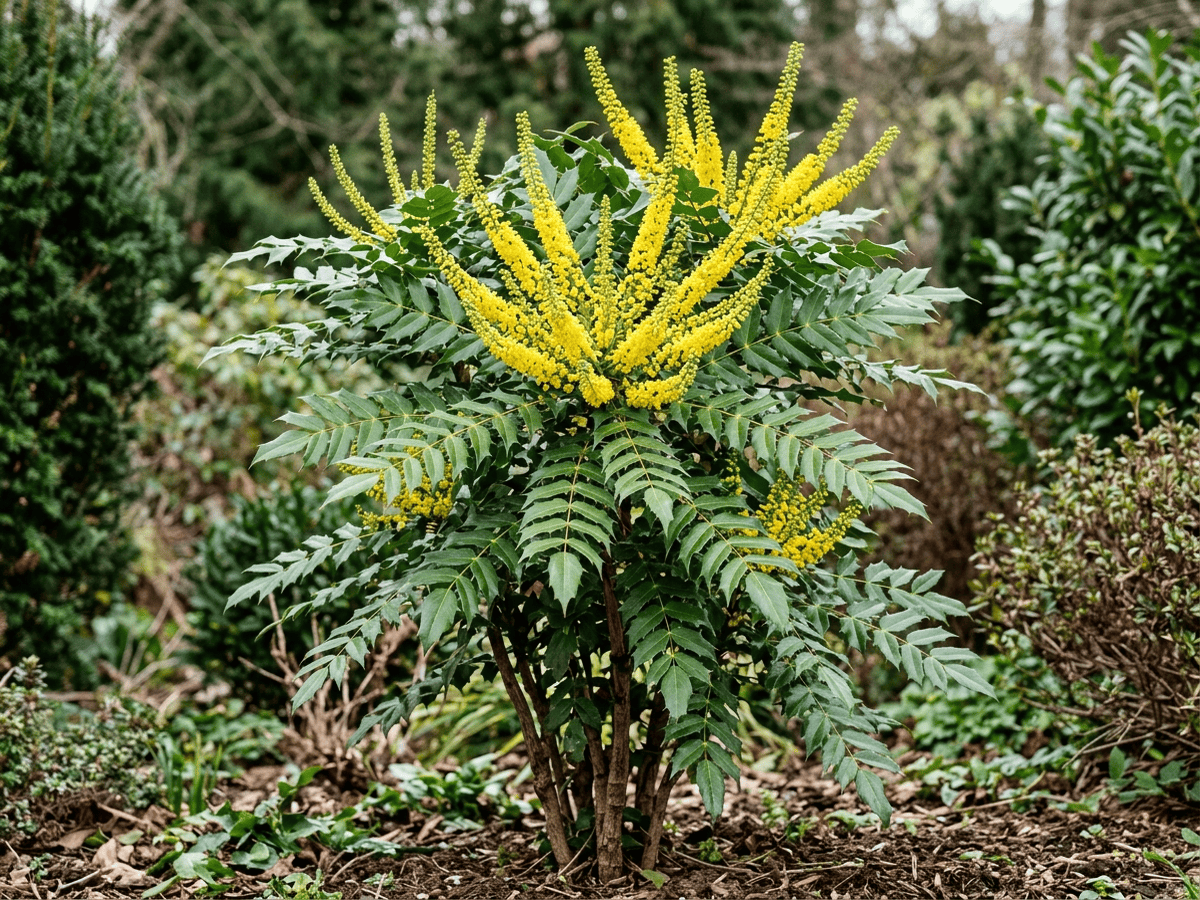
More Mahonia plants
Plants with similar care
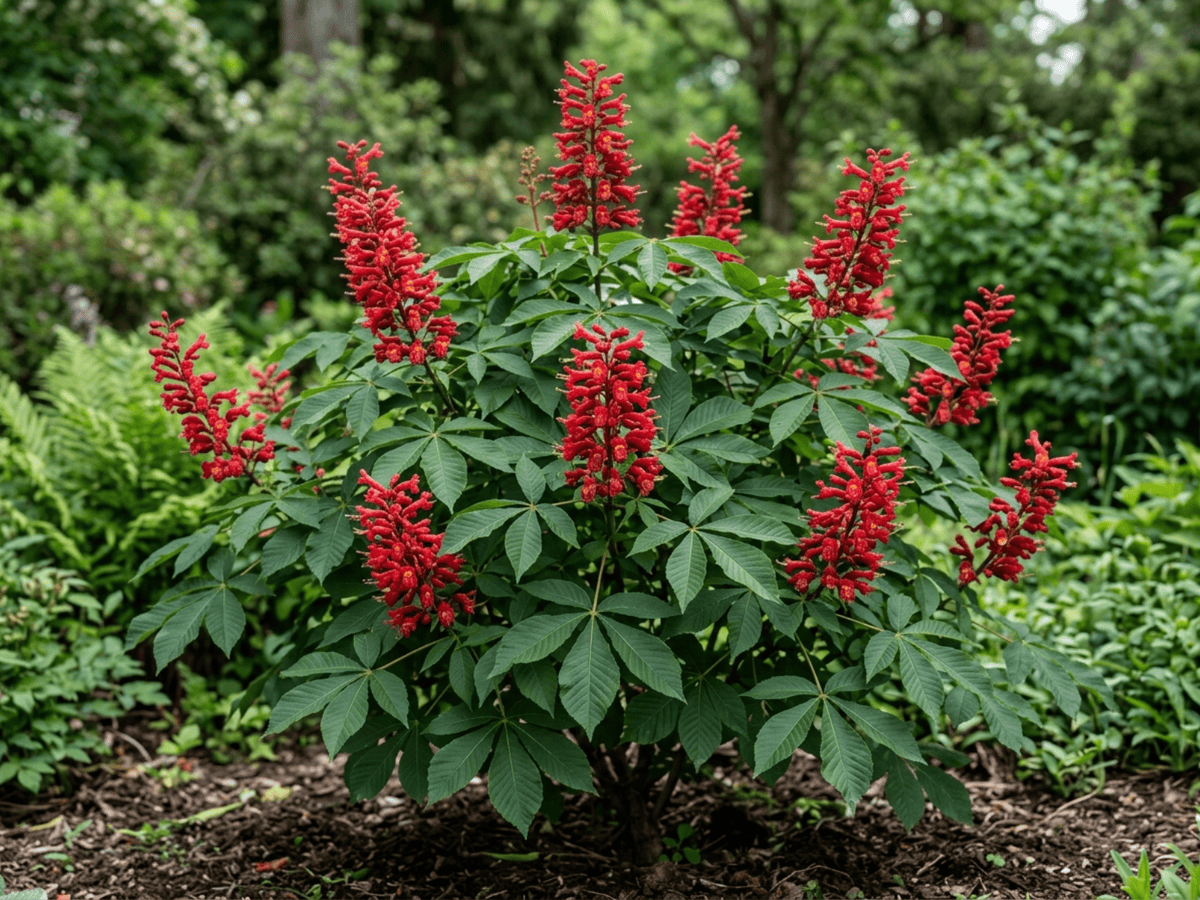 Red BuckeyeAesculus pavia
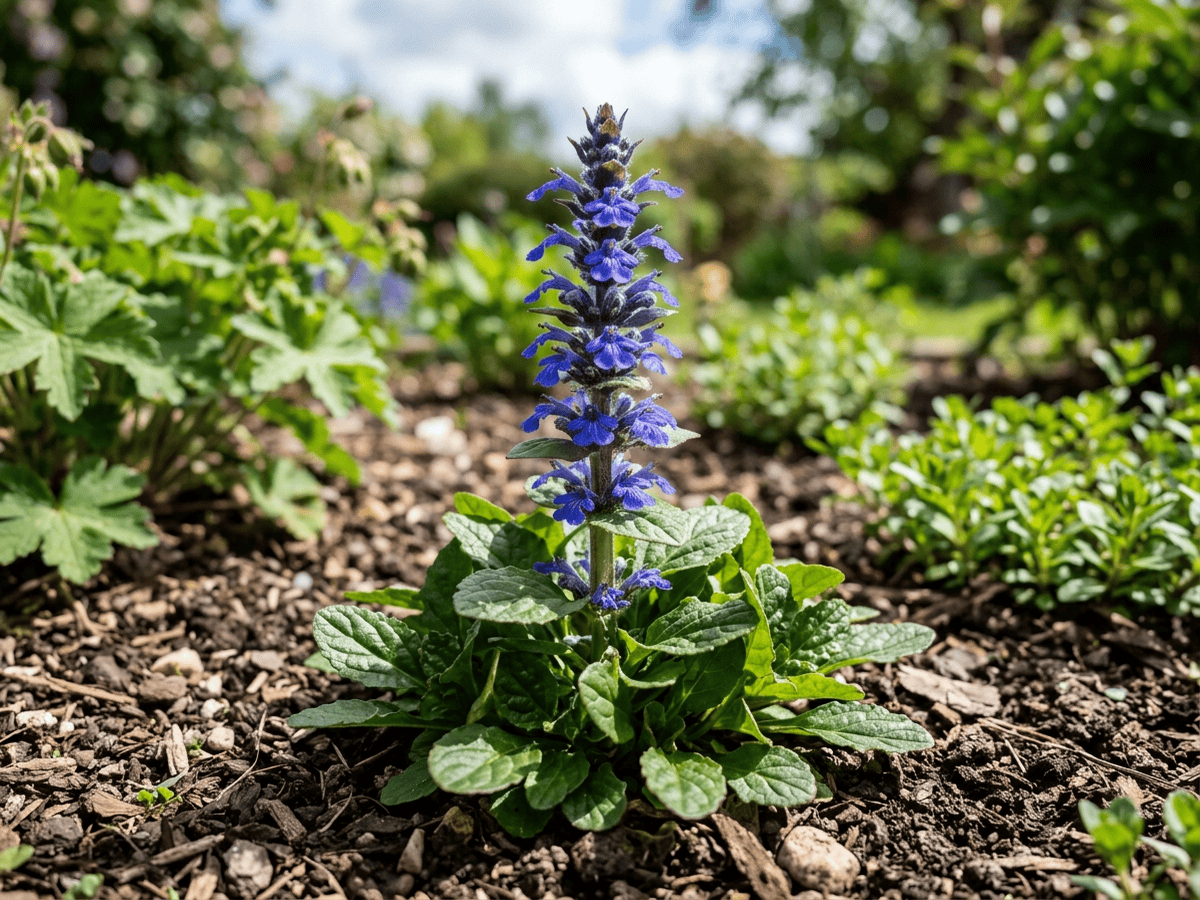 Blue BugleAjuga genevensis
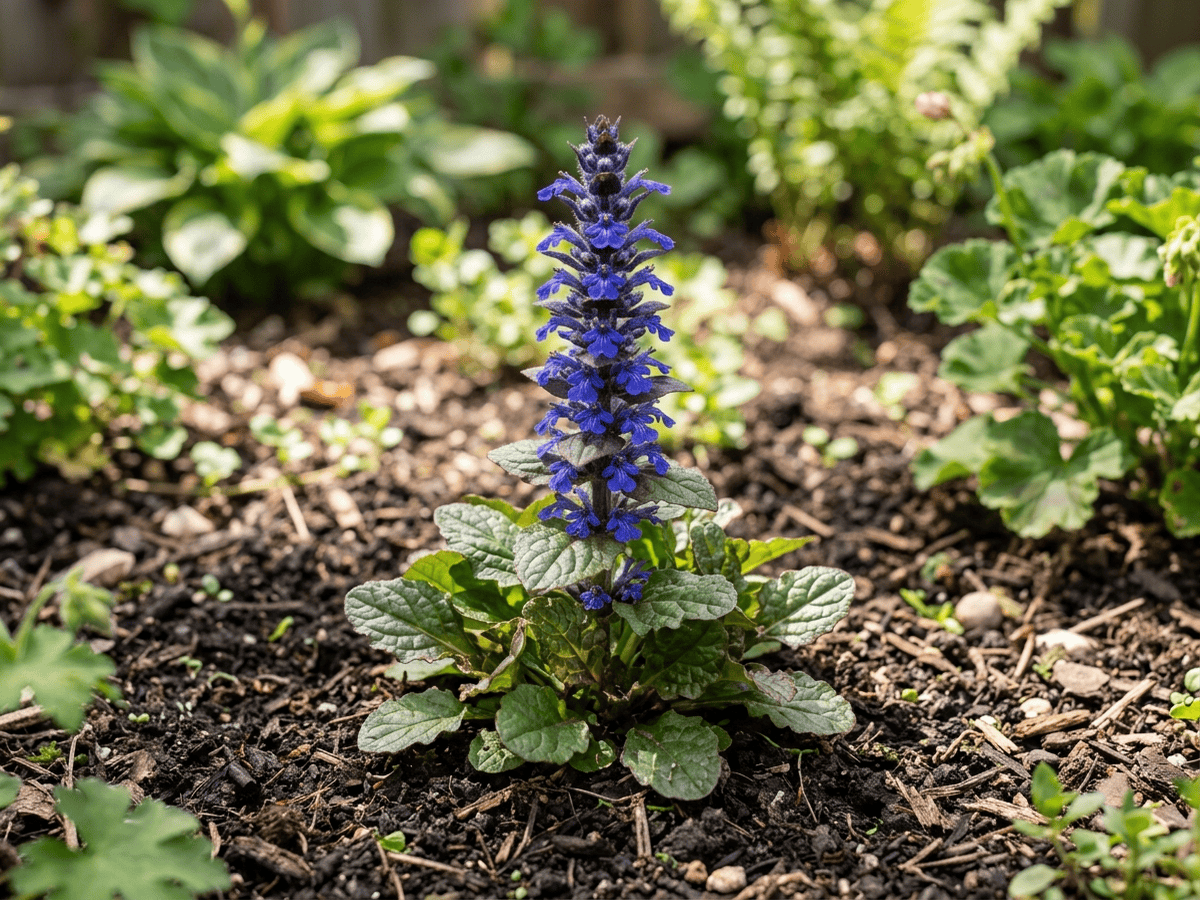 Pyramidal BugleAjuga pyramidalis
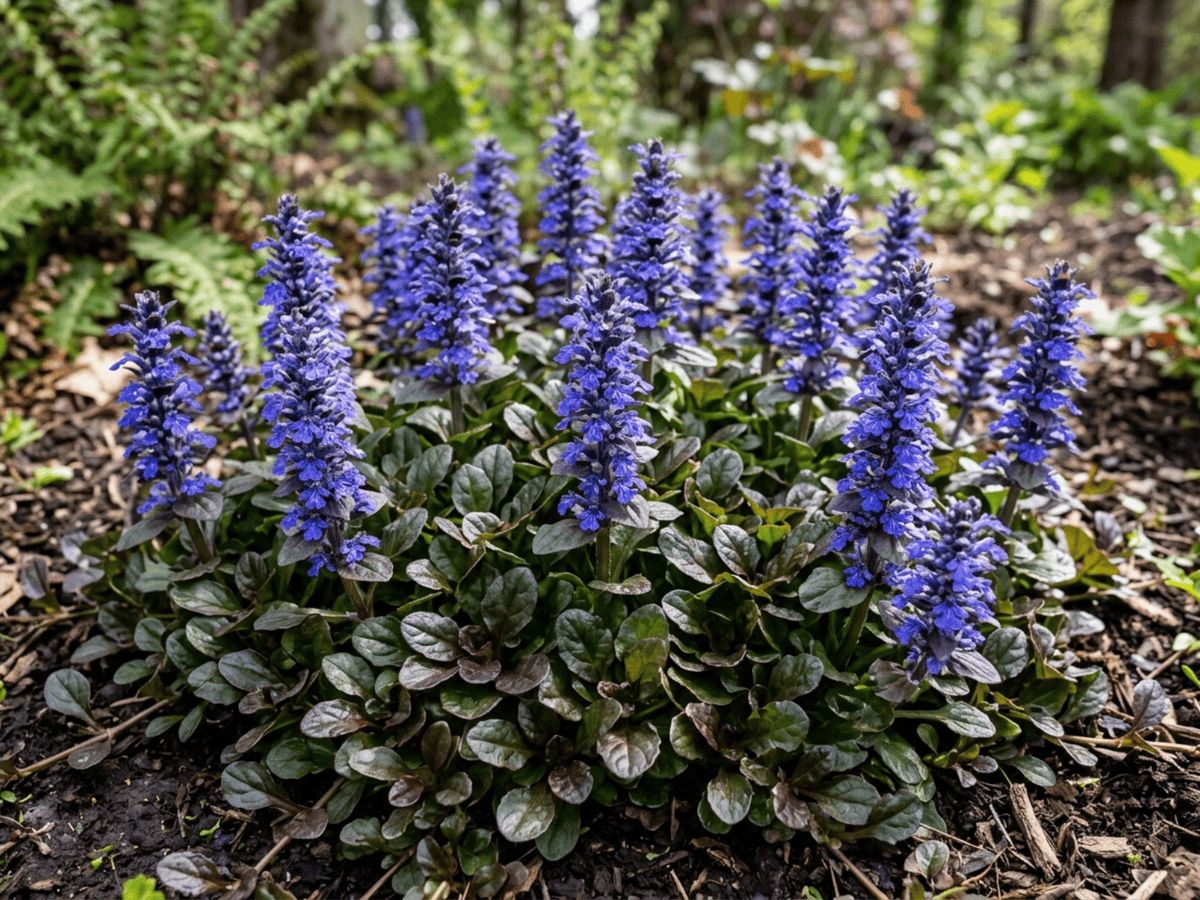 Carpet BugleAjuga reptans
Frequently asked questions
How often should I water Creeping Mahonia?
In summer, water about every 7 days; in winter, about every 21 days. Adjust for heat, pot size and drainage.
How much light does Creeping Mahonia need?
Part shade: 2–4 hrs direct. Watch the leaves — scorching or stretching means the light needs adjusting.
Is Creeping Mahonia toxic to cats or dogs?
Pets Slight (Dogs Slight · Cats Slight) Educational information, not medical or veterinary advice. If exposure is suspected, contact a doctor or veterinarian.
Is Creeping Mahonia easy to grow?
Yes — it is considered an easy, beginner-friendly plant.
When does Creeping Mahonia bloom?
It typically blooms Mar–May in the Northern Hemisphere.
YardMate
Identify any plant in seconds
Snap a photo — YardMate names the plant, diagnoses problems, and reminds you when to water.
Download on the App Store