 YardMate


Brazilian Jasmine
Mandevilla sanderi
Medium · Some experienceAbout Brazilian Jasmine
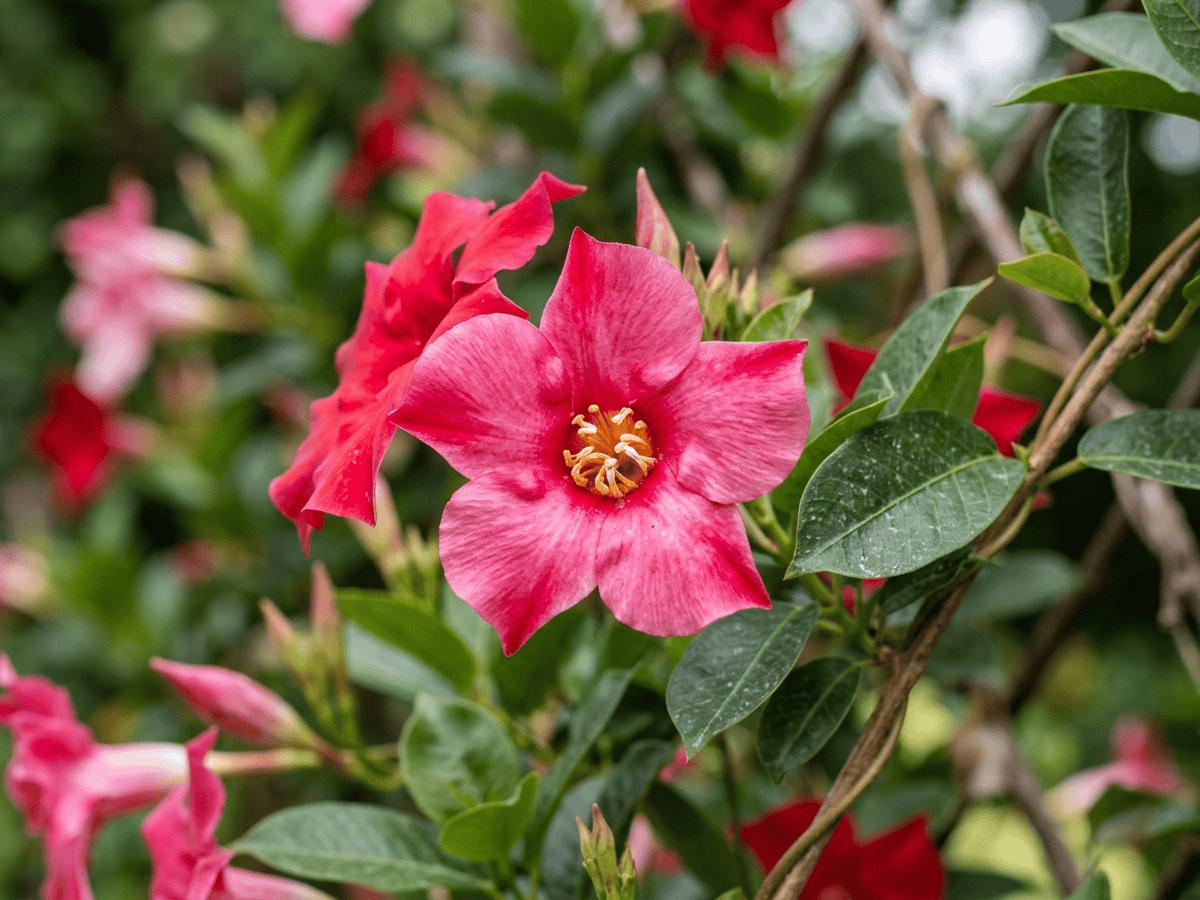
Mandevilla sanderi, the Brazilian jasmine, is a tropical twining vine producing large, trumpet-shaped flowers in vivid pink, red, or white against glossy dark green leaves. Native to Brazil, it blooms continuously from spring through autumn in warm conditions. The flowers are showy — up to 7 cm across — and appear in clusters at stem tips. Modern compact cultivars like the 'Sun Parasol' series have made it a popular summer patio plant in temperate climates, grown as an annual or overwintered indoors. It needs warmth, sun, and regular feeding to perform best.
- Climbing
- Tropical
- Long-blooming
How to care for Brazilian Jasmine
Watering
- Springevery 5 days
- Summerevery 3 days
- Fallevery 7 days
- Winterevery 14 days
Soil · Well-draining
- Top dressingPine bark mulch10%
- Main mixPotting soil + perlite 2:170%
- DrainageLECA / gravel20%
Never skip the drainage layer — standing water is the top cause of root rot.
FERTILIZER
Bloom Booster 10-52-10
A phosphorus-forward feed fuels abundant blooms, with just enough nitrogen and potassium to keep foliage and roots steady.
- Nitrogen · Leaves
- Phosphorus · Roots + Blooms
- Potassium · Strength
- Springevery 21 days
- Summerevery 21 days
At a Glance
- NativeSouth America
- Height6–15 ft (1.8–4.6 m)
- Spread3–6 ft (0.9–1.8 m)
- Flower colorPink, Red, White, Yellow
- Foliage colorGreen
- SoilLoamy, Well-drained, Rich
- LocationsBalcony · Indoor
Bloom time
BLOOM CYCLE
Peak bloom
Jun–Aug
Large trumpet flowers all summer; feed heavily; bring indoors before frost
Fragrance
NO FRAGRANCE
Typically unscented despite the common name "Brazilian jasmine."
Toxicity
Humans Moderate · Pets Moderate
cardiac glycosides (typical of Apocynaceae)
Moderate
- Sap
- All
- Contact
- Ingestion
EXPOSURE Touching sap and any part of the plant. Eating sap and any part of the plant.
EFFECT Sap irritates skin and ingestion can cause nausea, vomiting, cardiac effects.
NOTE Apocynaceae family contains cardiac glycosides; Mandevilla treated cautiously around pets.
Moderate
- All
- Ingestion
EXPOSURE Eating any part of the plant.
EFFECT Vomiting, diarrhea, cardiac arrhythmia possible.
NOTE Apocynaceae family contains cardiac glycosides; Mandevilla treated cautiously around pets.
Moderate
- All
- Ingestion
EXPOSURE Eating any part of the plant.
EFFECT Vomiting, diarrhea, cardiac arrhythmia possible.
NOTE Apocynaceae family contains cardiac glycosides; Mandevilla treated cautiously around pets.
Educational information, not medical or veterinary advice. If exposure is suspected, contact a doctor or veterinarian.
DISTRIBUTION


- Native
- South America
History
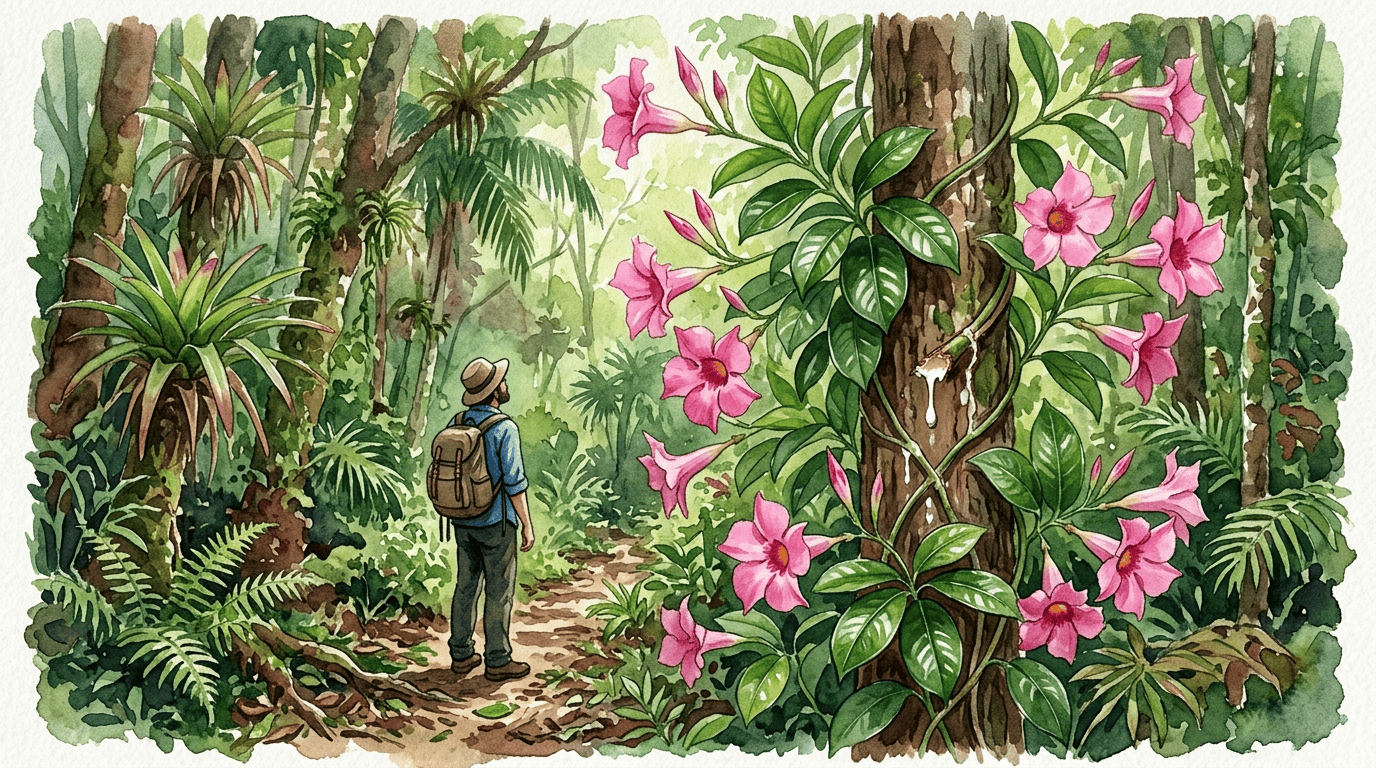
Mandevilla sanderi is native to the Atlantic coastal forests of southeastern Brazil. The genus honors Henry John Mandeville, a British diplomat in Buenos Aires who sent tropical plant specimens to England in the 1830s, while the species commemorates the Sander nursery firm. With glossy leaves, milky sap, and trumpet-shaped pink flowers, it became a warm-climate vine and conservatory plant.
The old nursery distinction between Mandevilla and Dipladenia still lingers in trade language, even though Dipladenia is now folded into Mandevilla. The modern transformation came through breeding, especially compact series such as Sun Parasol from Suntory, which turned a gangly vine into a heavy-flowering patio and balcony plant. Today Brazilian jasmine is one of the top summer container plants in Europe and North America, valued for tropical abundance in a pot.
Symbolism & meaning
What It Symbolizes
Brazilian Jasmine is celebration in tropical trumpet form, its exuberant pink flowers spiraling up trellises and patio pots like a party in slow motion. from it Atlantic Forest homeland it carries an instinct for festivity, its cheerful blossoms reading as joy in any climate. It is the vine planted for backyards meant to feel like vacation.
- Celebration — Its exuberant tropical trumpets represent festivity and joyful occasions
Where the Name Comes From
The name Brazilian Jasmine points to Brazil. Mandevilla honors Henry Mandeville, 19th-century British diplomat in Argentina. Sanderi honors Henry Sander, Victorian orchid nursery owner.
Uses & Fun Facts
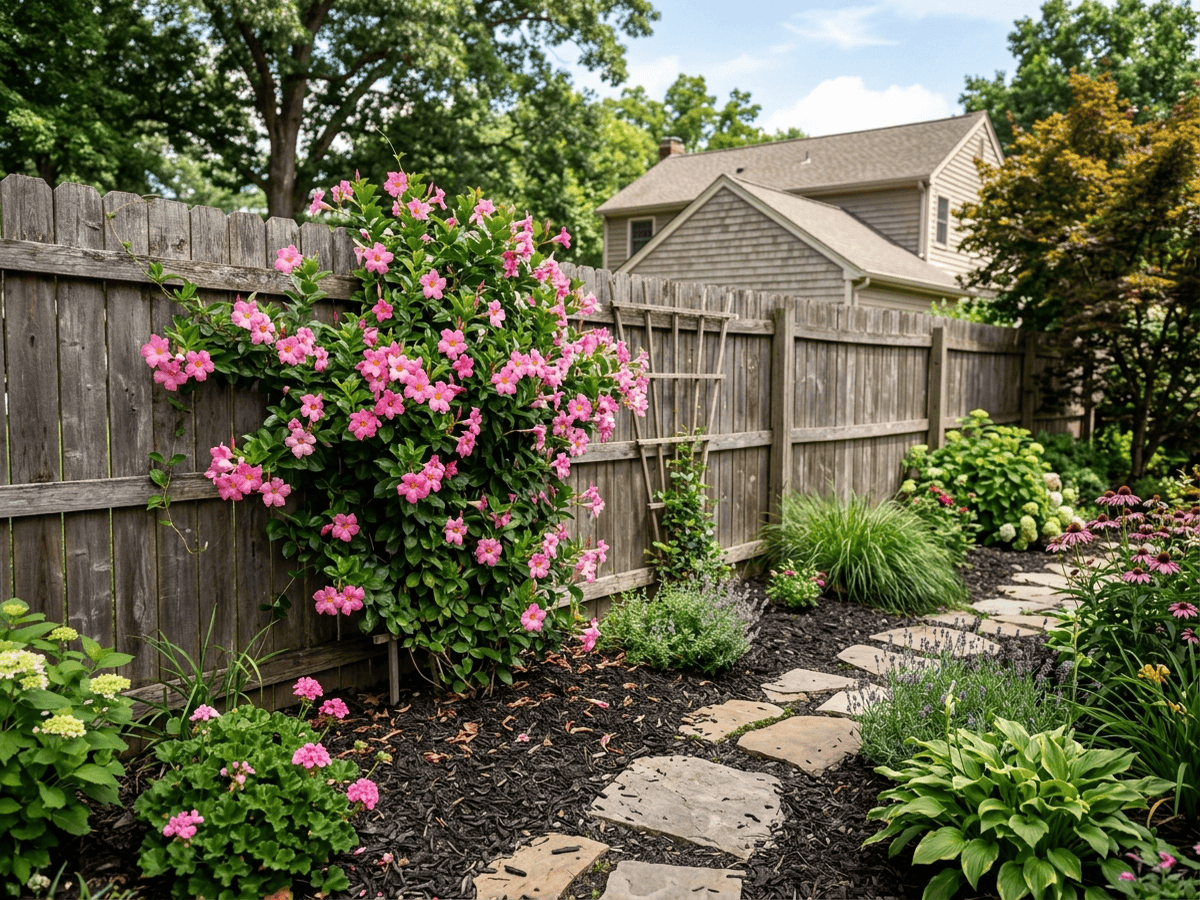
- Twining tropical vine for summer trellises and arbors
- Trains onto patio obelisks in pots through warm season
- Glossy foliage and trumpet flowers bloom continuously till frost
Related plants
Plants with similar care
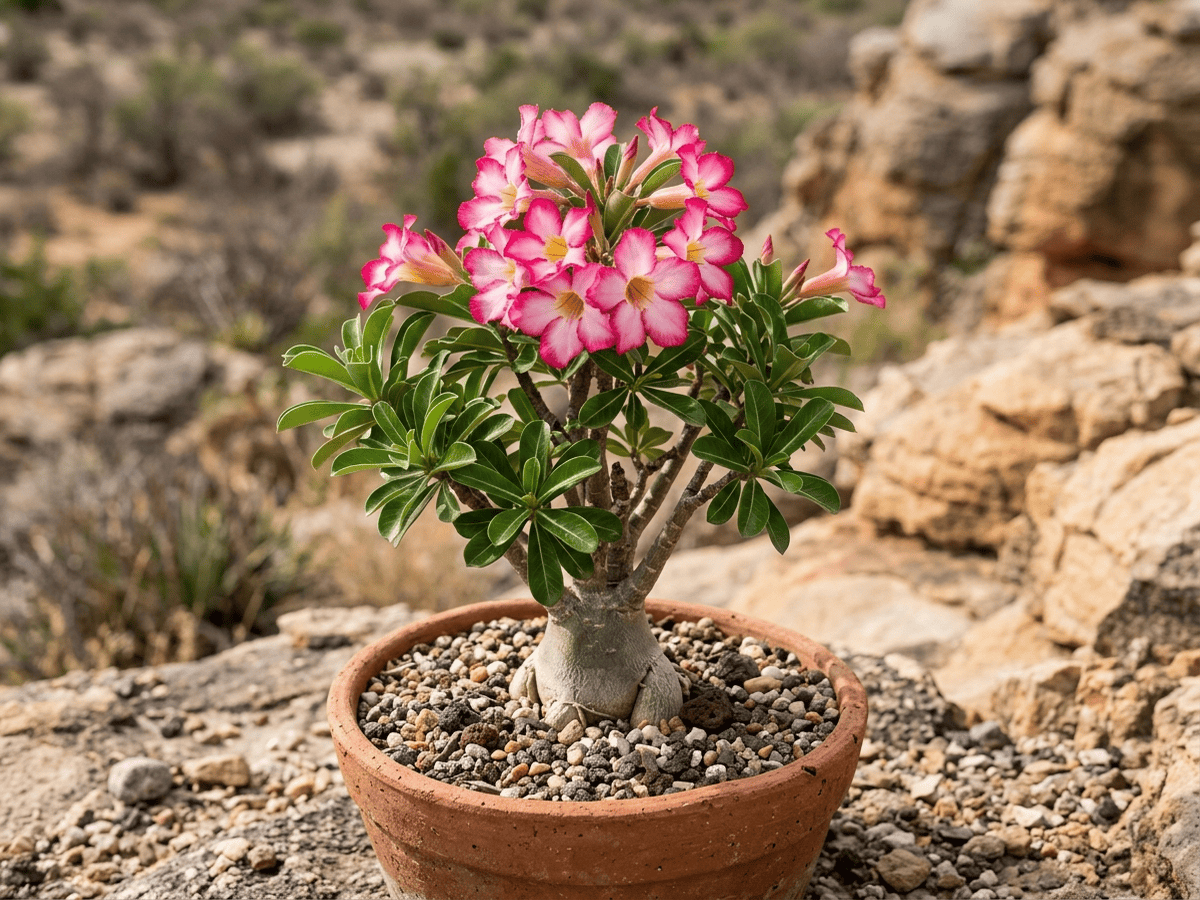 Desert RoseAdenium obesum
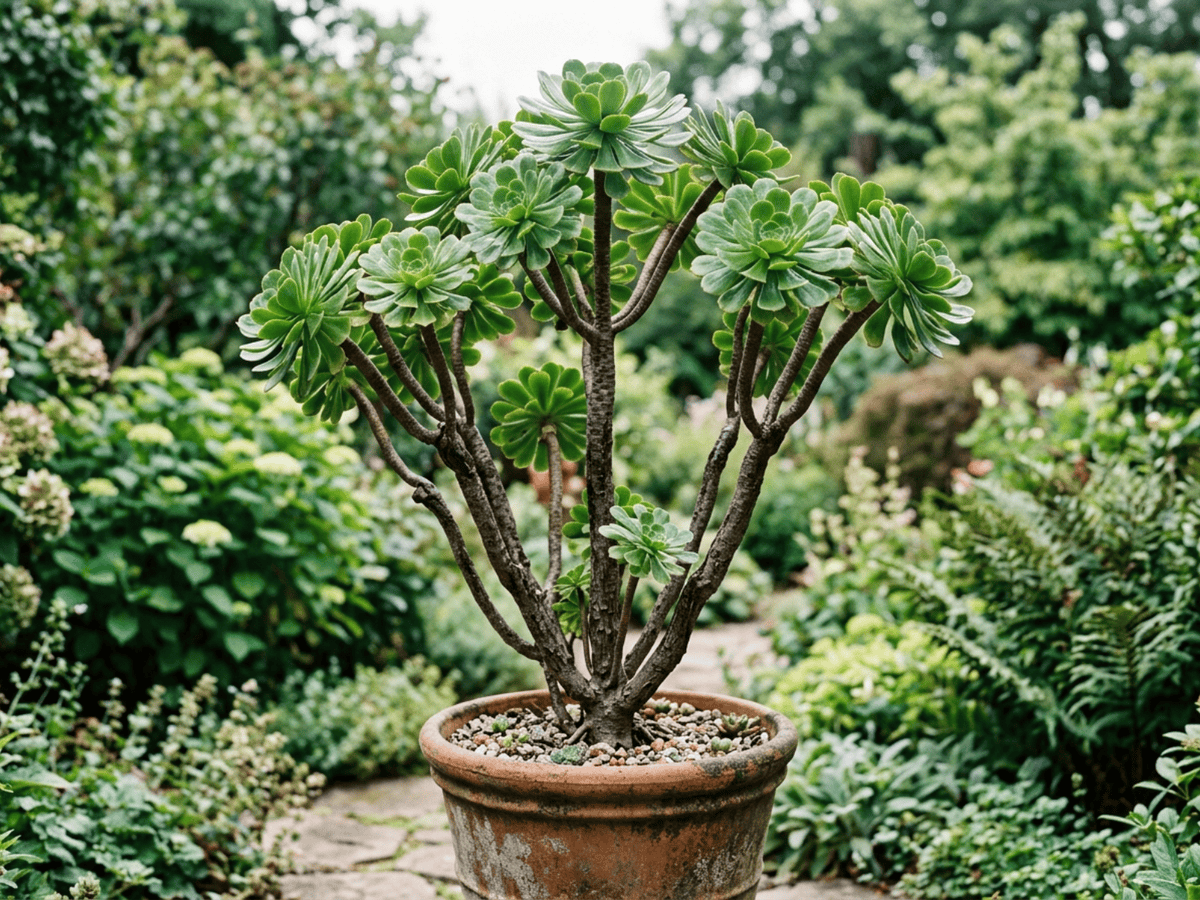 Tree AeoniumAeonium arboreum
 Queen Victoria AgaveAgave victoriae-reginae
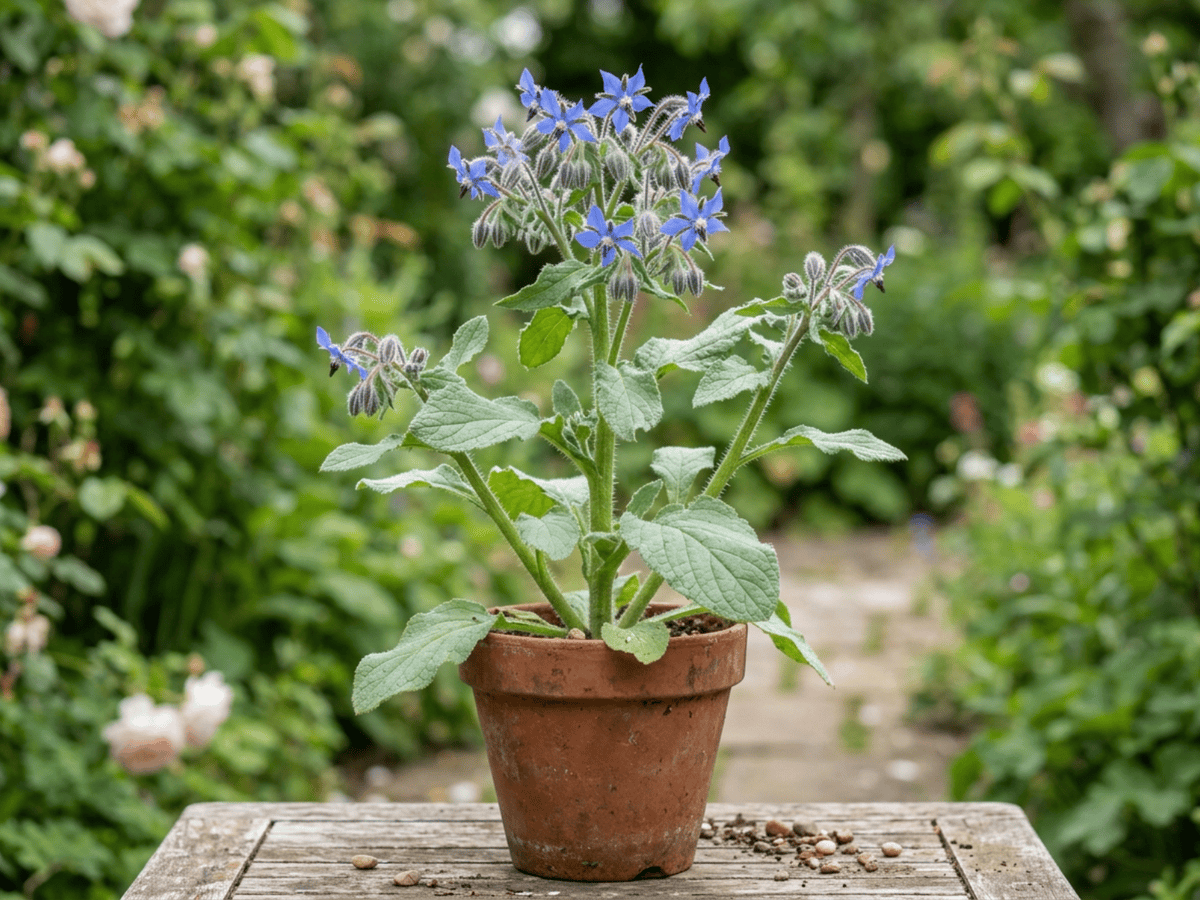 Lemon VerbenaAloysia citriodora
Frequently asked questions
How often should I water Brazilian Jasmine?
In summer, water about every 3 days; in winter, about every 14 days. Adjust for heat, pot size and drainage.
How much light does Brazilian Jasmine need?
Full sun: 6+ hrs direct. Watch the leaves — scorching or stretching means the light needs adjusting.
Is Brazilian Jasmine toxic to cats or dogs?
Pets Moderate (Dogs Moderate · Cats Moderate) Educational information, not medical or veterinary advice. If exposure is suspected, contact a doctor or veterinarian.
Is Brazilian Jasmine easy to grow?
It is moderately demanding: a good choice once you have a little experience.
Can Brazilian Jasmine be grown indoors?
Yes, it adapts well to indoor growing given the right light.
When does Brazilian Jasmine bloom?
It typically blooms Jun–Aug in the Northern Hemisphere.
YardMate
Identify any plant in seconds
Snap a photo — YardMate names the plant, diagnoses problems, and reminds you when to water.
Download on the App Store