 YardMate

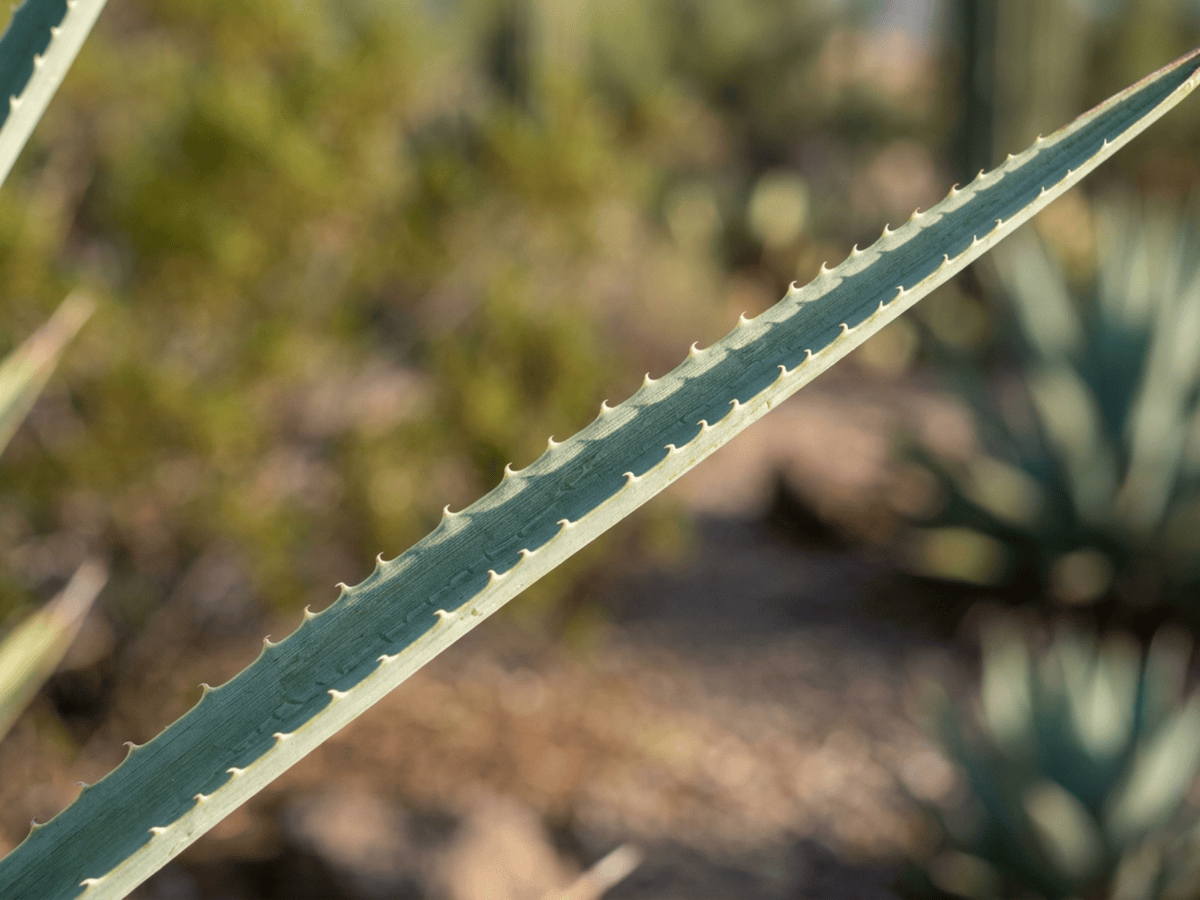


Queen Victoria Agave
Agave victoriae-reginae
Medium · Some experienceAbout Queen Victoria Agave
The Queen Victoria Agave is widely regarded as the most beautiful agave species, native to a few limestone mountain ranges in the Chihuahuan Desert of northeastern Mexico. Its compact, dome-shaped rosette grows slowly to about eighteen inches across, composed of short, thick, dark-green leaves marked with striking white bud-imprint lines along the edges and surfaces. Each leaf terminates in a small, dark spine, and the overall effect is of an exquisitely painted geometric sculpture. It is one of the slowest-growing agaves, taking twenty to thirty years to mature, and like others in the genus it is monocarpic — blooming once with a dense spike of cream and reddish-purple flowers before dying. It tolerates moderate frost, making it more versatile than many ornamental agaves. Its rarity and slow growth mean that large specimens are highly valued by collectors. Habitat loss and over-collection have made some wild populations vulnerable, though it is widely propagated from seed in nurseries.
- Drought-tolerant
- Compact
- Architectural
How to care for Queen Victoria Agave
Watering
- Springevery 14 days
- Summerevery 14 days
- Fallevery 21 days
- Winterevery 45 days
Soil · Fast-draining
- Main mixSand + pumice + soil 1:1:150%
- DrainagePumice / gravel50%
Keep grit at half the mix or more — this soil is meant to dry out fast.
FERTILIZER
Cactus & Succulent Feed 2-7-7
Hold the nitrogen back and growth stays compact instead of soft and stretched. Phosphorus and potassium carry the roots and the flowering.
- Nitrogen · Leaves
- Phosphorus · Roots + Blooms
- Potassium · Strength
- Springevery 60 days
- Summerevery 60 days
At a Glance
- NativeNorth America
- Height1–1.5 ft (0.3–0.5 m)
- Spread1–2 ft (0.3–0.6 m)
- Flower colorWhite, Cream, Purple
- Foliage colorDark-green
- SoilSandy, Well-drained
- LocationsYard · Indoor
Fragrance
NO FRAGRANCE
No notable fragrance.
Toxicity
Humans Moderate · Pets Moderate
saponins and calcium oxalate raphides
Moderate
- Sap
- Contact
EXPOSURE Touching sap.
EFFECT Dermatitis in sensitive individuals.
NOTE Documented concern for humans: Dermatitis in sensitive individuals.
Moderate
- All
- Ingestion
EXPOSURE Eating any part of the plant.
EFFECT Vomiting, diarrhea, skin irritation.
NOTE ASPCA lists Agave as toxic to pets.
Moderate
- All
- Ingestion
EXPOSURE Eating any part of the plant.
EFFECT Vomiting, diarrhea, skin irritation.
NOTE ASPCA lists Agave as toxic to pets.
Educational information, not medical or veterinary advice. If exposure is suspected, contact a doctor or veterinarian.
DISTRIBUTION


- Native
- North America
History
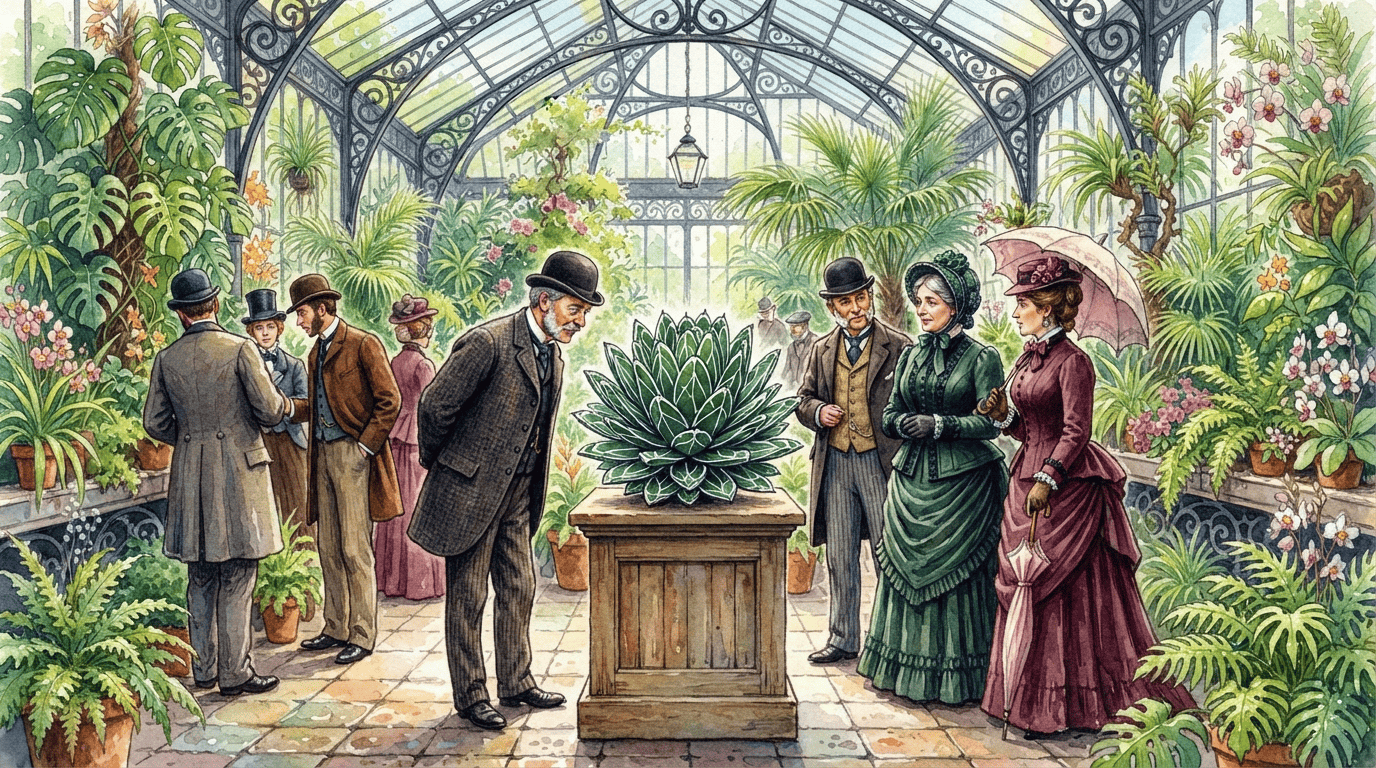
Agave victoriae-reginae is native to the limestone canyons of northern Mexico's Chihuahuan Desert, primarily in Coahuila, Durango, and Nuevo León. It was described by Thomas Moore in 1875 and named for Queen Victoria of the United Kingdom. Among the most geometrically elegant agaves, its compact 40-centimeter rosette develops short triangular dark-green leaves with crisp white imprint lines that record past leaf contacts.
It is severely threatened in the wild by collection for ornamental trade, and is listed as Near Threatened on the IUCN Red List; it is protected under CITES Appendix II and Mexican conservation law, though illegal harvest continues. Commercial seed-grown stock now supplies most of the horticultural trade. The plant flowers only once, typically after 20-40 years, producing a tall unbranched spike before the rosette dies.
The species was found in the Sierra Madre Oriental of Nuevo León and Coahuila, Mexico, growing in limestone crevices at elevations between 3,000 and 5,000 feet. Its extraordinary geometric beauty made it an instant sensation among European collectors. Japanese agave enthusiasts have been particularly devoted to the species, selecting and naming dozens of cultivars based on subtle variations in leaf markings and form.
Symbolism & meaning
What It Symbolizes
Queen Victoria Agave wears its majesty in geometry — a tight rosette of dark leaves edged in chalk-white, arranged with a precision that feels deliberate, almost engineered. Named for a queen, it carries its bearing: compact, regal, unhurried. Each leaf is a small act of botanical craftsmanship, slowly perfected over decades.
- Majesty — its regal geometric beauty evokes royal elegance and authority
- Precision — perfectly arranged leaf patterns represent meticulous craftsmanship
Where the Name Comes From
'Agave' from Greek 'agauos' (noble). 'Victoriae-reginae' means 'of Queen Victoria,' honoring Britain's monarch at the time of its botanical description in 1875.
Uses & Fun Facts
- Compact symmetrical rosette star of xeriscape gardens
- Slow growth suits long-term pot displays
- White-edged dark leaves create striking geometric pattern
Related plants
More Agave plants
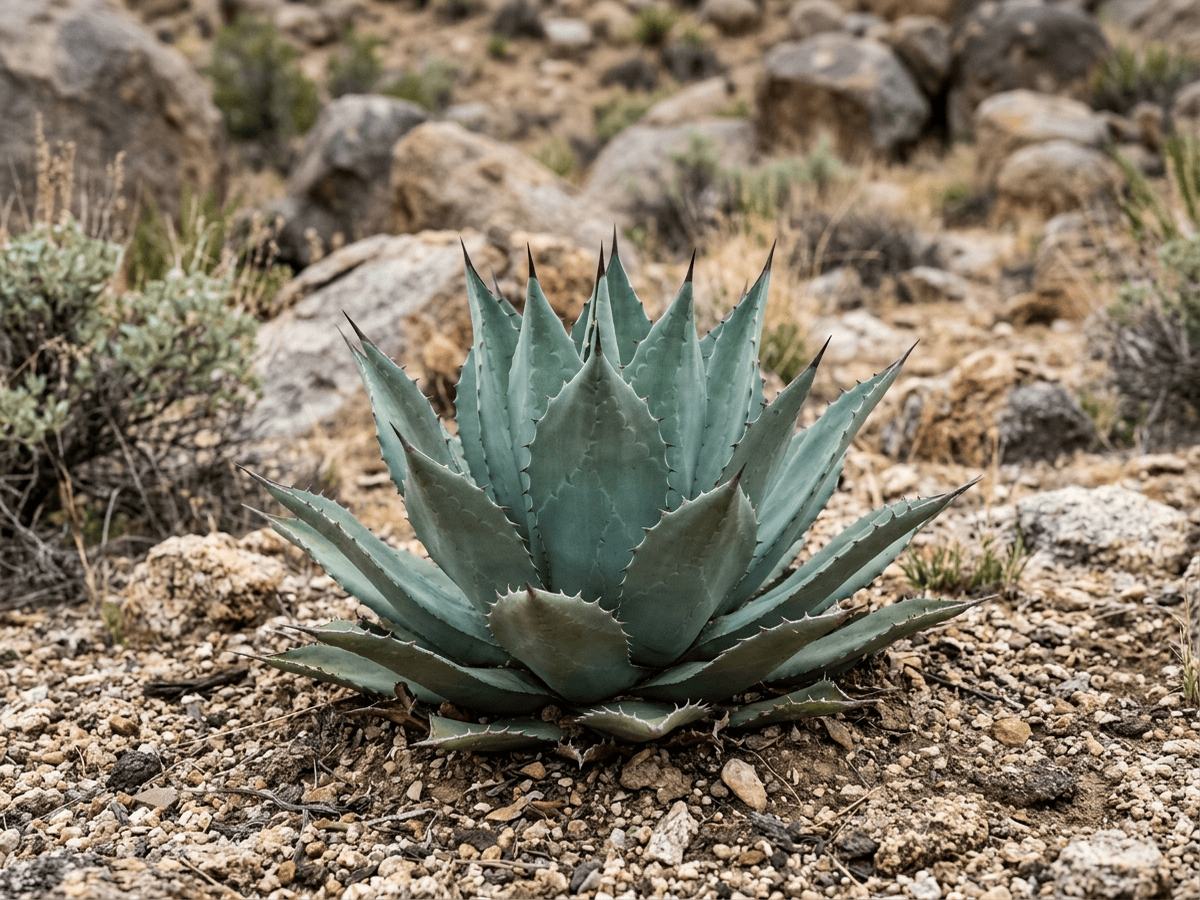 American Century PlantAgave americana
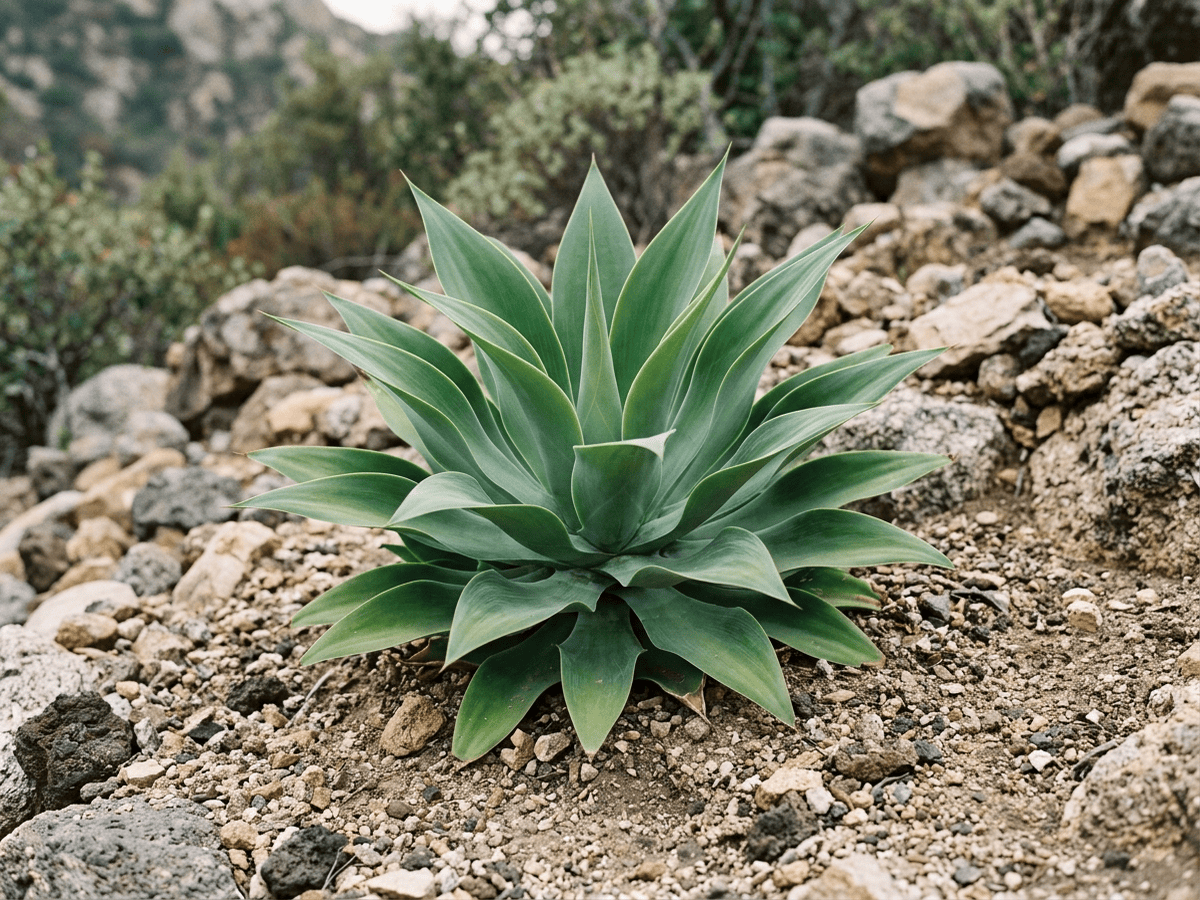 Swan-Neck AgaveAgave attenuata
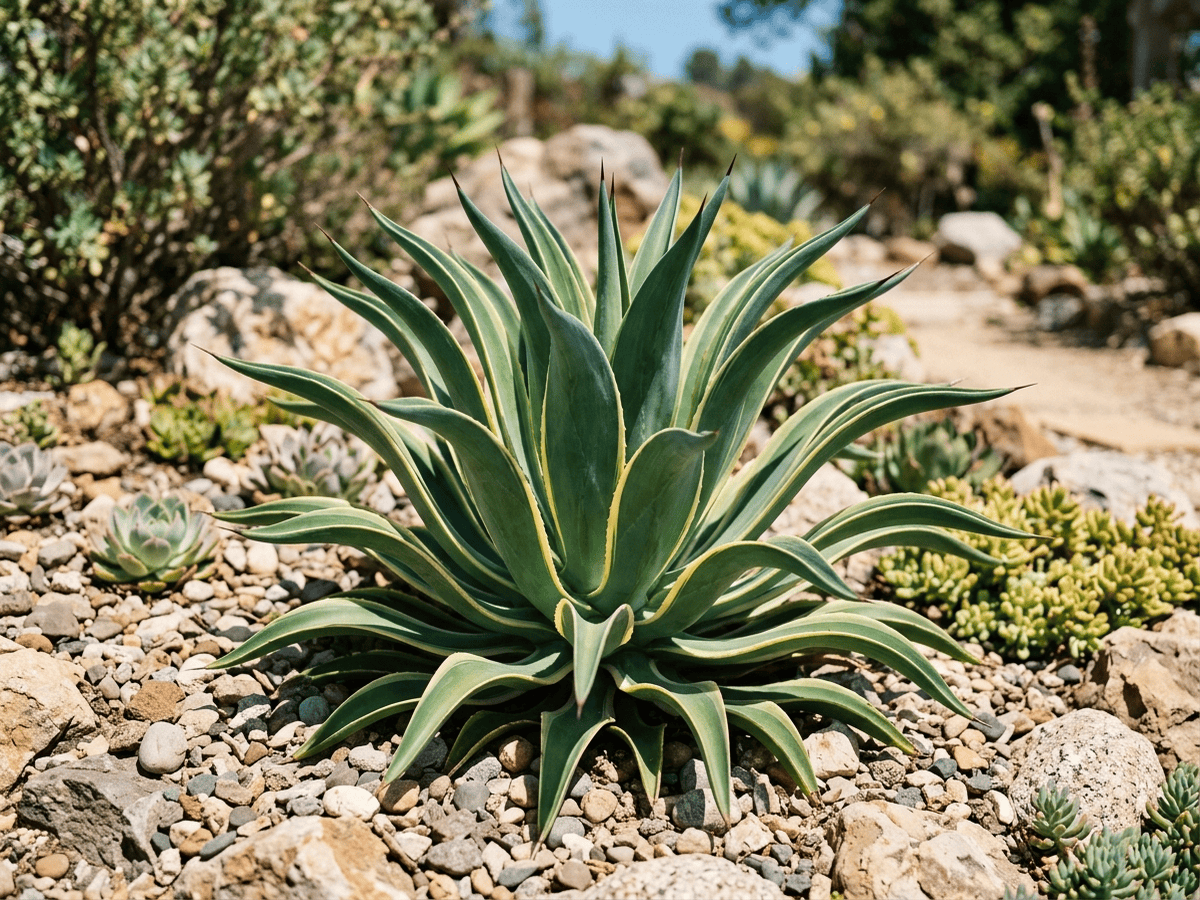 Smooth AgaveAgave desmettiana
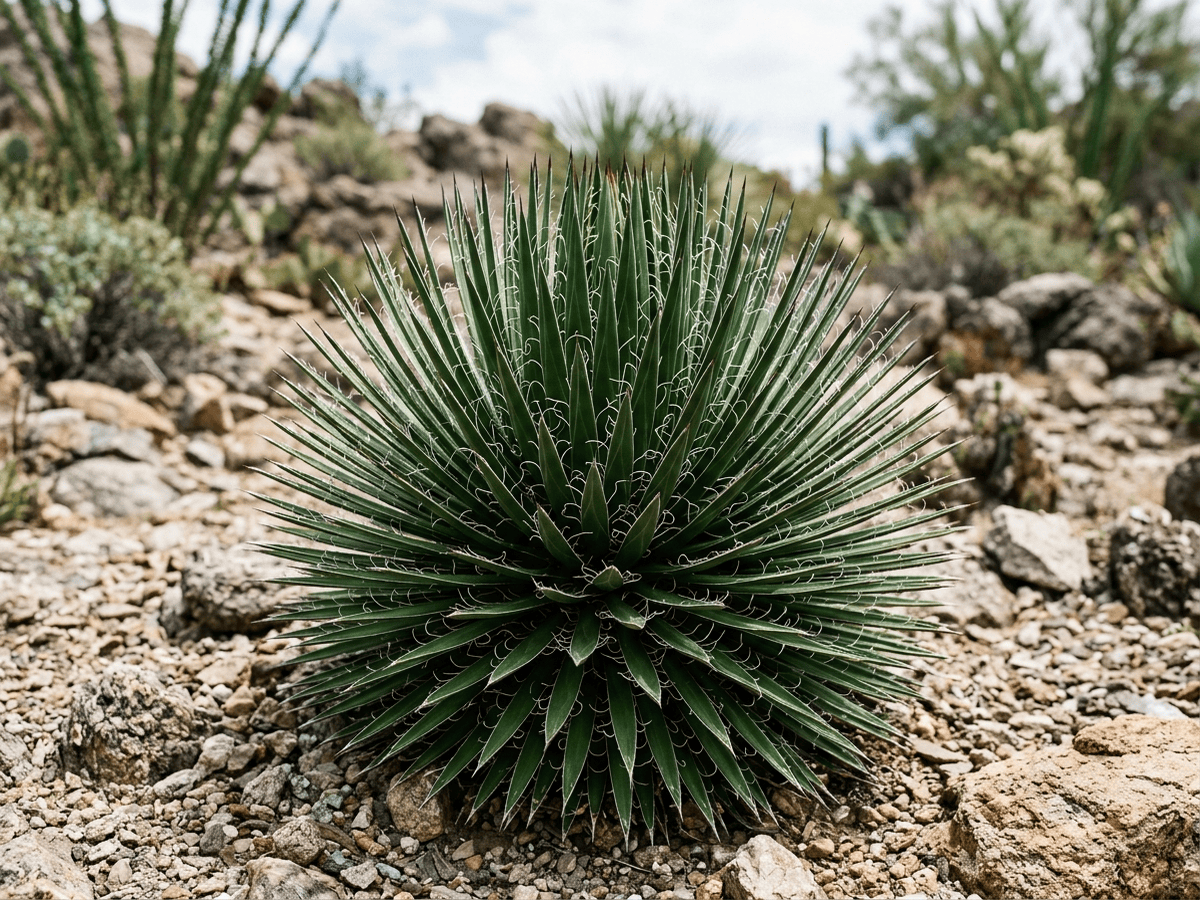 Twin-Flowered AgaveAgave geminiflora
Plants with similar care
 Mexican AbeliaAbelia floribunda
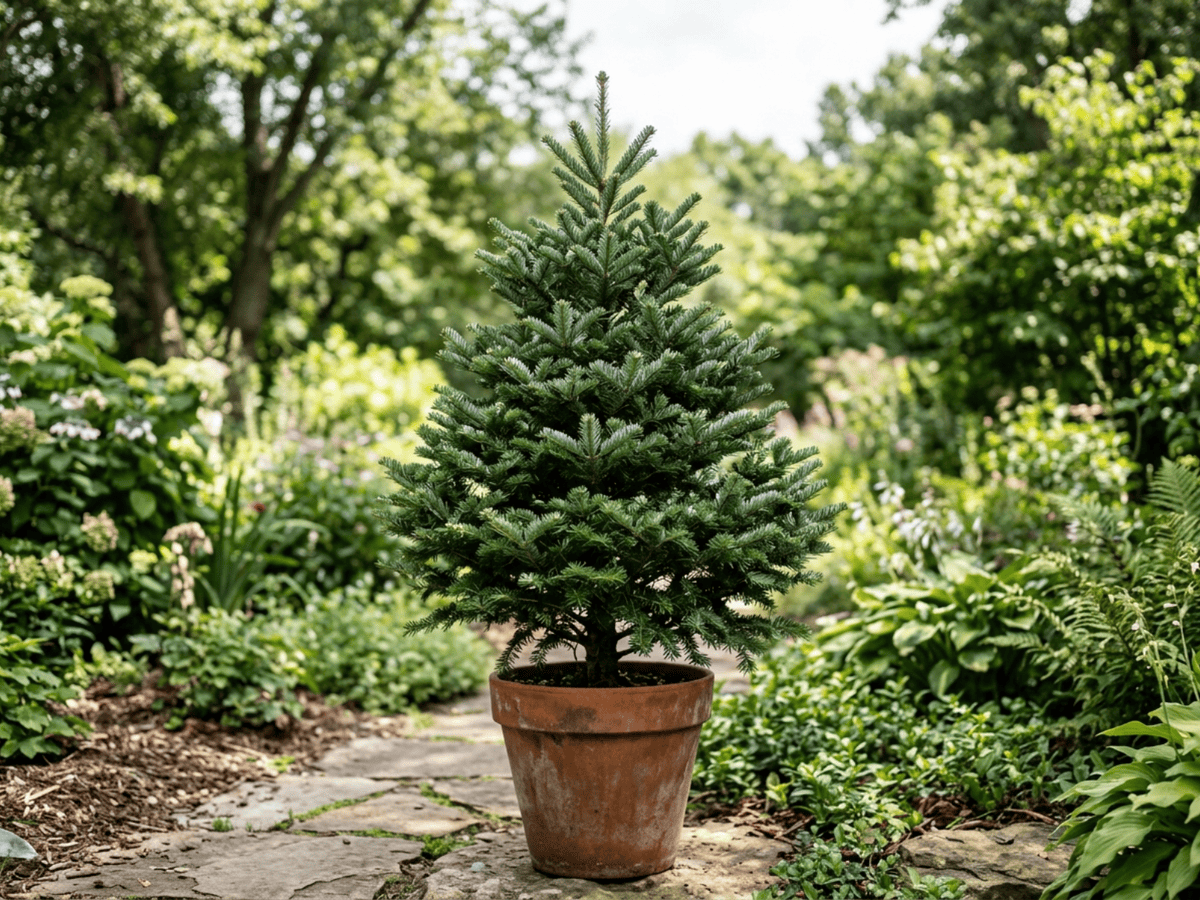 Fraser FirAbies fraseri
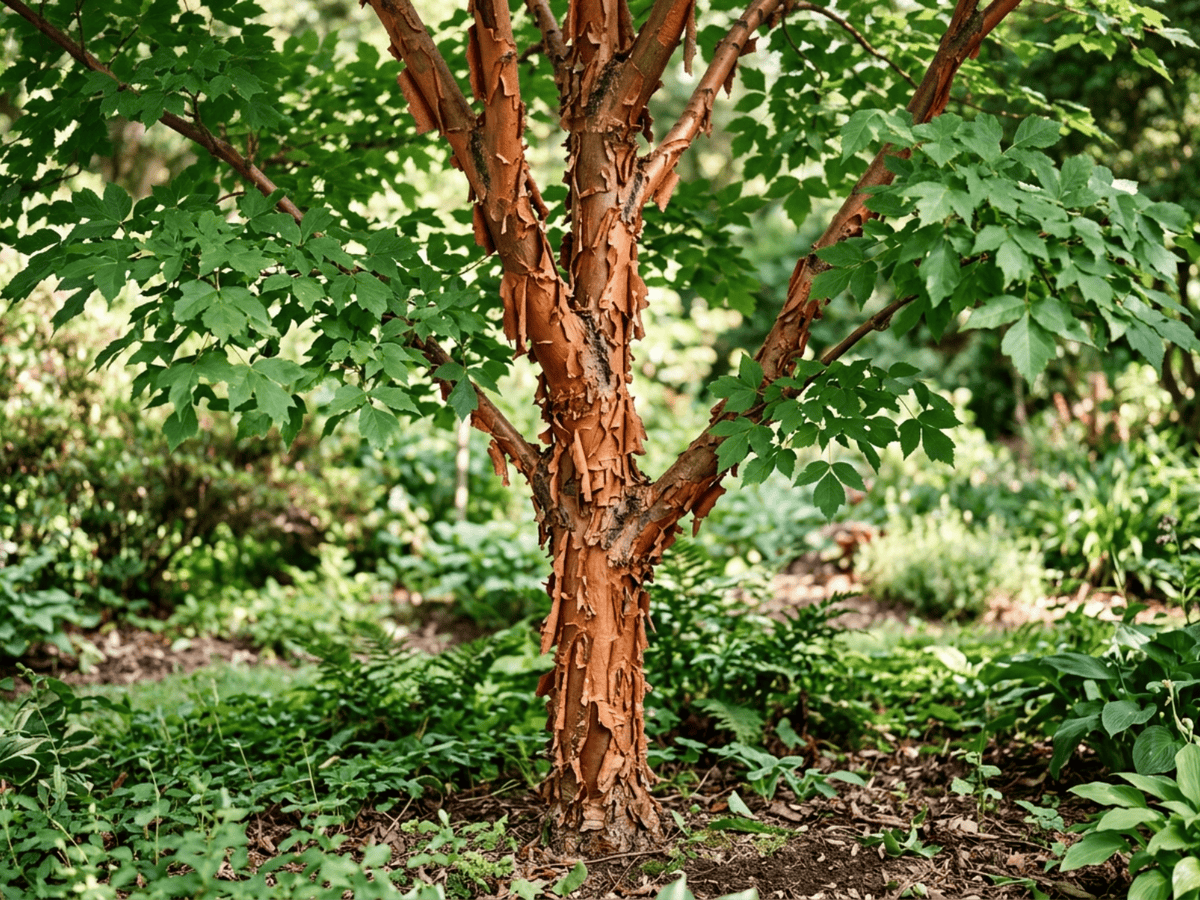 Paperbark MapleAcer griseum
 Sugar MapleAcer saccharum
Frequently asked questions
How often should I water Queen Victoria Agave?
In summer, water about every 14 days; in winter, about every 45 days. Adjust for heat, pot size and drainage.
How much light does Queen Victoria Agave need?
Full sun: 6+ hrs direct. Watch the leaves — scorching or stretching means the light needs adjusting.
Is Queen Victoria Agave toxic to cats or dogs?
Pets Moderate (Dogs Moderate · Cats Moderate) Educational information, not medical or veterinary advice. If exposure is suspected, contact a doctor or veterinarian.
Is Queen Victoria Agave easy to grow?
It is moderately demanding: a good choice once you have a little experience.
Can Queen Victoria Agave be grown indoors?
Yes, it adapts well to indoor growing given the right light.
YardMate
Identify any plant in seconds
Snap a photo — YardMate names the plant, diagnoses problems, and reminds you when to water.
Download on the App Store