 YardMate


Lemon Verbena
Aloysia citriodora
Medium · Some experienceAbout Lemon Verbena
Aloysia citriodora, known as lemon verbena, is a deciduous shrub in the Verbenaceae family originating from South America—primarily Argentina, Chile, and Peru. It can grow 2–3 m tall with slender, lance-shaped leaves that release an intensely bright lemon fragrance when crushed, considered by many the finest lemon scent in the plant kingdom.
Lemon verbena is hardy in USDA zones 8–11; in colder regions it is grown in containers and overwintered indoors. It requires full sun and well-drained soil, and benefits from regular watering during the growing season though it dislikes waterlogged roots. The plant drops its leaves in winter even in mild climates, which is normal, not a sign of distress.
The leaves are the star ingredient in herbal teas, lending a clean citrus flavour without bitterness. They are also used in desserts, cocktails, and savoury fish dishes across French and Argentine cuisine. Essential oil of verbena is valued in perfumery, though it commands a high price. Tiny white to pale lilac flowers appear in late summer, attracting pollinators. Prune hard in late winter to encourage bushy regrowth and abundant leaf production. A single plant near a doorway perfumes the entire entrance.
- Edible
- Fragrant
How to care for Lemon Verbena
Watering
- Springevery 4 days
- Summerevery 3 days
- Fallevery 5 days
- Winterevery 10 days
Soil · Rich & well-draining
- Top dressingCompost10%
- Main mixPotting soil + compost 3:180%
- DrainageGravel10%
Top up the compost layer each season.
FERTILIZER
Balanced Feed 14-14-14
An even feed covers all three needs at once, keeping leaves, roots and blooms moving together with nothing pushed out of balance.
- Nitrogen · Leaves
- Phosphorus · Roots + Blooms
- Potassium · Strength
- Springevery 30 days
- Summerevery 30 days
- Fallevery 45 days
At a Glance
- NativeSouth America
- Height5–10 ft (1.5–3 m)
- Spread4–8 ft (1.2–2.4 m)
- Flower colorWhite, Purple
- Foliage colorGreen
- SoilLoamy, Well-drained, Sandy
- LocationsYard · Indoor · Balcony
Bloom time
BLOOM CYCLE
Peak bloom
Aug–Sep
Small lilac flowers in late summer; pinch tips through the season for bushier growth and more leaves.
Fragrance
STRONG FRAGRANCE
Exceptionally intense pure lemon aroma, stronger than lemongrass or lemon balm.
Toxicity
Pets Slight
citral and limonene
Not reported
EXPOSURE No exposure route is reported.
EFFECT Culinary and tea herb and no significant toxicity.
NOTE No toxicity is reported for humans in this catalog; this is not evidence that the plant is edible or harmless.
Slight
- Leaf
- Stem
- Essential oil
- Ingestion
EXPOSURE Eating leaves, stems, and essential oil.
EFFECT Mild vomiting, diarrhea, and lethargy possible with concentrated oil or large ingestion.
NOTE Generally used as a culinary/tea herb for humans. NC State flags lemon verbena as a problem for dogs, cats, and horses; concentrated essential oil is the higher-risk form.
Slight
- All
- Ingestion
EXPOSURE Eating any part of the plant.
EFFECT Essential oil can be toxic to cats and leaf consumption low-risk.
NOTE Generally used as a culinary/tea herb for humans. NC State flags lemon verbena as a problem for dogs, cats, and horses; concentrated essential oil is the higher-risk form.
Educational information, not medical or veterinary advice. If exposure is suspected, contact a doctor or veterinarian.
DISTRIBUTION


- Native
- South America
History
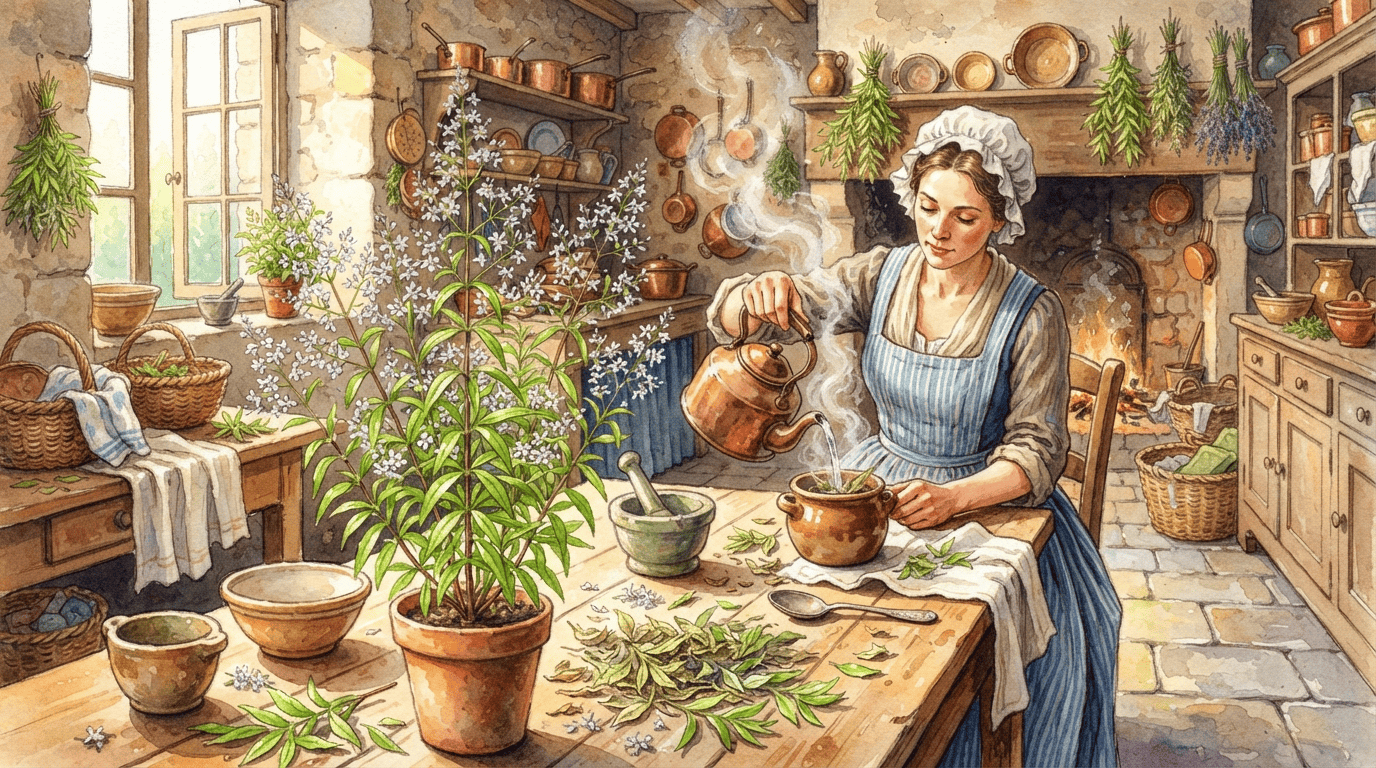
Aloysia citriodora is native to Argentina and Chile, and was carried to Europe by Spanish conquistadors returning from South America. It was introduced formally to Spanish botanical culture in the 1760s and from there spread across Europe. The genus name honors Maria Luisa of Parma, wife of King Charles IV of Spain (hence "Louisa" in Anglophone older sources).
The leaves contain the highest concentration of citral of any common herb, producing an exceptionally intense and pure lemon fragrance that survives drying better than most lemon herbs. It became central to French herbal tradition — the tisane "verveine" is made from lemon verbena — and to Spanish and Latin American "cedrón" tea.
Commercial essential oil production centers on France, Spain, Morocco, and Argentina. The oil (verbena oil) is used in perfumery, though real lemon verbena is expensive and often adulterated with cheaper lemongrass oil. Wooden-box tea brand manufacturers including Mariage Frères and Fortnum & Mason carry premium verveine.
Symbolism & meaning
What It Symbolizes
Lemon Verbena's clean, almost luminous fragrance has carried the meaning of enchantment since the Victorian era, when a single sprig pressed into a letter spoke of an irresistible, magical charm. The same scent also stands for clarity, the sharpening of thought that a brushed leaf can summon on a heavy afternoon. To grow Lemon Verbena is to keep a small spell in the garden, equal parts mental freshness and sweet, lingering allure.
- Enchantment — The captivating fragrance has long symbolized an irresistible, magical charm
- Clarity — Its clean scent represents mental freshness and clear thought
Where the Name Comes From
Aloysia honours María Luisa of Parma, Queen of Spain; 'citriodora' means lemon-scented, from Latin 'citrus' and Greek 'odora'.
Uses & Fun Facts
- Lemon verbena leaves brewed into citrus herbal tea
- Foliage releases intense lemon scent when crushed
Related plants
More Aloysia plants

Plants with similar care
 Mexican AbeliaAbelia floribunda
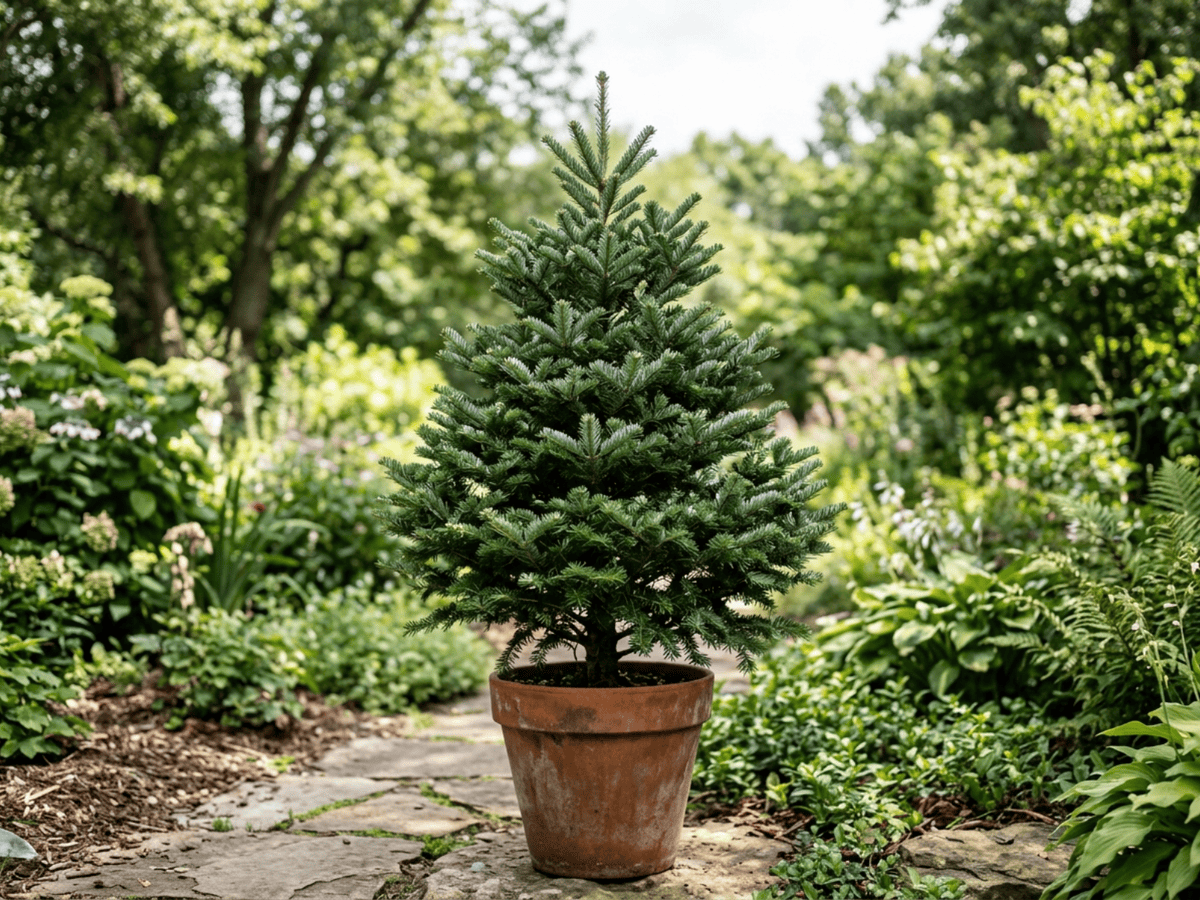 Fraser FirAbies fraseri
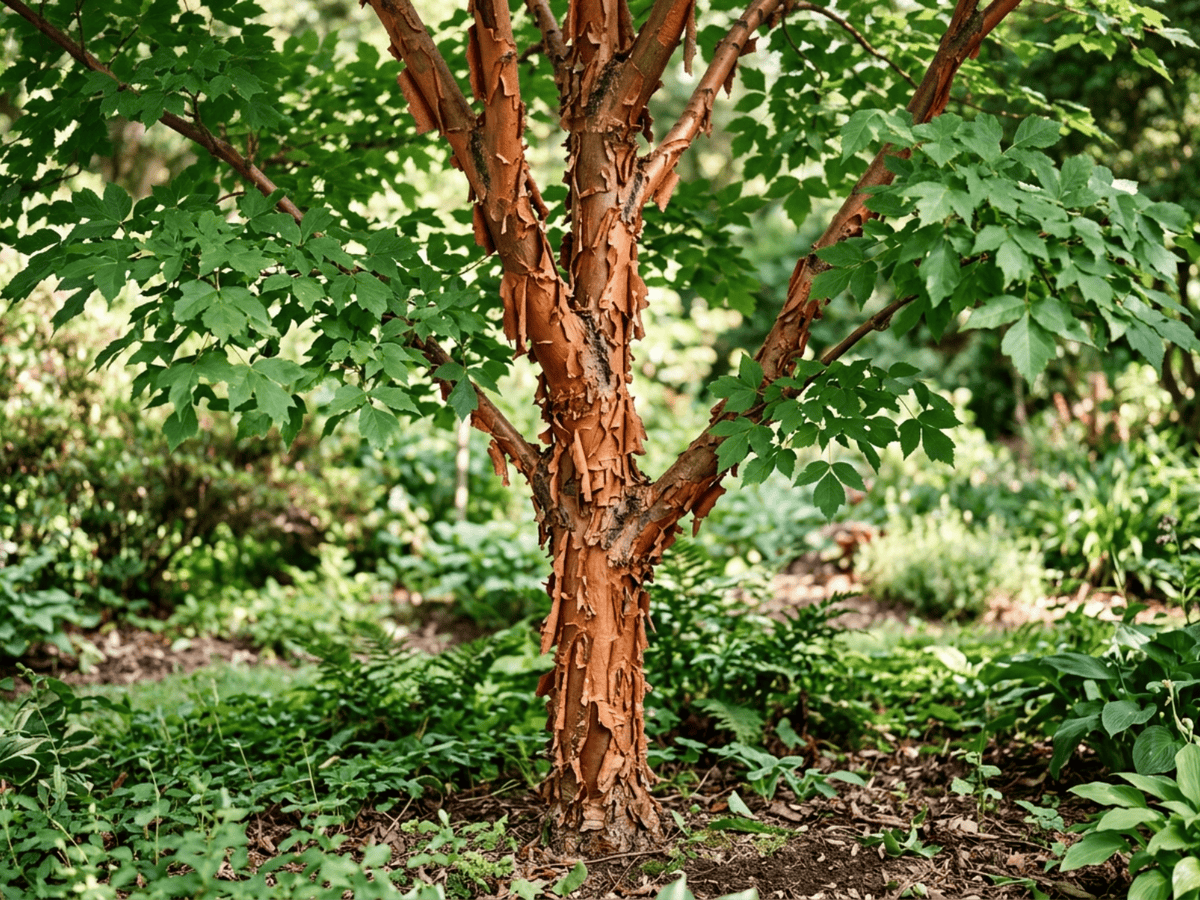 Paperbark MapleAcer griseum
 Sugar MapleAcer saccharum
Frequently asked questions
How often should I water Lemon Verbena?
In summer, water about every 3 days; in winter, about every 10 days. Adjust for heat, pot size and drainage.
How much light does Lemon Verbena need?
Full sun: 6+ hrs direct. Watch the leaves — scorching or stretching means the light needs adjusting.
Is Lemon Verbena toxic to cats or dogs?
Pets Slight (Dogs Slight · Cats Slight) Educational information, not medical or veterinary advice. If exposure is suspected, contact a doctor or veterinarian.
Is Lemon Verbena easy to grow?
It is moderately demanding: a good choice once you have a little experience.
Can Lemon Verbena be grown indoors?
Yes, it adapts well to indoor growing given the right light.
When does Lemon Verbena bloom?
It typically blooms Aug–Sep in the Northern Hemisphere.
YardMate
Identify any plant in seconds
Snap a photo — YardMate names the plant, diagnoses problems, and reminds you when to water.
Download on the App Store