 YardMate

Tree Aeonium
Aeonium arboreum
Medium · Some experienceAbout Tree Aeonium
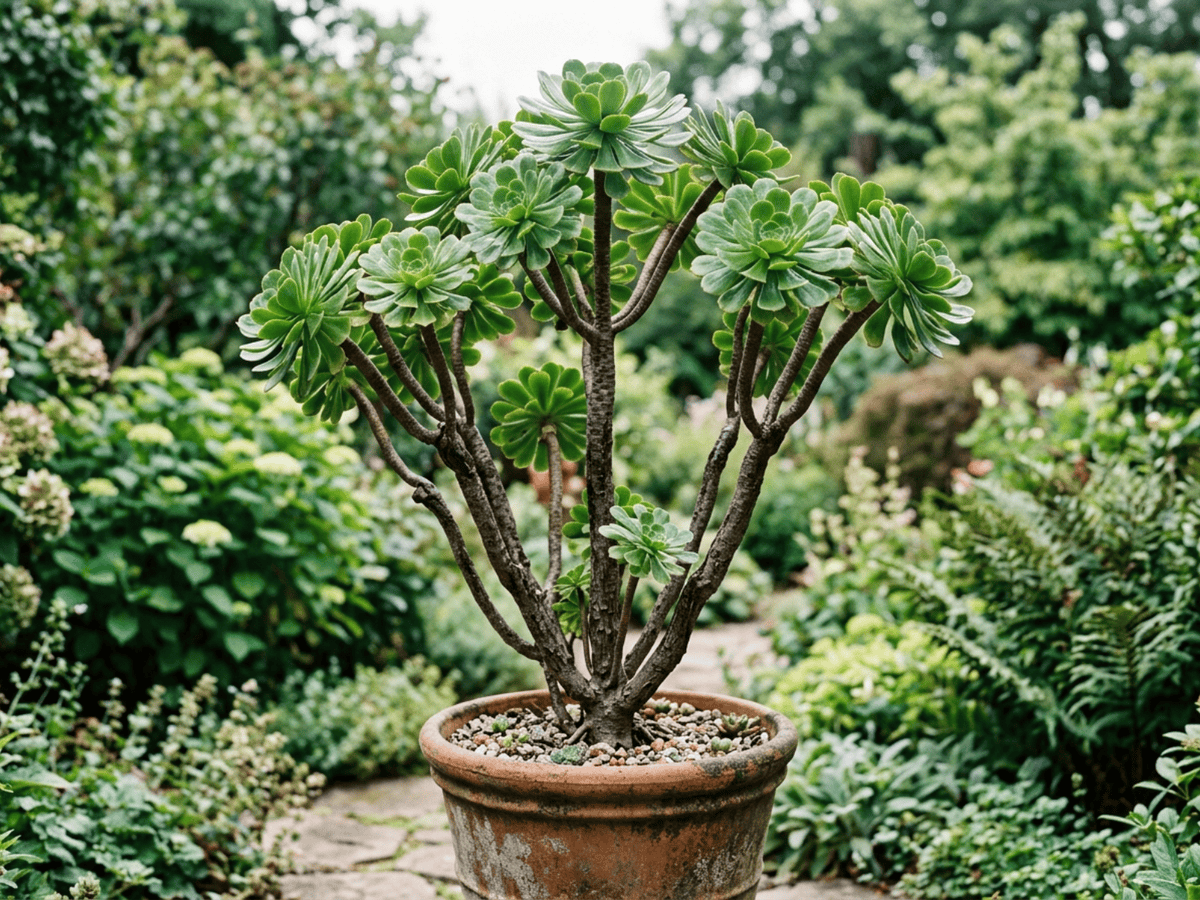
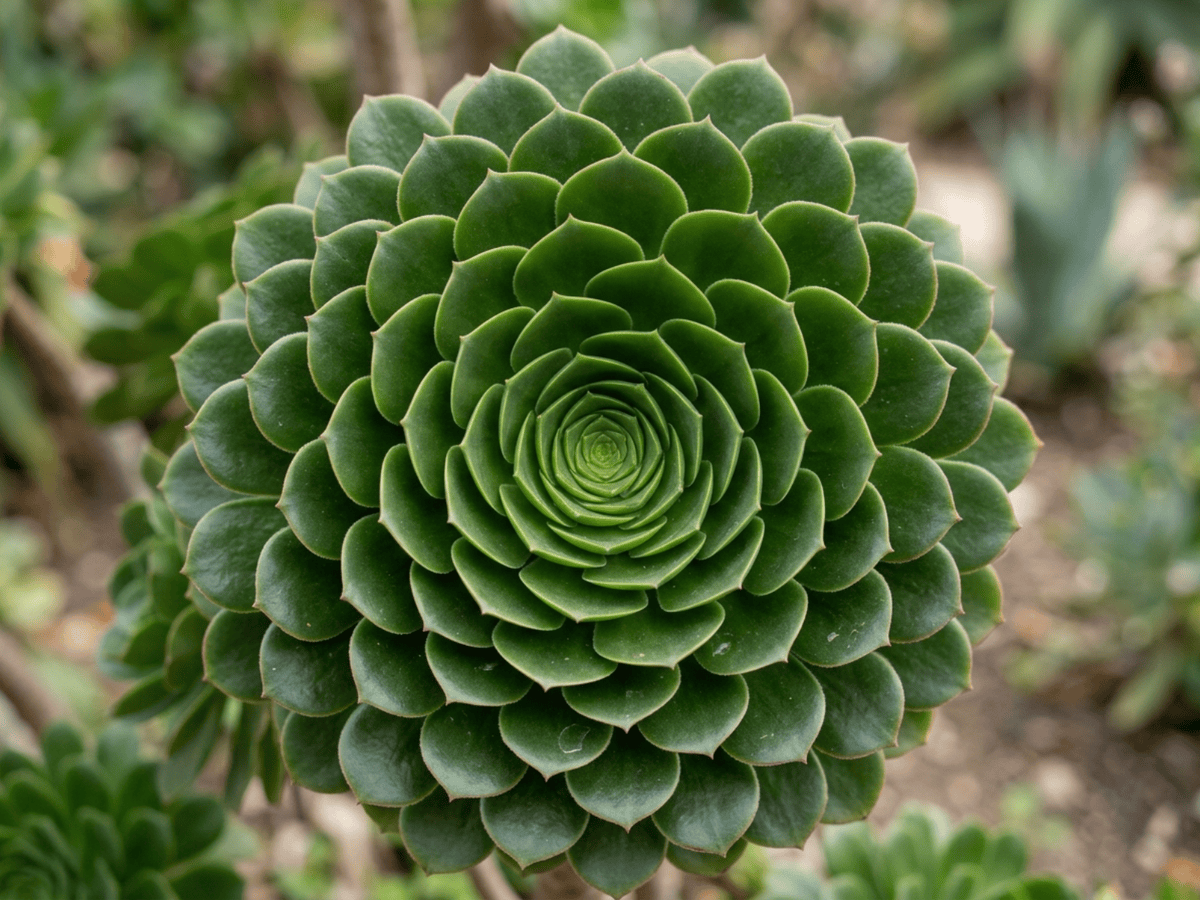
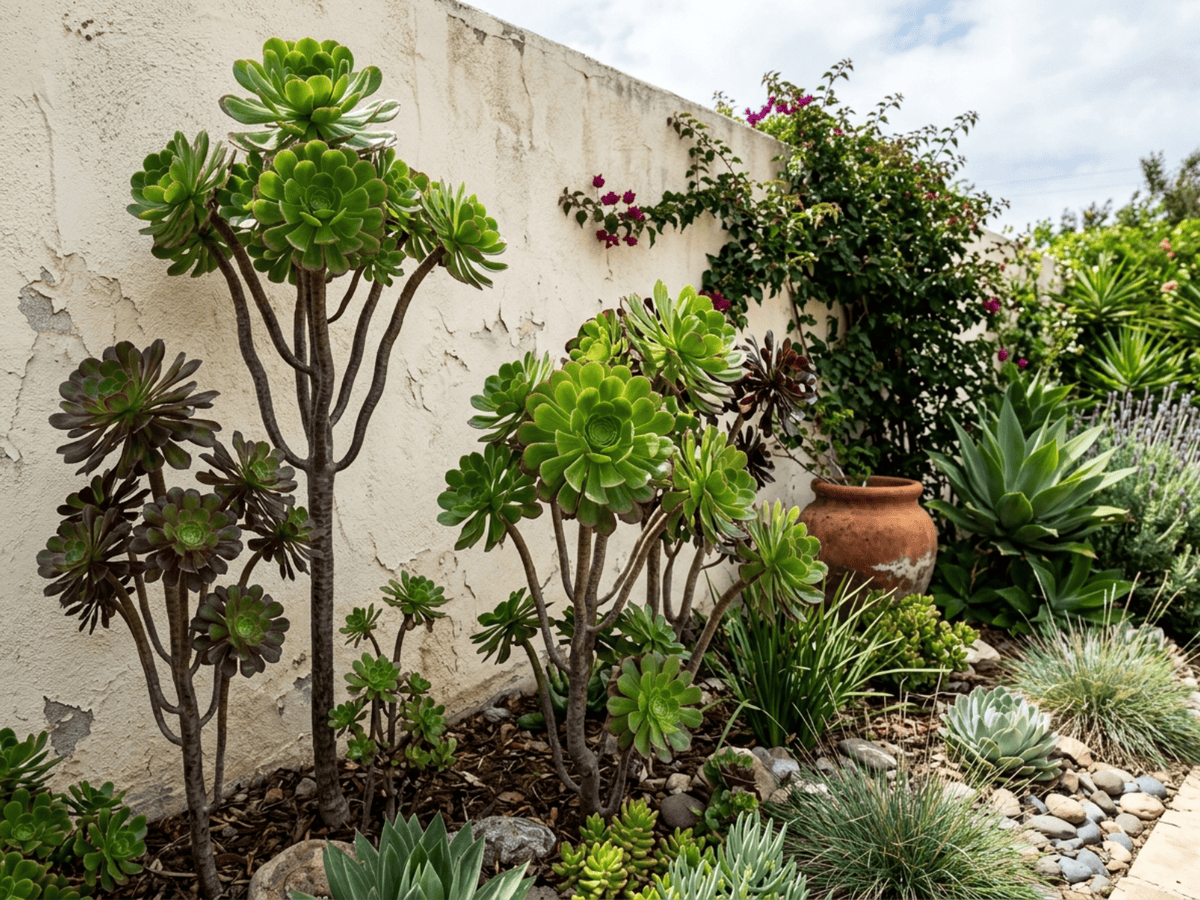
Aeonium arboreum, the tree aeonium, is a striking succulent shrub native to the Canary Islands off the northwest coast of Africa. It grows on woody branching stems up to one meter tall, each branch crowned with a large rosette of spoon-shaped, bright green to deep burgundy leaves. The dark-leaved cultivar 'Zwartkop' (also sold as 'Schwarzkopf') is among the most dramatic foliage plants in cultivation, with nearly black rosettes. Unlike most succulents that go dormant in summer, aeoniums follow a winter-growing cycle, actively growing during cool, moist months and going semi-dormant in hot summers when leaves may drop. In spring, mature rosettes produce spectacular pyramidal clusters of bright yellow flowers, after which that particular rosette dies — though the plant continues through its remaining branches. It is monocarpic at the rosette level but polycarpic as a whole plant. Tree aeonium is ideal for Mediterranean-climate gardens, containers, and coastal plantings.
- Drought-tolerant
- Architectural
How to care for Tree Aeonium
Watering
- Springevery 10 days
- Summerevery 21 days
- Fallevery 10 days
- Winterevery 14 days
Soil · Fast-draining
- Main mixSand + pumice + soil 1:1:150%
- DrainagePumice / gravel50%
Keep grit at half the mix or more — this soil is meant to dry out fast.
FERTILIZER
Balanced Feed 14-14-14
An even feed covers all three needs at once, keeping leaves, roots and blooms moving together with nothing pushed out of balance.
- Nitrogen · Leaves
- Phosphorus · Roots + Blooms
- Potassium · Strength
- Springevery 30 days
- Fallevery 30 days
- Winterevery 60 days
At a Glance
- NativeAfrica
- Height3–5 ft (0.9–1.5 m)
- Spread2–3 ft (0.6–0.9 m)
- Flower colorYellow
- Foliage colorGreen, Purple, Variegated
- SoilSandy, Well-drained
- LocationsYard · Balcony · Indoor
Bloom time
BLOOM CYCLE
Peak bloom
Mar–May
Yellow flower pyramids in spring; blooming rosette dies but plant survives via branches
Fragrance
NO FRAGRANCE
No notable fragrance.
Toxicity
Pets Safe
None reported
Not reported
EXPOSURE No exposure route is reported.
EFFECT No significant toxicity.
NOTE No human toxicity is reported in this catalog; avoid eating ornamental plants unless confirmed edible.
Safe
EXPOSURE No exposure route is reported.
EFFECT Not listed as toxic by ASPCA.
NOTE Listed as non-toxic for dogs; avoid eating ornamental plants unless confirmed edible.
Safe
EXPOSURE No exposure route is reported.
EFFECT Not listed as toxic by ASPCA.
NOTE Listed as non-toxic for cats; avoid eating ornamental plants unless confirmed edible.
Educational information, not medical or veterinary advice. If exposure is suspected, contact a doctor or veterinarian.
DISTRIBUTION


- Native
- Introduced
- Africa
History
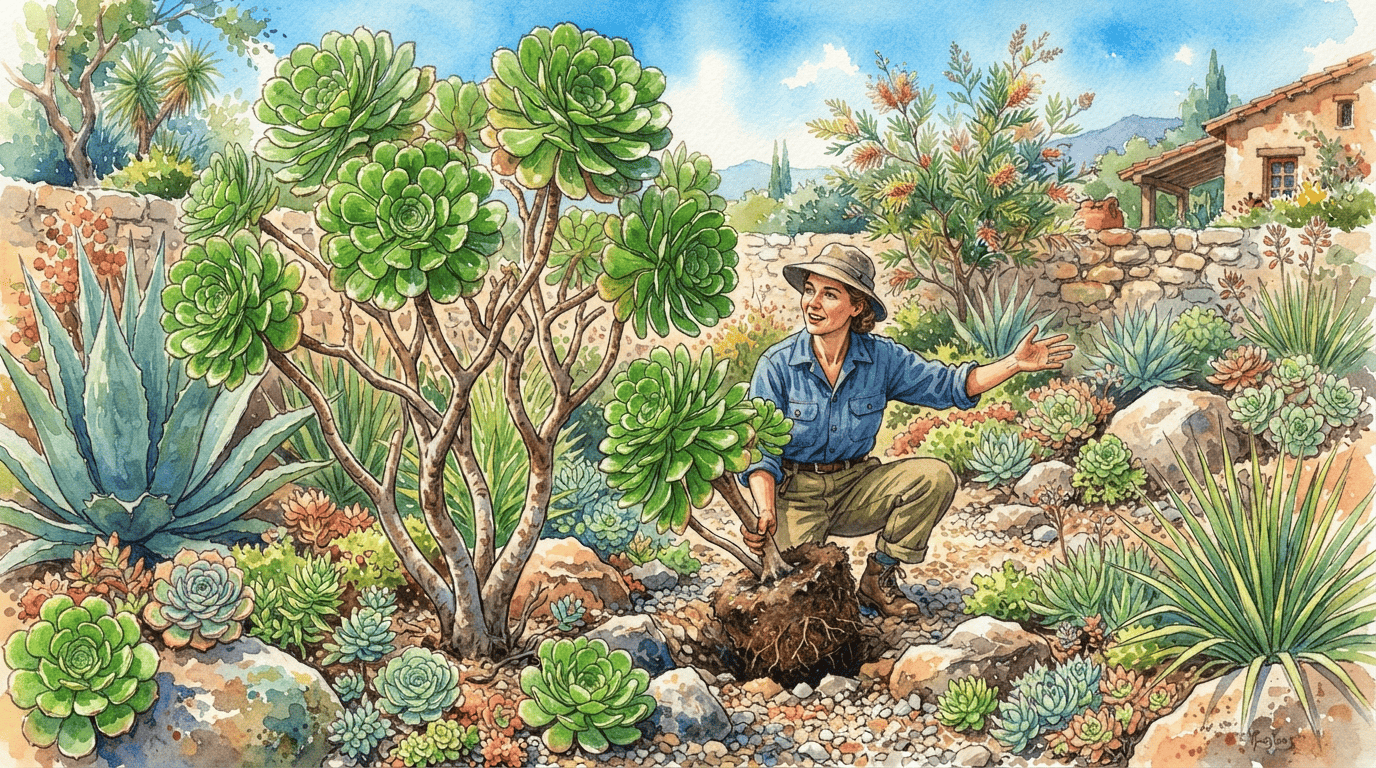
Aeonium arboreum is native to Morocco and was long cultivated across the Canary Islands before reaching European horticulture. Early collections appeared at Kew by the late 18th century via Canary Islands trade. The genus name derives from the Greek "aionios" (eternal), reflecting the plant's long-lived rosettes.
Aeoniums gained their modern horticultural prominence in 20th-century California dry-garden design: Lotusland in Montecito and Ruth Bancroft Garden in Walnut Creek helped popularize them as sculptural accents in the emerging drought-tolerant landscape movement. The dark-purple cultivar "Zwartkop" (bred in the Netherlands in the 1970s) and the later "Sunburst" became fixtures of container planting. Winter-growing and summer-dormant (opposite of most succulents), aeoniums require watering patterns inverted from typical cacti schedules.
Aeonium arboreum is endemic to the Canary Islands, a volcanic archipelago with a unique flora shaped by millions of years of isolation. The Guanche people, the pre-Spanish inhabitants of the islands, used various aeonium species in folk remedies. The cultivar 'Zwartkop' was selected in a Dutch nursery in the early 20th century and became one of the most sought-after dark-foliage plants in horticulture.
Symbolism & meaning
What It Symbolizes
Tree Aeonium embodies elegance through its sculptural rosettes and branching candelabra form, each whorl a study in geometric refinement. As its leaves shift from green to near-black under summer sun, it signals transformation, the personal evolution that comes from exposure rather than shelter. It is a flower of self-reinvention, growing more dramatic with every season it endures.
- Elegance — Its sculptural rosettes and branching form embody refined beauty
- Transformation — The shift from green to near-black foliage represents personal evolution
Where the Name Comes From
Aeonium from Greek 'aionion' (eternal), referring to its long-lived nature. 'Arboreum' means tree-like, describing its woody branching habit.
Uses & Fun Facts
- Burgundy rosettes anchor Mediterranean and dry-garden plantings
- Architectural succulent for sunny patio pots
Related plants
More Aeonium plants

Plants with similar care
 Mexican AbeliaAbelia floribunda
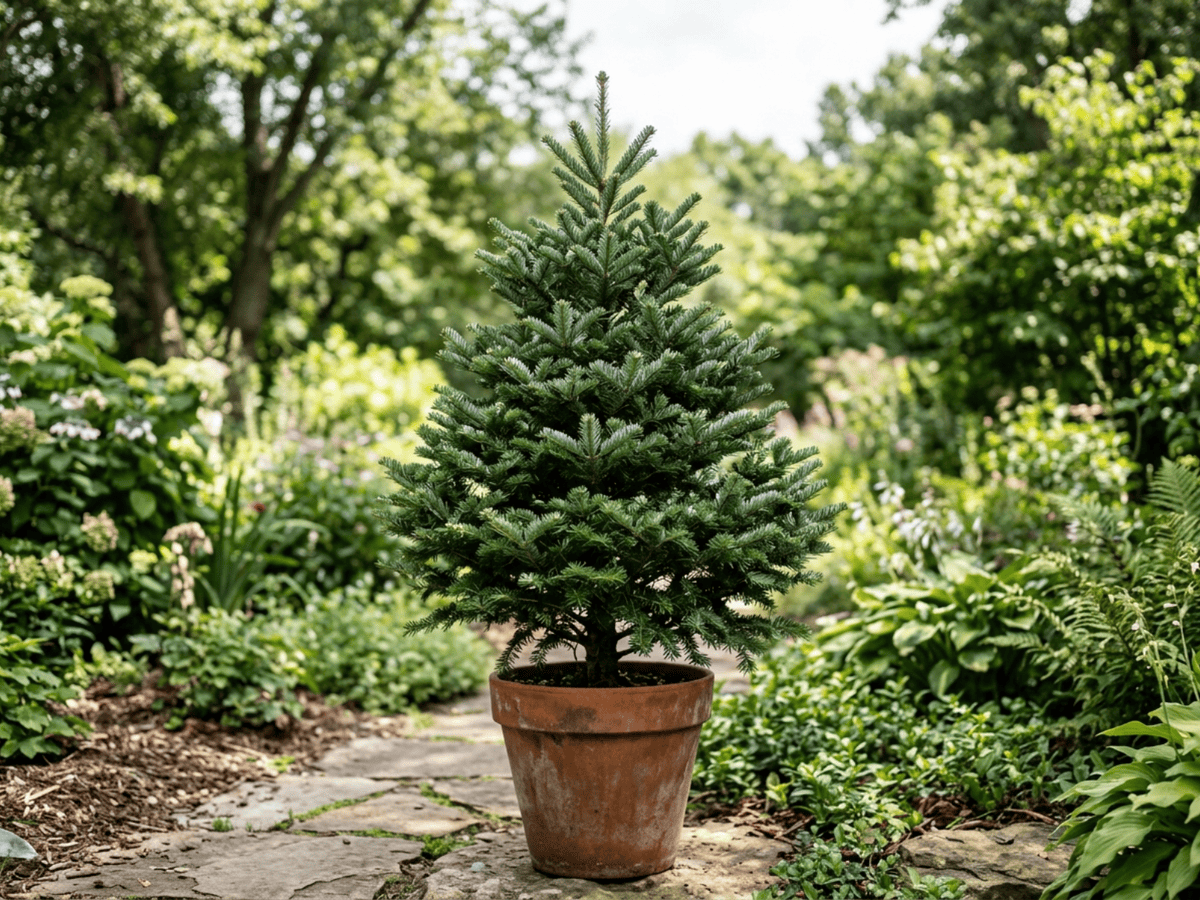 Fraser FirAbies fraseri
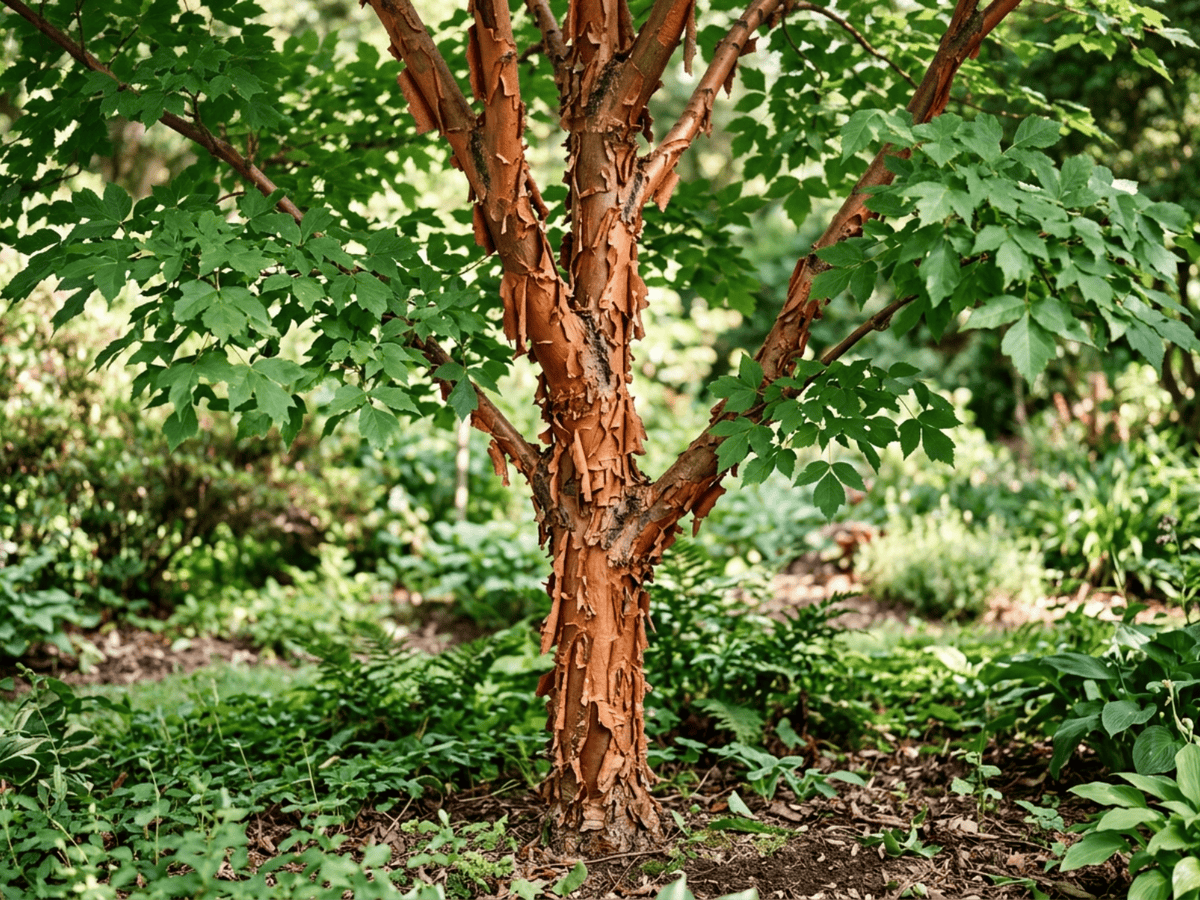 Paperbark MapleAcer griseum
 Sugar MapleAcer saccharum
Frequently asked questions
How often should I water Tree Aeonium?
In summer, water about every 21 days; in winter, about every 14 days. Adjust for heat, pot size and drainage.
How much light does Tree Aeonium need?
Full sun: 6+ hrs direct. Watch the leaves — scorching or stretching means the light needs adjusting.
Is Tree Aeonium toxic to cats or dogs?
Pets Safe (Dogs Safe · Cats Safe) Educational information, not medical or veterinary advice. If exposure is suspected, contact a doctor or veterinarian.
Is Tree Aeonium easy to grow?
It is moderately demanding: a good choice once you have a little experience.
Can Tree Aeonium be grown indoors?
Yes, it adapts well to indoor growing given the right light.
When does Tree Aeonium bloom?
It typically blooms Mar–May in the Northern Hemisphere.
YardMate
Identify any plant in seconds
Snap a photo — YardMate names the plant, diagnoses problems, and reminds you when to water.
Download on the App Store