 YardMate


Prayer Plant
Maranta leuconeura
Medium · Some experienceAbout Prayer Plant
Maranta leuconeura, the prayer plant, is famous for its dramatic nightly ritual — leaves fold upward like hands in prayer as darkness falls, then unfurl each morning. The oval leaves feature bold herringbone patterns in shades of green with red or silver veining. Native to the Brazilian tropics, it grows as a low, spreading ground cover. It prefers warm, humid conditions and indirect light. The movement is audible in quiet rooms — a soft rustling as leaves adjust. Several cultivars exist, including the popular 'Erythroneura' with vivid red veins and 'Kerchoveana' with dark spots.
- Tropical
- Shade-tolerant
- Air-purifying
- Container-friendly
How to care for Prayer Plant
Watering
- Springevery 5 days
- Summerevery 4 days
- Fallevery 7 days
- Winterevery 10 days
Soil · Moisture-retentive
- Top dressingSphagnum moss10%
- Main mixPeat + coco coir 1:180%
- DrainagePerlite / gravel10%
Keep it evenly moist — but the drainage layer still matters.
FERTILIZER
Balanced Feed 14-14-14
An even feed covers all three needs at once, keeping leaves, roots and blooms moving together with nothing pushed out of balance.
- Nitrogen · Leaves
- Phosphorus · Roots + Blooms
- Potassium · Strength
- Springevery 30 days
- Summerevery 30 days
- Fallevery 60 days
At a Glance
- NativeSouth America
- Height0.5–1 ft (0.2–0.3 m)
- Spread1–2 ft (0.3–0.6 m)
- Flower colorWhite, Purple
- Foliage colorGreen, Red, Variegated
- SoilLoamy, Moisture-retentive, Rich
- LocationsIndoor
Bloom time
BLOOM CYCLE
Peak bloom
Jun–Aug
Small lavender flowers; occasionally produced
Fragrance
NO FRAGRANCE
Not fragrant.
Toxicity
No toxicity has been reported for this plant. Still, it is wise to keep pets from chewing on any houseplant.
Educational information, not medical or veterinary advice. If exposure is suspected, contact a doctor or veterinarian.
DISTRIBUTION


- Native
- Introduced
- South America
History

Maranta leuconeura is native to the lowland rainforest of Brazil, where it grows as a creeping ground-cover in the humid understory. The genus was named by Linnaeus in 1753 after Bartolomeo Maranta, a 16th-century Venetian physician and botanist. Its defining behavior is nyctinasty: each night the leaves rise and fold together as though in prayer, driven by turgor changes in specialized cells at the leaf base, and then relax flat again at dawn.
Charles Darwin studied and sketched this movement in his 1880 book 'The Power of Movement in Plants'. Victorian botanists popularized it as a houseplant, and the red-veined cultivar 'Erythroneura' (Herringbone Plant) became its defining ornamental form in the 20th century. It is confirmed non-toxic to cats and dogs.
The prayer plant's leaf-folding behavior fascinated Charles Darwin, who devoted an entire chapter to plant movement in his 1880 book 'The Power of Movement in Plants.' The mechanism involves a small joint called a pulvinus that responds to light changes by shifting water pressure, raising and lowering the leaves on a circadian rhythm. In Brazil, the starchy tuberous roots of Maranta arundinacea (a close relative) are processed into arrowroot starch, a digestive-friendly flour used for centuries by Caribbean indigenous peoples to treat arrow wounds — hence the name arrowroot.
Symbolism & meaning
What It Symbolizes
The Prayer Plant turns gratitude into a nightly gesture, folding its striped leaves upward at dusk as if pressing tiny green palms together in thanks. By morning they relax open again, ready to receive the day's light. To live with one is to keep a small, recurring devotion in the room — a leafy reminder to give thanks and then begin again.
- Gratitude — Its prayer-like gesture at nightfall symbolizes thankfulness and devotion
Where the Name Comes From
Named after Bartolomeo Maranta, a 16th-century Italian physician and botanist. Leuconeura means 'white-veined' from Greek 'leuko' (white) and 'neuron' (nerve/vein).
Uses & Fun Facts
- Compact tropical houseplant for low-light shelves and tables
- Patterned leaves fold upward each night like praying hands
Related plants
Plants with similar care
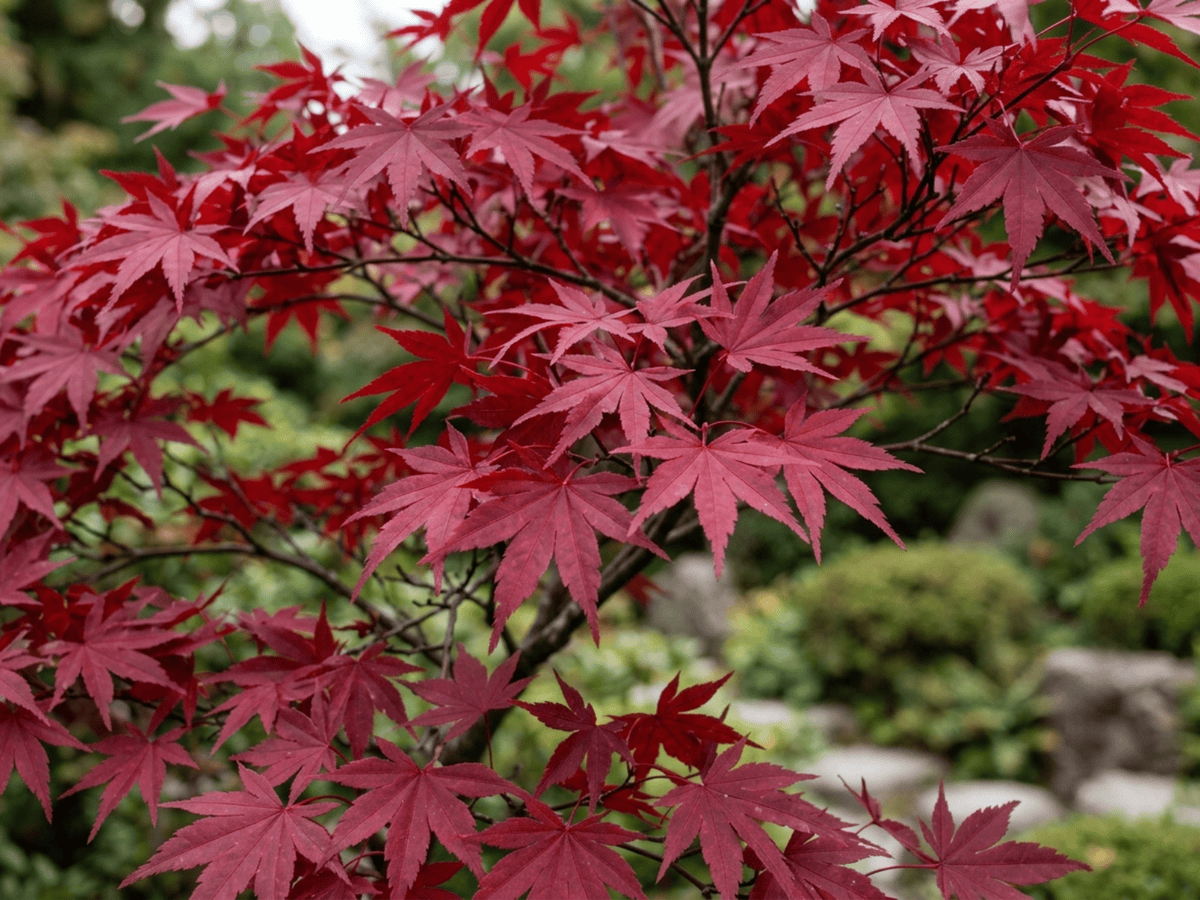 Japanese MapleAcer palmatum
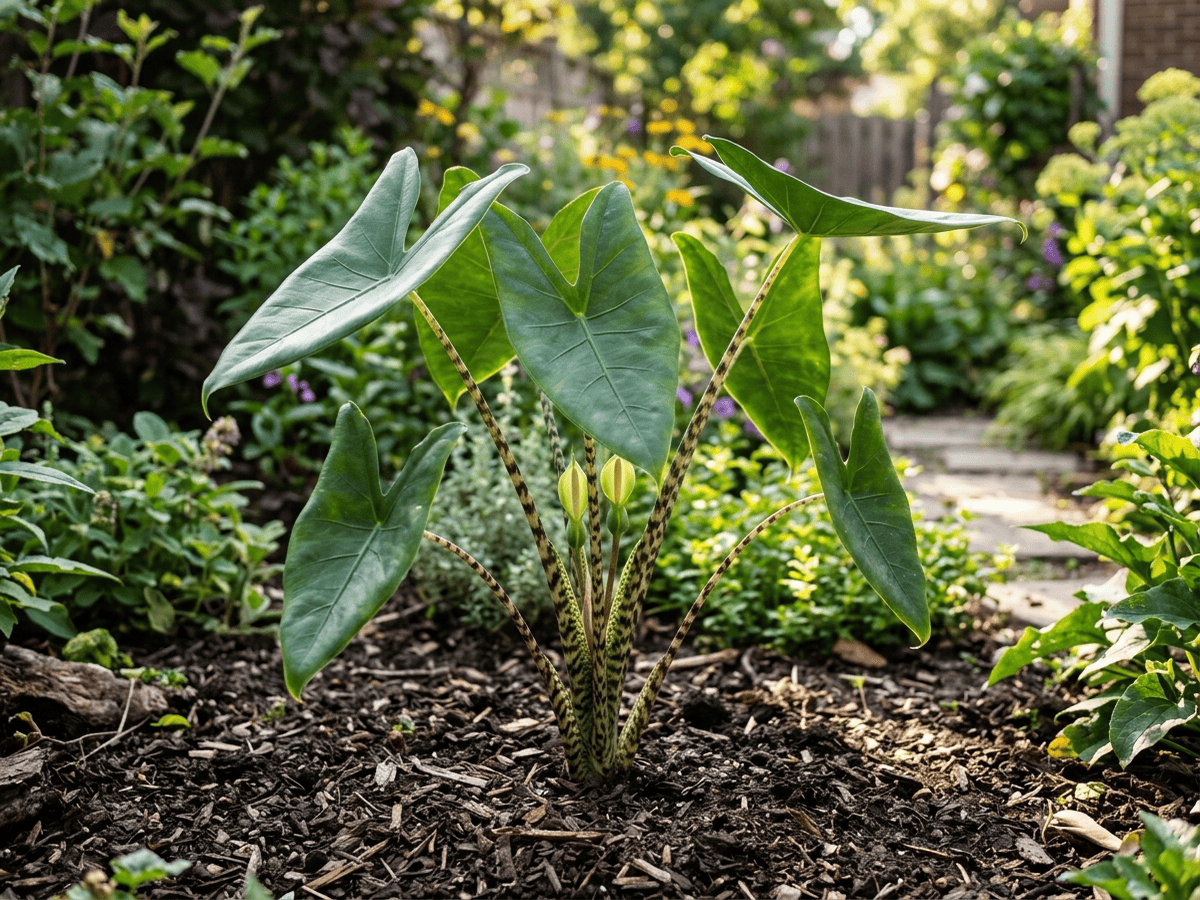 Alocasia zebrinaAlocasia zebrina
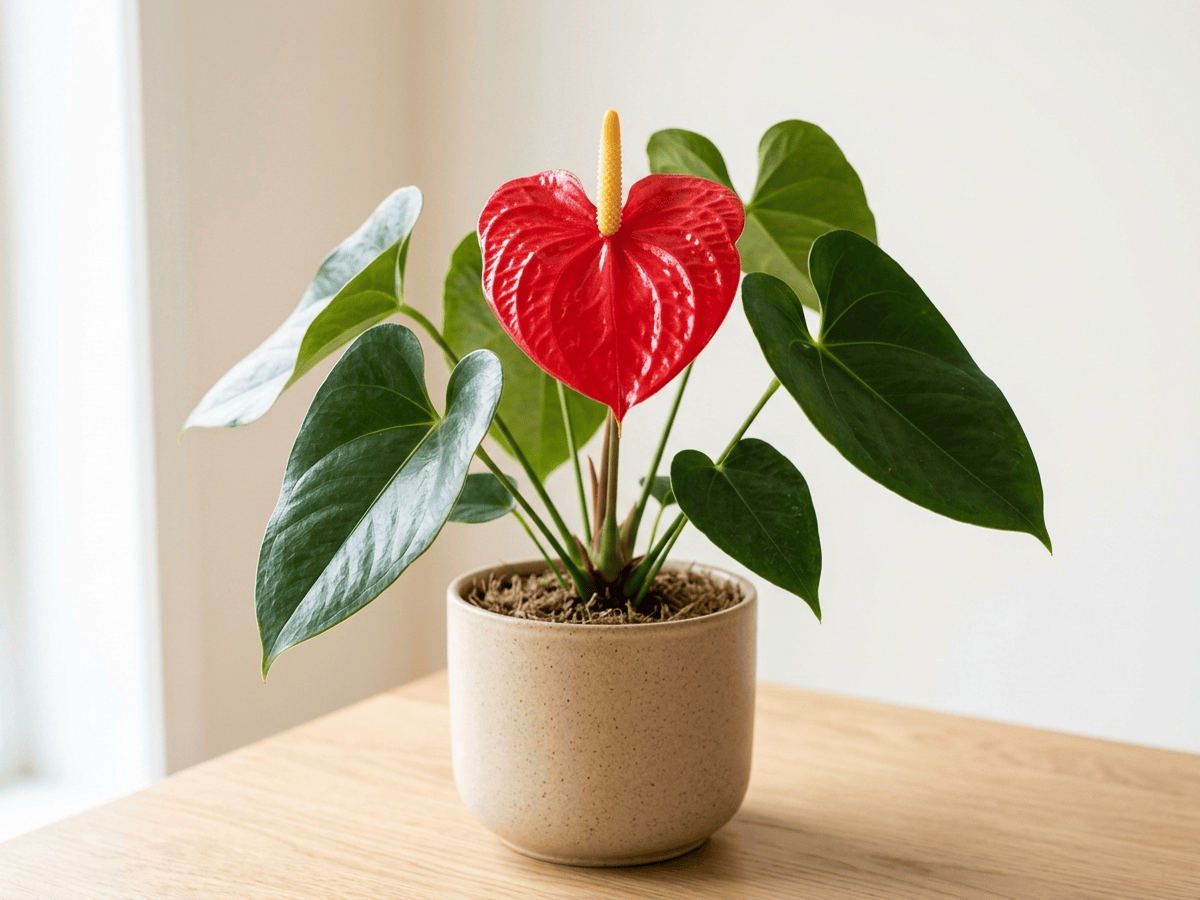 Painter's-PaletteAnthurium andraeanum
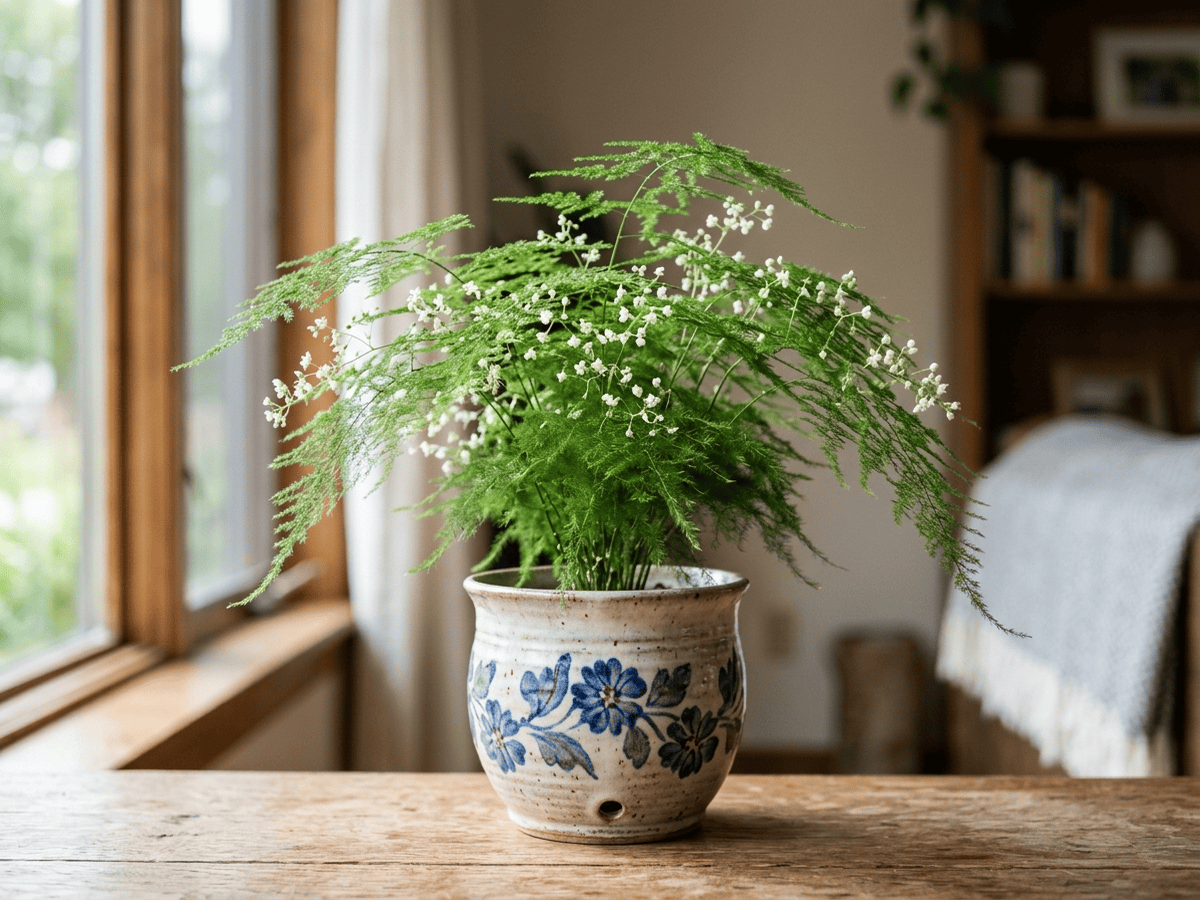 Common Asparagus FernAsparagus setaceus
Frequently asked questions
How often should I water Prayer Plant?
In summer, water about every 4 days; in winter, about every 10 days. Adjust for heat, pot size and drainage.
How much light does Prayer Plant need?
Part shade: 2–4 hrs direct. Watch the leaves — scorching or stretching means the light needs adjusting.
Is Prayer Plant toxic to cats or dogs?
No toxicity has been reported for this plant. Still, it is wise to keep pets from chewing on any houseplant. Educational information, not medical or veterinary advice. If exposure is suspected, contact a doctor or veterinarian.
Is Prayer Plant easy to grow?
It is moderately demanding: a good choice once you have a little experience.
Can Prayer Plant be grown indoors?
Yes, it adapts well to indoor growing given the right light.
When does Prayer Plant bloom?
It typically blooms Jun–Aug in the Northern Hemisphere.
YardMate
Identify any plant in seconds
Snap a photo — YardMate names the plant, diagnoses problems, and reminds you when to water.
Download on the App Store