 YardMate


Himalayan Blue Poppy
Meconopsis betonicifolia
Hard · Experienced growersAbout Himalayan Blue Poppy
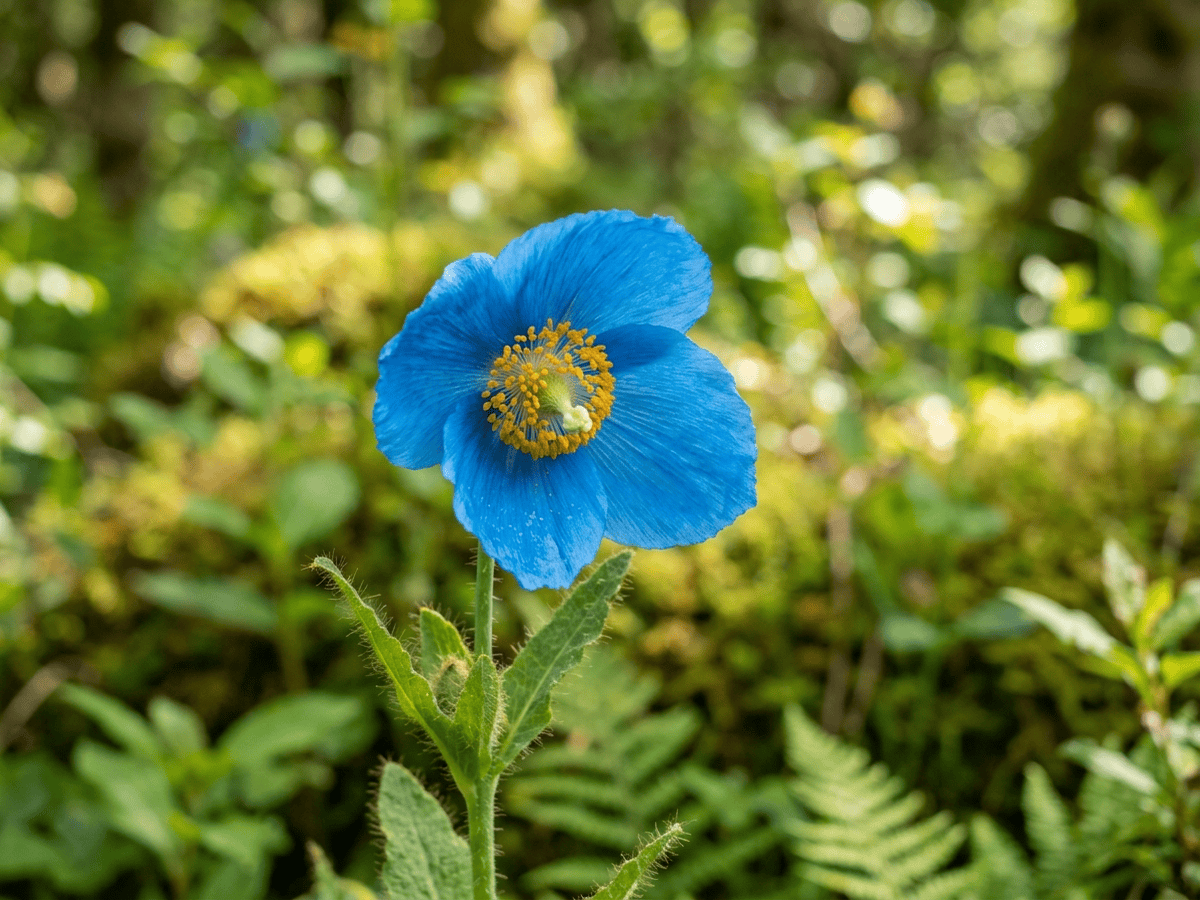
Meconopsis betonicifolia, the Himalayan blue poppy, is legendary for producing sky-blue petals among the most pure and luminous blues in the plant kingdom. A perennial (sometimes monocarpic) of Tibetan and southwest Chinese high mountain meadows at 3000-4000 m elevation, it thrives only in cool moist climates that mimic its native habitat.
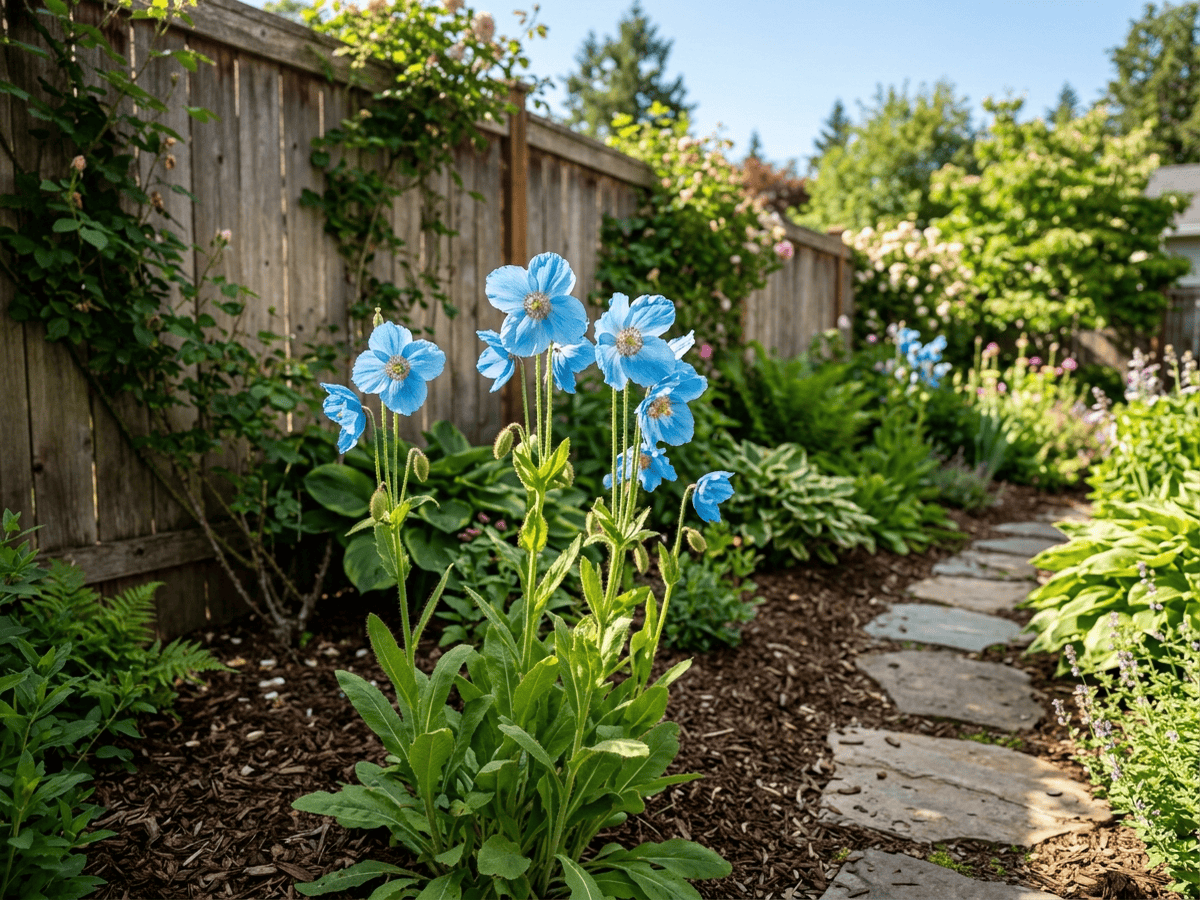
Plants grow 60-150 cm tall with bristly rosettes of bluish-green leaves and stems bearing multiple 10-12 cm flowers with satiny blue petals and golden stamens. Blooms May-July.
Frank Kingdon-Ward collected seed in 1924 during his legendary Tsangpo Gorge expedition, and its 1927 RHS Chelsea Flower Show debut caused one of the greatest sensations in British horticultural history. Notoriously difficult outside cool Pacific Northwest, Scottish, and New England coastal gardens. Hot dry summers are fatal.
- Cold-hardy
- Shade-tolerant
- Cut-flower
How to care for Himalayan Blue Poppy
Watering
- Springevery 3 days
- Summerevery 2 days
- Fallevery 5 days
- Winterevery 21 days
Soil · Moisture-retentive
- Top dressingSphagnum moss10%
- Main mixPeat + coco coir 1:180%
- DrainagePerlite / gravel10%
Keep it evenly moist — but the drainage layer still matters.
FERTILIZER
Balanced Feed 14-14-14
An even feed covers all three needs at once, keeping leaves, roots and blooms moving together with nothing pushed out of balance.
- Nitrogen · Leaves
- Phosphorus · Roots + Blooms
- Potassium · Strength
- Springevery 30 days
- Summerevery 45 days
At a Glance
- NativeEast Asia, South Asia
- Height3–4 ft (0.9–1.2 m)
- Spread1–1.5 ft (0.3–0.5 m)
- Flower colorBlue
- Foliage colorBlue-green, Green
- Fruit colorBrown
- SoilMoisture-retentive, Loamy, Acidic
- LocationsYard
Bloom time
BLOOM CYCLE
Peak bloom
May–Jul
Sky-blue petals with gold stamens May-July; requires cool nights.
Fragrance
NO FRAGRANCE
Not fragrant.
Toxicity
Humans Slight · Pets Slight
alkaloids (trace)
Slight
- All
- Ingestion
EXPOSURE Eating any part of the plant.
EFFECT Mild GI upset if ingested.
NOTE Documented concern for humans: Mild GI upset if ingested.
Slight
- All
- Ingestion
EXPOSURE Eating any part of the plant.
EFFECT Mild GI upset.
NOTE Not listed specifically by ASPCA. Poppy family members may cause mild GI upset.
Slight
- All
- Ingestion
EXPOSURE Eating any part of the plant.
EFFECT Mild GI upset.
NOTE Not listed specifically by ASPCA. Poppy family members may cause mild GI upset.
Educational information, not medical or veterinary advice. If exposure is suspected, contact a doctor or veterinarian.
DISTRIBUTION


- Native
- East Asia
- South Asia
History
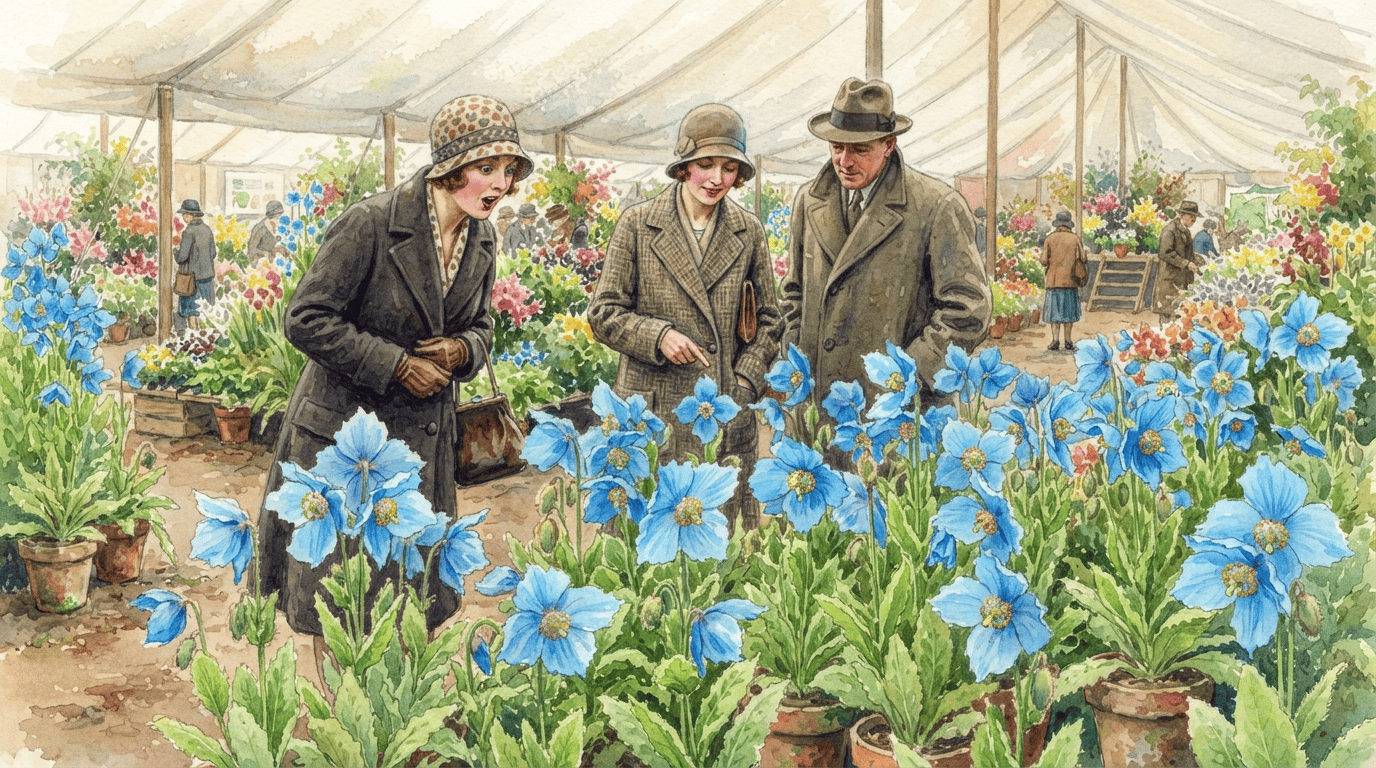
Meconopsis betonicifolia is native to the eastern Himalayas — southeastern Tibet, Yunnan, and Sichuan — at elevations of 3000-4000 m in cool moist alpine meadows. British plant hunter Frank Kingdon-Ward collected seed during his legendary 1924 Tsangpo Gorge expedition in southeastern Tibet (the same trip yielding his book 'The Riddle of the Tsangpo Gorges'). Seed reached Britain and the RHS Chelsea Flower Show of 1927 featured the first British flowering — the display drew such crowds that the show record-keepers called it one of the sensations of the era.
The sky-blue color became an obsession of 20th-century horticulture. The plant is notoriously difficult in cultivation: it requires cool summers (night temperatures below 15°C), moist acidic humus-rich soil, and dappled shade. It thrives in Scottish and Norwegian gardens, the cool Pacific Northwest of the US, coastal New England, and in its native Sikkim and Bhutan.
Hot-summer continental or Mediterranean climates are fatal. Many populations behave as monocarpic perennials — flowering once after several years, then dying. Gardeners distinguish true M. betonicifolia from the very similar M. baileyi (some taxonomists treat them as conspecific). The blue color comes from delphinidin-based anthocyanins with a unique metal co-pigmentation giving the pure sky-blue. Debut at the 1927 RHS Chelsea Flower Show caused a horticultural sensation. Remains one of the most sought-after and difficult perennials in the world.
Symbolism & meaning
What It Symbolizes
Himalayan Blue Poppy embodies rarity — true blue flowers are extraordinarily uncommon in plants, and its sky-blue petals feel almost impossible to look at directly. It also carries a sense of adventure, evoking the Himalayan plant-hunting expeditions of the 1920s when British botanists trekked into Tibet to bring it home. A flower stitched to high mountains and old maps.
- Rarity — True blue flowers are extraordinarily rare in plants
- Adventure — Evokes the Himalayan plant-hunting expeditions of the 1920s
Where the Name Comes From
Meconopsis from Greek 'mekon' (poppy) + 'opsis' (appearance); 'betonicifolia' means leaves like betony (Stachys).
Uses & Fun Facts
- Sky-blue Himalayan poppy as showpiece in cool shade gardens
- Coveted blue blooms for moist Pacific Northwest woodland borders
Related plants
Plants with similar care
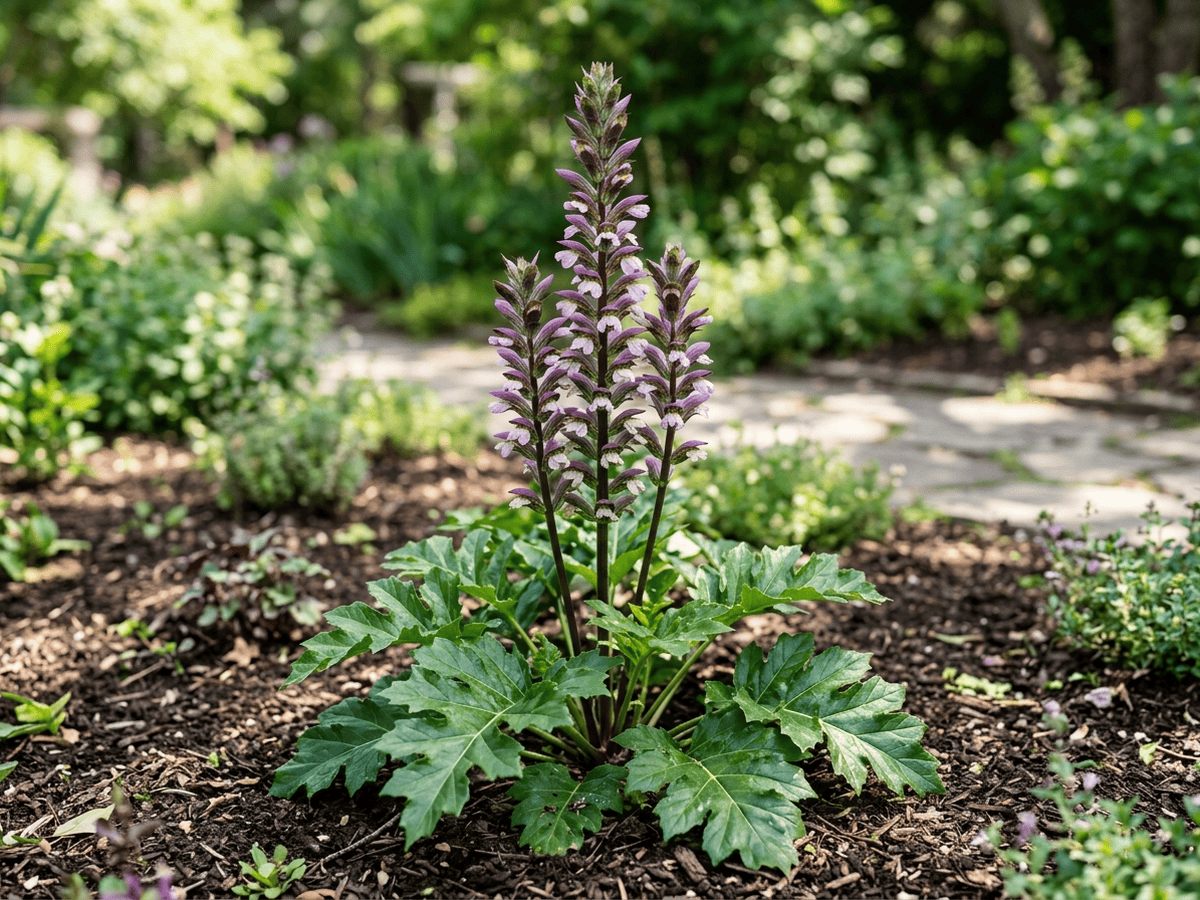 Bear's BreechesAcanthus mollis
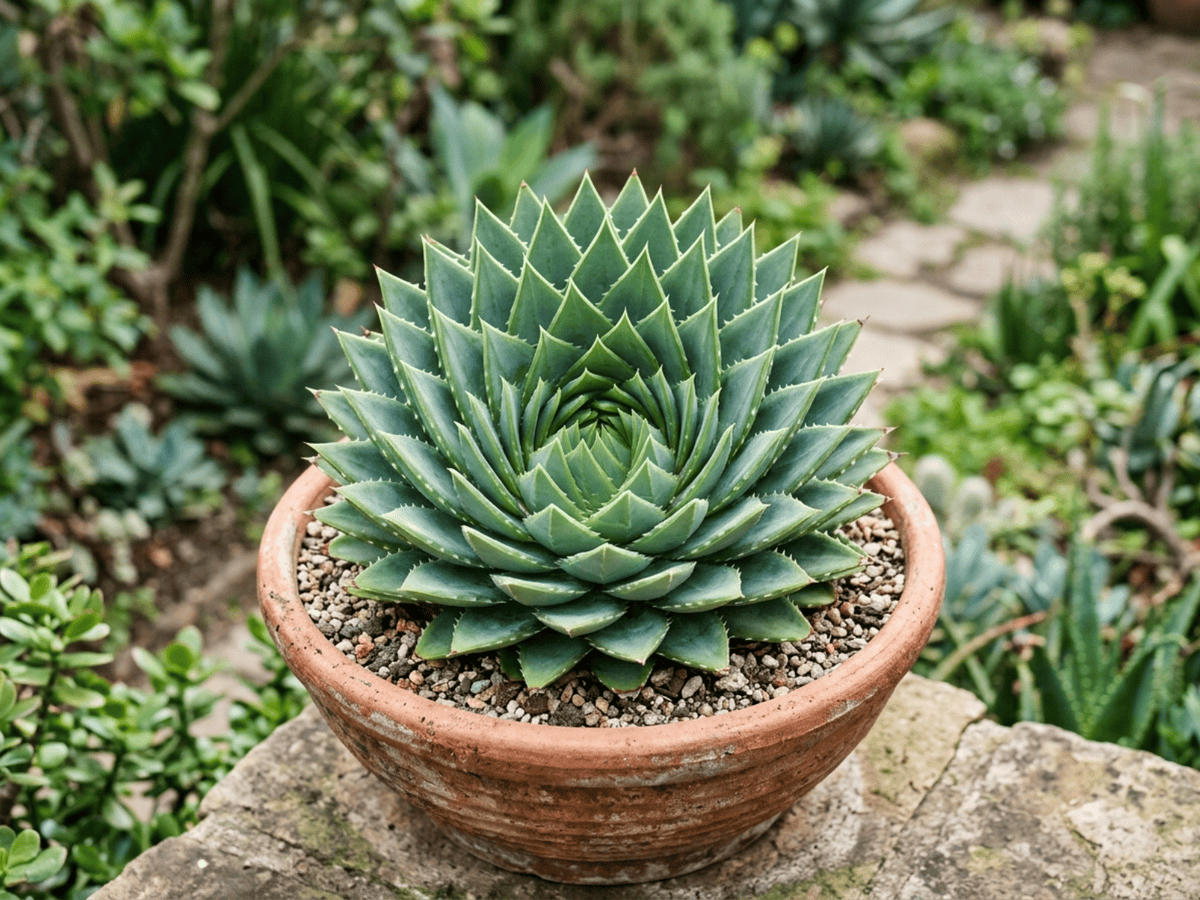 Spiral AloeAloe polyphylla
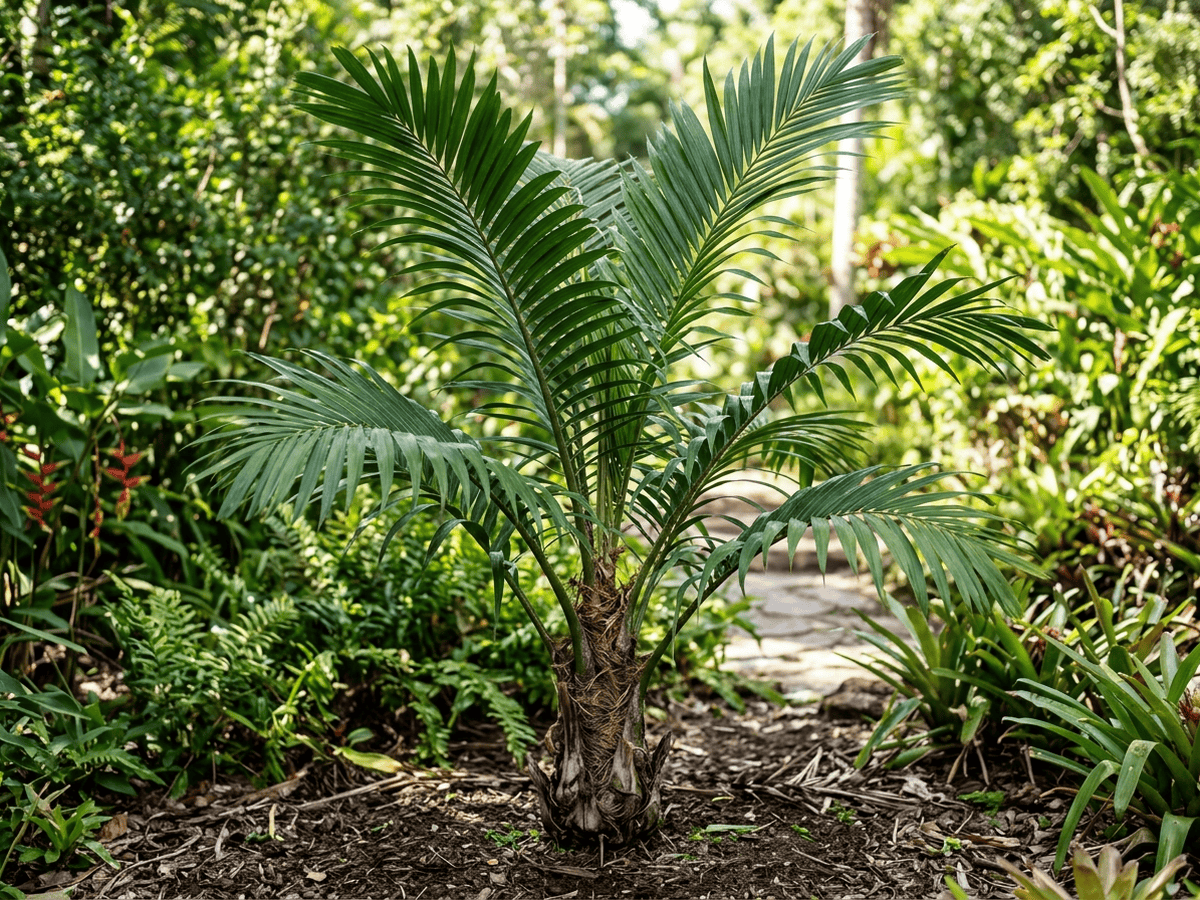 Formosa PalmArenga engleri
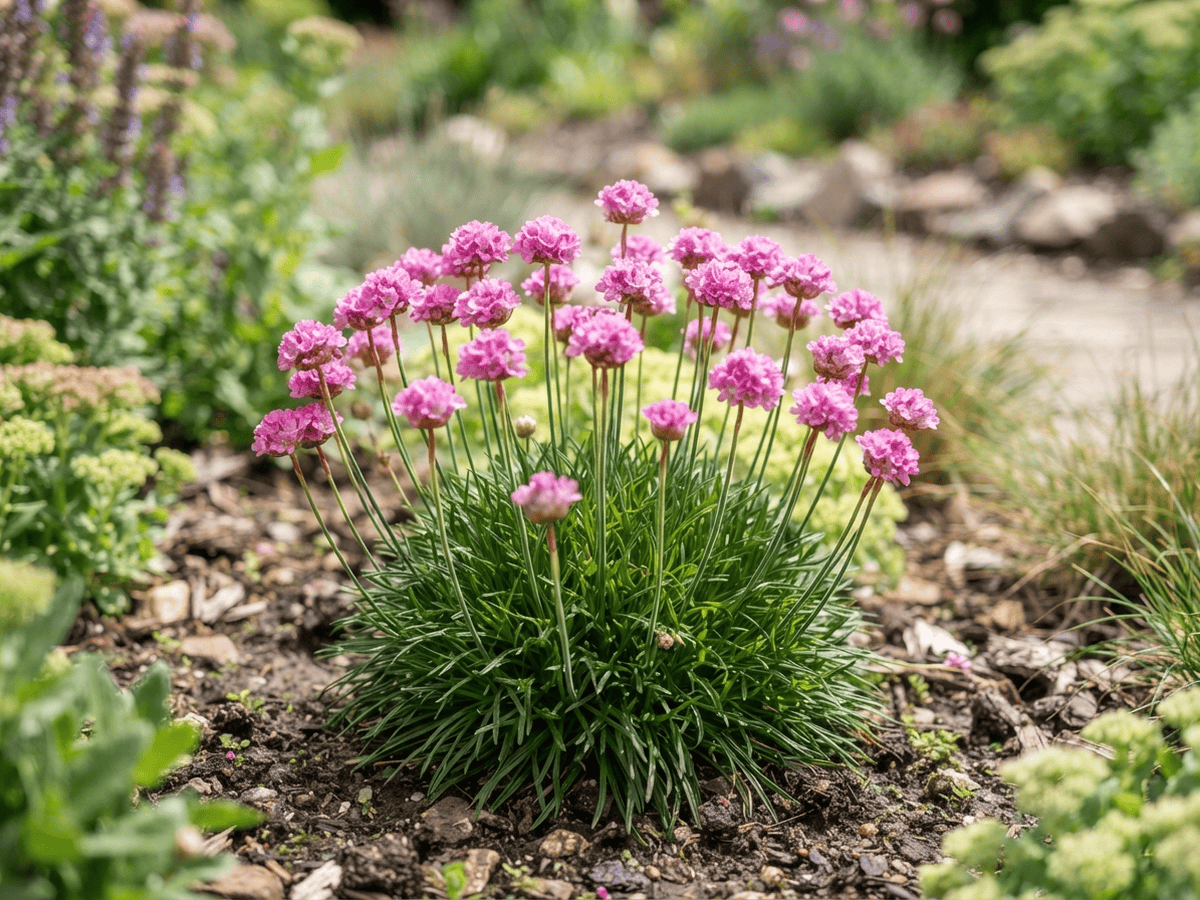 Sea ThriftArmeria maritima
Frequently asked questions
How often should I water Himalayan Blue Poppy?
In summer, water about every 2 days; in winter, about every 21 days. Adjust for heat, pot size and drainage.
How much light does Himalayan Blue Poppy need?
Part shade: 2–4 hrs direct. Watch the leaves — scorching or stretching means the light needs adjusting.
Is Himalayan Blue Poppy toxic to cats or dogs?
Pets Slight (Dogs Slight · Cats Slight) Educational information, not medical or veterinary advice. If exposure is suspected, contact a doctor or veterinarian.
Is Himalayan Blue Poppy easy to grow?
It is considered challenging and rewards experienced growers.
When does Himalayan Blue Poppy bloom?
It typically blooms May–Jul in the Northern Hemisphere.
YardMate
Identify any plant in seconds
Snap a photo — YardMate names the plant, diagnoses problems, and reminds you when to water.
Download on the App Store