 YardMate

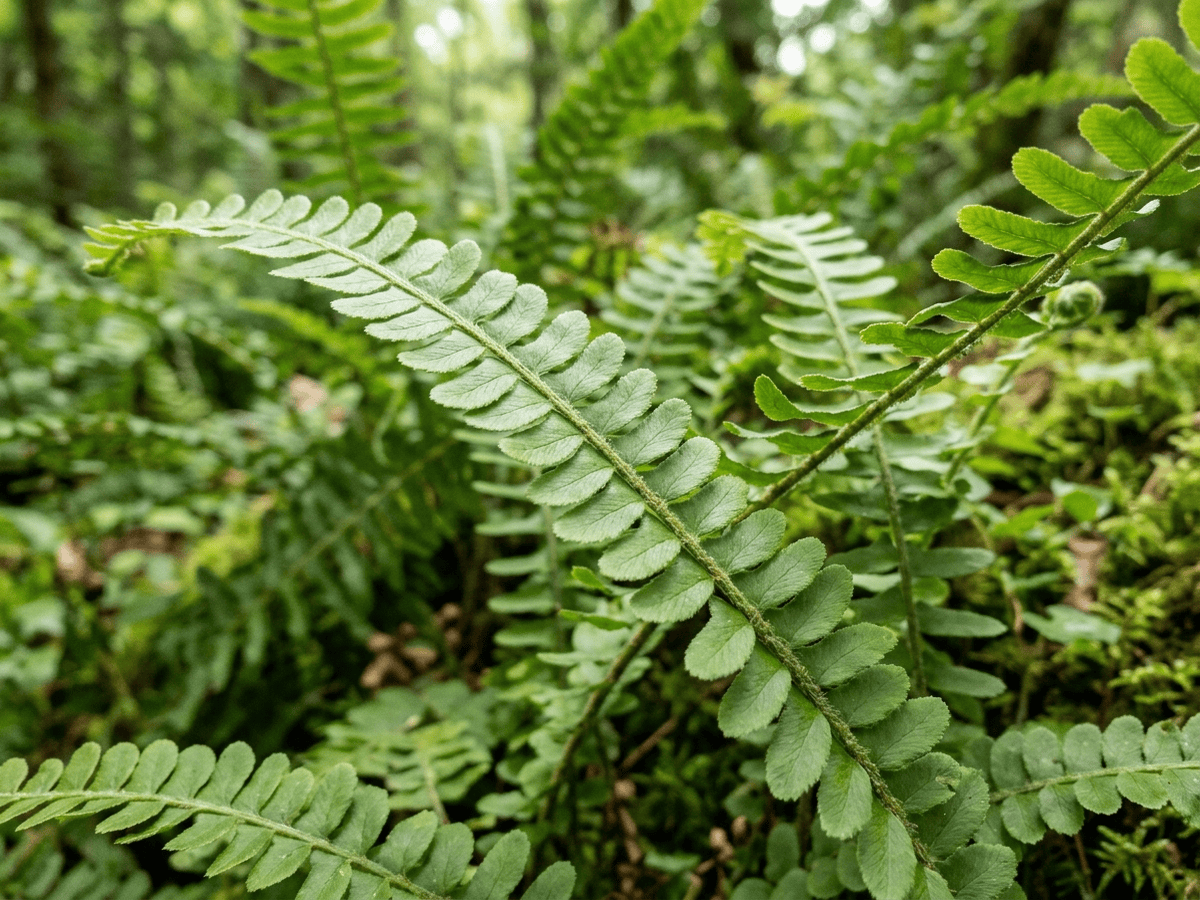


Southern Sword Fern
Nephrolepis exaltata
Medium · Some experienceAbout Southern Sword Fern
Nephrolepis exaltata, the Boston fern, is the most popular ornamental fern worldwide, with cascading arching fronds of finely divided, bright green pinnae. A cultivar called 'Bostoniensis' — discovered in a shipment to a Boston florist in 1894 — launched its global fame. Native to tropical Americas, it thrives in high humidity with indirect light and consistent moisture. The lush, fountain-like habit makes it a classic for hanging baskets and porch displays. It is a prolific air purifier and one of the best plants for removing formaldehyde. Shedding leaflets are its main drawback.
- Air-purifying
How to care for Southern Sword Fern
Watering
- Springevery 5 days
- Summerevery 3 days
- Fallevery 7 days
- Winterevery 10 days
Soil · Moisture-retentive
- Top dressingSphagnum moss10%
- Main mixPeat + coco coir 1:180%
- DrainagePerlite / gravel10%
Keep it evenly moist — but the drainage layer still matters.
FERTILIZER
Balanced Feed 14-14-14
An even feed covers all three needs at once, keeping leaves, roots and blooms moving together with nothing pushed out of balance.
- Nitrogen · Leaves
- Phosphorus · Roots + Blooms
- Potassium · Strength
- Springevery 30 days
- Summerevery 30 days
- Fallevery 60 days
At a Glance
- NativeCentral America, Africa, Pacific Islands
- Height2–3 ft (0.6–0.9 m)
- Spread2–4 ft (0.6–1.2 m)
- Foliage colorGreen
- SoilLoamy, Moisture-retentive, Rich
- LocationsIndoor · Balcony
Bloom time
BLOOM CYCLE
Ferns do not flower; reproduces by spores and runners
Fragrance
NO FRAGRANCE
Ferns do not flower.
Toxicity
No toxicity has been reported for this plant. Still, it is wise to keep pets from chewing on any houseplant.
Educational information, not medical or veterinary advice. If exposure is suspected, contact a doctor or veterinarian.
DISTRIBUTION


- Native
- Introduced
- Central America
- Africa
- Pacific Islands
History

Nephrolepis exaltata has a pantropical native range across the Americas, Africa, southeast Asia, and the Pacific, and has been one of the most intensively cultivated ferns in Western horticulture for 130 years. Its popularity traces to a specific 1894 discovery: a Philadelphia florist noticed an unusually gracefully-arched specimen among a shipment bound for Boston, propagated it, and released it as 'Bostoniensis' — the Boston Fern — which quickly became the dominant parlor plant of the late Victorian and Edwardian eras. By 1914, hundreds of Boston Fern cultivars existed.
NASA's 1989 Clean Air Study included it among top air-purifiers. Confirmed non-toxic to cats and dogs, making it a rare safe choice among the large-leafed houseplants.
Nurseryman Fred C. Becker recognized its potential and propagated it, naming it 'Bostoniensis.' It became the defining houseplant of the early 1900s — every Victorian parlor seemed to have one. NASA's Clean Air Study found the Boston fern among the most effective plants for removing formaldehyde from indoor air.
Symbolism & meaning
What It Symbolizes
The Southern Sword Fern can symbolize sincerity, the Victorian flower language reading of ferns as emblems of honest, unembellished intention. Its arching fronds filled the parlours of the nineteenth century precisely because they suggested a quiet, truthful nature, neither flashy nor evasive. In the modern interior nephrolepis remains the green emblem of straightforwardness, a houseplant whose meaning is older than its hanging-basket fame and quieter than its flower-bearing rivals.
- Sincerity — In Victorian flower language, ferns represented sincerity and honest intentions
Where the Name Comes From
The name Southern Sword Fern describes its fernlike fronds. Nephrolepis from Greek 'nephros' (kidney) and 'lepis' (scale), describing the kidney-shaped spore covers. Exaltata means 'tall' or 'exalted.'
Uses & Fun Facts
- Boston fern classic for hanging baskets and porches
Related plants
Plants with similar care
 Japanese MapleAcer palmatum
 Alocasia zebrinaAlocasia zebrina
 Painter's-PaletteAnthurium andraeanum
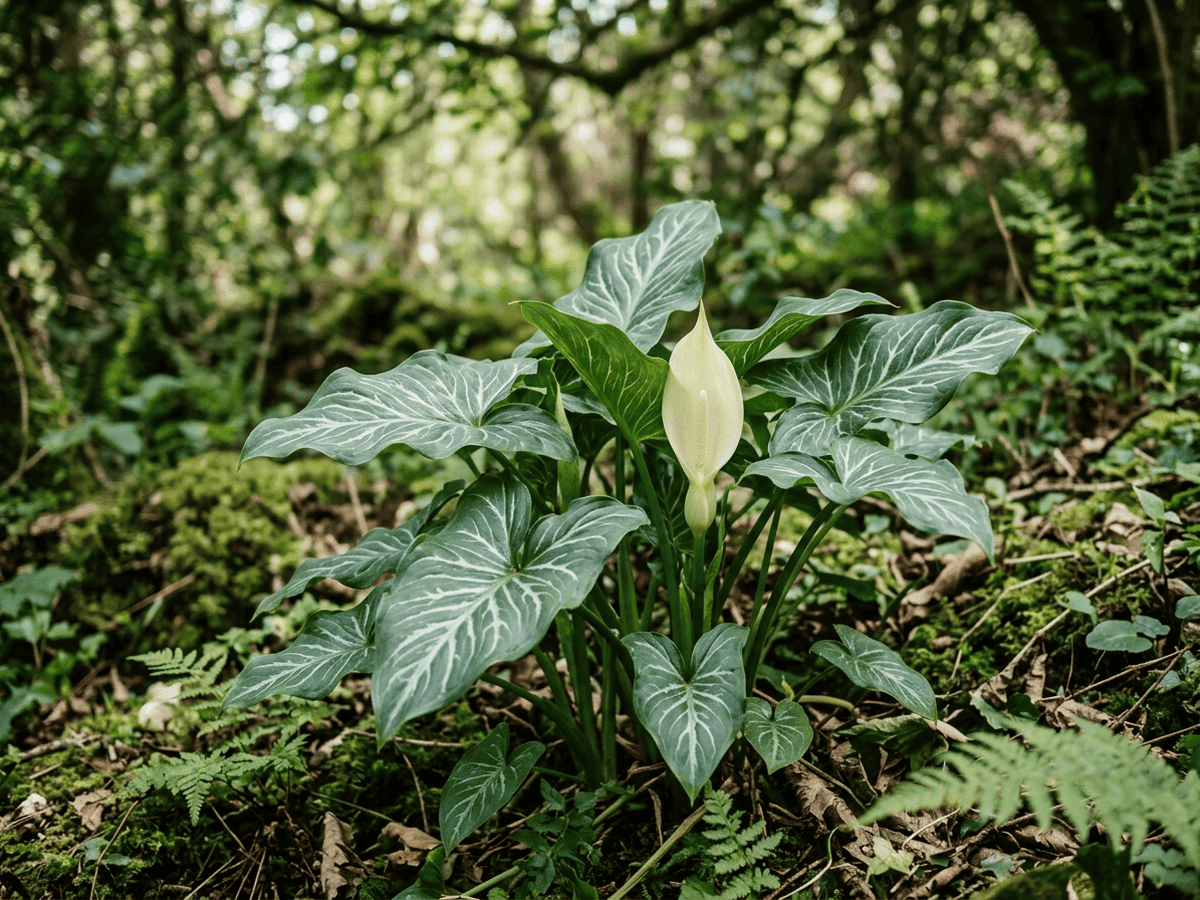 Italian ArumArum italicum
Frequently asked questions
How often should I water Southern Sword Fern?
In summer, water about every 3 days; in winter, about every 10 days. Adjust for heat, pot size and drainage.
How much light does Southern Sword Fern need?
Part shade: 2–4 hrs direct. Watch the leaves — scorching or stretching means the light needs adjusting.
Is Southern Sword Fern toxic to cats or dogs?
No toxicity has been reported for this plant. Still, it is wise to keep pets from chewing on any houseplant. Educational information, not medical or veterinary advice. If exposure is suspected, contact a doctor or veterinarian.
Is Southern Sword Fern easy to grow?
It is moderately demanding: a good choice once you have a little experience.
Can Southern Sword Fern be grown indoors?
Yes, it adapts well to indoor growing given the right light.
YardMate
Identify any plant in seconds
Snap a photo — YardMate names the plant, diagnoses problems, and reminds you when to water.
Download on the App Store