 YardMate


Broom Cupflower
Nierembergia scoparia
Easy · Beginner friendlyAbout Broom Cupflower
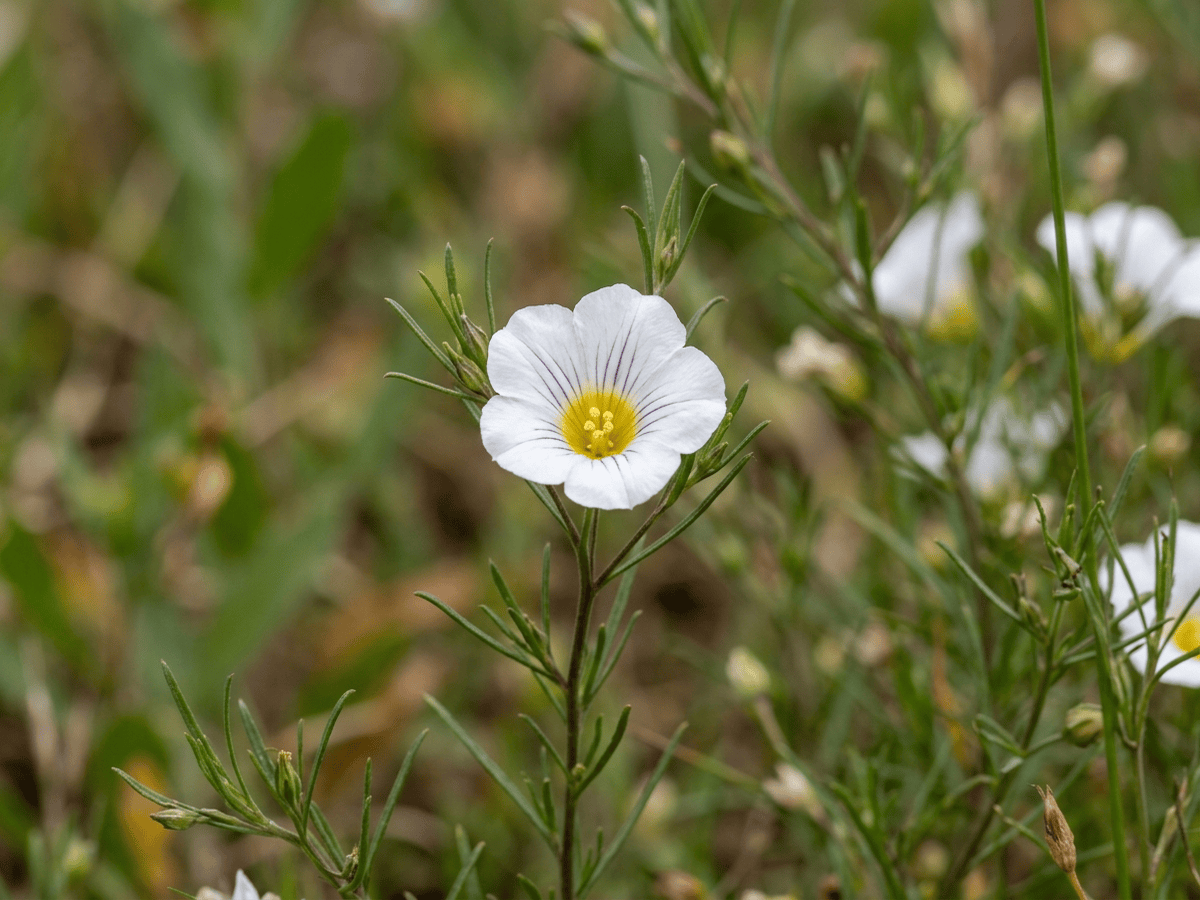
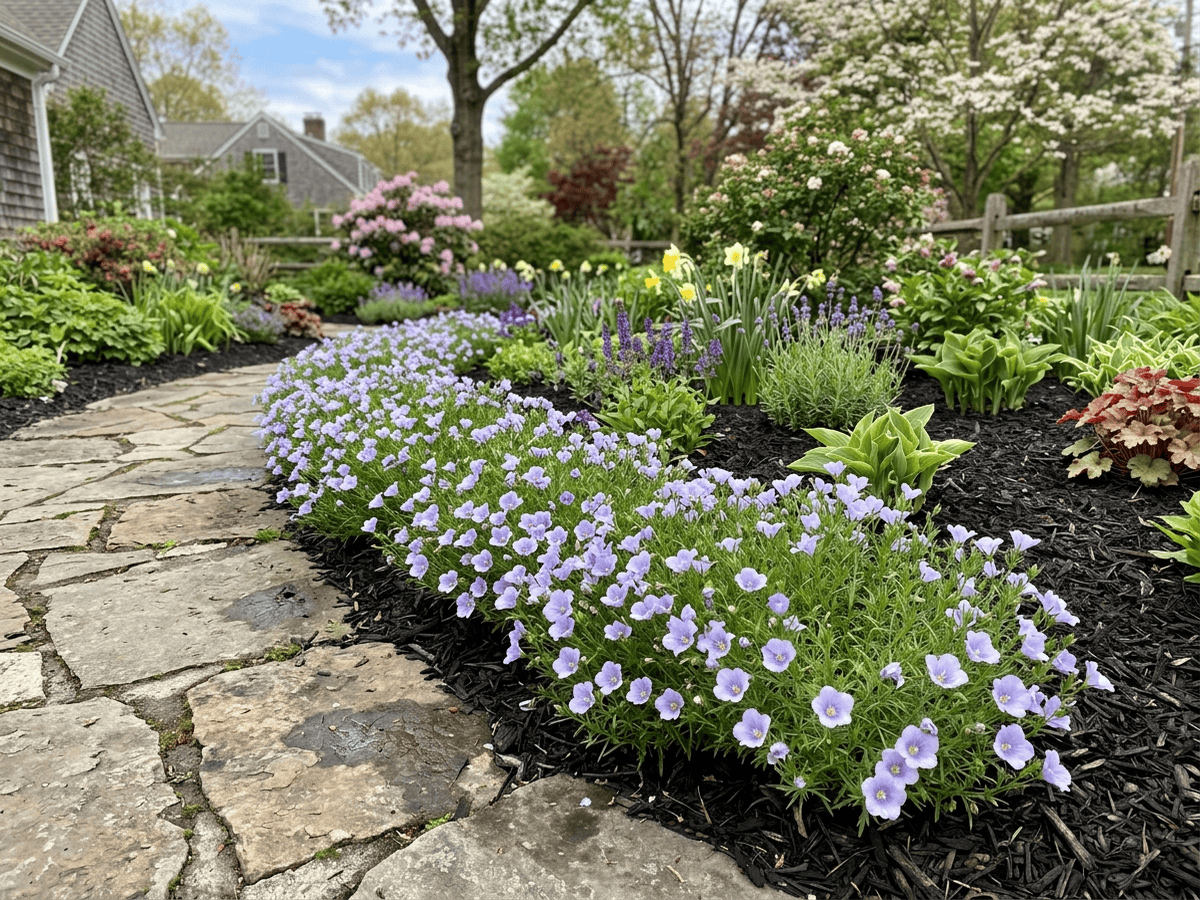
Cupflower is an Argentine tender perennial grown as an annual in American gardens, forming low mounds covered in 1-inch cup-shaped flowers in violet-blue or white with yellow throats. Growing 6 to 10 inches tall and spreading 12 inches, it blooms continuously from spring through frost and tolerates heat, making it popular for edging, rock gardens, and containers. 'Mont Blanc' and 'Purple Robe' are the iconic AAS cultivars.
- Heat-tolerant
- Container-friendly
- Long-blooming
- Pollinator-friendly
How to care for Broom Cupflower
Watering
- Springevery 5 days
- Summerevery 4 days
- Fallevery 7 days
- Winterevery 10 days
Soil · Well-draining
- Top dressingPine bark mulch10%
- Main mixPotting soil + perlite 2:170%
- DrainageLECA / gravel20%
Never skip the drainage layer — standing water is the top cause of root rot.
FERTILIZER
Balanced Feed 14-14-14
An even feed covers all three needs at once, keeping leaves, roots and blooms moving together with nothing pushed out of balance.
- Nitrogen · Leaves
- Phosphorus · Roots + Blooms
- Potassium · Strength
- Springevery 30 days
- Summerevery 30 days
At a Glance
- NativeSouth America
- Height0.5–1 ft (0.2–0.3 m)
- Spread1–1.5 ft (0.3–0.5 m)
- Flower colorPurple, White
- Foliage colorGreen
- SoilWell-drained, Loamy
- LocationsYard · Balcony
Bloom time
BLOOM CYCLE
Peak bloom
Mar–Nov
Cup-shaped blue or white flowers spring to frost
Toxicity
Toxicity unknown
None reported
Unknown
EXPOSURE Unspecified plant material.
EFFECT Toxic effects are not specified.
NOTE Toxicity for humans is not well documented; use caution until verified.
Unknown
EXPOSURE Unspecified plant material.
EFFECT Toxic effects are not specified.
NOTE Toxicity for dogs is not well documented; use caution until verified.
Unknown
EXPOSURE Unspecified plant material.
EFFECT Toxic effects are not specified.
NOTE Toxicity for cats is not well documented; use caution until verified.
Educational information, not medical or veterinary advice. If exposure is suspected, contact a doctor or veterinarian.
DISTRIBUTION


- Native
- Introduced
- South America
History
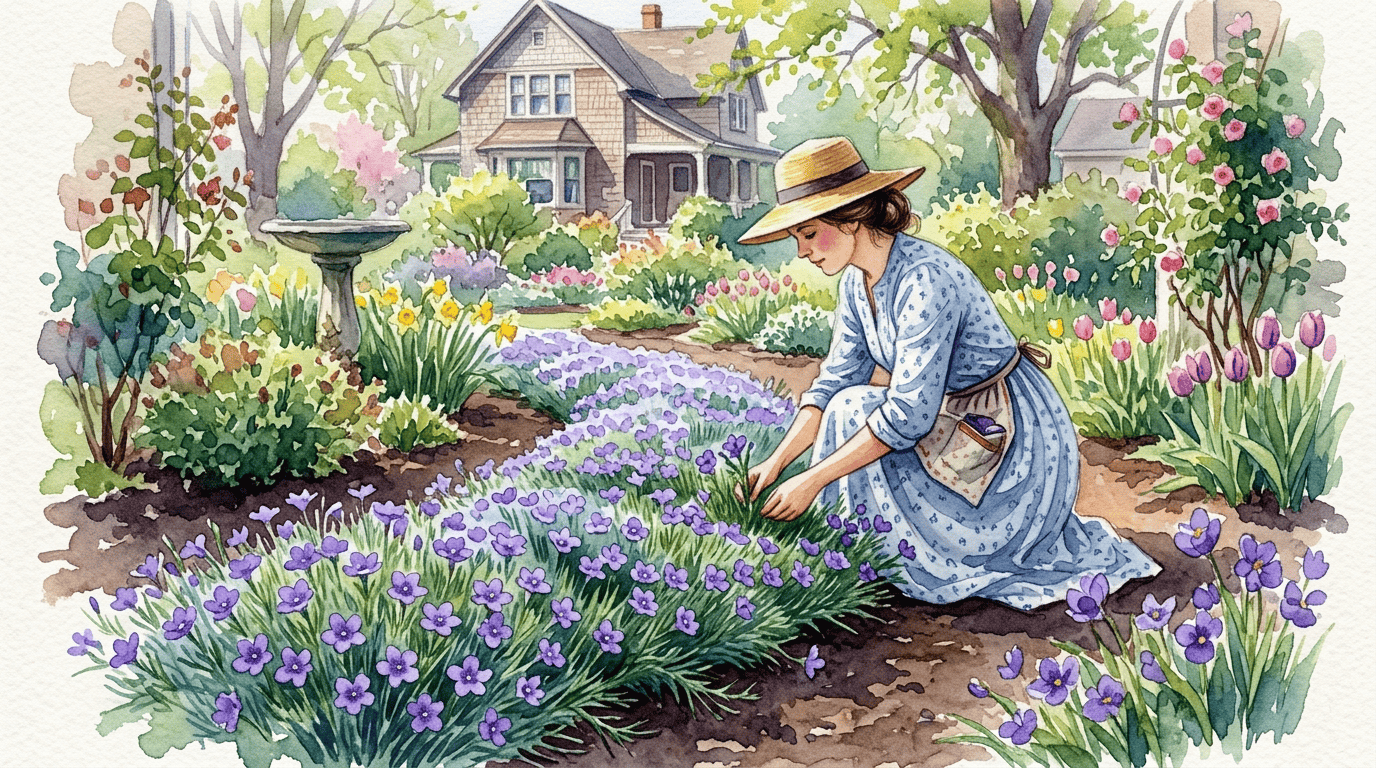
Nierembergia scoparia, sometimes sold under the older name N. hippomanica var. violacea, is a low-growing short-lived perennial native to Argentina and Uruguay. French botanists Sendtner and Grisebach worked out the modern taxonomy in the 19th century, and the genus honors Juan Eusebio Nieremberg, a 17th-century Spanish Jesuit naturalist and philosopher. The plant produces fine needle-like foliage covered continuously through spring and summer by small flat-faced cup-shaped flowers in violet-purple or white with contrasting yellow throats.
Breeders at Sakata, Pan American Seed, and Proven Winners have released improved compact selections such as Mont Blanc, Purple Robe, Augusta Blue Sky, and Augusta Blue Skies. In USDA zones 7 and above it often overwinters as a short-lived perennial; elsewhere it is used as a heat-tolerant summer annual.
Native to Argentina, introduced to American gardens in the early 1900s. The AAS-winning 'Purple Robe' (1942) and 'Mont Blanc' (1993) established it as a reliable cool-blue edging annual now found in spring seedling trays across the US.
Symbolism & meaning
What It Symbolizes
Broom Cupflower offers serene constancy, its low mounding habit covered in cool blue-violet cups through long stretches of summer. The color carries calm — a soothing tone that makes hot afternoons feel a degree gentler. As an edging plant of quiet grace, it asks little and contributes a steady, contemplative note where bolder flowers might shout. Its meaning is the comfort of soft, faithful color.
- Cool calm — soothing blue-violet tones
- Quiet grace — low mounding edging plant
Where the Name Comes From
'Nierembergia' honors Spanish Jesuit naturalist Juan Eusebio Nieremberg (1595-1658); 'scoparia' means broom-like, for growth habit.
Uses & Fun Facts
- Cup-shaped flowers attract bees through long summer bloom
- Compact mounding annual fills patio pots and edging
Related plants
Plants with similar care
 Chinese AbeliaAbelia chinensis
 Fragrant AbeliaAbelia mosanensis
 Large-Flowered AbeliaAbelia uniflora
 Glossy AbeliaAbelia x grandiflora
Frequently asked questions
How often should I water Broom Cupflower?
In summer, water about every 4 days; in winter, about every 10 days. Adjust for heat, pot size and drainage.
How much light does Broom Cupflower need?
Full sun: 6+ hrs direct. Watch the leaves — scorching or stretching means the light needs adjusting.
Is Broom Cupflower toxic to cats or dogs?
Pets Unknown (Dogs Unknown · Cats Unknown) Educational information, not medical or veterinary advice. If exposure is suspected, contact a doctor or veterinarian.
Is Broom Cupflower easy to grow?
Yes — it is considered an easy, beginner-friendly plant.
When does Broom Cupflower bloom?
It typically blooms Mar–Nov in the Northern Hemisphere.
YardMate
Identify any plant in seconds
Snap a photo — YardMate names the plant, diagnoses problems, and reminds you when to water.
Download on the App Store