 YardMate

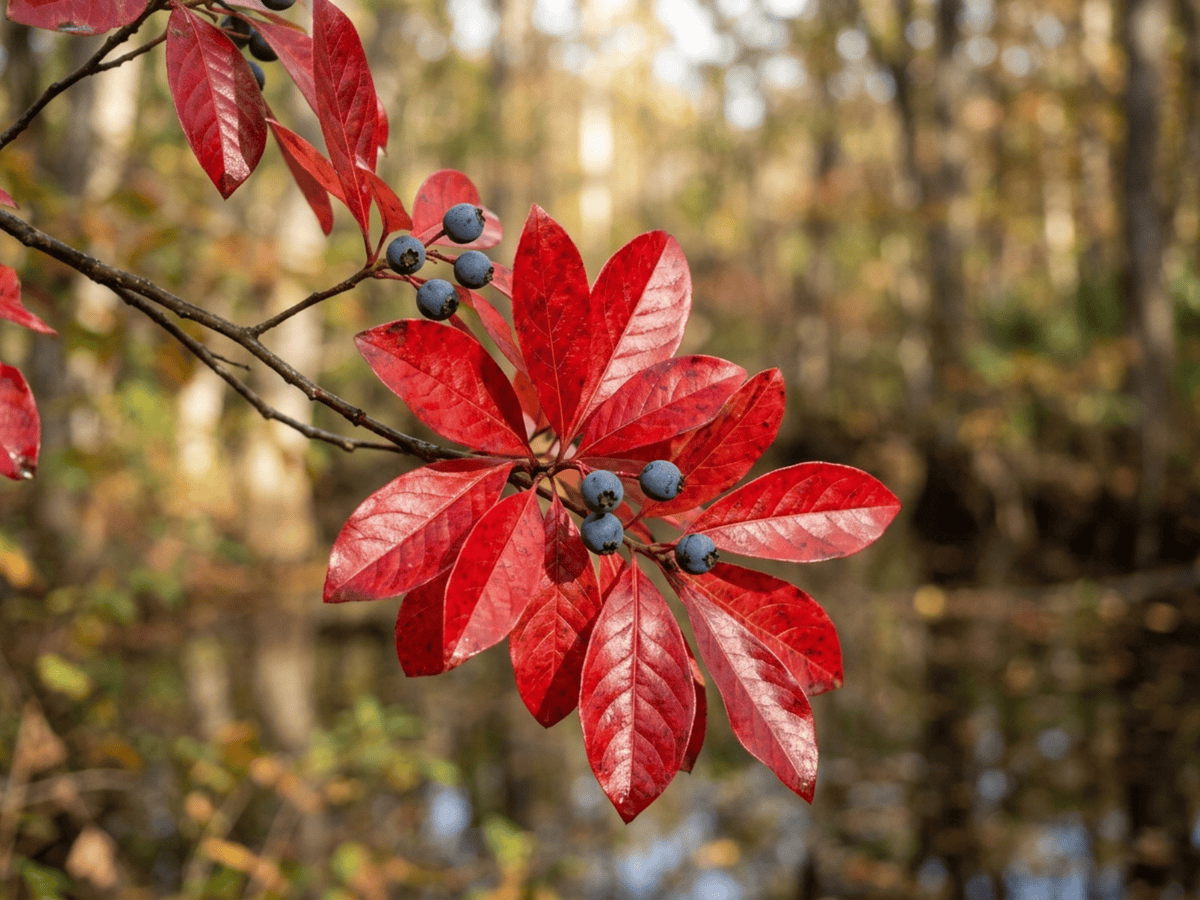

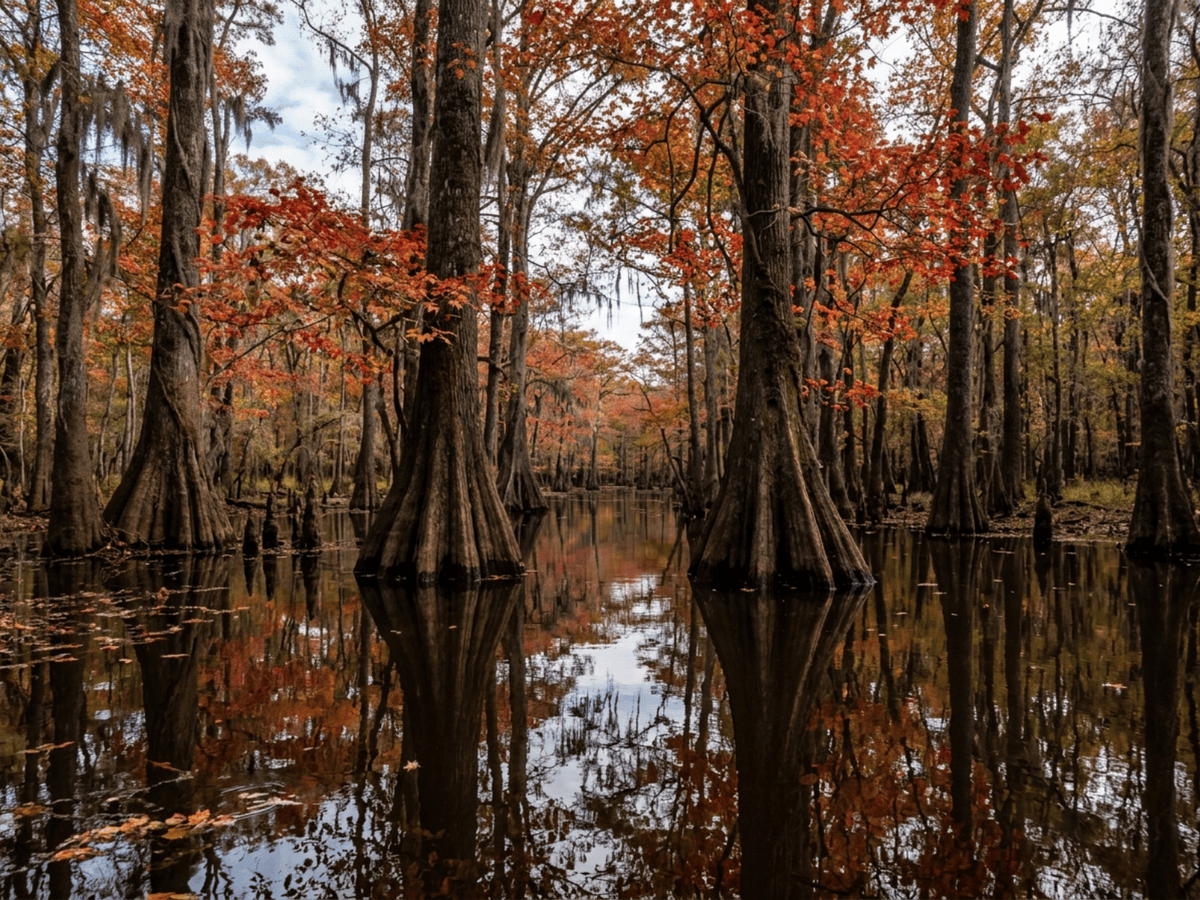
Water Tupelo
Nyssa aquatica
Medium · Some experienceAbout Water Tupelo
Water Tupelo is a distinctive deciduous tree native to the swamps and floodplains of the southeastern United States, reaching 80-100 feet, with a dramatically swollen base that tapers upward into a straight cylindrical trunk. Shiny oval leaves turn scarlet and orange in autumn. The tree's honey production in southern swamps is legendary—Tupelo honey, famously harvested in the Florida Panhandle, is prized worldwide.
- Fall-color
- Native
How to care for Water Tupelo
Watering
- Springevery 5 days
- Summerevery 3 days
- Fallevery 7 days
- Winterevery 14 days
Soil · Bog-wet
- WaterStanding water above soil20%
- SoilHeavy pond soil80%
No drainage layer — keep water standing above the soil.
FERTILIZER
- Springevery 60 days
At a Glance
- NativeNorth America
- Height60–100 ft (18.3–30.5 m)
- Spread25–40 ft (7.6–12.2 m)
- Flower colorGreen, White
- Foliage colorGreen, Red, Bronze
- Fruit colorPurple
- SoilMoisture-retentive, Acidic
- LocationsYard
Bloom time
BLOOM CYCLE
Peak bloom
Mar–May
Small greenish flowers in spring
Toxicity
No toxicity has been reported for this plant. Still, it is wise to keep pets from chewing on any houseplant.
Educational information, not medical or veterinary advice. If exposure is suspected, contact a doctor or veterinarian.
DISTRIBUTION


- Native
- North America
History
Nyssa aquatica grows in deepwater swamps and bottomlands of the southeastern United States from Virginia south to Florida and west to east Texas and southern Illinois. Linnaeus described the species in Species Plantarum (1753), naming it aquatica for its aquatic habitat. The genus Nyssa honors a water nymph of Greek mythology.
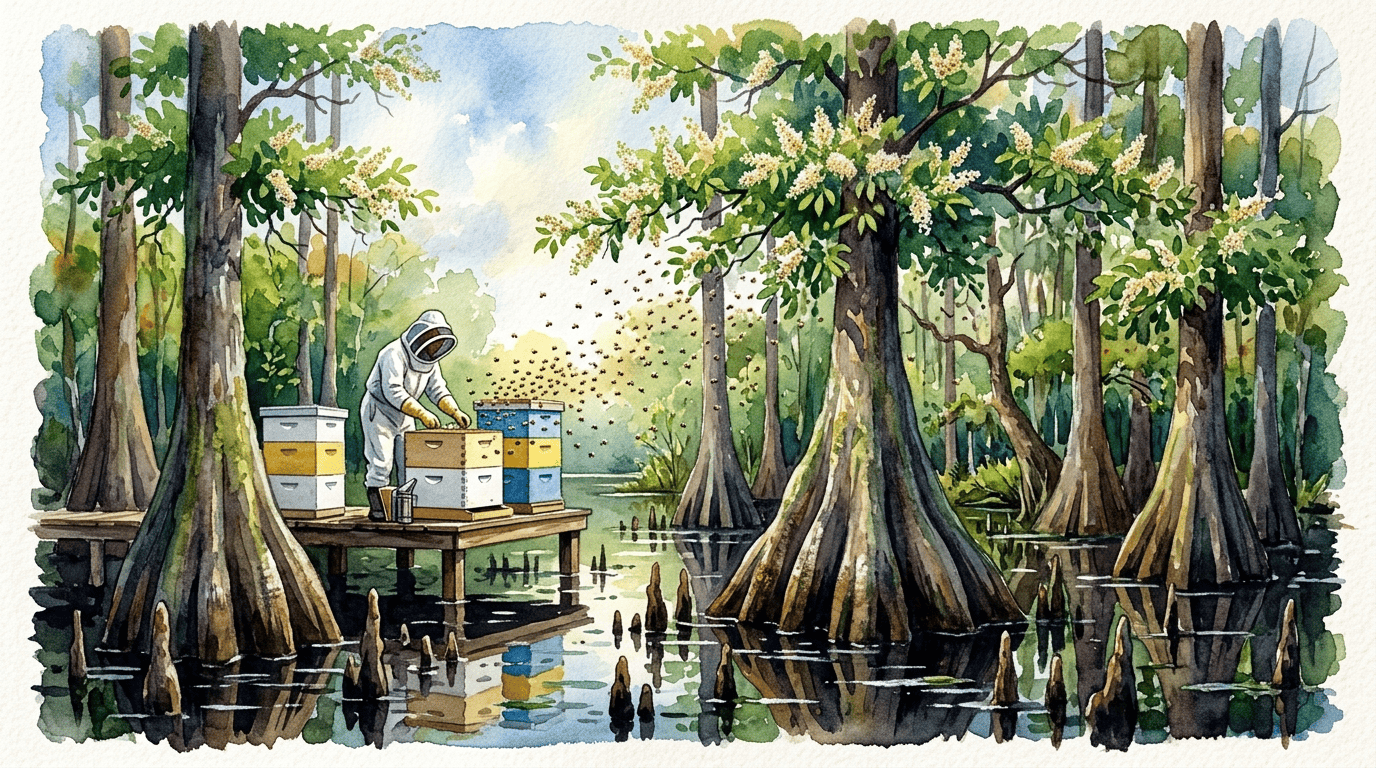
Mature trees develop dramatically swollen buttressed trunk bases with characteristic bottle-shaped profiles, an adaptation allowing gas exchange in perpetually flooded root zones. Hollow old trunks provided critical nesting cavities for wood ducks and prothonotary warblers, and beekeepers in the Florida panhandle and Georgia tupelo swamps produce the famously light, slow-crystallizing tupelo honey primarily from N. ogeche with contribution from N. aquatica.
The soft, light wood was used for duck decoys, shoe lasts, and wooden shoes. Closely related N. sylvatica (blackgum) grows on drier sites; the two can be distinguished by leaf size and habitat. The famous Tupelo honey of the Apalachicola River basin is produced from these trees during a brief April bloom, prized for never crystallizing and immortalized in Van Morrison's song.
Symbolism & meaning
What It Symbolizes
Water Tupelo can symbolize sweetness, its springtime flowers feeding bees that produce the legendary tupelo honey of the southeastern swamps. Another layer is southern heritage, for nyssa aquatica is the iconic tree of cypress-tupelo bottomlands, knee-deep in dark water from Florida to Virginia. To know this tree is to know a particular kind of southern wetland, where bees, blackwater rivers and stately swollen-based trunks together produce one of the country's most distinctive native flavors.
- Sweetness — source of legendary Tupelo honey
- Southern heritage — icon of southeastern swamps
Where the Name Comes From
'Nyssa' from a Greek water nymph; 'aquatica' for its preference for wet sites; 'Tupelo' from Muscogee Creek 'ito opilwa' (swamp tree).
Uses & Fun Facts
- Lightweight tupelo wood used for honeycomb frames and carving
- Water tupelo glows scarlet in autumn swamps
Related plants
Plants with similar care
 Mexican AbeliaAbelia floribunda
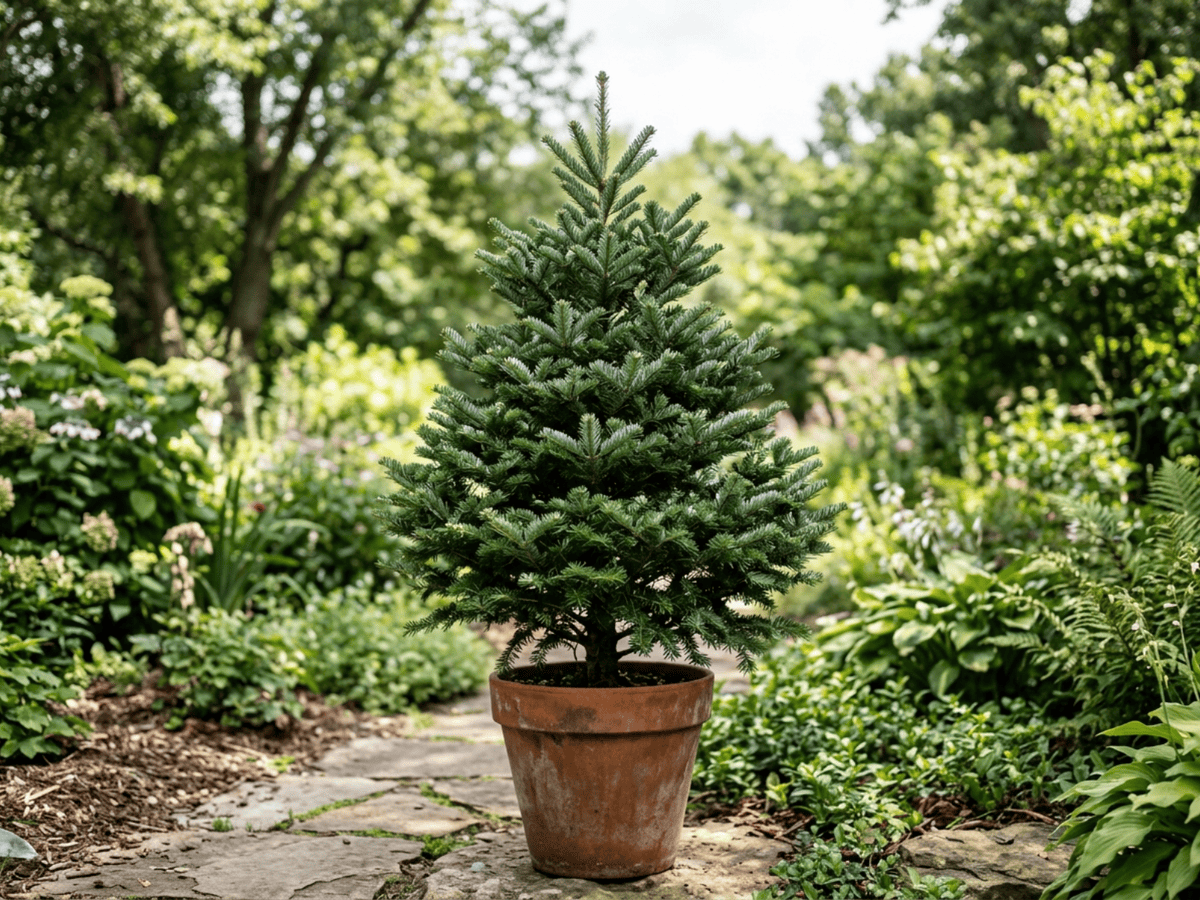 Fraser FirAbies fraseri
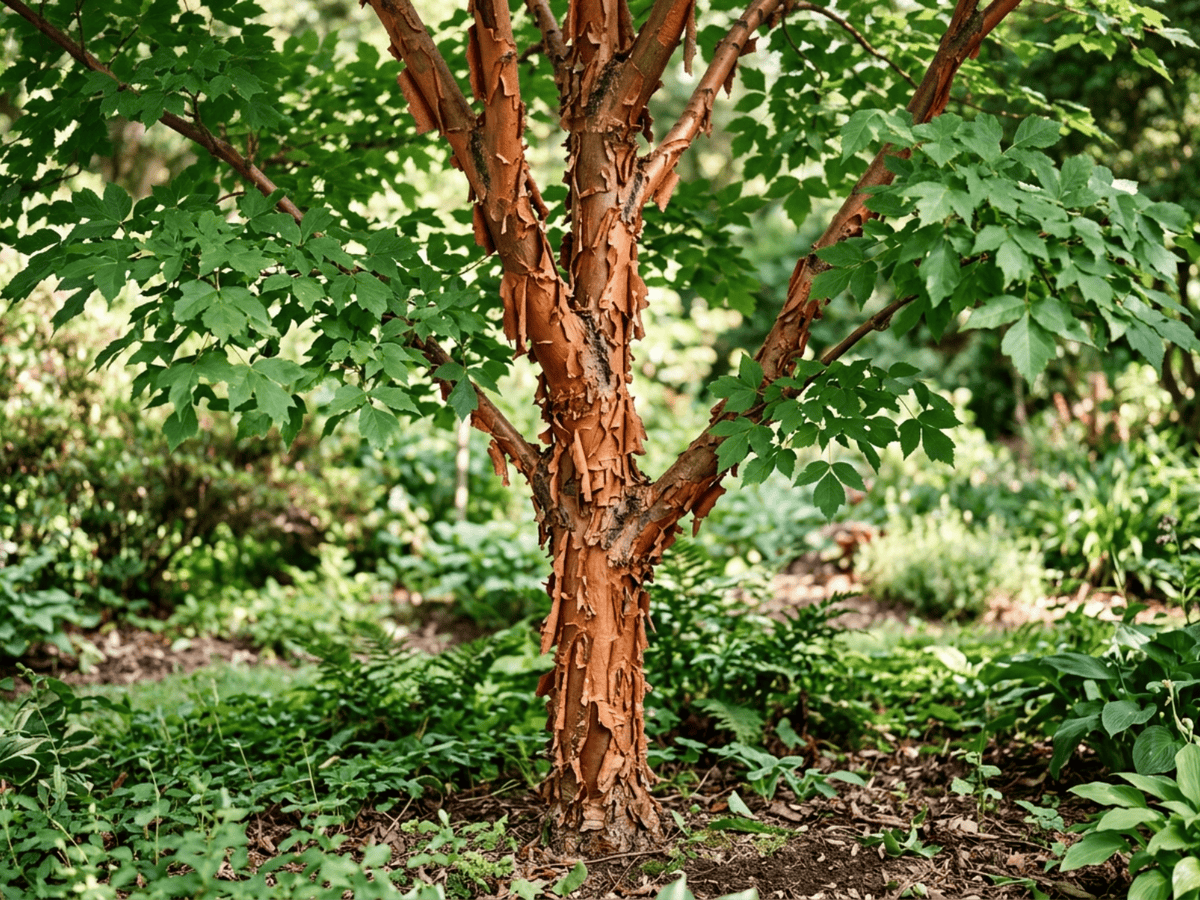 Paperbark MapleAcer griseum
 Sugar MapleAcer saccharum
Frequently asked questions
How often should I water Water Tupelo?
In summer, water about every 3 days; in winter, about every 14 days. Adjust for heat, pot size and drainage.
How much light does Water Tupelo need?
Full sun: 6+ hrs direct. Watch the leaves — scorching or stretching means the light needs adjusting.
Is Water Tupelo toxic to cats or dogs?
No toxicity has been reported for this plant. Still, it is wise to keep pets from chewing on any houseplant. Educational information, not medical or veterinary advice. If exposure is suspected, contact a doctor or veterinarian.
Is Water Tupelo easy to grow?
It is moderately demanding: a good choice once you have a little experience.
When does Water Tupelo bloom?
It typically blooms Mar–May in the Northern Hemisphere.
YardMate
Identify any plant in seconds
Snap a photo — YardMate names the plant, diagnoses problems, and reminds you when to water.
Download on the App Store