 YardMate


Osoberry
Oemleria cerasiformis
Easy · Beginner friendlyAbout Osoberry
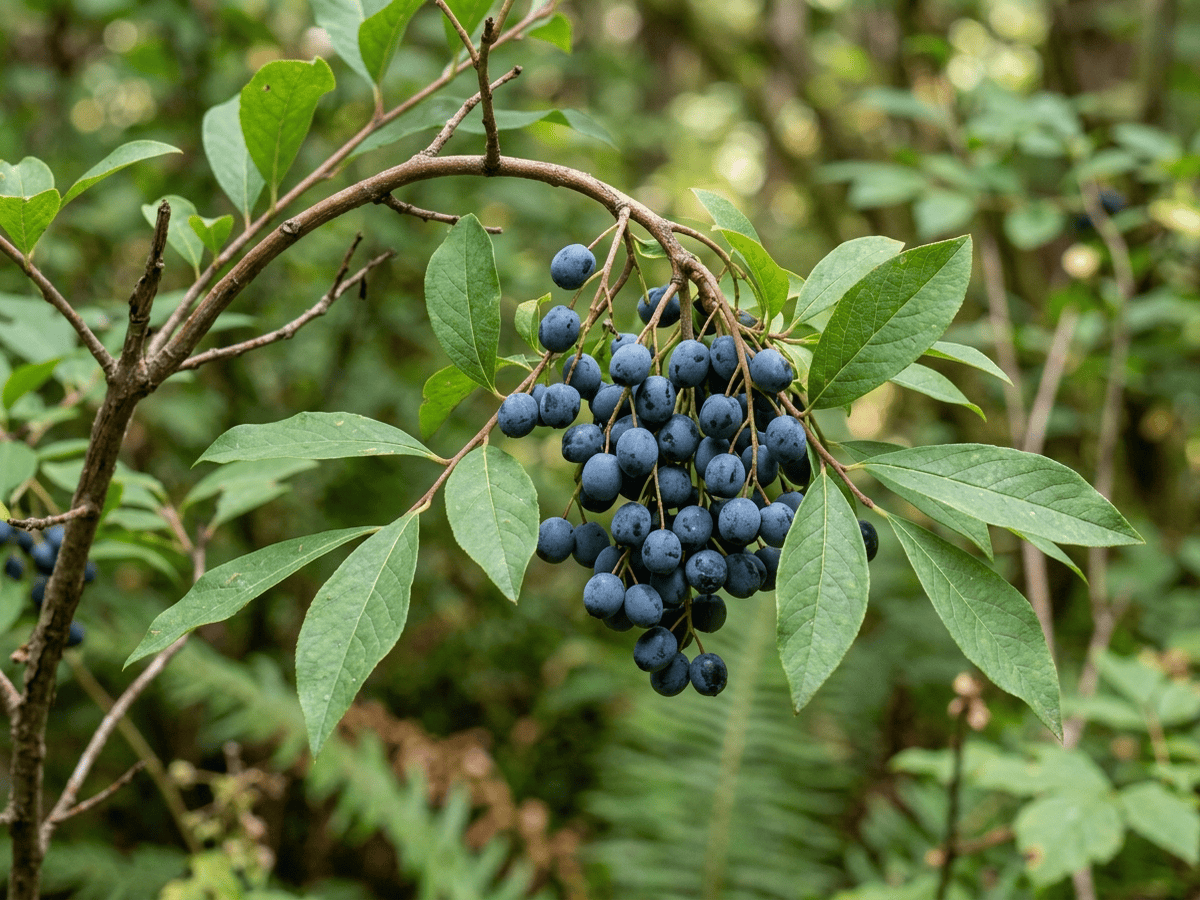
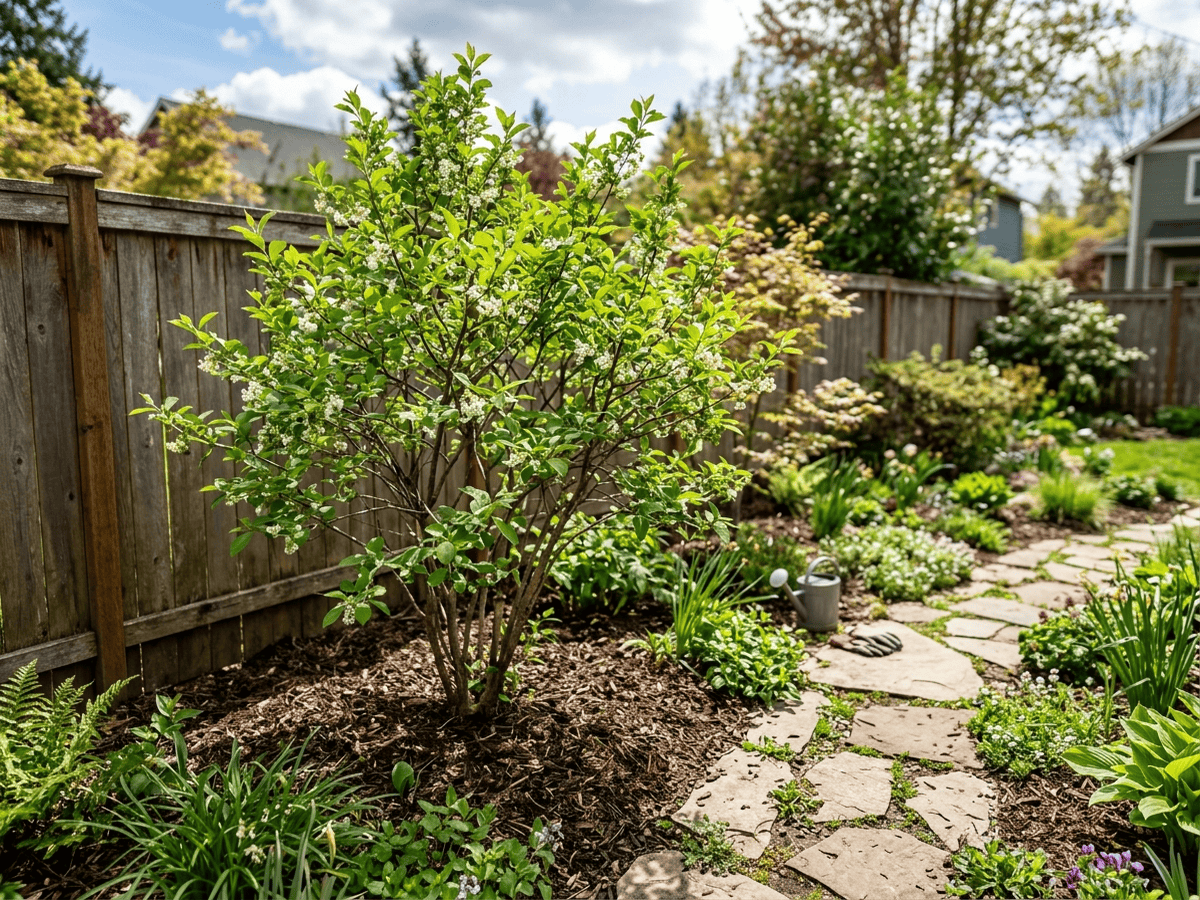
Indian Plum, also called Osoberry, is one of the very first native shrubs to leaf out and flower each spring in the Pacific Northwest, often blooming in February before any other native shrub. This deciduous shrub grows 8 to 16 feet tall in moist woodlands from British Columbia to central California. Its drooping clusters of small white fragrant flowers are followed by plum-like fruits that ripen orange-red and finally to dark purple. A vital early-season food for native pollinators and migratory birds.
- Fragrant
- Native
- Wildlife-friendly
How to care for Osoberry
Watering
- Springevery 7 days
- Summerevery 5 days
- Fallevery 10 days
- Winterevery 14 days
Soil · Well-draining
- Top dressingPine bark mulch10%
- Main mixPotting soil + perlite 2:170%
- DrainageLECA / gravel20%
Never skip the drainage layer — standing water is the top cause of root rot.
FERTILIZER
- Springevery 90 days
At a Glance
- NativeNorth America
- Height8–15 ft (2.4–4.6 m)
- Spread6–12 ft (1.8–3.7 m)
- Flower colorWhite, Green
- Foliage colorGreen, Yellow
- Fruit colorPurple, Orange
- SoilLoamy, Moisture-retentive
- LocationsYard
Bloom time
BLOOM CYCLE
Peak bloom
Dec–Apr
White fragrant drooping clusters in late winter to early spring
Fragrance
MODERATE FRAGRANCE
Flowers smell of cat urine or fresh cucumber, varying by observer.
Toxicity
Humans Slight · Pets Slight
cyanogenic glycosides
Slight
- Seed
- Leaf
- Ingestion
EXPOSURE Eating seeds and leaves.
EFFECT Seeds and foliage contain trace cyanogenic glycosides typical of Rosaceae and flesh is edible.
NOTE Fruit flesh edible; pits and foliage best avoided.
Slight
- Seed
- Leaf
- Ingestion
EXPOSURE Eating seeds and leaves.
EFFECT Seeds and wilted foliage contain cyanogenic glycosides and avoid ingestion.
NOTE Fruit flesh edible; pits and foliage best avoided.
Slight
- Seed
- Leaf
- Ingestion
EXPOSURE Eating seeds and leaves.
EFFECT Seeds and wilted foliage contain cyanogenic glycosides and avoid ingestion.
NOTE Fruit flesh edible; pits and foliage best avoided.
Educational information, not medical or veterinary advice. If exposure is suspected, contact a doctor or veterinarian.
DISTRIBUTION


- Native
- Introduced
- North America
History
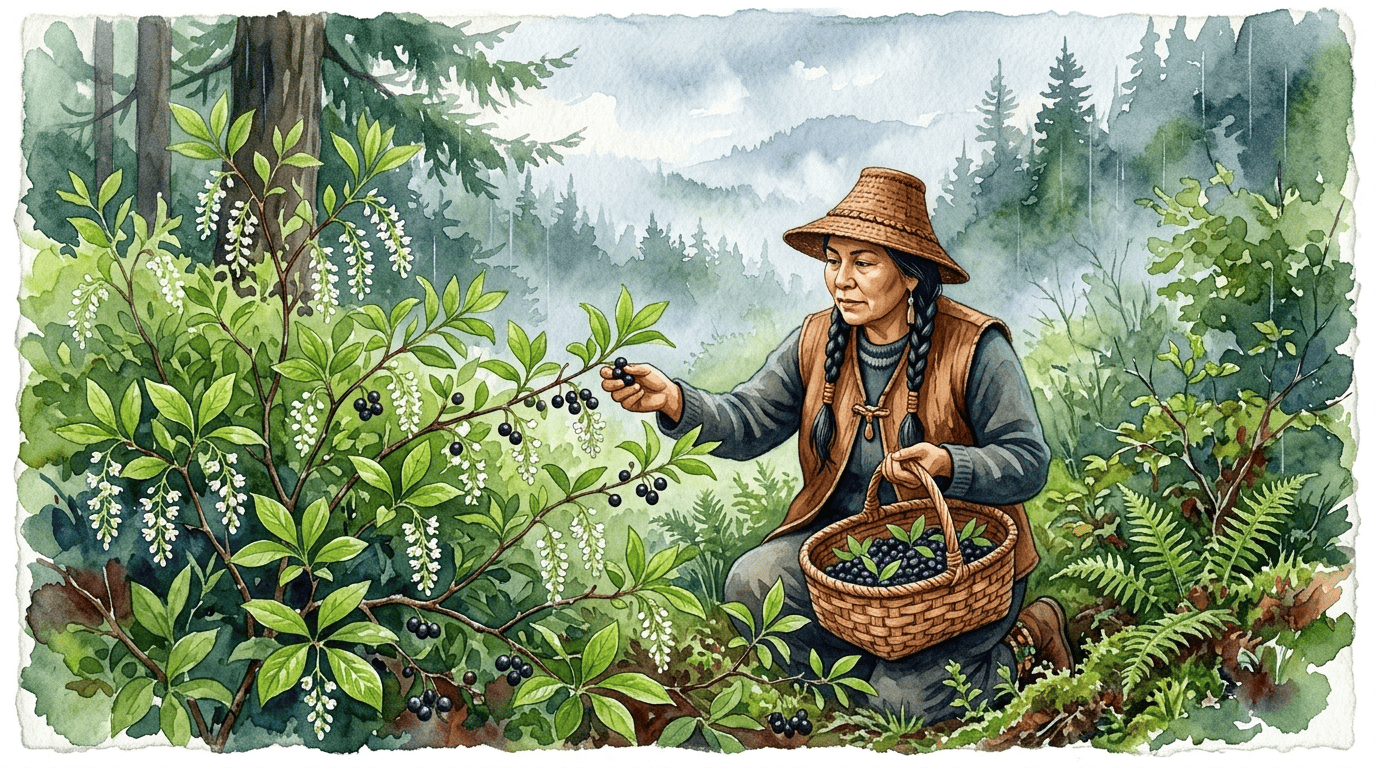
Oemleria cerasiformis, called Indian plum, osoberry, or Oregon plum, is a deciduous shrub native to the Pacific coast of North America from British Columbia to central California. It is often the first native shrub to leaf out and bloom in western Washington and Oregon, with drooping white racemes opening in February and March. Scottish botanist David Douglas collected it in the 1820s, and the genus was later named for Augustus Gottlieb Oemler, a German-American naturalist.
Indigenous peoples including the Salish, Cowlitz, and Makah ate the small plum-like fruits fresh or dried, despite a bitter almond-like aftertaste, and used the twigs to make scrapers and toothpicks. It supports early-emerging pollinators and is planted in native gardens across the Pacific Northwest.
Documented by Scottish botanist Archibald Menzies during the 1791 Vancouver Expedition. Its early flowering signals the start of the Pacific Northwest growing season.
Symbolism & meaning
What It Symbolizes
Osoberry is the first hope of the Pacific Northwest woods, the earliest native shrub to bloom while the forest is still mostly bare and gray. It signals forest awakening, its first leaves and small white flowers a quiet signal that the long wet winter has finally turned a corner. It is often read as a flower of regional first stirrings, a native whose meaning is bound to the particular relief of seeing green return.
- First hope — earliest native bloom signaling spring
- Forest awakening — first leaves and flowers of Northwest woods
Where the Name Comes From
'Oemleria' honors American botanist Augustus Gottlieb Oemler (1773–1852); 'cerasiformis' means cherry-shaped, referring to the fruits.
Uses & Fun Facts
- Earliest native spring bloom carries cucumber-melon scent
- Plum-like fruits feed Pacific Northwest birds and mammals
- February flowers feed first-emerging native bees
Related plants
Plants with similar care
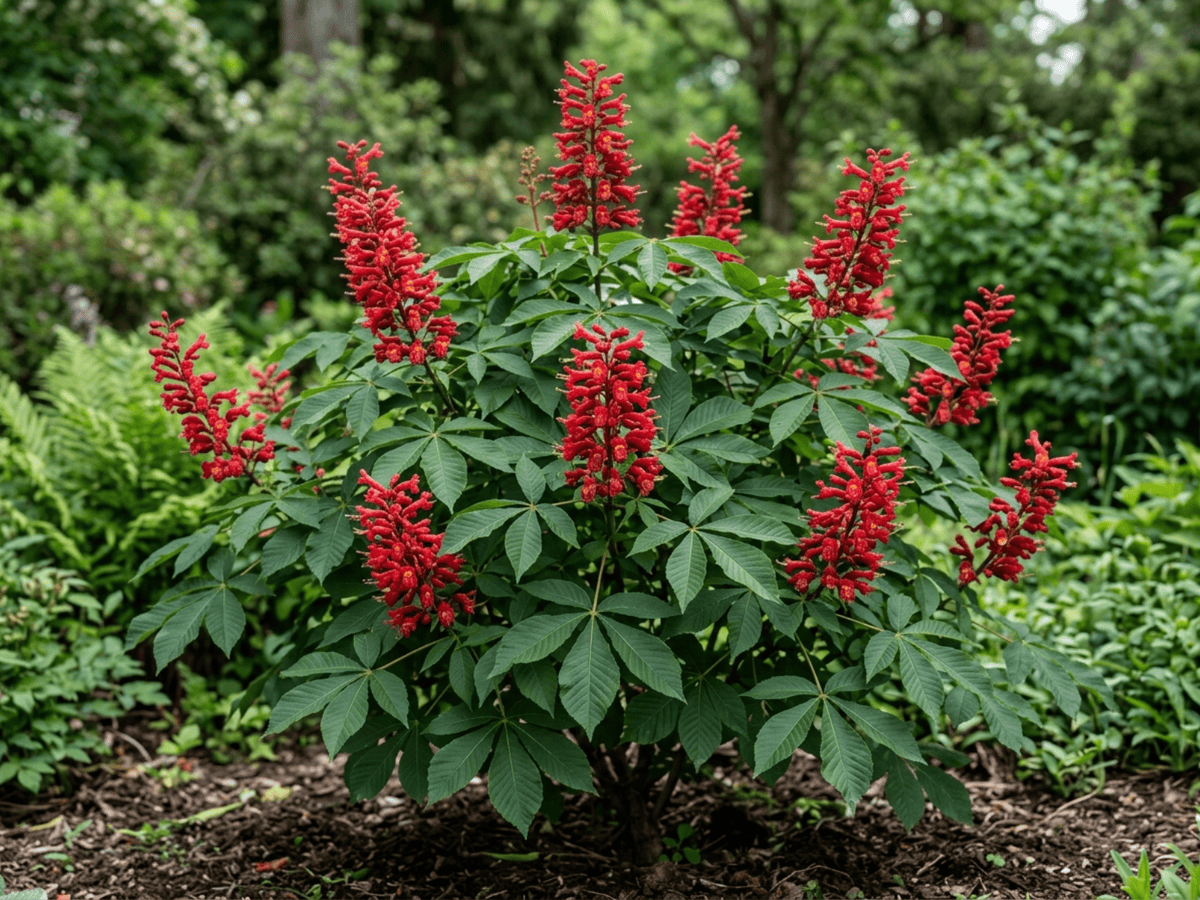 Red BuckeyeAesculus pavia
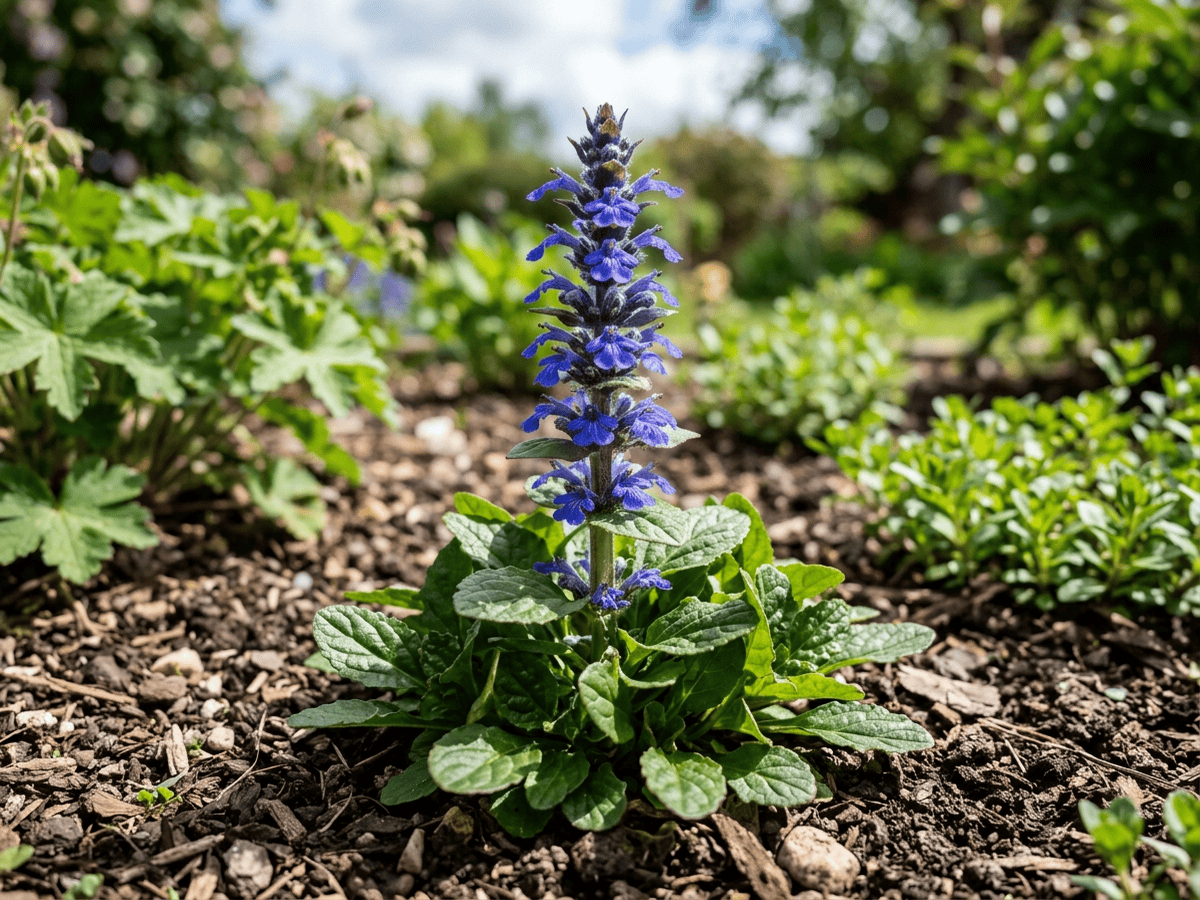 Blue BugleAjuga genevensis
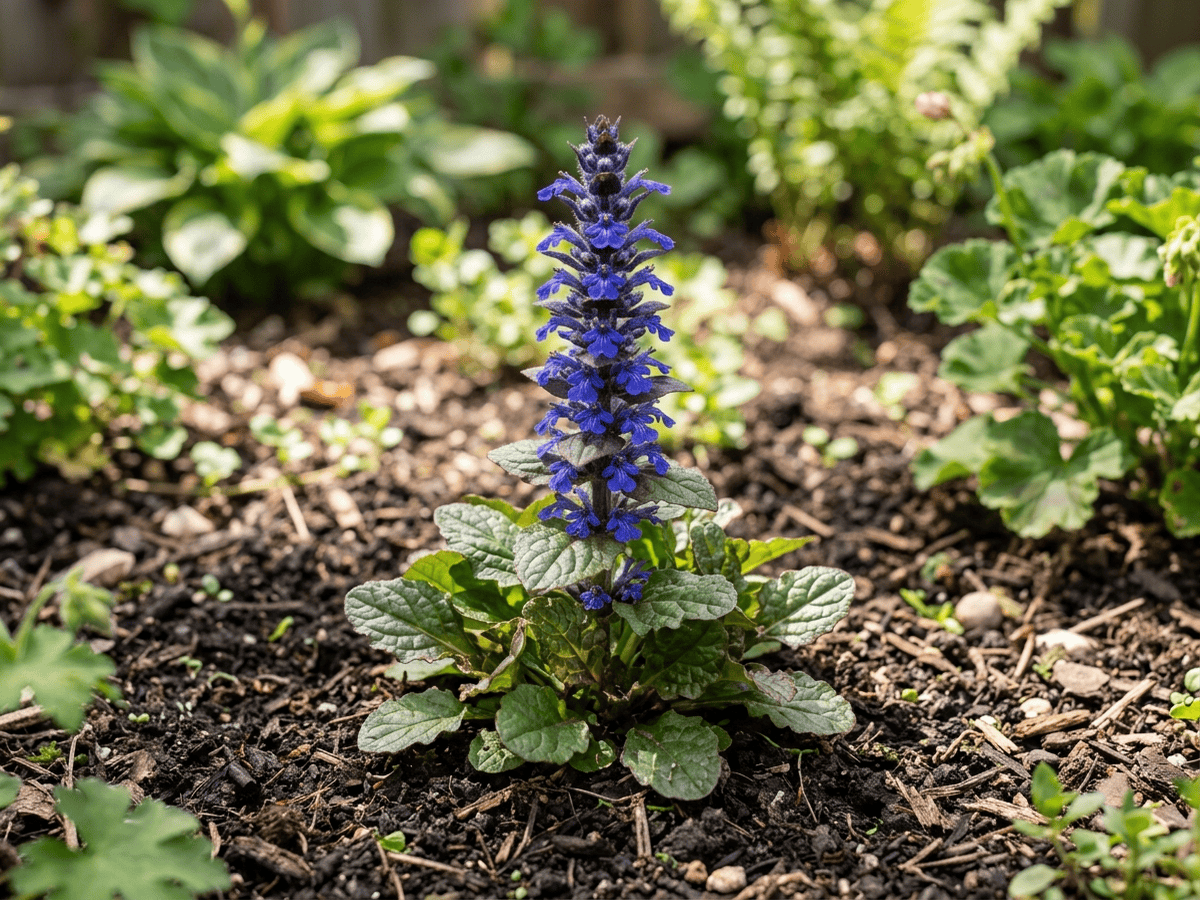 Pyramidal BugleAjuga pyramidalis
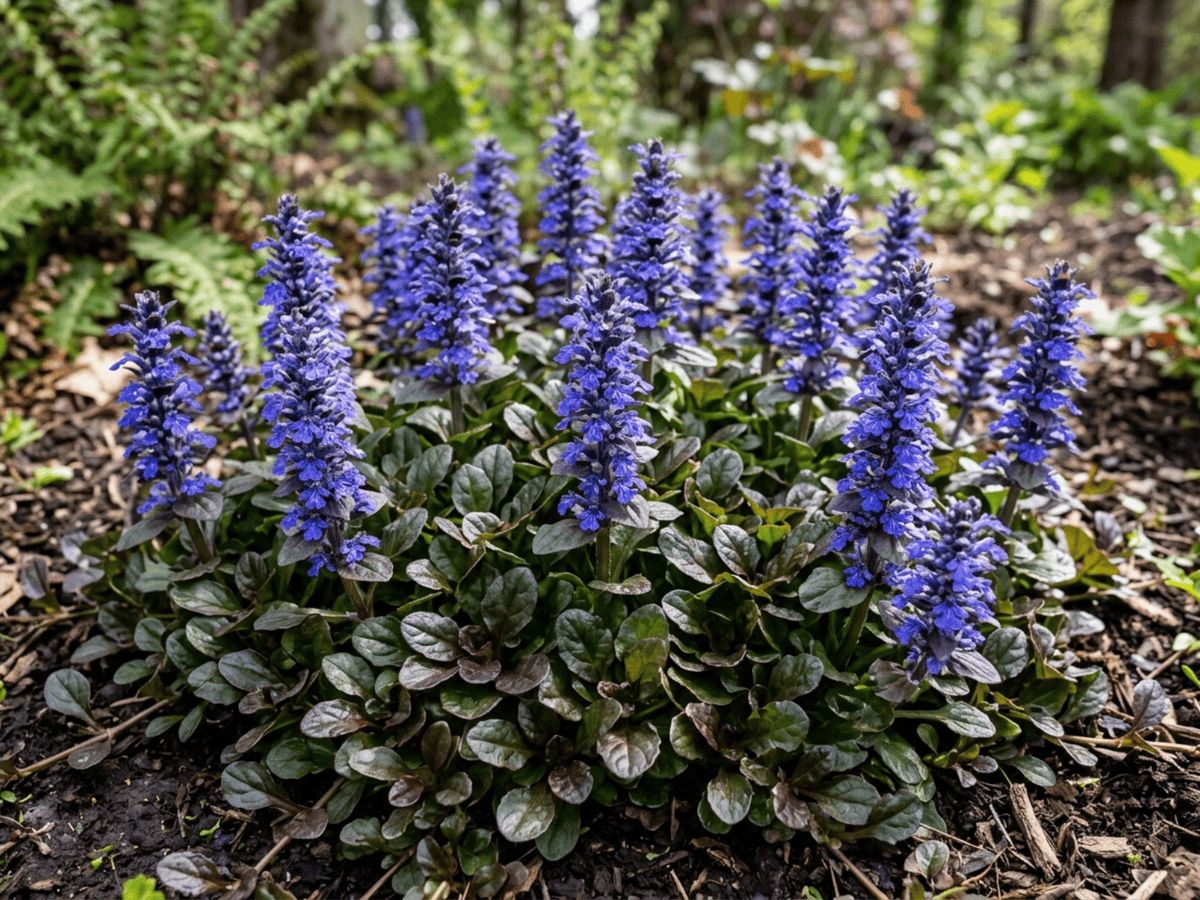 Carpet BugleAjuga reptans
Frequently asked questions
How often should I water Osoberry?
In summer, water about every 5 days; in winter, about every 14 days. Adjust for heat, pot size and drainage.
How much light does Osoberry need?
Part shade: 2–4 hrs direct. Watch the leaves — scorching or stretching means the light needs adjusting.
Is Osoberry toxic to cats or dogs?
Pets Slight (Dogs Slight · Cats Slight) Educational information, not medical or veterinary advice. If exposure is suspected, contact a doctor or veterinarian.
Is Osoberry easy to grow?
Yes — it is considered an easy, beginner-friendly plant.
When does Osoberry bloom?
It typically blooms Dec–Apr in the Northern Hemisphere.
YardMate
Identify any plant in seconds
Snap a photo — YardMate names the plant, diagnoses problems, and reminds you when to water.
Download on the App Store