 YardMate


Provision Tree
Pachira aquatica
Easy · Beginner friendlyAbout Provision Tree
Pachira aquatica, the money tree, features a distinctive braided trunk topped with palmate leaves of five to seven leaflets radiating like fingers. Native to Central and South American wetlands, it naturally grows in swamps and along riverbanks. The braided trunk is not natural — nurseries intertwine multiple seedlings while young and flexible. In East Asian culture, it is considered one of the most powerful Feng Shui plants for attracting wealth. It tolerates low light and irregular watering, though it prefers bright conditions. The large seed pods are edible when roasted, tasting like chestnuts.
- Tropical
- Low-maintenance
- Air-purifying
- Container-friendly
How to care for Provision Tree
Watering
- Springevery 7 days
- Summerevery 5 days
- Fallevery 10 days
- Winterevery 14 days
Soil · Well-draining
- Main mixLoam + bark + perlite 2:1:175%
- DrainageLECA25%
Bark keeps the mix from compacting under a heavy root ball.
FERTILIZER
Balanced Feed 14-14-14
An even feed covers all three needs at once, keeping leaves, roots and blooms moving together with nothing pushed out of balance.
- Nitrogen · Leaves
- Phosphorus · Roots + Blooms
- Potassium · Strength
- Springevery 30 days
- Summerevery 30 days
- Fallevery 60 days
At a Glance
- NativeCentral America, South America
- Height4–8 ft (1.2–2.4 m)
- Spread2–4 ft (0.6–1.2 m)
- Flower colorWhite, Cream, Red
- Foliage colorGreen
- Fruit colorBrown
- SoilRich, Loamy, Well-drained
- LocationsIndoor
Bloom time
BLOOM CYCLE
Peak bloom
Jun–Aug
Large showy flowers with cream petals and red stamens; rare indoors
Fragrance
MODERATE FRAGRANCE
Large night-blooming flowers have a strong sweet scent, rarely produced indoors.
Toxicity
Humans Slight · Cats Slight
cyclopropenoic fatty acids (in seeds)
Slight
- Seed
- Ingestion
EXPOSURE Eating seeds.
EFFECT GI upset possible from raw seeds and toxicity data conflicting.
NOTE Documented concern for humans: GI upset possible from raw seeds and toxicity data conflicting.
Safe
EXPOSURE No exposure route is reported.
EFFECT Non-toxic per ASPCA.
NOTE Listed as non-toxic for dogs; avoid eating ornamental plants unless confirmed edible.
Slight
- Seed
- Ingestion
EXPOSURE Eating seeds.
EFFECT Vomiting, diarrhea, and drooling possible if seeds ingested.
NOTE ASPCA lists money tree as non-toxic to pets, but NC State notes possible seed toxicity and mild-to-moderate GI distress for cats. Houseplants rarely produce seeds.
Educational information, not medical or veterinary advice. If exposure is suspected, contact a doctor or veterinarian.
DISTRIBUTION


- Native
- Introduced
- Central America
- South America
History

Pachira aquatica is native to wetlands and swamp forest from southern Mexico through Central America into northern South America, where it grows into a 20-meter tree producing large white brush-like flowers and woody football-sized fruits containing edible chestnut-like seeds. Its famous appearance as a houseplant — with five or six slender trunks braided together — has nothing to do with its wild form: the braided style was developed in the 1980s by a Taiwanese truck driver turned nurseryman, Mr. Lin, who began selling braided 'Money Trees' for feng shui use. The practice exploded across East Asian homes and offices through the 1990s and reached global mainstream horticulture by the 2010s. The number of trunks in a braid carries feng shui meaning: five for a balanced element set, seven for extra fortune.
Non-toxic to pets. The money tree legend originated in Taiwan in the 1980s when a truck driver braided five Pachira seedlings together and sold them as a lucky plant. The five leaflets were said to represent the five elements of Feng Shui (earth, water, fire, wind, metal).
The braided money tree became a massive commercial success across East Asia and eventually worldwide, particularly popular for business openings and Lunar New Year gifts. In its native Central American habitat, the tree reaches 18 meters tall and produces spectacular flowers pollinated by bats. The chestnut-like seeds are a traditional food in Guyana and Brazil.
Symbolism & meaning
What It Symbolizes
The Provision Tree, often sold with a braided trunk and five-fingered leaves, stands as a Feng Shui emblem of prosperity — wealth gathered, bound, and held within the home. Each leaflet is read as a symbol, the braid a literal tying-in of fortune. Its meaning is straightforward yet powerful: a small tree shaped by human hands into a daily prayer for steady abundance and household luck.
- Prosperity — The braided trunk and five-fingered leaves represent wealth gathering in Feng Shui
Where the Name Comes From
Pachira from a Guyanese indigenous name for the tree. Aquatica means 'of the water,' for its native swamp habitat.
Uses & Fun Facts
- Braided money tree popular as feng-shui indoor plant
- Symbolic of prosperity in East Asian feng shui traditions
Related plants
Plants with similar care
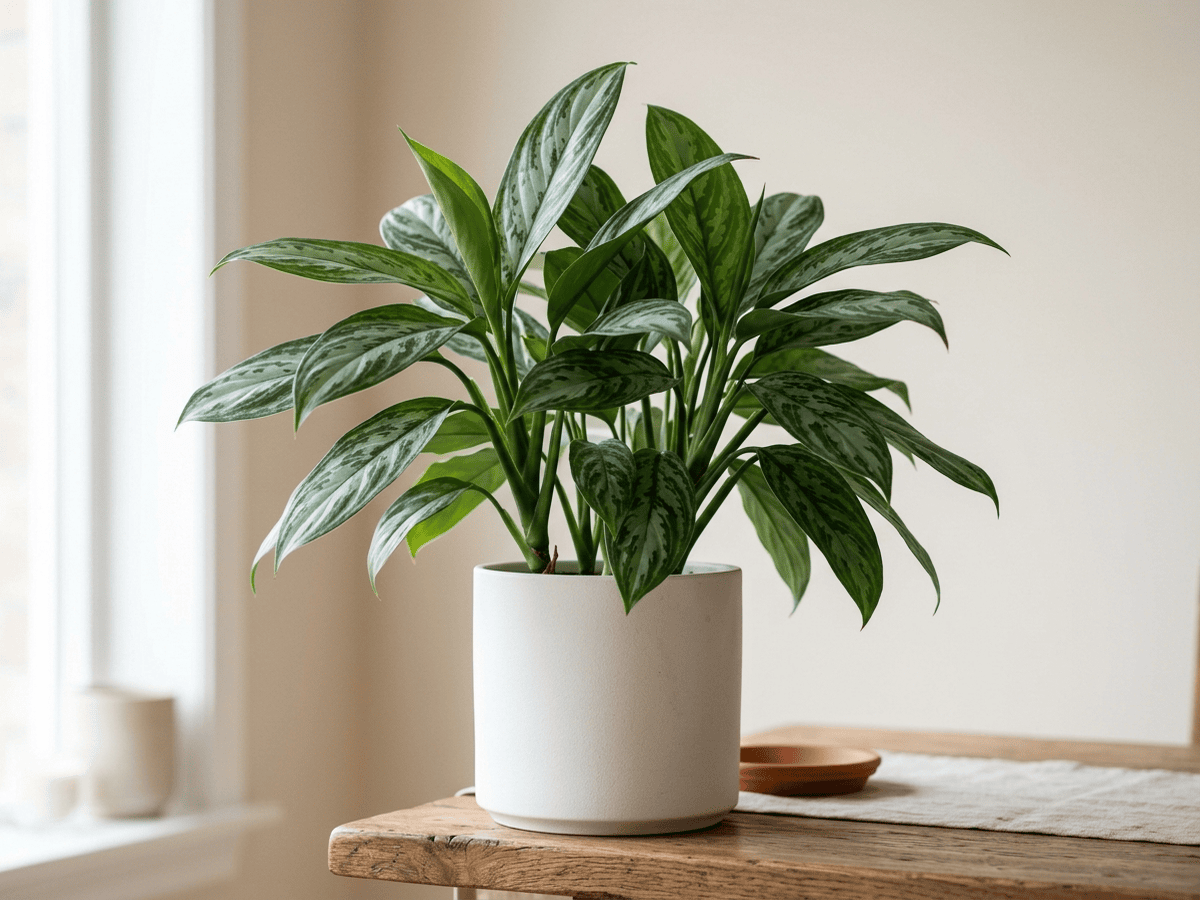 Philippine EvergreenAglaonema commutatum
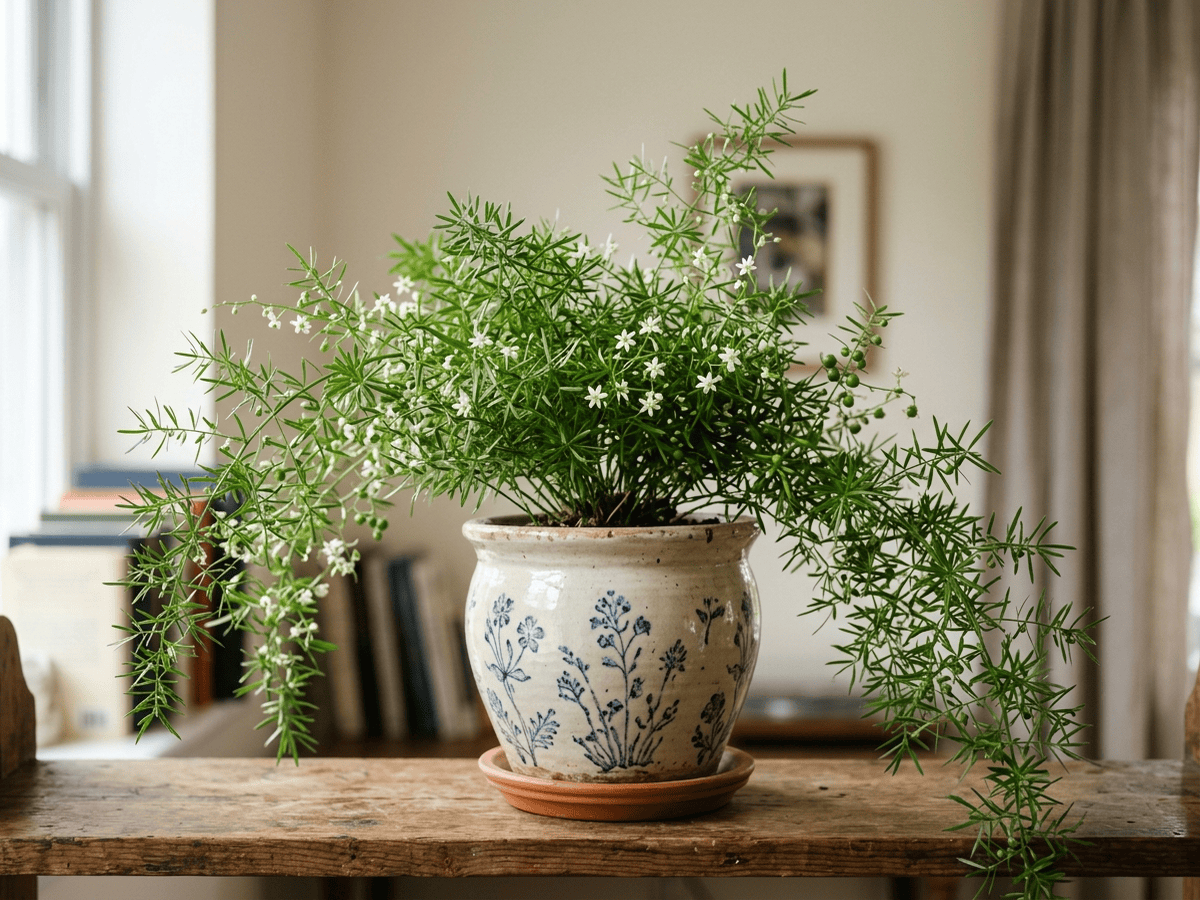 Sprenger's AsparagusAsparagus densiflorus
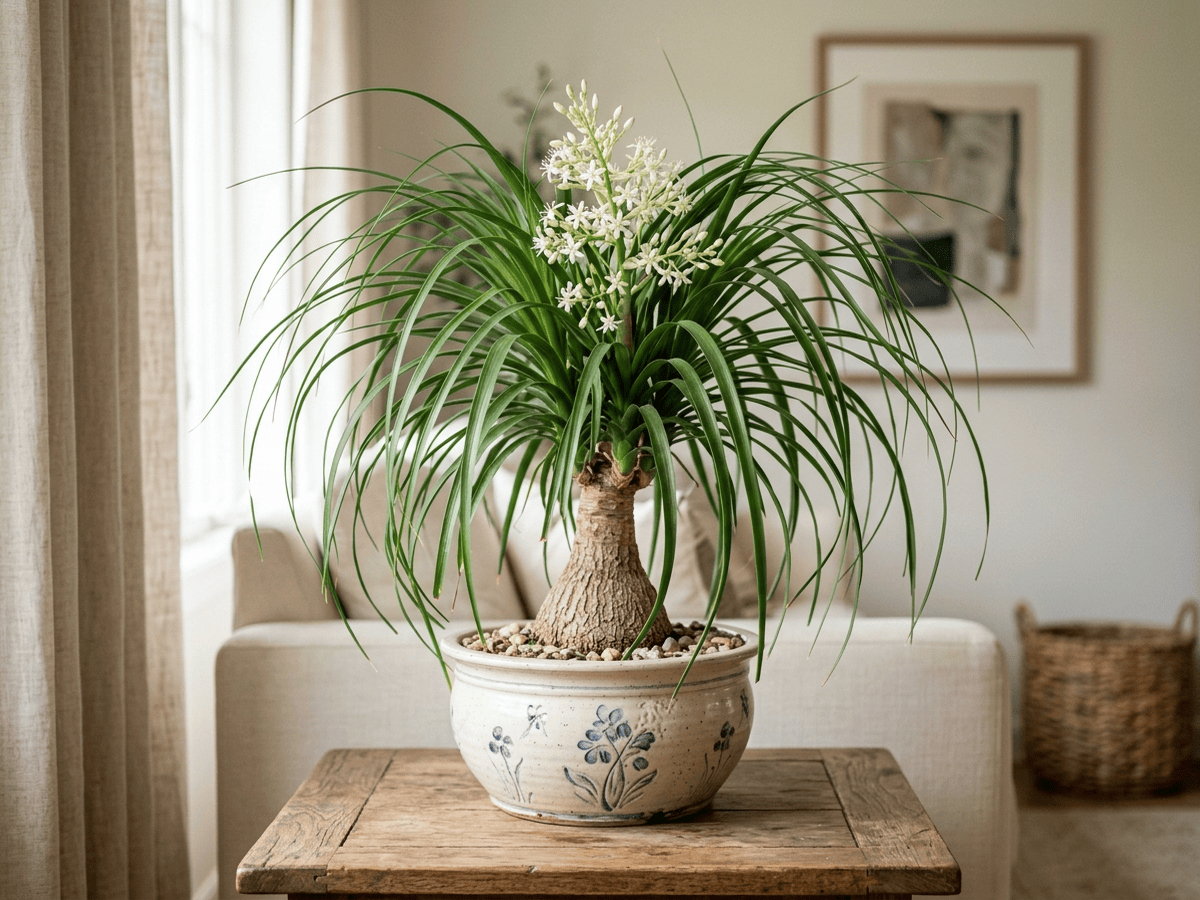 Ponytail PalmBeaucarnea recurvata
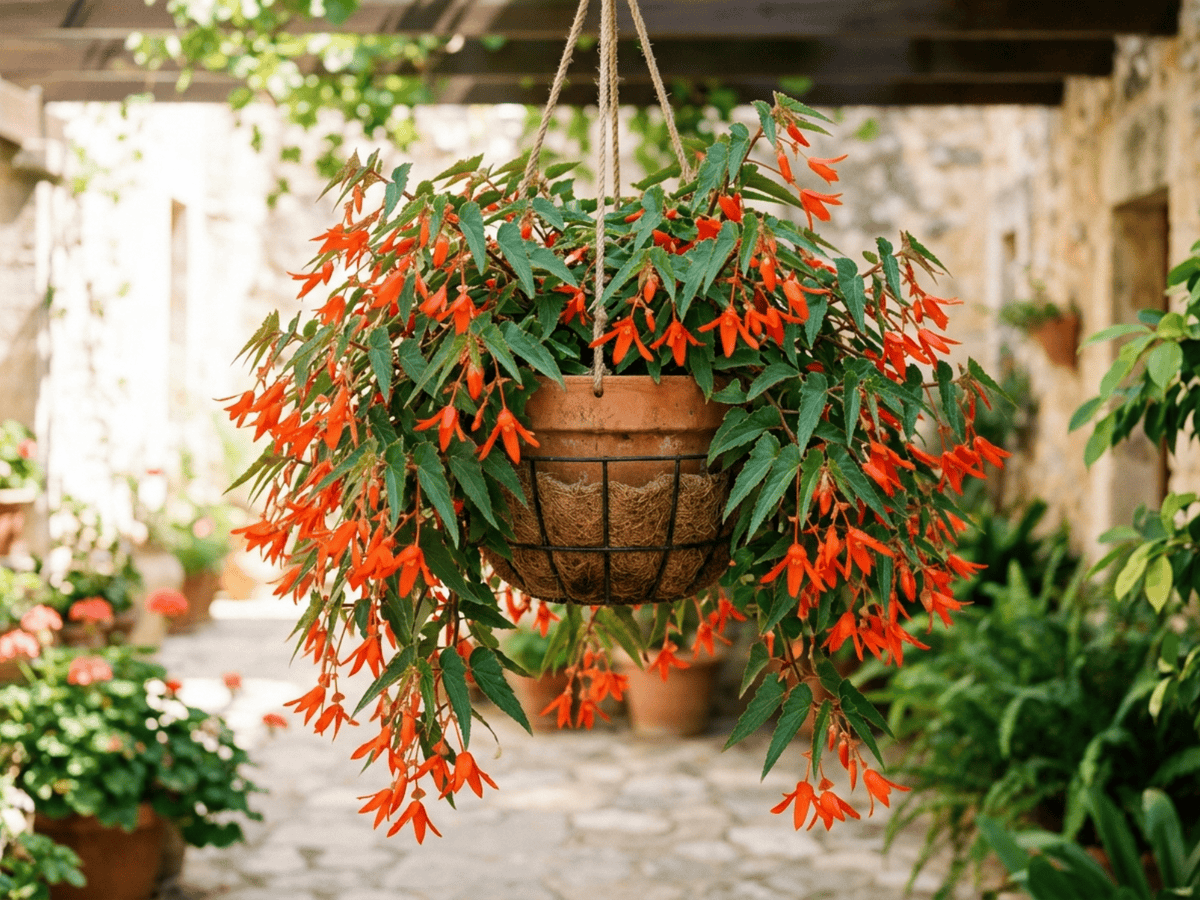 Tuberous BegoniaBegonia boliviensis
Frequently asked questions
How often should I water Provision Tree?
In summer, water about every 5 days; in winter, about every 14 days. Adjust for heat, pot size and drainage.
How much light does Provision Tree need?
Part shade: 2–4 hrs direct. Watch the leaves — scorching or stretching means the light needs adjusting.
Is Provision Tree toxic to cats or dogs?
Pets Slight (Dogs Safe · Cats Slight) Educational information, not medical or veterinary advice. If exposure is suspected, contact a doctor or veterinarian.
Is Provision Tree easy to grow?
Yes — it is considered an easy, beginner-friendly plant.
Can Provision Tree be grown indoors?
Yes, it adapts well to indoor growing given the right light.
When does Provision Tree bloom?
It typically blooms Jun–Aug in the Northern Hemisphere.
YardMate
Identify any plant in seconds
Snap a photo — YardMate names the plant, diagnoses problems, and reminds you when to water.
Download on the App Store