 YardMate


Sugared-Almond Plant
Pachyphytum oviferum
Medium · Some experienceAbout Sugared-Almond Plant
Pachyphytum oviferum, moonstones or sugar almond plant, is a compact succulent from cliffs in San Luis Potosi, Mexico. Its plump egg-shaped leaves are coated in powdery farina, giving them a blue-white, lavender, or pink bloom; fingerprints mark this coating easily, so the plant is best admired without handling. The rounded leaves resemble polished stones or sugared almonds, while spring flower stems carry dangling coral to orange-red bells. It grows slowly into tight rosettes and offsets with age. Bright light, dry air, and sharp drainage keep it handsome; excess water is the quickest way to lose it.
- Drought-tolerant
- Compact
How to care for Sugared-Almond Plant
Watering
- Springevery 14 days
- Summerevery 10 days
- Fallevery 21 days
- Winterevery 30 days
Soil · Fast-draining
- Main mixSand + pumice + soil 1:1:150%
- DrainagePumice / gravel50%
Keep grit at half the mix or more — this soil is meant to dry out fast.
FERTILIZER
Cactus & Succulent Feed 2-7-7
Hold the nitrogen back and growth stays compact instead of soft and stretched. Phosphorus and potassium carry the roots and the flowering.
- Nitrogen · Leaves
- Phosphorus · Roots + Blooms
- Potassium · Strength
- Springevery 30 days
- Summerevery 45 days
- Fallevery 60 days
At a Glance
- NativeNorth America
- Height0.3–0.7 ft (0.1–0.2 m)
- Spread0.5–1 ft (0.2–0.3 m)
- Flower colorRed, Orange
- Foliage colorPurple, Red, Silver
- SoilSandy, Well-drained
- LocationsIndoor · Balcony
Bloom time
BLOOM CYCLE
Peak bloom
Mar–May
Coral to red bell-shaped flowers dangle from arching stems in spring
Fragrance
NO FRAGRANCE
No notable fragrance.
Toxicity
Humans Safe · Pets Safe
None reported
Safe
EXPOSURE No exposure route is reported.
EFFECT No significant toxicity.
NOTE Listed as non-toxic for humans; avoid eating ornamental plants unless confirmed edible.
Safe
EXPOSURE No exposure route is reported.
EFFECT Not listed as toxic.
NOTE Listed as non-toxic for dogs; avoid eating ornamental plants unless confirmed edible.
Safe
EXPOSURE No exposure route is reported.
EFFECT Not listed as toxic.
NOTE Listed as non-toxic for cats; avoid eating ornamental plants unless confirmed edible.
Educational information, not medical or veterinary advice. If exposure is suspected, contact a doctor or veterinarian.
DISTRIBUTION


- Native
- North America
History
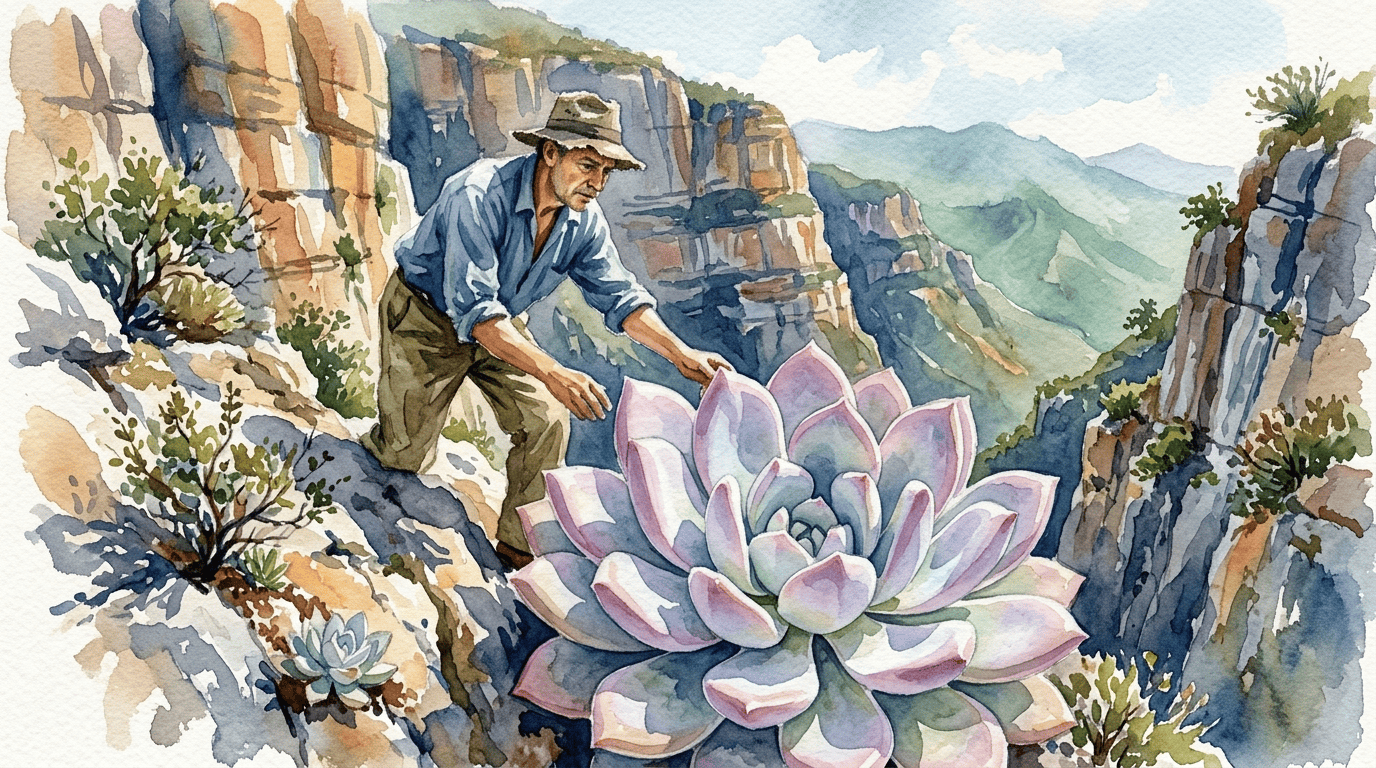
Pachyphytum oviferum is native to the limestone cliffs and scree slopes of the Sierra Madre Oriental in San Luis Potosí, Mexico. It was described by the German-Mexican botanist Carl Albert Purpus in 1909. The species name "oviferum" means "egg-bearing," referring to the plump oval leaves that cluster in loose rosettes.
A thick farinose (powdery) wax coating protects the leaves from UV and water loss, producing the distinctive pastel lavender, pink, and blue hues that give the plant its trade name "moonstones" or "sugaralmond plant." Commercial cultivation accelerated dramatically after 2010 as East Asian succulent nurseries — particularly Korean and Chinese — included it in the wave of photogenic species driving the global social-media succulent boom.
The genus Pachyphytum was created specifically for these unusually thick-leaved Mexican succulents. In its native cliff habitat, the powdery farina coating serves as a natural sunscreen, reflecting intense UV radiation at high elevation. The plant became a collector's favorite in Japan during the 1990s succulent boom, where it was given the poetic name 'tsuki bijin' (moon beauty).
Symbolism & meaning
What It Symbolizes
Sugared-Almond Plant is serenity in palm-soft pastels — chubby blue-pink leaves dusted in white farina like candied almonds in a Jordan-almond dish, a small calm visible from across the room. Its gentleness is a lesson in handling: rub the farina off and it never returns. It is the succulent that asks for the same gentleness it offers, a quiet exchange of care.
- Serenity — Its soft, moonlike appearance evokes calm and inner peace
- Gentleness — The delicate farina coating reminds us to handle beautiful things with care
Where the Name Comes From
The common name highlights its red coloring. Pachyphytum from Greek 'pachys' (thick) and 'phyton' (plant), describing its plump leaves. 'Oviferum' means egg-bearing, referring to the egg-shaped leaves.
Uses & Fun Facts
- Plump powdery moonstone leaves star in succulent windowsill pots
- Compact collector succulent for sunny dish gardens
Related plants
Plants with similar care
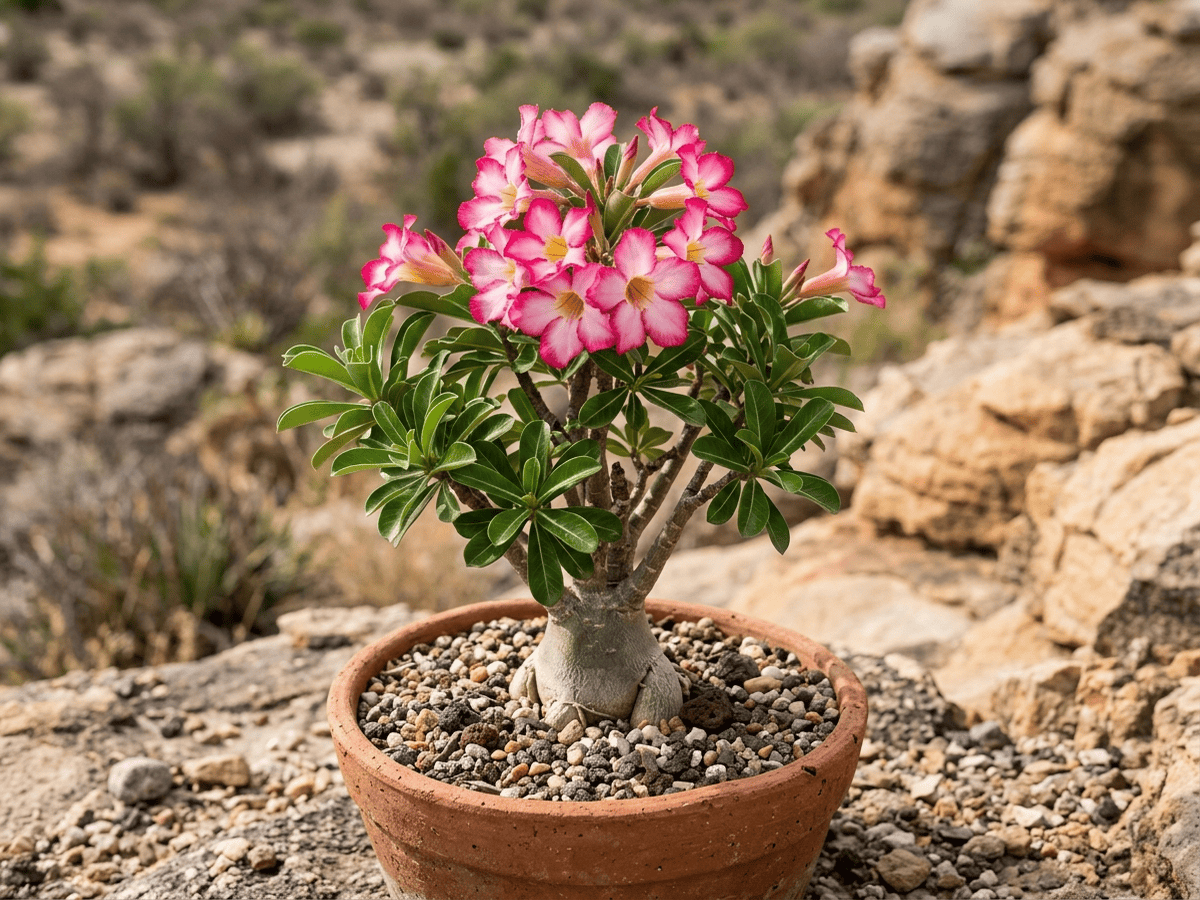 Desert RoseAdenium obesum
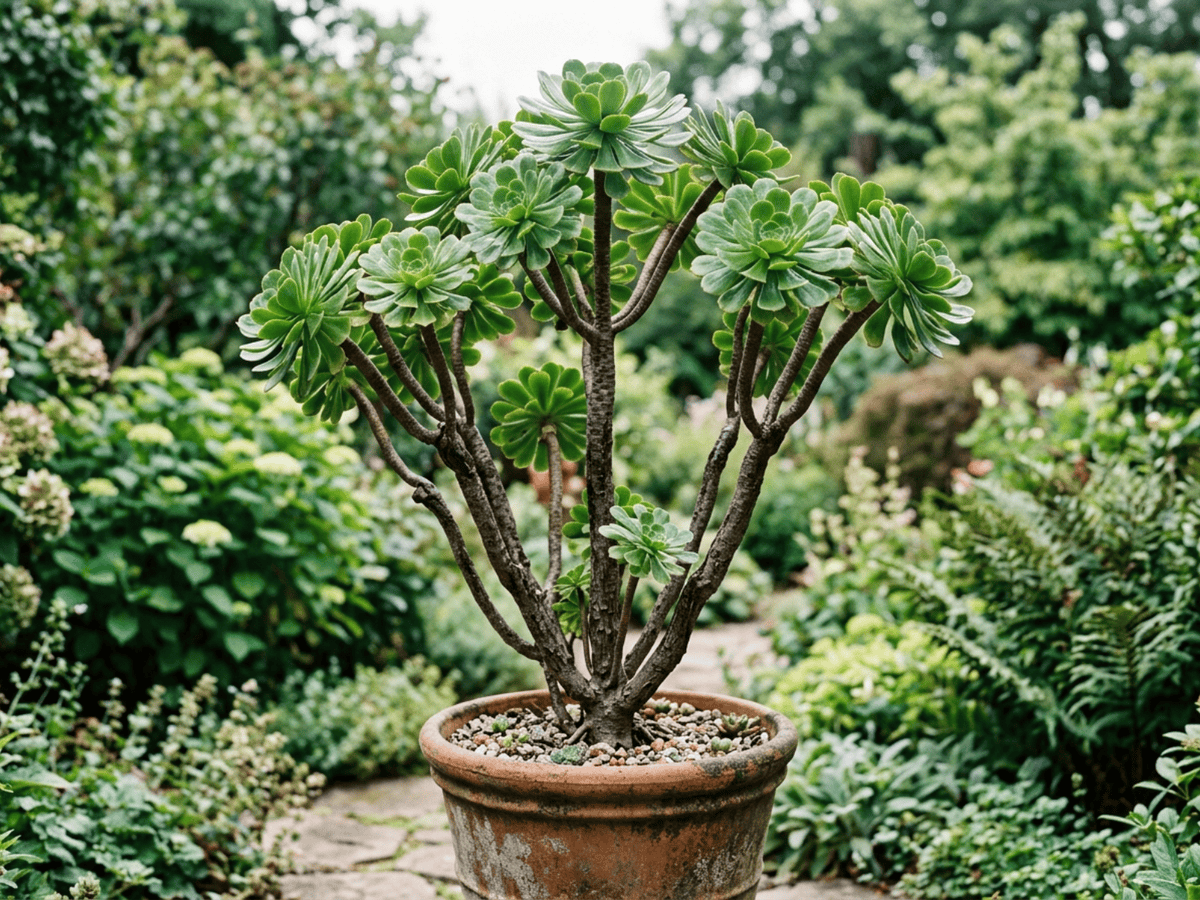 Tree AeoniumAeonium arboreum
 Queen Victoria AgaveAgave victoriae-reginae
 Lemon VerbenaAloysia citriodora
Frequently asked questions
How often should I water Sugared-Almond Plant?
In summer, water about every 10 days; in winter, about every 30 days. Adjust for heat, pot size and drainage.
How much light does Sugared-Almond Plant need?
Full sun: 6+ hrs direct. Watch the leaves — scorching or stretching means the light needs adjusting.
Is Sugared-Almond Plant toxic to cats or dogs?
Pets Safe (Dogs Safe · Cats Safe) Educational information, not medical or veterinary advice. If exposure is suspected, contact a doctor or veterinarian.
Is Sugared-Almond Plant easy to grow?
It is moderately demanding: a good choice once you have a little experience.
Can Sugared-Almond Plant be grown indoors?
Yes, it adapts well to indoor growing given the right light.
When does Sugared-Almond Plant bloom?
It typically blooms Mar–May in the Northern Hemisphere.
YardMate
Identify any plant in seconds
Snap a photo — YardMate names the plant, diagnoses problems, and reminds you when to water.
Download on the App Store