 YardMate


Florist's Cineraria
Pericallis x hybrida
Medium · Some experienceAbout Florist's Cineraria
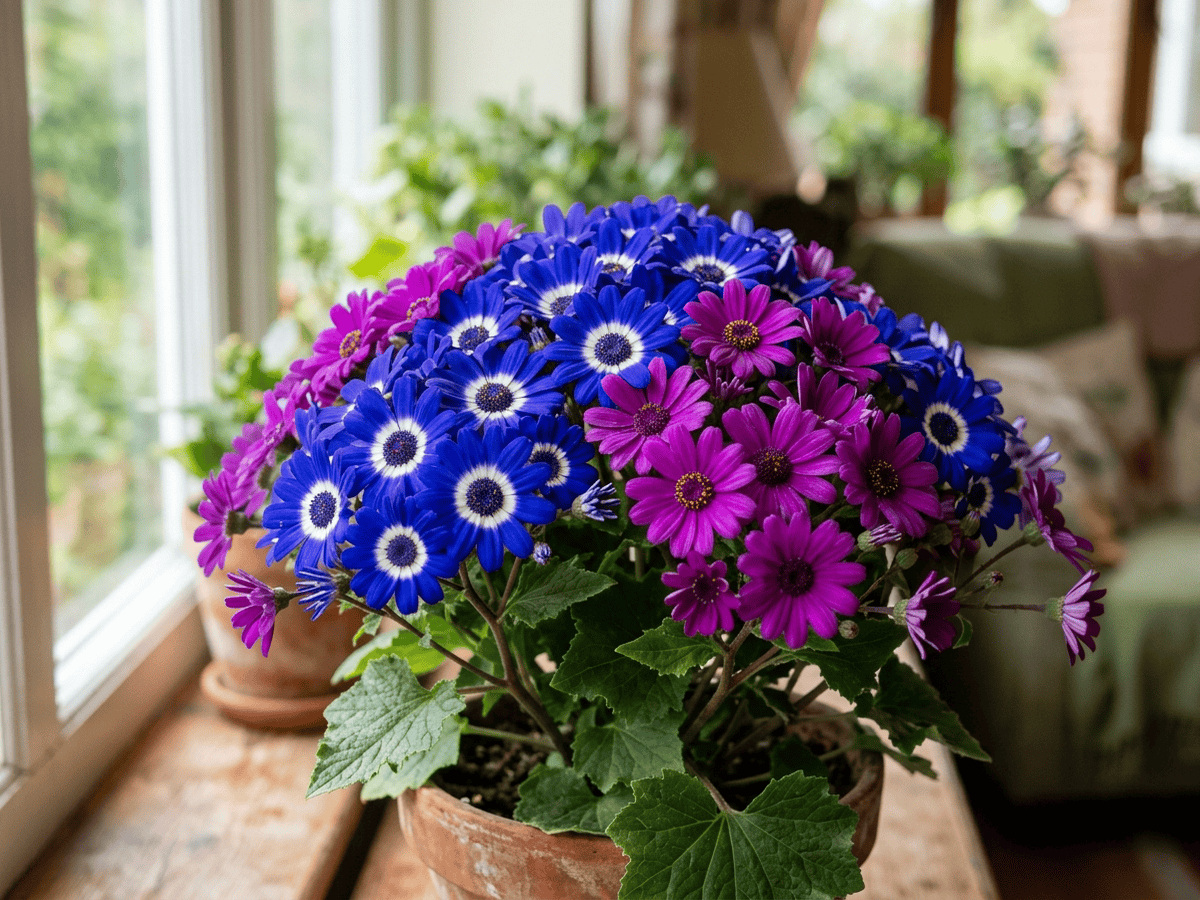
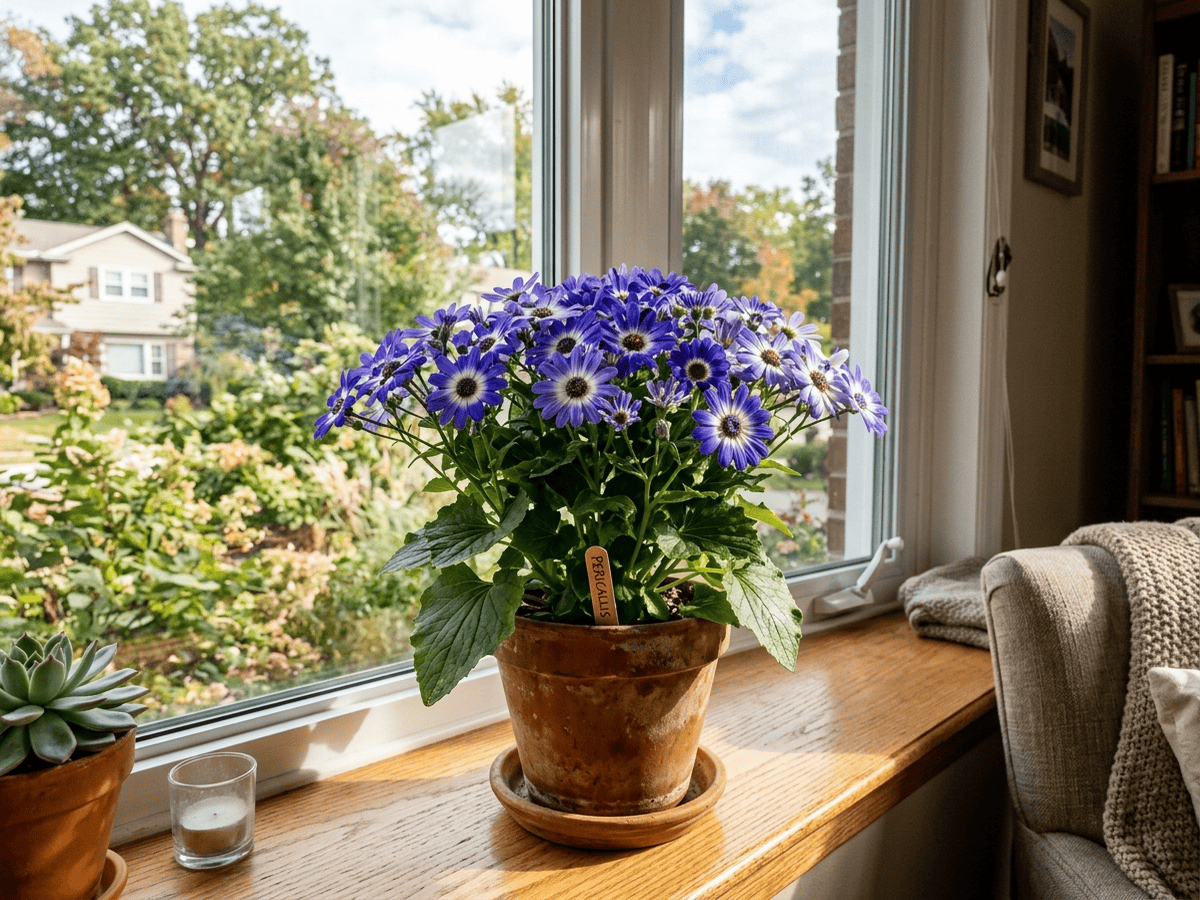
Florist Cineraria is a Canary Islands tender perennial grown as a cool-season annual across the US, famous for its spectacular rounded clusters of daisy flowers in brilliant blues, purples, pinks, and reds often with contrasting white eyes. Growing 8 to 18 inches tall in mounded form, it is a top spring container plant and florist pot plant, blooming from winter through spring and fading in summer heat.
- Shade-tolerant
- Container-friendly
- Pollinator-friendly
How to care for Florist's Cineraria
Watering
- Springevery 3 days
- Summerevery 2 days
- Fallevery 5 days
- Winterevery 7 days
Soil · Well-draining
- Top dressingPine bark mulch10%
- Main mixPotting soil + perlite 2:170%
- DrainageLECA / gravel20%
Never skip the drainage layer — standing water is the top cause of root rot.
FERTILIZER
Balanced Feed 14-14-14
An even feed covers all three needs at once, keeping leaves, roots and blooms moving together with nothing pushed out of balance.
- Nitrogen · Leaves
- Phosphorus · Roots + Blooms
- Potassium · Strength
- Springevery 14 days
- Summerevery 21 days
- Fallevery 21 days
At a Glance
- Height1–2 ft (0.3–0.6 m)
- Spread1–1.5 ft (0.3–0.5 m)
- Flower colorBlue, Purple, Pink, Red
- Foliage colorGreen
- SoilLoamy, Moisture-retentive, Rich
- LocationsBalcony · Yard
Bloom time
BLOOM CYCLE
Peak bloom
Mar–May
Dome of daisy flowers in cool spring weather
Toxicity
Humans Slight · Pets Slight
pyrrolizidine alkaloids (trace)
Slight
- Leaf
- Ingestion
EXPOSURE Eating leaves.
EFFECT Pyrrolizidine alkaloids may cause mild liver toxicity if consumed chronically.
NOTE Related to Senecio; trace alkaloids present, avoid ingestion.
Slight
- Leaf
- Ingestion
EXPOSURE Eating leaves.
EFFECT May contain pyrrolizidine alkaloids and keep away from pets.
NOTE Related to Senecio; trace alkaloids present, avoid ingestion.
Slight
- Leaf
- Ingestion
EXPOSURE Eating leaves.
EFFECT May contain pyrrolizidine alkaloids and keep away from pets.
NOTE Related to Senecio; trace alkaloids present, avoid ingestion.
Educational information, not medical or veterinary advice. If exposure is suspected, contact a doctor or veterinarian.
DISTRIBUTION


- Native
- Introduced
History
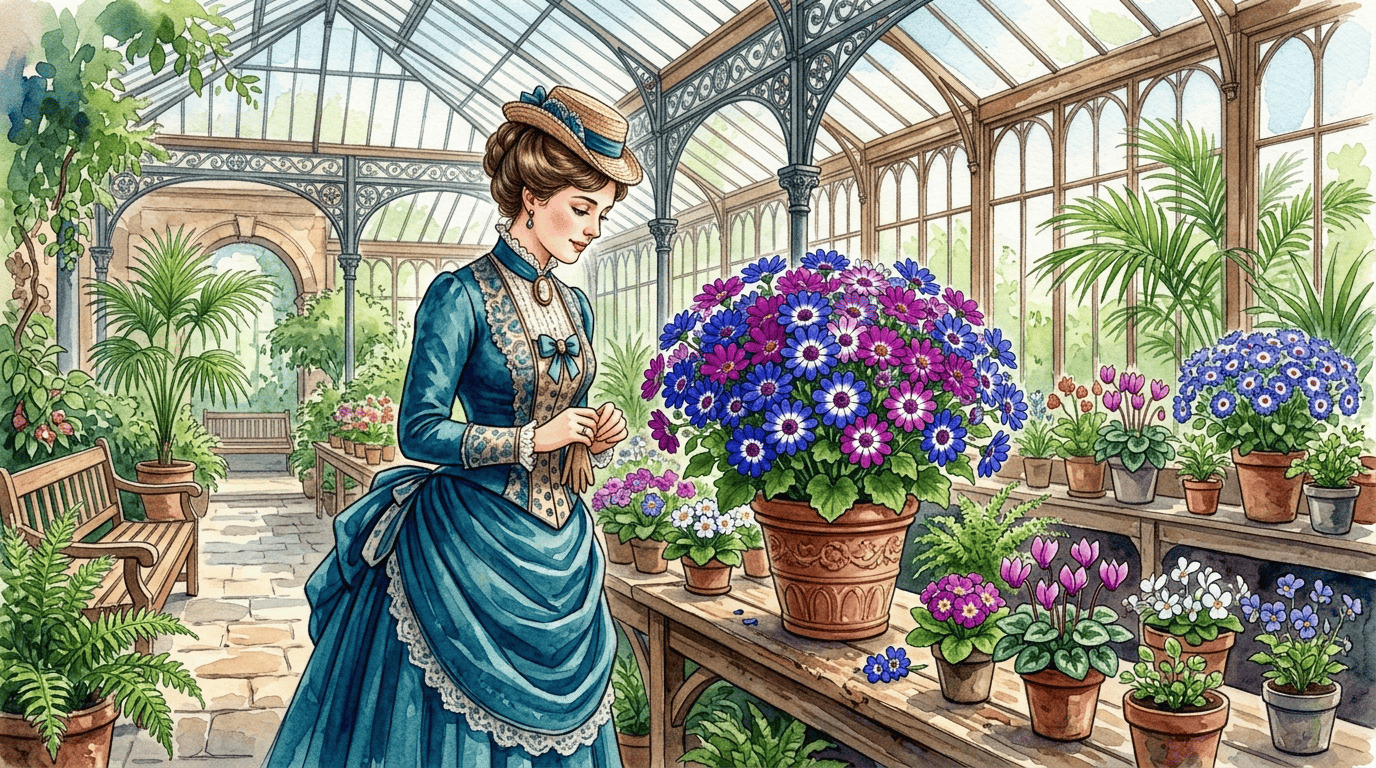
Pericallis x hybrida, commonly called florist's cineraria, is a group of hybrid garden plants derived primarily from two Canary Islands endemics, Pericallis cruenta and Pericallis lanata. English botanist William Aiton described the earliest forms in the 18th century under the genus Cineraria, later shifted to Senecio, and then to Pericallis in 2000 based on molecular evidence. Victorian English and German greenhouse growers developed the modern hybrids for indoor cool-season display, and the plant has been a staple of florist and supermarket holiday gift-plant production ever since, especially around Valentine's Day, Easter, and Mother's Day.
Flowers come in intense blue, purple, pink, magenta, red, and white, often with a contrasting white ring at the center. Modern compact F1 series such as Senetti from Suntory have revived the cineraria trade.
Developed in Victorian England from hybrids of Canary Island Pericallis species, introduced to American florist trade in the late 1800s as a premier spring pot plant. Classic Easter and Mother's Day greenhouse flower still grown by American wholesale florists each spring.
Symbolism & meaning
What It Symbolizes
Cineraria hybrids carry the meaning of being always delightful, their bold flower domes lighting up cool-season windowsills and patio pots with daisy-like cheer. Long sold as a classic florist's gift in early spring, they bridge the gap between winter and the true garden season. This is the plant of small seasonal kindness — a potted bouquet whose simple, generous bloom cheers a household into spring.
- Always delightful — bold flower dome lights up cool season
- Spring gift — classic florist gift pot plant
Where the Name Comes From
'Pericallis' from Greek 'peri-kallos' meaning very beautiful, for the showy flower domes.
Uses & Fun Facts
- Cineraria flowers nourish foraging bees and pollinators
- Bright florist-style daisies fill cool-season containers and shaded patios
Related plants
Plants with similar care
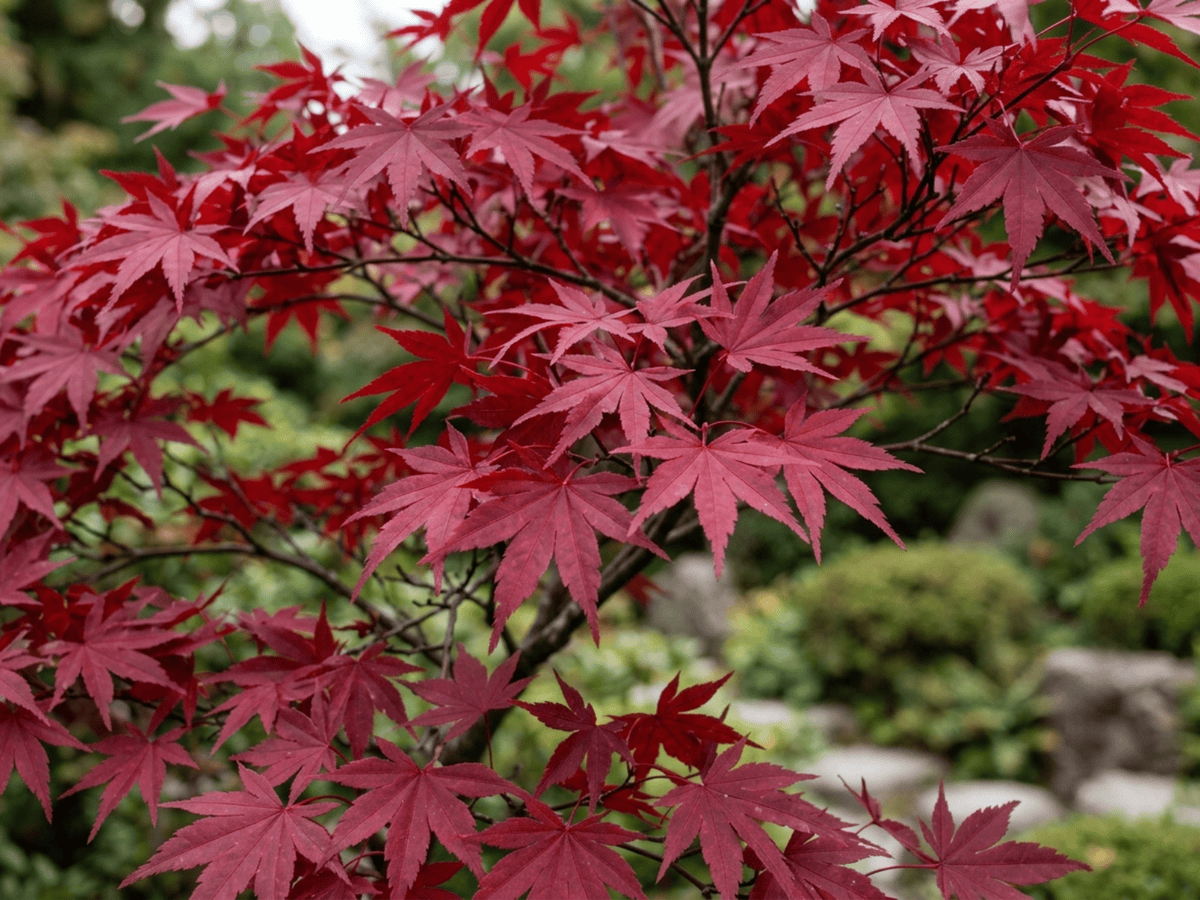 Japanese MapleAcer palmatum
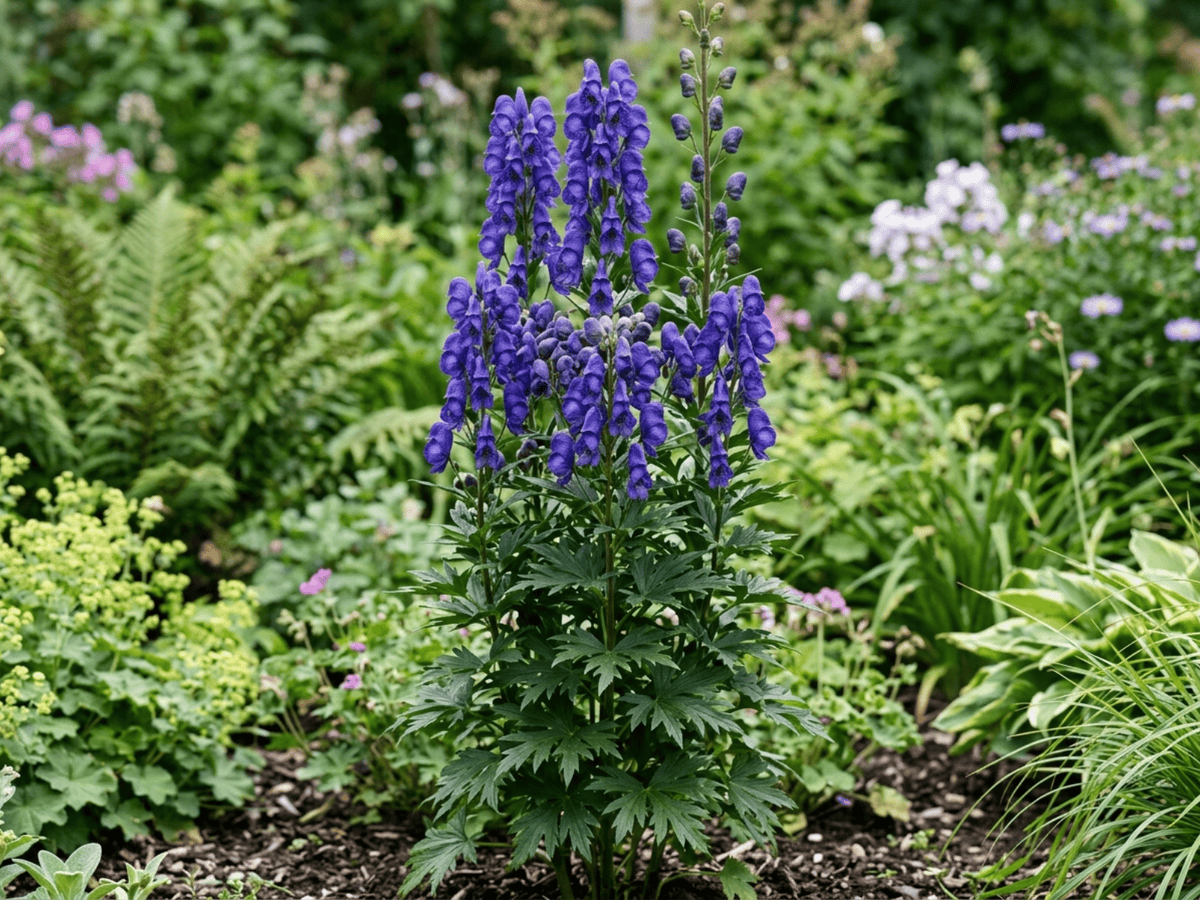 Azure MonkshoodAconitum carmichaelii
 Florida HobblebushAgarista populifolia
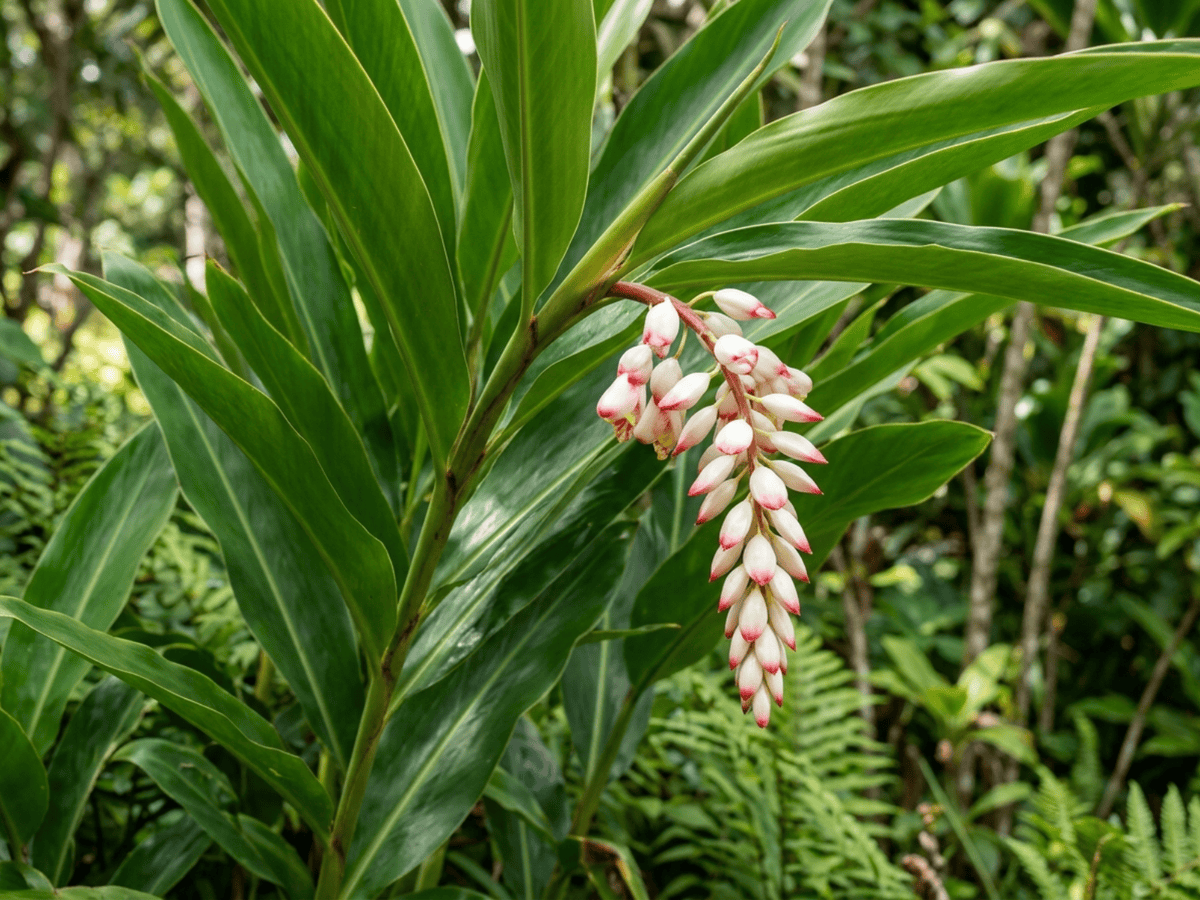 Shell GingerAlpinia zerumbet
Frequently asked questions
How often should I water Florist's Cineraria?
In summer, water about every 2 days; in winter, about every 7 days. Adjust for heat, pot size and drainage.
How much light does Florist's Cineraria need?
Part shade: 2–4 hrs direct. Watch the leaves — scorching or stretching means the light needs adjusting.
Is Florist's Cineraria toxic to cats or dogs?
Pets Slight (Dogs Slight · Cats Slight) Educational information, not medical or veterinary advice. If exposure is suspected, contact a doctor or veterinarian.
Is Florist's Cineraria easy to grow?
It is moderately demanding: a good choice once you have a little experience.
When does Florist's Cineraria bloom?
It typically blooms Mar–May in the Northern Hemisphere.
YardMate
Identify any plant in seconds
Snap a photo — YardMate names the plant, diagnoses problems, and reminds you when to water.
Download on the App Store