 YardMate


Moth Orchid
Phalaenopsis amabilis
Easy · Beginner friendlyAbout Moth Orchid
Phalaenopsis amabilis, the moon orchid, is the archetypal moth orchid — the species from which most modern Phalaenopsis hybrids descend and the world's most popular houseplant orchid. Native to the tropical forests of Indonesia, the Philippines, and northern Australia, it grows as an epiphyte on tree branches, producing broad, thick leaves and arching sprays of large white flowers with a yellow-and-red-marked lip that can bloom for 2–3 months continuously. The genus name means 'moth-like,' as Swedish naturalist Peter Osbeck thought the flowers resembled white moths in flight when he first encountered them. It is the national flower of Indonesia (puspa pesona). The plant's success as a houseplant comes from its tolerance of typical indoor conditions — warm temperatures, low humidity, and no need for a cold rest period. It is the gateway orchid for millions of growers worldwide.
- Low-maintenance
- Long-blooming
How to care for Moth Orchid
Watering
- Springevery 7 days
- Summerevery 5 days
- Fallevery 7 days
- Winterevery 10 days
Soil · Airy & open
- Single layerOrchid bark + charcoal100%
No soil at all — orchid roots need air moving around them.
FERTILIZER
Balanced Feed 14-14-14
An even feed covers all three needs at once, keeping leaves, roots and blooms moving together with nothing pushed out of balance.
- Nitrogen · Leaves
- Phosphorus · Roots + Blooms
- Potassium · Strength
- Springevery 14 days
- Summerevery 14 days
- Fallevery 21 days
- Winterevery 30 days
At a Glance
- NativeEast Asia, Southeast Asia, Australasia
- Height1–2 ft (0.3–0.6 m)
- Spread0.5–1 ft (0.2–0.3 m)
- Flower colorWhite, Pink, Yellow, Purple
- Foliage colorGreen
- SoilWell-drained
- LocationsIndoor
Bloom time
BLOOM CYCLE
Peak bloom
Jun–Aug
White moth-like flowers last 2–3 months; cut spike above a node after blooming for possible rebloom
Fragrance
LIGHT FRAGRANCE
Species is nearly scentless; some hybrids have faint sweet fragrance.
Toxicity
No toxicity has been reported for this plant. Still, it is wise to keep pets from chewing on any houseplant.
Educational information, not medical or veterinary advice. If exposure is suspected, contact a doctor or veterinarian.
DISTRIBUTION


- Native
- East Asia
- Southeast Asia
- Australasia
History

Phalaenopsis amabilis is an epiphytic orchid native to Southeast Asia, the Philippines (particularly Luzon and Palawan), the Indonesian archipelago (Java, Sumatra, Sulawesi, Borneo), Papua New Guinea, and northeastern Australia. Individual plants grow clinging to tree trunks and branches in lowland and lower-montane tropical forests. The species produces pure white flat-faced "moth orchid" flowers typically 8-10 cm across, with a small yellow-and-red marking on the lip, held on long gracefully arching stems with 6-15 flowers each that can stay fresh for three months.
It is the national flower of Indonesia (designated 1990 alongside jasmine and Rafflesia arnoldii as "puspa bangsa," flower of the nation — P. amabilis is specifically the "puspa pesona," flower of charm) and one of three national flowers of the Philippines. The species was the foundational breeding parent of the modern commercial phalaenopsis industry, which is the largest orchid-growing sector in the world by volume — commercial production is concentrated in Taiwan and the Netherlands, with over 100 million plants sold annually worldwide to the retail florist and houseplant trade.
Modern commercial phalaenopsis are complex hybrids of P. amabilis with other Phalaenopsis species (P. aphrodite, P. schilleriana, P. stuartiana), producing the pink, yellow, and striped colors that P. amabilis itself does not include.
Symbolism & meaning
What It Symbolizes
The moth orchid is grace personified — its long arching sprays of white flowers seem to float weightlessly, the image of effortless poise. Across cultures it has become a classic gift of love and admiration, a refined statement that requires no further words. In the language of giving, a moth orchid says I see you, I think well of you, and I have chosen something quietly beautiful.
- Grace — its elegant arching sprays embody effortless beauty and poise
- Love — a classic gift symbolizing affection, admiration, and refined taste
Where the Name Comes From
'Phalaenopsis' from Greek 'phalaina' (moth) and 'opsis' (appearance), as the flowers resemble moths in flight. 'Amabilis' is Latin for 'lovely.'
Uses & Fun Facts
- Long-blooming Moth Orchid grown in bark mix on bright windowsills
- Arching white flower spikes used in bridal and corsage work
- Pure white blooms last for months on graceful arching spikes
Related plants
Plants with similar care
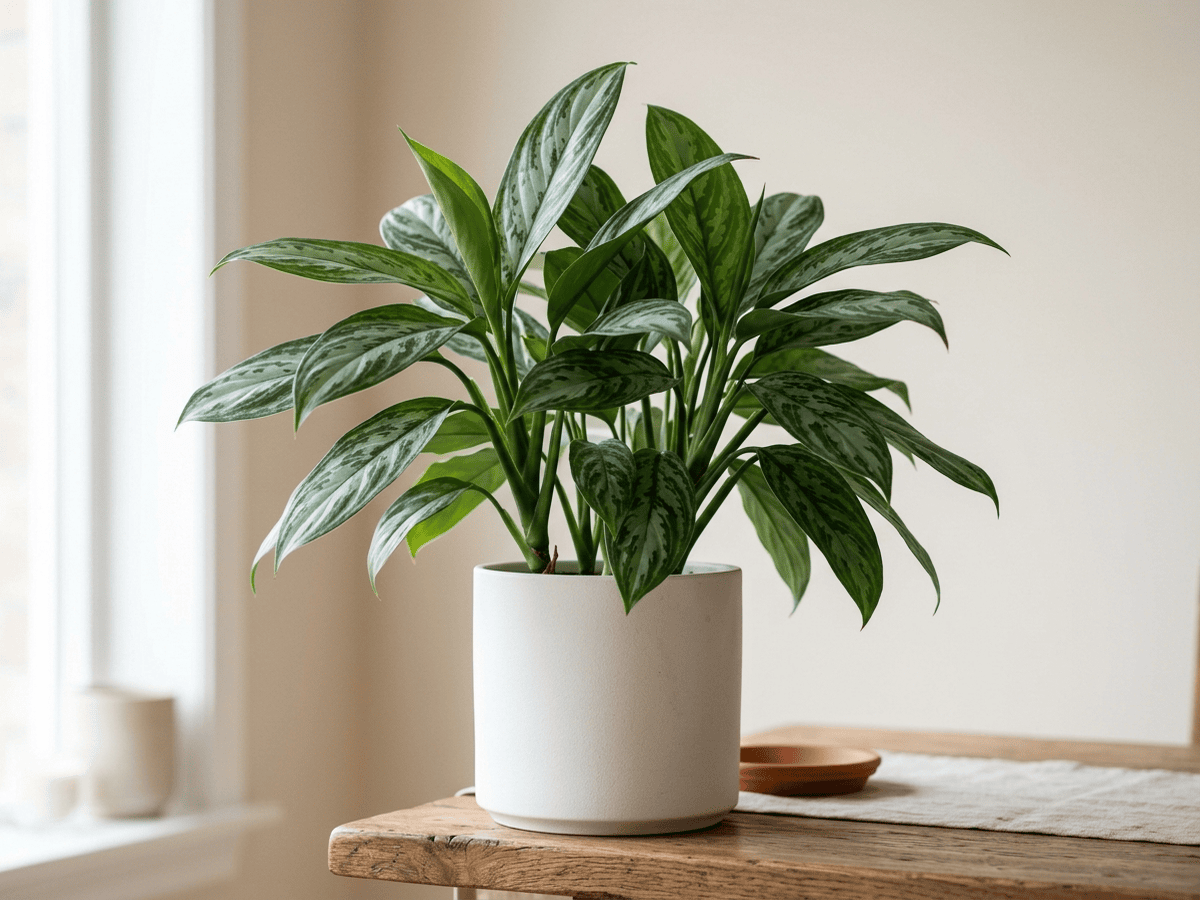 Philippine EvergreenAglaonema commutatum
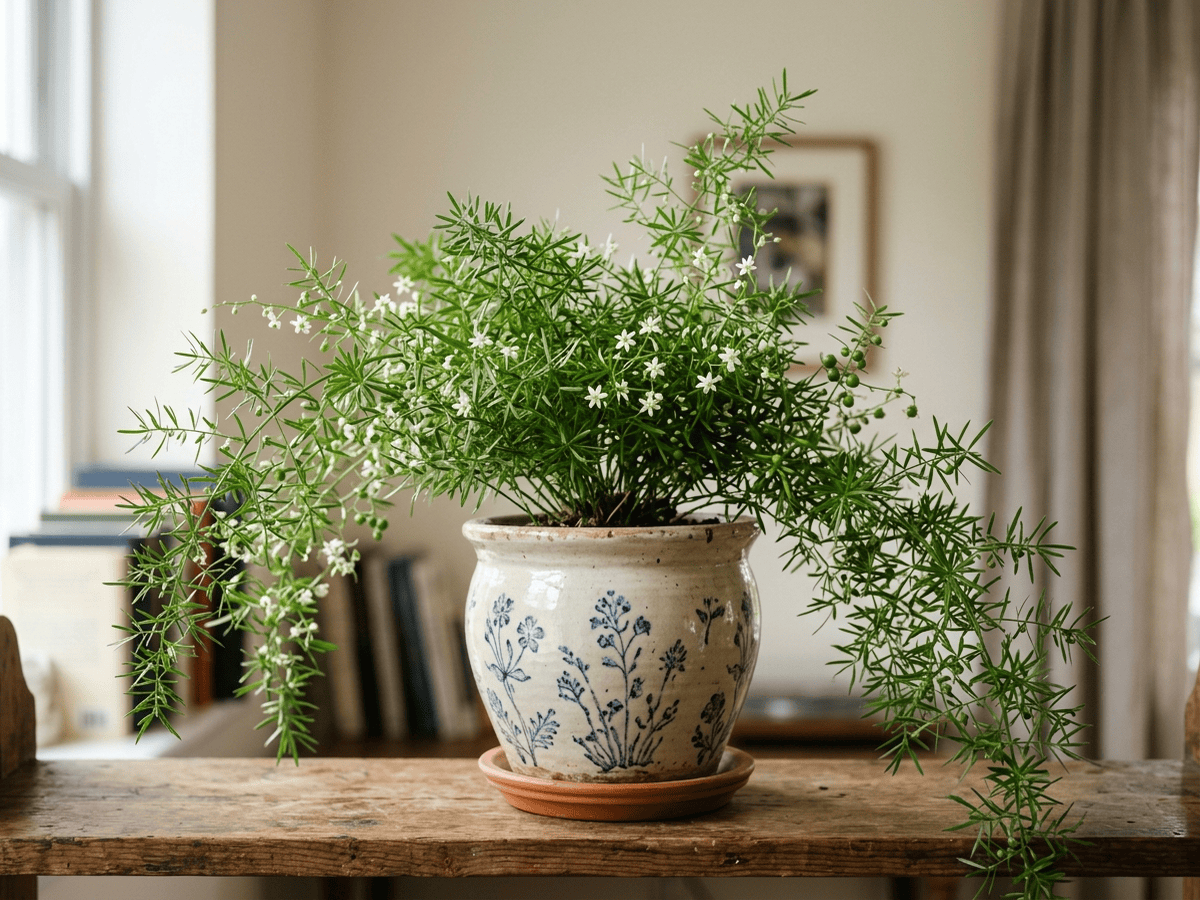 Sprenger's AsparagusAsparagus densiflorus
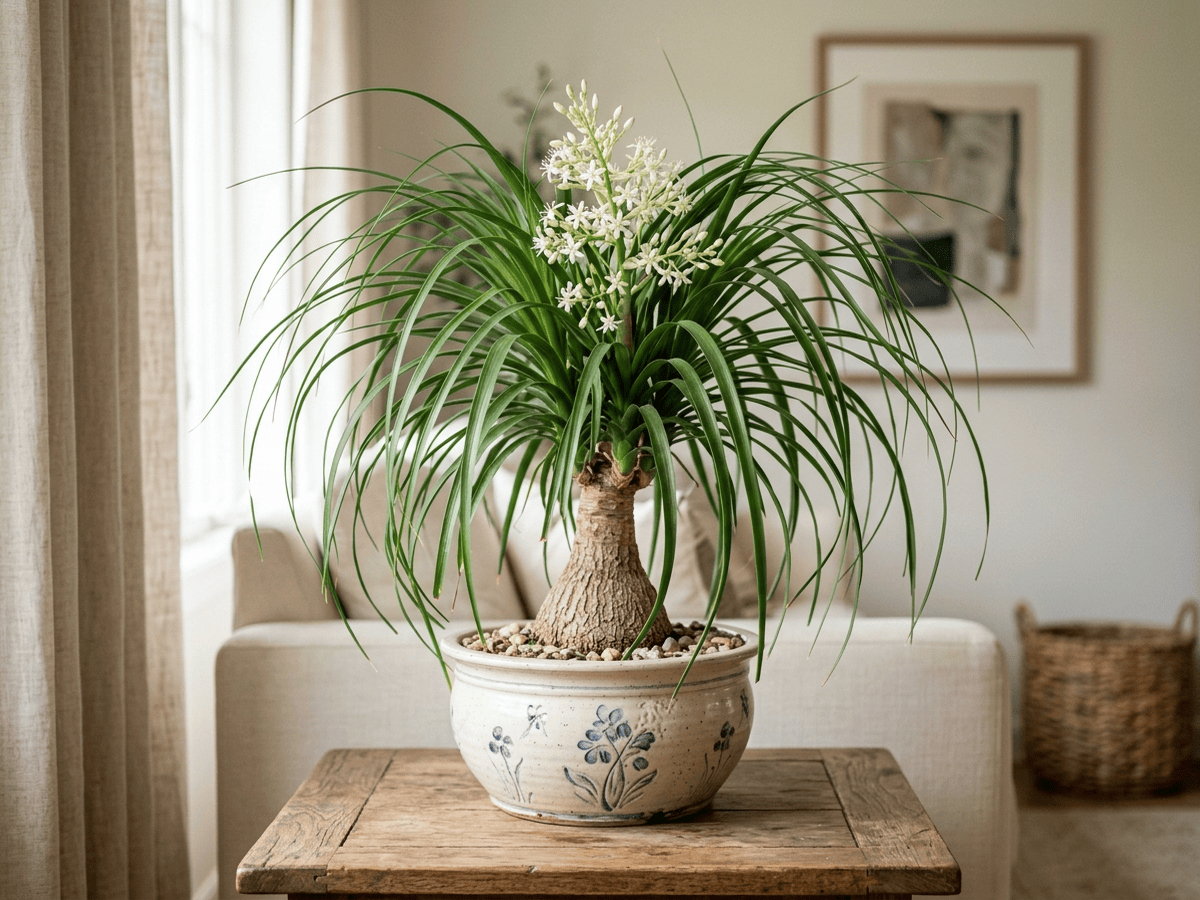 Ponytail PalmBeaucarnea recurvata
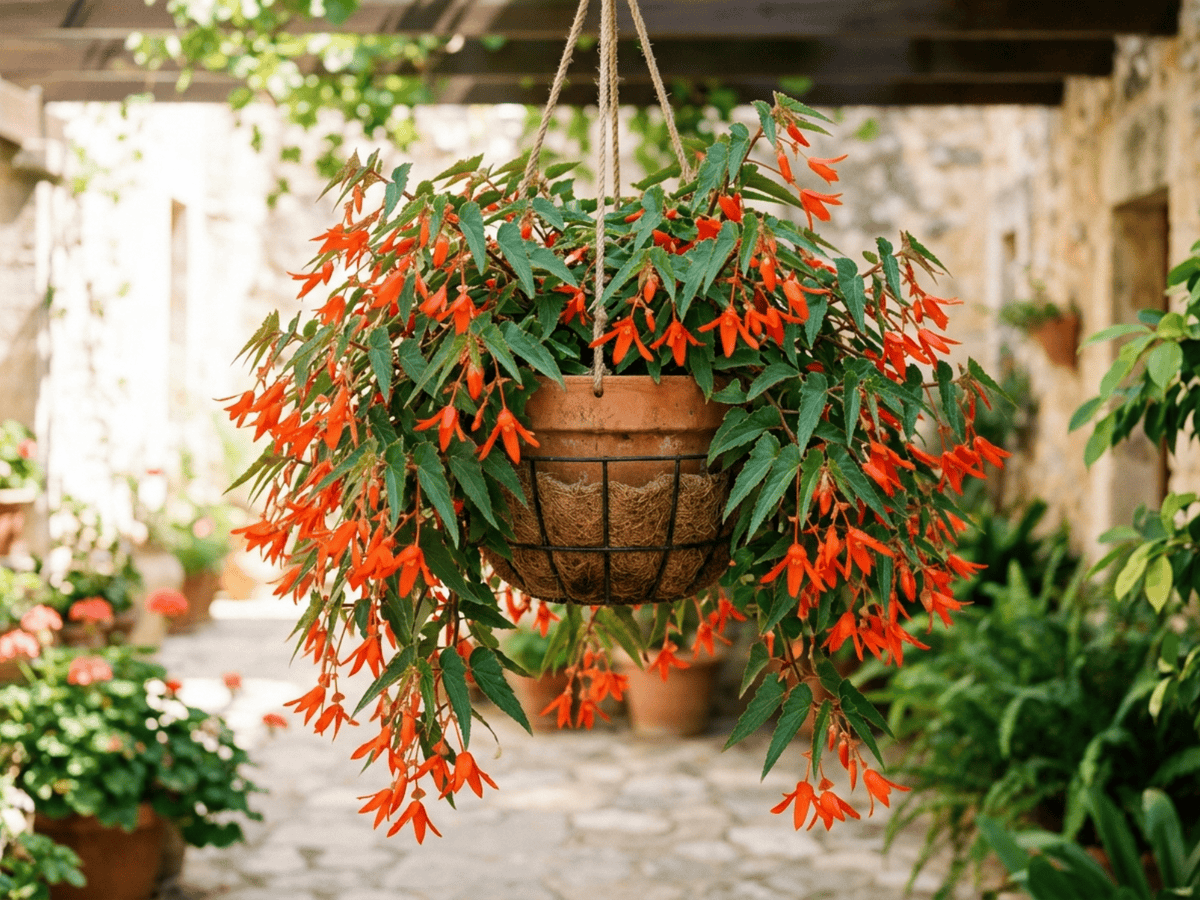 Tuberous BegoniaBegonia boliviensis
Frequently asked questions
How often should I water Moth Orchid?
In summer, water about every 5 days; in winter, about every 10 days. Adjust for heat, pot size and drainage.
How much light does Moth Orchid need?
Part shade: 2–4 hrs direct. Watch the leaves — scorching or stretching means the light needs adjusting.
Is Moth Orchid toxic to cats or dogs?
No toxicity has been reported for this plant. Still, it is wise to keep pets from chewing on any houseplant. Educational information, not medical or veterinary advice. If exposure is suspected, contact a doctor or veterinarian.
Is Moth Orchid easy to grow?
Yes — it is considered an easy, beginner-friendly plant.
Can Moth Orchid be grown indoors?
Yes, it adapts well to indoor growing given the right light.
When does Moth Orchid bloom?
It typically blooms Jun–Aug in the Northern Hemisphere.
YardMate
Identify any plant in seconds
Snap a photo — YardMate names the plant, diagnoses problems, and reminds you when to water.
Download on the App Store