 YardMate

Reed Canary Grass
Phalaris arundinacea
Easy · Beginner friendlyAbout Reed Canary Grass
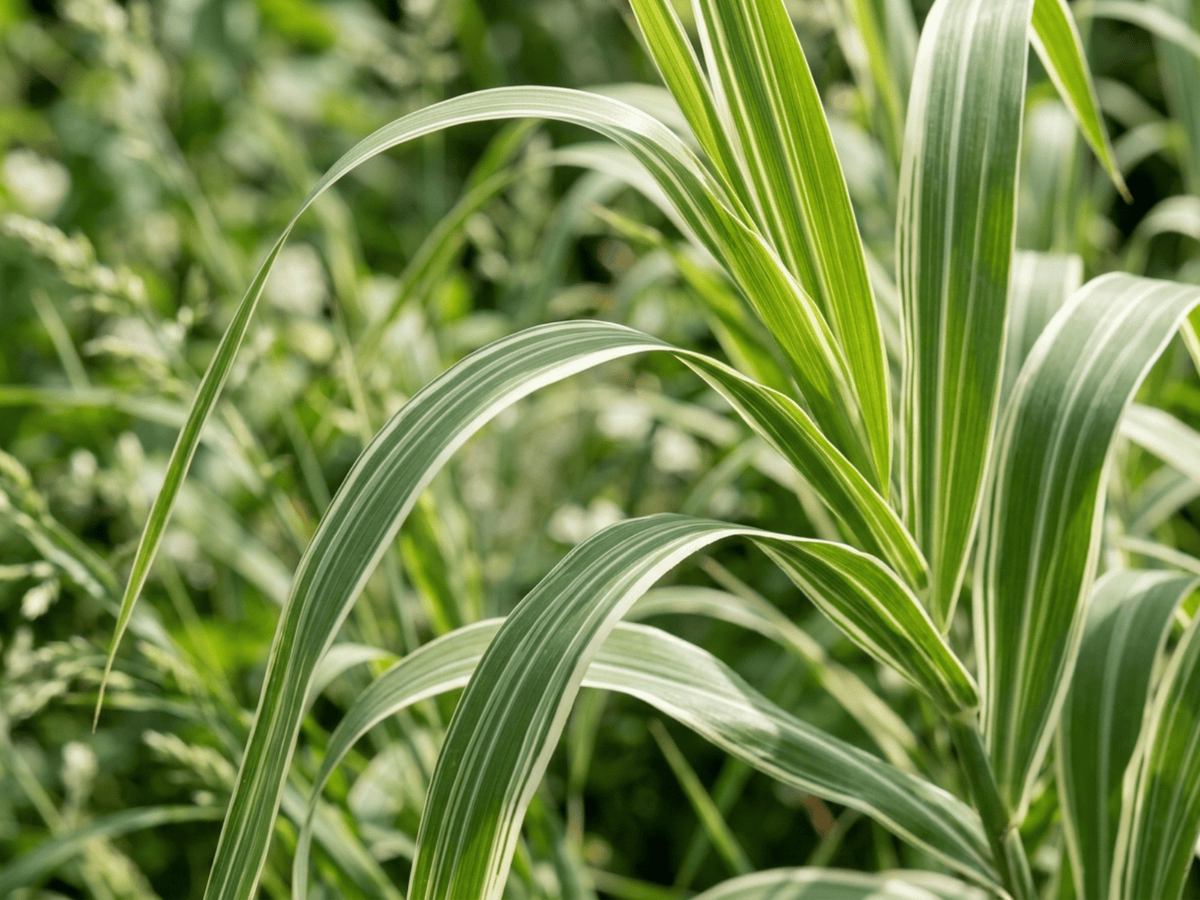
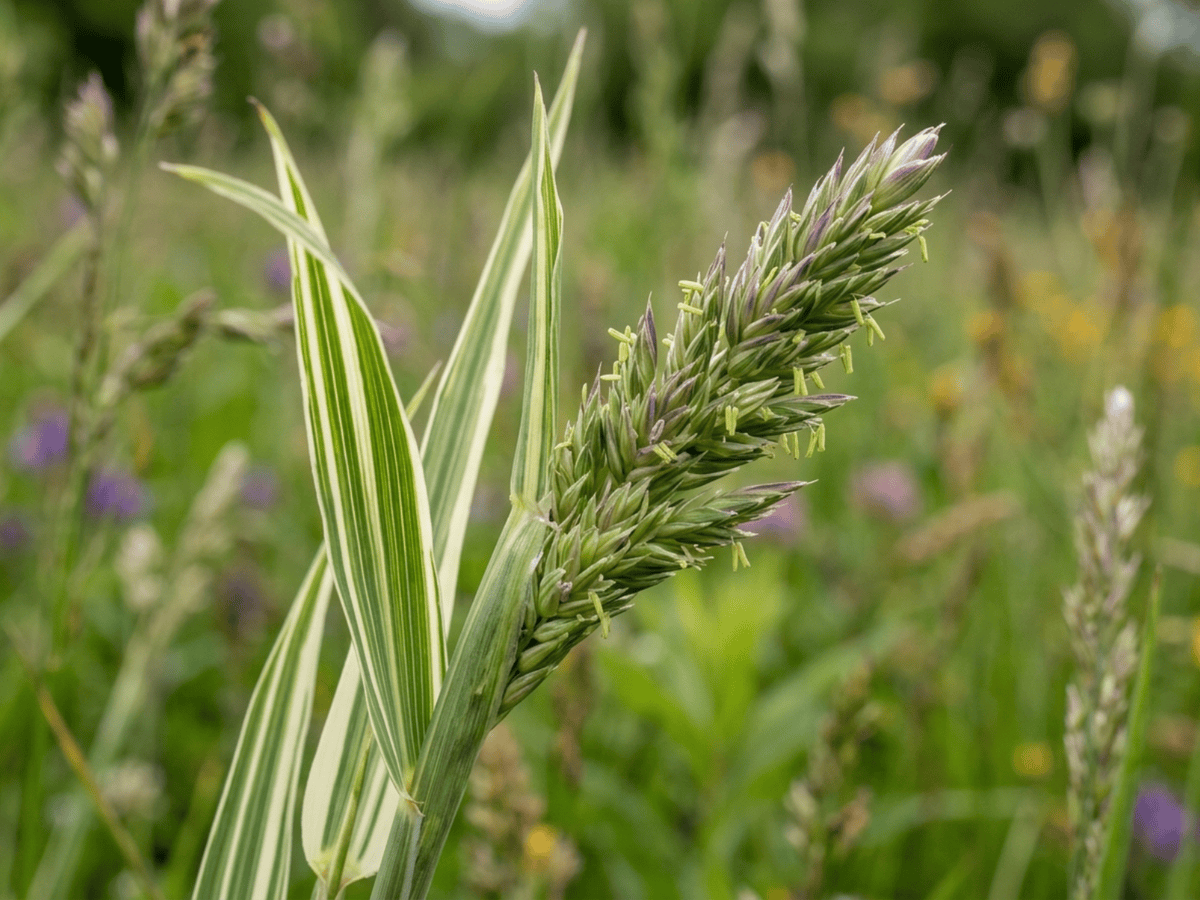
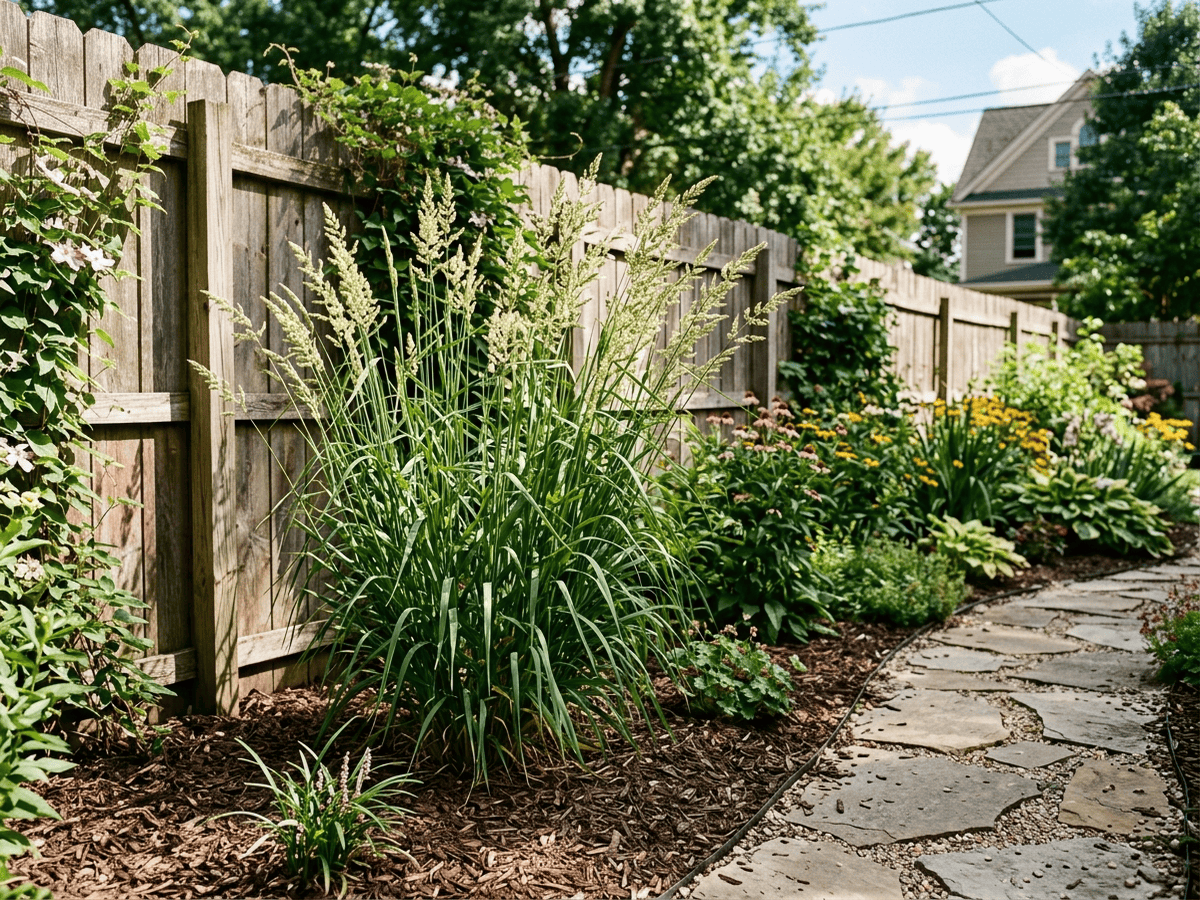
Phalaris arundinacea, commonly known as ribbon grass or gardener's garters, is a cool-season perennial grass native to North America, Europe, and temperate Asia. The ornamental cultivar 'Picta' is widely grown for its striking white-and-green longitudinally striped leaves that brighten shady areas where few other plants provide such bold variegation. Growing 60 to 90 centimeters tall, it forms dense, upright clumps that spread vigorously by rhizomes. The green-and-white striped foliage emerges fresh in spring and may develop pink tints in cool weather. While beautiful, it must be contained — this is one of the most aggressive spreading grasses and will quickly overtake a garden bed if not root-barriered or grown in containers. In the wild, the green species is a dominant wetland grass that stabilizes stream banks and filters water. It tolerates a remarkably wide range of conditions from standing water to moderate drought.
- Cold-hardy
How to care for Reed Canary Grass
Watering
- Springevery 5 days
- Summerevery 4 days
- Fallevery 10 days
- Winterevery 30 days
Soil · Well-draining
- Top dressingPine bark mulch10%
- Main mixPotting soil + perlite 2:170%
- DrainageLECA / gravel20%
Never skip the drainage layer — standing water is the top cause of root rot.
FERTILIZER
- Springevery 60 days
At a Glance
- NativeNorth America, Europe, East Asia
- Height3–6 ft (0.9–1.8 m)
- Spread2–4 ft (0.6–1.2 m)
- Flower colorWhite, Cream
- Foliage colorGreen, Variegated
- SoilLoamy, Moisture-retentive
- LocationsYard
Bloom time
BLOOM CYCLE
Peak bloom
May–Aug
Tan panicles in early summer; cut back midsummer to refresh foliage
Fragrance
NO FRAGRANCE
No notable fragrance.
Toxicity
Humans Slight · Pets Slight
gramine and tryptamine alkaloids (variable)
Slight
- Leaf
- Seed
- Ingestion
EXPOSURE Eating leaves and seeds.
EFFECT Some populations contain tryptamine and gramine alkaloids and not recommended as food.
NOTE Documented concern for humans: Some populations contain tryptamine and gramine alkaloids and not recommended as food.
Slight
- Leaf
- Ingestion
EXPOSURE Eating leaves.
EFFECT Low concern in typical garden contexts.
NOTE Not listed by ASPCA. Some populations have caused livestock "phalaris staggers" — a neurologic toxicity in grazing sheep and cattle.
Slight
- Leaf
- Ingestion
EXPOSURE Eating leaves.
EFFECT Low concern in typical garden contexts.
NOTE Not listed by ASPCA. Some populations have caused livestock "phalaris staggers" — a neurologic toxicity in grazing sheep and cattle.
Educational information, not medical or veterinary advice. If exposure is suspected, contact a doctor or veterinarian.
DISTRIBUTION

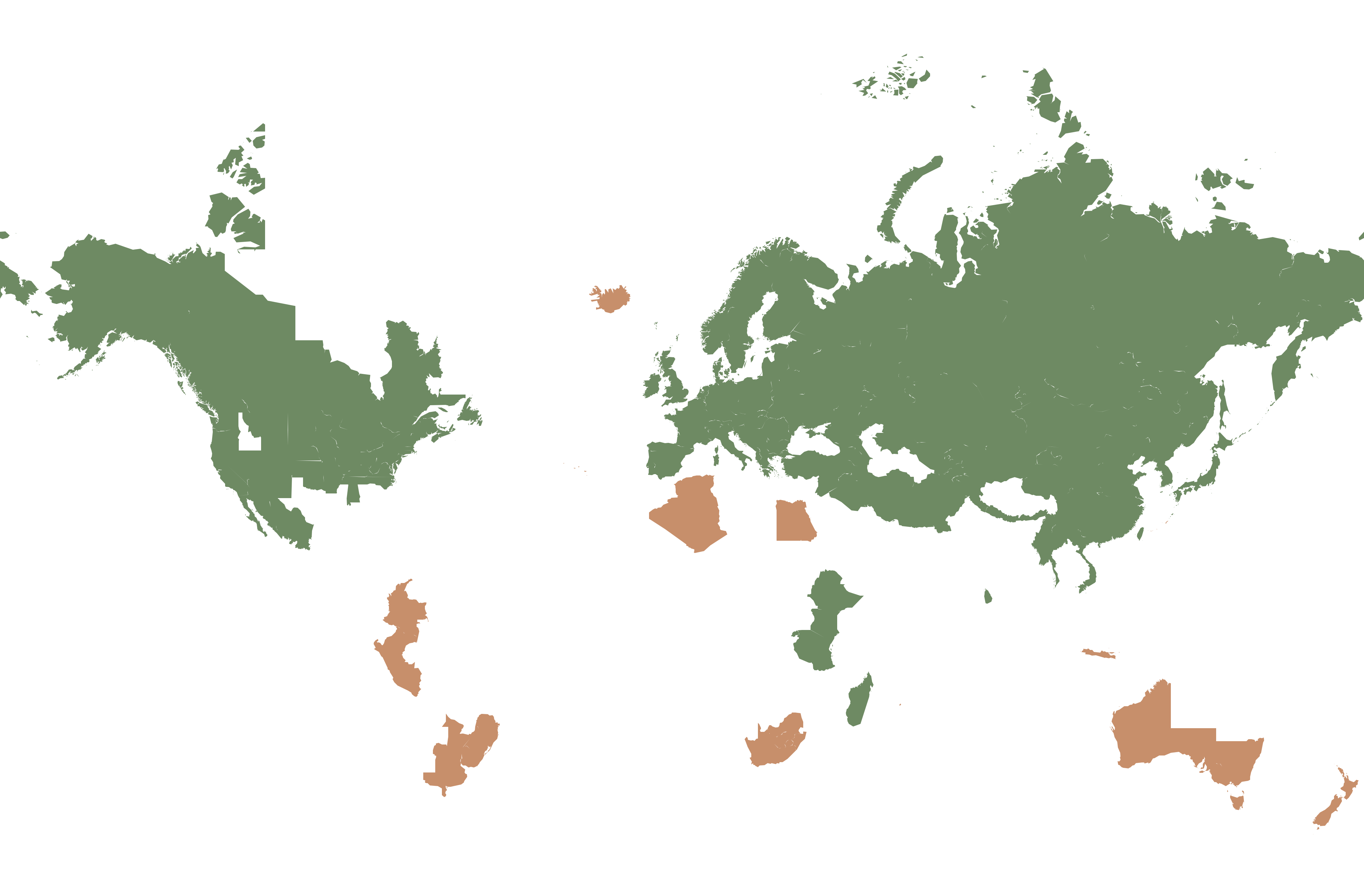
- Native
- Introduced
- North America
- Europe
- East Asia
History
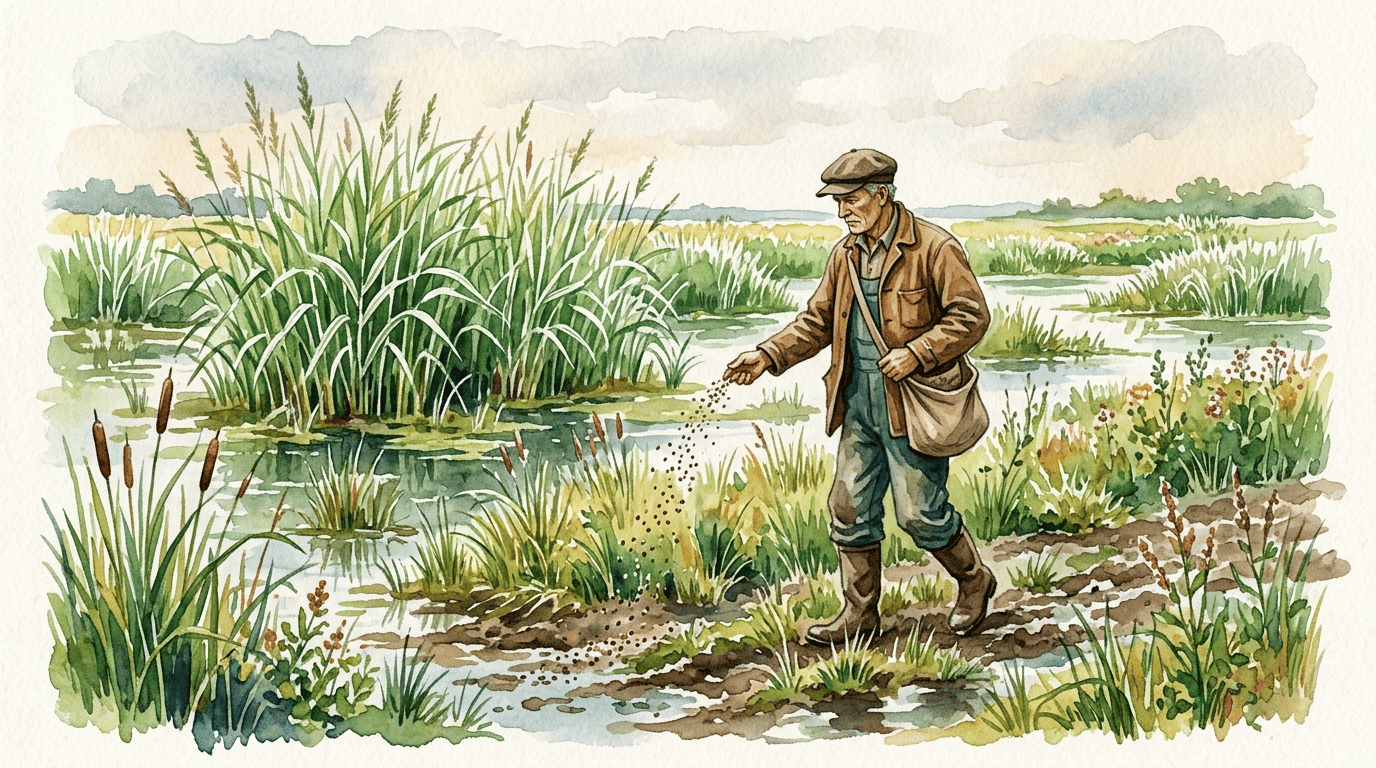
Phalaris arundinacea is native to temperate regions of North America, Europe, and Asia — one of the few genuinely circumboreal grass species. Its status in North America is taxonomically and ecologically complex: native North American populations existed before European settlement, but Eurasian cultivar-strain material introduced for forage and erosion control in the 19th and 20th centuries has genetically swamped many native populations and produced extremely aggressive hybrid material that now dominates many Upper Midwest, Great Lakes, and Pacific Northwest wetlands. It is one of the worst wetland invasives of northern North America, displacing native sedges, rushes, and wet-meadow forbs across vast areas of disturbed wet habitat.
The variegated cultivar Phalaris arundinacea "Picta" (ribbon grass, gardener's garters) — with white-striped leaves — has been cultivated in European and American gardens since at least the 16th century (Gerard's 1597 Herbal mentions it) and remains popular as an ornamental, though it can revert to the green aggressive form and is therefore now discouraged in many responsible-planting lists. The species is also the botanical source of the Phalaris genus's historical role in the discovery of DMT (the seeds of several Phalaris species contain tryptamine alkaloids, though recreational use is dangerous due to co-occurring toxic alkaloids).
The plant plays a significant role in phytoremediation, as its roots can absorb heavy metals and excess nutrients from contaminated water. In Scandinavia, reed canary grass is cultivated as a biofuel crop.
Symbolism & meaning
What It Symbolizes
Reed Canary Grass can symbolize cheerfulness, its bright white-striped foliage bringing light to dark garden corners that other grasses cannot reach. Its adaptability is equally remarkable — thriving from standing water to dry, neglected ground with the same green-and-cream optimism. This is the patron of irrepressible good spirits in the grass world, willing to grow and gleam wherever it is planted.
- Cheerfulness — The bright white-striped foliage brings light to dark garden corners
- Adaptability — Thrives in conditions from standing water to dry ground
Where the Name Comes From
'Phalaris' comes from Greek 'phalaros' meaning 'shining,' referring to the glossy seeds. 'Arundinacea' means 'reed-like' in Latin, describing its tall, cane-like stems.
Uses & Fun Facts
- Variegated 'Picta' ribbon grass brightens shaded difficult sites
- Aggressive spreading cover for contained moist problem areas
Related plants
Plants with similar care
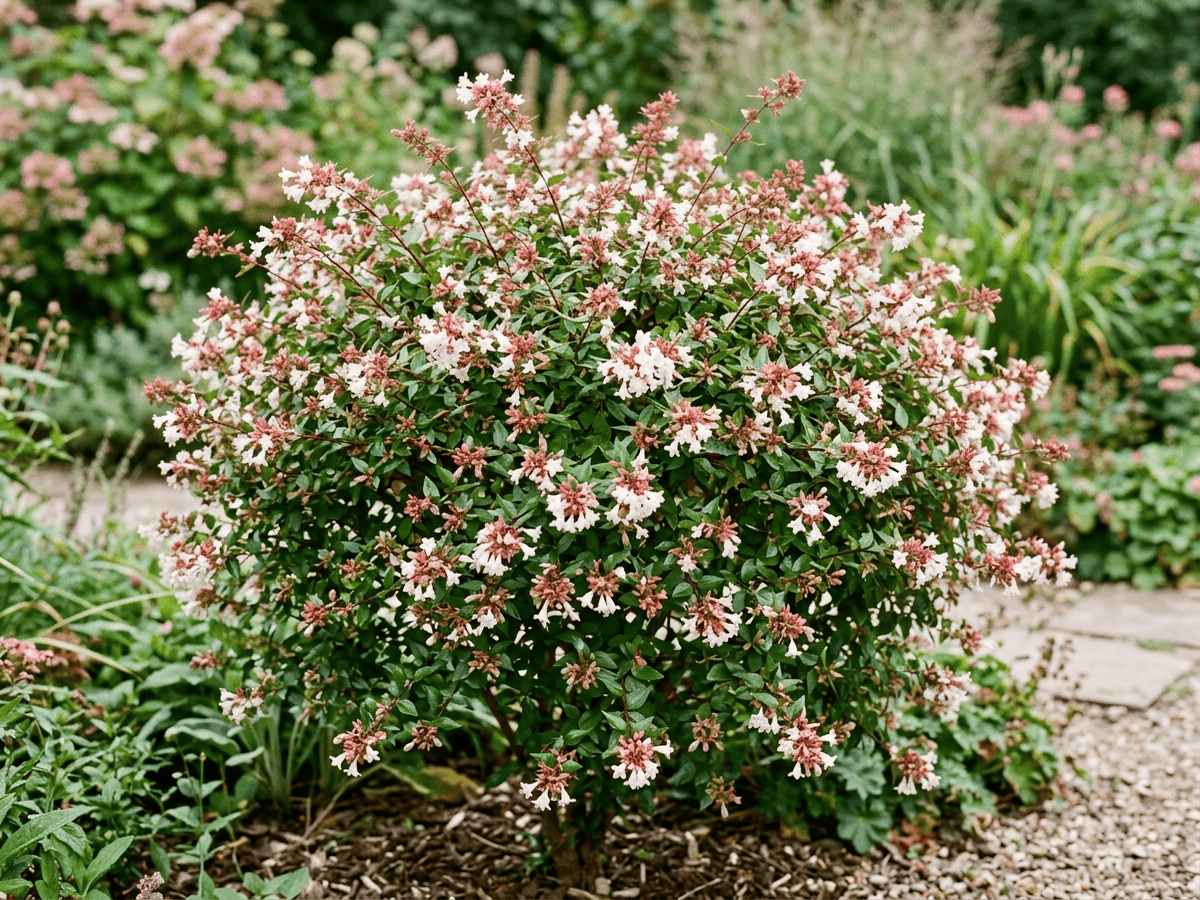 Chinese AbeliaAbelia chinensis
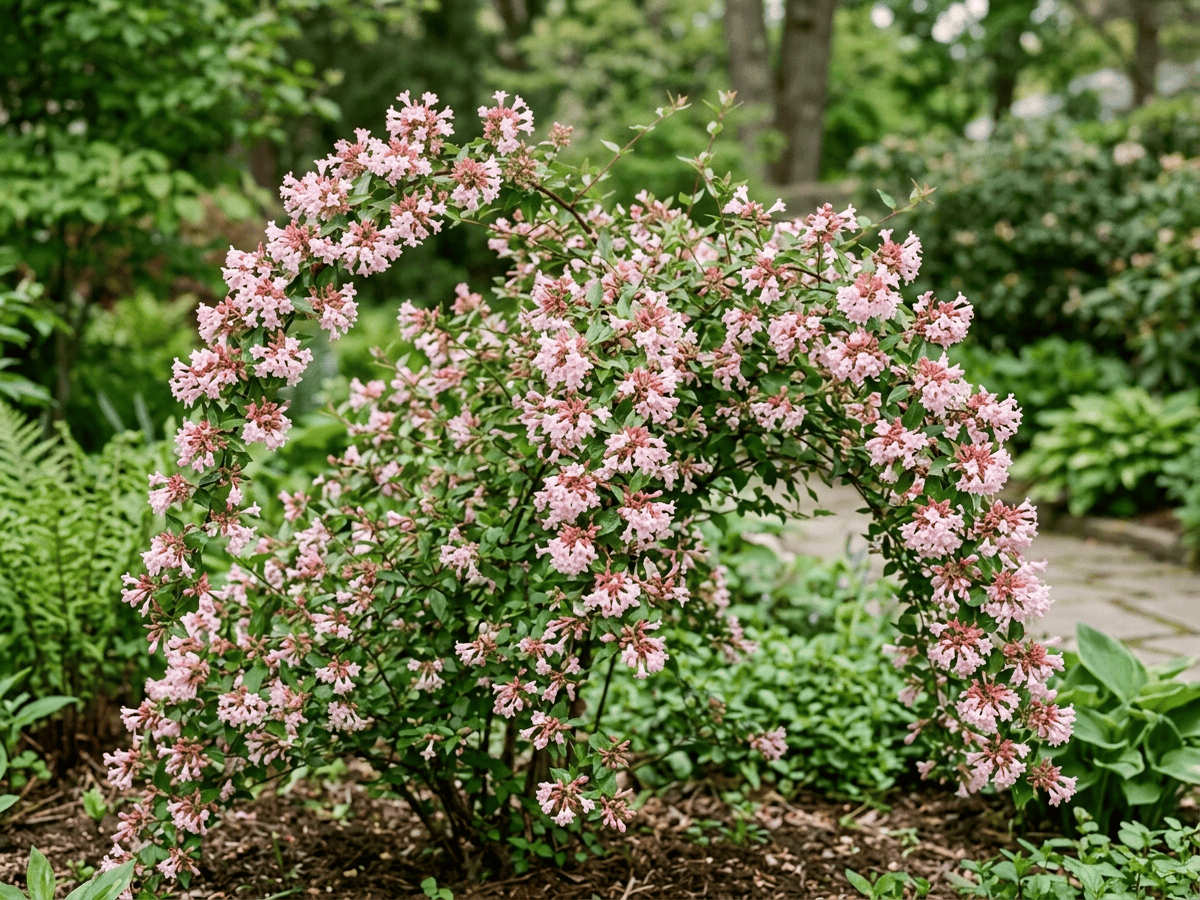 Fragrant AbeliaAbelia mosanensis
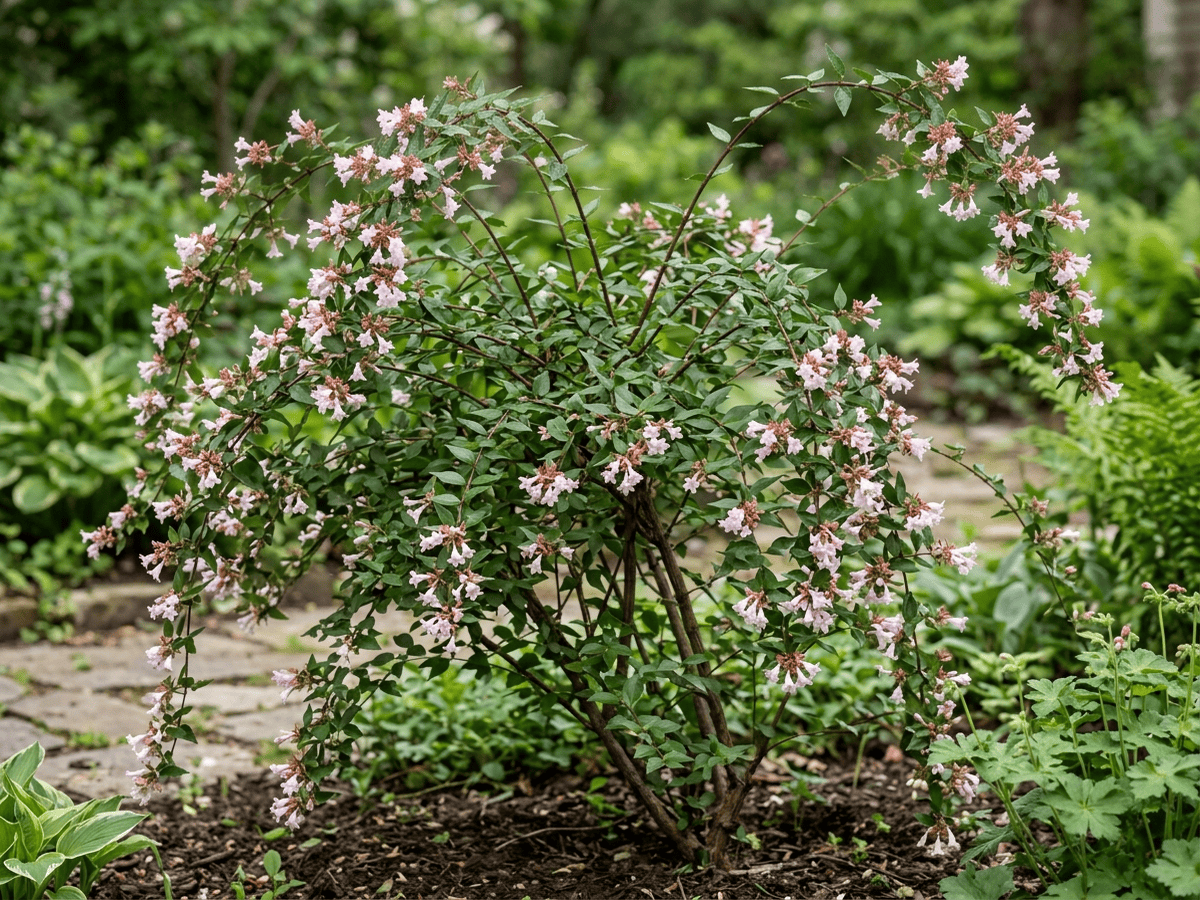 Large-Flowered AbeliaAbelia uniflora
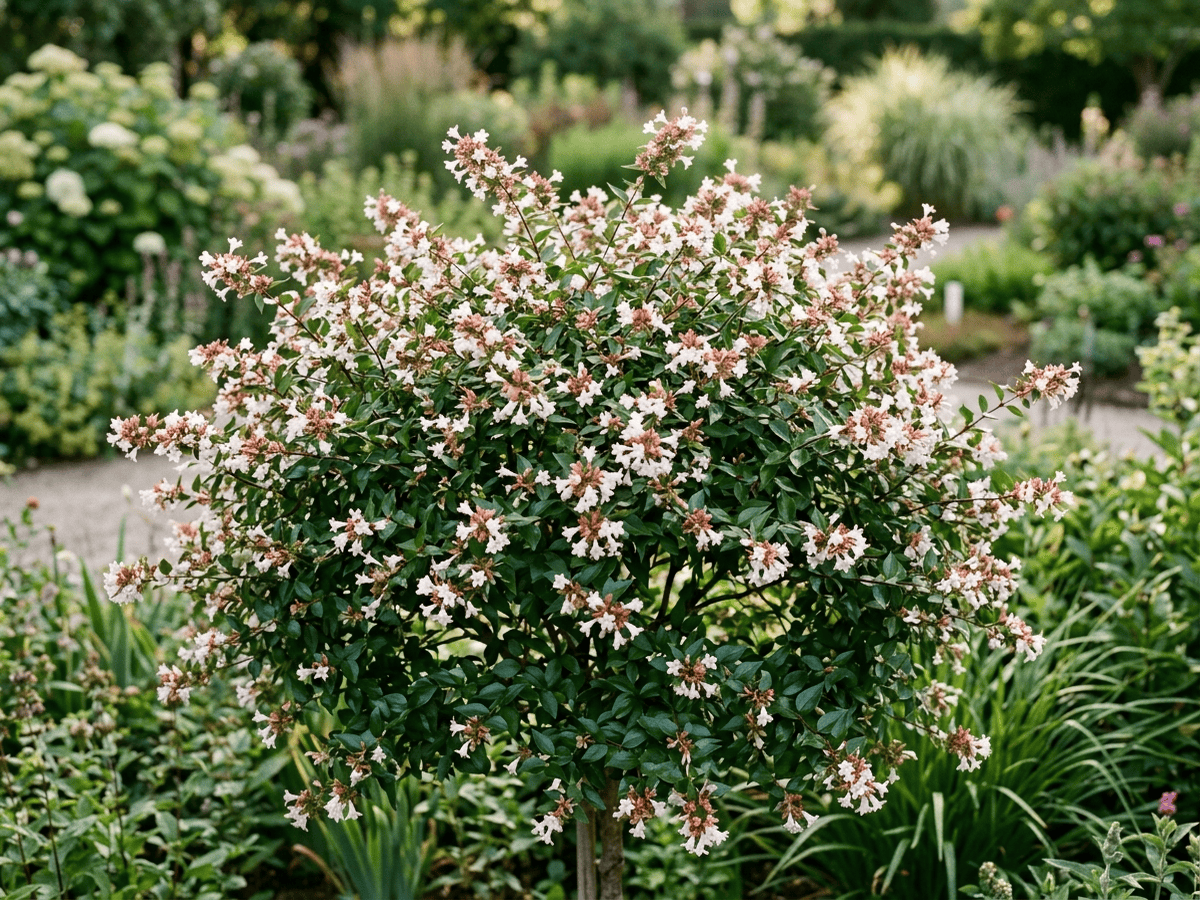 Glossy AbeliaAbelia x grandiflora
Frequently asked questions
How often should I water Reed Canary Grass?
In summer, water about every 4 days; in winter, about every 30 days. Adjust for heat, pot size and drainage.
How much light does Reed Canary Grass need?
Full sun: 6+ hrs direct. Watch the leaves — scorching or stretching means the light needs adjusting.
Is Reed Canary Grass toxic to cats or dogs?
Pets Slight (Dogs Slight · Cats Slight) Educational information, not medical or veterinary advice. If exposure is suspected, contact a doctor or veterinarian.
Is Reed Canary Grass easy to grow?
Yes — it is considered an easy, beginner-friendly plant.
When does Reed Canary Grass bloom?
It typically blooms May–Aug in the Northern Hemisphere.
YardMate
Identify any plant in seconds
Snap a photo — YardMate names the plant, diagnoses problems, and reminds you when to water.
Download on the App Store