 YardMate


Common Reed
Phragmites australis
Easy · Beginner friendlyAbout Common Reed
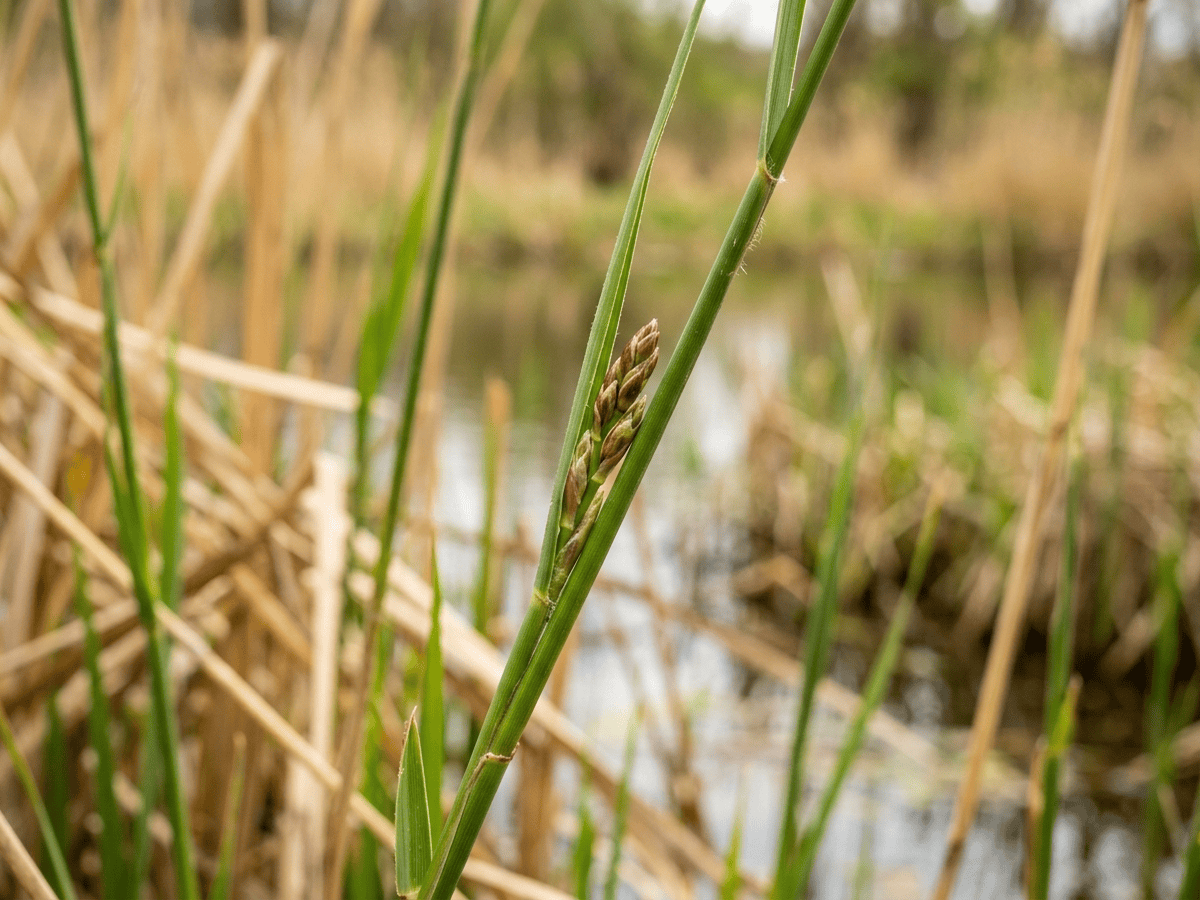
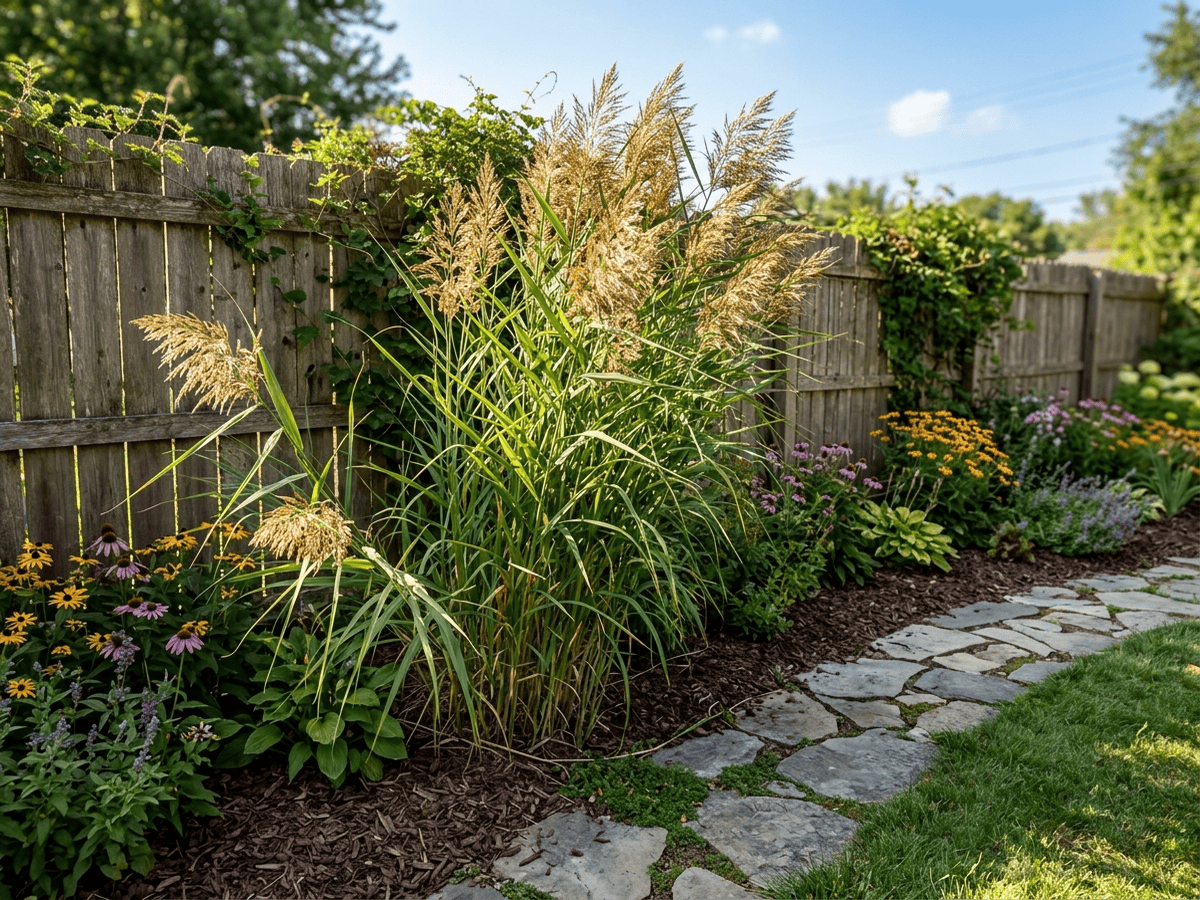
Common Reed is a tall perennial wetland grass with a native North American lineage and a far more aggressive European invasive genotype, the latter now dominating American coastal marshes, roadside ditches, and wetlands from coast to coast. Growing 6 to 15 feet tall in dense monocultures with large feathery purple-brown seedheads, the European lineage spreads aggressively by rhizomes and shades out native wetland plants. Listed as invasive in most coastal states.
- Architectural
- Fast-growing
- Wildlife-friendly
How to care for Common Reed
Watering
- Springevery 7 days
- Summerevery 7 days
- Fallevery 10 days
- Winterevery 14 days
Soil · Bog-wet
- WaterStanding water above soil20%
- SoilHeavy pond soil80%
No drainage layer — keep water standing above the soil.
FERTILIZER
This plant needs little to no feeding.
At a Glance
- Height6–15 ft (1.8–4.6 m)
- Spread5–10 ft (1.5–3 m)
- Flower colorPurple
- Foliage colorGreen, Bronze
- SoilMoisture-retentive, Loamy
- LocationsYard
Bloom time
BLOOM CYCLE
Peak bloom
Aug–Nov
Large feathery purple-brown plumes late summer to fall
Toxicity
Humans Safe · Pets Safe
None reported
Safe
EXPOSURE No exposure route is reported.
EFFECT No toxic effect is reported.
NOTE Listed as non-toxic for humans; avoid eating ornamental plants unless confirmed edible.
Safe
EXPOSURE No exposure route is reported.
EFFECT No toxic effect is reported.
NOTE Listed as non-toxic for dogs; avoid eating ornamental plants unless confirmed edible.
Safe
EXPOSURE No exposure route is reported.
EFFECT No toxic effect is reported.
NOTE Listed as non-toxic for cats; avoid eating ornamental plants unless confirmed edible.
Educational information, not medical or veterinary advice. If exposure is suspected, contact a doctor or veterinarian.
DISTRIBUTION

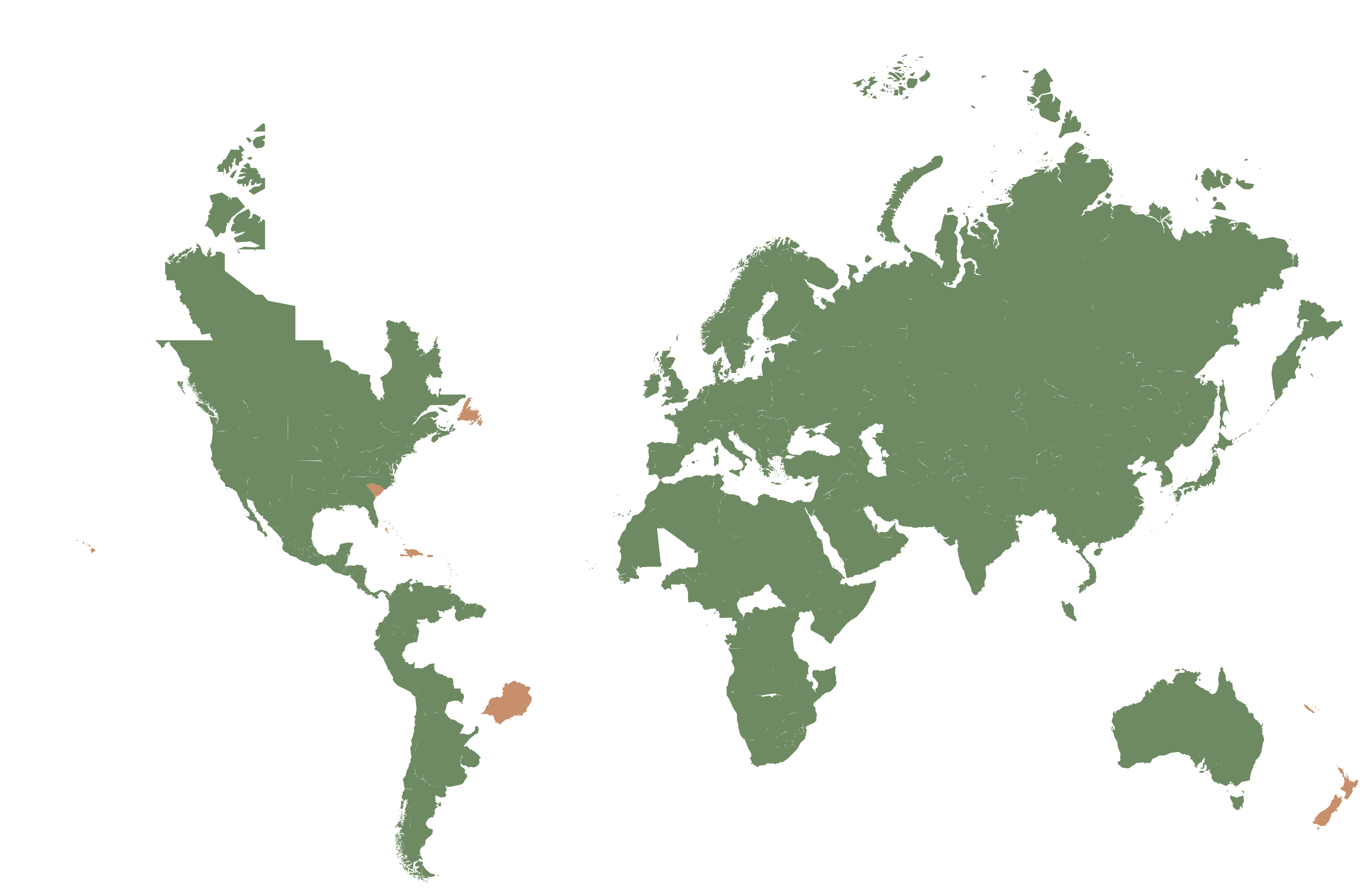
- Native
- Introduced
History
Phragmites australis, common reed, is one of the most widespread plants on Earth, growing in wetlands across every continent except Antarctica. North America has its own native haplotypes used for thousands of years by Indigenous peoples for mats, arrow shafts, and thatch. In the late nineteenth and early twentieth centuries a Eurasian lineage arrived in ballast, and genetic studies published in the early 2000s revealed it to be the invasive form now dominating eastern North American marshes.
The introduced reed reaches five meters, spreads by vigorous rhizomes and wind-dispersed seed, and forms dense monocultures that crowd out native cattails, sedges, and saltmarsh species. Management combines cutting, herbicide, and prescribed burning.
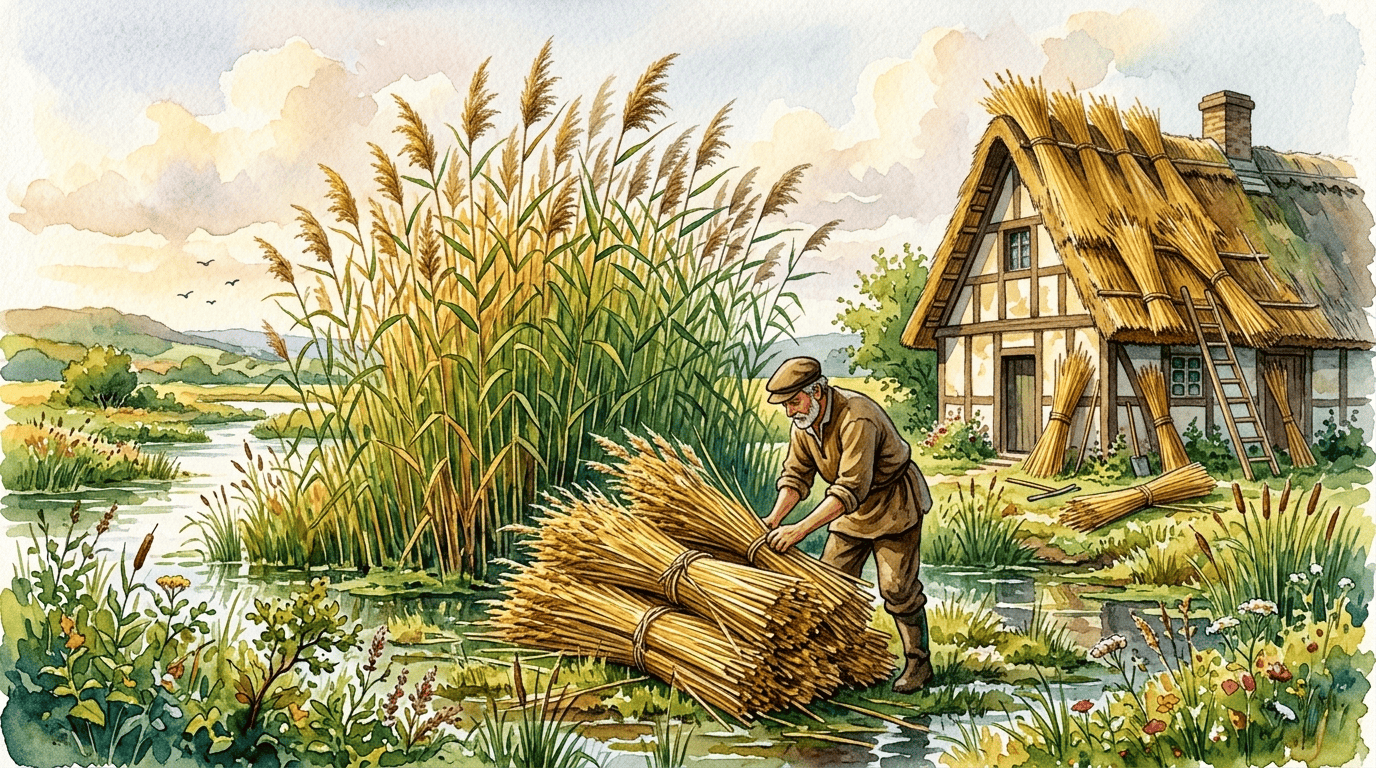
In Europe and Asia the reed remains an important source of thatch and biofuel. A native North American Phragmites lineage existed for millennia in scattered marshes, but a European invasive genotype arrived in ship ballast in the early 1900s and has since dominated American coastal and inland wetlands from New England to the Gulf Coast. Its dense monocultures have altered hundreds of thousands of acres of wetland ecosystems across the US.
Symbolism & meaning
What It Symbolizes
Common Reed signals silent takeover, its introduced European genotype steadily replacing native wetland communities across North America with little fanfare. Yet its ancient reed status connects its to thousands of years of human use, traditional material for thatching roofs, weaving mats, and shaping musical instruments. It is the contradictory flower of the wetland edge, both ecological aggressor and ancestral building block, beauty and threat in the same tall stand.
- Silent takeover — European genotype replaces native wetlands
- Ancient reed — traditional material for thatching and crafts
Where the Name Comes From
'Phragmites' from Greek 'phragma' meaning fence or screen, for dense growth along water edges; 'australis' from Latin means southern.
Uses & Fun Facts
- Native stems traditionally used for thatching and mats
- Native genotype stands shelter marsh birds and mammals
Related plants
Plants with similar care
 Chinese AbeliaAbelia chinensis
 Fragrant AbeliaAbelia mosanensis
 Large-Flowered AbeliaAbelia uniflora
 Glossy AbeliaAbelia x grandiflora
Frequently asked questions
How often should I water Common Reed?
In summer, water about every 7 days; in winter, about every 14 days. Adjust for heat, pot size and drainage.
How much light does Common Reed need?
Full sun: 6+ hrs direct. Watch the leaves — scorching or stretching means the light needs adjusting.
Is Common Reed toxic to cats or dogs?
Pets Safe (Dogs Safe · Cats Safe) Educational information, not medical or veterinary advice. If exposure is suspected, contact a doctor or veterinarian.
Is Common Reed easy to grow?
Yes — it is considered an easy, beginner-friendly plant.
When does Common Reed bloom?
It typically blooms Aug–Nov in the Northern Hemisphere.
YardMate
Identify any plant in seconds
Snap a photo — YardMate names the plant, diagnoses problems, and reminds you when to water.
Download on the App Store