 YardMate


Pacific Ninebark
Physocarpus capitatus
Easy · Beginner friendlyAbout Pacific Ninebark
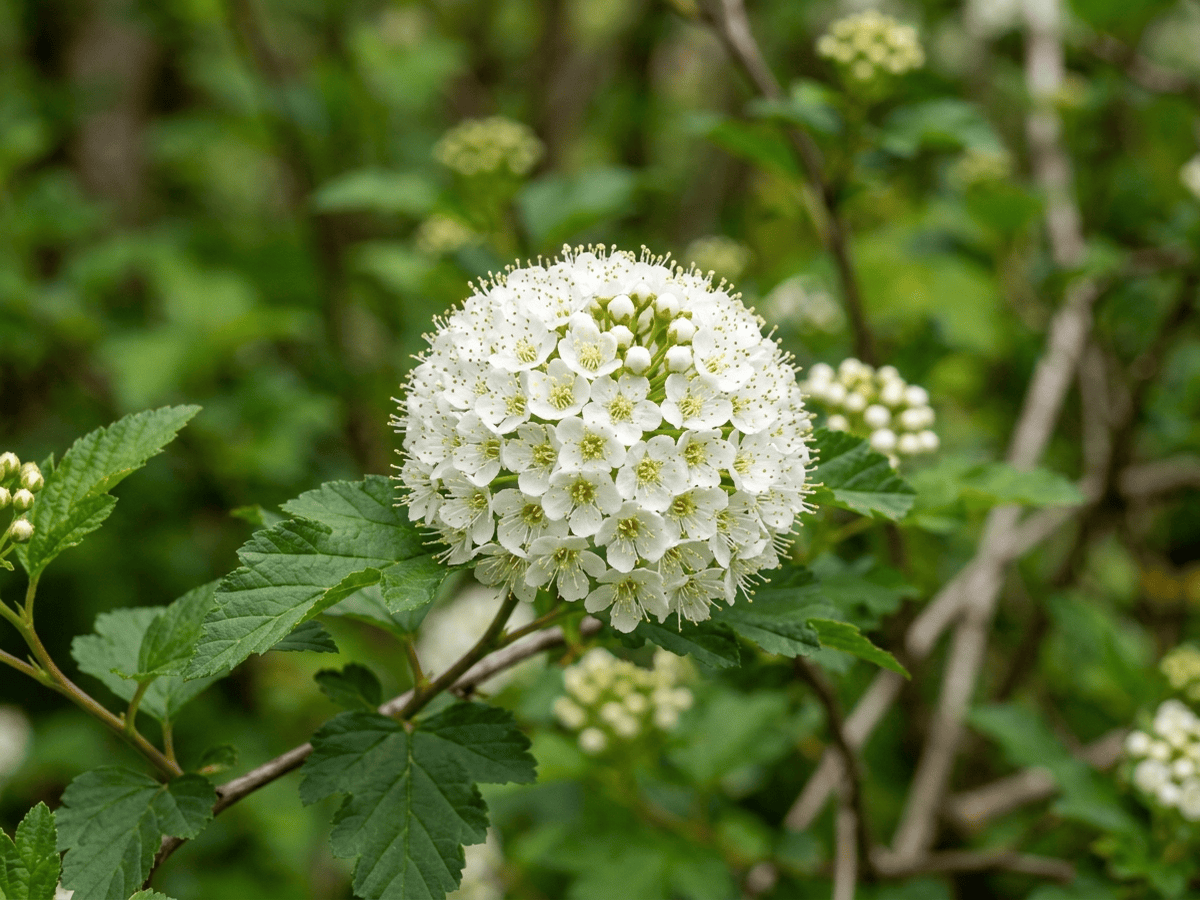
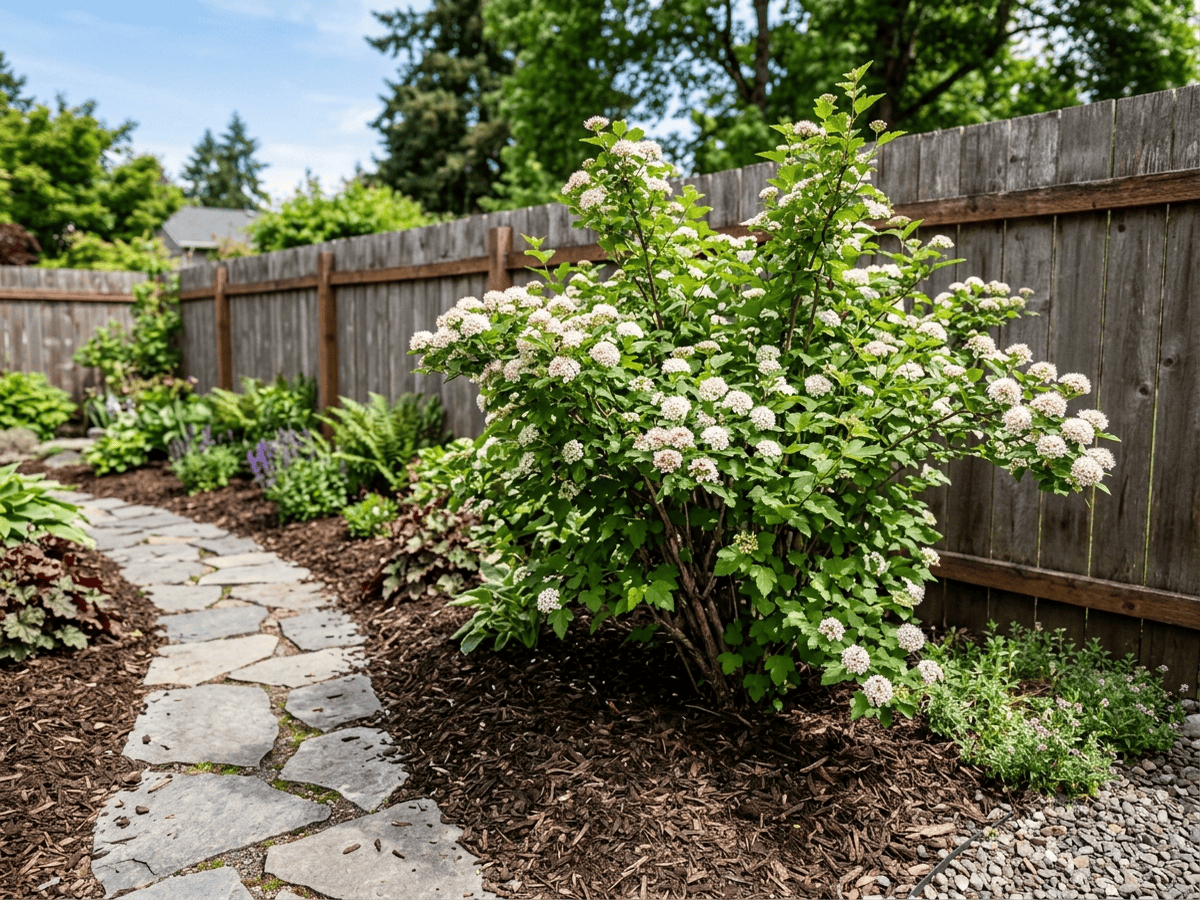
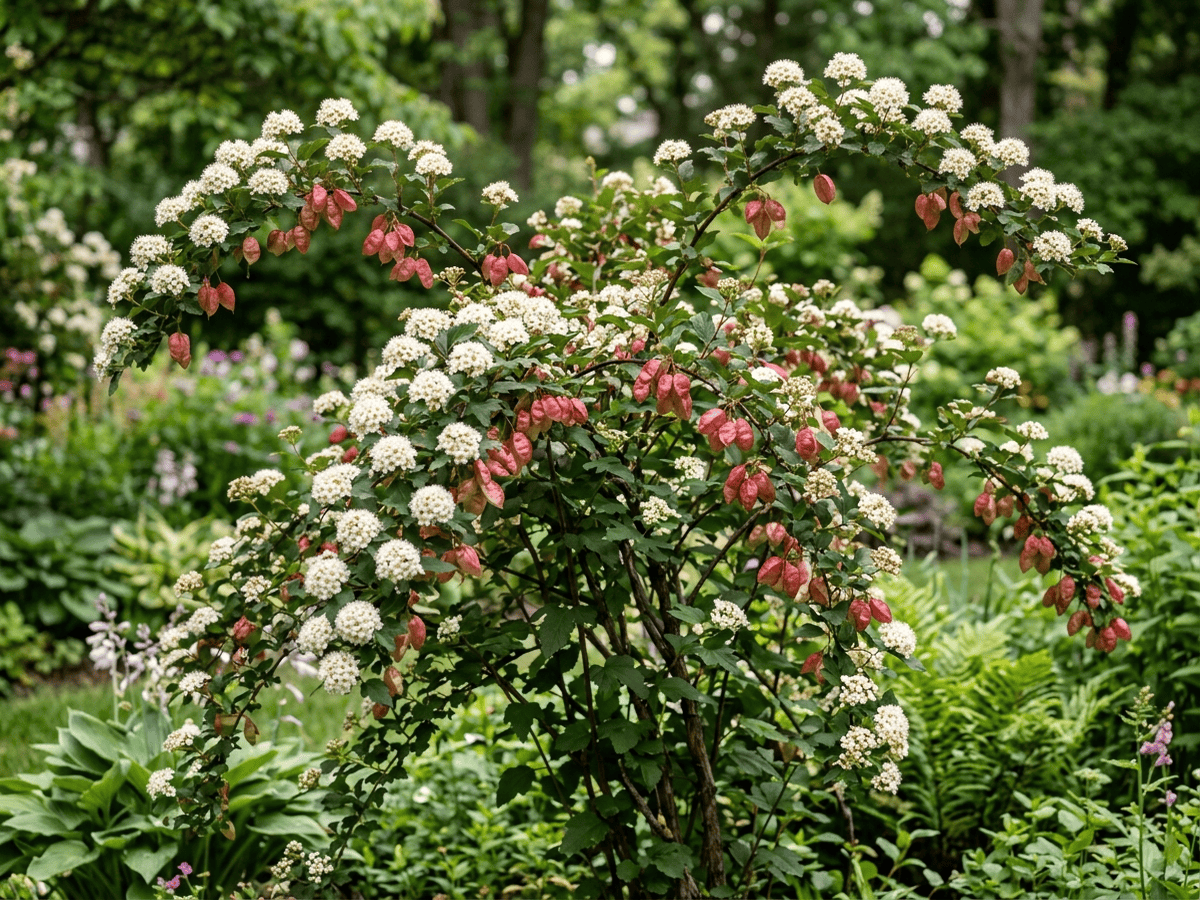
Pacific Ninebark is a western North American native deciduous shrub growing 6 to 12 feet tall, found from Alaska to southern California along streams and moist woodland edges. Producing white flower clusters in late spring followed by bright red persistent seed heads, it is a major wildlife plant in Pacific Northwest native gardens and a tough riparian restoration species.
- Cold-hardy
- Native
- Wildlife-friendly
- Pollinator-friendly
How to care for Pacific Ninebark
Watering
- Springevery 5 days
- Summerevery 3 days
- Fallevery 7 days
- Winterevery 14 days
Soil · Well-draining
- Top dressingPine bark mulch10%
- Main mixPotting soil + perlite 2:170%
- DrainageLECA / gravel20%
Never skip the drainage layer — standing water is the top cause of root rot.
FERTILIZER
- Springevery 45 days
- Summerevery 60 days
At a Glance
- NativeNorth America
- Height6–12 ft (1.8–3.7 m)
- Spread6–10 ft (1.8–3 m)
- Flower colorWhite
- Foliage colorGreen, Yellow
- Fruit colorRed
- SoilMoisture-retentive, Loamy, Well-drained
- LocationsYard
Bloom time
BLOOM CYCLE
Peak bloom
Mar–May
White flat-topped flower clusters late spring
Fragrance
LIGHT FRAGRANCE
The flowers have a mildly honey-scented scent.
Toxicity
No toxicity has been reported for this plant. Still, it is wise to keep pets from chewing on any houseplant.
Educational information, not medical or veterinary advice. If exposure is suspected, contact a doctor or veterinarian.
DISTRIBUTION


- Native
- North America
History
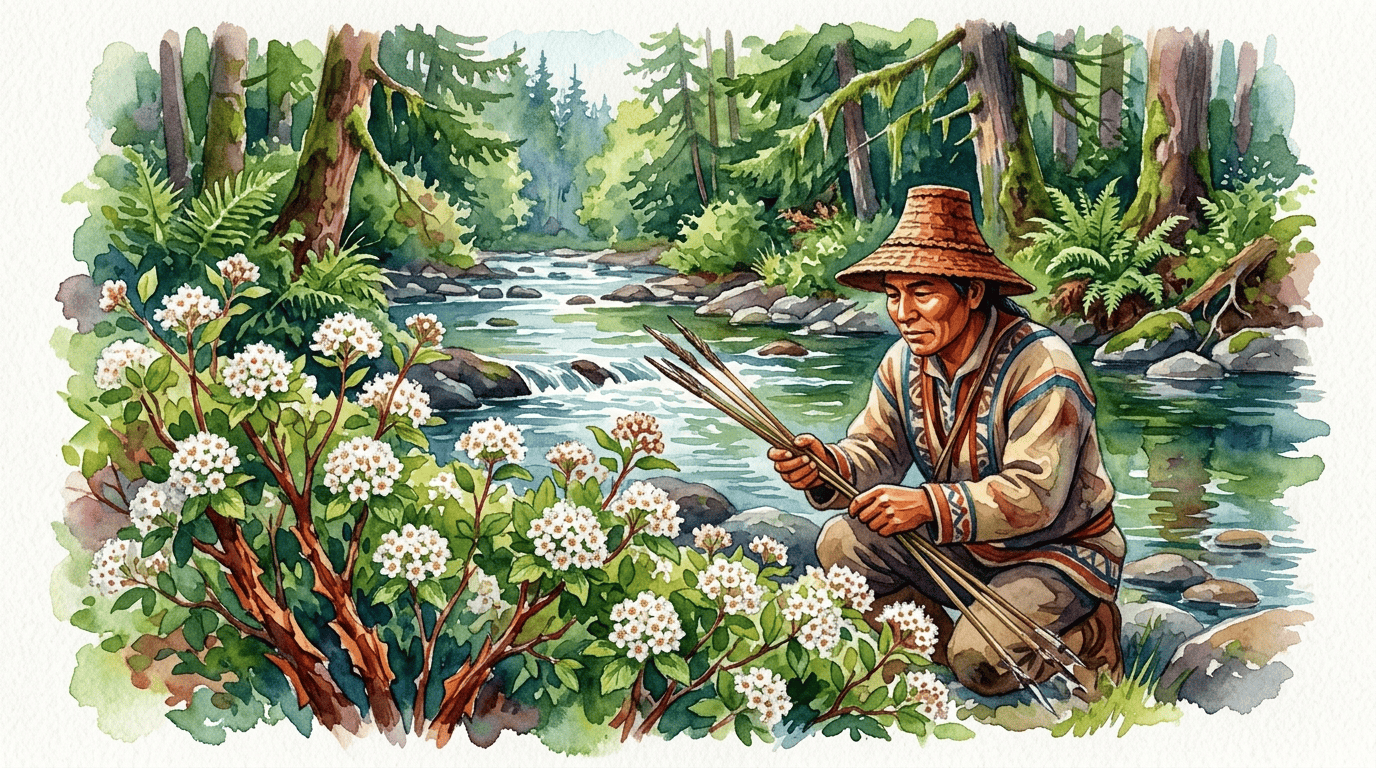
Physocarpus capitatus grows along stream banks and moist forest edges from Alaska south to central California and east to Montana. The English naturalist Thomas Nuttall described it as Spiraea capitata during his Pacific Northwest travels in 1834, and Kuntze transferred it to Physocarpus in 1891. Indigenous peoples of the region used the shrub extensively: Chehalis, Quinault, and Lummi boiled the inner bark for tuberculosis and childbirth complications, and the stems provided arrow shafts and fish hooks.
Colonial botanists preserved it in the Hudson's Bay Company plant records. Modern horticulture uses it primarily for Pacific Northwest native landscaping, hedgerows, and riparian restoration. The golden-foliaged cultivar 'Tilden Park' and the variegated 'Silver Leaf' are specialty introductions used in West Coast native plantings.
Native from southeast Alaska to Baja California along the Pacific coast and into the Sierra Nevada. Traditionally used by Coast Salish and other Native peoples for making tools, bows, and medicines. A foundation species of Pacific Northwest native garden design and salmon-supporting riparian plantings.
Symbolism & meaning
What It Symbolizes
Pacific Ninebark carries Pacific heritage — a West Coast native shrub that stitches together streambanks and wet meadows from California north into British Columbia. It is also Salmon habitat in living form, its arching branches stabilizing the banks that shelter spawning runs. A plant whose ecological work is as quietly important as its peeling, layered bark.
- Pacific heritage — West Coast native wetland shrub
- Salmon habitat — stabilizes salmon-stream banks
Where the Name Comes From
The name Pacific Ninebark points to the Pacific region. 'capitatus' from Latin means head-shaped, for the rounded flower clusters.
Uses & Fun Facts
- White flower clusters and peeling bark on native shrub
- Provides cover and seed for Pacific Northwest birds
- Tough adaptable choice for informal native screens
Related plants
More Physocarpus plants
Plants with similar care
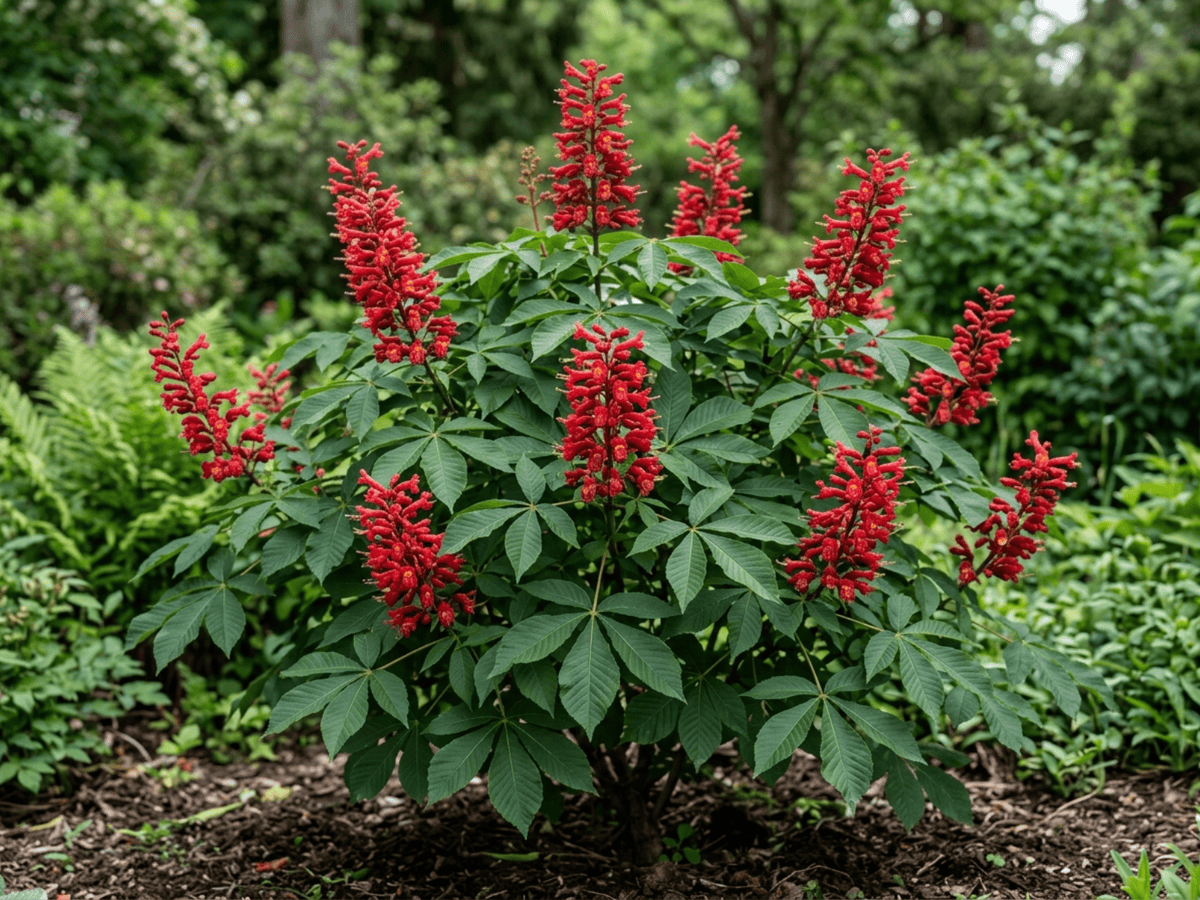 Red BuckeyeAesculus pavia
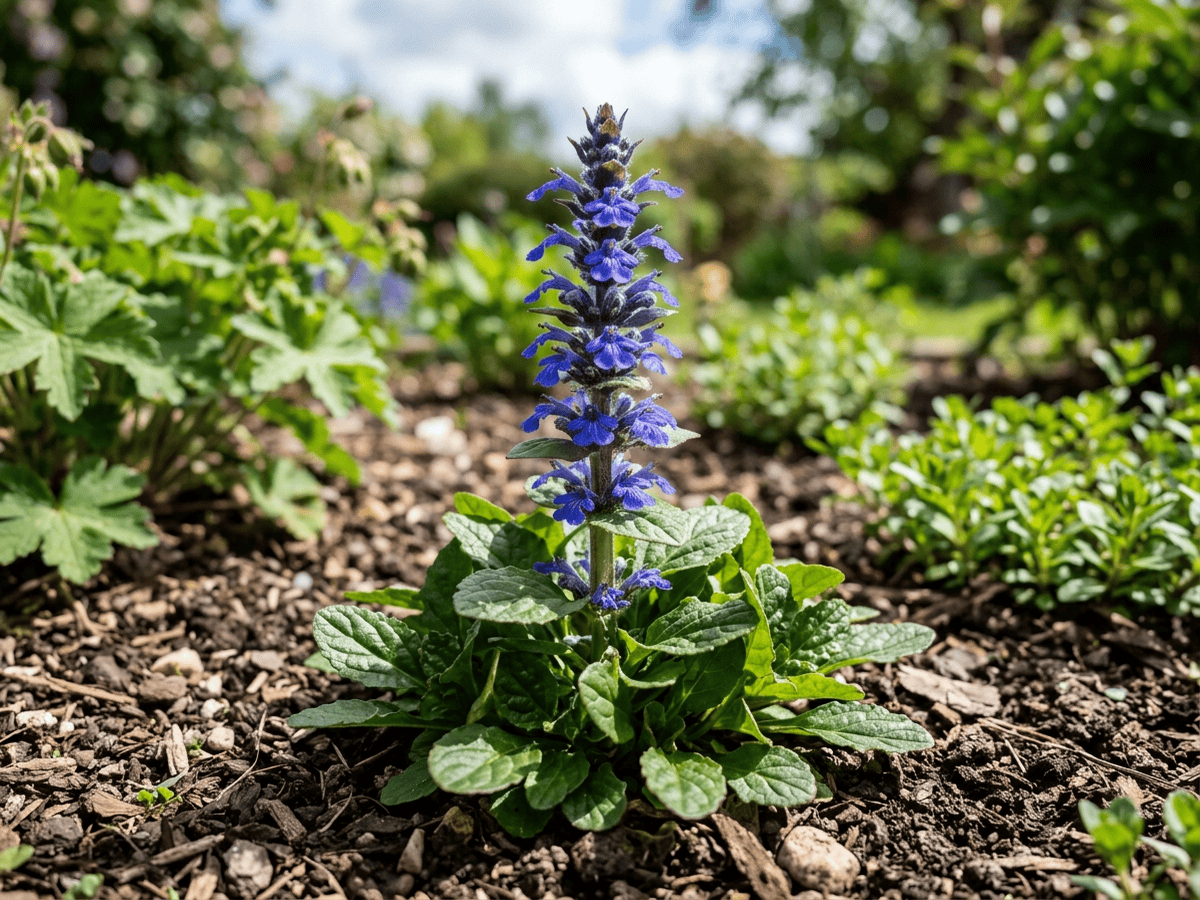 Blue BugleAjuga genevensis
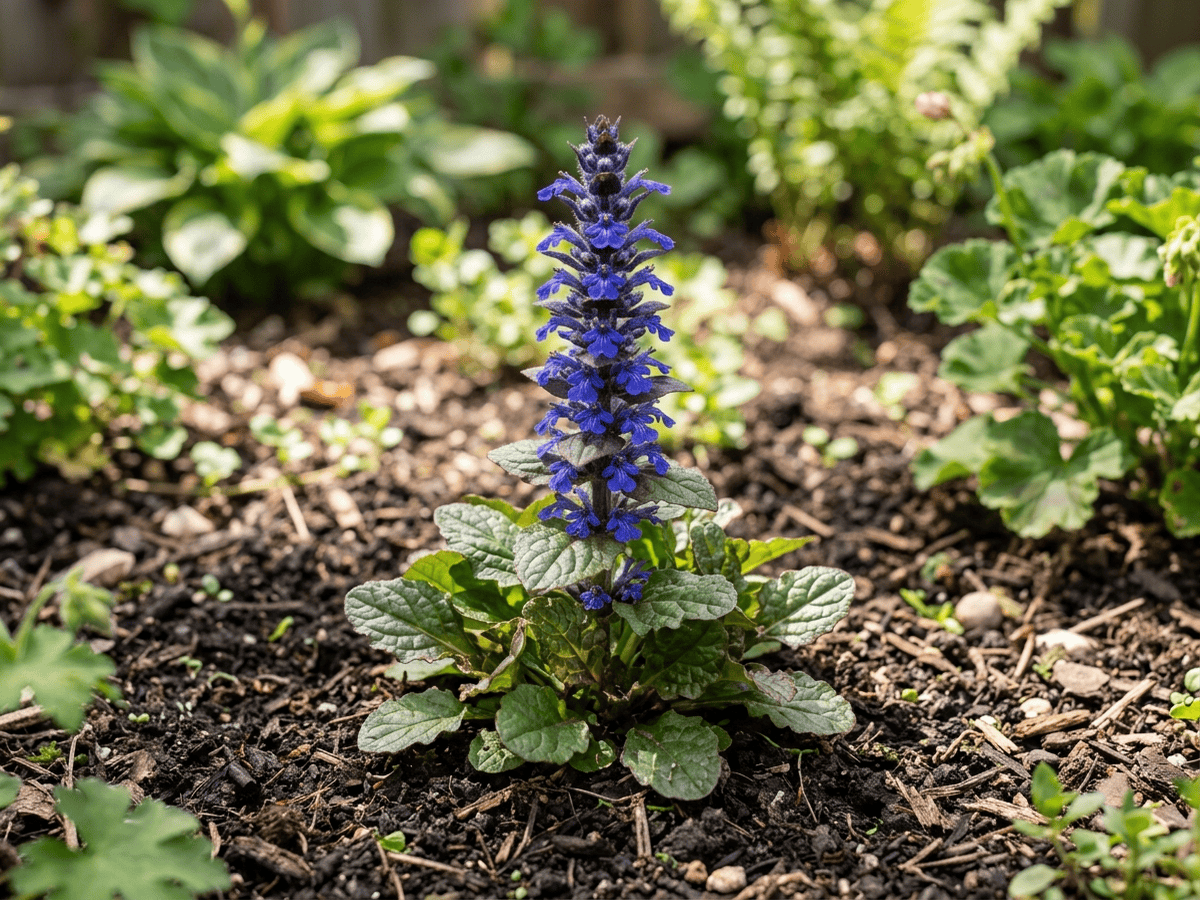 Pyramidal BugleAjuga pyramidalis
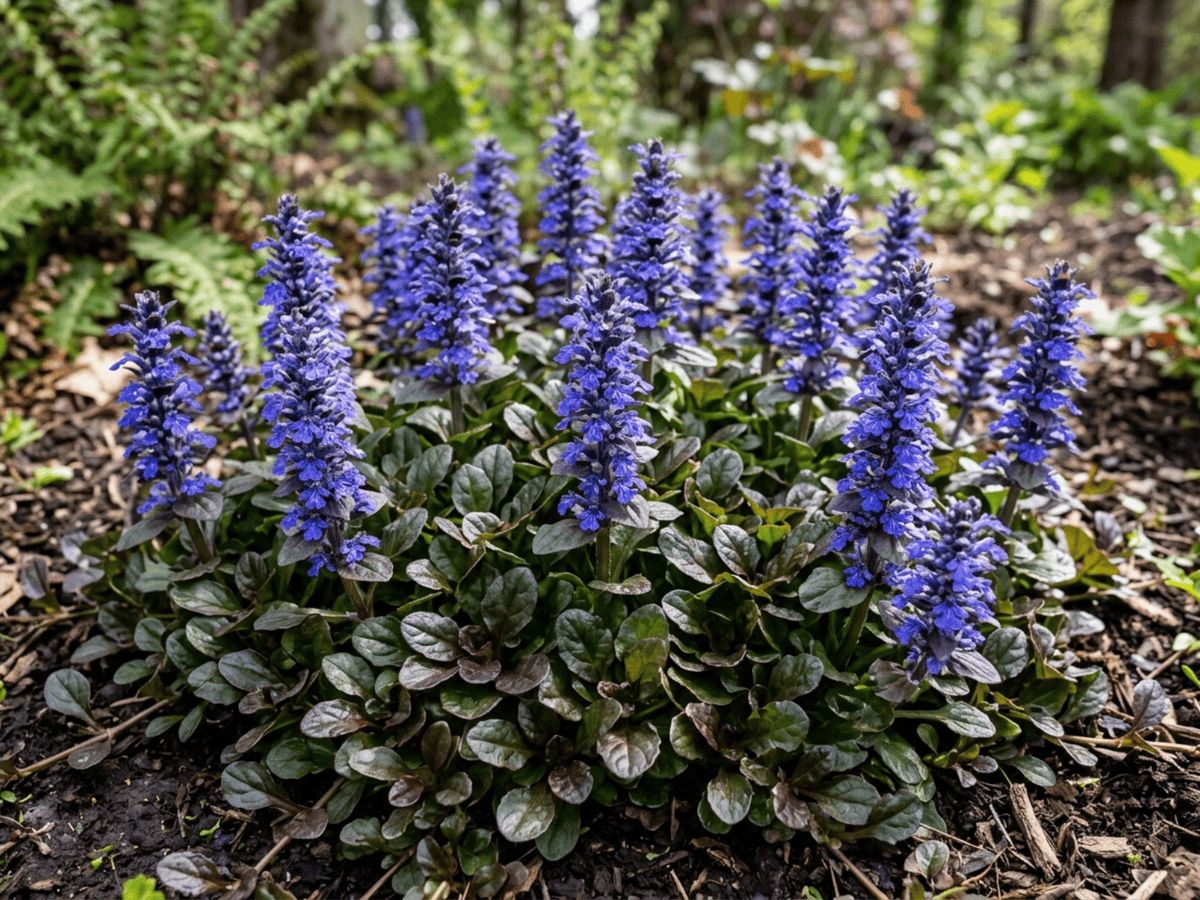 Carpet BugleAjuga reptans
Frequently asked questions
How often should I water Pacific Ninebark?
In summer, water about every 3 days; in winter, about every 14 days. Adjust for heat, pot size and drainage.
How much light does Pacific Ninebark need?
Part shade: 2–4 hrs direct. Watch the leaves — scorching or stretching means the light needs adjusting.
Is Pacific Ninebark toxic to cats or dogs?
No toxicity has been reported for this plant. Still, it is wise to keep pets from chewing on any houseplant. Educational information, not medical or veterinary advice. If exposure is suspected, contact a doctor or veterinarian.
Is Pacific Ninebark easy to grow?
Yes — it is considered an easy, beginner-friendly plant.
When does Pacific Ninebark bloom?
It typically blooms Mar–May in the Northern Hemisphere.
YardMate
Identify any plant in seconds
Snap a photo — YardMate names the plant, diagnoses problems, and reminds you when to water.
Download on the App Store