 YardMate

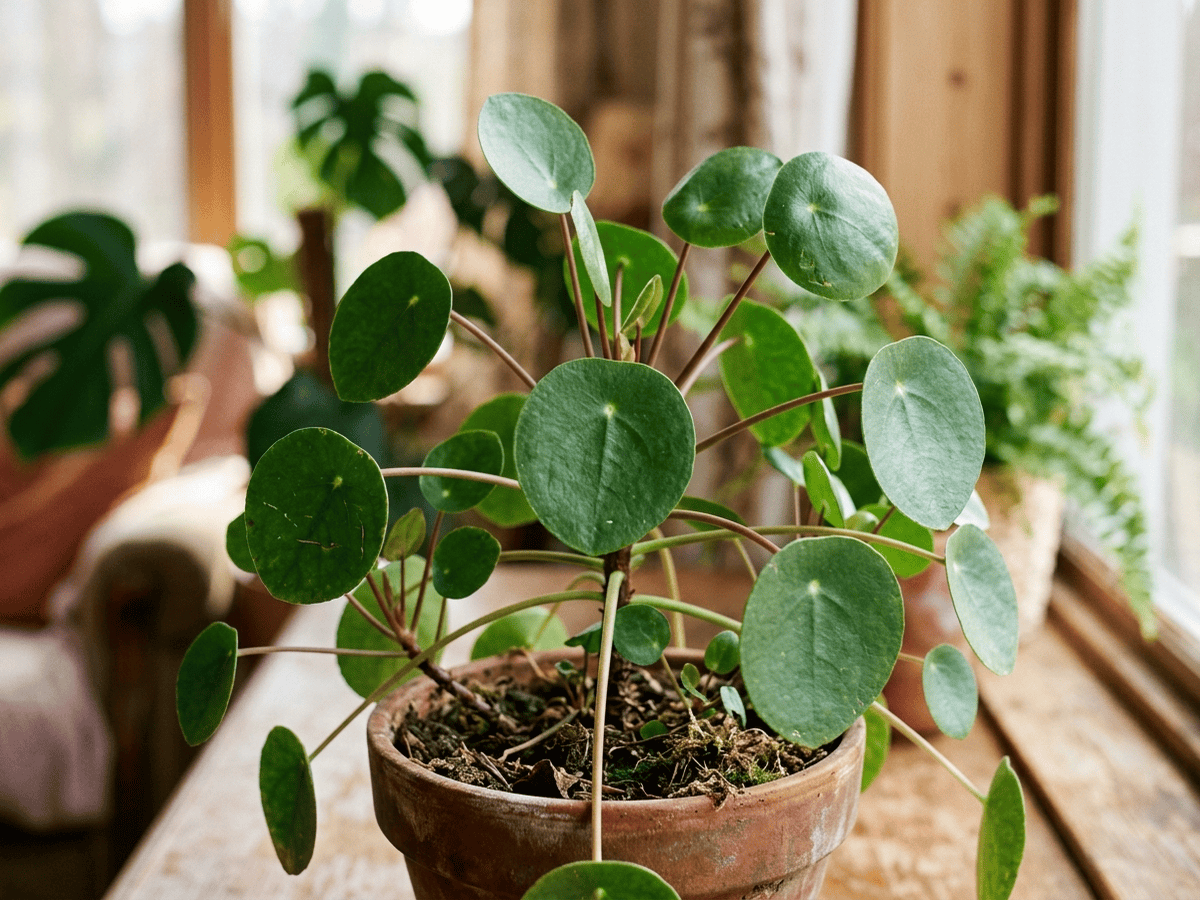


Chinese Money Plant
Pilea peperomioides
Easy · Beginner friendlyAbout Chinese Money Plant
The Chinese Money Plant charmed the world with its perfectly round, coin-shaped leaves on delicate petioles. Native to Yunnan Province in southern China, it was virtually unknown in the West until a Norwegian missionary brought cuttings home in the 1940s. It spread across Scandinavia through friend-to-friend cuttings for decades before being scientifically identified in 1978. Easy to propagate from the abundant pups it produces around its base.
- Low-maintenance
How to care for Chinese Money Plant
Watering
- Springevery 7 days
- Summerevery 5 days
- Fallevery 10 days
- Winterevery 14 days
Soil · Well-draining
- Top dressingPine bark mulch10%
- Main mixPotting soil + perlite 2:170%
- DrainageLECA / gravel20%
Never skip the drainage layer — standing water is the top cause of root rot.
FERTILIZER
Balanced Feed 14-14-14
An even feed covers all three needs at once, keeping leaves, roots and blooms moving together with nothing pushed out of balance.
- Nitrogen · Leaves
- Phosphorus · Roots + Blooms
- Potassium · Strength
- Springevery 30 days
- Summerevery 30 days
- Fallevery 60 days
At a Glance
- NativeEast Asia
- Height0.8–1.5 ft (0.2–0.5 m)
- Spread0.8–1.5 ft (0.2–0.5 m)
- Flower colorWhite, Pink
- Foliage colorGreen
- SoilLoamy, Well-drained
- LocationsIndoor
Bloom time
BLOOM CYCLE
Rarely flowers indoors; occasional small pinkish-white flowers on slender stalks
Fragrance
NO FRAGRANCE
Not fragrant.
Toxicity
Humans Safe · Pets Safe
None reported
Safe
EXPOSURE No exposure route is reported.
EFFECT No toxic effect is reported.
NOTE Listed as non-toxic for humans; avoid eating ornamental plants unless confirmed edible.
Safe
EXPOSURE No exposure route is reported.
EFFECT Non-toxic and pilea genus generally listed safe by ASPCA.
NOTE Listed as non-toxic for dogs; avoid eating ornamental plants unless confirmed edible.
Safe
EXPOSURE No exposure route is reported.
EFFECT Non-toxic and pilea genus generally listed safe by ASPCA.
NOTE Listed as non-toxic for cats; avoid eating ornamental plants unless confirmed edible.
Educational information, not medical or veterinary advice. If exposure is suspected, contact a doctor or veterinarian.
DISTRIBUTION


- Native
- Introduced
- East Asia
History

Pilea peperomioides has one of the most unusual introduction stories of any modern houseplant. It is native to Yunnan in southern China, where it grows on damp shaded rocks in the Cangshan mountains.
Norwegian missionary Agnar Espegren brought the plant home from China in the 1940s, and from there it spread hand-to-hand through Scandinavia as friends shared offsets. For decades many growers knew the plant but not its scientific identity; Kew botanist Wessel Marais helped reconnect it to Pilea peperomioides after material reached Kew in the late 1970s.
Only in the 2010s did commercial production finally catch up with public demand, helped by social media and the plant's photogenic round leaves. Its history remains charming because it traveled first as a friendship plant, passed from windowsill to windowsill long before it became a nursery staple.
Symbolism & meaning
What It Symbolizes
Chinese Money Plant is friendship by tradition — almost every plant in cultivation traces back to a single specimen carried home by a Norwegian missionary, then propagated and given person to person around the world. It is generosity made botanical, producing abundant pups to be potted up and shared. It is the houseplant that became famous not through nurseries but through neighbors handing over small pots.
- Friendship — traditionally propagated and given to friends
- Generosity — produces abundant pups to share with others
Where the Name Comes From
The name Chinese Money Plant describes round coinlike leaves or seedpods. 'Pilea' from Latin 'pileus' (cap), referring to the shape of the flower parts. 'Peperomioides' means 'resembling Peperomia,' due to similar round leaves.
Uses & Fun Facts
- Coin-leaved tabletop houseplant for bright indirect light
- Round green discs on slender petioles for modern interiors
Related plants
Plants with similar care
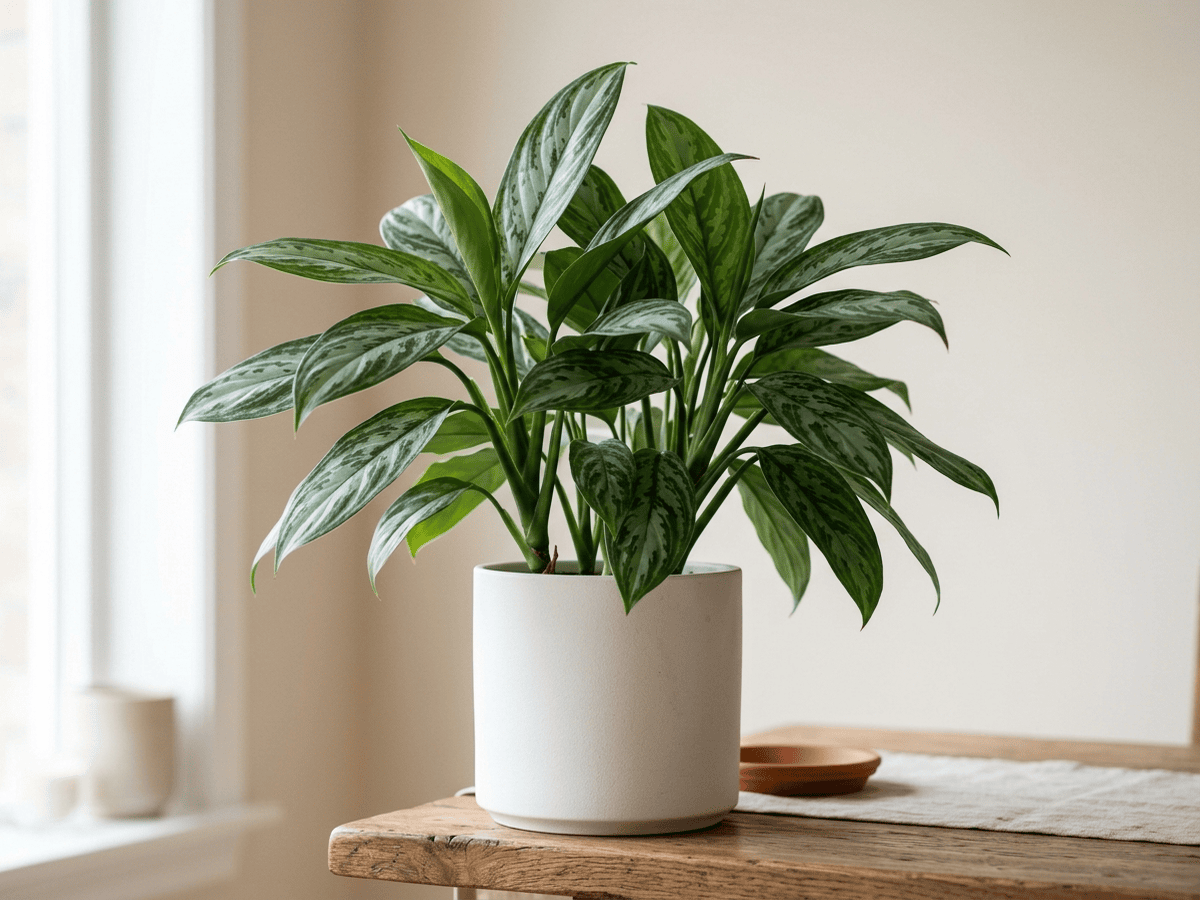 Philippine EvergreenAglaonema commutatum
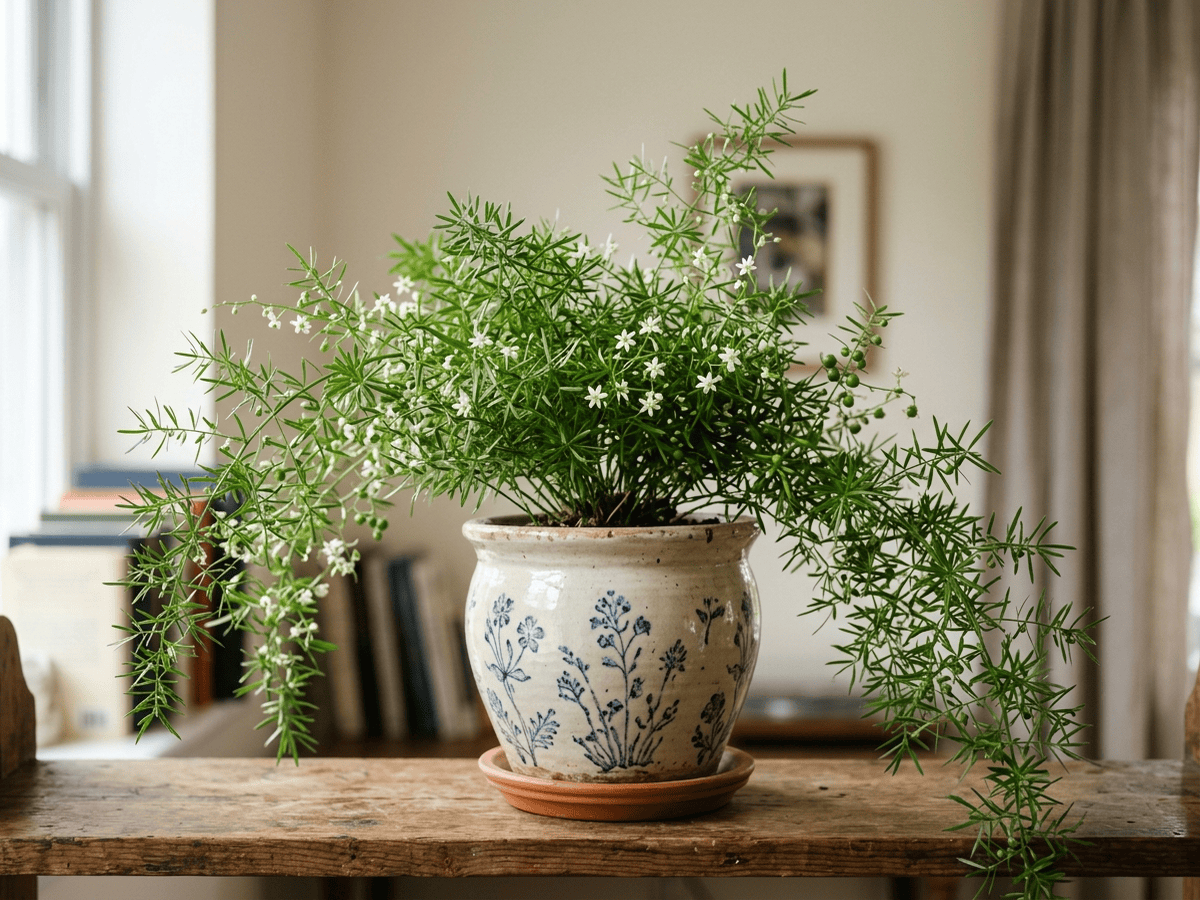 Sprenger's AsparagusAsparagus densiflorus
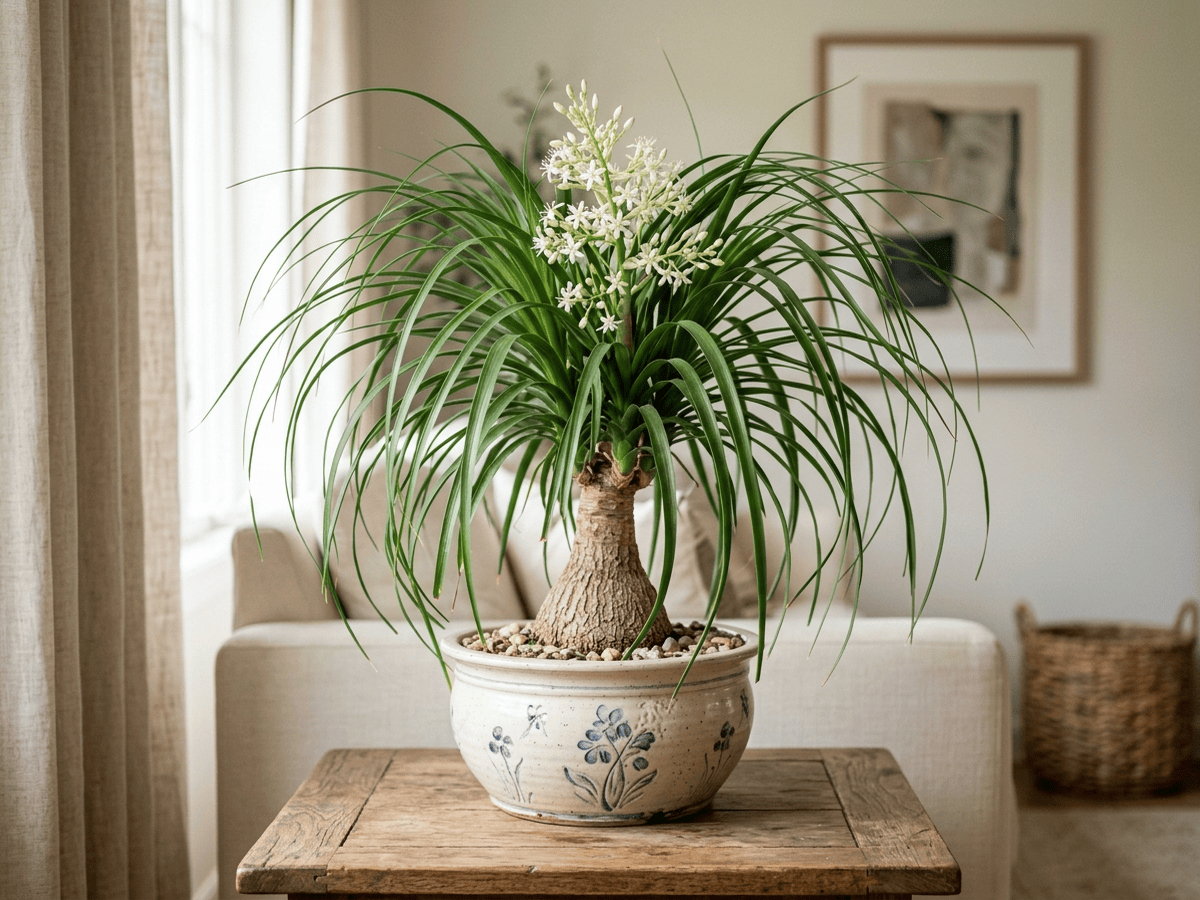 Ponytail PalmBeaucarnea recurvata
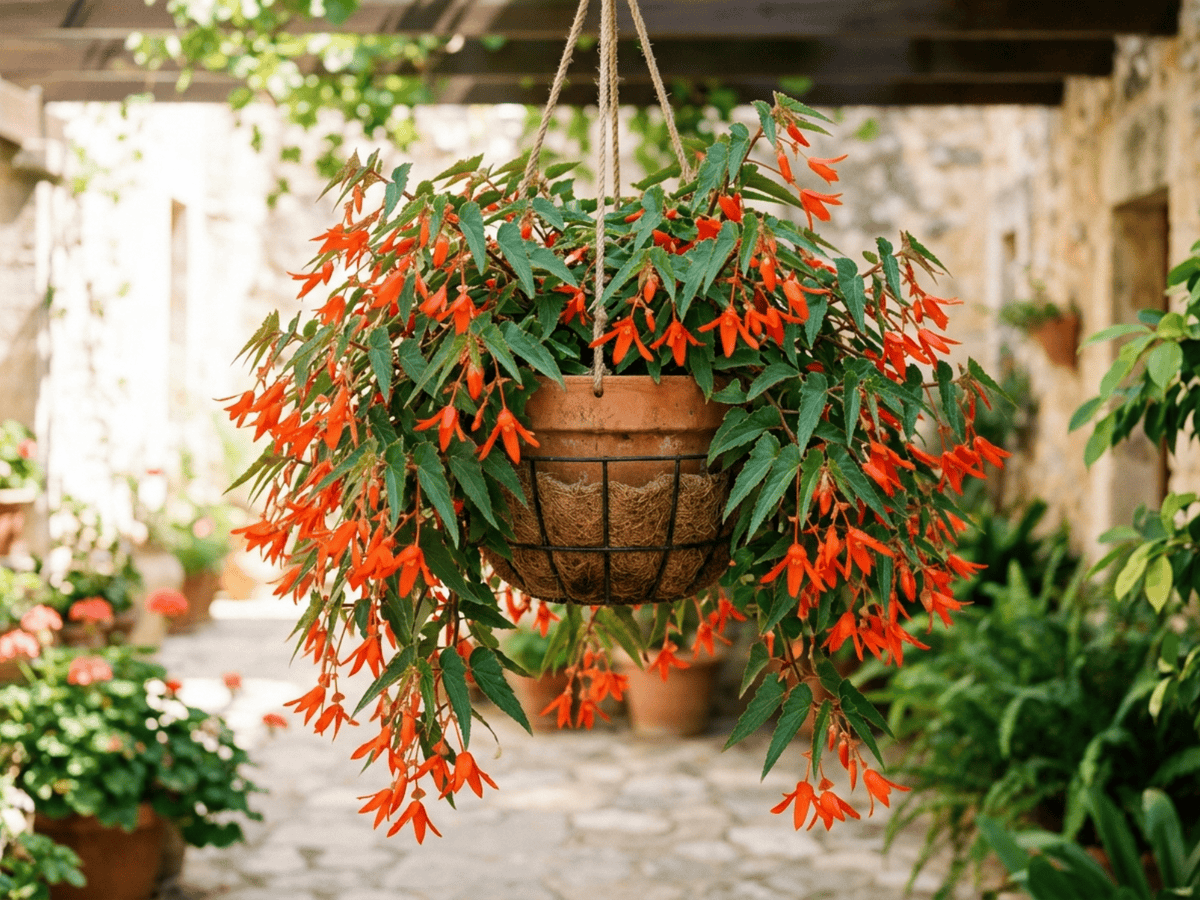 Tuberous BegoniaBegonia boliviensis
Frequently asked questions
How often should I water Chinese Money Plant?
In summer, water about every 5 days; in winter, about every 14 days. Adjust for heat, pot size and drainage.
How much light does Chinese Money Plant need?
Part shade: 2–4 hrs direct. Watch the leaves — scorching or stretching means the light needs adjusting.
Is Chinese Money Plant toxic to cats or dogs?
Pets Safe (Dogs Safe · Cats Safe) Educational information, not medical or veterinary advice. If exposure is suspected, contact a doctor or veterinarian.
Is Chinese Money Plant easy to grow?
Yes — it is considered an easy, beginner-friendly plant.
Can Chinese Money Plant be grown indoors?
Yes, it adapts well to indoor growing given the right light.
YardMate
Identify any plant in seconds
Snap a photo — YardMate names the plant, diagnoses problems, and reminds you when to water.
Download on the App Store