 YardMate


Blue Torch Cactus
Pilosocereus pachycladus
Medium · Some experienceAbout Blue Torch Cactus
The Blue Torch Cactus is a stunning columnar cactus from the dry caatinga scrublands of northeastern Brazil, celebrated for its vivid sky-blue stems that seem almost unreal in their intensity. Growing up to thirty feet tall, it branches from the base into multiple thick, ribbed columns coated with a powdery blue wax that protects against intense UV radiation and water loss. Golden-yellow spines line the ribs, creating a beautiful contrast against the blue skin. At night, large white funnel-shaped flowers emerge from woolly areoles near the stem tips, opening to attract bat pollinators before closing at dawn. The blue coloring is most intense on new growth and in specimens receiving full sun. In its native Brazil it grows in rocky limestone outcrops alongside other drought-adapted plants. It has become increasingly popular in cultivation for its extraordinary color, and large specimens command premium prices at specialty nurseries. It needs warmth and cannot tolerate frost.
- Drought-tolerant
- Architectural
How to care for Blue Torch Cactus
Watering
- Springevery 14 days
- Summerevery 10 days
- Fallevery 21 days
- Winterevery 45 days
Soil · Fast-draining
- Main mixSand + pumice + soil 1:1:150%
- DrainagePumice / gravel50%
Keep grit at half the mix or more — this soil is meant to dry out fast.
FERTILIZER
Cactus & Succulent Feed 2-7-7
Hold the nitrogen back and growth stays compact instead of soft and stretched. Phosphorus and potassium carry the roots and the flowering.
- Nitrogen · Leaves
- Phosphorus · Roots + Blooms
- Potassium · Strength
- Springevery 45 days
- Summerevery 45 days
- Fallevery 60 days
At a Glance
- NativeSouth America
- Height10–30 ft (3–9.1 m)
- Spread4–8 ft (1.2–2.4 m)
- Flower colorWhite, Cream
- Foliage colorBlue-green, Silver
- SoilSandy, Well-drained
- LocationsYard
Bloom time
BLOOM CYCLE
Peak bloom
Jun–Aug
White nocturnal flowers from woolly areoles; bat-pollinated
Fragrance
LIGHT FRAGRANCE
Night-blooming flowers with subtle musky scent.
Toxicity
Humans Safe · Pets Safe
None reported
Safe
EXPOSURE No exposure route is reported.
EFFECT Fruit edible and no significant chemical toxicity.
NOTE Listed as non-toxic for humans; avoid eating ornamental plants unless confirmed edible.
Safe
EXPOSURE No exposure route is reported.
EFFECT Not chemically toxic.
NOTE Listed as non-toxic for dogs; avoid eating ornamental plants unless confirmed edible.
Safe
EXPOSURE No exposure route is reported.
EFFECT Not chemically toxic.
NOTE Listed as non-toxic for cats; avoid eating ornamental plants unless confirmed edible.
Educational information, not medical or veterinary advice. If exposure is suspected, contact a doctor or veterinarian.
DISTRIBUTION


- Native
- Introduced
- South America
History

Pilosocereus pachycladus is native to the Caatinga biome of northeastern Brazil, particularly Bahia, where it grows on rocky outcrops in seasonally dry tropical forest. It was described by F. Ritter in 1979. The plant develops a vivid blue-glaucous waxy coating — among the bluest of any cactus — that intensifies under strong sunlight, an adaptation to the intense Brazilian semi-arid radiation.
Silvery wooly "pilose" tufts develop on the flowering end of mature stems (the cephalium), inspiring the genus name. Brazilian landscape architect Roberto Burle Marx and successors incorporated the species prominently in modernist public gardens including the Copacabana beach promenade and Instituto Inhotim, helping establish it as an emblem of distinctively Brazilian tropical modernism. Night-blooming bat-pollinated flowers open for a single night and are followed by pink to red fig-like fruit eaten by wildlife and humans.
The genus Pilosocereus, meaning 'hairy cereus,' was named for the woolly hair that develops around the flowering areoles of mature plants. In Brazil's semi-arid northeast, these cacti are ecologically vital — their flowers feed bats, their fruit feeds birds, and their stems store water that sustains wildlife during severe droughts. The species has gained international fame through social media, where its electric blue color frequently goes viral.
Symbolism & meaning
What It Symbolizes
Pilosocereus pachycladus is pure Wonder — a cactus the color of a clear afternoon sky, its pale blue stems so improbable they read almost as artwork. That same hue brings a sense of Clarity, a column of open horizon standing in dry Brazilian scrub. To see one in fruit is to understand why people call certain plants 'unbelievable' and mean it.
- Wonder — its surreal blue color inspires awe and disbelief
- Clarity — the sky-blue hue evokes clear skies and open horizons
Where the Name Comes From
'Pilosocereus' from Latin 'pilosus' (hairy) and 'cereus' (torch), referring to the woolly hairs on flowering stems. 'Pachycladus' means 'thick branches' in Greek, describing its robust columnar stems.
Uses & Fun Facts
- Striking blue columnar cactus dominates xeric landscapes
- Powdery blue stems contrast with golden spines
- Slow growth suits long-term decorative pots
Related plants
Plants with similar care
 Mexican AbeliaAbelia floribunda
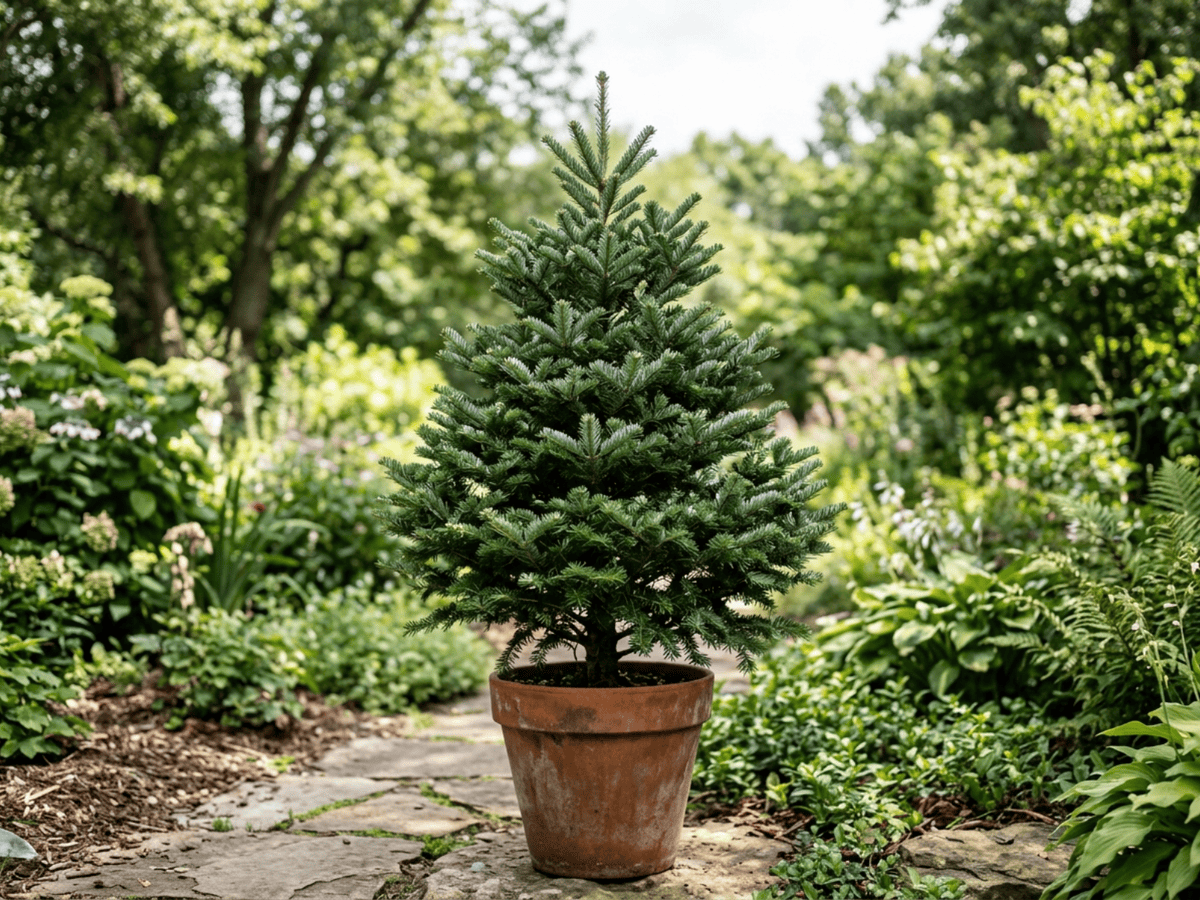 Fraser FirAbies fraseri
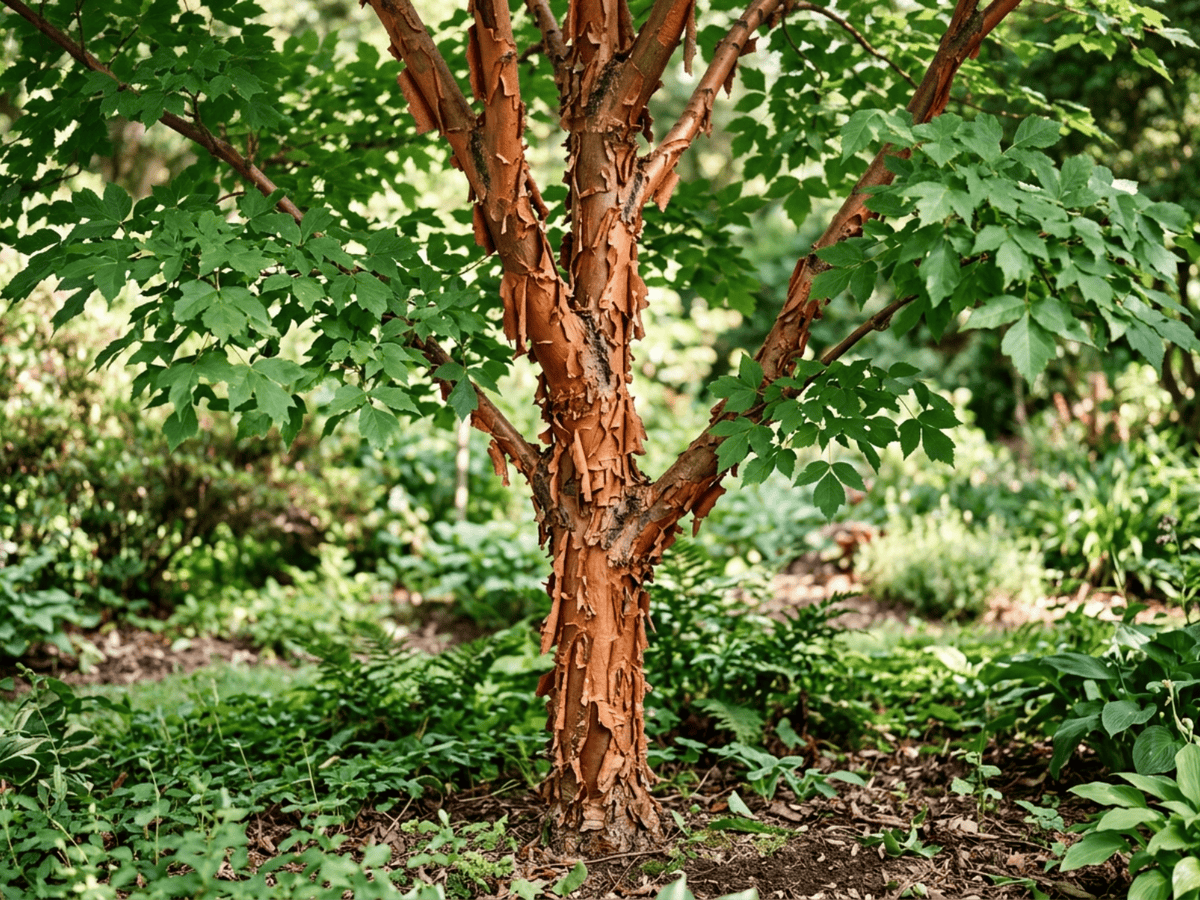 Paperbark MapleAcer griseum
 Sugar MapleAcer saccharum
Frequently asked questions
How often should I water Blue Torch Cactus?
In summer, water about every 10 days; in winter, about every 45 days. Adjust for heat, pot size and drainage.
How much light does Blue Torch Cactus need?
Full sun: 6+ hrs direct. Watch the leaves — scorching or stretching means the light needs adjusting.
Is Blue Torch Cactus toxic to cats or dogs?
Pets Safe (Dogs Safe · Cats Safe) Educational information, not medical or veterinary advice. If exposure is suspected, contact a doctor or veterinarian.
Is Blue Torch Cactus easy to grow?
It is moderately demanding: a good choice once you have a little experience.
When does Blue Torch Cactus bloom?
It typically blooms Jun–Aug in the Northern Hemisphere.
YardMate
Identify any plant in seconds
Snap a photo — YardMate names the plant, diagnoses problems, and reminds you when to water.
Download on the App Store