 YardMate


Georgia Bark
Pinckneya bracteata
Medium · Some experienceAbout Georgia Bark
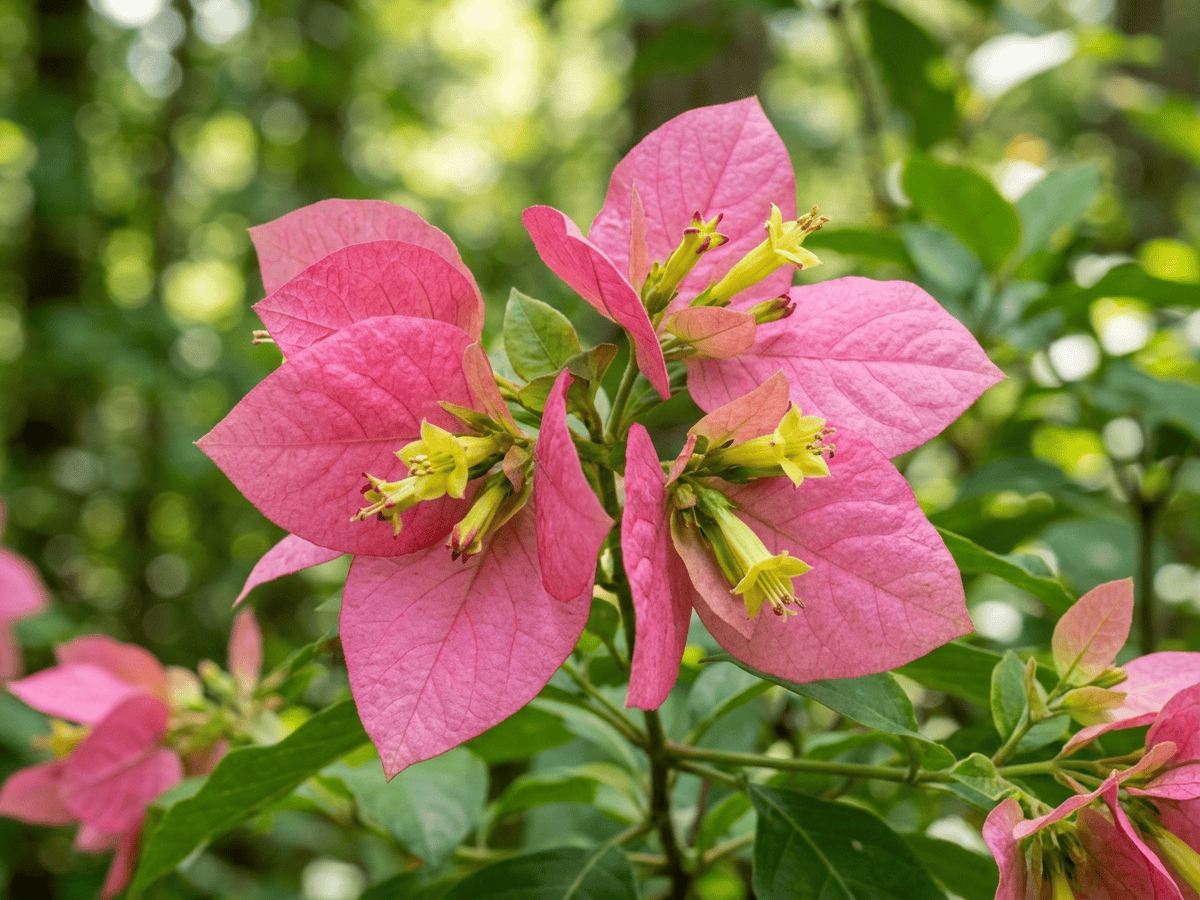
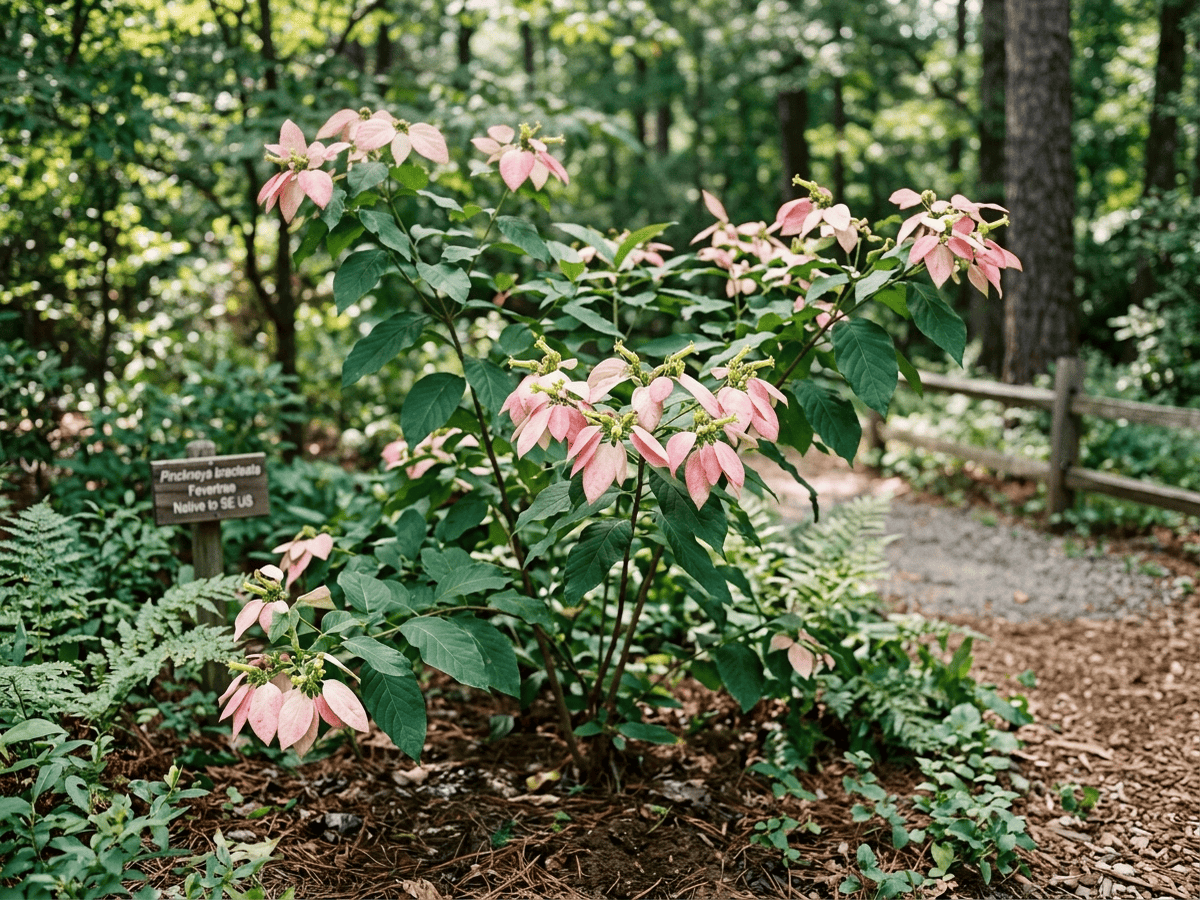
Pinckneya bracteata, Georgia bark or fevertree, is a rare southeastern US shrub or small tree native to wet acidic sites from South Carolina and Georgia into northern Florida. Its real show comes in early summer, when small yellow flowers sit inside enlarged rosy-pink to coral sepals that look like petals from a tropical fantasy. The species is related to coffee and gardenia, and its bark once gained attention as a local substitute for cinchona, though it never became a major crop. In cultivation it remains uncommon because it wants moisture, acidity, warmth, and space. For native-plant gardeners who can meet those needs, it is one of the South's most extraordinary flowering shrubs.
- Native
How to care for Georgia Bark
Watering
- Springevery 5 days
- Summerevery 4 days
- Fallevery 10 days
- Winterevery 14 days
Soil · Acidic · pH 4.5–6
- Top dressingPine needle mulch10%
- Main mixAcid-lover mix + peat 3:175%
- DrainageGravel15%
Never add lime or wood ash — it cancels out the acidity.
FERTILIZER
- Springevery 120 days
At a Glance
- NativeNorth America
- Height15–30 ft (4.6–9.1 m)
- Spread10–20 ft (3–6.1 m)
- Flower colorPink, Yellow
- Foliage colorGreen
- Fruit colorBrown
- SoilMoisture-retentive, Acidic
- LocationsYard
Bloom time
BLOOM CYCLE
Peak bloom
May–Jun
Spectacular hot-pink sepal-bract clusters in early summer
Toxicity
Humans Slight
quinine-like alkaloids
Slight
- Root
- Stem
- Ingestion
EXPOSURE Eating roots and stems.
EFFECT Bark contains cinchona-type alkaloids and large doses can cause cinchonism (tinnitus, nausea).
NOTE Historic medicinal use; bark contains bioactive alkaloids.
Unknown
EXPOSURE Unspecified plant material.
EFFECT Toxic effects are not specified.
NOTE Toxicity for dogs is not well documented; use caution until verified.
Unknown
EXPOSURE Unspecified plant material.
EFFECT Toxic effects are not specified.
NOTE Toxicity for cats is not well documented; use caution until verified.
Educational information, not medical or veterinary advice. If exposure is suspected, contact a doctor or veterinarian.
DISTRIBUTION


- Native
- North America
History
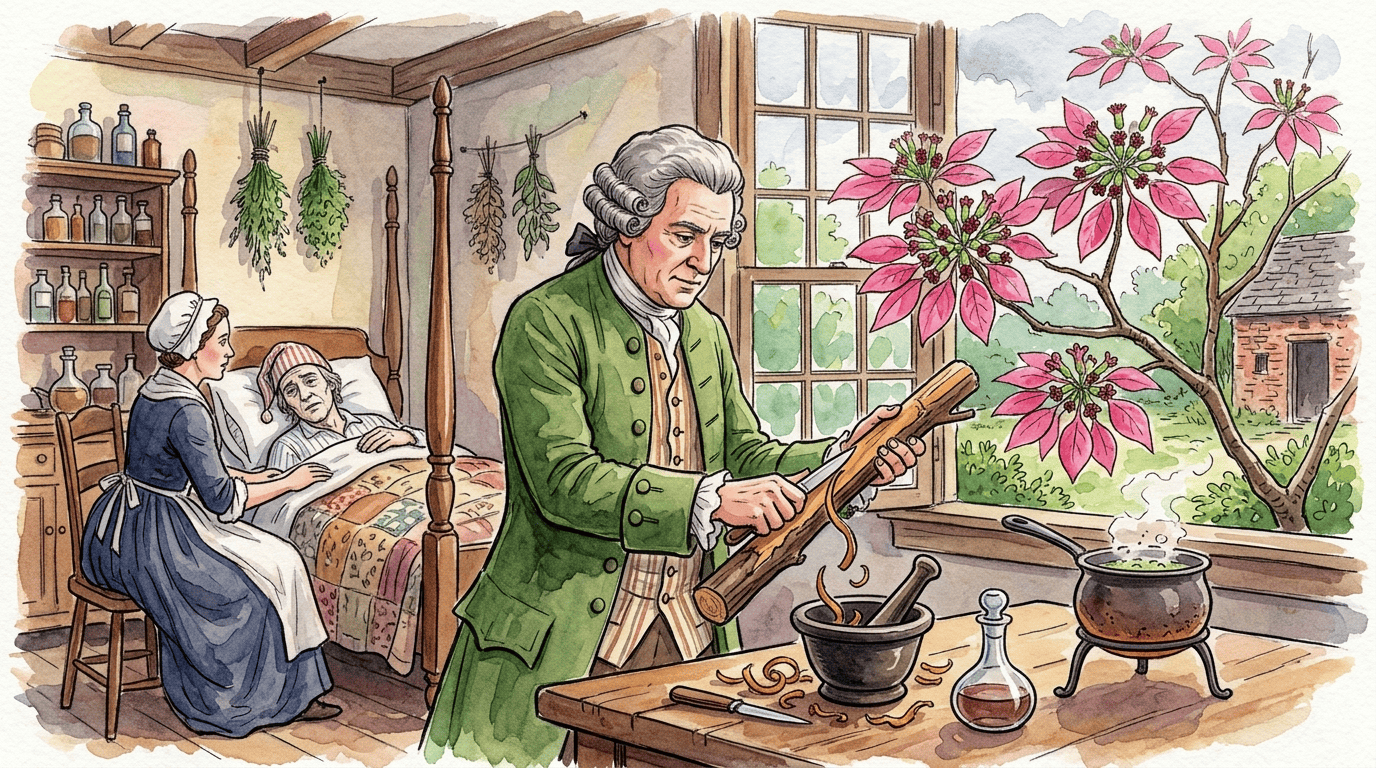
Pinckneya bracteata, known as fevertree or Georgia bark, is a small deciduous tree native to wet sandy pinelands and streamheads from South Carolina through Georgia to north Florida. French naturalist André Michaux collected it in the 1790s, and the genus was named for Charles Cotesworth Pinckney, a South Carolina statesman. The bark contains quinine-like alkaloids, and colonial physicians used decoctions to treat malaria during the 18th and 19th centuries; it was an official United States Pharmacopoeia remedy until cinchona-derived quinine became readily available.
Its showy pink leaflike bracts surrounding small tubular flowers make it one of the most ornamental southeastern natives, though it is still rare in commercial horticulture due to specific moist acidic soil needs. Used by Indigenous peoples and early settlers as a treatment for fevers (a substitute for quinine).
Among the rarest and most spectacular native flowering trees of the Southeast.
Symbolism & meaning
What It Symbolizes
Georgia Bark is a rare southern astonishment. Pink to coral bracts flare around small yellow flowers, giving a native wetland shrub the air of something tropical and improbable. Its old fever-bark history adds atmosphere, but its symbolism is rediscovery: a local plant that still feels like a secret.
- Healing — traditional malaria fever treatment
- Splendor — tropical-looking blooms on a native plant
Where the Name Comes From
'Pinckneya' honors Charles Cotesworth Pinckney (1746-1825); 'bracteata' refers to the showy bracts.
Uses & Fun Facts
- Showy pink bracts make rare native focal point
Related plants
Plants with similar care
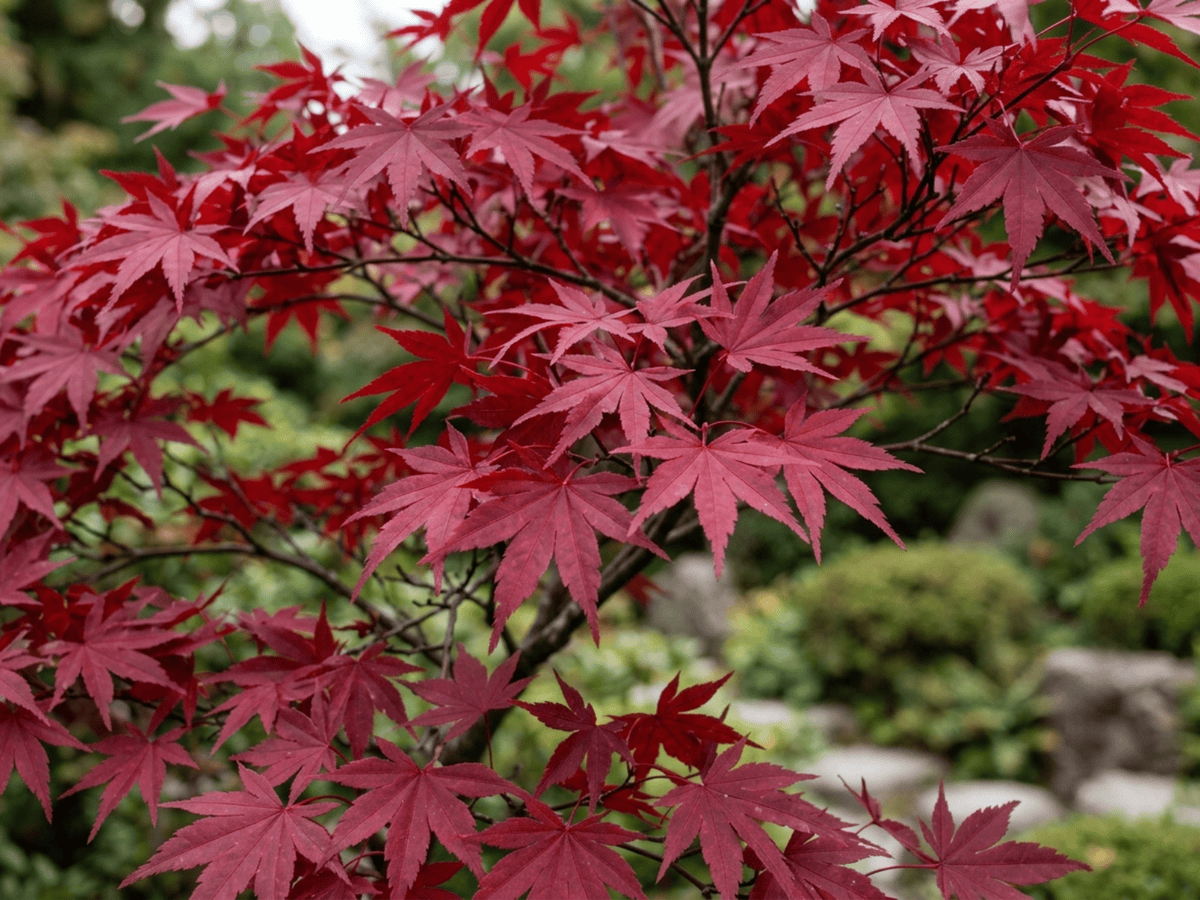 Japanese MapleAcer palmatum
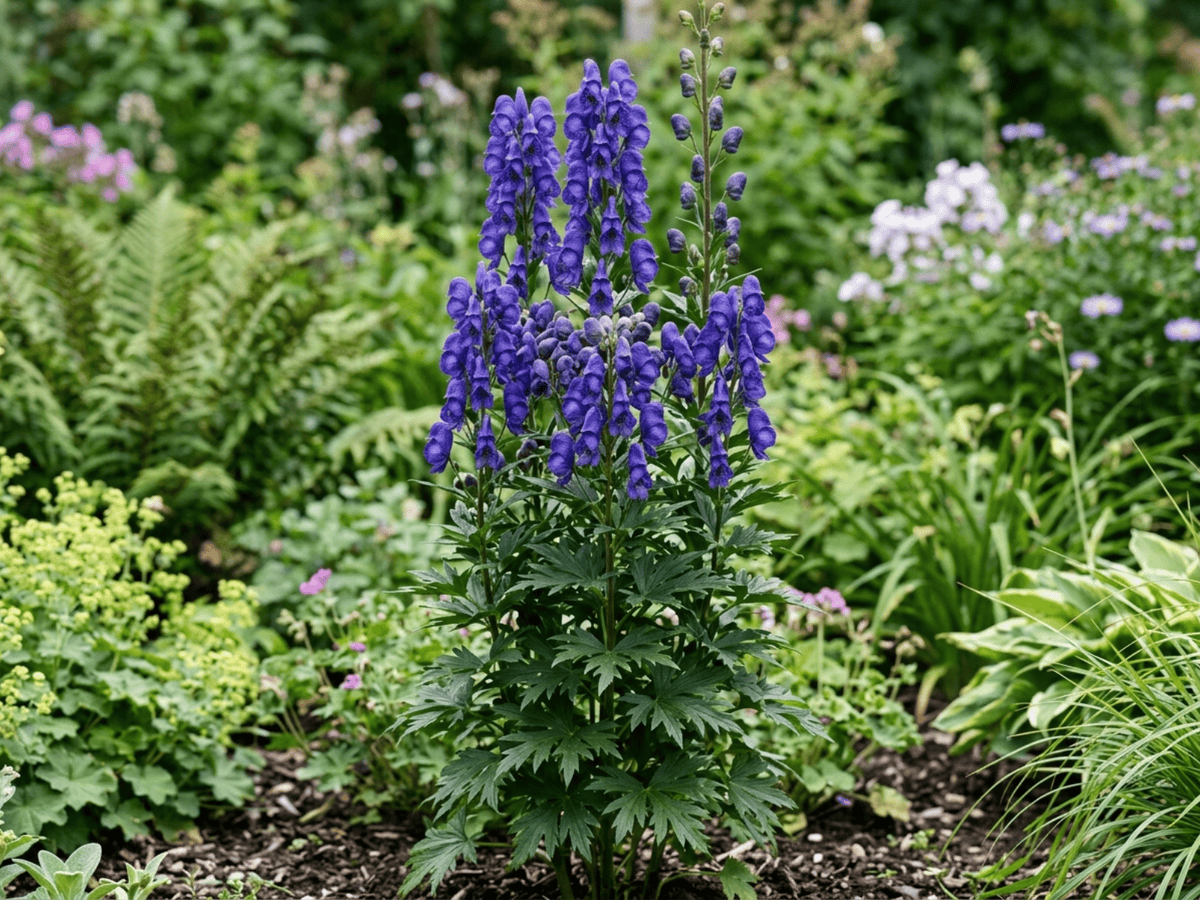 Azure MonkshoodAconitum carmichaelii
 Florida HobblebushAgarista populifolia
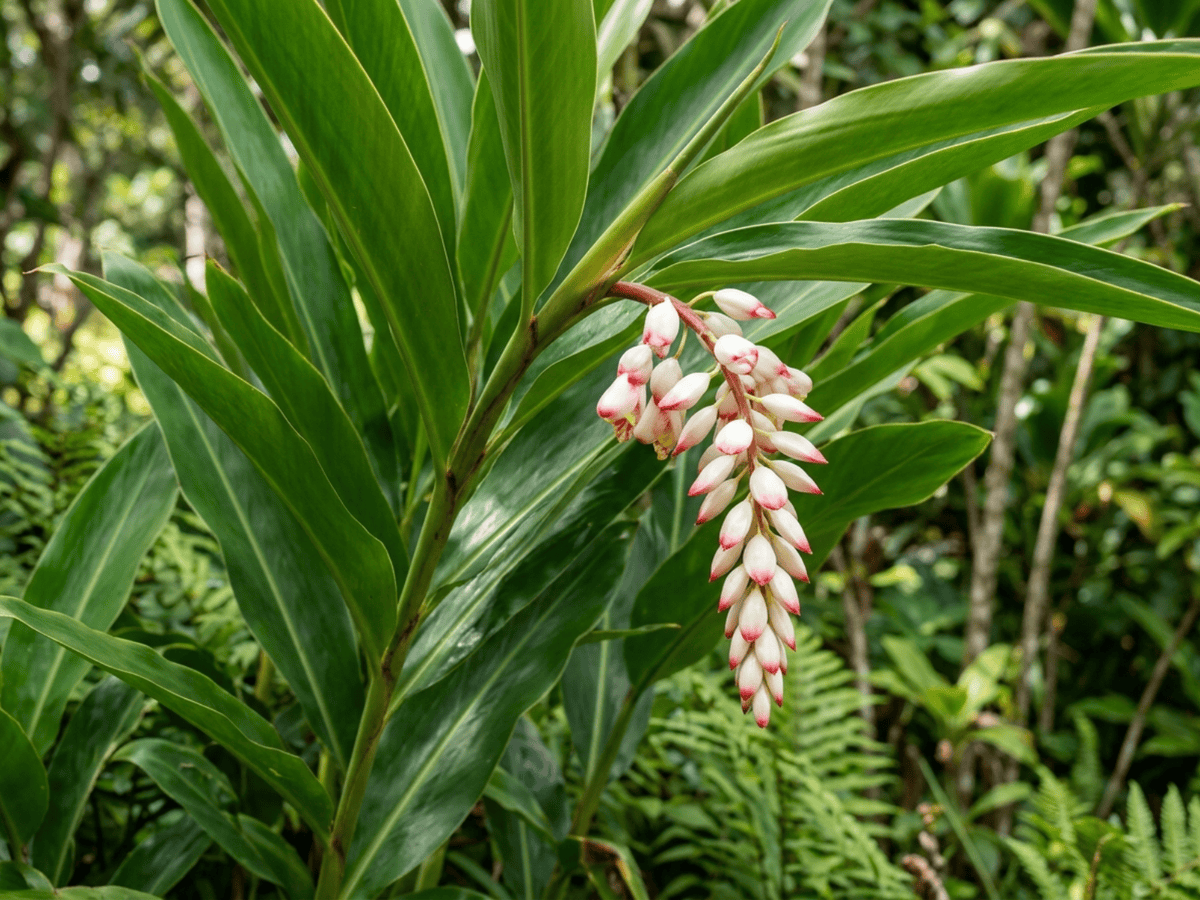 Shell GingerAlpinia zerumbet
Frequently asked questions
How often should I water Georgia Bark?
In summer, water about every 4 days; in winter, about every 14 days. Adjust for heat, pot size and drainage.
How much light does Georgia Bark need?
Part shade: 2–4 hrs direct. Watch the leaves — scorching or stretching means the light needs adjusting.
Is Georgia Bark toxic to cats or dogs?
Pets Unknown (Dogs Unknown · Cats Unknown) Educational information, not medical or veterinary advice. If exposure is suspected, contact a doctor or veterinarian.
Is Georgia Bark easy to grow?
It is moderately demanding: a good choice once you have a little experience.
When does Georgia Bark bloom?
It typically blooms May–Jun in the Northern Hemisphere.
YardMate
Identify any plant in seconds
Snap a photo — YardMate names the plant, diagnoses problems, and reminds you when to water.
Download on the App Store