 YardMate


Elkhorn Fern
Platycerium bifurcatum
Medium · Some experienceAbout Elkhorn Fern
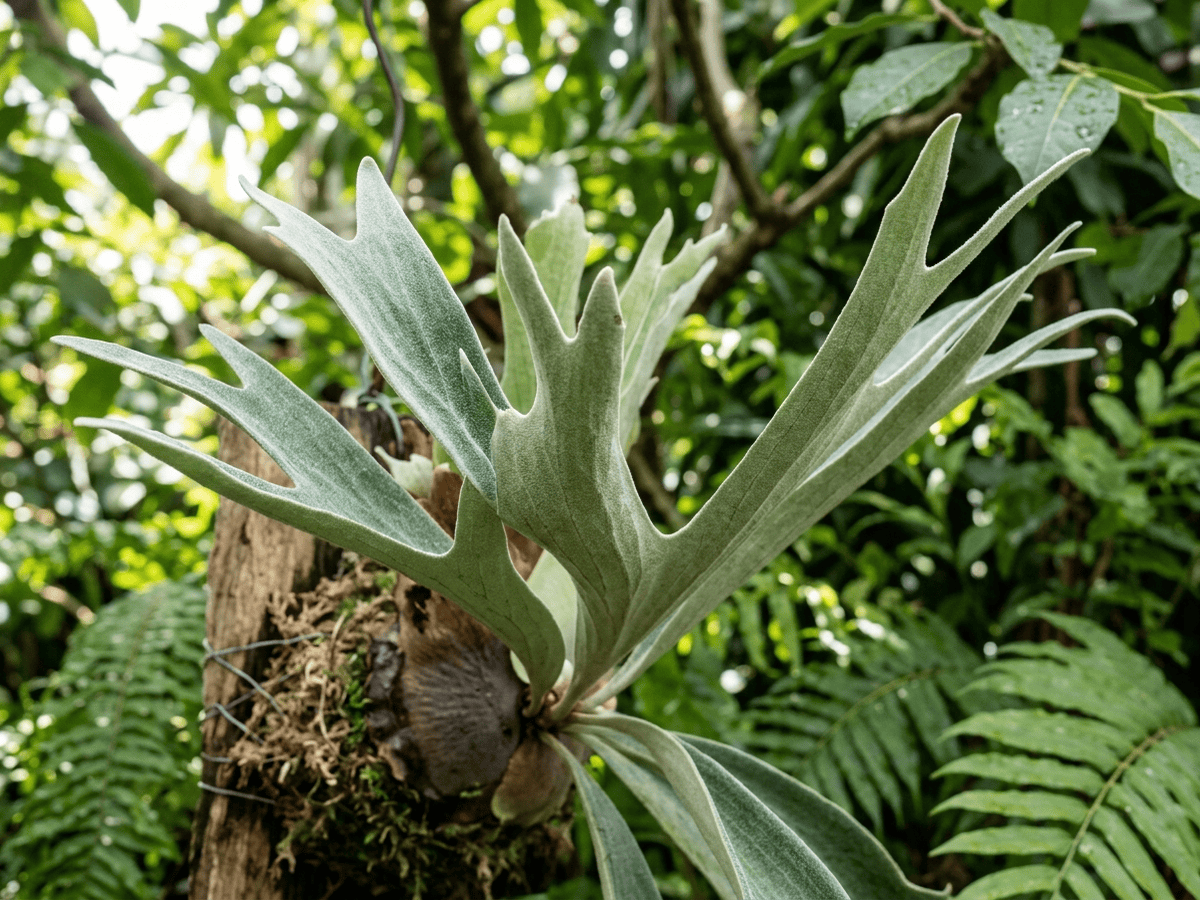
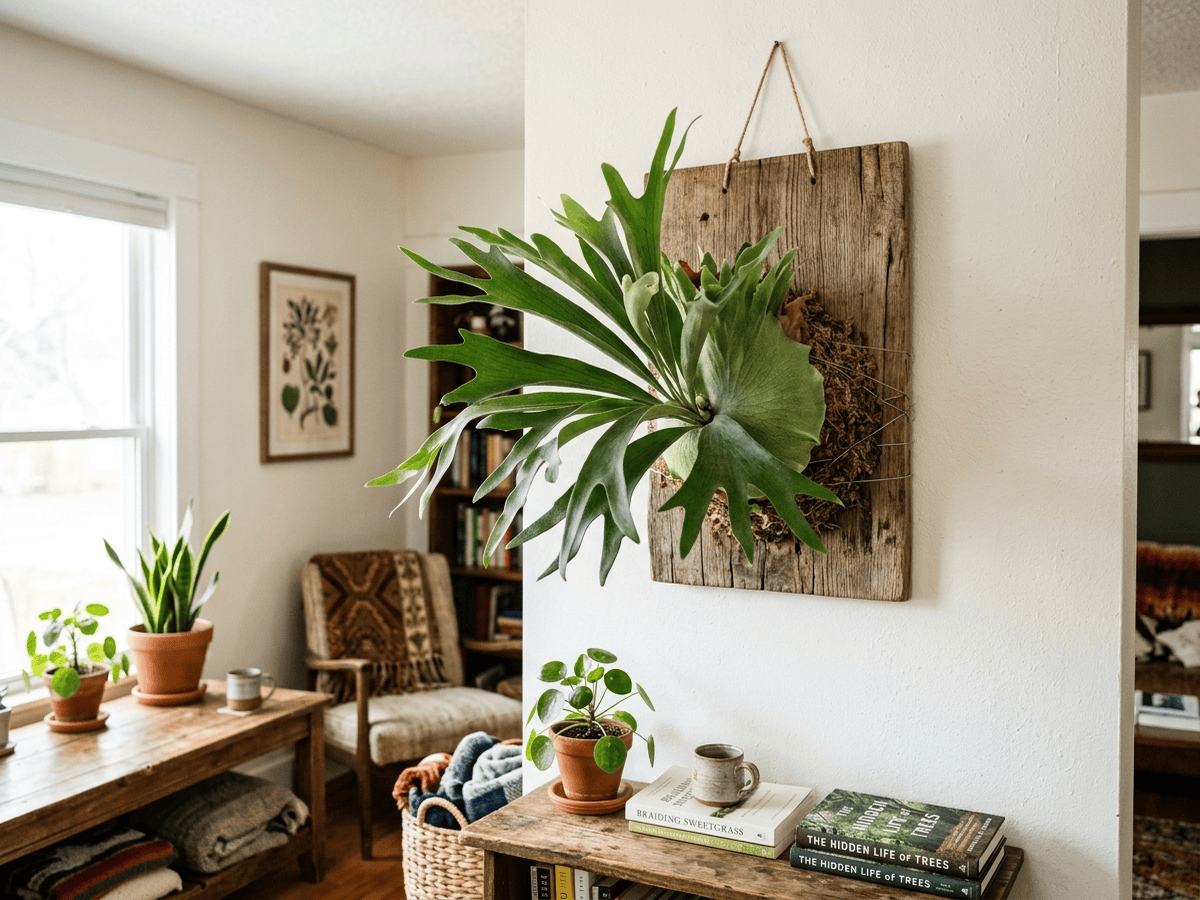
Platycerium bifurcatum, the staghorn fern, is an epiphytic fern that looks more like mounted antler art than a typical plant. It produces two types of fronds: flat, round shield fronds that attach to trees or mounting boards, and forked, antler-like fertile fronds that extend outward. Native to Australia and New Guinea, it grows on tree trunks in rainforests, gathering nutrients from decomposing debris collected in its shield fronds. Mounted on wooden boards, it becomes a striking living wall sculpture. It needs bright indirect light and regular misting.
- Architectural
How to care for Elkhorn Fern
Watering
- Springevery 7 days
- Summerevery 5 days
- Fallevery 10 days
- Winterevery 14 days
Soil · Moisture-retentive
- Top dressingSphagnum moss10%
- Main mixPeat + coco coir 1:180%
- DrainagePerlite / gravel10%
Keep it evenly moist — but the drainage layer still matters.
FERTILIZER
Balanced Feed 14-14-14
An even feed covers all three needs at once, keeping leaves, roots and blooms moving together with nothing pushed out of balance.
- Nitrogen · Leaves
- Phosphorus · Roots + Blooms
- Potassium · Strength
- Springevery 30 days
- Summerevery 30 days
- Fallevery 60 days
At a Glance
- NativeSoutheast Asia, Australasia
- Height2–3 ft (0.6–0.9 m)
- Spread2–3 ft (0.6–0.9 m)
- Foliage colorGreen
- SoilWell-drained
- LocationsIndoor
Bloom time
BLOOM CYCLE
Ferns do not flower; brown spore patches on fertile fronds are normal
Fragrance
NO FRAGRANCE
Ferns do not flower.
Toxicity
No toxicity has been reported for this plant. Still, it is wise to keep pets from chewing on any houseplant.
Educational information, not medical or veterinary advice. If exposure is suspected, contact a doctor or veterinarian.
DISTRIBUTION


- Native
- Introduced
- Southeast Asia
- Australasia
History

Platycerium bifurcatum is native to Java, New Guinea, and eastern Australia, where it grows as a tree-mounted epiphyte producing two wildly different frond types in the same plant — a feature called dimorphism. Round shield-shaped sterile fronds press flat against the host tree, catching falling leaves and water to form a nutrient-rich nest, while the antler-shaped fertile fronds extend outward and bear spores on brown felted patches underneath. This arrangement is unique enough among ferns that collectors have prized the species since the early 19th century.
It is typically mounted on wood rather than potted, imitating its natural growth habit. Confirmed non-toxic to pets by the ASPCA. Staghorn ferns have grown on trees for millions of years — fossil records show related species in deposits over 60 million years old.
Indigenous Australians recognized different species and used the large shield fronds for carrying water and food. In tropical gardens, massive staghorn colonies can weigh hundreds of kilograms, entirely engulfing the host tree trunk. The world's most valuable staghorn is Platycerium wandae from New Guinea, with specimens selling for thousands of dollars. In the 1970s, mounted staghorns became a design trend, gracing the walls of modernist homes and restaurants — a trend that has returned strongly since 2020.
Symbolism & meaning
What It Symbolizes
The Elkhorn Fern makes visible courage, growing boldly on bare branches and rough bark with no soil at all. Its very existence is a quiet act of bravery — a fern that has chosen to live where ferns are not supposed to thrive, drawing nutrients from rain, dust, and air. To grow it on a board or in a basket is to honor a plant that decided, somewhere along its evolution, to stop waiting for ground.
- Courage — Growing boldly on bare surfaces with no soil represents bravery and independence
Where the Name Comes From
The name Elkhorn Fern describes its fernlike fronds. Platycerium from Greek 'platys' (flat) and 'keras' (horn), describing the antler-shaped fronds. Bifurcatum means 'twice-forked.'
Uses & Fun Facts
- Lush fern foliage softens shaded woodland gardens
Related plants
Plants with similar care
 Japanese MapleAcer palmatum
 Alocasia zebrinaAlocasia zebrina
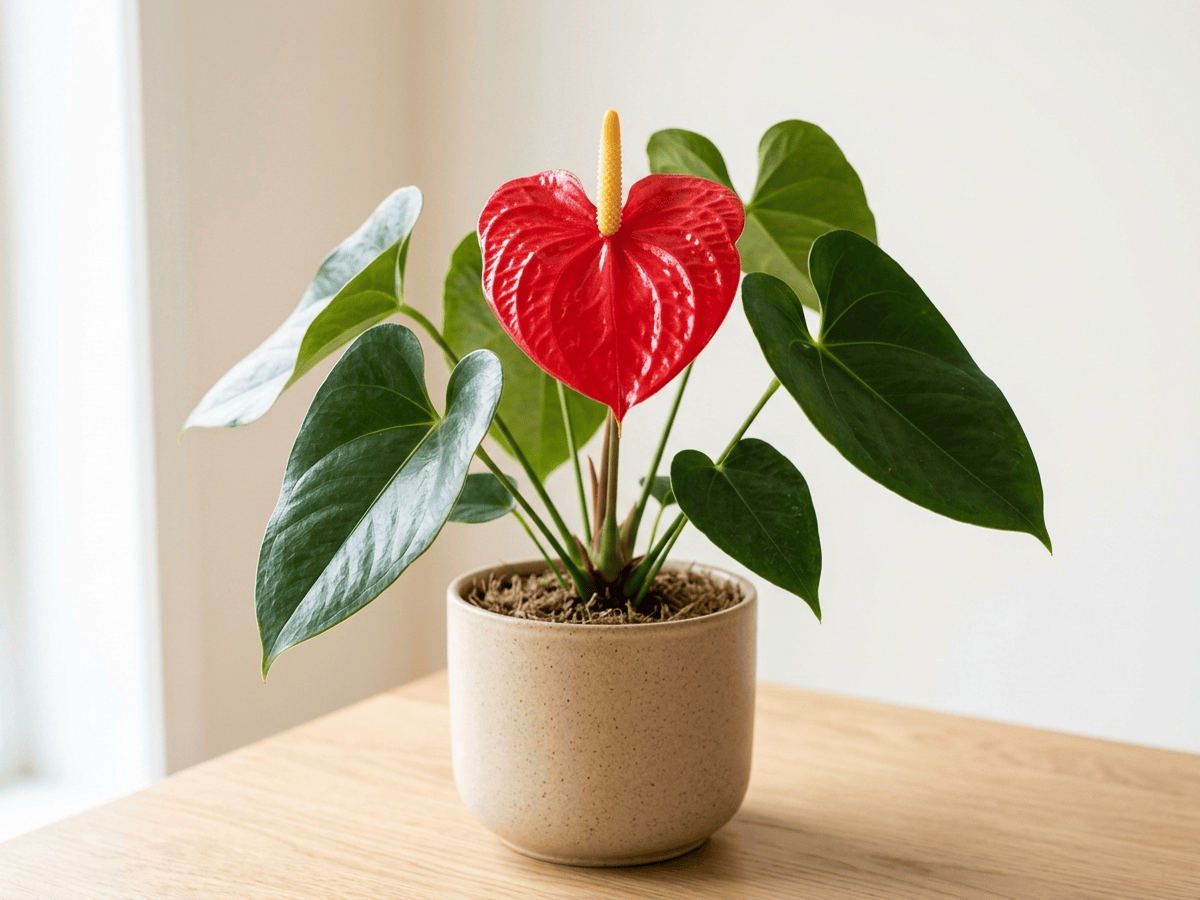 Painter's-PaletteAnthurium andraeanum
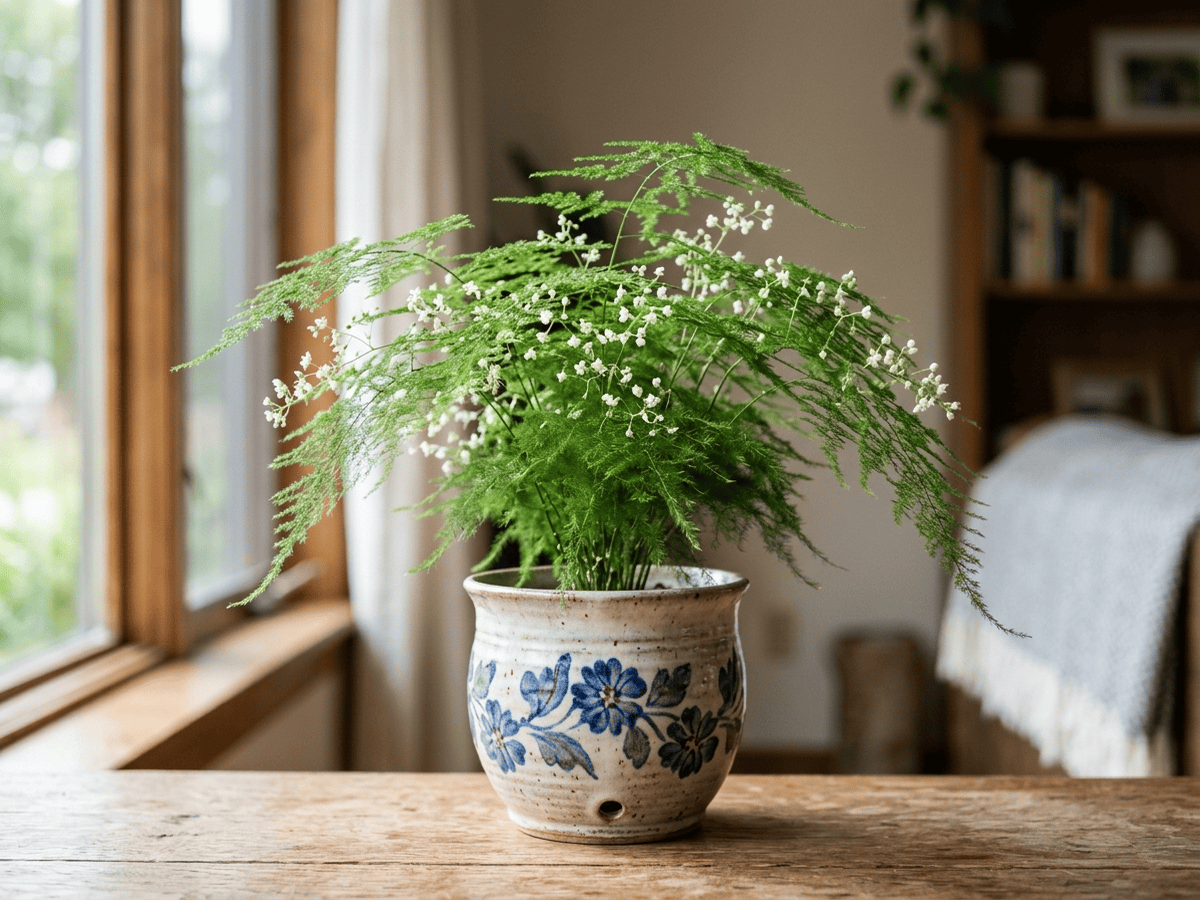 Common Asparagus FernAsparagus setaceus
Frequently asked questions
How often should I water Elkhorn Fern?
In summer, water about every 5 days; in winter, about every 14 days. Adjust for heat, pot size and drainage.
How much light does Elkhorn Fern need?
Part shade: 2–4 hrs direct. Watch the leaves — scorching or stretching means the light needs adjusting.
Is Elkhorn Fern toxic to cats or dogs?
No toxicity has been reported for this plant. Still, it is wise to keep pets from chewing on any houseplant. Educational information, not medical or veterinary advice. If exposure is suspected, contact a doctor or veterinarian.
Is Elkhorn Fern easy to grow?
It is moderately demanding: a good choice once you have a little experience.
Can Elkhorn Fern be grown indoors?
Yes, it adapts well to indoor growing given the right light.
YardMate
Identify any plant in seconds
Snap a photo — YardMate names the plant, diagnoses problems, and reminds you when to water.
Download on the App Store