 YardMate


Silver Spurflower
Plectranthus argentatus
Easy · Beginner friendlyAbout Silver Spurflower
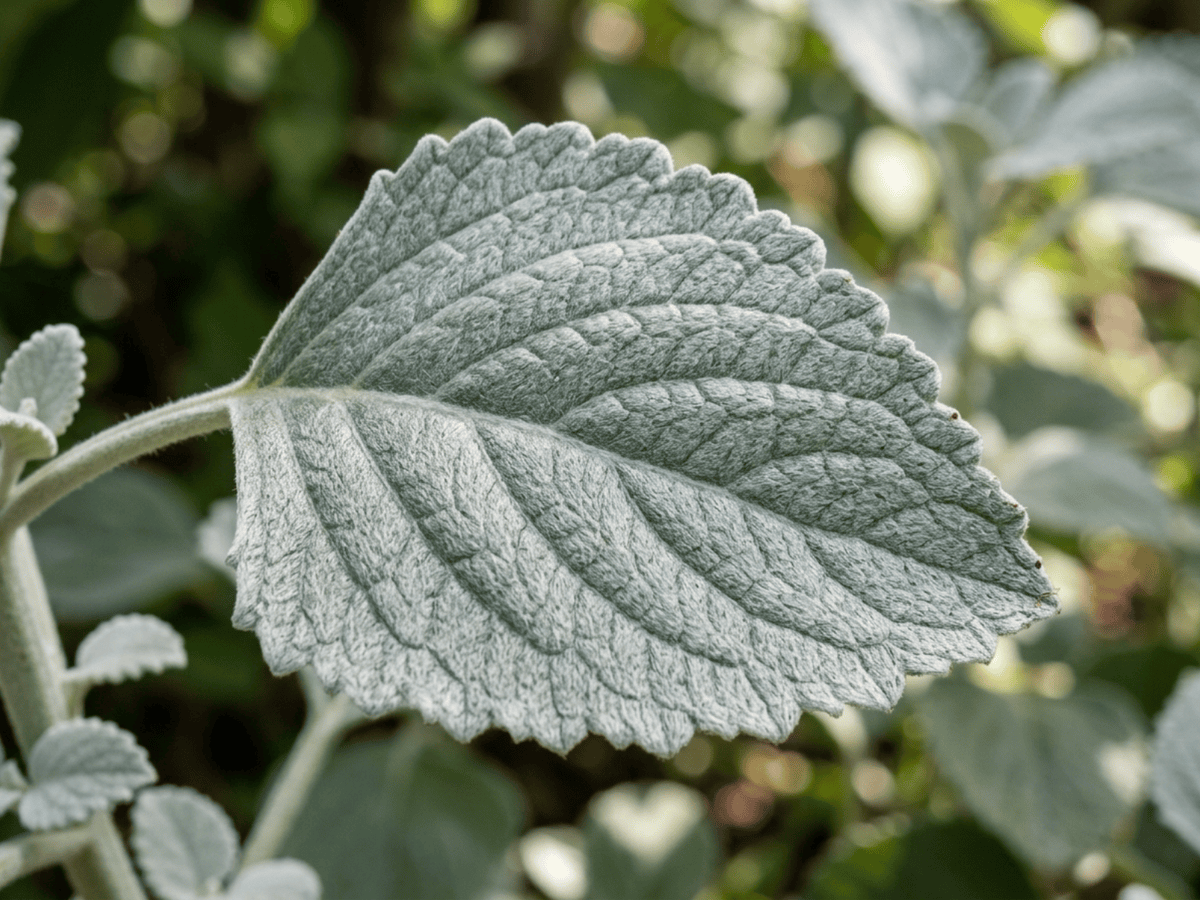
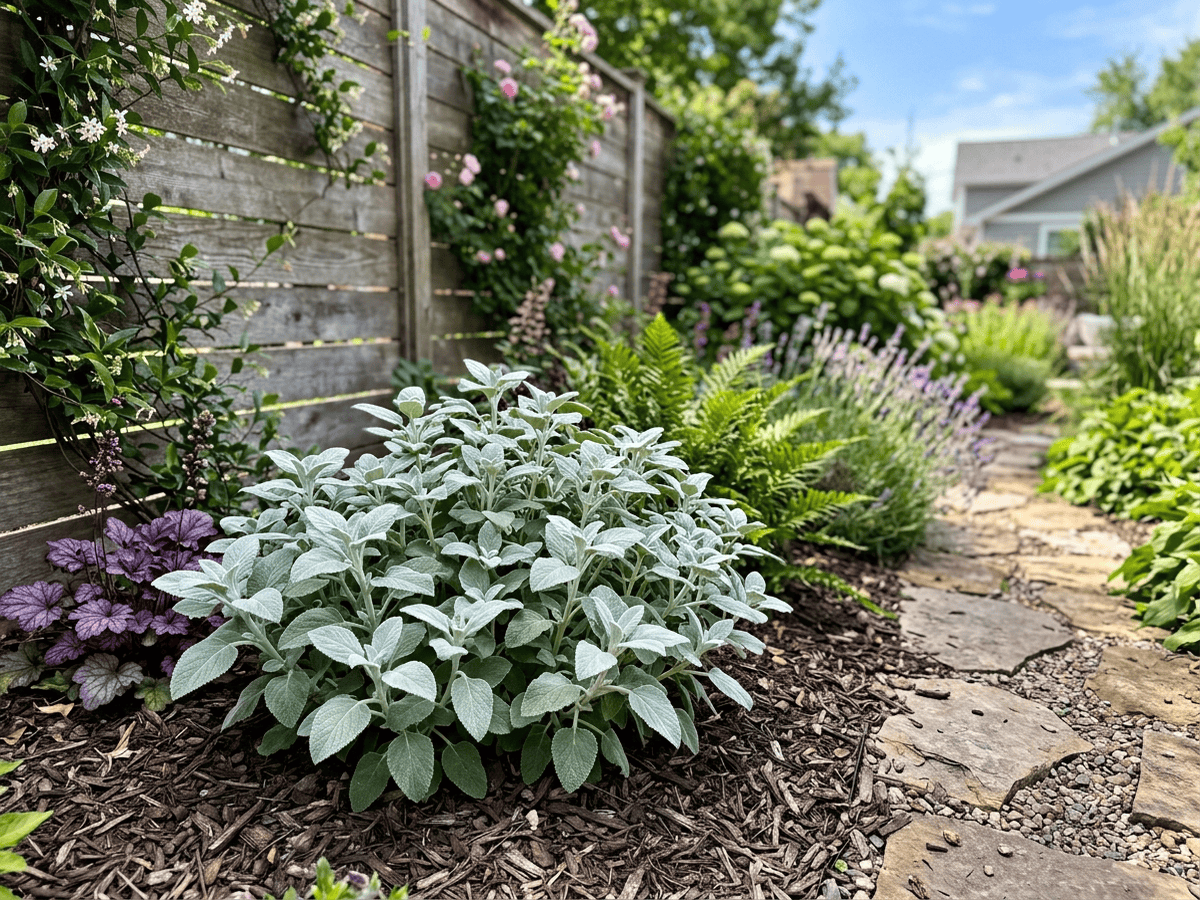
Silver Spurflower is a tender perennial from Australia, grown as a foliage annual in most US zones. Upright plants reach 2–3 feet with large, velvety silver-gray leaves and occasional pale lavender flower spikes in late summer. A superb 'thriller' in mixed containers and a standout specimen in mixed borders for its shimmering silver foliage that brightens shady corners. Tolerates partial shade better than most silver-leaved plants.
- Shade-tolerant
- Container-friendly
- Architectural
How to care for Silver Spurflower
Watering
- Springevery 5 days
- Summerevery 4 days
- Fallevery 10 days
- Winterevery 30 days
Soil · Well-draining
- Top dressingPine bark mulch10%
- Main mixPotting soil + perlite 2:170%
- DrainageLECA / gravel20%
Never skip the drainage layer — standing water is the top cause of root rot.
FERTILIZER
Balanced Feed 14-14-14
An even feed covers all three needs at once, keeping leaves, roots and blooms moving together with nothing pushed out of balance.
- Nitrogen · Leaves
- Phosphorus · Roots + Blooms
- Potassium · Strength
- Springevery 21 days
- Summerevery 21 days
At a Glance
- NativeAustralasia
- Height2–3 ft (0.6–0.9 m)
- Spread2–3 ft (0.6–0.9 m)
- Flower colorBlue, Purple
- Foliage colorSilver, Green
- SoilLoamy, Well-drained
- LocationsYard · Balcony
Bloom time
BLOOM CYCLE
Peak bloom
Jun–Sep
Occasional pale lavender spikes in late summer
Fragrance
LIGHT FRAGRANCE
Mild herbaceous scent from crushed leaves.
Toxicity
Pets Slight
Unknown toxic principle
Not reported
EXPOSURE No exposure route is reported.
EFFECT No significant toxicity.
NOTE No human toxicity is reported in this catalog; avoid eating ornamental plants unless confirmed edible.
Slight
- Leaf
- Ingestion
EXPOSURE Eating leaves.
EFFECT Mild GI upset possible.
NOTE Not prominently listed by ASPCA.
Slight
- Leaf
- Ingestion
EXPOSURE Eating leaves.
EFFECT Same as dogs.
NOTE Not prominently listed by ASPCA.
Educational information, not medical or veterinary advice. If exposure is suspected, contact a doctor or veterinarian.
DISTRIBUTION


- Native
- Australasia
History

Plectranthus argentatus is native to rainforest margins, rocky outcrops, and open forest edges of northeastern Australia — particularly inland Queensland and northern New South Wales — growing as a sprawling subshrub 60-90 cm tall. The species epithet "argentatus" means "silvered," referring to the distinctive silvery-gray soft-fuzzy foliage that is the plant's primary ornamental feature. Leaves are ovate, opposite, up to 15 cm long, and covered in fine silvery-white hairs that give the entire plant a luminous silver appearance particularly striking in evening light or against dark backgrounds.
Small pale-blue two-lipped flowers on short spikes appear in late summer and autumn but are not the reason the plant is grown. Its horticultural rise came with the "Silver Shield" cultivar, a compact upright selection with especially intense silver foliage that became a staple of American and Australian summer container planting through the 1990s and 2000s. Widely used as a bold foliage accent in tropical-style summer gardens, mixed containers, and designer border schemes.
Hardy to approximately USDA zone 9; grown as a tender perennial or replanted annually from cuttings in colder climates. Easily propagated from soft-tip cuttings. Prefers partial shade and well-drained soil; tolerates considerable drought.
Symbolism & meaning
What It Symbolizes
Silver Spurflower makes visible quiet strength through its large velvety silver leaves that project a calm, grounded presence wherever it is placed. Its elegance lies in texture rather than flower, the soft sheen of it foliage evoking refinement without ostentation. It is the bloom of restful authority, a foliage plant whose meaning is the way a single specimen can soften a whole composition, lending the grace of metallic light to plantings dominated by green.
- Quiet strength — large silver leaves project calm presence
- Elegance — velvety texture evokes refinement
Where the Name Comes From
Genus from Greek 'plektron' (spur) and 'anthos' (flower); 'argentatus' means 'silvery'.
Uses & Fun Facts
- Velvety silver leaves star as container thriller
- Bold foliage accent for shaded summer borders
Related plants
Plants with similar care
 Red BuckeyeAesculus pavia
 Blue BugleAjuga genevensis
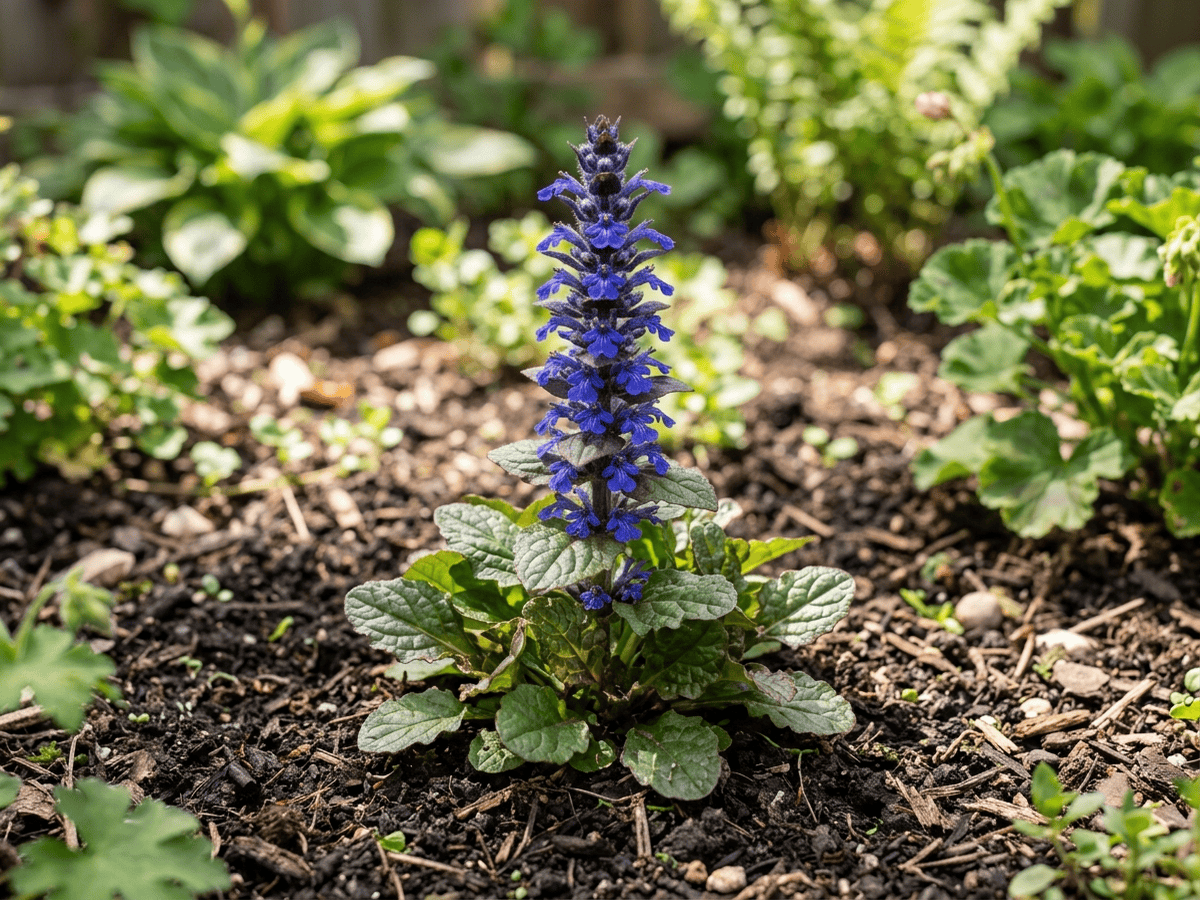 Pyramidal BugleAjuga pyramidalis
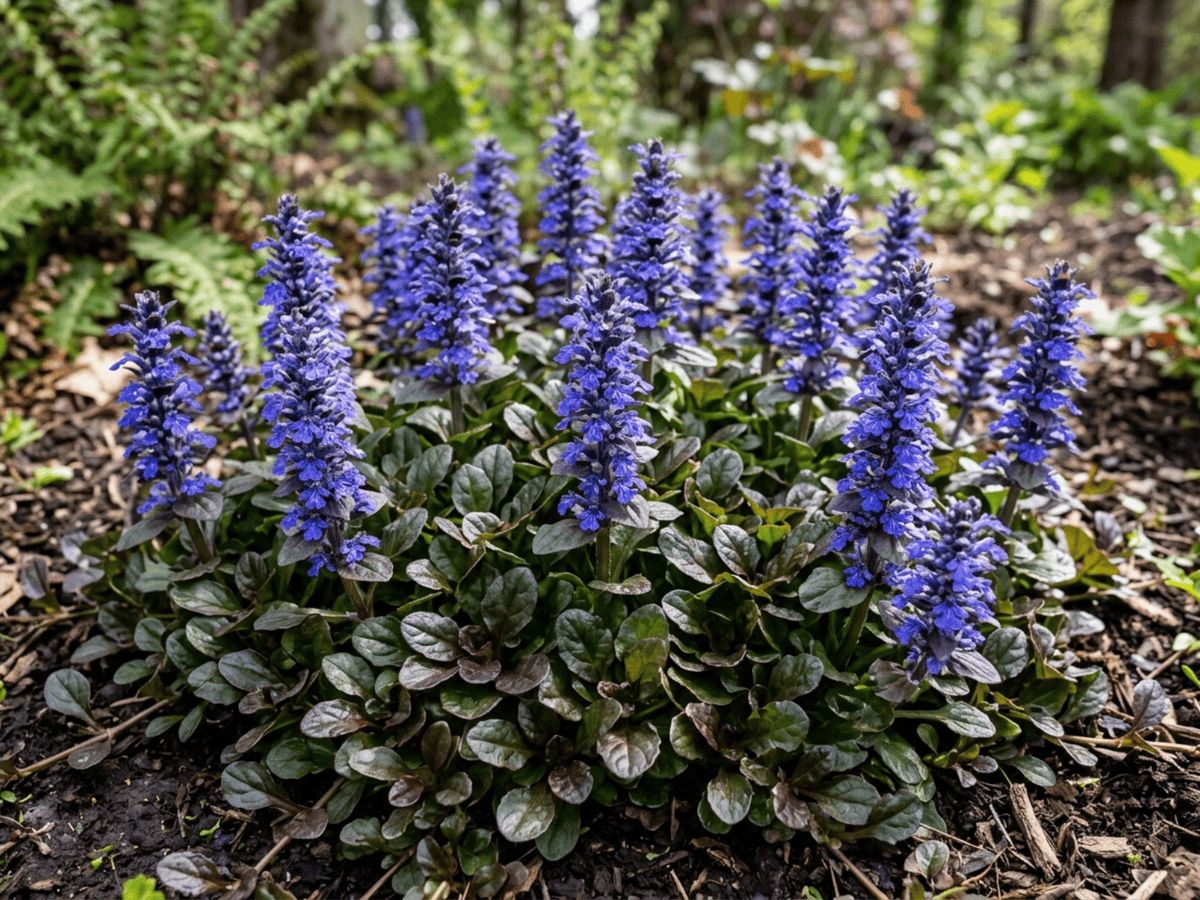 Carpet BugleAjuga reptans
Frequently asked questions
How often should I water Silver Spurflower?
In summer, water about every 4 days; in winter, about every 30 days. Adjust for heat, pot size and drainage.
How much light does Silver Spurflower need?
Part shade: 2–4 hrs direct. Watch the leaves — scorching or stretching means the light needs adjusting.
Is Silver Spurflower toxic to cats or dogs?
Pets Slight (Dogs Slight · Cats Slight) Educational information, not medical or veterinary advice. If exposure is suspected, contact a doctor or veterinarian.
Is Silver Spurflower easy to grow?
Yes — it is considered an easy, beginner-friendly plant.
When does Silver Spurflower bloom?
It typically blooms Jun–Sep in the Northern Hemisphere.
YardMate
Identify any plant in seconds
Snap a photo — YardMate names the plant, diagnoses problems, and reminds you when to water.
Download on the App Store