 YardMate


Mexican Plumeria
Plumeria rubra
Medium · Some experienceAbout Mexican Plumeria
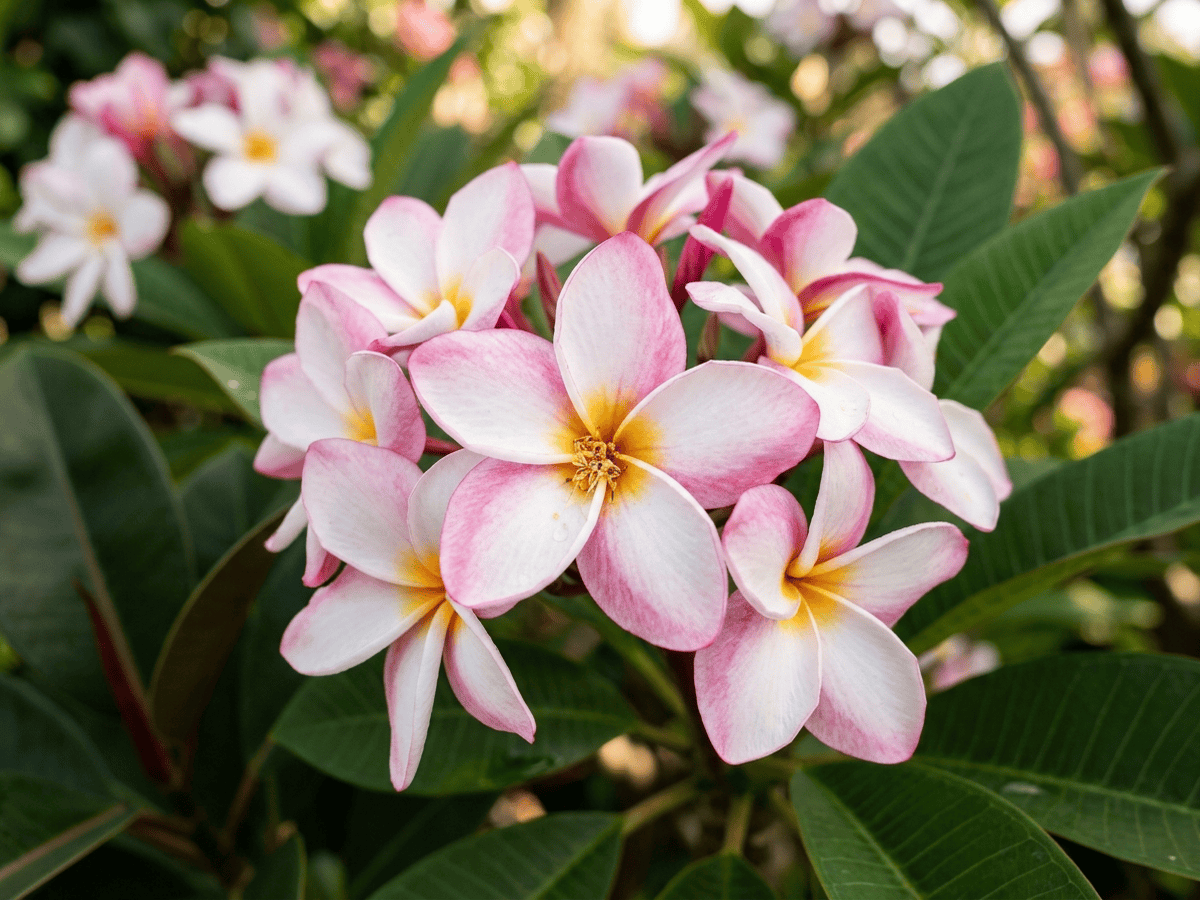
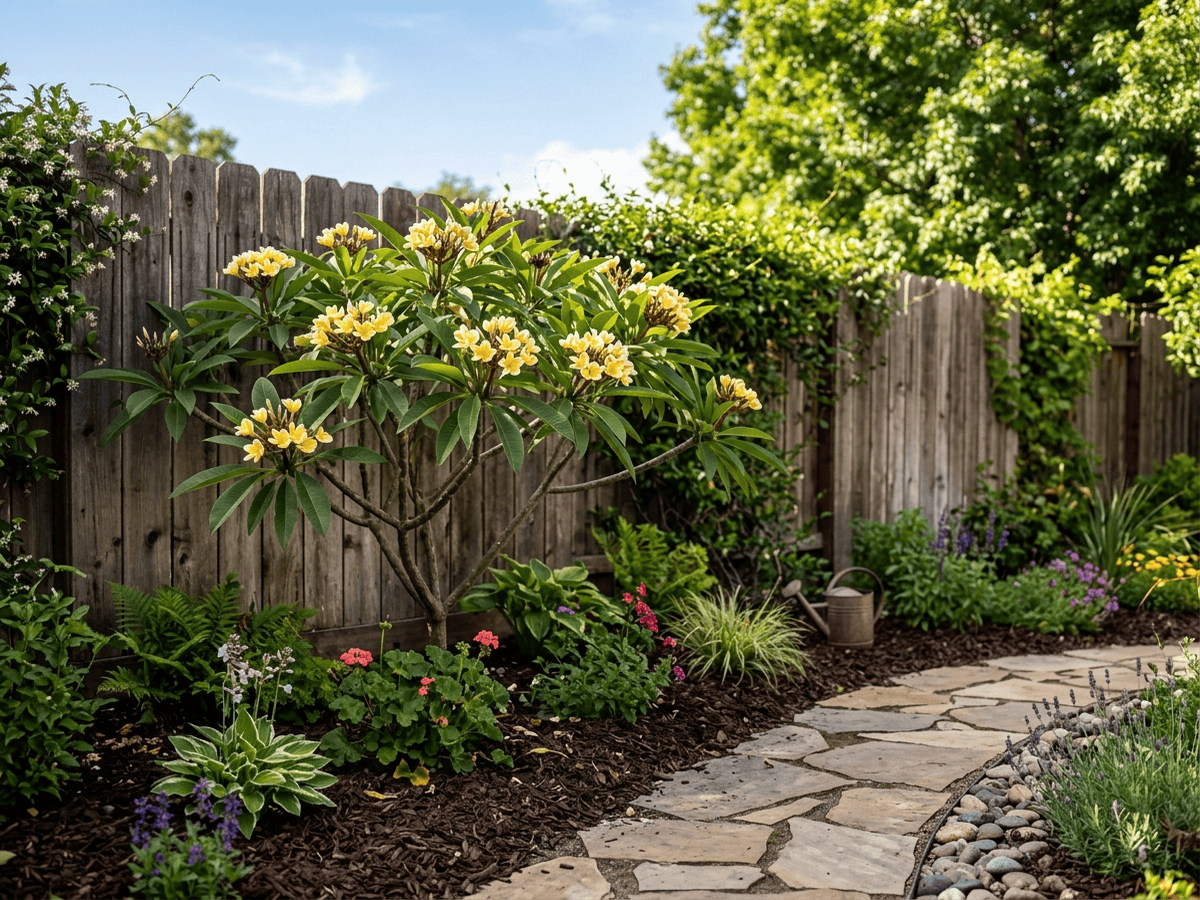
Plumeria rubra, the frangipani, produces intensely fragrant, waxy, pinwheel-shaped flowers in white, pink, red, yellow, and multicolors on thick, succulent branches. Native to Mexico, Central America, and Venezuela, it is the quintessential tropical flower, synonymous with Hawaiian leis, Balinese temple offerings, and tropical resorts. The fragrance is one of the most complex and beautiful in the plant kingdom — sweet, spicy, and citrusy. It is deciduous, losing all leaves in winter to reveal dramatic, sculptural branching. Cuttings root easily, and the milky sap can irritate skin.
- Fragrant
- Tropical
How to care for Mexican Plumeria
Watering
- Springevery 7 days
- Summerevery 5 days
- Fallevery 10 days
- Winterevery 21 days
Soil · Fast-draining
- Main mixSand + pumice + soil 1:1:150%
- DrainagePumice / gravel50%
Keep grit at half the mix or more — this soil is meant to dry out fast.
FERTILIZER
Bloom Booster 10-52-10
A phosphorus-forward feed fuels abundant blooms, with just enough nitrogen and potassium to keep foliage and roots steady.
- Nitrogen · Leaves
- Phosphorus · Roots + Blooms
- Potassium · Strength
- Springevery 30 days
- Summerevery 30 days
At a Glance
- NativeNorth America, Central America, South America
- Height15–25 ft (4.6–7.6 m)
- Spread10–20 ft (3–6.1 m)
- Flower colorWhite, Pink, Yellow, Red
- Foliage colorGreen
- SoilSandy, Well-drained
- LocationsBalcony · Yard
Bloom time
BLOOM CYCLE
Peak bloom
Dec–Feb
Incredibly fragrant pinwheel flowers; needs warmth and sun; deciduous in winter — normal
Fragrance
STRONG FRAGRANCE
Iconic tropical sweet-creamy-gardenia fragrance strongest at night; major perfumery note.
Toxicity
Humans Moderate · Pets Moderate
plumericin and iridoid glycosides
Moderate
- Sap
- Contact
EXPOSURE Touching sap.
EFFECT Milky sap causes skin and eye irritation and ingestion rare and mostly emetic.
NOTE Milky latex irritates skin, eyes, mucous membranes.
Moderate
- All
- Ingestion
EXPOSURE Eating any part of the plant.
EFFECT Vomiting, diarrhea, skin irritation from sap.
NOTE Milky latex irritates skin, eyes, mucous membranes.
Moderate
- All
- Ingestion
EXPOSURE Eating any part of the plant.
EFFECT Vomiting, diarrhea, skin irritation from sap.
NOTE Milky latex irritates skin, eyes, mucous membranes.
Educational information, not medical or veterinary advice. If exposure is suspected, contact a doctor or veterinarian.
DISTRIBUTION


- Native
- Introduced
- North America
- Central America
- South America
History
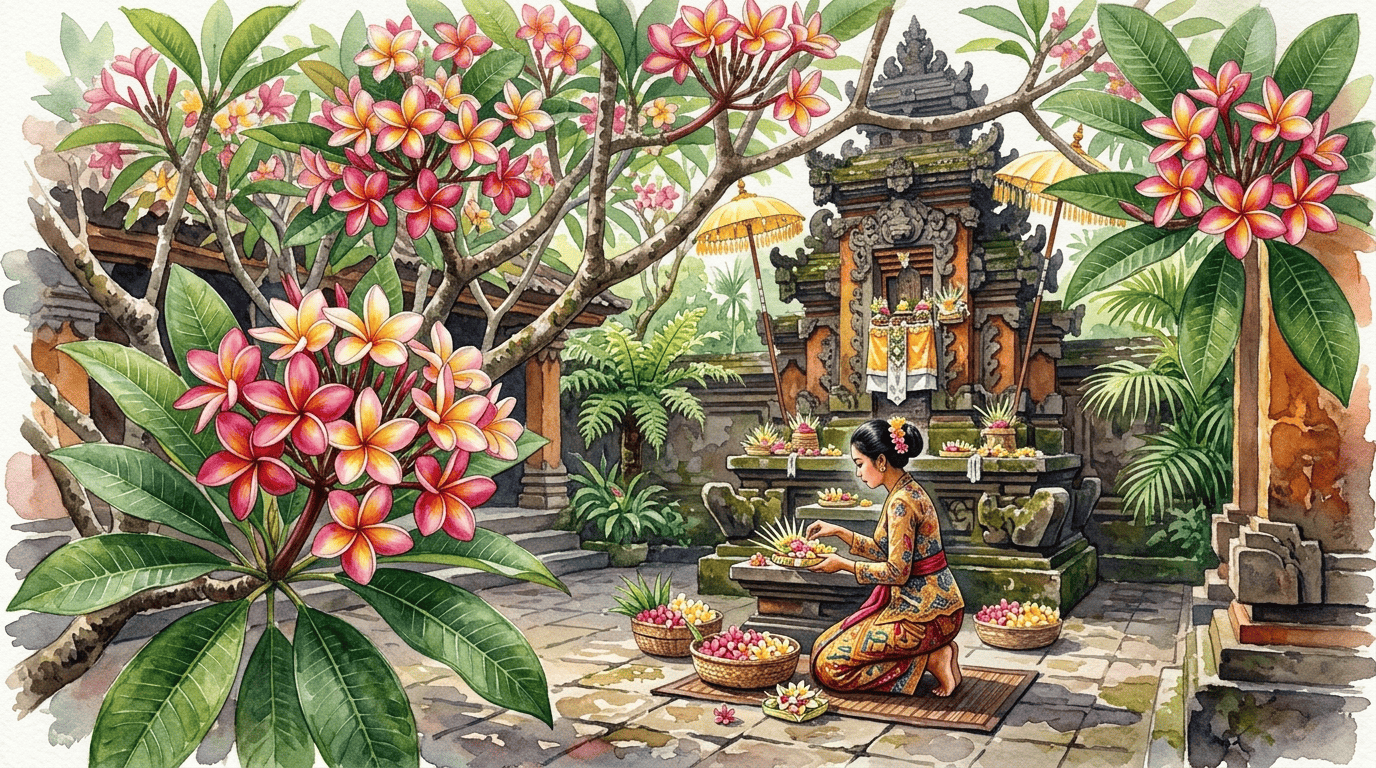
Plumeria rubra is native to Mexico, Central America, and Venezuela, where it was cultivated by the Aztec and Maya; Aztec nobles planted it in garden colonnades, and its flowers appear in Mesoamerican codices as a symbol of noble status. French botanist Charles Plumier collected it in the Caribbean in the 1690s, giving the genus its name. The common name "frangipani" commemorates the 16th-century Italian Marquis Muzio Frangipani, creator of a perfume said to resemble the flower's scent.
Portuguese, Spanish, and Dutch ships spread it to India, Southeast Asia, and the Pacific by the 18th century, where it became deeply woven into local religious and cultural practice — sacred to temple Buddhism in Laos, to Balinese Hindu ritual, and to funerary tradition in many regions. In Hawaii it is the primary lei flower; in Polynesia, a flower behind the right ear signals availability, the left ear commitment. Plumeria is named after French botanist Charles Plumier, who documented Caribbean plants in the 1690s.
In Bali, frangipani flowers are placed in daily offerings to Hindu gods — every temple and home entrance features fresh plumeria. In Hawaii, wearing a plumeria behind the left ear signals you are taken; behind the right ear means available. The Aztecs associated plumeria with elite status, and only nobility were permitted to wear the flowers.
Symbolism & meaning
What It Symbolizes
Mexican Plumeria embodies grace through pinwheel flowers and a heavenly scent that has come to stand for tropical paradise itself. From Hawaiian lei to Hindu temple offerings, its blooms have long marked moments of welcome, ceremony, and celebration. Its meaning is divine beauty made portable — a flower so consistently associated with joy that simply bringing one to the nose seems to transport the wearer somewhere warm.
- Grace — Its elegant pinwheel flowers and heavenly scent represent divine beauty and tropical paradise
Where the Name Comes From
Plumeria honors Charles Plumier (1646–1704), French botanist. Rubra means 'red,' though flowers come in many colors.
Uses & Fun Facts
- Tropical flowers release sweet jasmine-like evening perfume
- Sculptural tropical tree thrives in patio pots in cool zones
- Iconic Hawaiian lei flower and Pacific island symbol
Related plants
Plants with similar care
 Mexican AbeliaAbelia floribunda
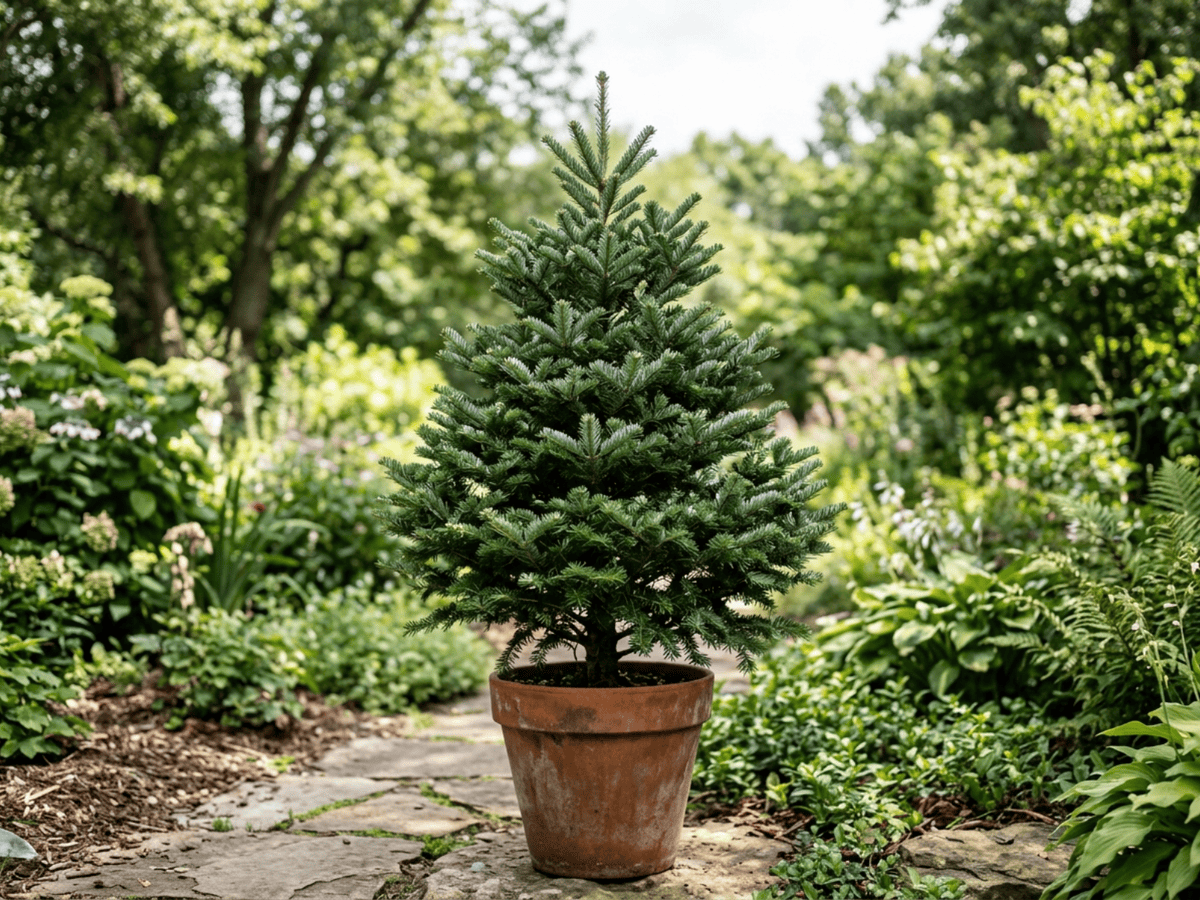 Fraser FirAbies fraseri
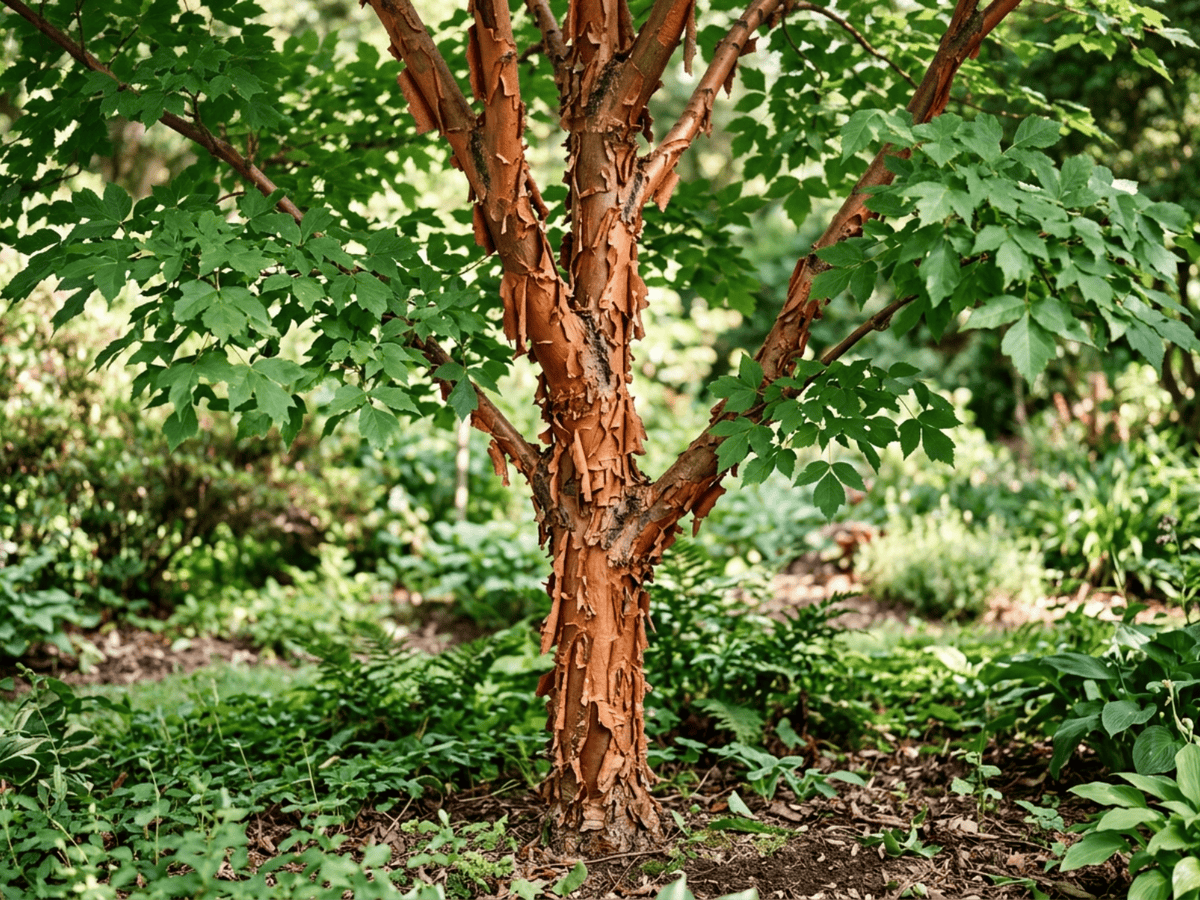 Paperbark MapleAcer griseum
 Sugar MapleAcer saccharum
Frequently asked questions
How often should I water Mexican Plumeria?
In summer, water about every 5 days; in winter, about every 21 days. Adjust for heat, pot size and drainage.
How much light does Mexican Plumeria need?
Full sun: 6+ hrs direct. Watch the leaves — scorching or stretching means the light needs adjusting.
Is Mexican Plumeria toxic to cats or dogs?
Pets Moderate (Dogs Moderate · Cats Moderate) Educational information, not medical or veterinary advice. If exposure is suspected, contact a doctor or veterinarian.
Is Mexican Plumeria easy to grow?
It is moderately demanding: a good choice once you have a little experience.
When does Mexican Plumeria bloom?
It typically blooms Dec–Feb in the Northern Hemisphere.
YardMate
Identify any plant in seconds
Snap a photo — YardMate names the plant, diagnoses problems, and reminds you when to water.
Download on the App Store