 YardMate



Mayapple
Podophyllum peltatum
Easy · Beginner friendlyAbout Mayapple
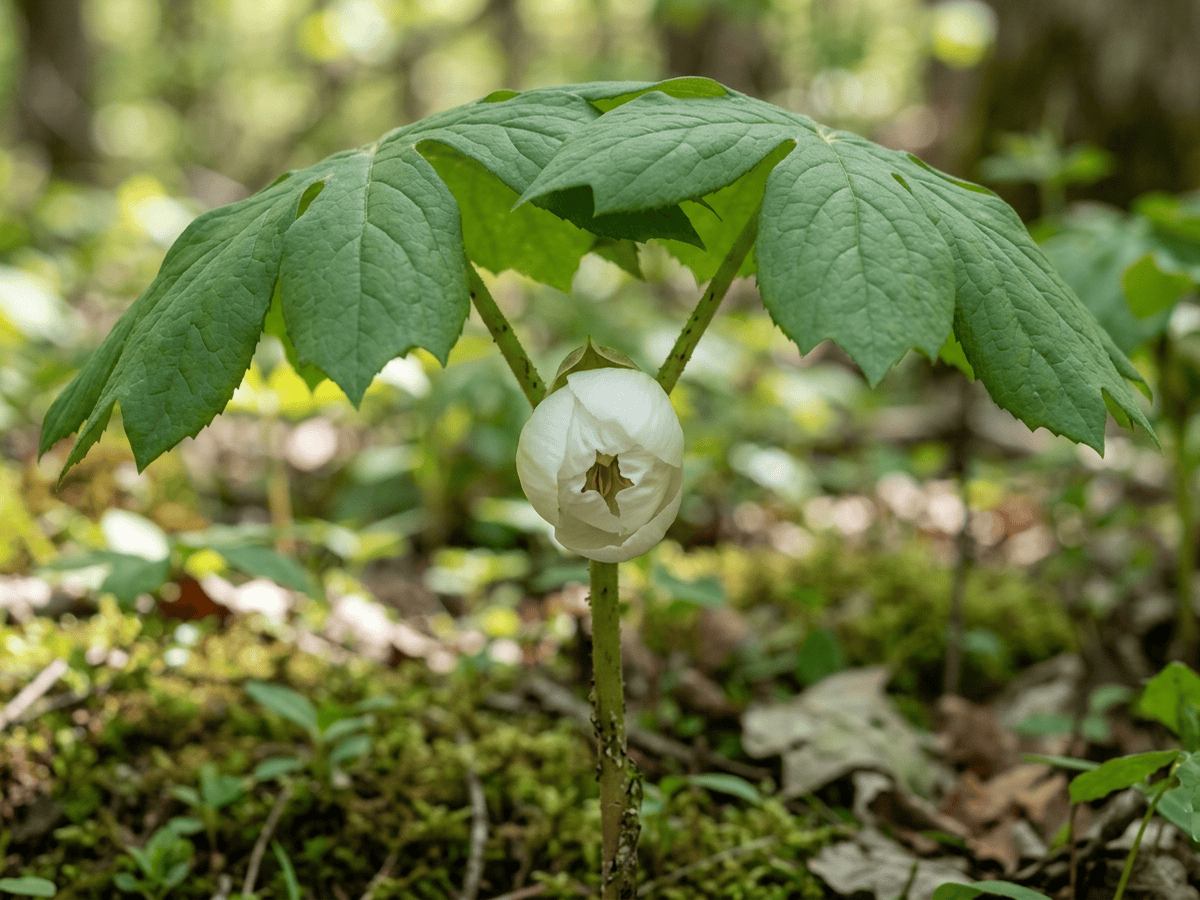
Podophyllum peltatum, mayapple, is an eastern North American woodland perennial that emerges in spring like a little colony of green umbrellas. Each stem bears one or two deeply lobed leaves; only the two-leaved stems usually hide a single waxy white flower in the fork. By summer, that flower can become a yellow egg-shaped fruit. Fully ripe fruit is edible in small amounts, but the unripe fruit and all other plant parts are toxic, especially the rhizome. Mayapple's chemistry also led scientists to podophyllotoxin, a compound that inspired important semi-synthetic oncology medicines. In the garden it is best appreciated as a spring ephemeral groundcover for deciduous shade, rich leaf mold, and room to wander.
- Medicinal
- Shade-tolerant
- Native
How to care for Mayapple
Watering
- Springevery 7 days
- Summerevery 5 days
- Fallevery 14 days
- Winterpause watering
Soil · Well-draining
- Top dressingPine bark mulch10%
- Main mixPotting soil + perlite 2:170%
- DrainageLECA / gravel20%
Never skip the drainage layer — standing water is the top cause of root rot.
FERTILIZER
Balanced Feed 14-14-14
An even feed covers all three needs at once, keeping leaves, roots and blooms moving together with nothing pushed out of balance.
- Nitrogen · Leaves
- Phosphorus · Roots + Blooms
- Potassium · Strength
This plant needs little to no feeding.
At a Glance
- NativeNorth America
- Height1–1.5 ft (0.3–0.5 m)
- Spread0.5–1 ft (0.2–0.3 m)
- Flower colorWhite
- Foliage colorGreen
- Fruit colorYellow
- SoilLoamy, Moisture-retentive, Rich
- LocationsYard
Bloom time
BLOOM CYCLE
Peak bloom
May
Single white waxy flower nests in leaf fork May; produces edible yellow fruit in midsummer.
Fragrance
LIGHT FRAGRANCE
Flower has light musky-sweet scent.
Toxicity
Humans Moderate · Pets Moderate
podophyllotoxin
Moderate
- Leaf
- Stem
- Rhizome
- Unripe fruit
- Ingestion
EXPOSURE Eating leaves, stems, rhizome, and unripe fruit.
EFFECT Podophyllotoxin causes vomiting, diarrhea, neurological effects. Ripe fruit safe.
NOTE All parts except ripe yellow fruit are toxic. Chemotherapy drug parent compound.
Moderate
- All except ripe fruit
- Ingestion
EXPOSURE Eating all except ripe fruit.
EFFECT Vomiting, diarrhea, weakness.
NOTE All parts except ripe yellow fruit are toxic. Chemotherapy drug parent compound.
Moderate
- All except ripe fruit
- Ingestion
EXPOSURE Eating all except ripe fruit.
EFFECT Vomiting, diarrhea, weakness.
NOTE All parts except ripe yellow fruit are toxic. Chemotherapy drug parent compound.
Educational information, not medical or veterinary advice. If exposure is suspected, contact a doctor or veterinarian.
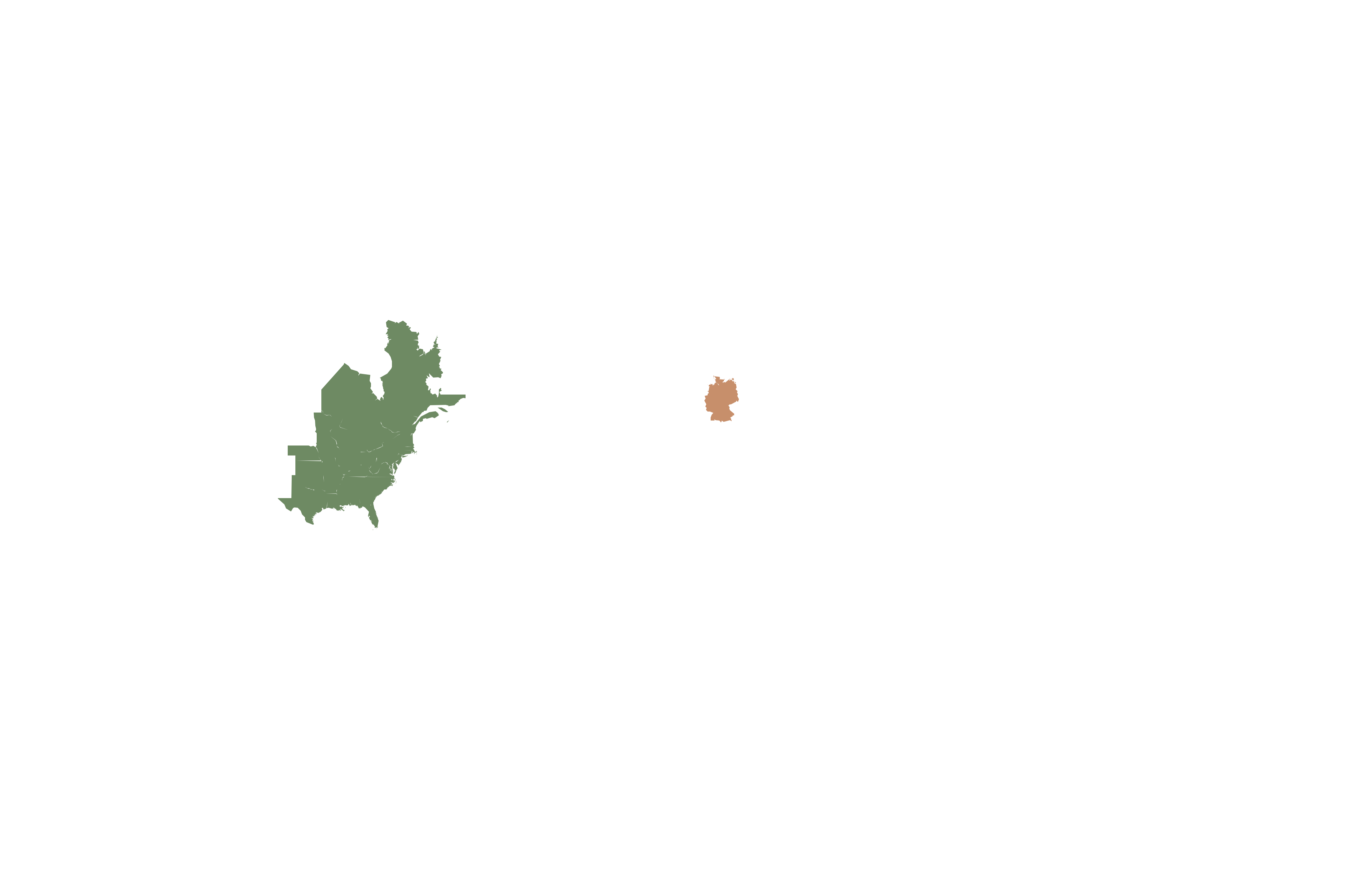
DISTRIBUTION

- Native
- Introduced
- North America
History
Podophyllum peltatum is native to eastern North America from southern Quebec and Ontario south through the eastern US to northern Florida and west to Texas. Indigenous peoples used the rhizome medicinally as a purgative, for liver complaints, and topically for warts and skin growths. Early European settlers adopted these uses, and podophyllin (the dried resin) entered the US Pharmacopoeia in 1820 as a cathartic.
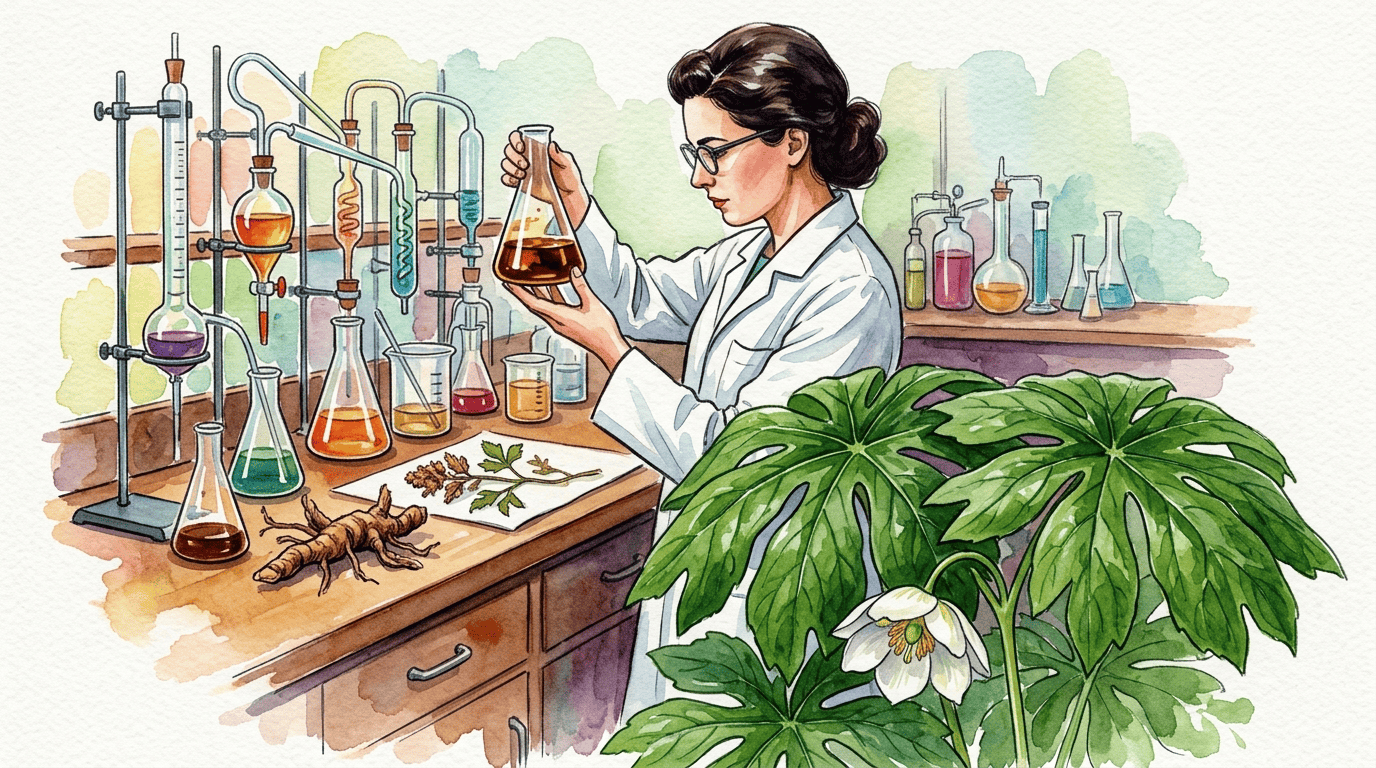
In the 1940s-50s, Sandoz (Switzerland) pharmacologists investigated podophyllotoxin from P. peltatum and the related Himalayan species Podophyllum hexandrum for cancer activity. After extensive chemistry, they developed etoposide (VP-16-213), a semi-synthetic glycoside of podophyllotoxin, approved in 1983. Etoposide became one of the most important chemotherapy agents of the late 20th century, used in combination regimens for small-cell lung cancer, testicular cancer, Kaposi's sarcoma, and leukemia.
A related agent, teniposide, treats childhood leukemia. The plant remains under investigation for further pharmacological applications. In the wild, colonies form dense groundcover in deciduous woods; the ripe summer fruit is eaten by box turtles (which are key seed dispersers) and occasionally raccoons. Used by Cherokee, Iroquois, and Menominee for various ailments. Podophyllin extracted since 1820s. Etoposide (VP-16), derived from podophyllotoxin, is a leading chemotherapy agent for lung cancer, testicular cancer, and leukemia.
Symbolism & meaning
What It Symbolizes
Mayapple rises like a spring colony of green umbrellas, each paired leaf hiding a white flower beneath it. Its chemistry and ripe fruit history make it complicated, but its woodland symbolism is secrecy: beauty held under the leaves, revealed only to those who bend down and look.
- Wisdom — Umbrella leaves like sheltering knowledge
- Healing — Indigenous medicine now providing modern chemotherapy
Where the Name Comes From
Podophyllum from Greek 'pous' (foot) + 'phyllon' (leaf), describing foot-shaped leaves; 'peltatum' means shield-shaped (peltate leaf attachment).
Uses & Fun Facts
- Resin yields podophyllotoxin used in modern chemotherapy drugs
- Umbrella leaves form dense colonies in spring woodlands
- Bold native foliage brings tropical look to deciduous shade
Related plants
Plants with similar care
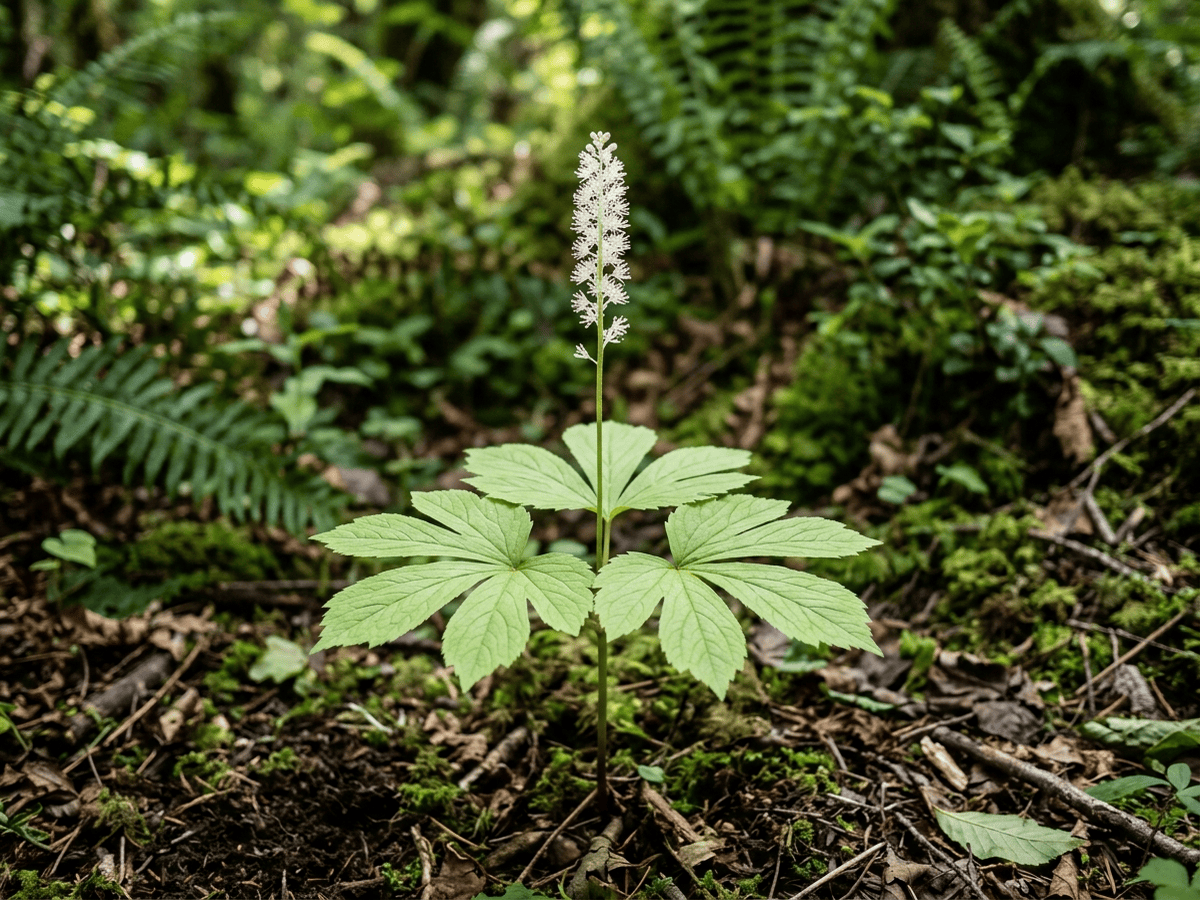 Vanilla LeafAchlys triphylla
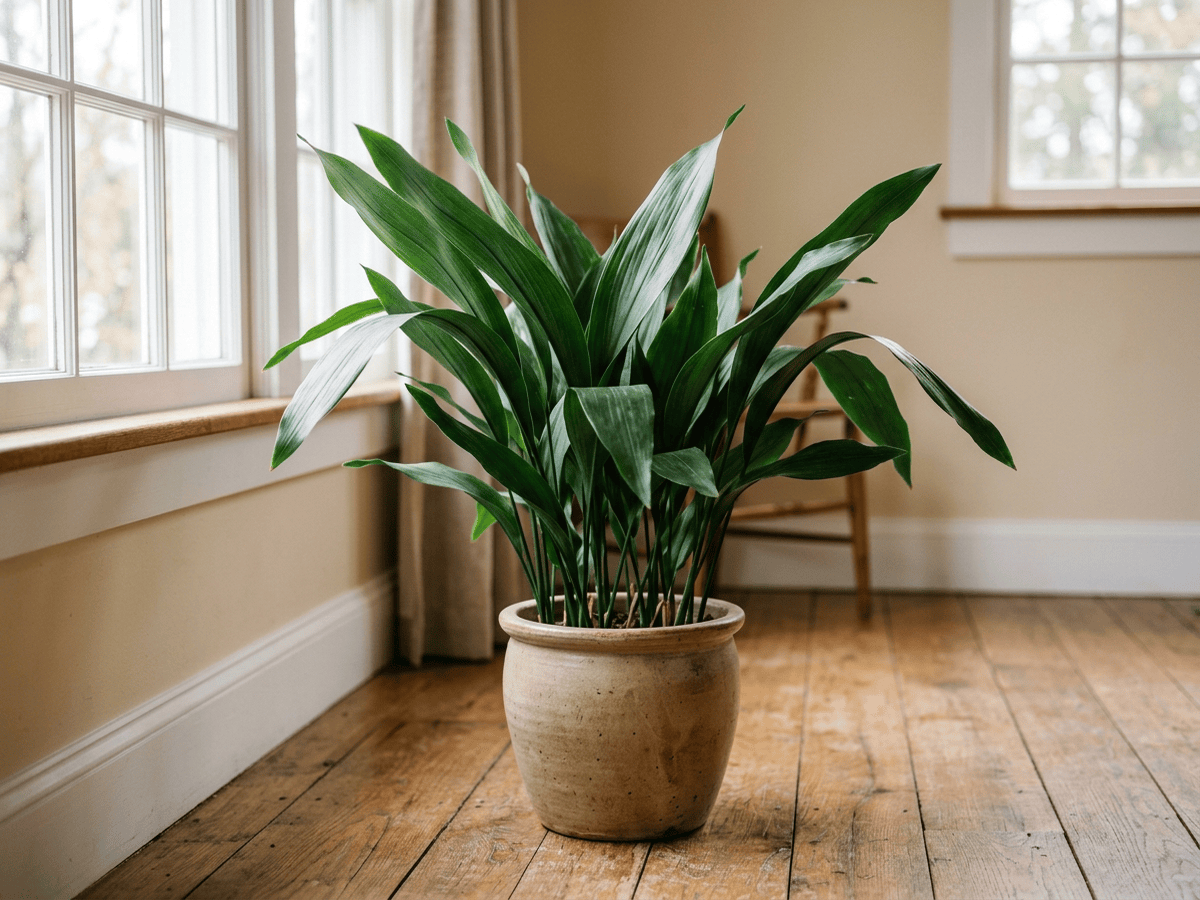 Cast-Iron PlantAspidistra elatior
 Chinese AucubaAucuba chinensis
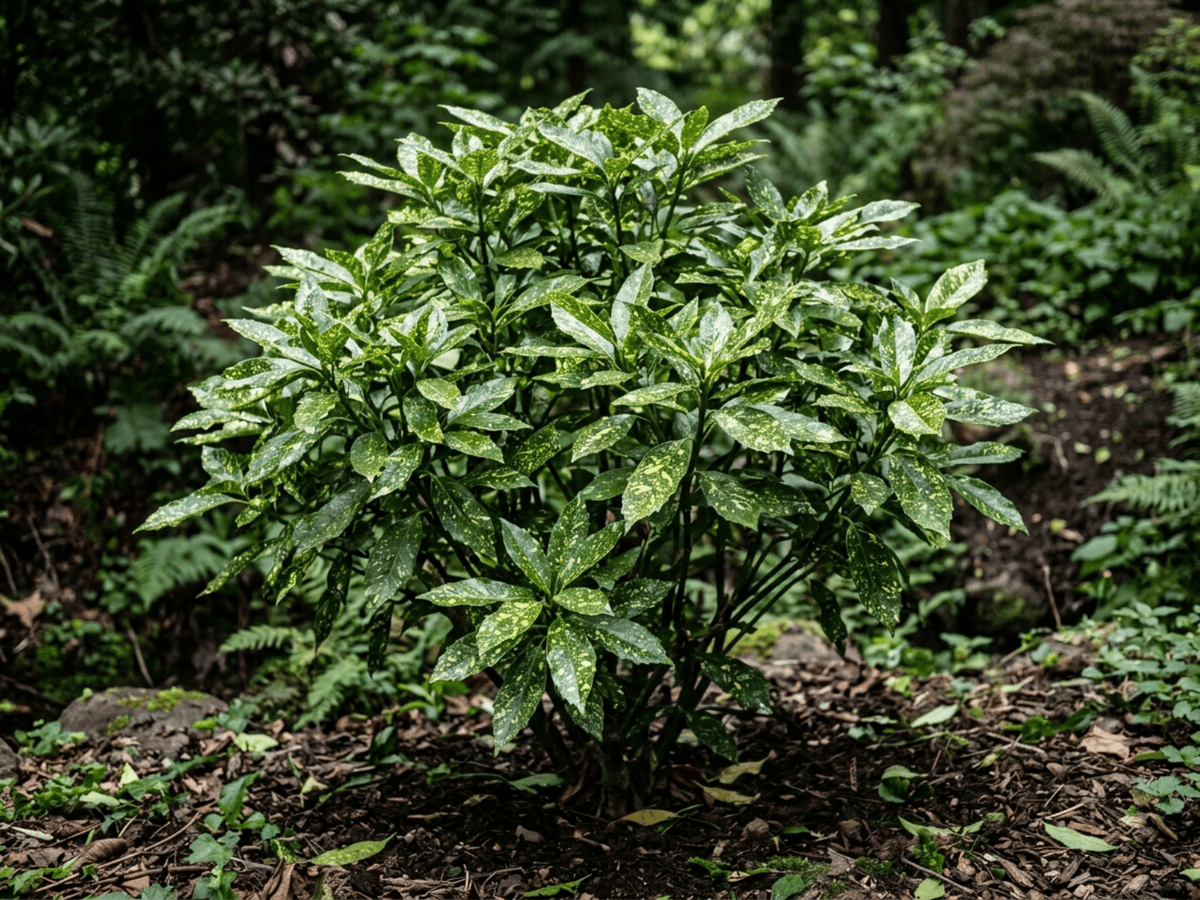 Japanese AucubaAucuba japonica
Frequently asked questions
How often should I water Mayapple?
Water about every 7 days during the growing season, and always let excess water drain away.
How much light does Mayapple need?
Full shade: <2 hrs direct. Watch the leaves — scorching or stretching means the light needs adjusting.
Is Mayapple toxic to cats or dogs?
Pets Moderate (Dogs Moderate · Cats Moderate) Educational information, not medical or veterinary advice. If exposure is suspected, contact a doctor or veterinarian.
Is Mayapple easy to grow?
Yes — it is considered an easy, beginner-friendly plant.
When does Mayapple bloom?
It typically blooms May in the Northern Hemisphere.
YardMate
Identify any plant in seconds
Snap a photo — YardMate names the plant, diagnoses problems, and reminds you when to water.
Download on the App Store