 YardMate


Christmas Fern
Polystichum acrostichoides
Easy · Beginner friendlyAbout Christmas Fern
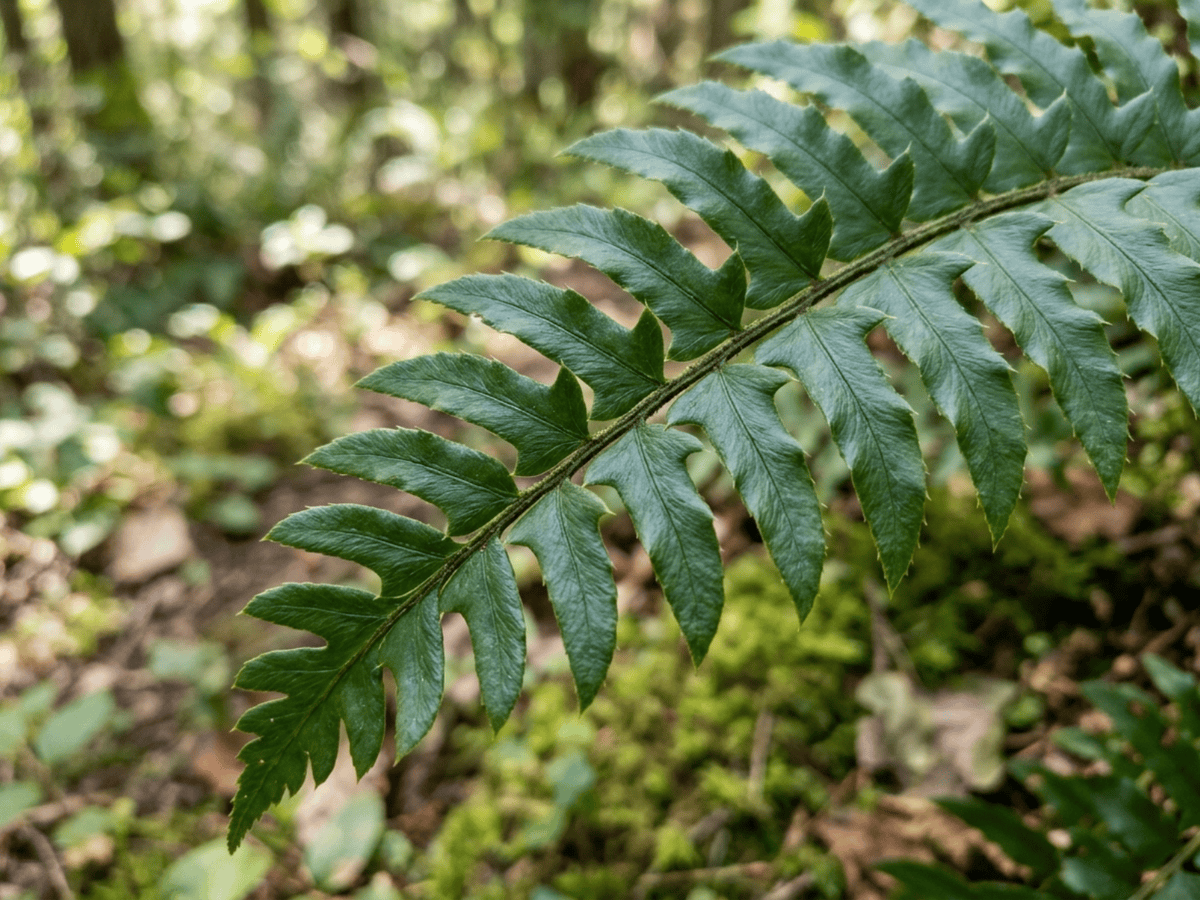
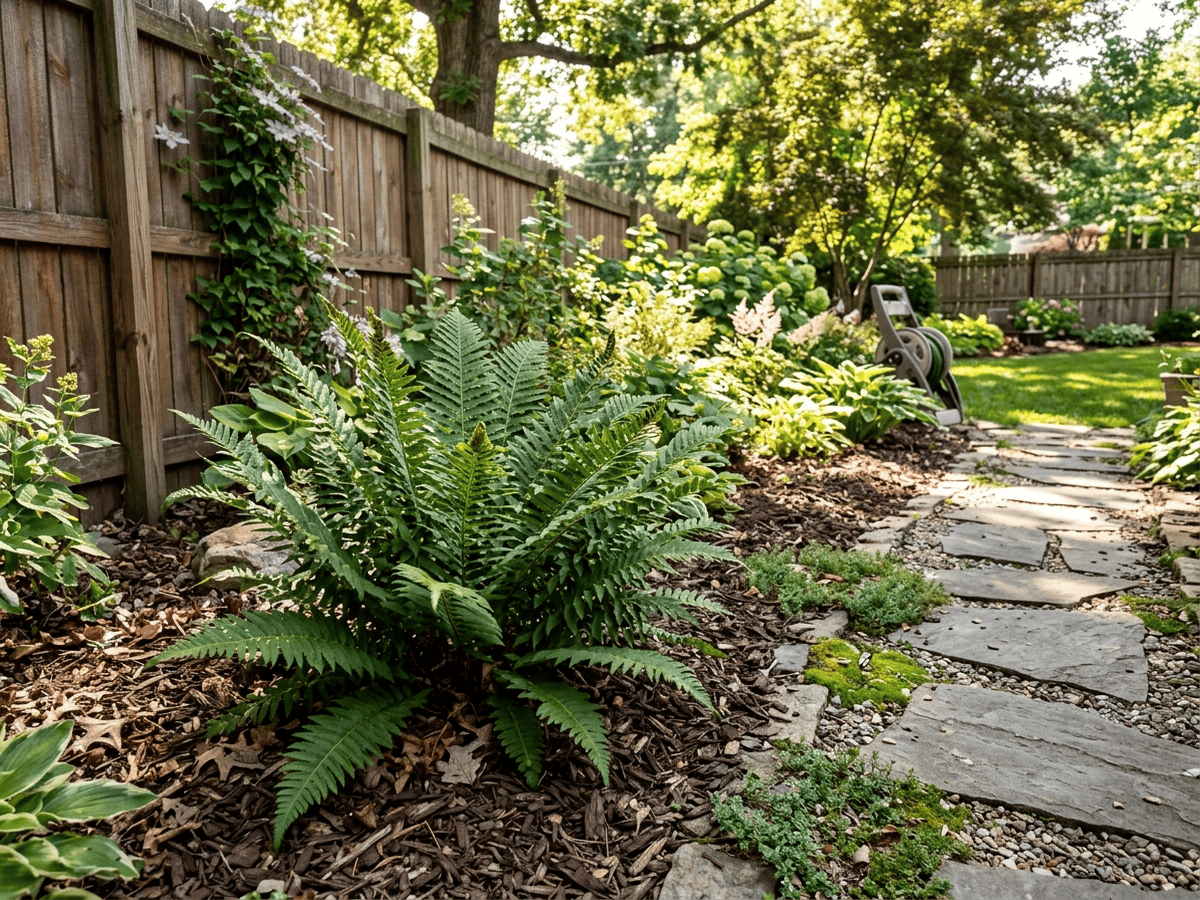
Polystichum acrostichoides, the Christmas fern, is one of the most dependable and attractive native ferns in eastern North America. Its common name comes from the fact that its leathery, dark green fronds remain evergreen through winter, providing a splash of green during the holiday season when most other ferns have gone dormant. The individual leaflets (pinnae) have a distinctive ear-shaped lobe at the base, sometimes said to resemble a Christmas stocking. Growing 30 to 60 centimeters tall, it forms graceful, arching rosettes from a central crown. New fiddleheads emerge in spring covered in silvery-white scales, unfurling into the current year's fronds while the previous year's gradually flatten to the ground. It is remarkably adaptable, tolerating deep shade, dry shade under trees, rocky slopes, and clay soils. Christmas fern is one of the best ferns for beginning gardeners and provides crucial evergreen winter cover for woodland wildlife.
- Low-maintenance
- Shade-tolerant
- Evergreen
- Native
How to care for Christmas Fern
Watering
- Springevery 5 days
- Summerevery 3 days
- Fallevery 10 days
- Winterevery 30 days
Soil · Moisture-retentive
- Top dressingSphagnum moss10%
- Main mixPeat + coco coir 1:180%
- DrainagePerlite / gravel10%
Keep it evenly moist — but the drainage layer still matters.
FERTILIZER
- Springevery 60 days
At a Glance
- NativeNorth America
- Height1–2 ft (0.3–0.6 m)
- Spread2–3 ft (0.6–0.9 m)
- Foliage colorGreen
- SoilLoamy, Moisture-retentive
- LocationsYard
Bloom time
BLOOM CYCLE
Fern — does not flower. Spores form on undersides of upper pinnae in summer.
Fragrance
NO FRAGRANCE
No notable fragrance.
Toxicity
No toxicity has been reported for this plant. Still, it is wise to keep pets from chewing on any houseplant.
Educational information, not medical or veterinary advice. If exposure is suspected, contact a doctor or veterinarian.
DISTRIBUTION


- Native
- Introduced
- North America
History
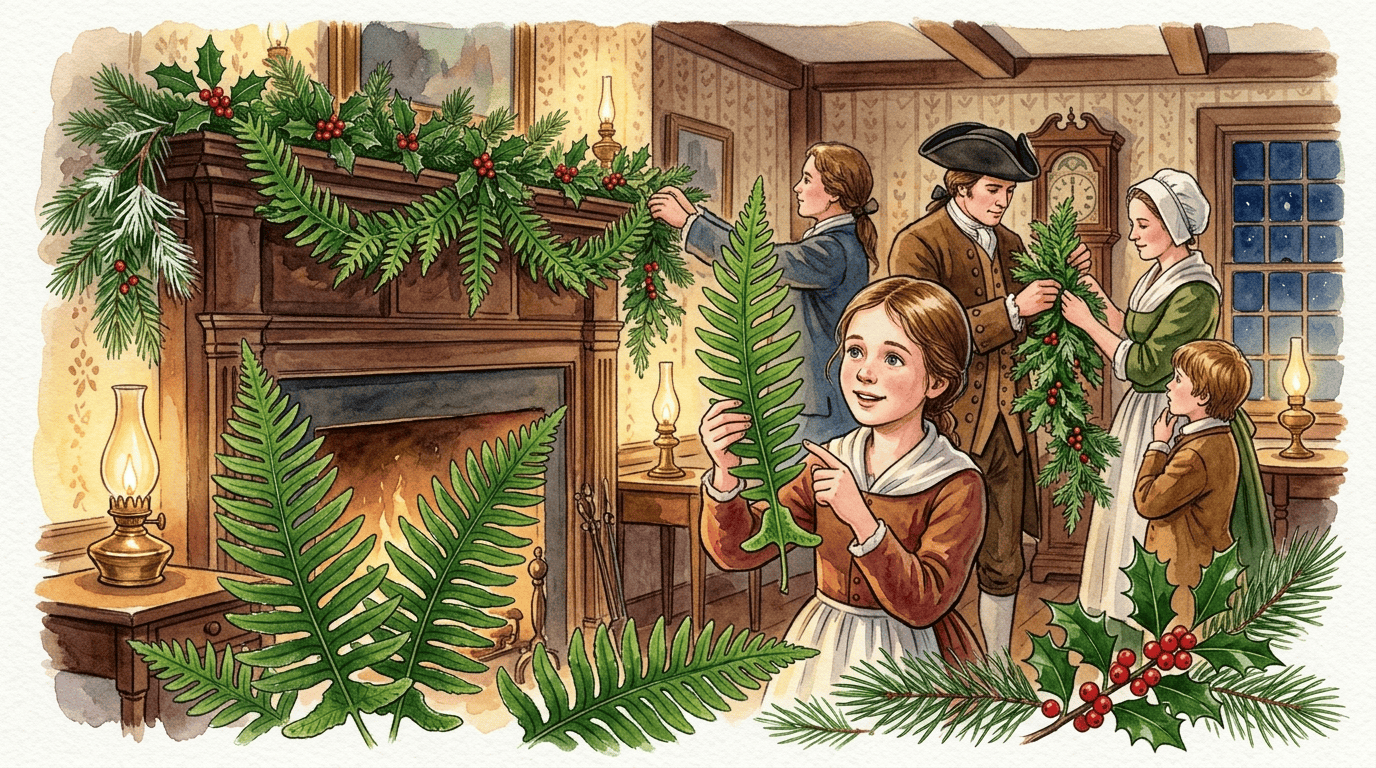
Polystichum acrostichoides is native to eastern North America, from Nova Scotia west to Wisconsin and south to eastern Texas and northern Florida. It grows as an evergreen clump-forming fern of cool deciduous woodland floors, forming rosettes 30-60 cm tall and wide. Its common name "Christmas fern" originated in colonial and early American New England and Appalachian custom: the leathery, deep-green pinnate fronds remain green and structurally intact through winter, making them ideal for Christmas and New Year indoor decoration — gathered alongside American holly, evergreen ground pine (Lycopodium), and white pine.
The alternative folk etymology, that the individual pinnae are shaped like a Christmas stocking, is also commonly cited. Pinnae are attached to the rachis with a small basal lobe that does resemble an old-fashioned boot or stocking.
The species was widely collected from wild populations in the 19th and early 20th centuries for commercial Christmas greenery — a practice that damaged wild populations and is now discouraged; modern horticultural material is nursery-propagated. The Cherokee used rhizome preparations to treat stomachaches and rheumatism. As an ornamental Christmas fern is one of the most valuable evergreen ferns of eastern North American shade gardens — tough, drought-tolerant (once established), deer-resistant, and long-lived.
Symbolism & meaning
What It Symbolizes
The Christmas Fern suggests resilience, holding its dark green fronds through harsh winter snows long after softer ferns have collapsed. Paired with shelter, those evergreen fronds provide vital cover for woodland creatures when the rest of the forest floor lies brown and bare. It is a quiet emblem of strength through cold — beauty that simply refuses to leave with the season.
- Resilience — Stays green through harsh winters, symbolizing strength through adversity
- Shelter — Provides vital evergreen cover for woodland creatures in winter
Where the Name Comes From
'Polystichum' from Greek 'poly' (many) and 'stichos' (row), referring to the rows of spore-producing sori on the fronds. 'Acrostichoides' means 'resembling Acrostichum,' another fern genus.
Uses & Fun Facts
- Evergreen Christmas fern blankets shaded slopes year-round
- Leathery dark fronds reliable winter green in eastern shade gardens
- Fronds shelter ground-foraging birds and small woodland mammals
Related plants
Plants with similar care
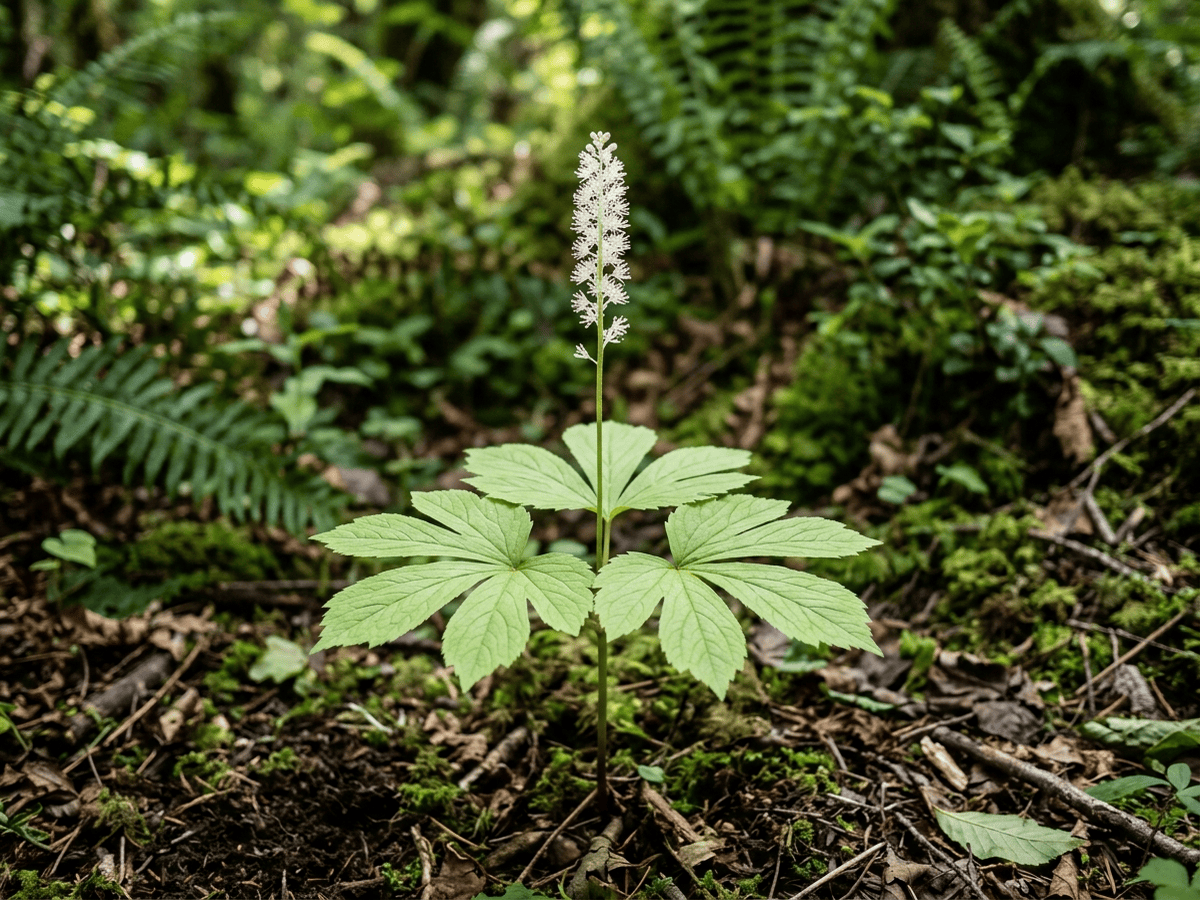 Vanilla LeafAchlys triphylla
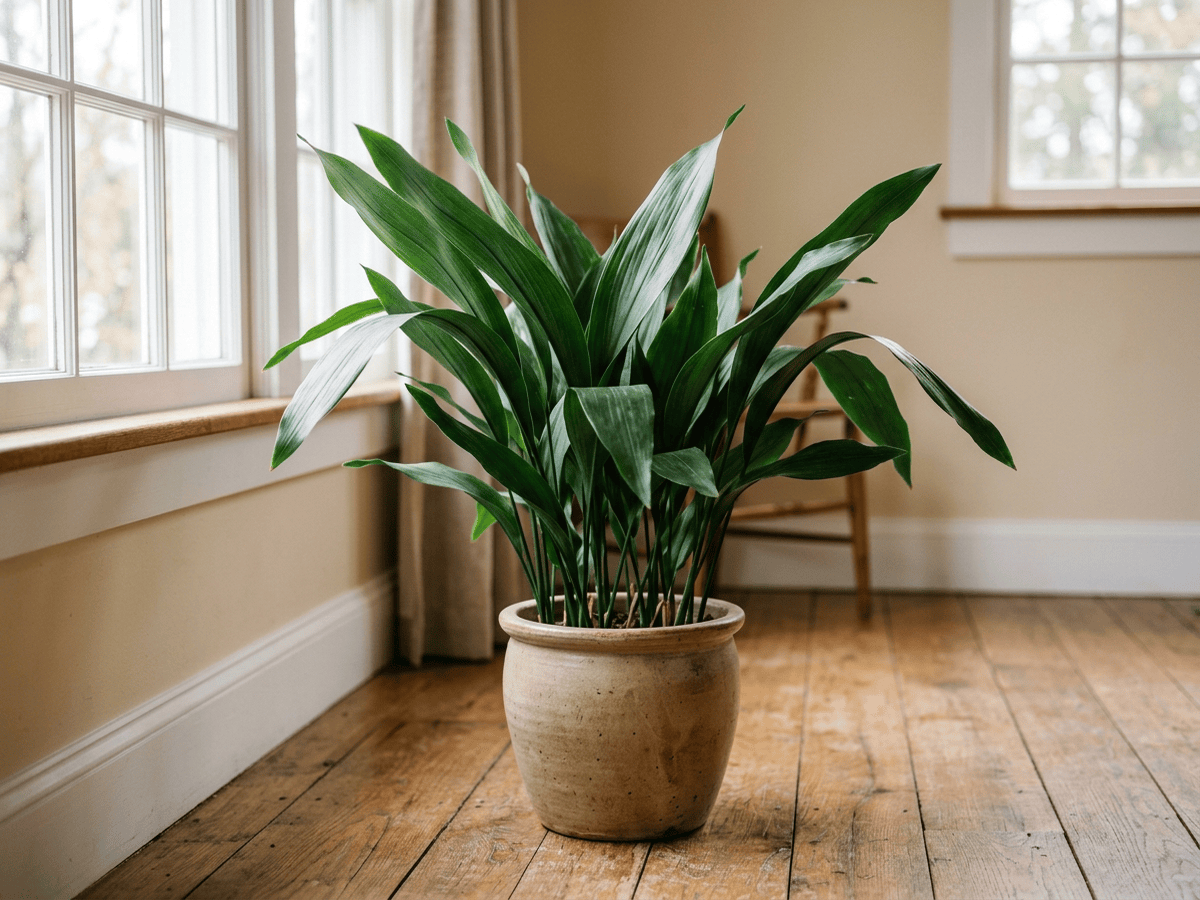 Cast-Iron PlantAspidistra elatior
 Chinese AucubaAucuba chinensis
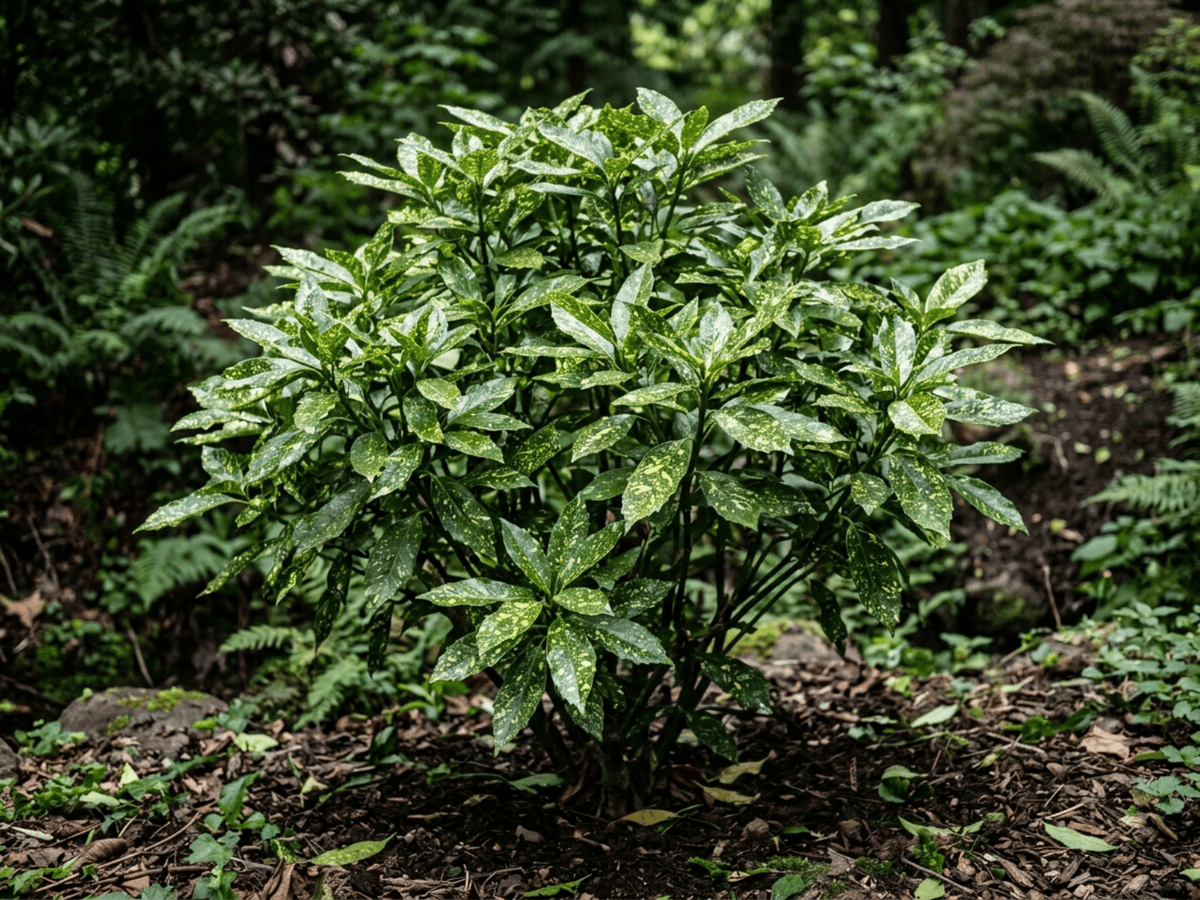 Japanese AucubaAucuba japonica
Frequently asked questions
How often should I water Christmas Fern?
In summer, water about every 3 days; in winter, about every 30 days. Adjust for heat, pot size and drainage.
How much light does Christmas Fern need?
Full shade: <2 hrs direct. Watch the leaves — scorching or stretching means the light needs adjusting.
Is Christmas Fern toxic to cats or dogs?
No toxicity has been reported for this plant. Still, it is wise to keep pets from chewing on any houseplant. Educational information, not medical or veterinary advice. If exposure is suspected, contact a doctor or veterinarian.
Is Christmas Fern easy to grow?
Yes — it is considered an easy, beginner-friendly plant.
YardMate
Identify any plant in seconds
Snap a photo — YardMate names the plant, diagnoses problems, and reminds you when to water.
Download on the App Store